Why People Would (Not) Fight for Their Own Country in a War? NATO Member States at a Cross-Section
Aim
Description
This grant will put a claim for one of the most extensive studies on willingness to fight for one’s own country.
The grant will, based on nationally representative surveys in all NATO member states, determine the levels of willingness to fight for own country, as well as identify the factors and actors contributing to the willingness in NATO member states.
The findings will be generalizable beyond NATO and will contribute to the research agenda on willingness to fight for one’s own country with new hypotheses and recommendations.
Project team
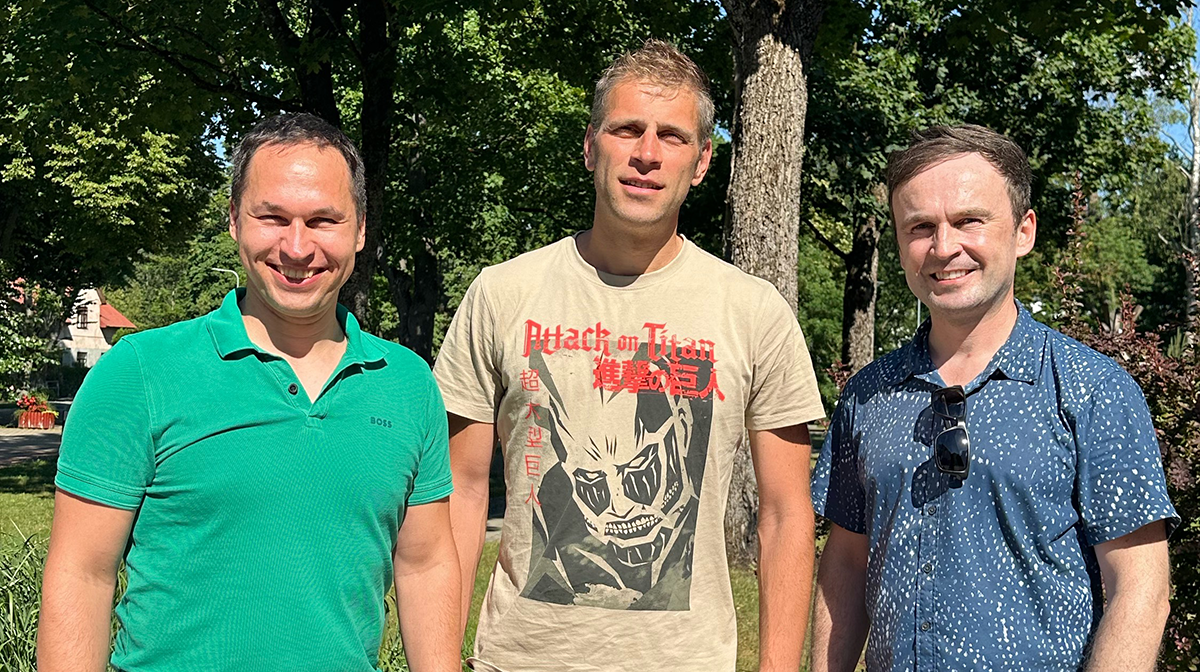
Left to right: project leader Māris Andžāns, participants Kaspars Ģērmanis and Juris Pupčenoks
Dissemination Activities
25.04.2025. Andžāns, M. Willingness to fight for Latvia after Russia’s invasion of Ukraine. The 16th Conference on Baltic Studies in Europe (CBSE 2025), University of Cambridge, United Kingdom, 24–26 April 2025. LinkedIn. | 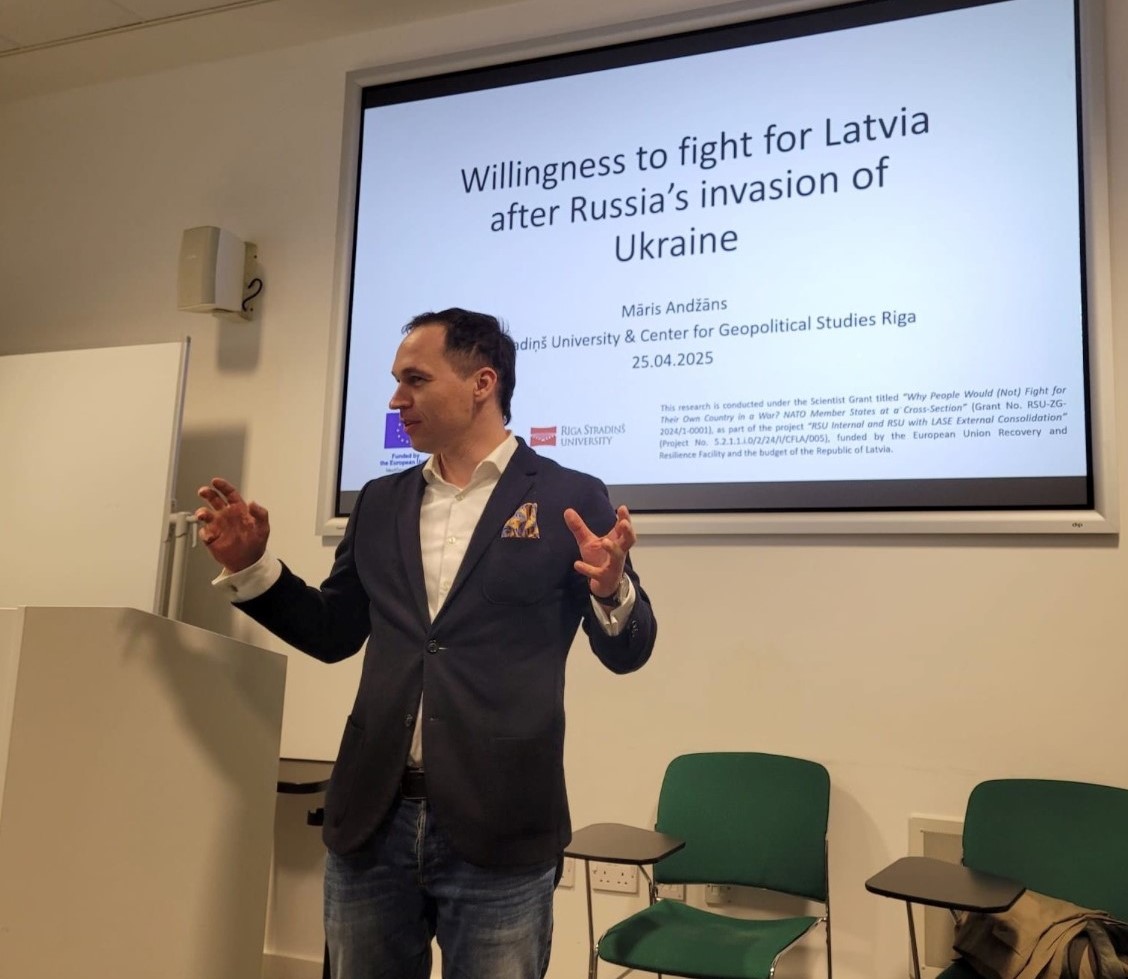 |
19.06.2025. Andžāns, M. Who will fight for Latvia? Evidence from quantitative data collected between 2022 and 2024. International research conference of the Security and Strategic Research Centre of the National Defense Academy of Latvia Europe between war and peace: military technology, personnel and willingness to defend, Latvian War Museum, Riga. LinkedIn. | 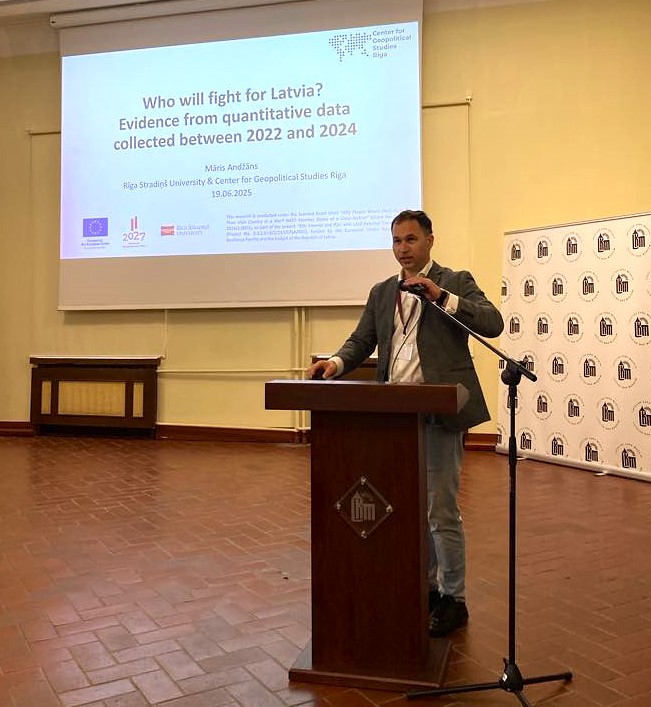 |
11.09.2025. Pupčenoks, J. Do Strategic Narratives Shape Views on the Societal Level? American Political Science Association's Annual Meeting, Vancouver, Canada, 11–14 September 2025. LinkedIn. | 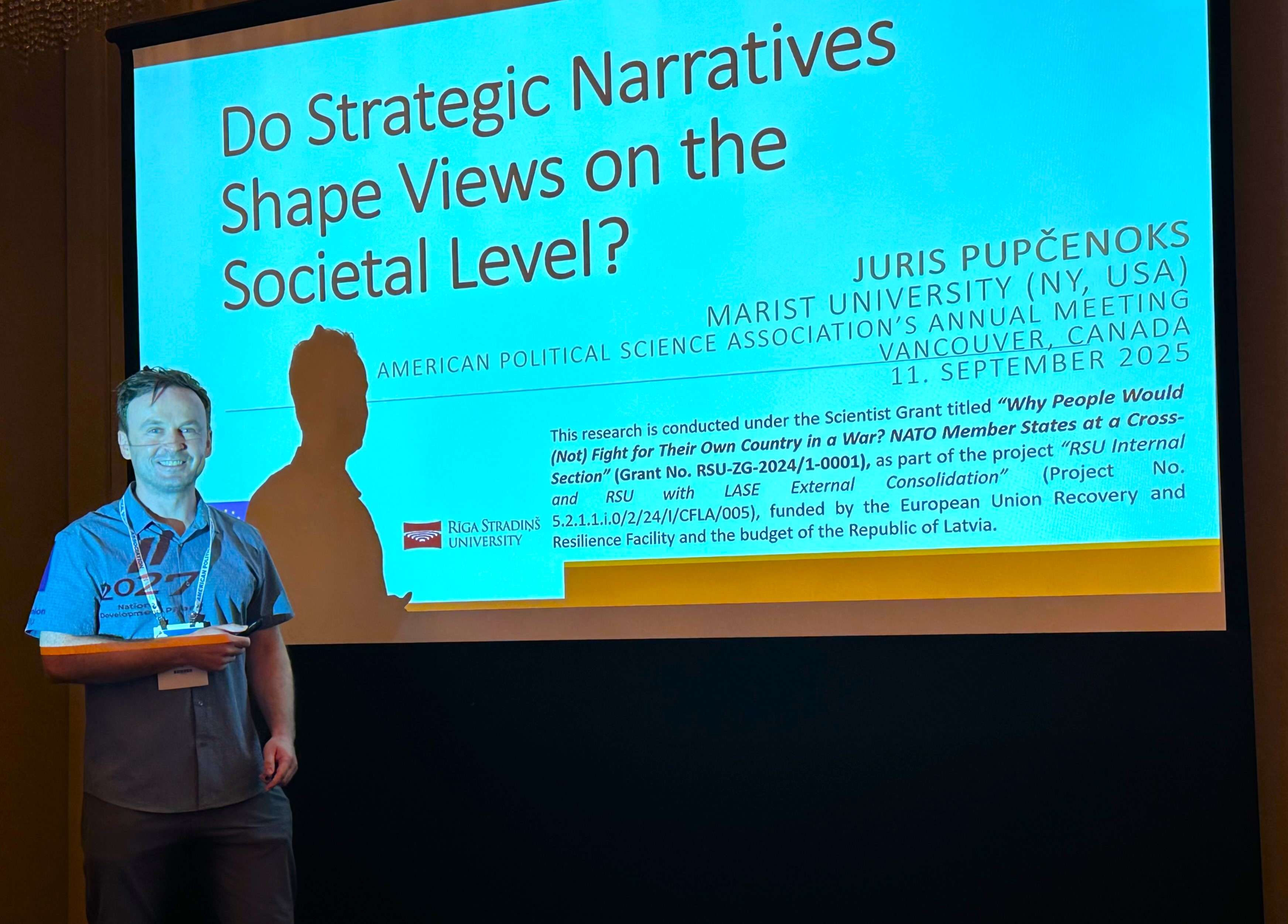 |
10.10.2025. Pupčenoks, J. Who Believes in Russian Disinformation on Ukraine in Canada? Strategic Narratives and Defense Attitudes. Workshop Disinformation, Propaganda, and Russia’s War on Ukraine, Carleton University, Ottawa, Canada. Event description. | 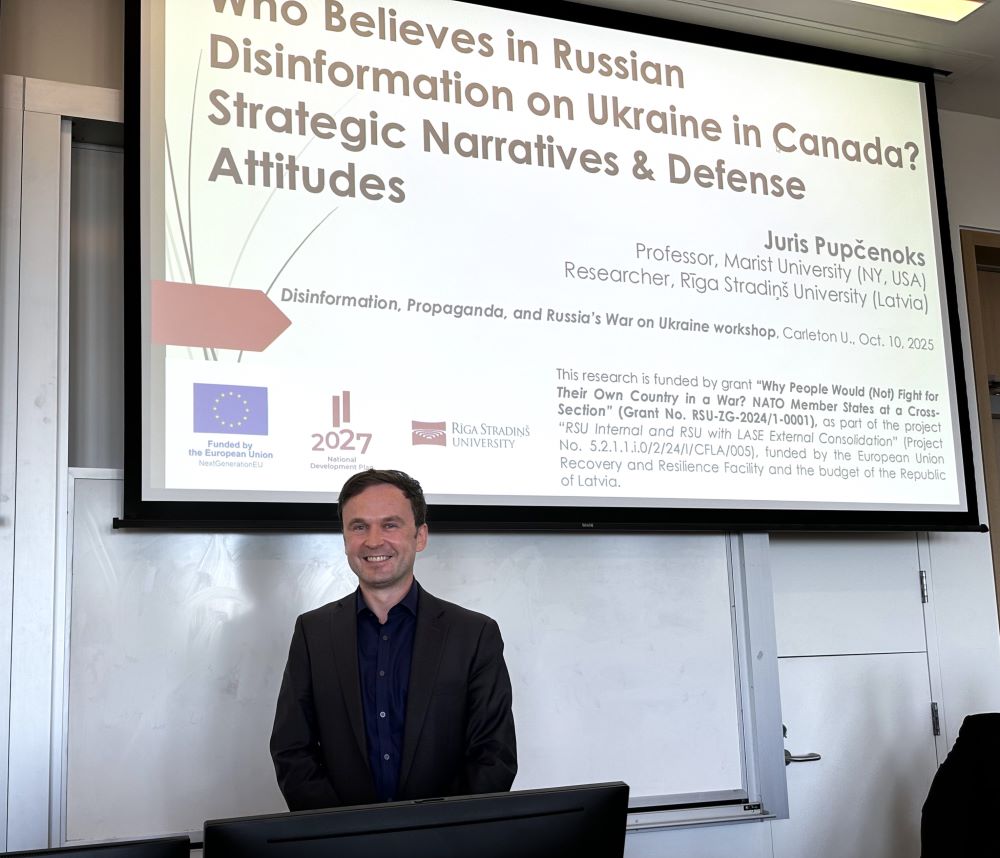 |
05.11.2025. Andžāns, M. How many residents of Latvia would fight for Latvia? Quantitative data in the context of NATO member states. Guest evening of the Latvian National Soldiers’ Association in Riga. LinkedIn. | 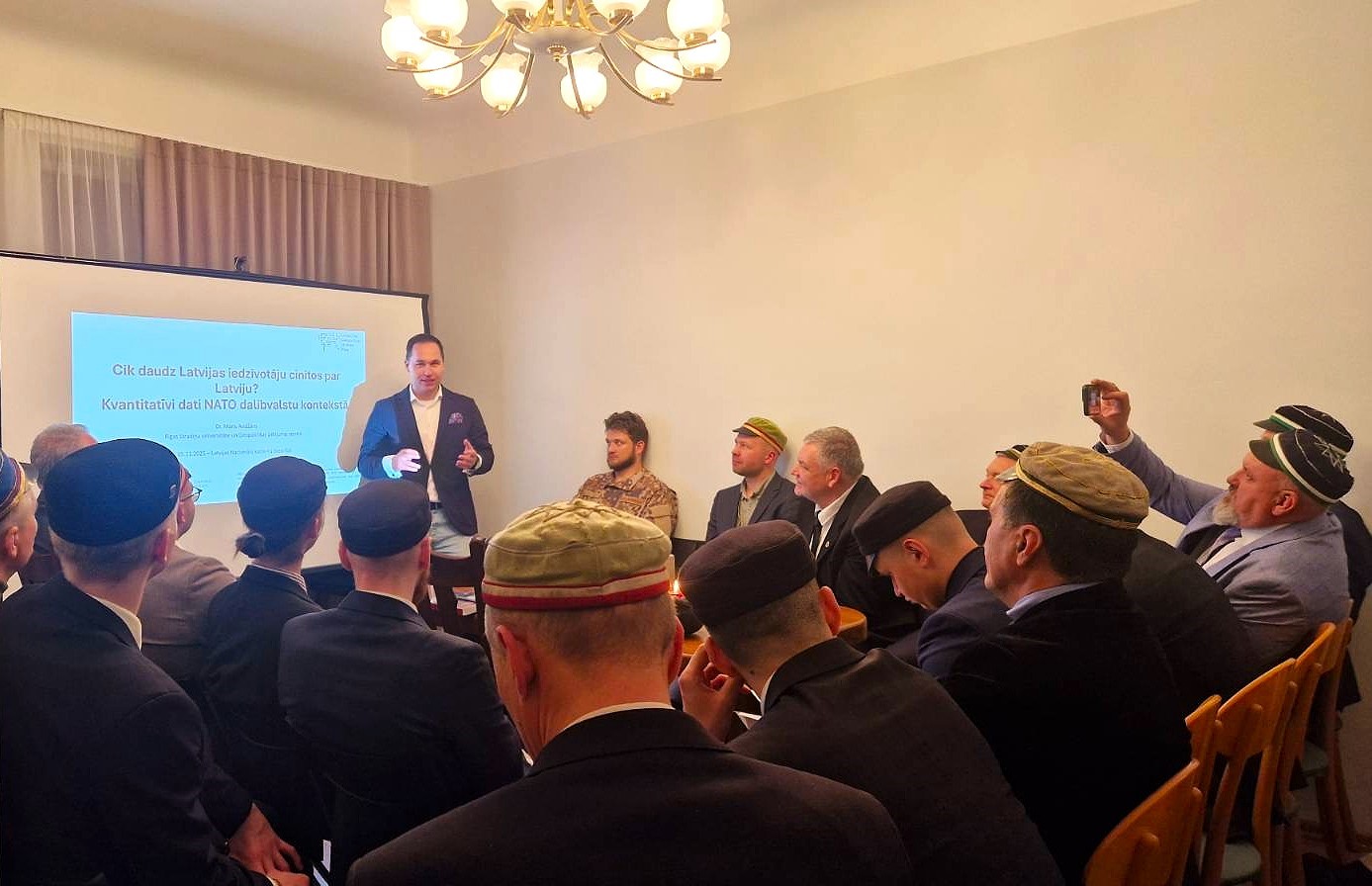 |
04.12.2025. Ģērmanis, K. Latvia’s response to Russia’s war in Ukraine and the preliminary findings of the Scientist Grant 'Why People Would (Not) Fight for Their Own Country in a War? NATO Member States at a Cross-Section'. Saint Joseph’s University, Philadelphia, USA. LinkedIn. K. Ģērmanis expresses gratitude to Professor Melissa A. Chakars for the opportunity to deliver this presentation to university faculty and students. |  |
09.02.2026. Ģērmanis, K. Living Next Door to War: How the Baltic States Respond to Russia’s Invasion of Ukraine. Guest lecture at Marist University, New York State, USA. Instagram. | 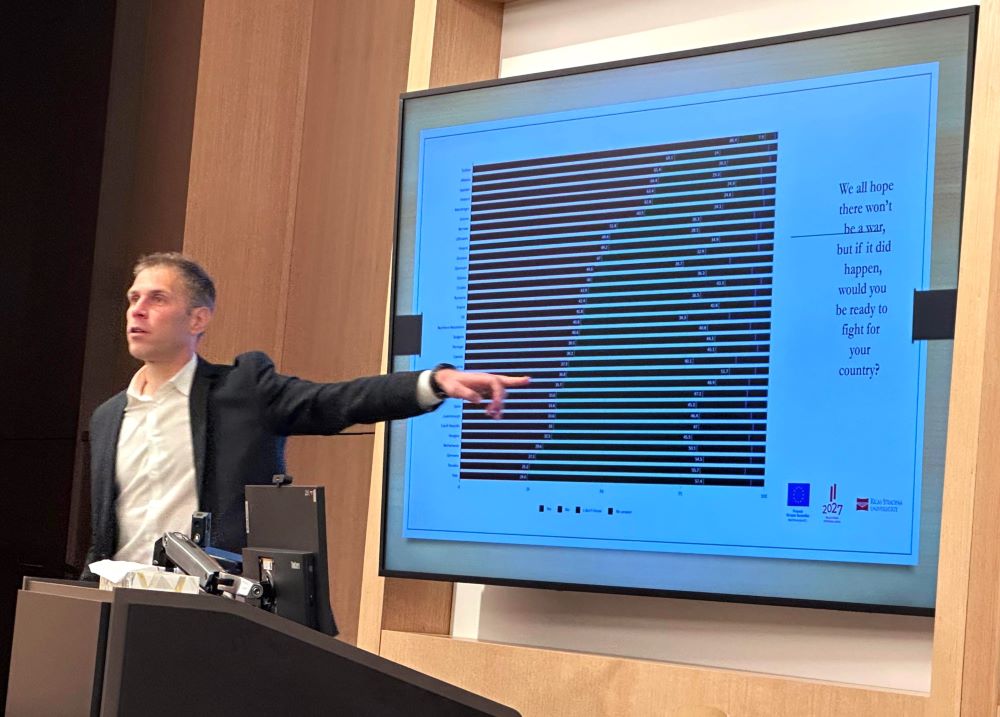 |
20.02.2026. Meeting in Riga with representatives of the University of Tartu and the Estonian Military Academy: Why People Would (Not) Fight for Their Own Country in a War? Discussion on Data from 32 Countries and Potential for Further Collaboration. LinkedIn. | 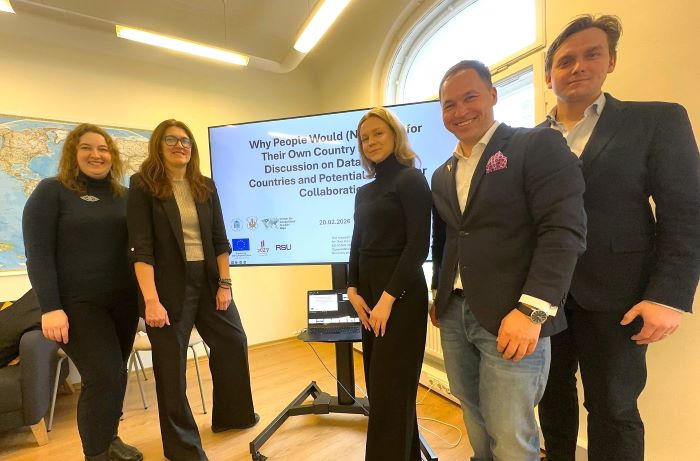 |
06.03.2026. Pupčenoks, J. Trust is the Battleground: How Confidence in NATO Shapes Beliefs About Who Caused the War in Ukraine. Conference Security in a Turbulent World: Canada, Eurasia, and the Arctic, Carleton University, Ottawa, Canada. Event description. | 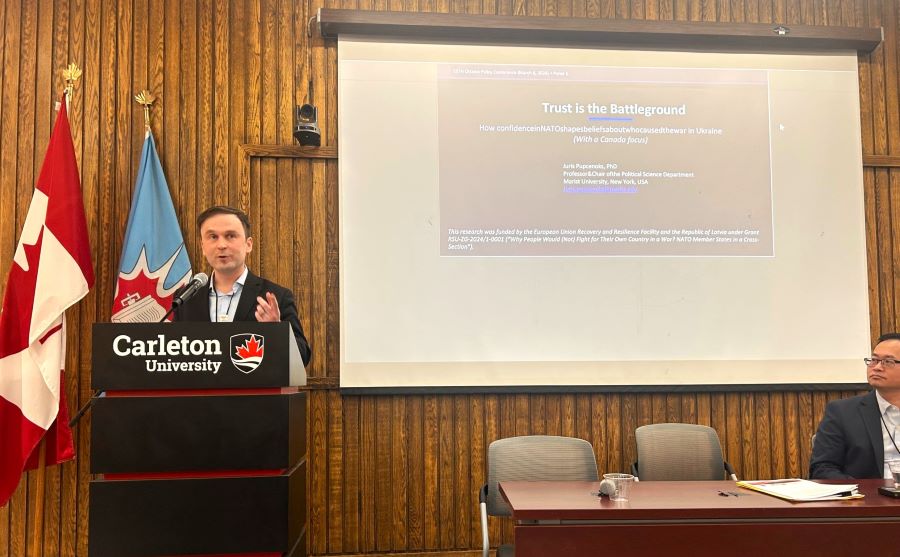 |
14.03.2026. Andžāns, M. Distance from Russia and willingness to fight for NATO. Presentation at the Southern Conference on Slavic Studies (SCSS) 2026. Georgetown University, Washington, USA, 12–15 March 2026. LinkedIn. | 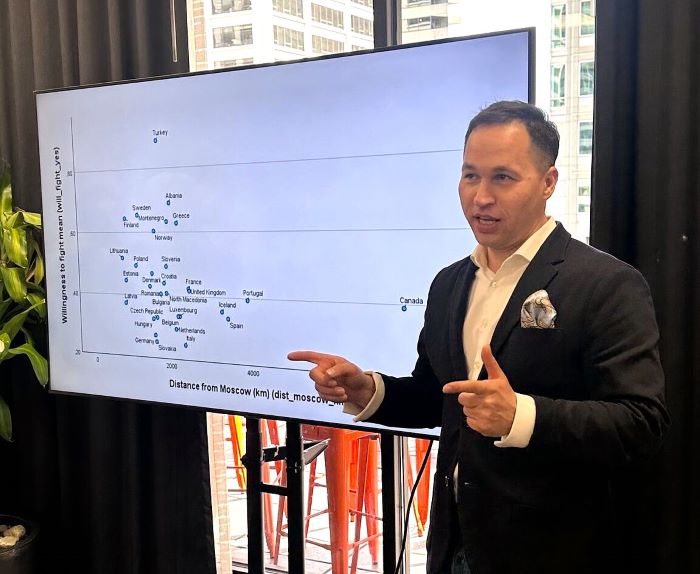 |
15.03.2026. Ģērmanis, K. Presentation on the results of the Scientist Grant Why People Would (Not) Fight for Their Own Country in a War? NATO Member States at a Cross-Section to representatives of the Joint Baltic American National Committee. Washington, USA. LinkedIn. | 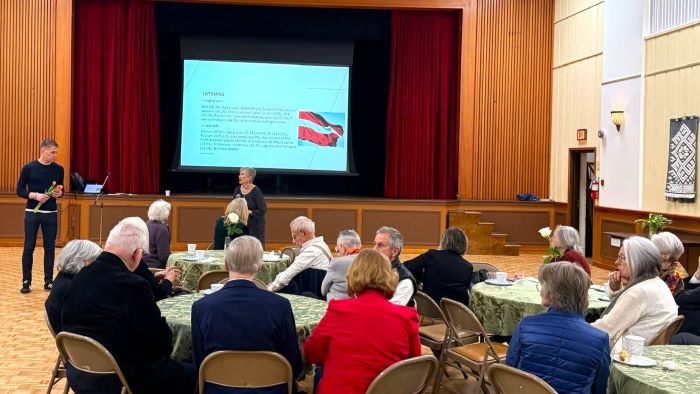 |
Publications
Schulte, F., Pupčenoks, J., Andžāns, M. Cultural Memory and the Minority Effect in (Un-)Willingness to Fight for the Country: Evidence from Russian Speakers in Latvia. European Journal of International Security, 2025, 1–17. https://doi.org/10.1017/eis.2025.10026
Andžāns, M. Would You Fight For Your Country? The Most and Least Willing Among NATO Allies. Foreign Policy Research Institute, 2026.