RSU Researchers Contribute to Baltic Healthy Ageing Initiative Presented to the Lithuanian Parliament


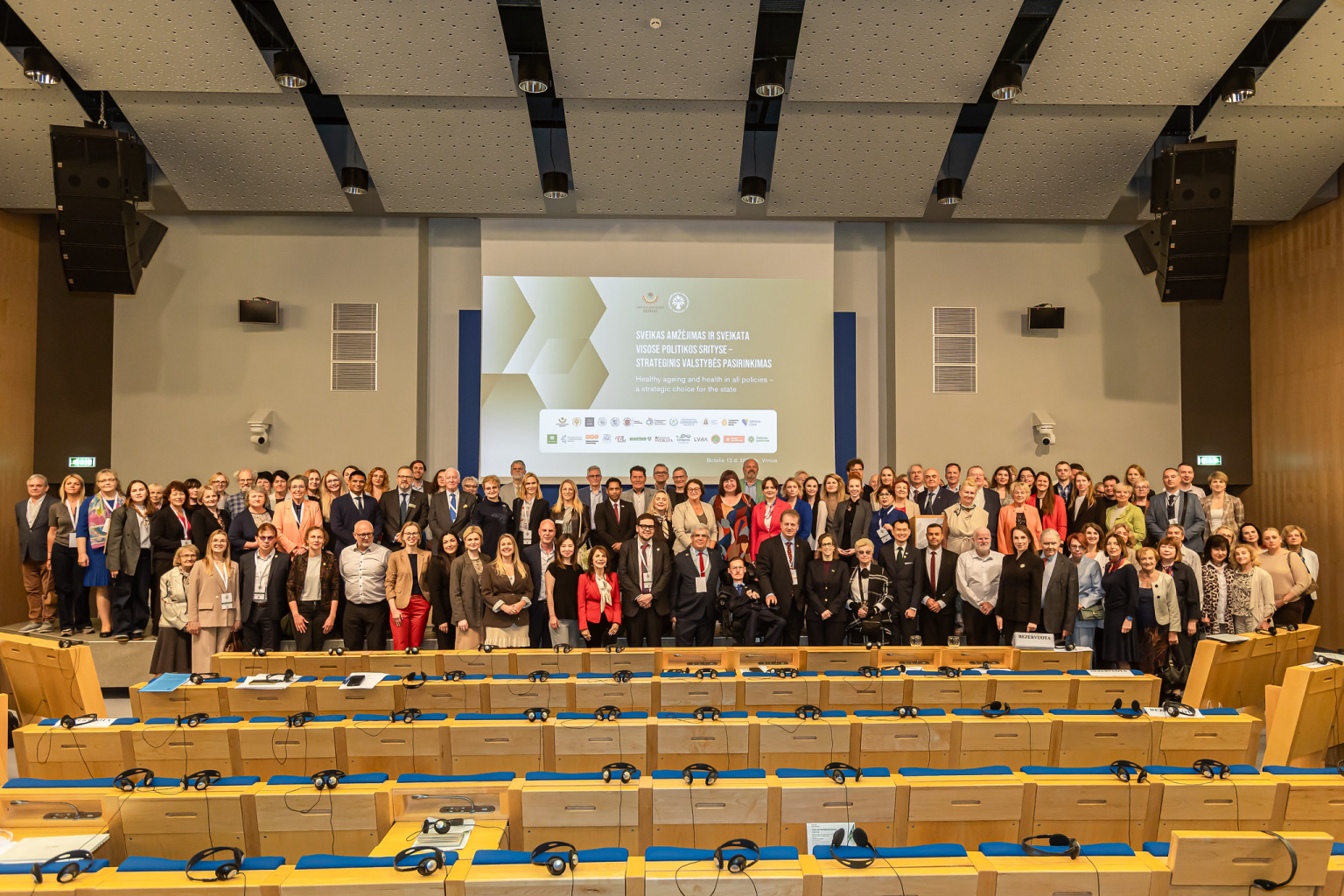
Researchers from Rīga Stradiņš University (RSU) played a significant role in the international Healthy Ageing and Longevity Assembly 2026, held in Lithuania from 8 to 14 June. The event series brought together leading scientists, clinicians, public health experts, innovators, and policymakers from across the Baltic region and beyond to discuss evidence-based approaches for promoting healthy ageing and advancing longevity science.
The Assembly aimed to strengthen collaboration between science, healthcare, and policymaking while developing practical recommendations for increasing healthy life expectancy and improving quality of life throughout the lifespan. One of the most important outcomes of the Assembly was the presentation of parliamentary initiatives in the Seimas of the Republic of Lithuania aimed at advancing a national healthy ageing agenda. These initiatives focus on prevention, health literacy, healthy lifestyles, and improving quality of life across all stages of life.
Longevity initiatives are becoming increasingly important across the Baltic region as countries confront the dual challenge of ageing populations and comparatively poorer health outcomes. Despite significant progress in recent decades, life expectancy and Healthy Life Expectancy (HALE)—the number of years people can expect to live in good health—remain below the levels seen in many Western European countries. This gap highlights the urgent need to shift from a healthcare model focused primarily on treating disease to one that prioritises prevention, healthy ageing, and extending the years people live actively and independently. By investing in longevity science, preventive healthcare, and policies that support healthy lifestyles across the life course, Baltic countries have an opportunity to improve both the length and quality of life while strengthening the sustainability of their healthcare and social systems.
RSU representatives actively contributed to both scientific and policy-focused discussions during the Assembly.
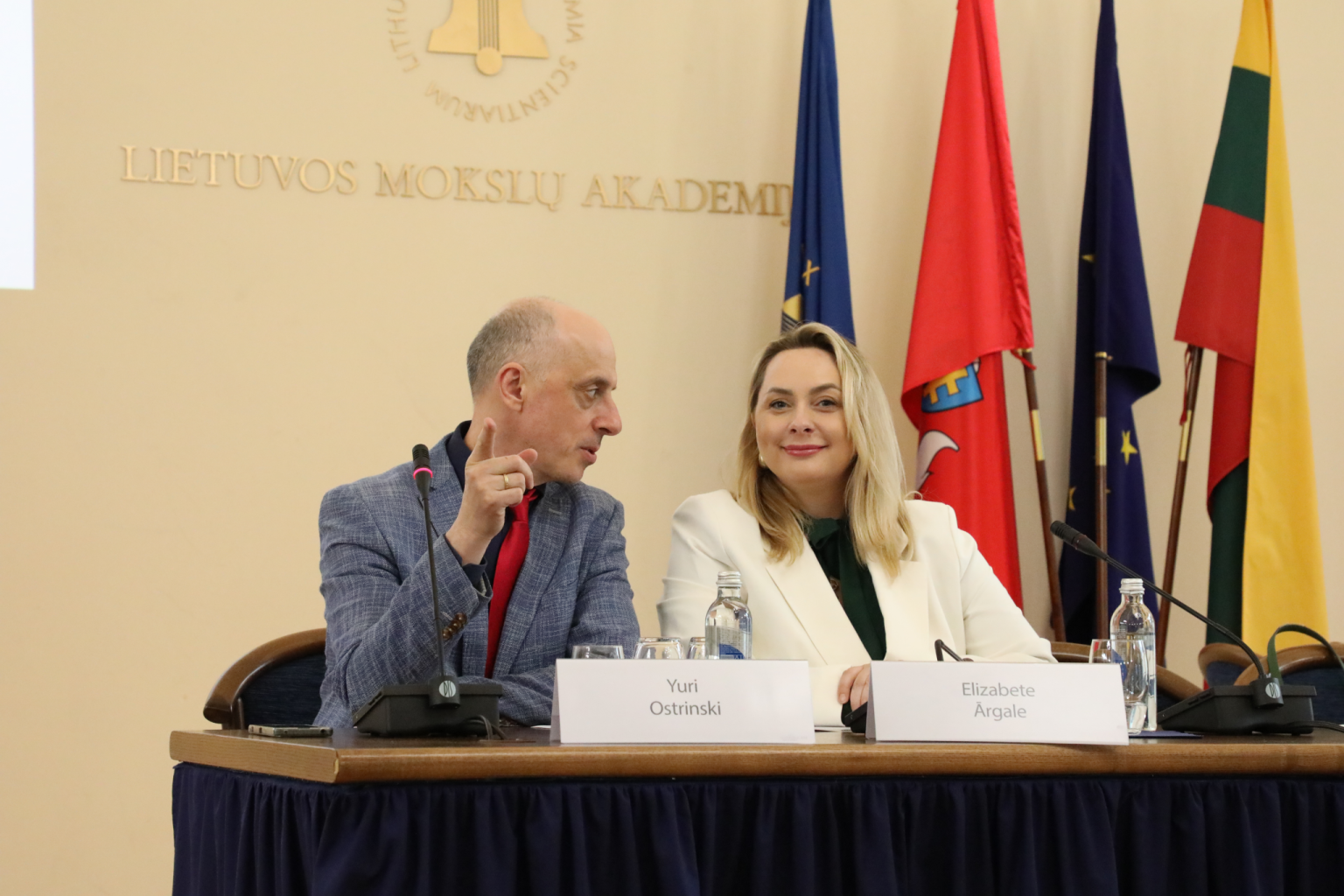
- Dr Yuri Ostrinski, researcher at the RSU Institute of Microbiology and Virology and representative of Longevity Alliance Baltics, presented research on targeted physical activity as an innovative strategy for healthy longevity. His presentations highlighted the importance of physical activity for maintaining health, preserving functional capacity, and preventing chronic diseases.
- Dr Uģis Klētnieks, researcher at RSU and representative of Longevity Alliance Baltics, contributed to discussions on the biological foundations of healthy ageing. His research focuses on systems biology, host–microbiome interactions, and the biological mechanisms that support resilience and long-term health. During the Assembly, he presented emerging research on the microbiome–retrobiome axis as a potential regulator of human longevity and discussed biological factors that contribute to resilience and well-being throughout ageing.
- Dr Elizabete Ārgale, RSU researcher and representative of Longevity Alliance Baltics, focused on women's health and reproductive longevity. She presented on extending healthy reproductive longevity and on quality of life during menopause, emphasizing the importance of evidence-based approaches to supporting women's health across the lifespan.
The participation of RSU researchers highlights the university's growing contribution to international healthy ageing and longevity research and demonstrates the importance of translating scientific evidence into effective public policy. It also underscores the value of interdisciplinary collaboration among researchers, healthcare professionals, and policymakers in addressing the challenges and opportunities associated with population ageing.
The recommendations developed during the Assembly and the initiatives presented to the Lithuanian Parliament are expected to provide a foundation for future actions aimed at improving population health, extending healthy years of life, and enhancing quality of life for current and future generations.
Recent OECD analysis underscores why longevity must become a strategic priority for Latvia and the wider Baltic region. Despite steady progress, Latvia continues to face one of the lowest life expectancies among OECD countries, with people living on average 75.6 years—5.5 years below the OECD average. Moreover, many of these lost years are preventable: Latvia's rates of preventable and treatable mortality remain among the highest in the OECD, reflecting the significant burden of chronic disease and modifiable risk factors. These figures are not merely statistics; they represent years of healthy, productive life that can be regained through a stronger focus on prevention, healthy ageing, and innovative longevity strategies. By investing in initiatives that extend Healthy Life Expectancy (HALE) alongside lifespan, Latvia and the Baltic region have an opportunity to close the health gap with Western Europe and ensure that longer lives are healthier, more active, and more fulfilling.
By embracing longevity as a strategic priority, the Baltics can transform demographic challenges into opportunities—improving population health, reducing health inequalities, and ensuring that longer lives are healthier, more productive, and more fulfilling for future generations.
Related news
 RSU strengthens strategic cooperation in medical education and physician training in Germany International Cooperation