EUVABECO International Project Participants Meet in Riga to Discuss Results and Future Plans


Photo: Anete Valaine
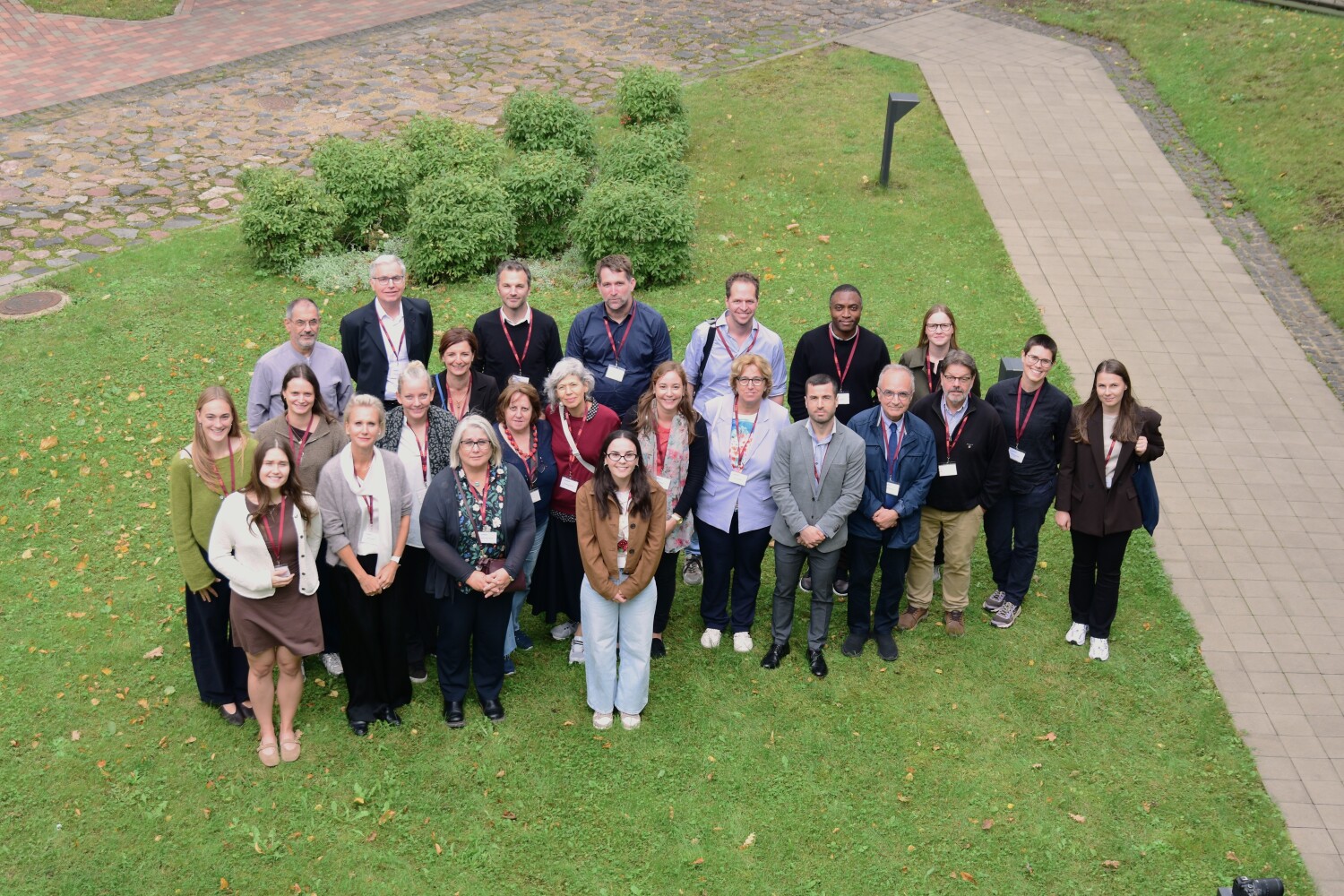
Last week partners of the international EUVABECO (European Vaccination Beyond Covid) project, which also includes representatives from Rīga Stradiņš University (RSU), met at the RSU Anatomy Museum to discuss the work completed within the project so far and the next steps in the process of implementing the results.
The aim of the EUVABECO project is to develop and test in practice evidence-based implementation plans for good practices that EU Member States could use to improve vaccination processes. The experience gained through the project will help countries implement both the approaches tested within the project and other similar approaches in routine vaccination, while at the same time strengthening preparedness for future crises. It is essential that these practices can be adapted to different countries and operate effectively across geographical and administrative borders.
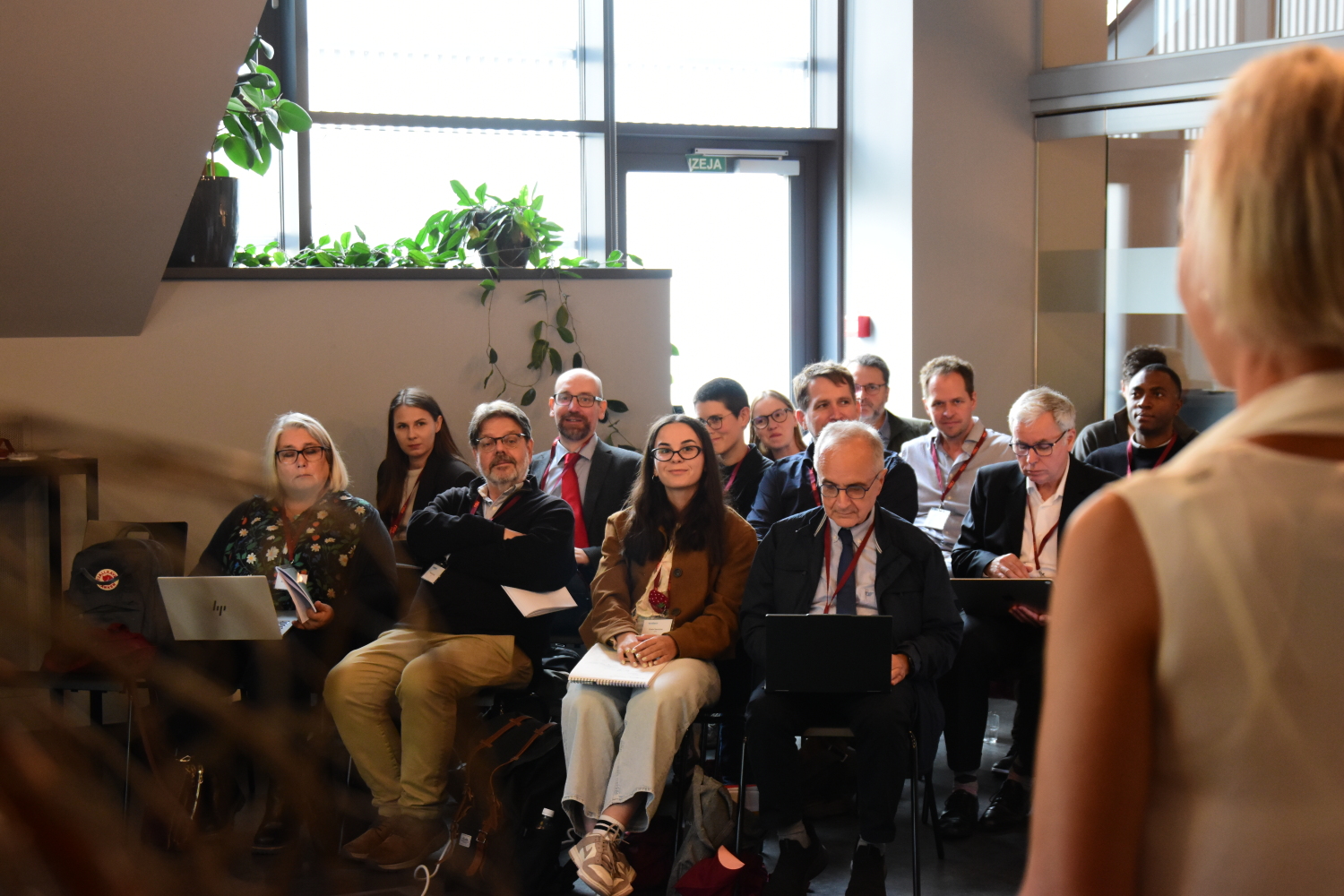
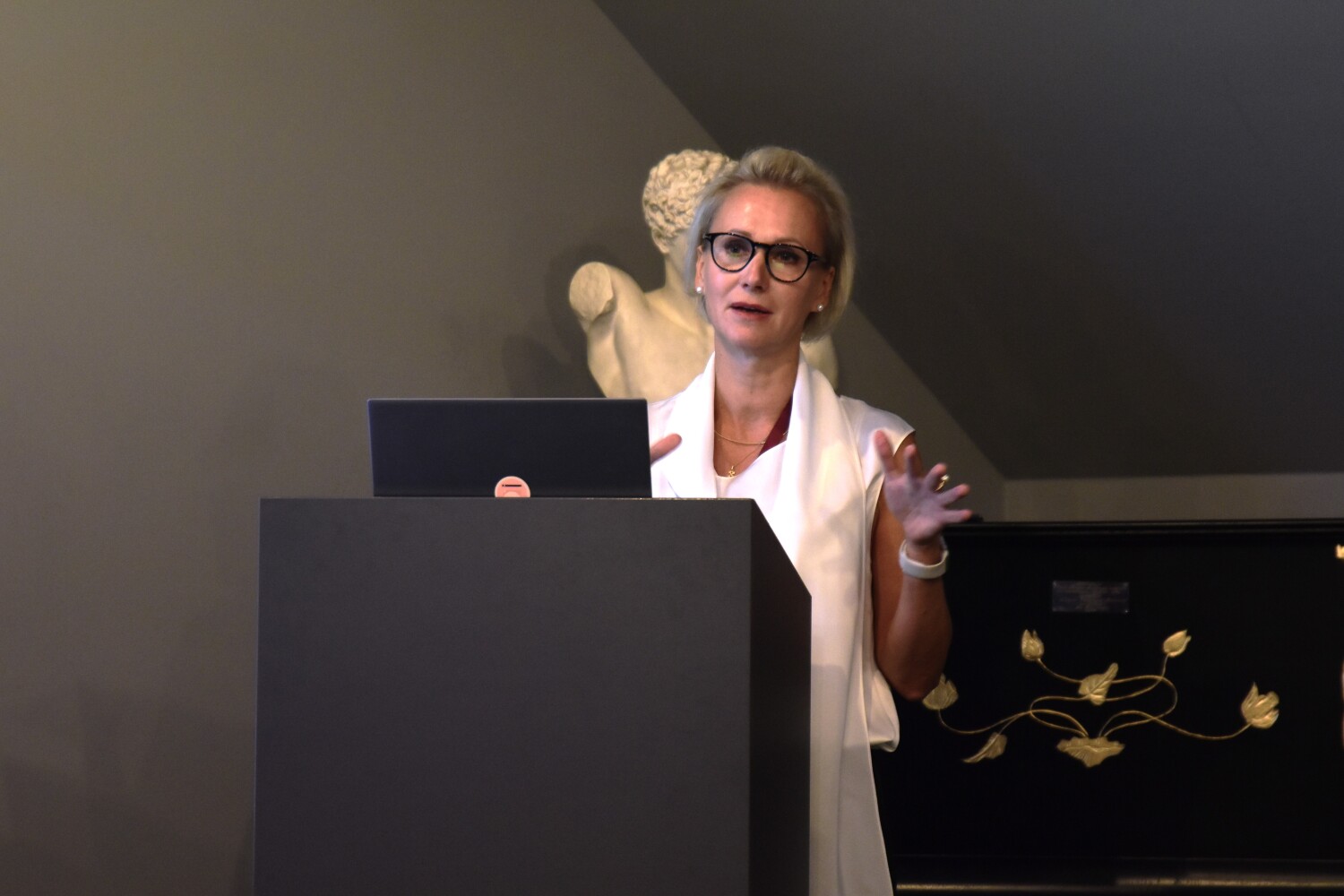
The meeting agenda included presentations from each of the project’s working groups on the work completed and future plans. Particular emphasis was placed on the importance of explaining the project results in a simple and understandable way so that the data obtained can be used in each of the participating Member States and adapted for implementation in other countries as well. At this stage, considerable attention was devoted to communication packages, whose purpose is to create easily accessible content for the wider public while preserving technical information and the reliability of the data, ensuring that the results do not remain confined to the scientific community
On the second day, RSU Associate Professor and Director of the Institute of Public Health Anda Ķīvīte-Urtāne also shared her experience with the consortium members, giving a presentation on projects related to HIV and COVID-19 in the public health sector.
An important contribution to the meeting was also made by Julian Rueda, a representative of the European Health and Digital Executive Agency (HaDEA) and project advisor, who shared his expertise, provided valuable feedback, and supported the project partners in planning the next steps.
The scientific lead of the EUVABECO project in Latvia is Professor Dace Zavadska, a lecturer at the RSU Department of Paediatrics.
'Each of the tools piloted within the EUVABECO project has already demonstrated its effectiveness and received high user ratings in the countries where it was originally developed and implemented. We are not reinventing these tools. The aim of the project is to test the transferability of these successful solutions to other European Union Member States, demonstrating their potential to strengthen the resilience of health systems, support the work of healthcare professionals, and improve public awareness both in everyday life and during future public health crises.'
To develop, pilot, adapt, test and validate plans that will enable any Member State to successfully continue their implementation, five key tools were selected, the basic versions of which had already been introduced during the COVID-19 crisis:
- a clinical decision support system that provides evidence-based vaccination recommendations;
- a screening tool to identify vulnerable population groups and invite them to get vaccinated;
- electronic product information that would allow vaccines to be transferred between countries without the need for repackaging;
- a modelling and forecasting tool to assess the impact of public health measures;
- a portable digital vaccination card to ensure traceability and continuity of care throughout a person’s lifetime.
EUVABECO consortium partners: RSU, Linköping University in Sweden, Saarland University in Germany, Jagiellonian University and Wroclaw Medical University in Poland, the University of Crete and the University of Thessaly in Greece, Luxembourg’s eHealth Agency, Portugal’s Directorate-General of Health, Sciensano (Belgium), Syadem and Cimbiose (France), Vaccines Europe and FRATEM from Belgium.
Related news
 Sports 360°: RSU researchers to present recommendations for better sports sector governance in Latvia Research, Sports research