
Baltic specialists in metabolic diseases gather in Riga: focus on latest therapies and AI in diagnostics
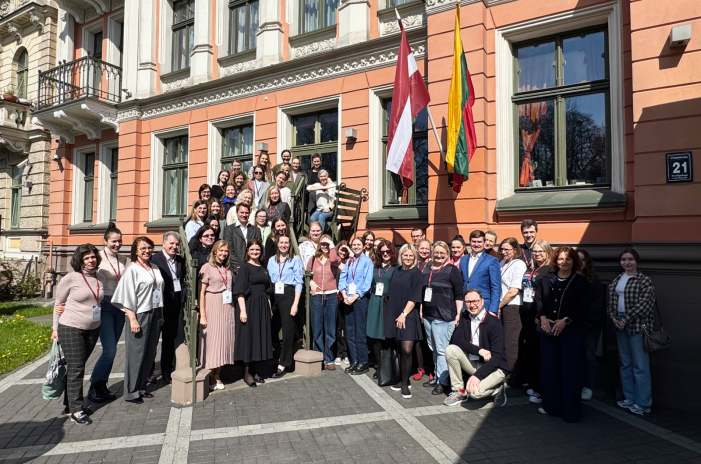
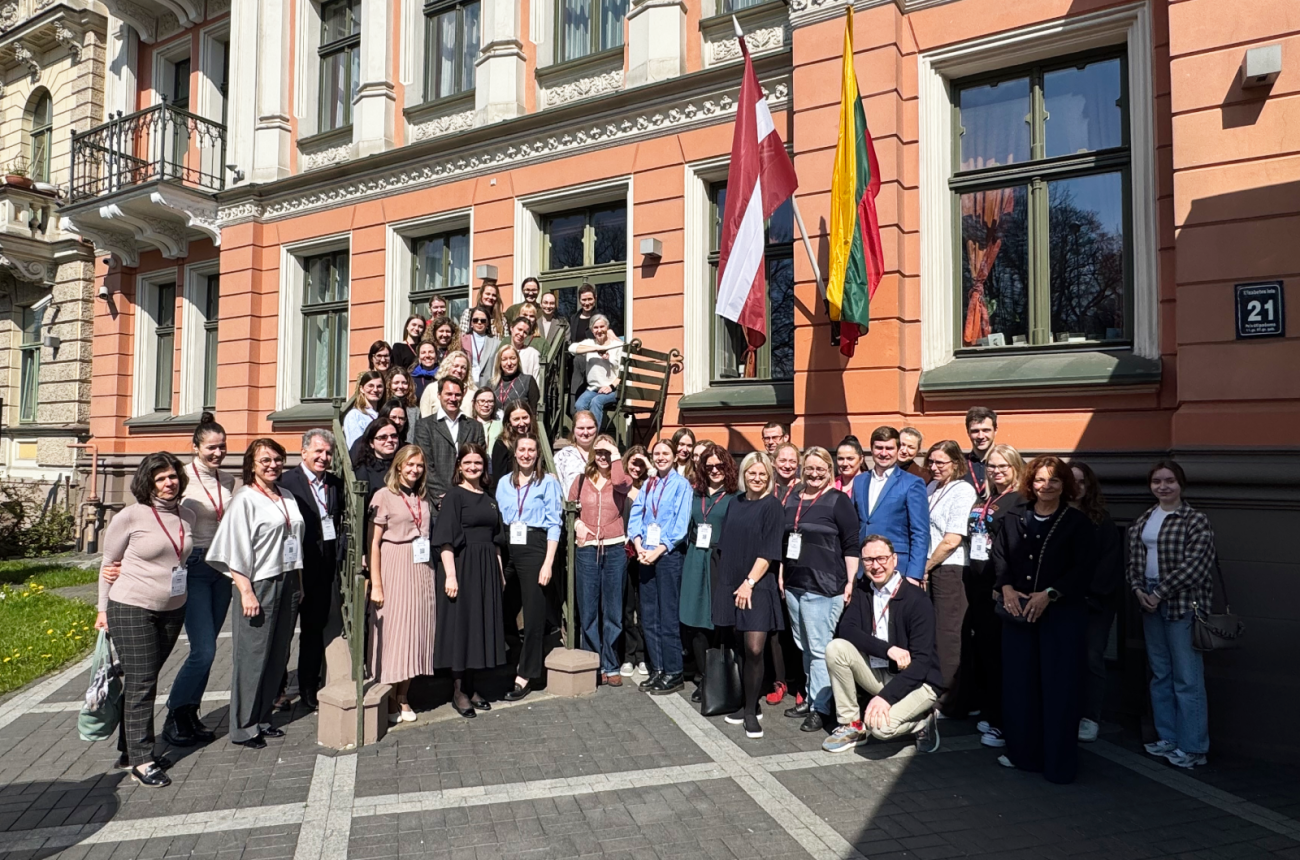
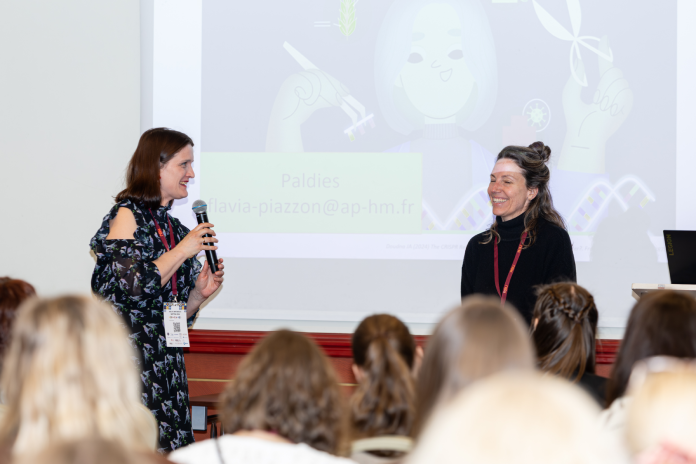
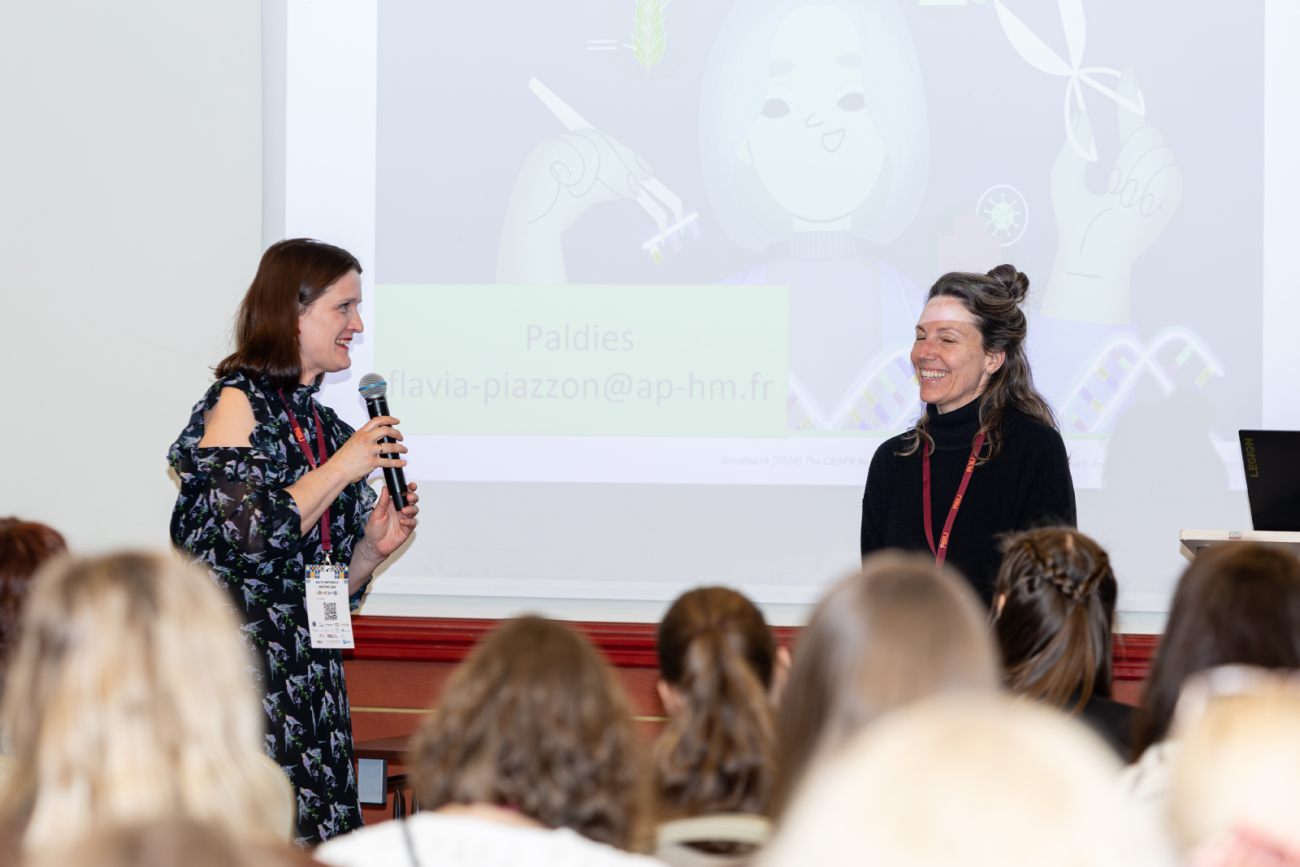
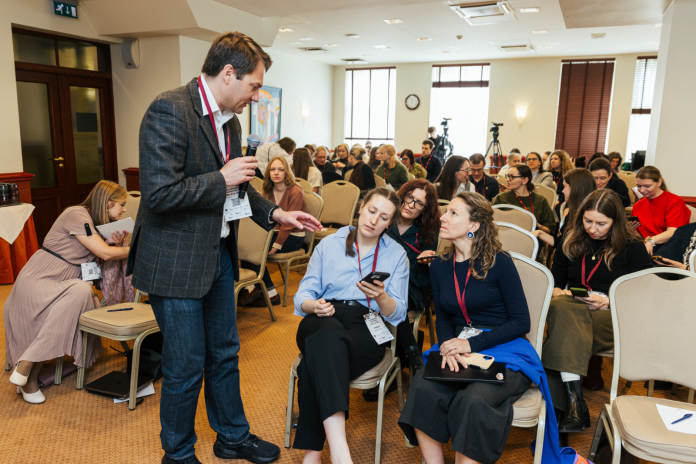
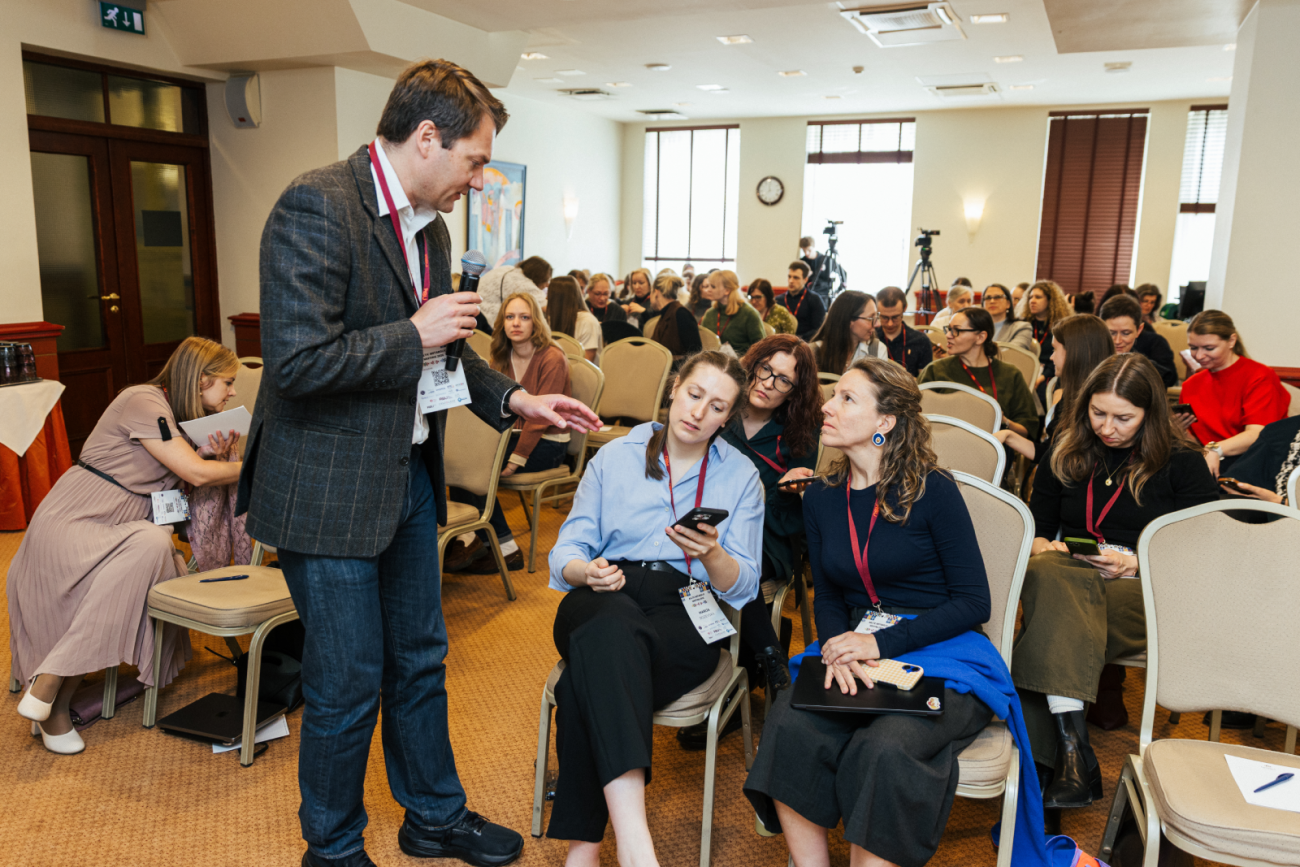
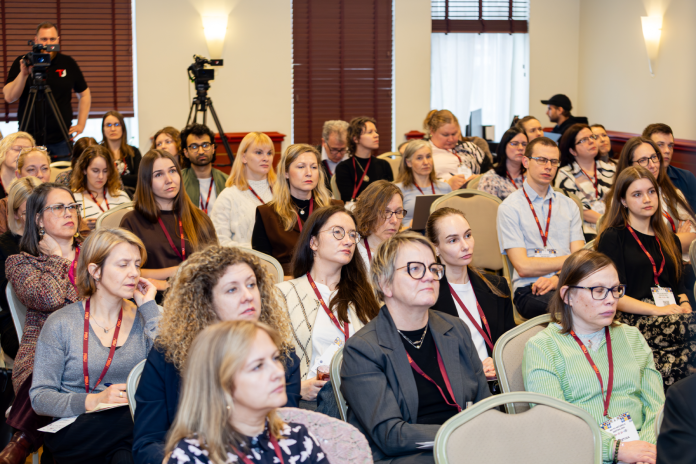
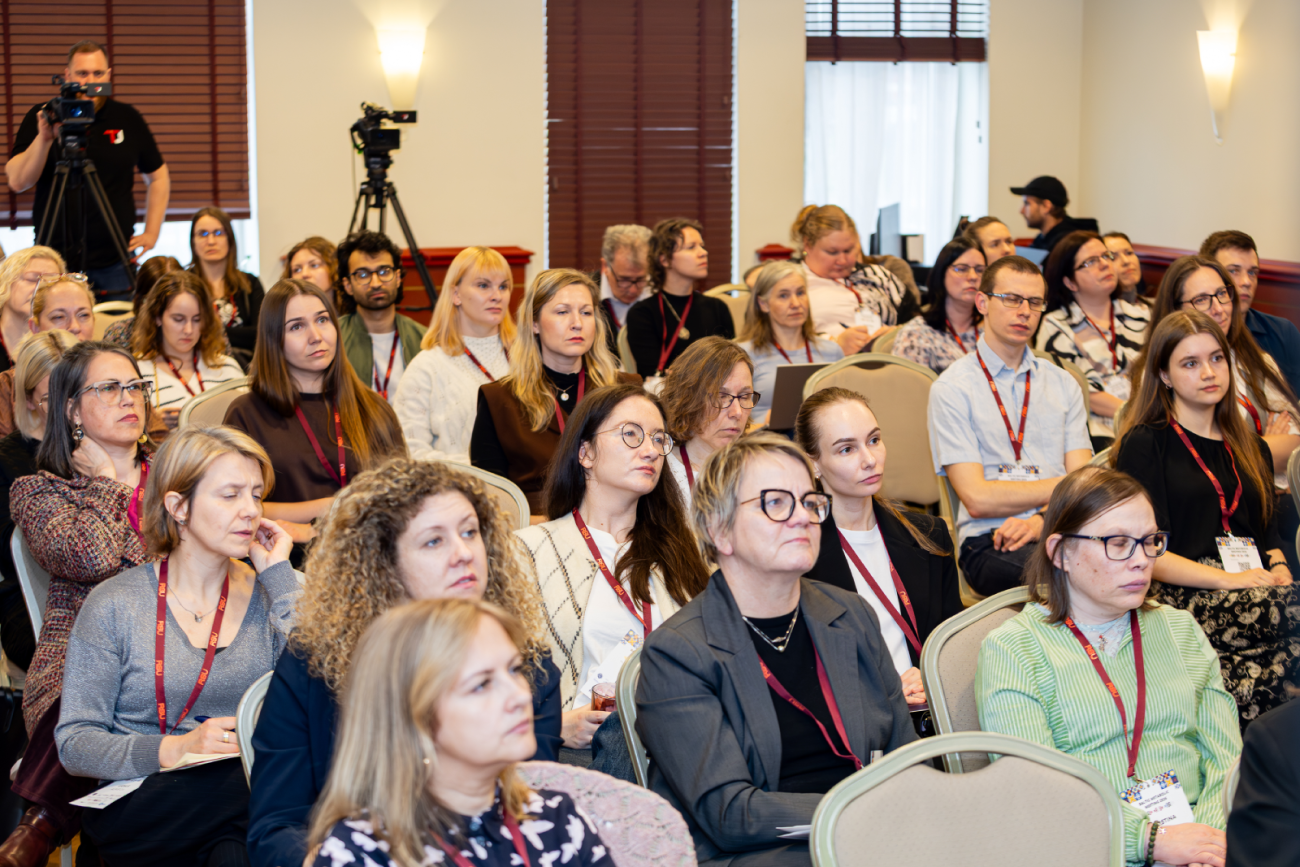
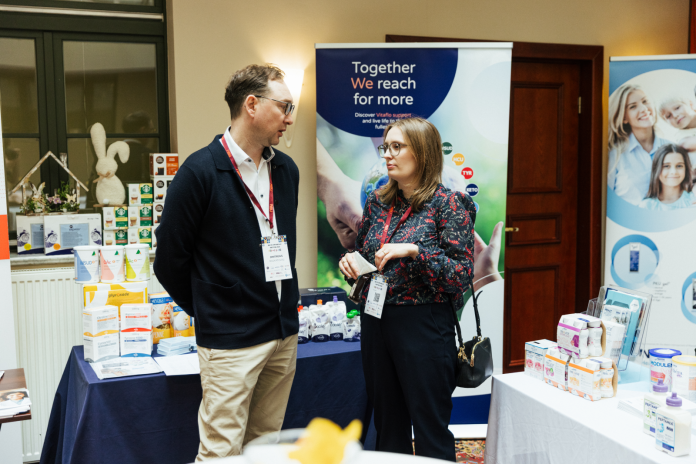
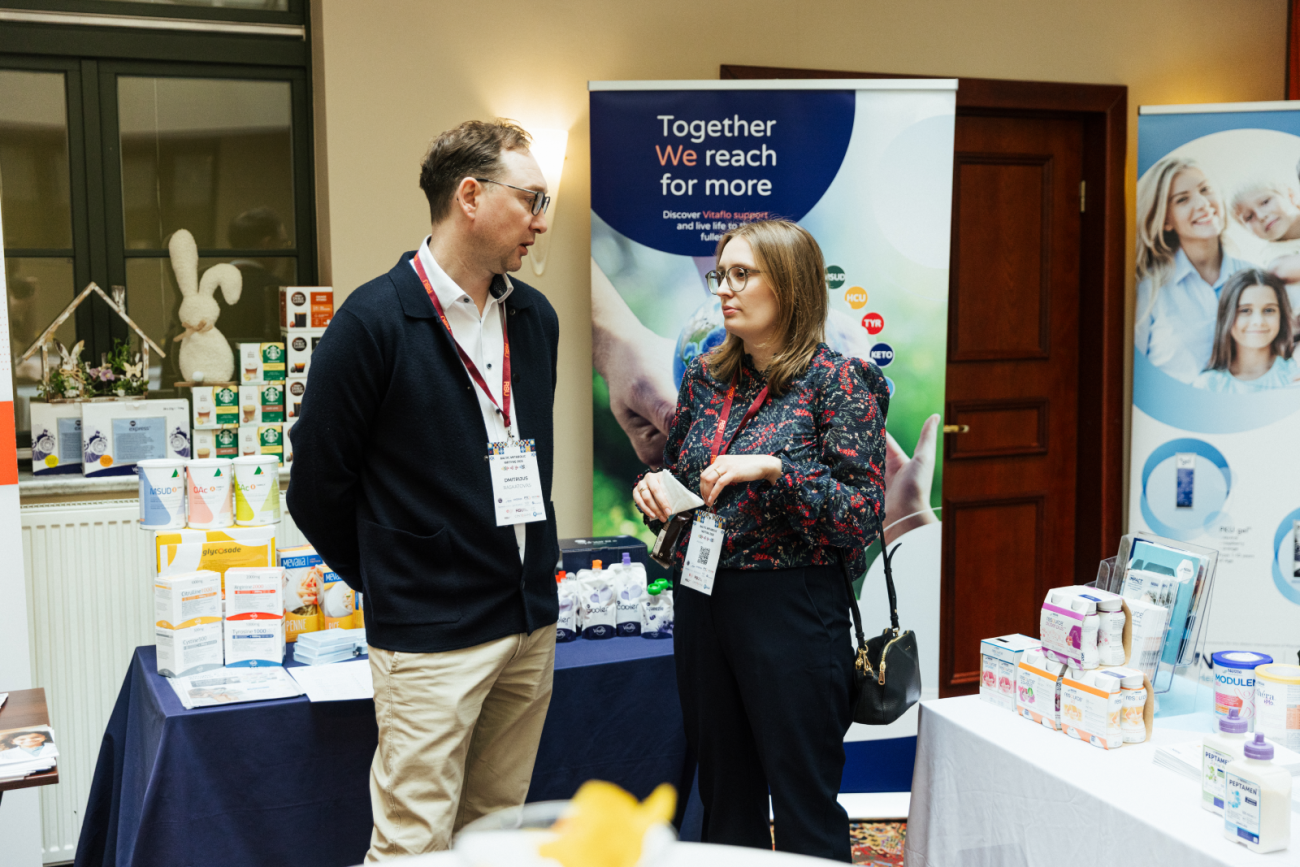
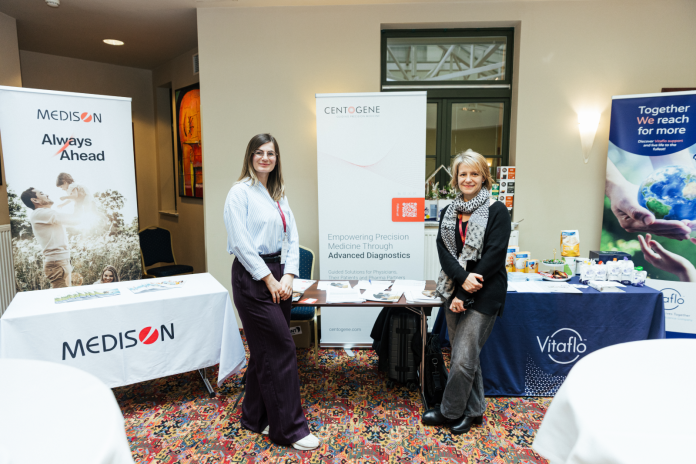
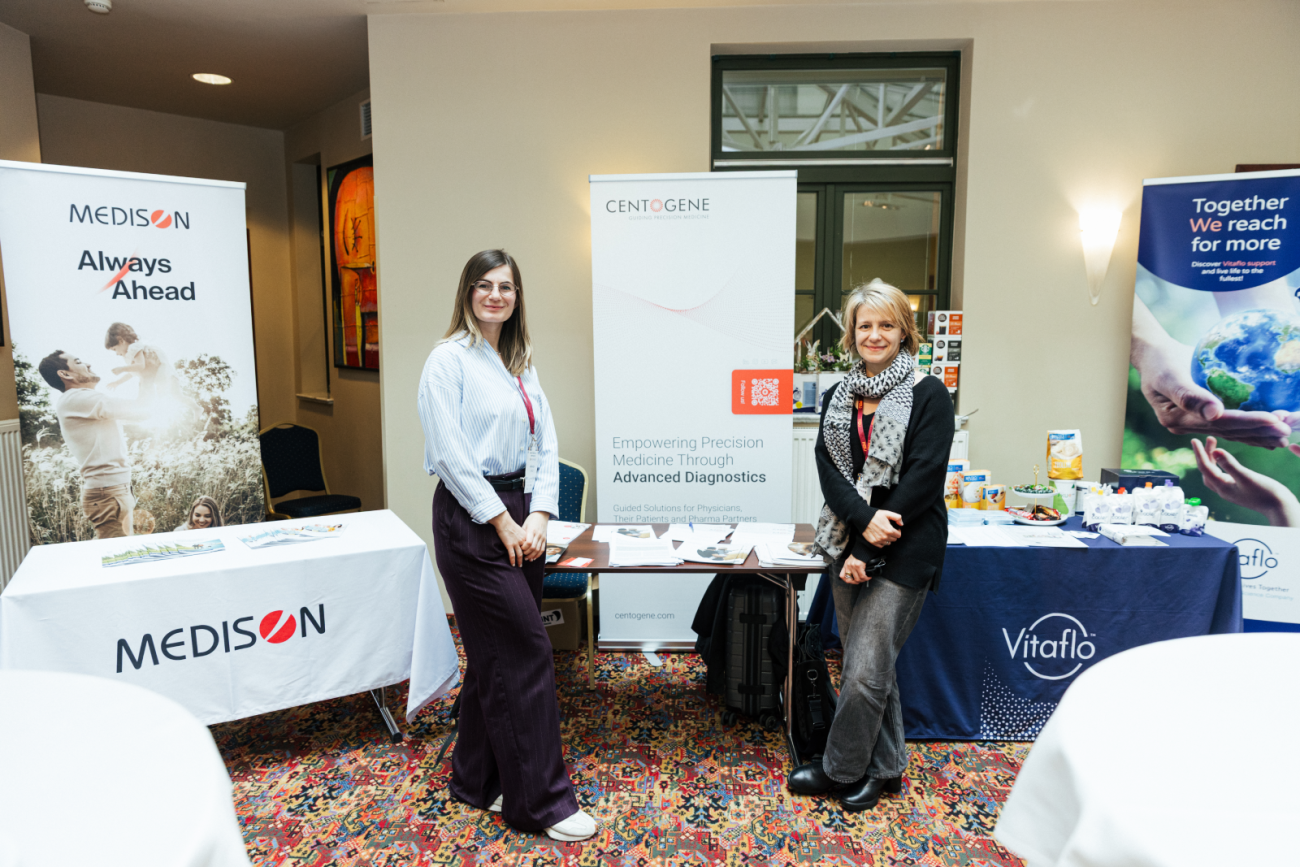
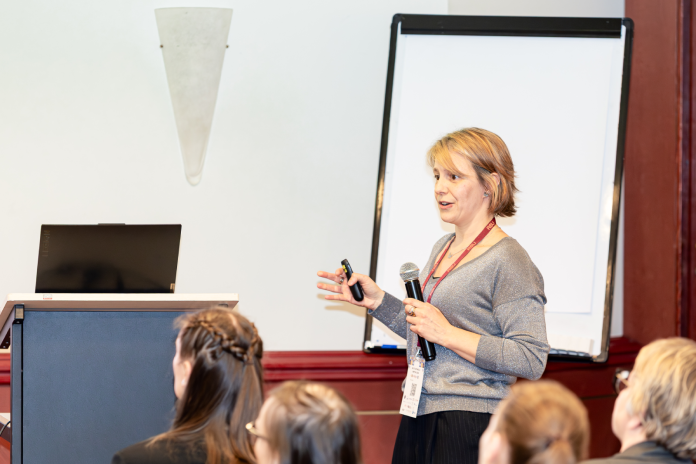
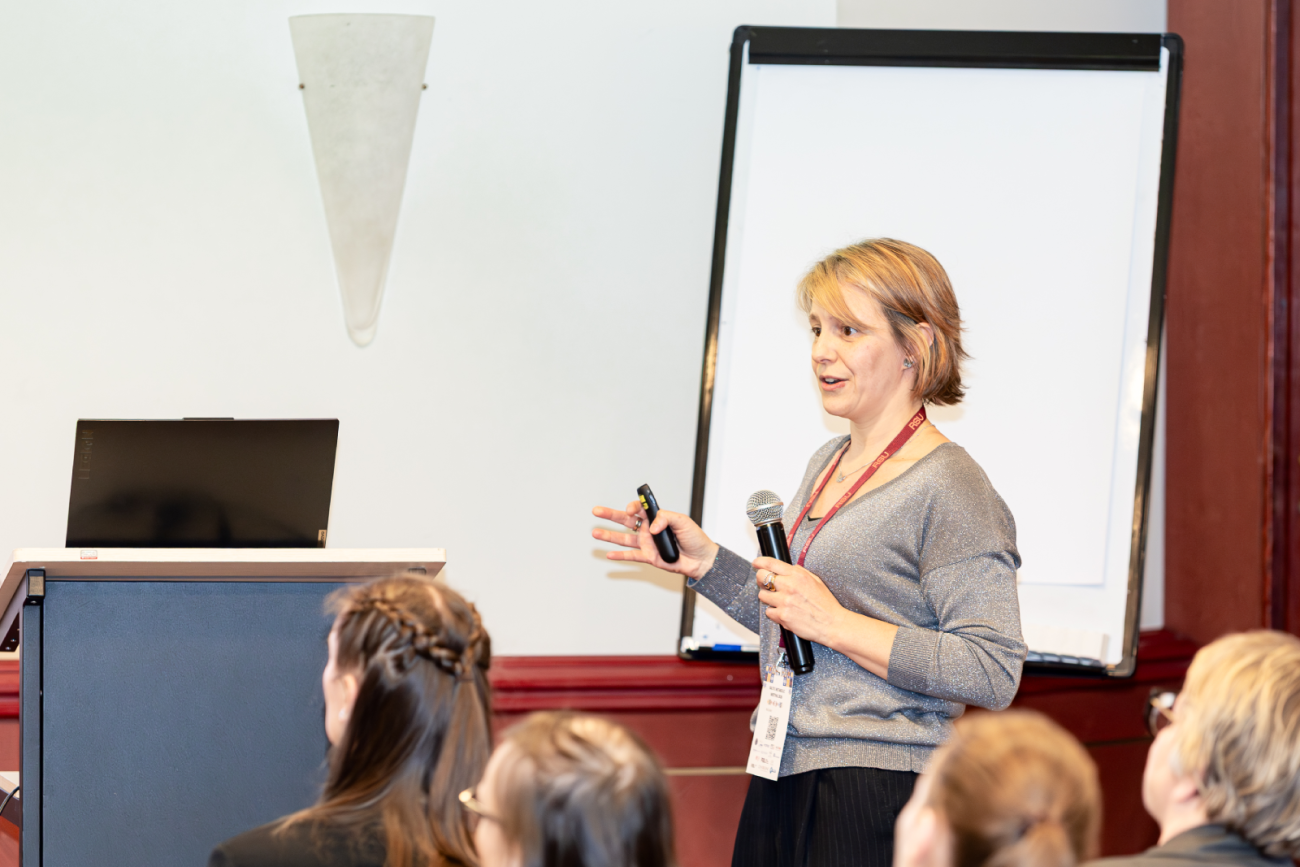
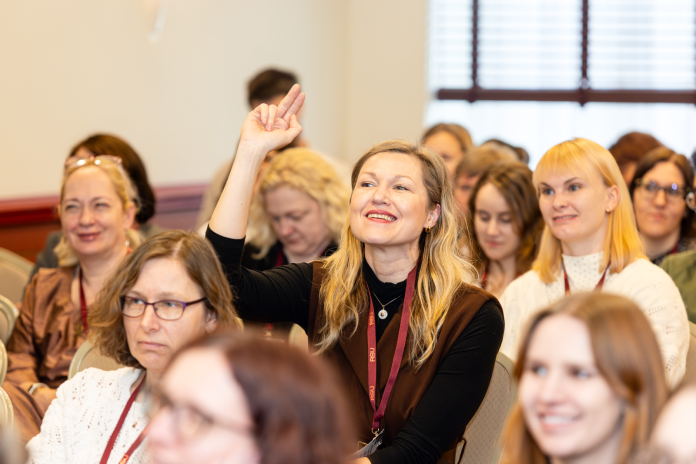
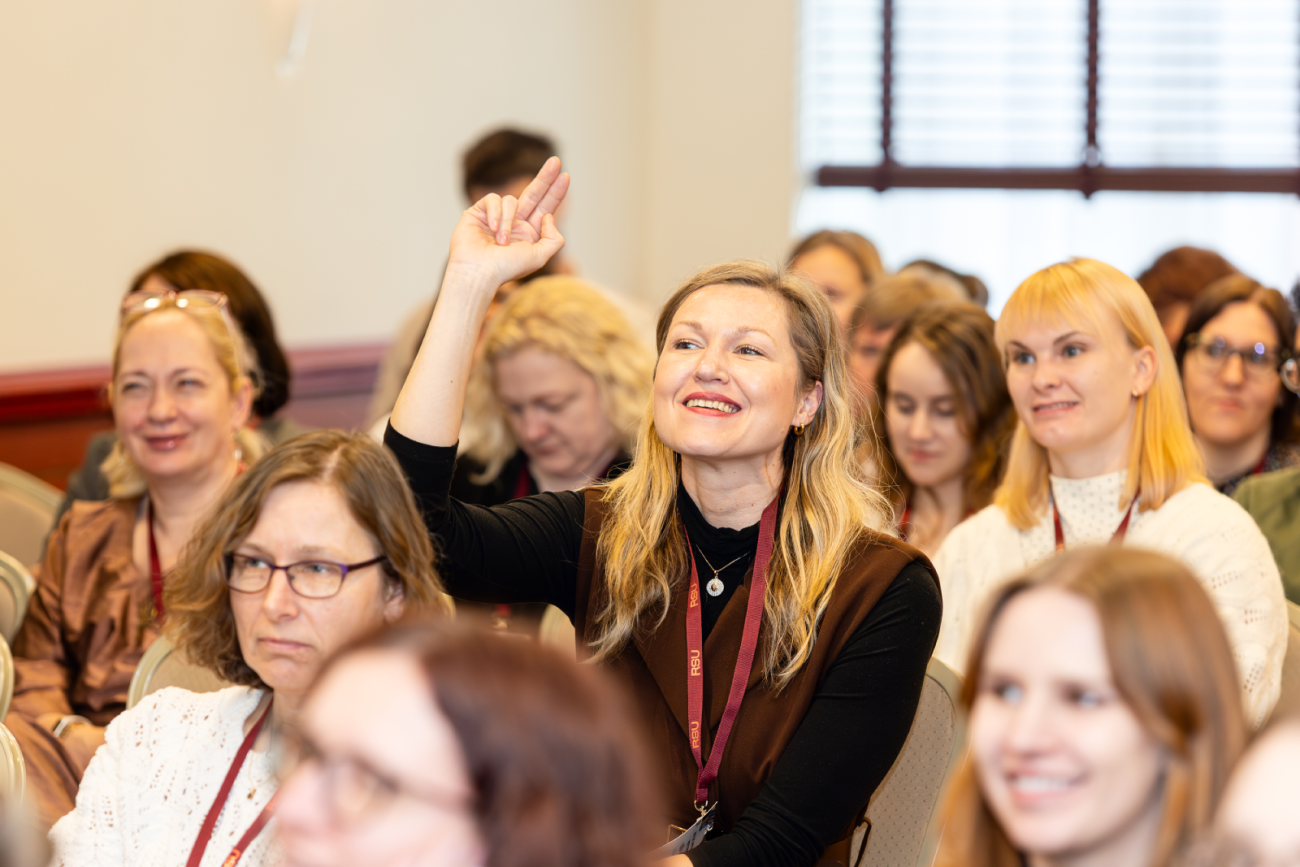
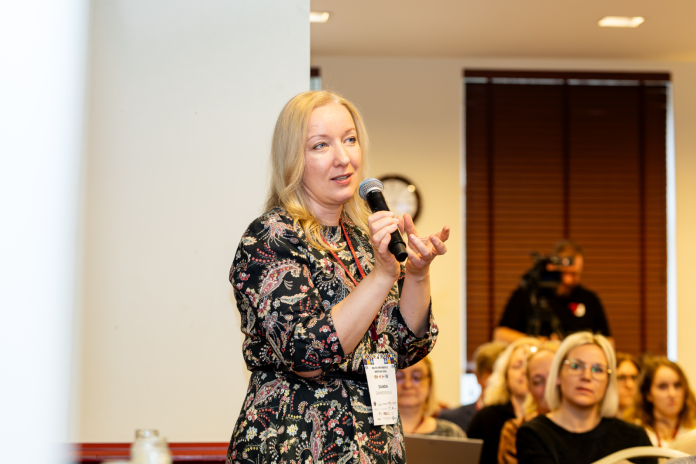
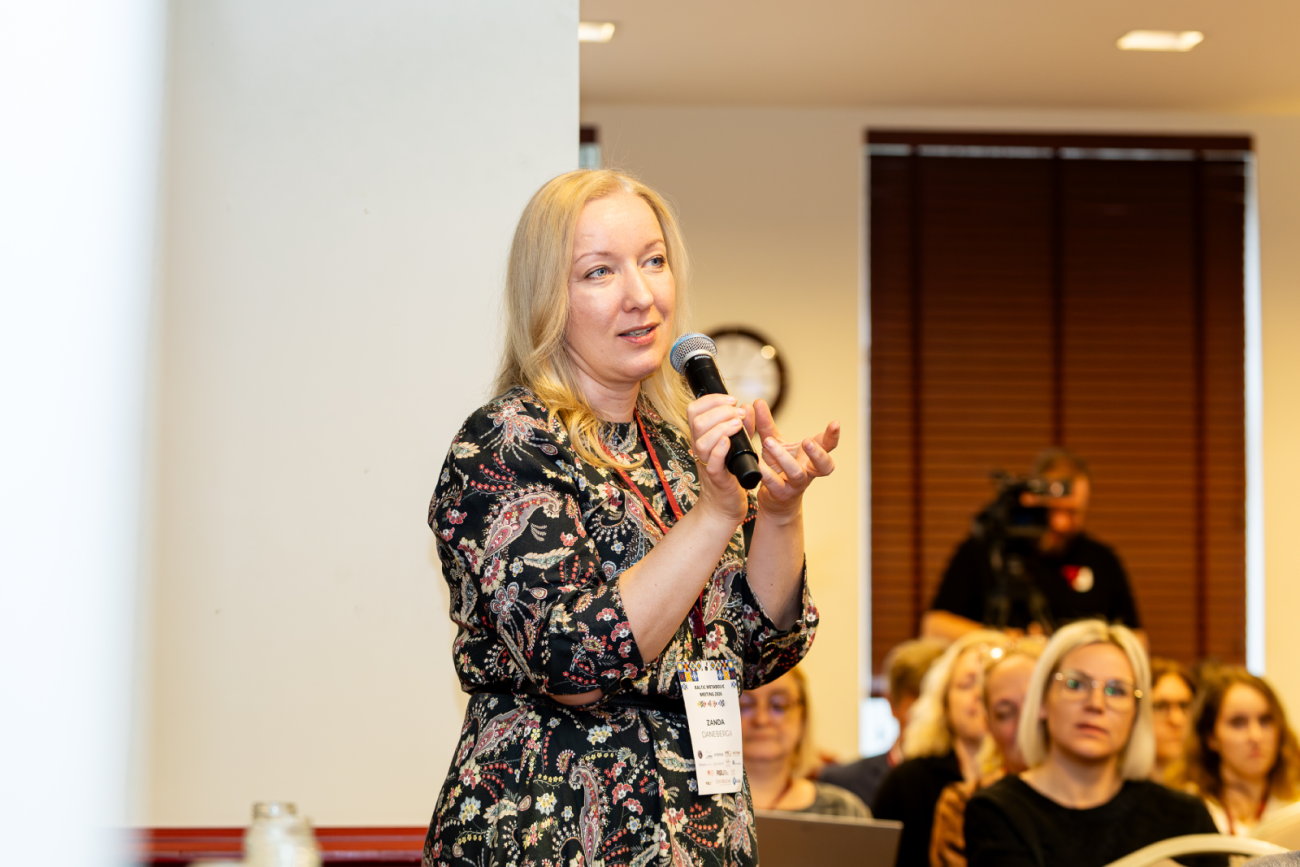
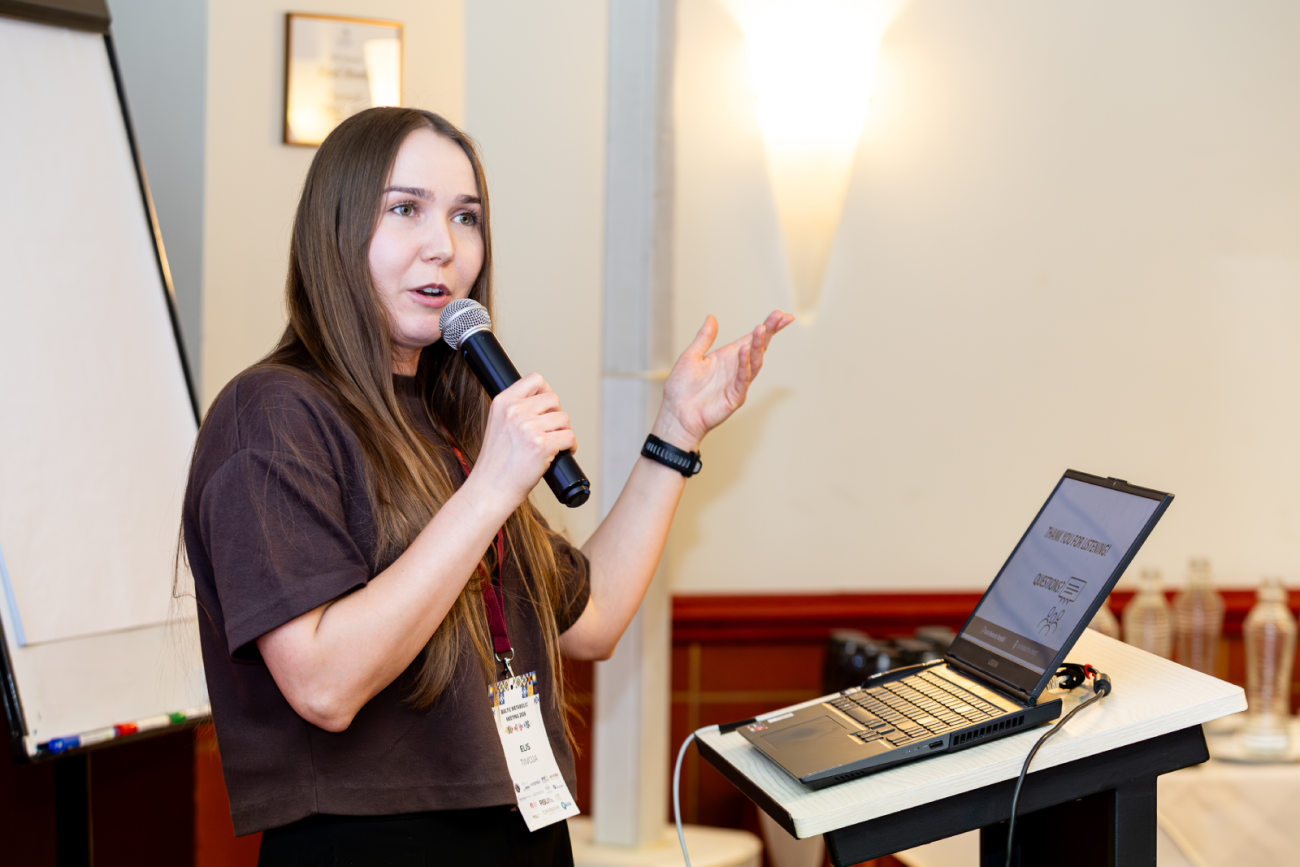


On 16 and 17 April, a meeting of Baltic metabolic disease specialists took place in Riga, bringing together laboratory specialists, physicians and researchers from Latvia, Lithuania, and Estonia. The participants work daily on the diagnosis of hereditary metabolic disorders using biochemical and genetic testing, as well as on patient monitoring and treatment. Such meetings facilitate the faster introduction of the latest scientific and technological advances into clinical practice, improving early diagnostic capabilities for rare hereditary diseases and their treatment in line with patients’ needs.
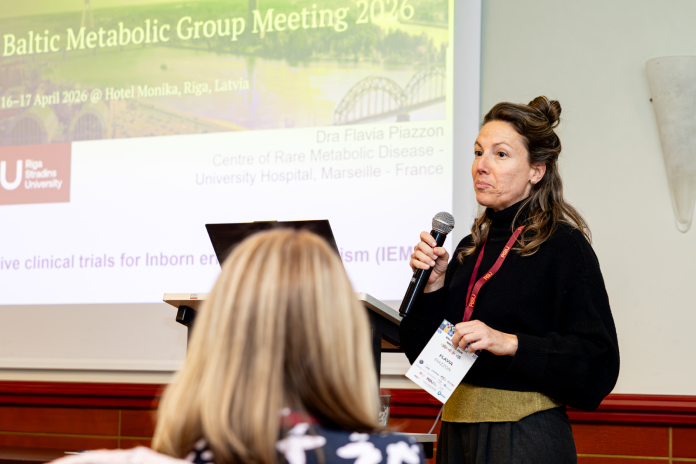
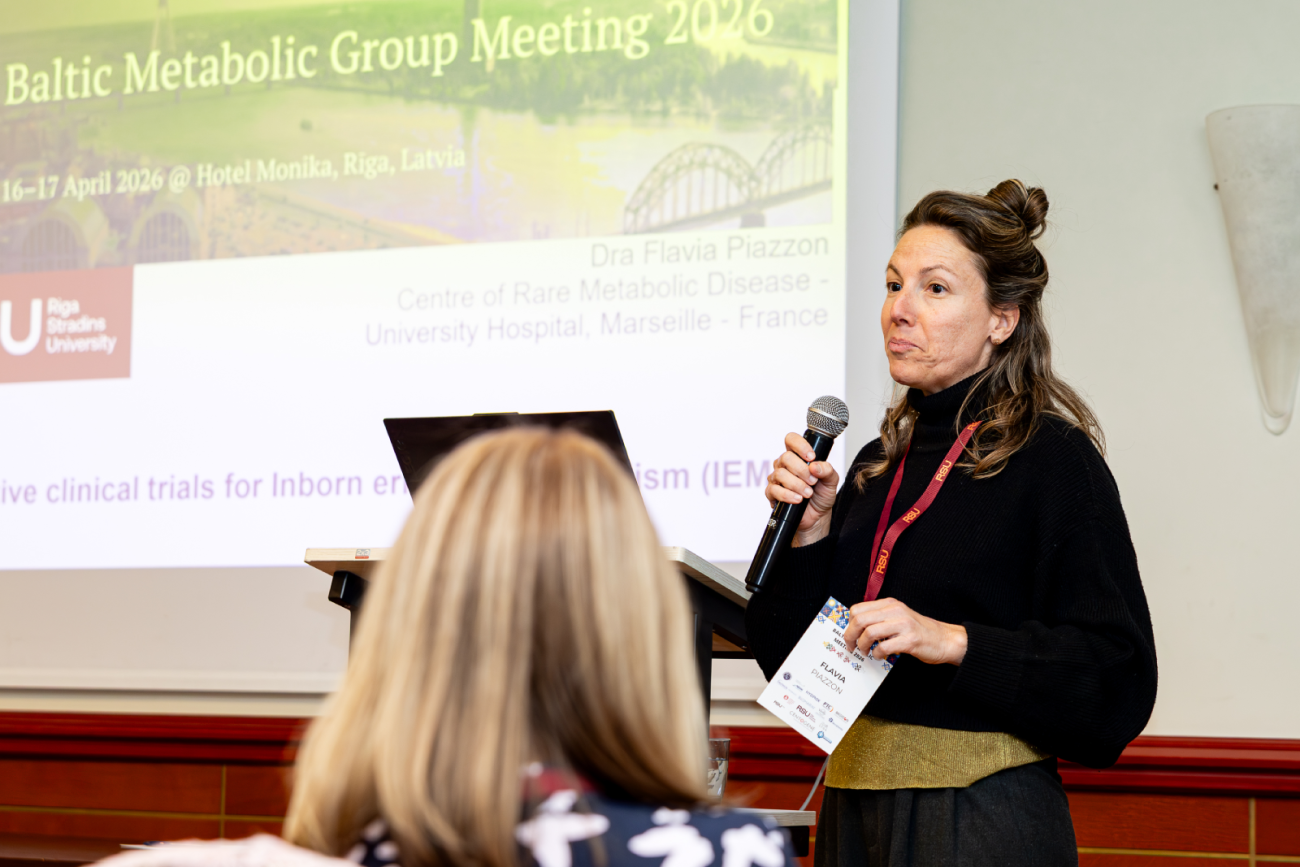
During the conference, Prof. Flavia Piazzon (France) delivered a presentation introducing the latest treatment options and the specific challenges of conducting clinical trials in populations with rare diseases. She also addressed the ongoing debate on the implementation of genomic screening for newborns.
Prof. Maurizio Scarpa (Italy), Head of the European Reference Network for Hereditary Metabolic Diseases, presented European-level initiatives aimed at improving patients’ quality of life. He particularly emphasised the potential of artificial intelligence tools in the diagnosis of hereditary metabolic diseases and announced the creation of a new European Reference Network dedicated to the development of artificial intelligence solutions in healthcare.
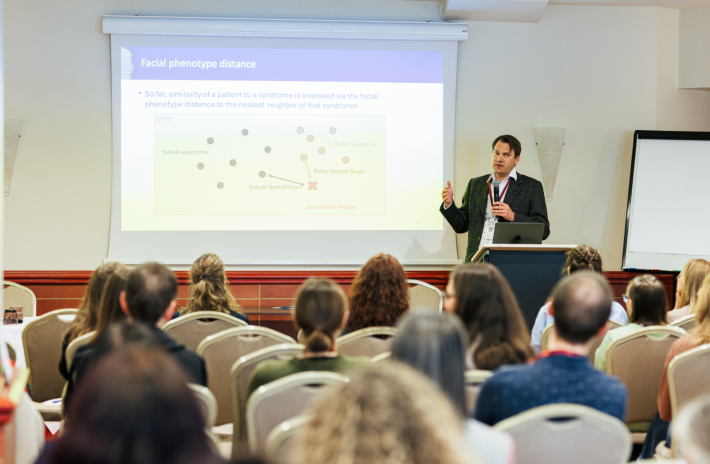
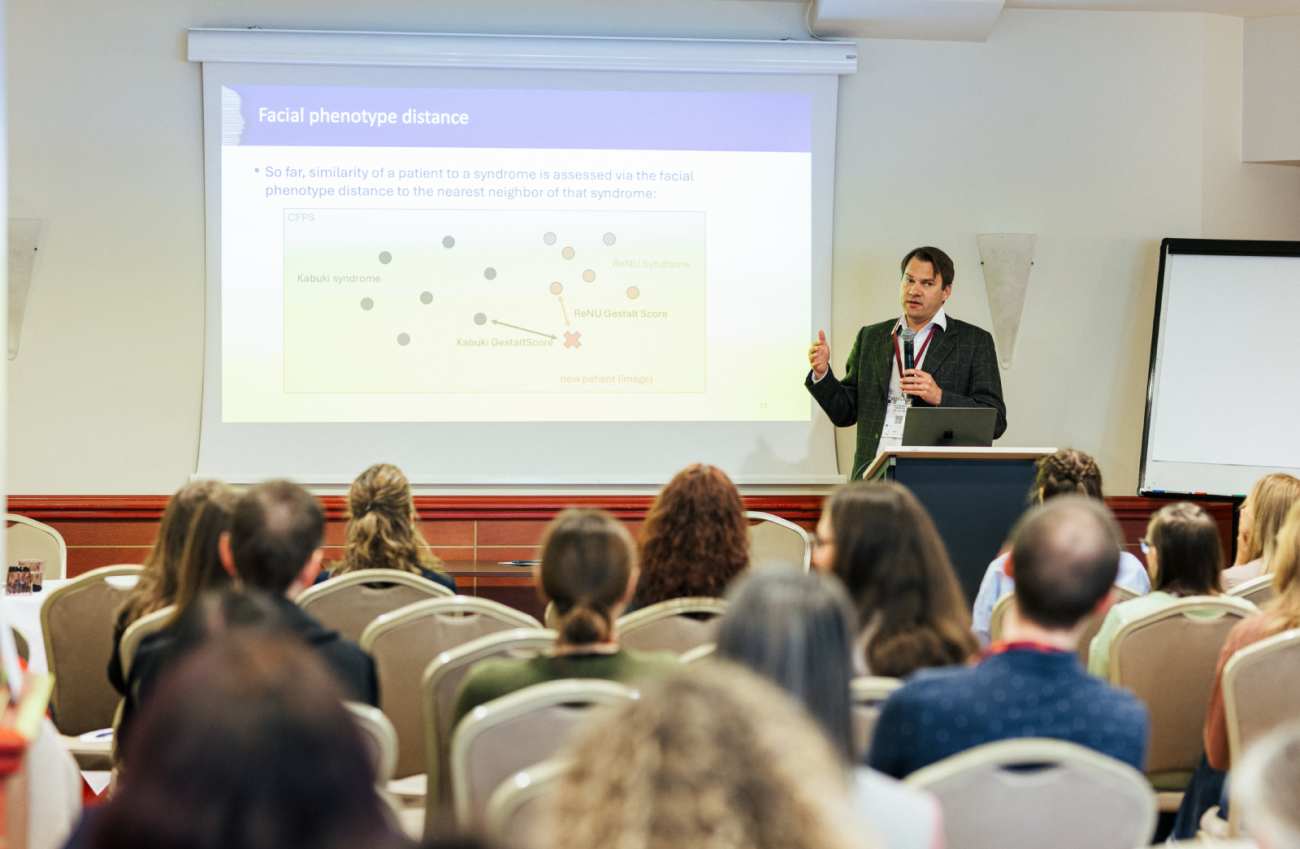
The potential of artificial intelligence was demonstrated in practice during a workshop led by Prof. Peter Krawitz (Germany). The GestaltMatcher app was presented as a tool to support the diagnosis of patients with dysmorphic features by analysing uploaded images.
The meeting of Baltic metabolic disease specialists is an important, regular, and highly anticipated event for industry professionals since 2007, providing a platform for specialists to share the latest technologies, scientific advances and practical experience in patient diagnostics and treatment in a professional and collegial atmosphere.
The organisers would like to thank all those involved for their contribution to the conference: Rīga Stradiņš University (RSU), the Children’s Clinical University Hospital (BKUS), and the Latvian Association of Human Genetics (LCĢA), as well as the financial supporters, particularly the RSU Foundation, Fanex, and Centogene.
Related news
 Feminist Investigations Research Group Joins Latvian Research & Innovation Partner Catalogue 2026Research


