Department of Psychology: strengthening psychology in studies, research and healthy societies


As of 1 September, this year, the former Rīga Stradiņš University (RSU) Department of Health Psychology and Paedagogy will continue its work as the Department of Psychology. The new name more accurately reflects the department’s identity, scope of activities and the role of psychology within the university.
The Department of Psychology is a structural unit of the Faculty of Health and Sports Sciences, contributing to the understanding of human behaviour, motivation, mental health, health-related behaviours, professional communication and quality of life.
In this academic year, the department will have 51 staff members – visiting professors, lecturers, researchers and support staff, as well as around 80 guest lecturers. Ten lecturers hold expert status with the Latvian Council of Science, while ten doctoral students are currently working at the department, studying a wide range of topics relevant to society. We are delighted that new applications for doctoral studies are also being received this year.
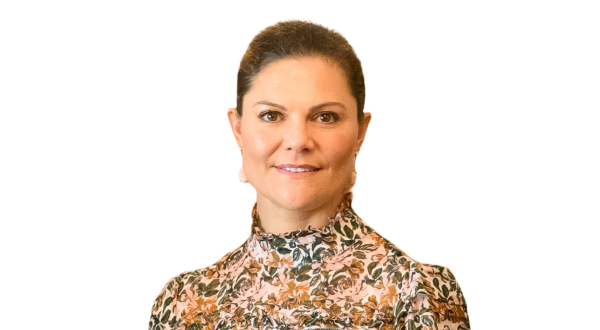
The change of the department’s name is an opportunity not only to reflect on what has been achieved, but also to highlight more broadly the role of the Department of Psychology at RSU through its contributions to science, studies, professional practice and society. Prof. Dr. psych. Kristīne Mārtinsone, Head of the Department of Psychology, discusses these topics in the interview.
What is the history of the department, and why was it necessary to change its name?
Psychology at RSU has developed gradually in response to the needs of both the university and the professional community and society at large. Professionally, psychology and psychological support at RSU began to take shape more broadly in 2006 with the newly established arts therapies programme, as psychologists were actively involved in its development. At the same time, they were also involved in delivering psychology courses both for students in the social sciences and rehabilitation study programmes. Shortly afterwards, in 2007, a bachelor’s programme was licensed, followed by a master’s programme in psychology in 2012. A doctoral study programme was subsequently established later. Simultaneously, the demand for psychology courses across other study programmes continued to grow. And in 2014, the Department of Health Psychology and Paedagogy was founded, with its name emphasising its affiliation with the health sciences. At that time, the paedagogy courses offered by RSU were also transferred to the department.
A significantly new stage in the department’s work began with the consolidation of RSU and the Latvian Academy of Sport Education. Among other things, this process fostered the development of sports psychology and the research into the relationship between physical activity, mental health, wellbeing and psychological resilience.
Today, health psychology is one of the sub-disciplines of the science of psychology, while clinical and health psychology is one of the professional fields of activity defined by the Psychologists Law, adopted in Latvia in 2018. At present, the department’s activities cover all areas of psychology. Consequently, its previous name was too narrow to describe the scope of its work. Psychology today is a multi-paradigm science and a diverse field of professional practice. Accordingly, the present name - the Department of Psychology - is more precise both in Latvian and international academic communities. It accurately identifies the field that brings together our studies, research and professional collaboration, while allowing different sub-fields of psychology, interdisciplinary research and collaboration with other RSU structural units to be developed under a single, understandable name.
What is the distinctive role of psychology at RSU and within the Faculty of Health and Sports Sciences?
Psychology at RSU is closely linked to its core mission to bring together perspectives of social and health sciences. It helps to understand human behaviour, emotions, thinking, motivation and relationships, as well as the significance of these processes in disease prevention, treatment, rehabilitation, health maintenance and the promotion of quality of life. This perspective naturally fits within the biopsychosocial approach developed by the Faculty of Health and Sports Sciences. It is well known that human health and functioning cannot be fully understood from a single viewpoint. They are influenced by psychological and social factors, such as a person’s perceptions of health, motivation, behavioural patterns, psychological resources, social environment and interaction with professionals.
The department’s mission is to prepare professionally competent psychologists while also providing knowledge, skills and expertise in psychology to professionals in other fields. Psychology courses are undertaken by future specialists in healthcare, rehabilitation, public health, sports and other fields. The department is also involved in educating arts therapists.
The course content is designed in line with the professional requirements of the particular study programmes. For example, adherence to treatment cannot be explained solely by a diagnosis or medical recommendations. It is influenced by a person’s motivation, perception of their illness, self-efficacy, relationship with healthcare professionals and the available social support. Understanding these issues makes an important contribution to the work of professionals in other fields.
Equally significant is the role of psychology in research. Human behaviour, health-related habits, psychological resilience, collaboration and the acceptance of interventions are cross-cutting issues in many health, sports and social studies.
Therefore, the department’s lecturers and researchers work in multiprofessional and interdisciplinary teams, also contributing to research in other fields by enriching it with psychological theories, methods and a human-centred perspective. Psychometric competency is another key resource of psychologists.
Thus, psychology at RSU can be viewed both as an independent science and a field of professional education, as well as part of the university’s overall contribution to the development of healthy and sustainable societies.
What are the main areas of activity of the Department of Psychology?
The department’s work is organised across several interrelated areas. All areas of activity are united by the study of human psychological functioning, behaviour, wellbeing and quality of life.
The first area is psychology for psychologists – educating psychologists at bachelor’s and professional master’s level and ensuring their academic progression to doctoral studies. This includes theoretical knowledge, research competencies, professional skills and practical training in accordance with Latvian and European requirements. The education of psychologists begins with bachelor’s studies, where students acquire basic knowledge in the main branches of psychology and learn research methodology and ethics. In professional master’s studies, the knowledge is deepened and linked to the professional practice of psychologists, psychological research, and the provision and practice of psychological support, while doctoral studies ensure academic and research continuity.
The second area is psychology for professionals in other fields and arts therapy. The department provides around 120 courses across almost 30 RSU study programmes. The course content is tailored to the needs of the respective professions, helping students understand human behaviour and motivation while developing professional communication, collaboration and psychological support skills. Future doctors, rehabilitation specialists, public health or sports professionals require different aspects of psychology, but in all these fields, understanding human behaviour, motivation, communication and collaboration is essential. And arts therapy is a profession in its own right.
The third area is psychology in sports and sports psychology. As mentioned above, the consolidation of RSU and LASE has created new opportunities to develop this field for both teaching and research. We are interested not only in the psychological preparedness and performance of professional athletes, but also in the relationship between physical activity and the mental health, wellbeing and psychological resilience of various social groups.
Research and innovation are significant areas of our work. The department’s lecturers, researchers and doctoral students are involved in RSU, Latvian and international research projects, collaborating with specialists from other disciplines and international partners. Research covers mental health and wellbeing, the working environment, sports psychology, psychological assessment and psychometrics, as well as the impact of digitalisation and artificial intelligence on people and professional practice.
The areas of work outlined are not separate from one another.
Research findings are integrated into the curriculum, the experience from the professional practice helps update study courses, while interdisciplinary collaboration broadens psychological competency and contributes to its further development.
In other words, quality is ensured through the integration of theory, research and professional practice.
How do students become involved in the research process during their studies?
For us, it is important that students become involved in the actual research already during their studies. Such opportunities are provided by the Psychology Research Interest Group, two vertically integrated project (VIP) study courses, student involvement in research carried out by the department’s lecturers, as well as through collaboration with the RSU Psychology Laboratory.
The Psychology Research Interest Group helps students explore current research topics, develop methodological skills, discuss their ideas and gradually become involved in a specific research project or research team. The interest group can be the first step towards a final thesis, a scientific publication and, later, to doctoral studies.
VIP study courses are very popular. They involve several thematic research subprojects where students from various study programmes at different levels collaborate with lecturers and researchers. Depending on their level of preparation, students can participate in formulating research questions, analysing scientific literature, selecting and adapting research tools, collecting and analysing data, and presenting results.
Students take part in research conducted by the department’s teaching staff. Some master’s students choose to develop their final thesis in the form of a scientific publication. One of successful examples is Amanda Ķule, whose research on digital competency of psychologists, co-authored with her colleagues, was published in the journal European Psychologist. This demonstrates that a student’s research can contribute to the development of education and professional practice of psychologists not only in Latvia but also on the international stage.
The department’s collaboration with the RSU Psychology Laboratory is also important, for example, through the REDCap project, implemented alongside many other projects. This faculty-supported project focuses on the development, adaptation and validation of psychological assessment tools, as well as the verification of measurement quality.
We are gradually establishing thematic research groups in which undergraduates, doctoral students, lecturers and experienced researchers collaborate. Students follow a progressive path from their first research experience in a research interest group, a VIP course or a project, to their final thesis, publication, doctoral studies and, ultimately, to an independent research activity.
Kādas pašreiz ir Psiholoģijas katedras galvenās pētniecības tēmas?
The department’s research focuses on human mental health, wellbeing and quality of life across different stages of life and in various settings. Our research topics can be organised into several interrelated areas.
- The first area is mental health, wellbeing and psychological support. It covers the mental health of children and young people, adult wellbeing and psychological resilience, psychological support, health behaviours, adherence and self-help.
- The second area is related to working life, professional identity and employee wellbeing. We study the work–life balance, the development of professional identity, work organisation and the psychosocial work environment. Of particular relevance is the impact of digitalisation and artificial intelligence on work processes, employee wellbeing and the boundaries between work and private life.
- The third area concerns the sports environment within the context of physical activity and health promotion. In sports psychology, we are interested both in the psychological preparation and performance of professional athletes and in the role of physical activity in promoting mental health, quality of life and psychological resilience among various groups in society.
- The fourth area is psychological assessment, psychometrics and digital research methods. This includes the development, adaptation and validation of psychological assessment tools, the verification of measurement quality and the interpretation of results. Digital assessment solutions and the responsible use of artificial intelligence in research are also becoming increasingly important.
- The fifth area is cognitive processes and healthy ageing. This involves research into cognitive functioning, memory and cognitive reserve during the ageing process, as well as the role of lifestyle and other protective factors in maintaining cognitive abilities. The development and validation of psychological assessment and screening tools for the early identification of mild cognitive impairment and symptoms of dementia are also significant.
These areas are not mutually exclusive. For example, when studying the working environment, we simultaneously examine mental health, professional identity, digitalisation and issues relating to psychological assessment. Meanwhile, in research on sports and health promotion, both the psychological resilience and motivation, as well as high-quality and reliable measurements are essential.
Research topics are shaped by the expertise of the department’s lecturers and researchers, the research interests of doctoral students, and collaboration with colleagues from other RSU departments, particularly the Psychology Laboratory, as well as with partner institutions in Latvia and abroad. The department’s lecturers, researchers and doctoral students are involved in research projects at RSU, on Latvian and international scale, collaborating with colleagues from other structural units and fields on various projects, including two Horizon projects and national research programmes. Within these teams, they provide theoretical and methodological expertise in psychology, contribute to intervention development, data collection and analysis, and the interpretation and dissemination of results.
The topics listed above demonstrate the diversity of the department’s research, ranging from work organisation and employee wellbeing to digital solutions for mental health and psychometrics. At the same time, this highlights the cross-cutting nature of psychology, namely, the theories and methods of this discipline are relevant to a wide range of interdisciplinary research where human behaviour, motivation, mental health or the acceptance of interventions are key issues.
Experience gained through research projects is also incorporated into the studies. Lecturers integrate the latest research findings into the course content, while undergraduates and doctoral students have the opportunity to engage in real research tasks and work in international teams. In this way, projects simultaneously strengthen the department’s research capacity and research-based education.
How does international collaboration enrich the department’s studies and research?
International collaboration is essential both for the quality of our research and the development of our study programmes. Its results are evident in joint publications, the involvement of visiting professors, academic mobility programmes, international professional networks and jointly developed course content.
We are particularly proud of our Visiting Professor Dr. rer. medic. Christian Stierle, who is one of the department’s most prolific researchers and publication authors. His research topics include obsessive-compulsive disorders, shame, self-compassion, emotion regulation and psychodermatology. In his works, he will also focus on digital health solutions and the use of artificial intelligence in research, including the preparation of systematic reviews. His work strengthens the department’s international publishing capacity and methodological expertise.
Until June 2026, Prof. PhD Daiga Kamerāde was a visiting professor at the department. She has made a significant contribution to the development of research into the working environment, work-life balance and employee wellbeing. This collaboration has also helped the department’s lecturers to become involved in the Horizon Europe project Four4ALL.
We have now also begun collaborating with Prof. Dr. phil. Ilona Boniwell, whose expertise lies in positive psychology, wellbeing and health promotion. Her experience is particularly valuable as we plan to establish and develop a master’s programme for health promotion specialists. The department’s contribution to this programme will focus on the theory and practice of psychological support, human motivation, health behaviour change, communication and issues related to professional wellbeing.
International collaboration also takes place through Erasmus+ mobility projects and COST Actions. These projects enable the department’s teaching staff to engage with international academic and professional networks, exchange experience and develop new collaboration incentives. We are particularly pleased that this academic year, the department will also have the opportunity to develop courses for international and Erasmus students. This will provide valuable experience in working with an international student audience, to advance course content in English and foster intercultural academic dialogue in the everyday study environment.
How are digitalisation and artificial intelligence changing studies and research in the department?
Digitalisation is transforming professional practice, research and the study process in psychology. It is therefore important for us and our students to develop not only the skills to use digital tools, but also the ability to critically assess their quality, limitations, ethical risks and appropriateness for a particular task.
One practical example: in collaboration with the RSU Publishing and Printing Unit, the IT Department and the Centre for Educational Growth, the department has developed a chatbot to support the learning of research methodology. Its knowledge base was created using the department’s publications on research methodology. Alongside the chatbot, students have access to a handbook, a video lecture and specially designed research tasks. During the pilot project, the chatbot was used in several courses. The majority of students found it as a useful learning support tool that helped understand the course content and they expressed interest in using similar tools in other courses as well. At the same time, the experience of the pilot project demonstrated that the technology alone could not replace the lecturer. A clear structure for tasks, a lecturer’s involvement and guidance through the process, as well as the ability to formulate precise prompts and to critically assess the answers received are essential preconditions. Issues relating to copyright, data protection and academic integrity are also crucial.
It is well known that artificial intelligence is also becoming increasingly present into research in a variety of ways – in the search for and structuring of scientific information, preparing systematic reviews, data analysis, psychological assessment and the development of digital interventions. We certainly use these tools. At the department, we also study the impact of technology on people, their mental health, professional identity, the working environment and wellbeing.
Looking at the bigger picture, our aim is to promote the responsible, transparent and human-centred use of technology. Digital tools can expand opportunities in research and education, but ultimate professional, academic and scientific responsibility remains with people. Even in the age of technology, people remain at the heart of psychology.
How does the department share its knowledge with the professional community and society?
The department’s task is not merely to generate new knowledge and apply it in teaching. It is equally important to ensure that research findings reach psychologists, representatives from other professions and society at large. We facilitate this transfer of knowledge by organising conferences, Psychology Days and professional discussions, as well as by publishing books and working closely with colleagues and professional organisation in Latvia and abroad.
The annual Psychology Days, which we have been organising for more than a decade, hold a special meaning. They have become one of the department’s most significant traditions and largest events, bringing together around 700 participants over several days – students, psychologists, researchers, practitioners, professionals from other fields and members of society. At the heart of Psychology Days is a scientific conference, followed by lectures, symposia, panel discussions and practical workshops by Latvian and international experts. They address the latest research findings, issues relevant to professional practice and topics of interest to society. Psychology Days help strengthen the professional identity of psychologists, foster academic dialogue and provide an opportunity to bring research and professional practice together.
Another important Psychology Days tradition is the launch of new books. The department’s academic staff have always been actively involved in writing textbooks, collective monographs and methodological publications. In total, several dozen publications have been produced in the fields of psychology, health psychology, the history of psychology, research methodology, academic writing and other areas. In developing these publications, we collaborate with psychologists, researchers and specialists from various professional fields across Latvia, as well as with colleagues from abroad. Collective authorship makes it possible to bring together different theoretical perspectives, research findings and professional experience.
Psychology Days, conferences, publications and books facilitate a diverse transfer of knowledge – insights generated through research and professional experience are discussed in academic and professional settings, integrated into study programmes and passed on to the wider public.
In conclusion, it must be emphasised that all of the above is the result of a collective effort. I would like to express my heartfelt thanks to the department’s academic staff, researchers, doctoral students and all students for their professional contribution, initiative and willingness to develop new ideas. Equally significant is the contribution of the support staff and colleagues in facilitating the study process and research, project administration, international cooperation, communication, publishing and technological solutions. My gratitude also extends to professional organisations, project partners, and specialists from Latvia and abroad, with whom we collaborate on research, publications, course content and professional advancement activities.
The development of the department is not the achievement of a single person or a single structural unit; it is built on collaboration, the exchange of knowledge and a shared responsibility for the quality of psychology education, research and professional practice.
This collaboration enables us to bring together science, studies, practice, and the real needs of individuals and society, contributing to healthier, more inclusive and more resilient societies.