Diverse Science Is Better Science: INCLUDE Presents Its Key Results at International Conference
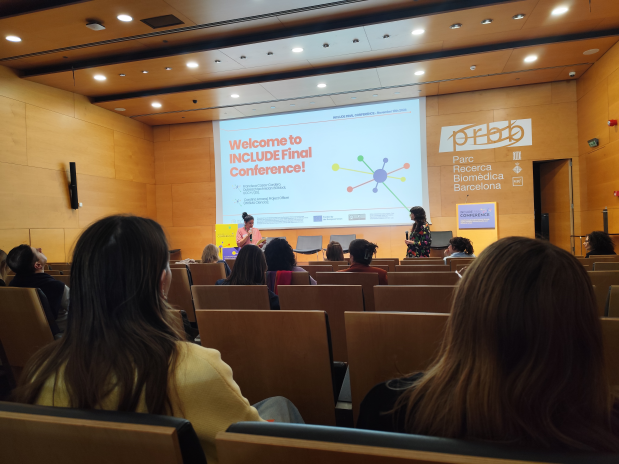
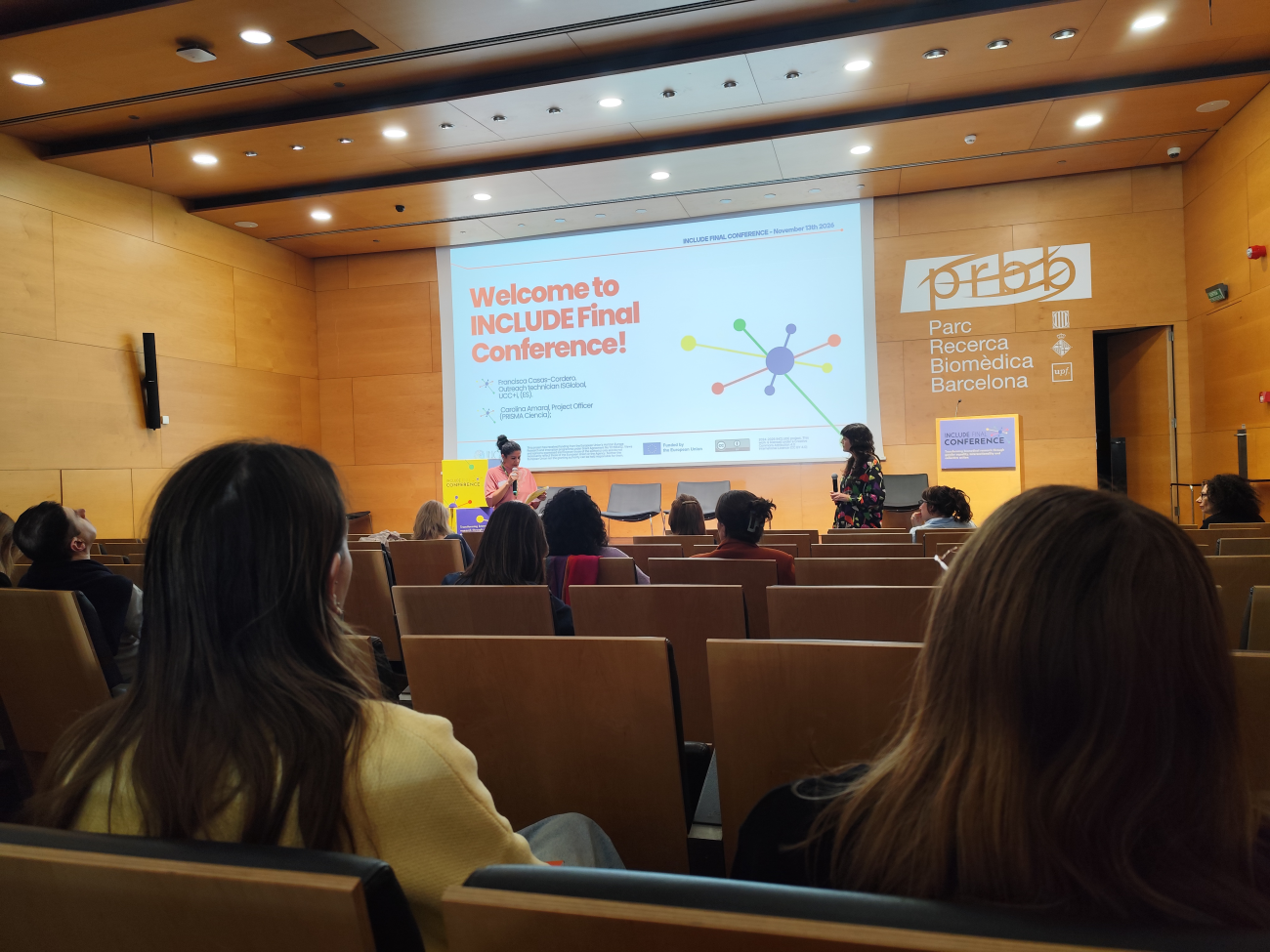
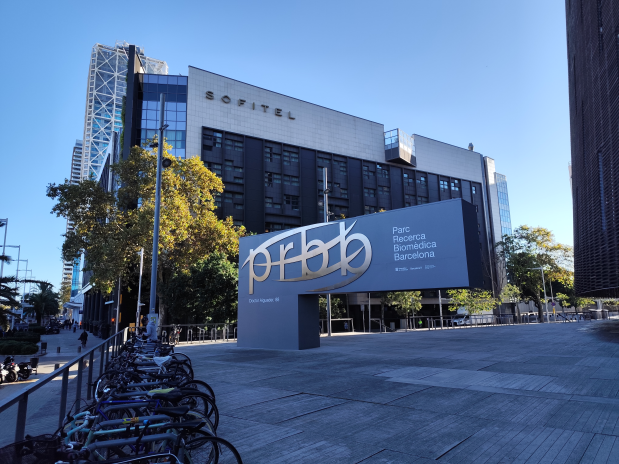
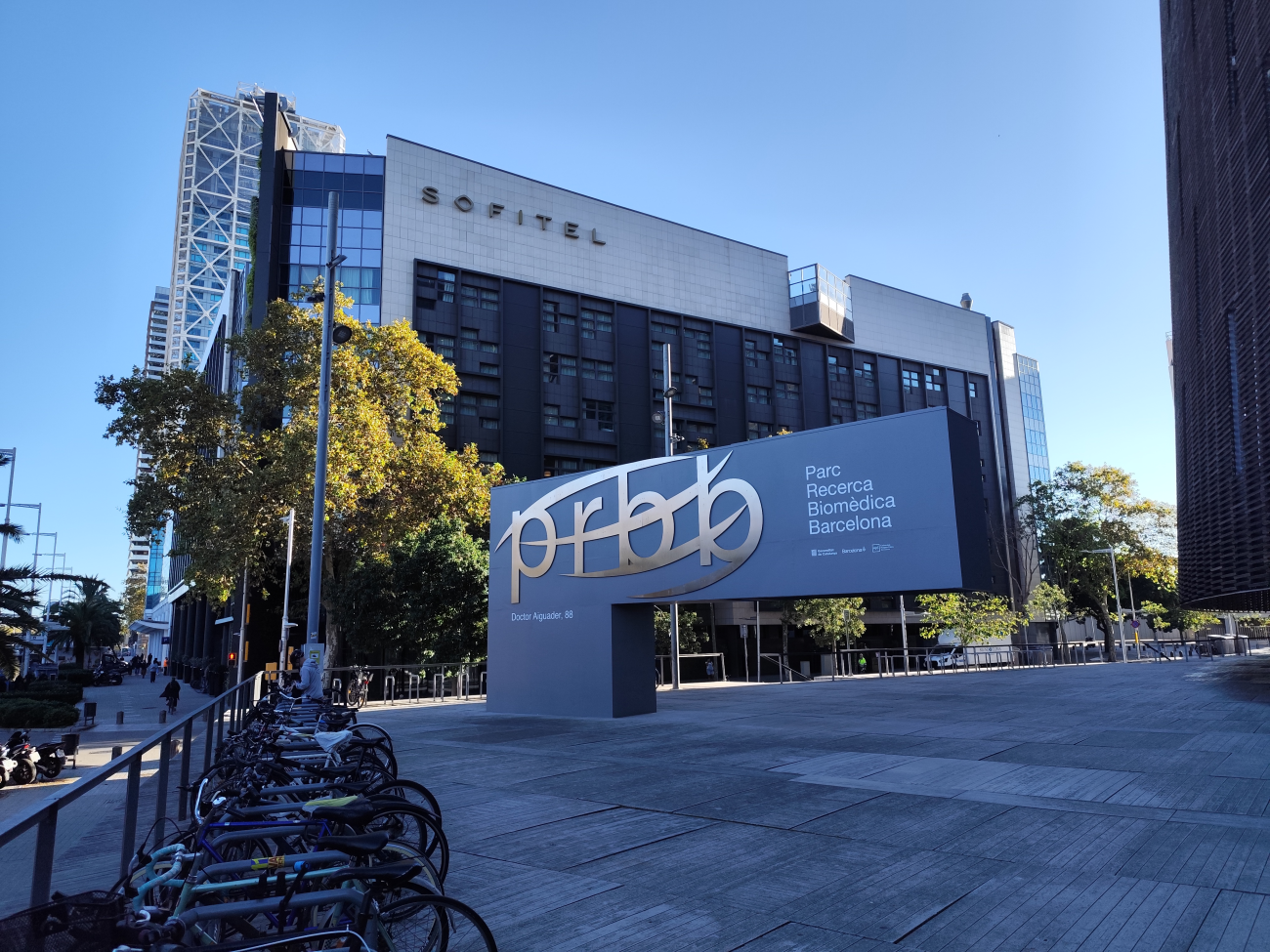
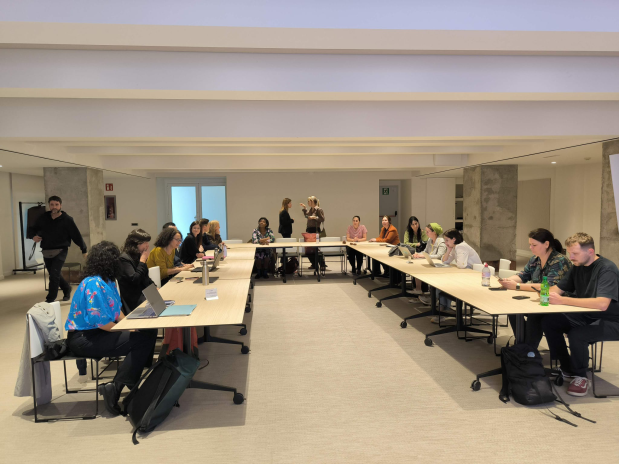
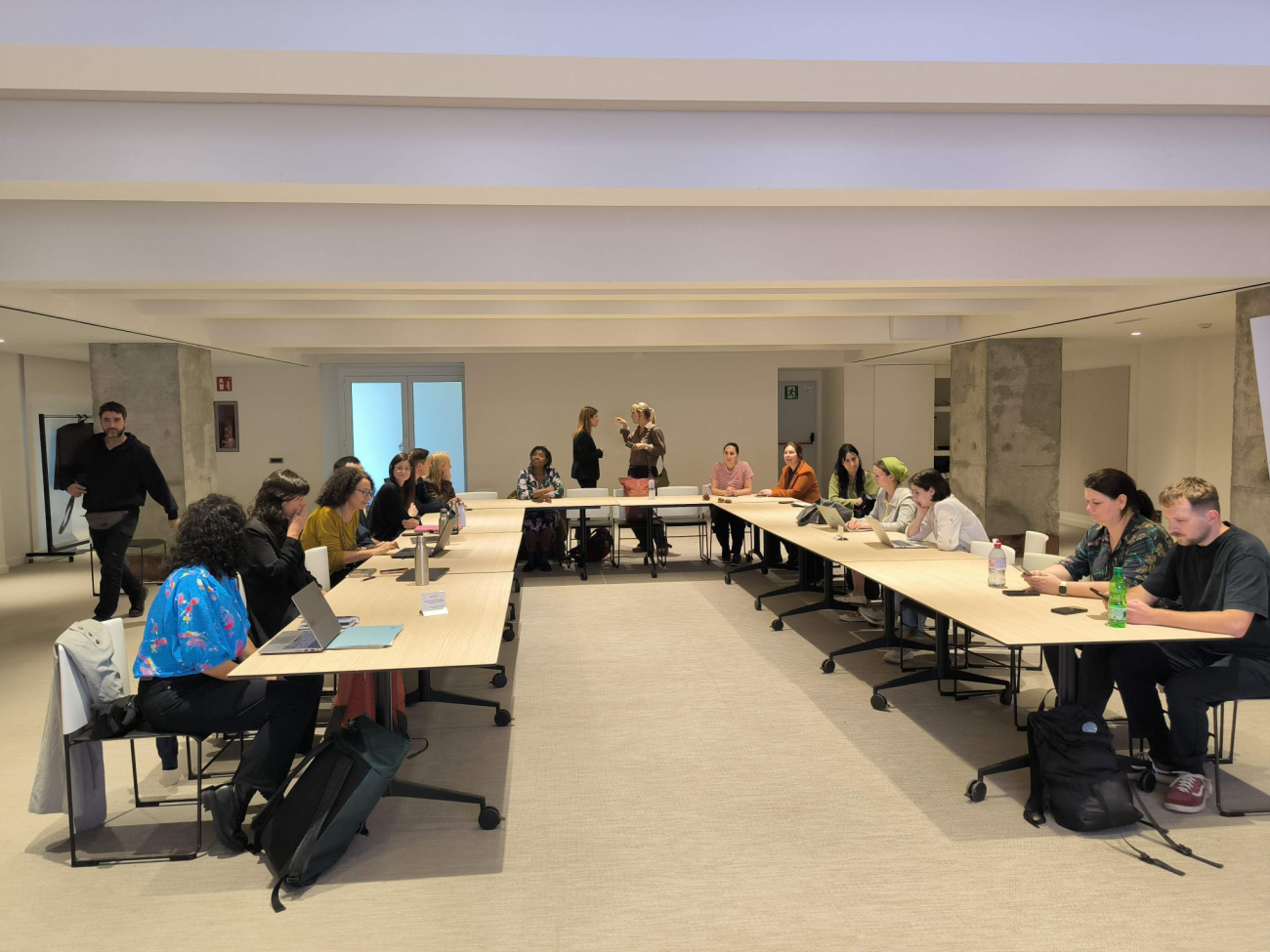
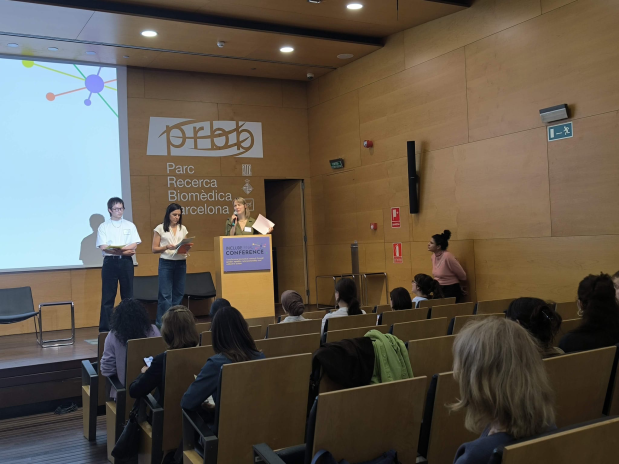
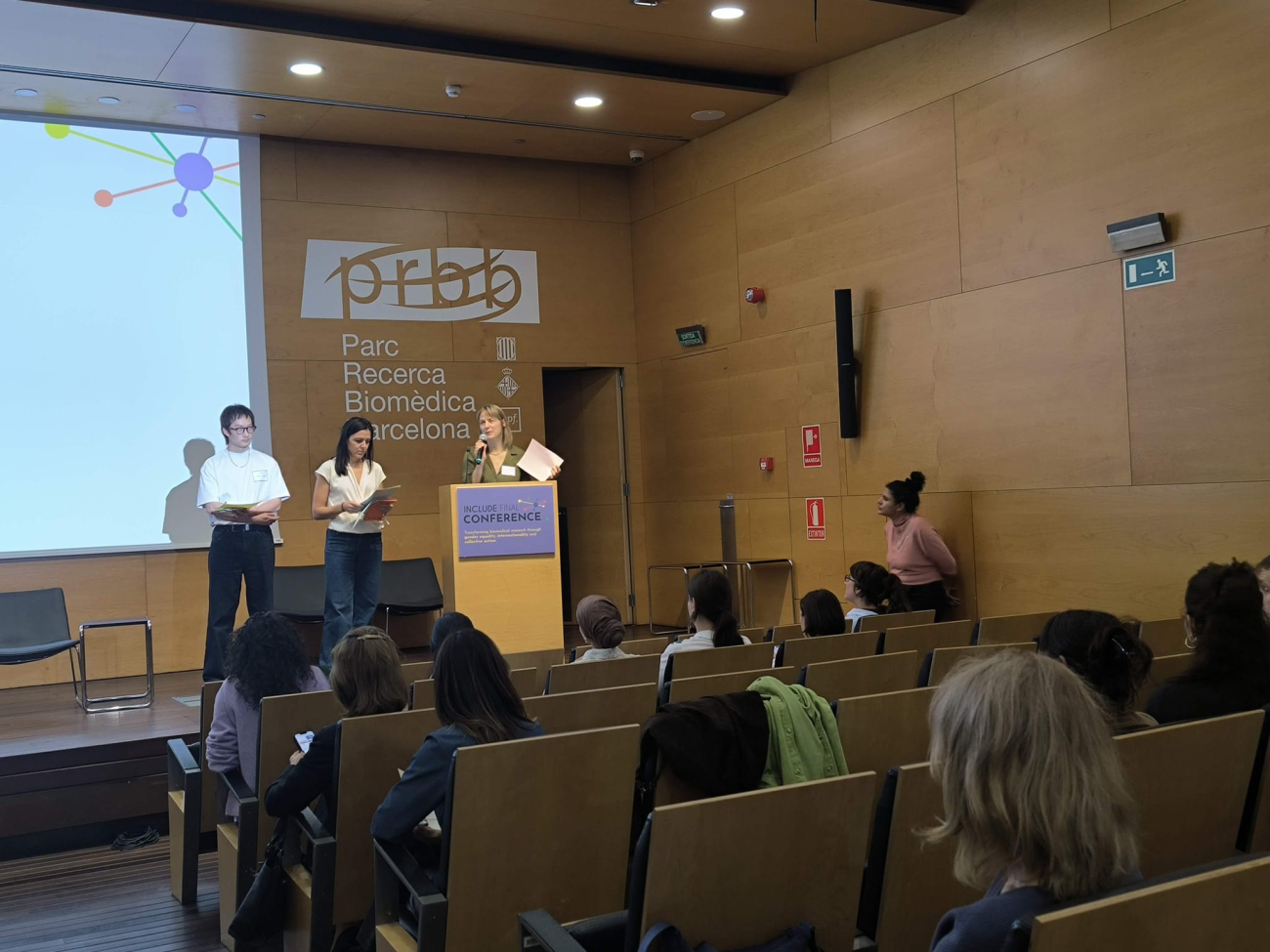
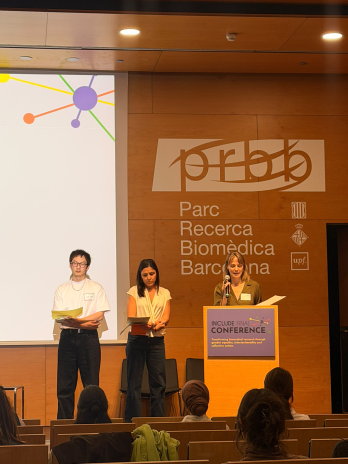
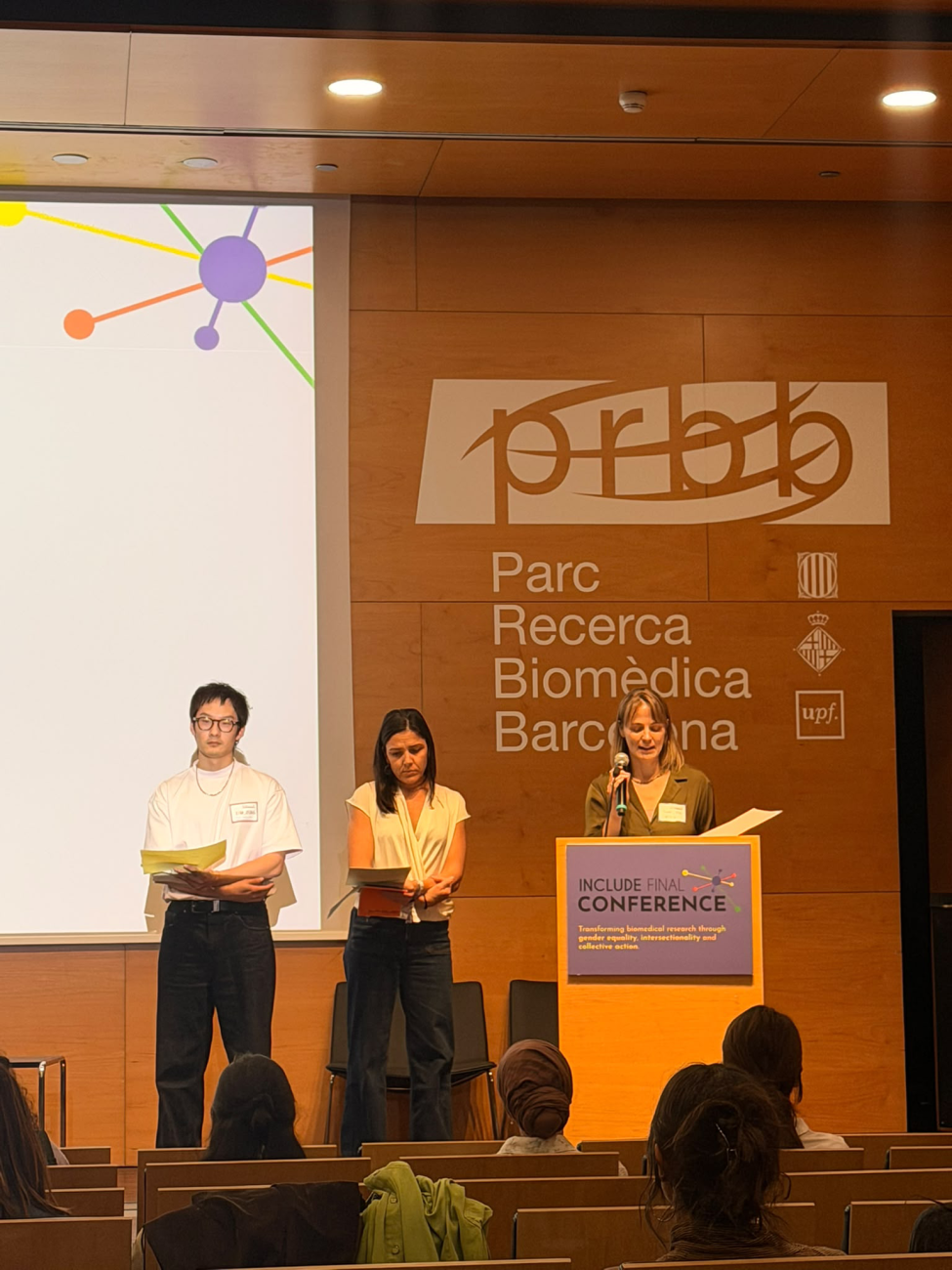
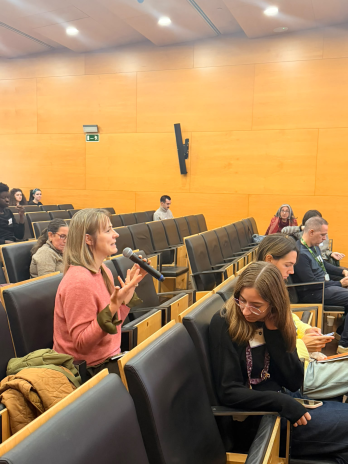
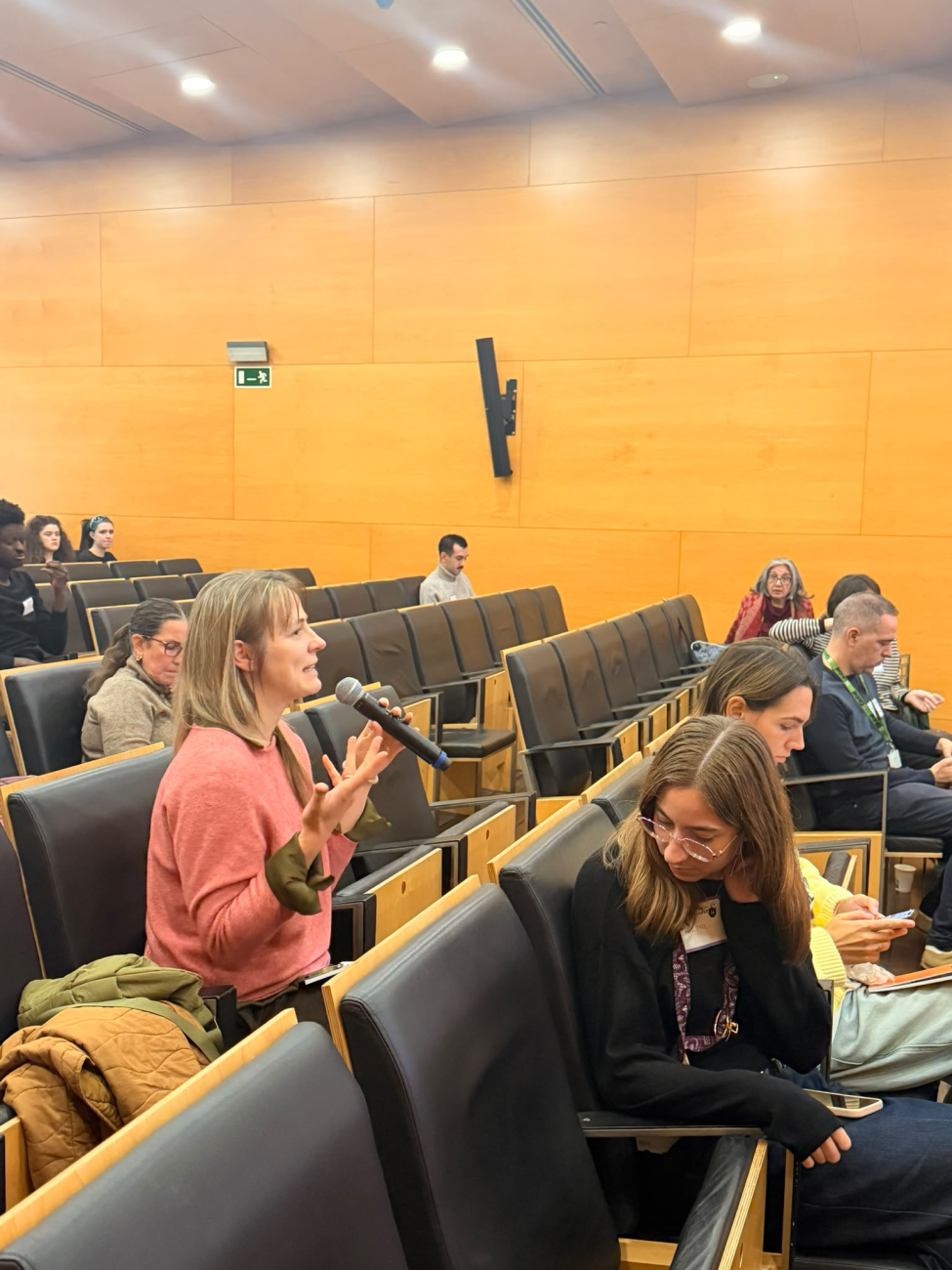
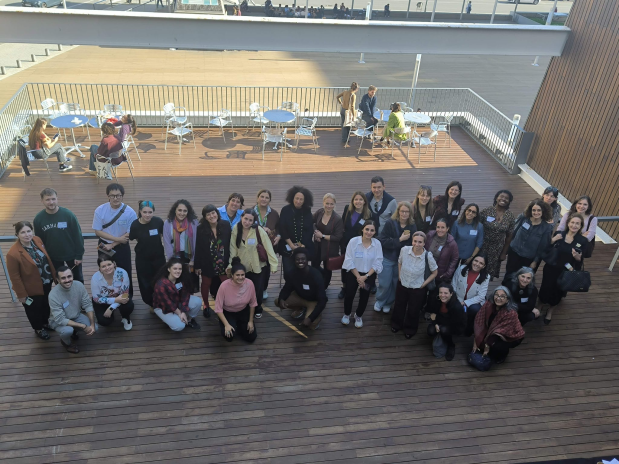
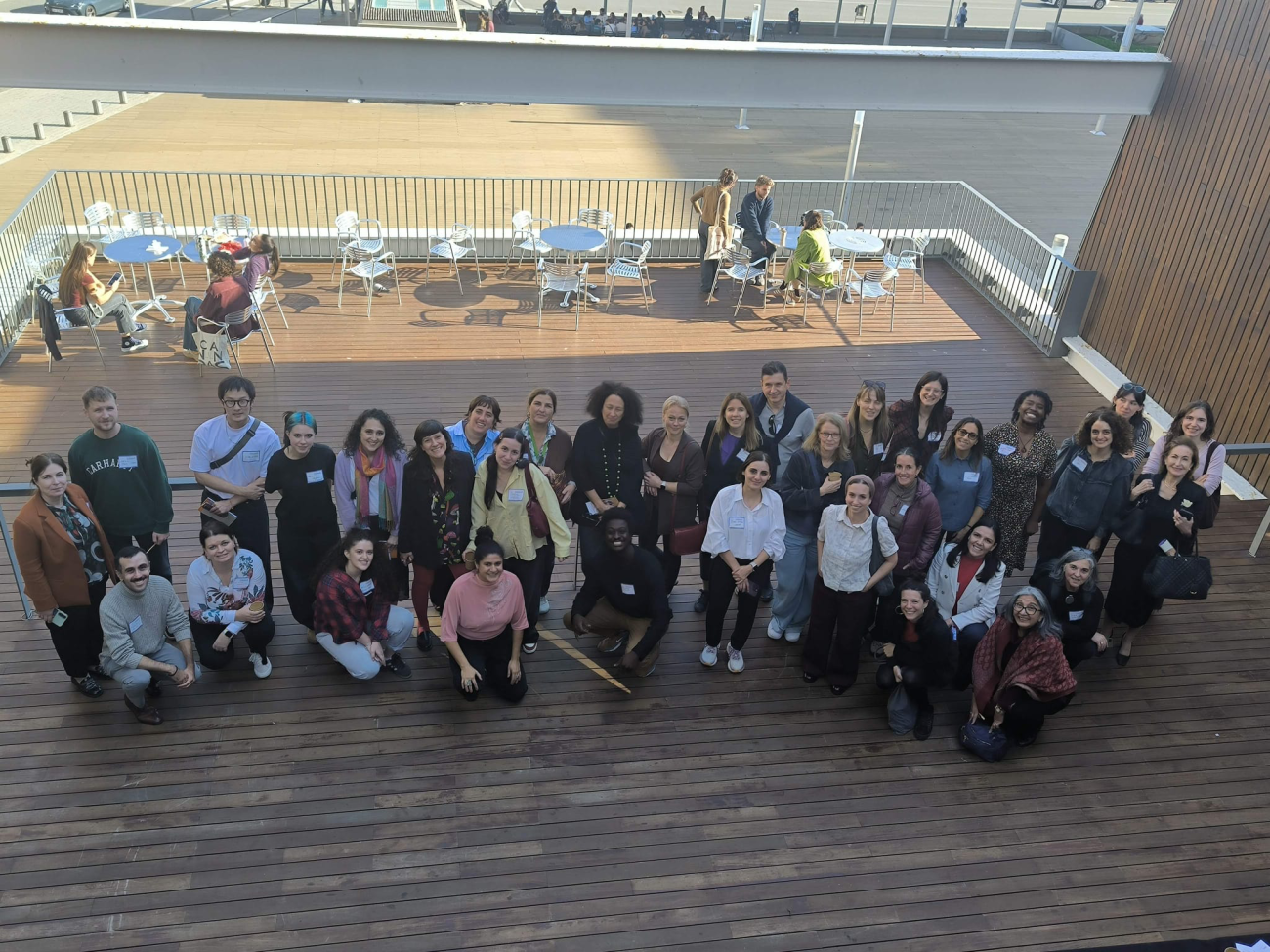
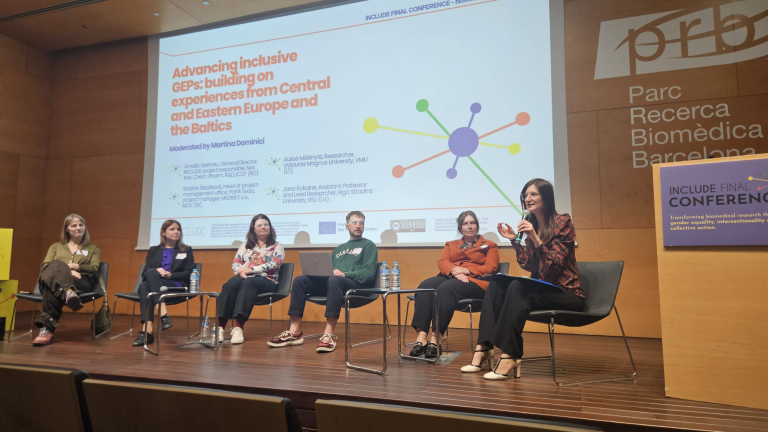
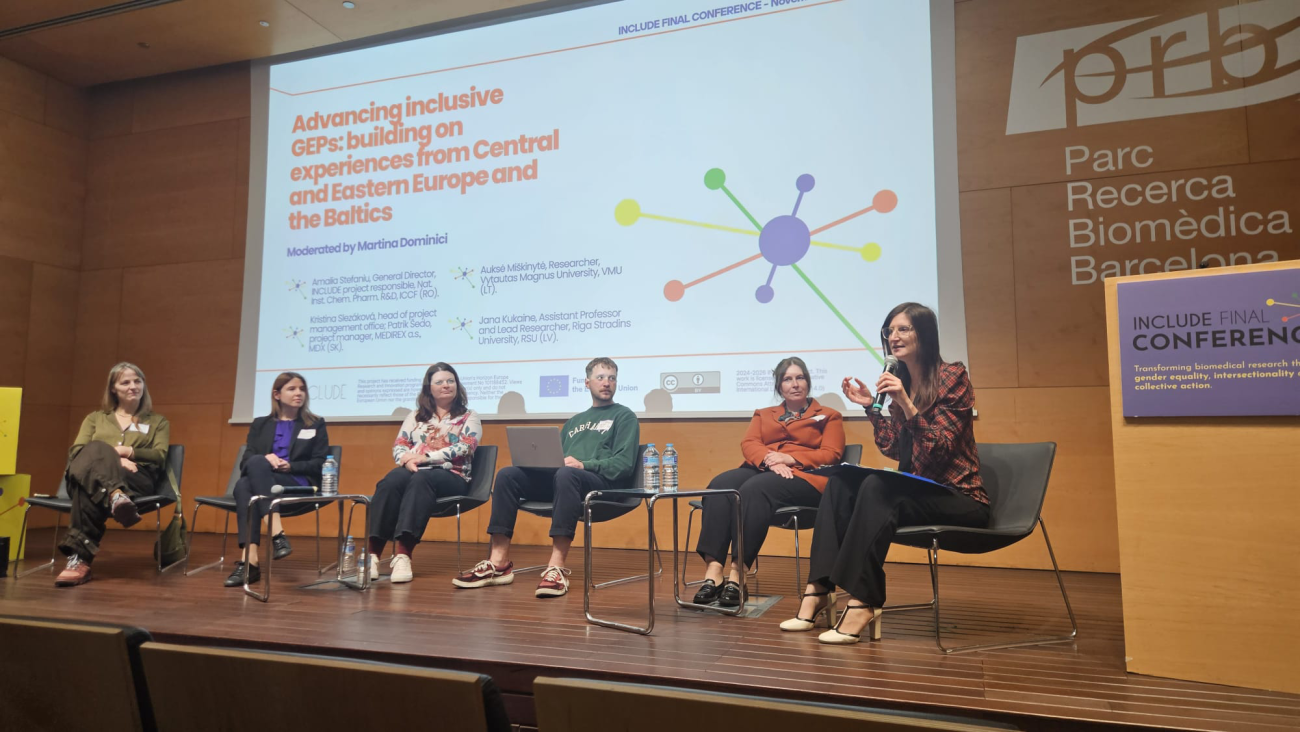
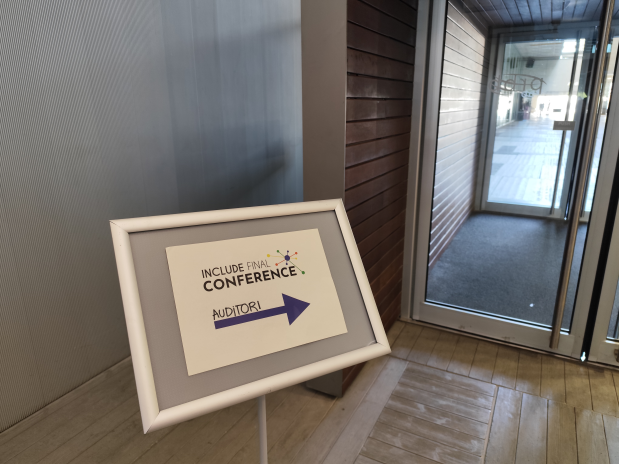
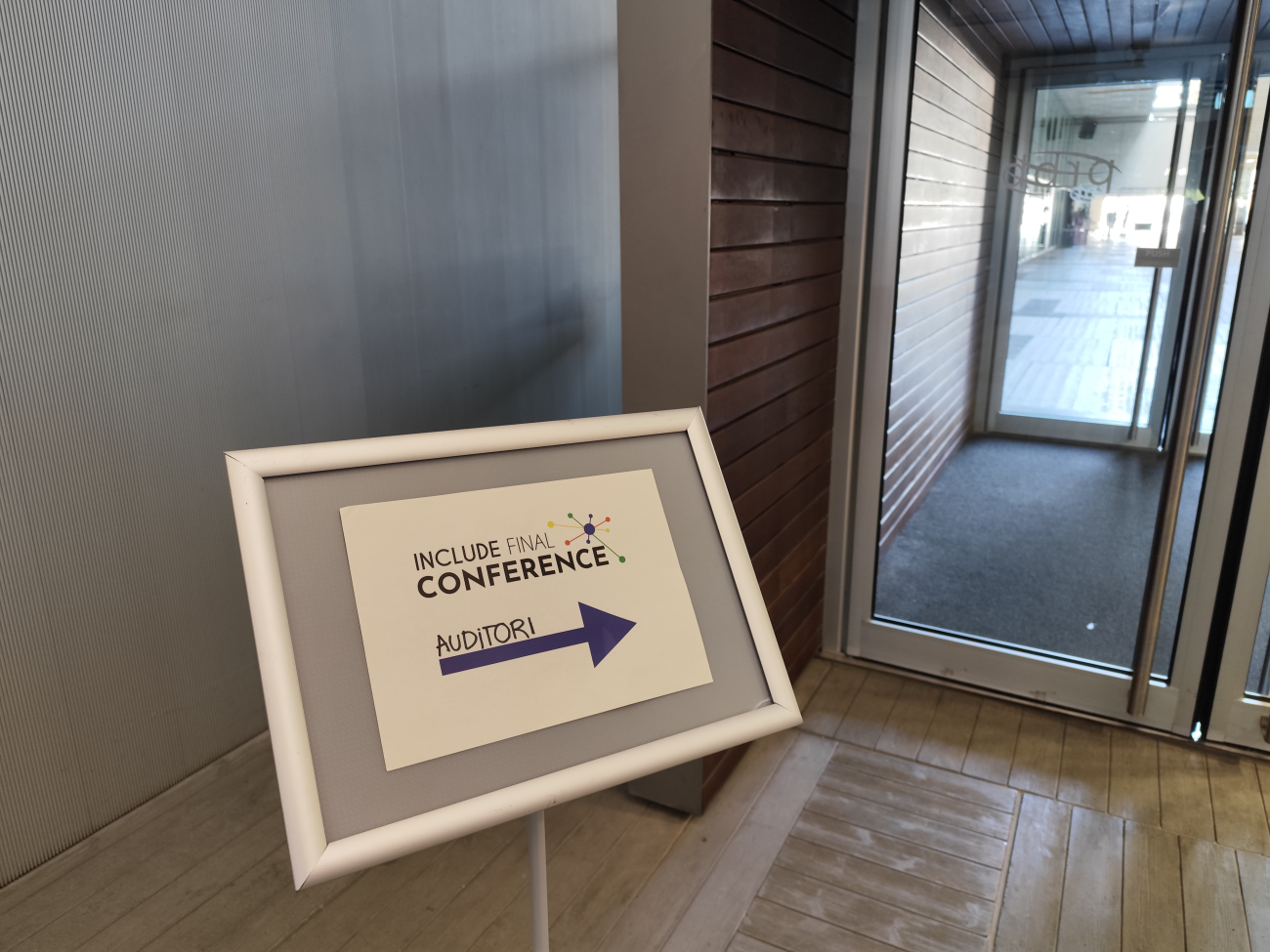
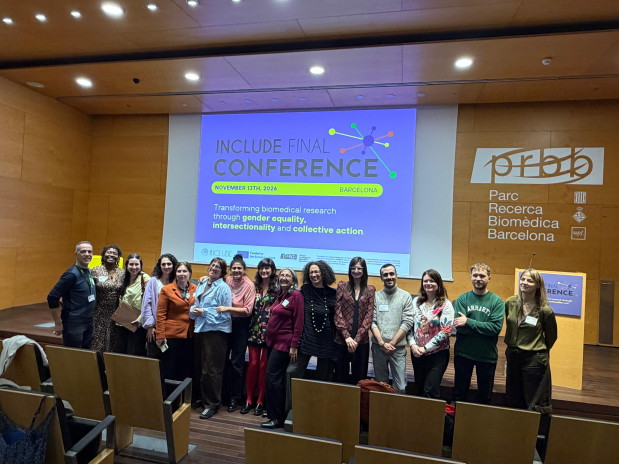
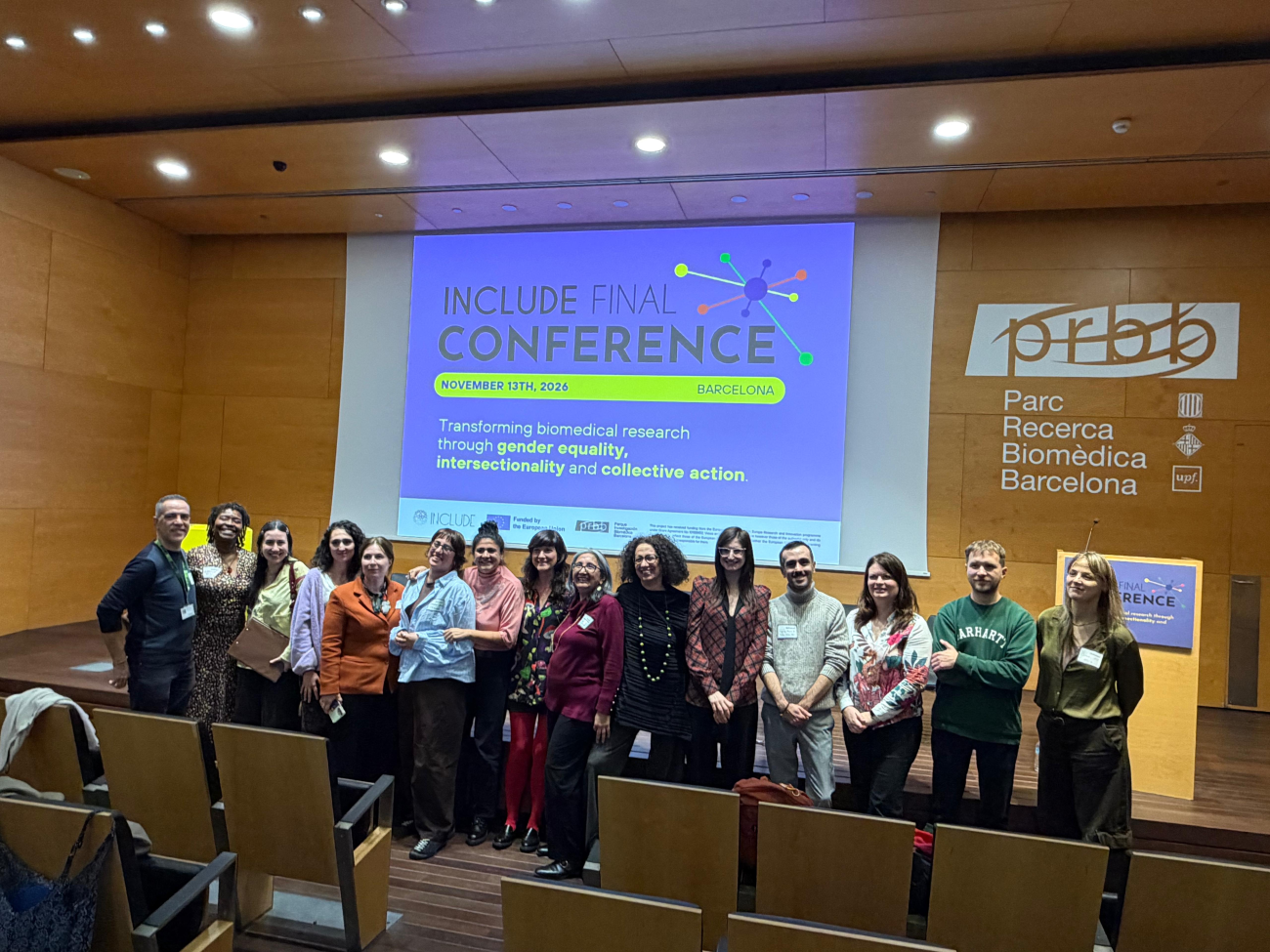


On 13 November 2026, the European project INCLUDE held its final meeting and international conference in Barcelona. The event brought together representatives of research institutions and other stakeholders to present the project's main achievements and discuss strategies for building a fairer, more diverse and inclusive scientific environment. Discussions focused on how the approaches and recommendations developed throughout the project can be translated into meaningful institutional change in research organisations and higher education institutions.
Three key outcomes were presented at the conference: the INCLUDE Manifesto for Equity and Diversity in Biomedical Research, the Policy Brief, and the INCLUDE Toolkit, designed to support the development and implementation of inclusive Gender Equality Plans. The Manifesto calls on research institutions to critically examine how power relations and structural inequalities shape research priorities, determine whose experiences and perspectives are represented in research, and influence the distribution of resources, authorship and professional recognition. It highlights the importance of intersectionality and situated knowledge in fostering research environments free from discrimination, violence and unequal power relations.
The INCLUDE Toolkit brings together methodologies, practical resources and examples of good practice developed throughout the project, helping institutions turn these commitments into concrete action. The Policy Brief offers evidence-based recommendations for policymakers, institutional leaders and funding bodies, focusing on ways to strengthen gender equality frameworks, improve data collection and support the implementation of effective policies in biomedical institutions.
INCLUDE promotes a broader understanding of inclusive science that goes beyond the representation of different social groups among researchers. It calls for a critical examination of the entire research cycle – from setting research priorities and designing studies to decision-making and evaluating research outcomes and impact. Ultimately, the project encourages scientific institutions to move beyond formal commitments to equality and diversity and take responsibility for implementing meaningful, lasting institutional change.
Related news
 RSU study on attracting general practitioners to work in Latvia receives positive evaluation from international experts Research, Public Health