Plan needed to address future shortage of nurses


Photo: Courtesy of the Children's Clinical University Hospital
The level of nursing competence and the number of nurses in Latvia are increasing; however, to achieve real change and ensure a sufficient number of nurses for patient care in hospitals, close cooperation is required among all parties involved in nursing education, remuneration, and employment. It is important not only to raise nurses’ salaries in the public healthcare sector, but also to enhance the profession’s prestige in society.
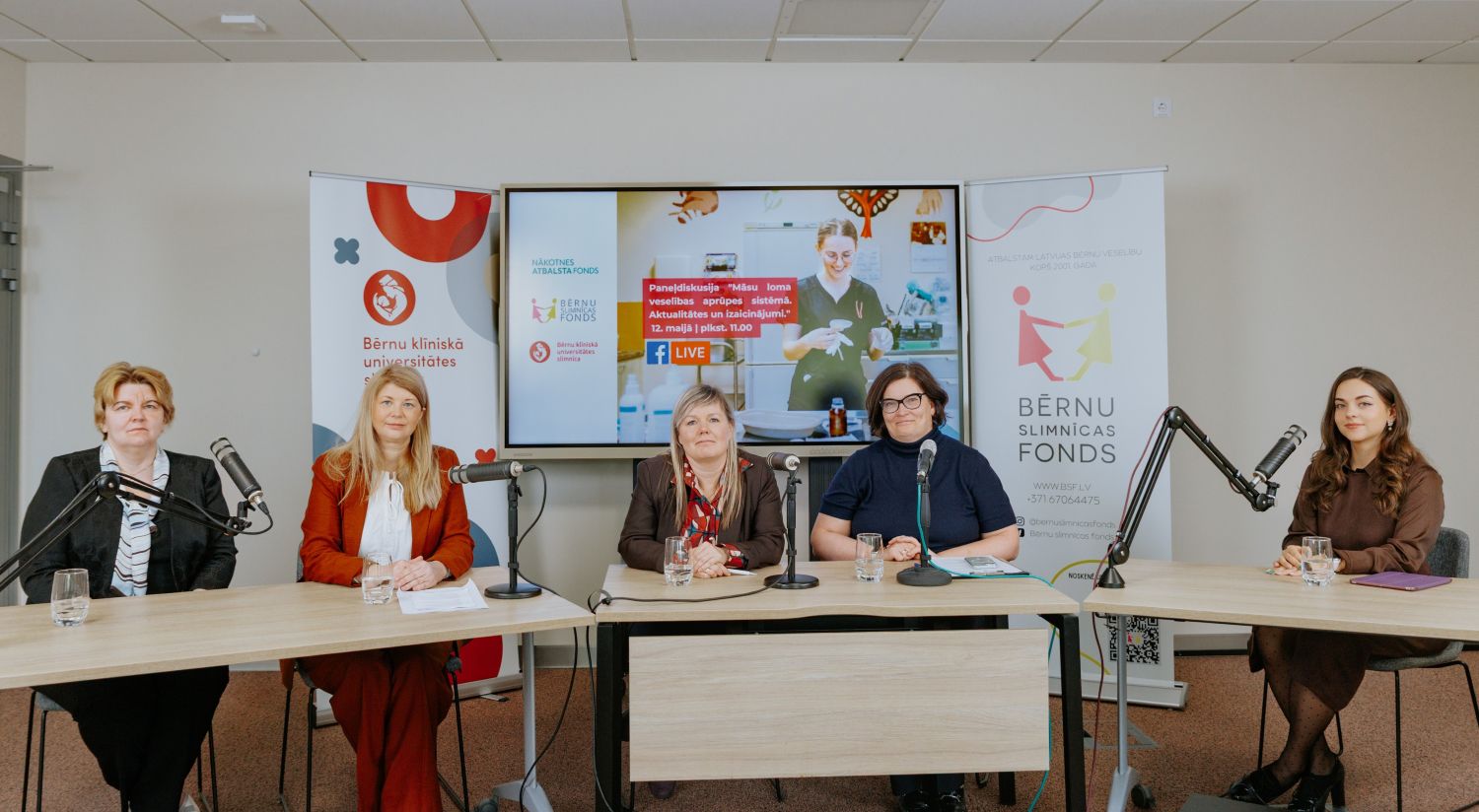
On International Nurses Day, participants in the online discussion ‘The Role of Nurses in the Healthcare System: Current Issues and Challenges’, organised by the Children's Clinical University Hospital and the Children’s Hospital Foundation, emphasised the importance of recognising the role of nurses in the healthcare system and the value of their work to society.
The importance and recognition of nurses’ work
‘We often say that nursing is a calling. If so,
that calling must also be valued and fairly rewarded.’
When thinking about tomorrow, we must already take a series of steps today to retain current nurses in the field and attract new ones, as the need is enormous. We must create an appropriate work environment and be able to show nurses their professional career opportunities - nurse managers, including managers of multidisciplinary teams, nurse educators and lecturers, nurses working in patient safety and patient rights, nurses who educate patients, as well as nurses engaged in research,’ emphasised Zane Straume, a member of the Board of the Children's Clinical University Hospital, during the discussion.
Workload and shortage of nurses
One of the issues highlighted by the discussion participants was burnout, as many nurses work multiple jobs, while hospitals often face an excessively high number of patients requiring care.
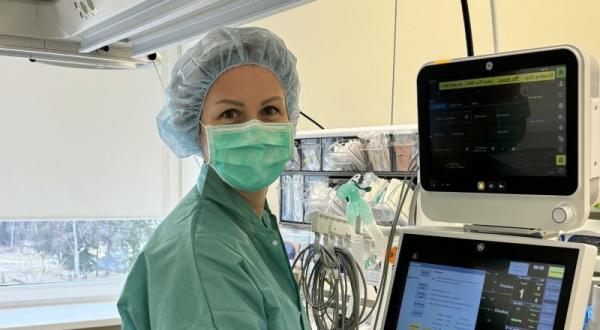
‘At the Children's Clinical University Hospital, our goal is to ensure that nurses work with a reasonable number of patients on a daily basis, depending on the complexity of the required care. For example, this could mean 4 - 6 patients in a pediatric ward, but 1–2 patients in an intensive care unit. To achieve this, for the past 10 years, we have been measuring nurses’ workload and using these calculations to regulate staff workload. However, overall, Latvia’s public healthcare system is currently lacking approximately 5,000 nurses.
To address the nursing shortage, all stakeholders in the sector must come together and make joint decisions,’
explained Linda Frīdenberga, Director of Nursing at the Children's Clinical University Hospital.
Future challenges in healthcare
Society expects high-quality healthcare and new specialists joining hospitals to ensure the sustainability of services. ‘Every year, new nurses join the Children's Clinical University Hospital, the level of knowledge is rising, and the nursing profession is evolving. The importance of nurses’ decision-making abilities is also growing, both in patient assessment and treatment, and care. At the same time, we are facing trends that highlight future challenges: as some nurses reach retirement age, a need for a faster influx of new specialists into the profession will be required. Since new nurses often choose to work less hours, a larger number of nurses will be needed. Therefore, solutions must be sought already today,’ continues Linda Frīdenberga.
Prospective nurses and studies
As the discussion participants also included the directors of both nursing study programmes, the conversation provided insight into how prospective nurses view their future work environment. ‘Alongside their studies, prospective nurses can already begin working and become part of nursing teams in medical institutions. Students use this opportunity to gain practical experience in their future profession. We see that most of our graduates stay in Latvia after completing their studies, which is inspiring. However, they are concerned about burnout, as in Latvia, the workload in the nursing profession is high,’ noted Ina Mežiņa-Mamajeva, Director of the Nursing Programme at the University of Latvia.
‘At the same time, the latest student survey shows that more respondents than before rate the prestige of the nursing profession as high,’ emphasised Ina Mežiņa-Mamajeva.
Demand for studies and diversity of the profession
‘Last year, at the RSU Junior Nurse Academy, 10 school pupils applied per study place, which demonstrates a steady interest in the nursing profession among young people. We have observed that an increasing number of men are choosing to study nursing. This is important, as working with adult patients often requires not only endurance but also physical strength.
We need to promote the training of nurses who are motivated and ready to actively engage in research, as well as strengthen research activities and professional involvement in the development of healthcare,’
noted Eva Cela, Director of the Nursing study programme at RSU.
Support mechanisms for students
At the Children's Clinical University Hospital, various support mechanisms are being developed to encourage and motivate students to continue working in pediatric healthcare. In autumn 2025,10 junior nurses, simultaneously studying in nursing programmes and working at the Children's Clinical University Hospital, were awarded EUR 2,000 scholarships. This was possible through a donation from the Future Supporting Fund established by Rietumu Banka and the Children’s Hospital Foundation.
Discussion recording
We invite you to watch the recording of the discussion on the Facebook page of the Children's Clinical University Hospital or the Children’s Hospital Foundation.