RSU at the Latvian Youth Olympiad: health, research, and support for young athletes


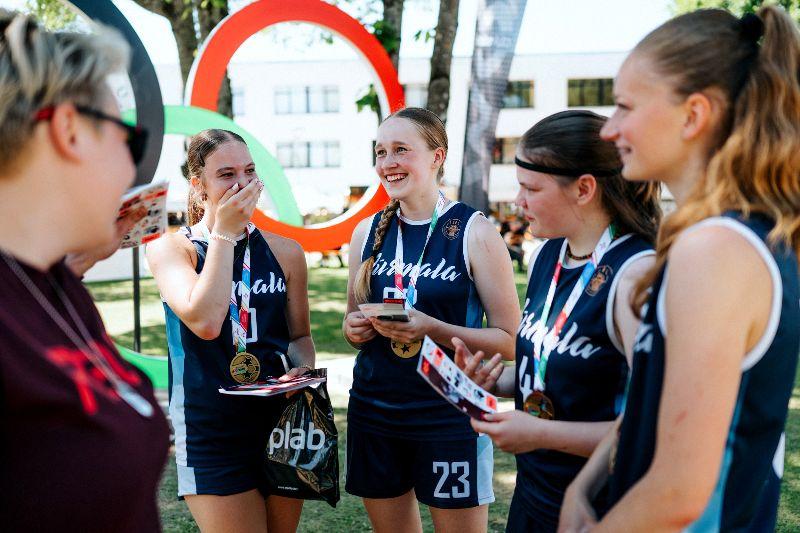

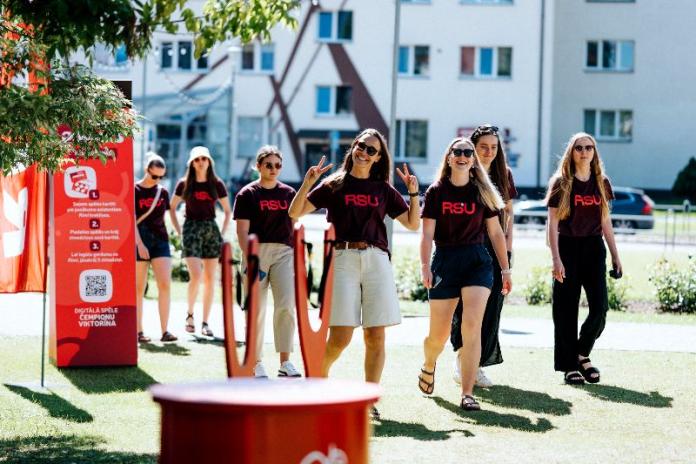
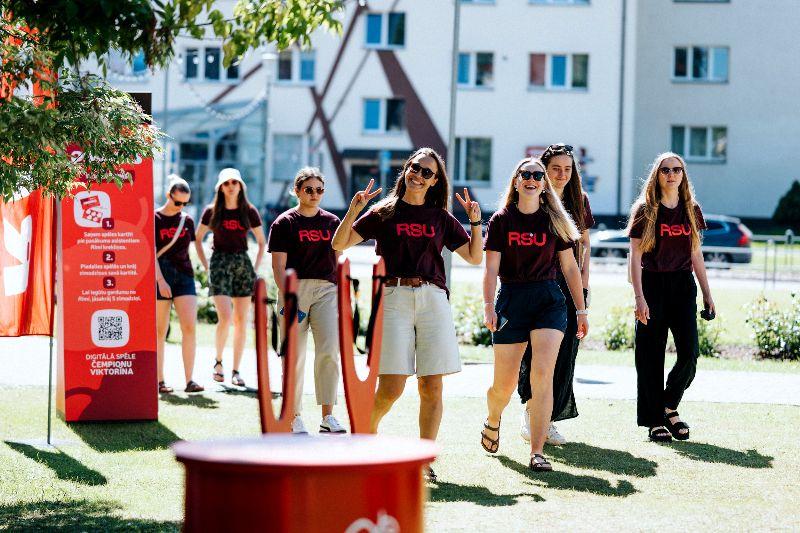

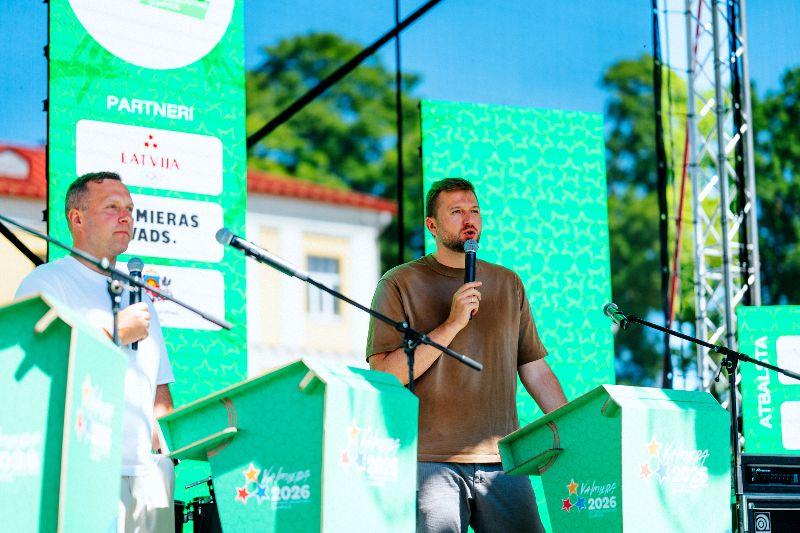
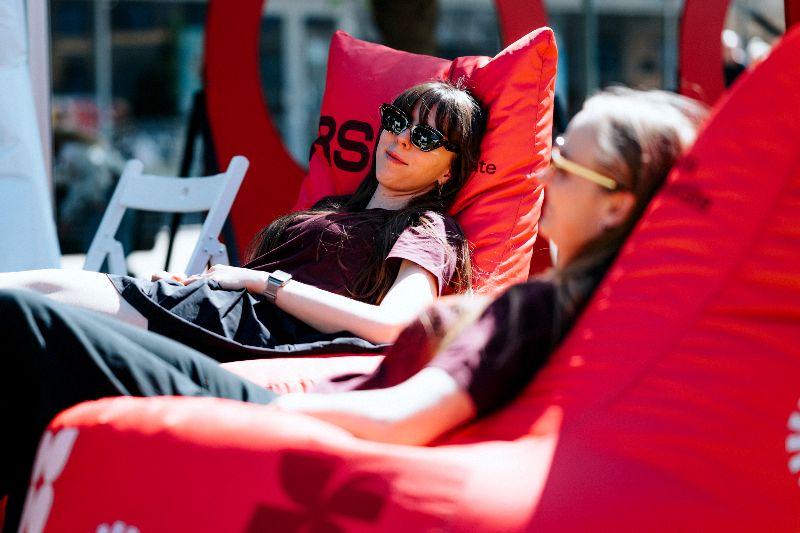

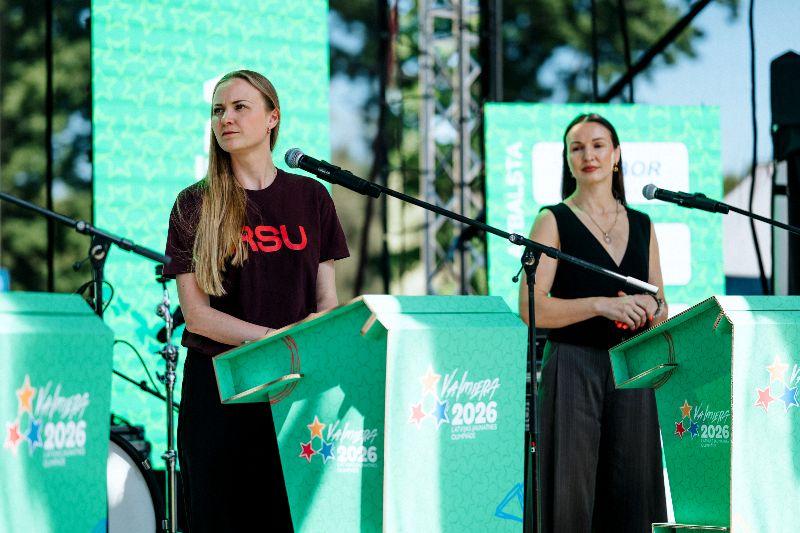

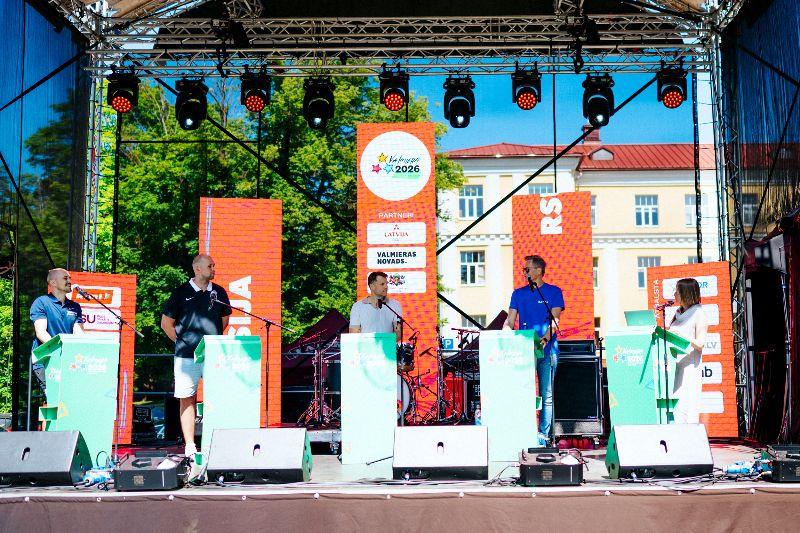
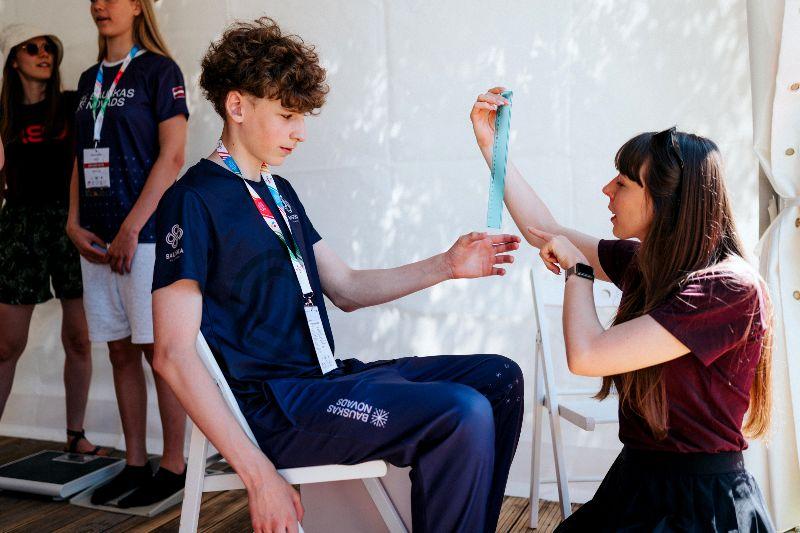


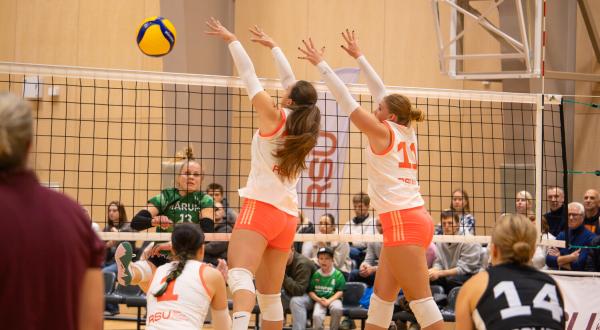
On 20 June 2026, the 10th Latvian Youth Olympiad came to a close after two days of competition in Valmiera. As an event partner, Rīga Stradiņš University (RSU) was present with a joint RSU and Latvian Academy of Sport Education (LASE) expert tent, hosted a seminar for coaches, and took part in several Sports and Health Forum discussions on young athletes’ mental health, sports nutrition, the dynamics of relationships between athletes, coaches, parents and agents, as well as the role of sport in Latvia’s economy and the state’s involvement in promoting grassroots sport.
Sport as an investment in a healthy society
The first day of the forum began with a discussion titled Sport as an Investment, Not an Expense, in which RSU Vice-Rector for Science Agrita Kiopa emphasised that the first-ever National Research Programme Sport marks a significant step towards good governance and policy-making. Its findings will support long-term decision-making across several areas, particularly in children's and youth sport. Research in sport is also essential for ensuring that the sector is staffed by highly qualified professionals who are able to apply the latest sports science knowledge from around the world in practice. Investing in sport is important because it also strengthens public health.
‘Sport plays an important role in society. Considerable economic activity takes place in public and private sports clubs, sports infrastructure and institutions, as well as in the industries that support sport, making it a significant contributor to the national economy. Yet the statistics are alarming:
33% of the population do not engage in sport, and the average healthy life expectancy is only 52 years. The earlier children and young people become involved in sport and the more we invest in their sporting ‘health’, the longer they will remain healthy into adulthood, rather than becoming a burden on society, requiring treatment, being unable to work and causing losses for employers.
Investment by the state in a healthy society generates economic returns.’
The cost of victory in youth sport
The second day of the Sports and Health Forum featured the discussion The Cost of Victory: What Happens to an Athlete’s Health?, bringing together sports physician Toms Jānis Eglītis, coach of the Latvia U18 national basketball team and assistant coach of Valmiera Basketball Club Normunds Lišiks, sports agent Raivis Ušackis, and former captain of the Latvian national basketball team, entrepreneur and founder of Baltic Rollers Basketball Club Edgars Šneps.
The discussion moderator, RSU Associate Professor and researcher Dace Reihmane, structured the conversation around the dynamics of relationships between athletes, coaches, parents, and agents, paying particular attention to how to balance ambitions for high-level youth achievements with young athletes’ physical and mental wellbeing. ‘Participants emphasised that warning signs of overload may include a loss of motivation, injuries and a desire to leave sport. One of the key risk factors is an excessive number of competitions and an overly early focus on results. The conversation repeatedly highlighted the need to strengthen cooperation among coaches, parents, doctors, and sports organisations, promote education for parents and coaches, and
to build a sports system whose main goal is not just victories, but also nurturing healthy, motivated young people who remain engaged in sport over the long term.
The ongoing IMRSportsLV research programme and the data obtained provide an opportunity to build knowledge that supports evidence-based decisions for the development of sport in Latvia.’
The RSU expert tent attracts athletes, parents and coaches
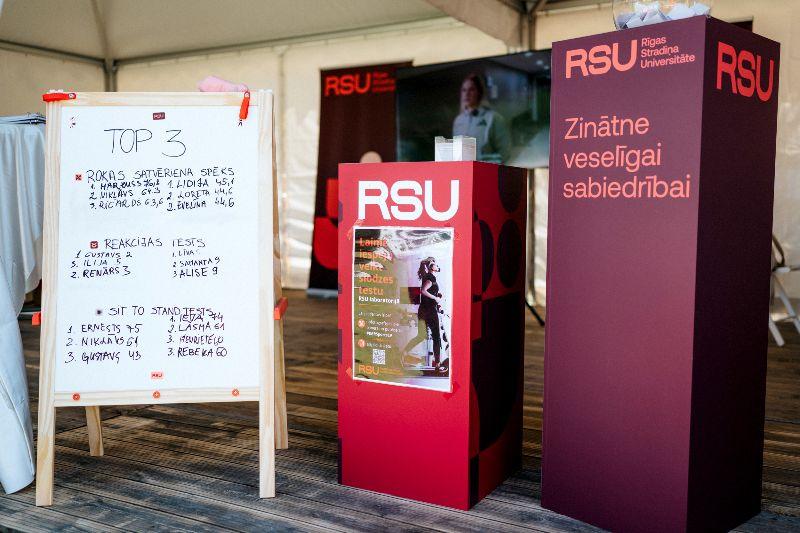
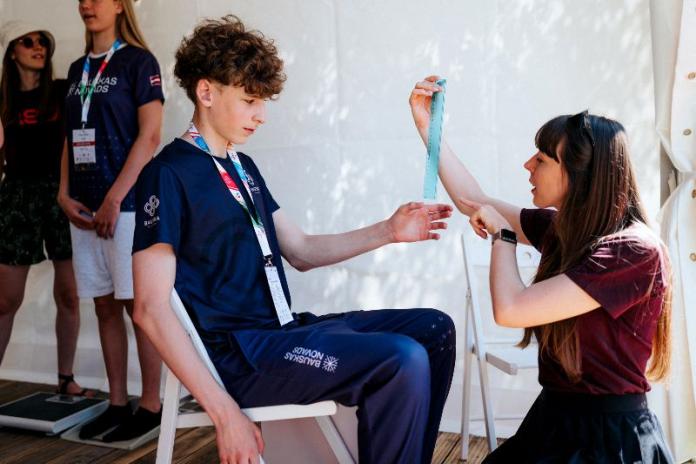
Meanwhile, over the two days, the RSU tent welcomed several hundred children, young people, parents and coaches. Visitors were able to undergo several physical health assessment tests, including the sit-to-stand test to evaluate lower limb strength and functional ability, a handgrip strength test providing insights into overall muscle strength and physical health, and a reaction time test. Athletes and coaches also took part in an anonymous survey on dietary choices and other topics, the results of which will be used in future RSU research. A total of 174 young athletes completed the questionnaire on factors influencing food choices.
Physical health tests and research into dietary habits
Laima Kampa, nutrition specialist and Scientific Assistant at the RSU Laboratory of Sports and Nutrition Research, explained that visitors were particularly interested in testing their handgrip strength, and that the competitive spirit extended beyond the stadium into the RSU tent: ‘Not only athletes took part in the activity, but also mothers, fathers, and little brothers and sisters, challenging one another as a family.’
RSU colleagues also contributed to other discussions. RSU lecturer and researcher, health and clinical psychologist Beate Evelīna Dišlere, spoke in a discussion on psycho-emotional health in youth sport. Meanwhile, Jānis Leitis, lecturer at the RSU Department of Sports and Nutrition, participated in the discussion Eating Discipline as a Lifestyle: Its Connection with Health and Sporting Success.
About the Latvian Youth Olympiad
From 18 to 20 June, Valmiera became the youth sports capital of Latvia as it hosted the 10th Latvian Youth Olympiad, which returned after a six-year break. Teams from all 40 participating municipalities won medals, with more than 3,600 young athletes taking part overall. Across the three days of competition, a total of 223 sets of medals were awarded. Jūrmala will host the Latvian Youth Olympiad in 2028. Read more about the Olympiad
About the IMRSportsLV Project
The #IMRSportsLV project is implemented by RSU researchers, including researchers from the RSU Latvian Academy of Sport Education, in collaboration with the University of Latvia and Riga Technical University, including RTU Liepāja Academy. The project is funded by the Ministry of Education and Science through the National Research Programme Sport, which is administered by the Latvian Council of Science. Read more about the project