RSU researcher defends doctoral thesis at the University of Vienna following years of research and eight months living in a residential care home


What actually happens in a residential care home? What is daily life like in a place that society often views through a lens of stereotypes?
To answer these questions, social anthropologist Anna Žabicka, a researcher at Rīga Stradiņš University (RSU) Faculty of Social Sciences, spent several years conducting research at a rural social care centre in Latvia. This experience became the foundation of her doctoral thesis, which she successfully defended this summer at the University of Vienna.
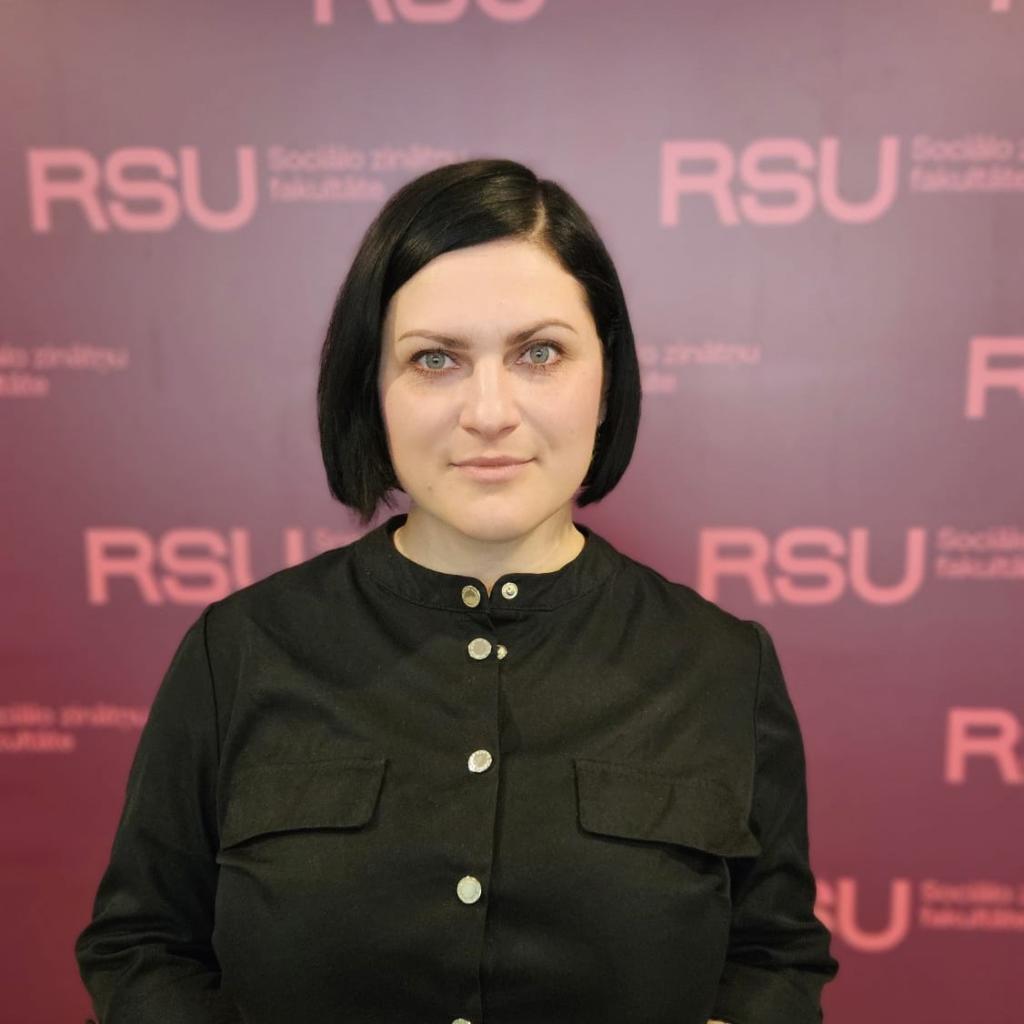
Anna's research is far from a conventional desk-based academic study. To understand rural depopulation, demographic change, and ageing processes, she carried out participant observation – living in a small rural care facility, sharing daily routines, afternoon coffee rituals, crises, and moments of loss with both residents and staff.
‘The only way to truly understand people’s daily lives is to be there with them,’ says Anna. In social anthropology, this approach is known as participant observation – a qualitative research method that involves much more than conducting interviews. It requires researchers to live alongside the people they study over an extended period, gaining first-hand insight into their daily routines, relationships, and experiences.
In this interview about the invisible side of academic research, Anna Žabicka reflects on her international academic journey, the behind-the-scenes of research, and why the final stretch towards a doctoral degree feels like a ‘sadomasochistic thrill’.
Research that began more than ten years ago
Anna's path in the academic world is intriguing. Her first degree was in environmental science, and for a time, she worked as a biology teacher. Her decision to enrol in the anthropology master's programme at RSU in 2012 was spontaneous, yet foundational.
‘RSU completely transformed my path. Here, I found what truly captivated me – medical and health anthropology,’ Anna recalls. ‘For me, coming back to RSU always feels like coming home. This is where my journey as a researcher began and where my closest colleagues are.’
Following her studies at RSU, Anna obtained a second master's degree in social anthropology at Wayne State University in Detroit, USA. She later commenced her doctoral studies at the University of Vienna, where her research focus shifted to ageing, care, and the future of rural communities.
Eight months in a single care home
The beginning of her research coincided with the COVID-19 pandemic, which made it particularly difficult to gain access to residential care institutions. After numerous rejections, Anna eventually found a municipal social care centre in rural Latvia that welcomed her as a volunteer and gave her the opportunity to live alongside its residents.
From the summer of 2020 until the spring of 2021, she spent eight months there, regularly returning over the following years.
‘This isn't the kind of research where you drop in for a single interview and leave. People need time to trust you. Sometimes it took four or five months before people started talking to me with complete openness.’
During her time at the care home, Anna became part of everyday life. She drank coffee with residents, helped them with shopping, organised film evenings and cookery sessions, went mushroom picking with them, and, above all, simply remained present.
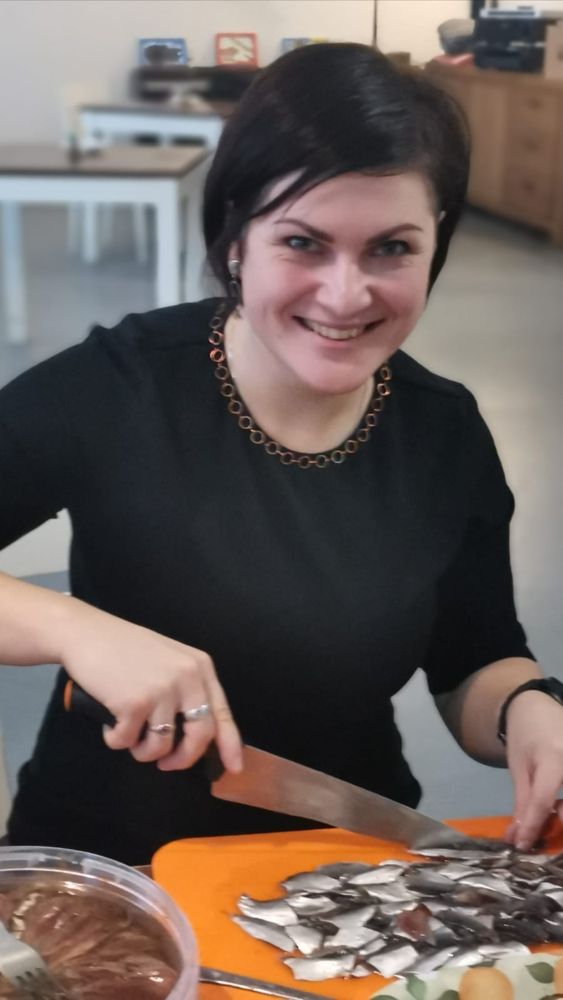
‘I wasn't interested only in what people told me – I wanted to understand how they lived. How friendships developed. How people argued, reconciled, celebrated birthdays, fell in love, navigated loss, and shaped their daily life.’
Life, not just care
In her doctoral thesis, All roads lead to the Pansionāts: State care as a socio-spatial fix in an emptying rural Latvia, Anna examines how long-term residential care institutions have become an integral part of rural community life at a time when many parts of Latvia are experiencing population decline and demographic ageing.
The central argument of Anna Žabicka's thesis challenges the dominant narrative in Latvia's public and political discourse that care homes are merely an economic burden and a drain on taxpayers' money. By approaching ageing not as the ultimate form of national depopulation, but through the lens of care and human relationships, her research demonstrates that residential care homes are among the most stable and significant employers in rural areas. They also sustain both formal and informal local economic activity.
‘We often view care homes as places where life comes to an end. But in reality, life continues there.’
A researcher’s responsibility does not end with the thesis
Although she has successfully defended her doctoral thesis, Anna continues to visit the care home on a regular basis.
‘I wouldn't want to be in a position where I simply took what I needed to earn my degree and then disappeared. Without these people, this research would never have been possible.’
Before defending her thesis, the residents and staff of the care home were the very first audience to whom she presented her research findings.
‘It felt important to give something back to the people who entrusted me with their everyday lives.’
A researcher's gratitude to bartenders and antidepressants
Anna Žabicka speaks with remarkable candour about the demanding journey towards a doctoral degree. She does not shy away from describing just how difficult the process can be. Writing a thesis is a lonely, long-term, and intellectually taxing endeavour, accompanied by the constant feeling that the work is never quite finished.
‘Overall, it's a kind of sadomasochistic thrill,’ she laughs. She then continues with complete candour: ‘In the acknowledgements of my thesis, I also thank my neurologist, psychiatrist, antidepressants, psychotherapist, and sleeping pills. These are the things people usually leave unsaid. My work was constantly spinning in my head, and I struggled with severe sleep problems. At the same time, I also thanked the bartenders. Every stage of the journey had its own source of support.’
Despite these challenges, Anna's passion for research has not diminished. Her doctoral supervisor at the University of Vienna, Tatjana Thelen, observed that even before the thesis defence Anna continued to speak about her research with genuine enthusiasm and warmth, rather than simply wanting to put the experience behind her.
Looking ahead
Anna currently continues her work at the Rīga Stradiņš University Faculty of Social Sciences, where she is involved in several new research projects exploring social change, demographic processes, and everyday life practices.
She is currently working on the LALIFE project, which examines everyday life practices and demographic change in Latgale in the context of geopolitical uncertainty. This autumn, she will once again embark on new field research.
Her academic interests include medical anthropology and the aspects of social health. Anna believes that Latvia still offers a wealth of important yet underexplored research topics – from the social causes of alcoholism to the societal processes associated with the arrival of workers from so-called third countries.
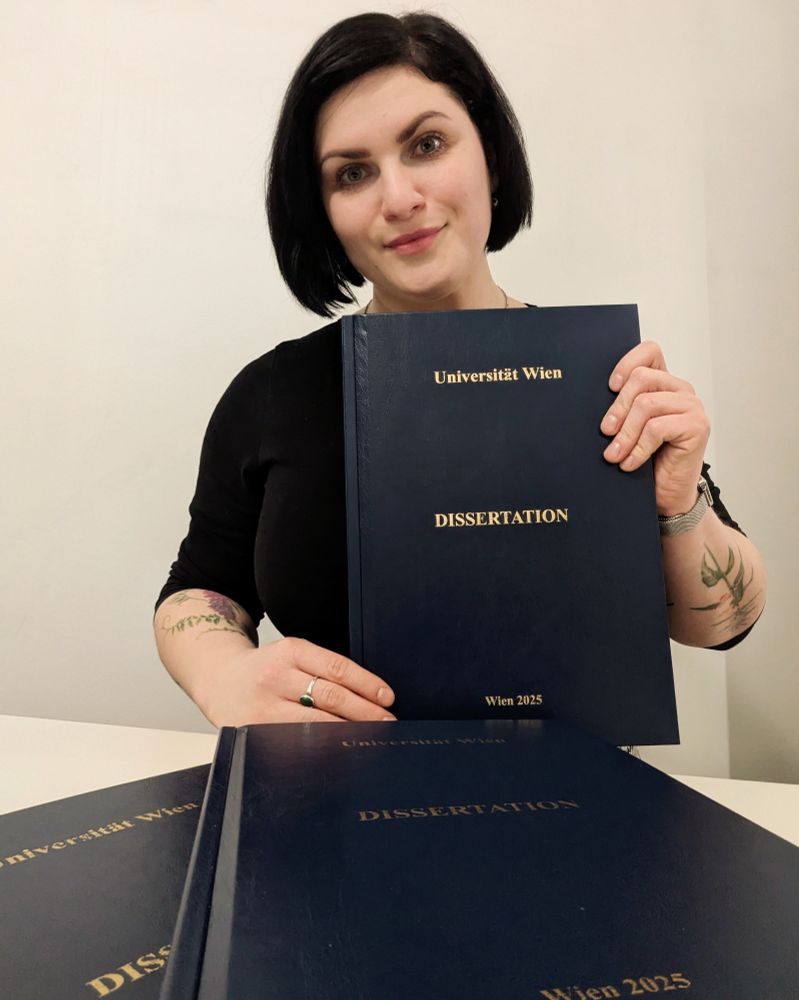
Anna's story demonstrates that social anthropology is far more than a theoretical discipline. It requires the ability to spend extended periods alongside people, to understand the realities of their everyday lives, and to help society recognise processes that often remain unnoticed, yet are essential to understanding our shared future.
Related news
 Feminist Investigations Research Group Joins Latvian Research & Innovation Partner Catalogue 2026Research