Teterev Foundation supports new approaches to teaching and learning in 10 RSU study courses


Author: RSU Foundation, RSU Centre for Educational Growth
Photo: RSU
With support from the Boris and Ināra Teterev Foundation, 15 members of teaching staff from seven Rīga Stradiņš University (RSU) academic units have modernised nine study courses and developed one new course. The courses now feature innovative study materials, improved assessment systems and modern teaching methods.
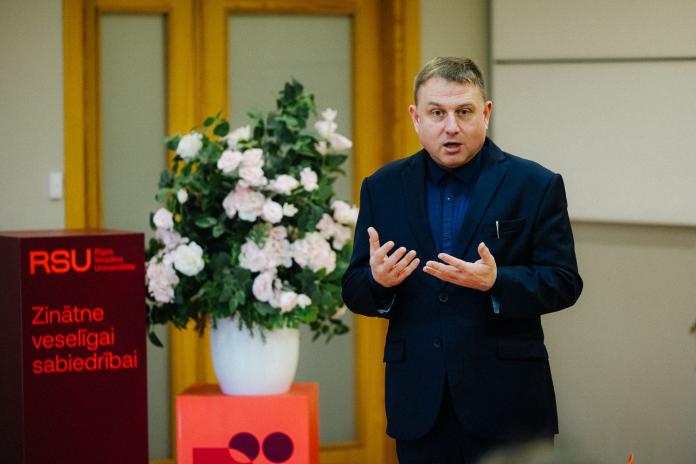
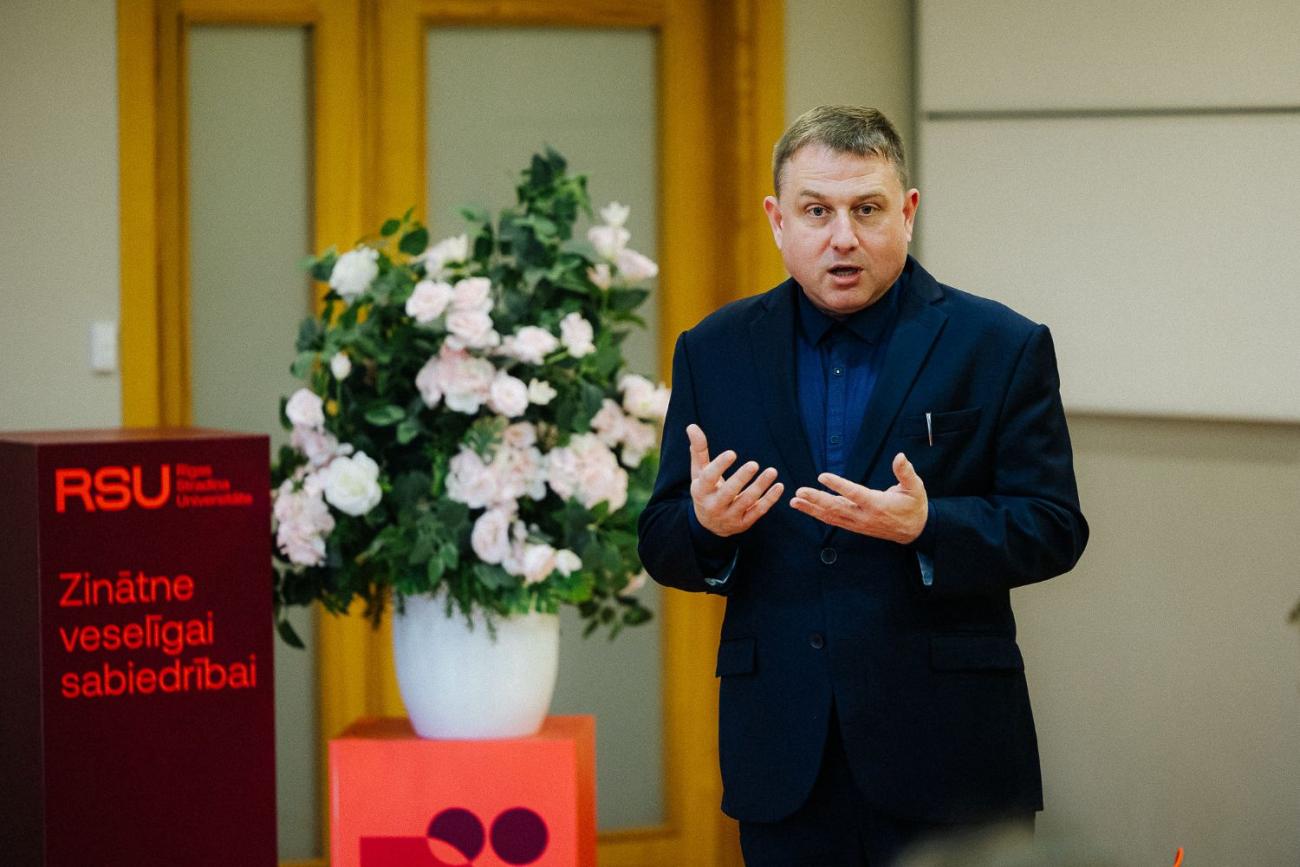
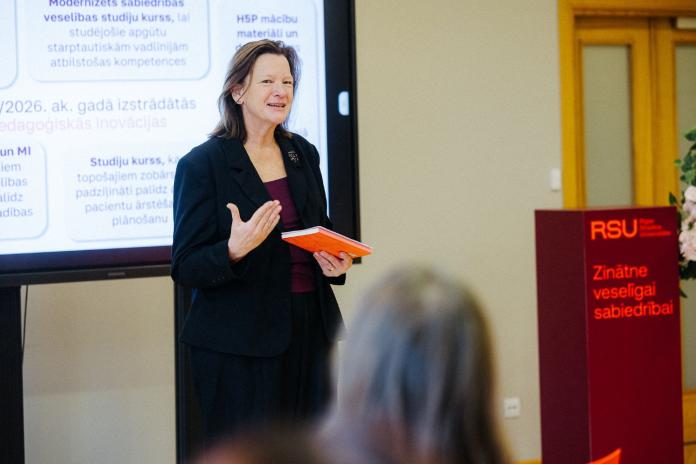
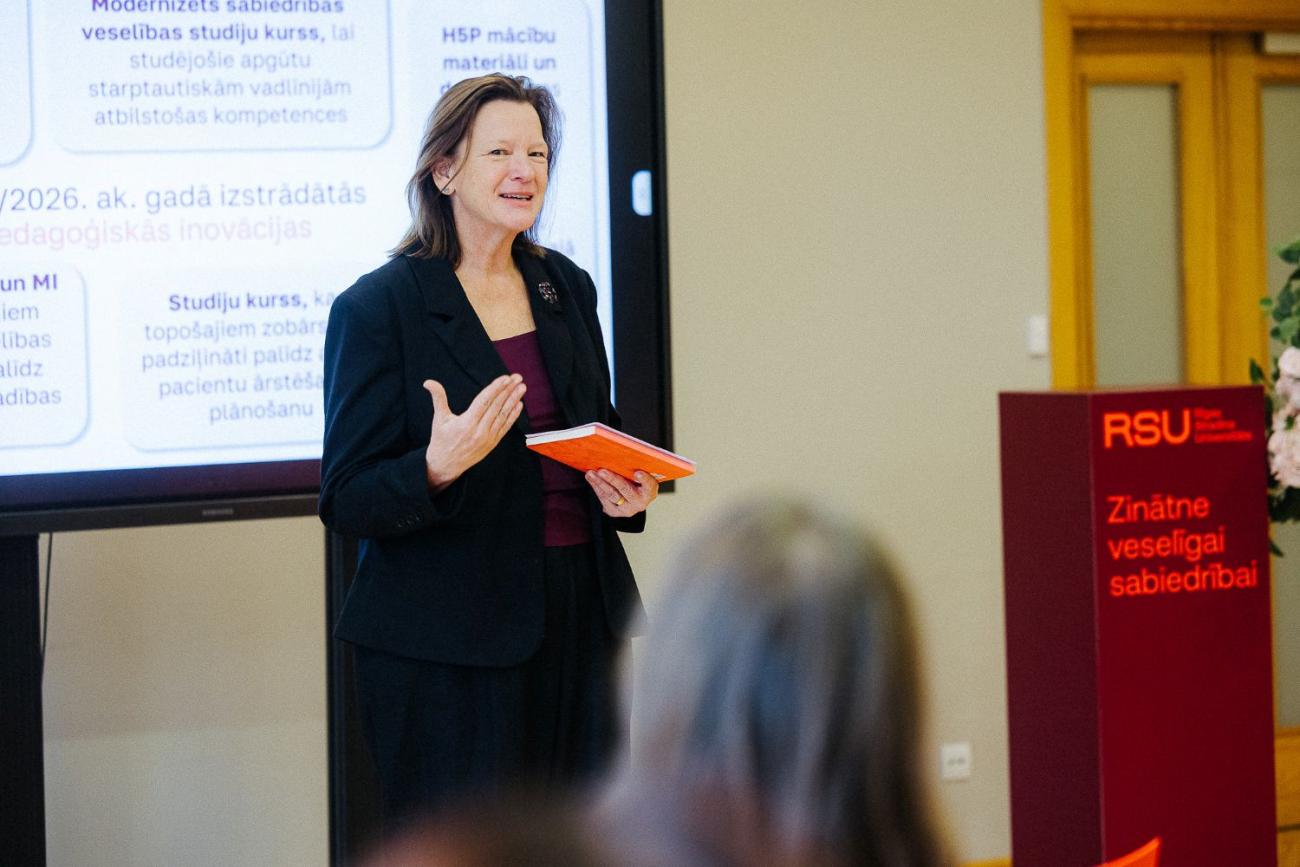
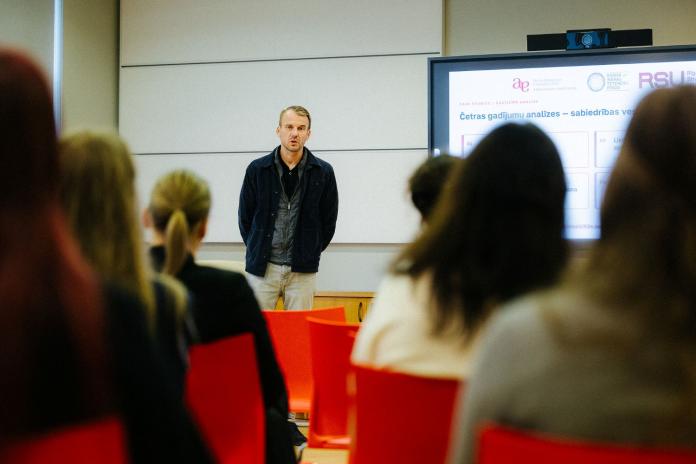
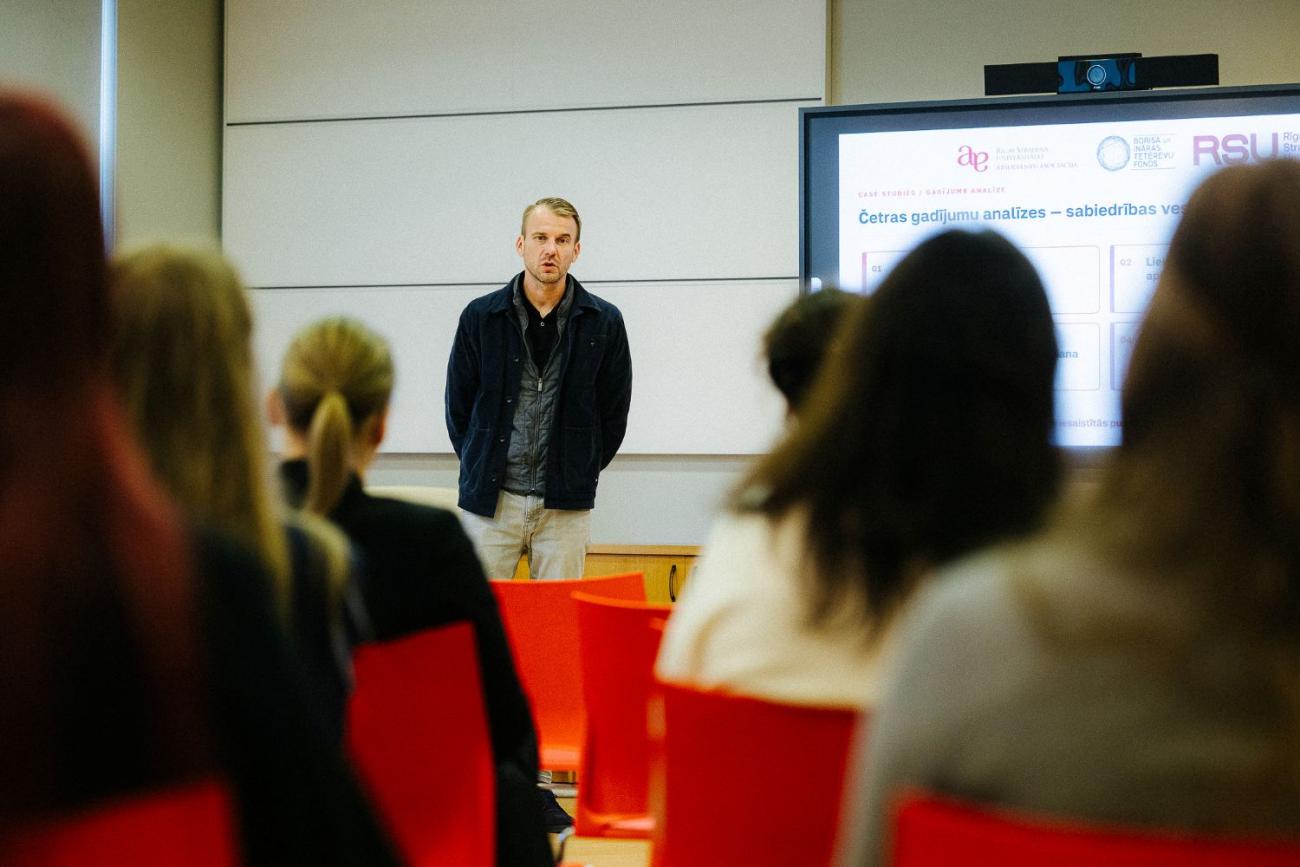
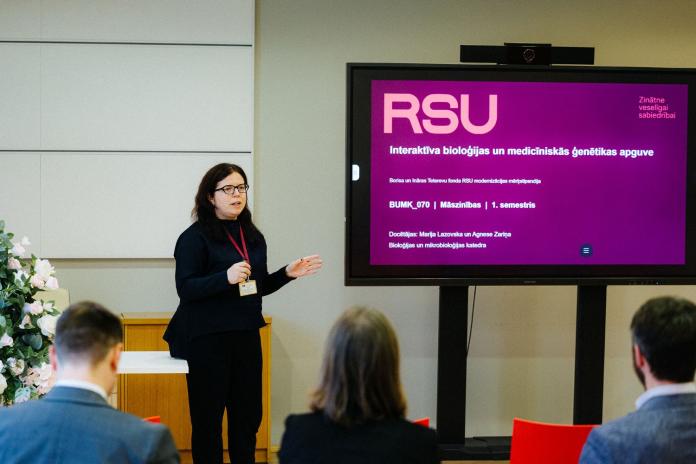
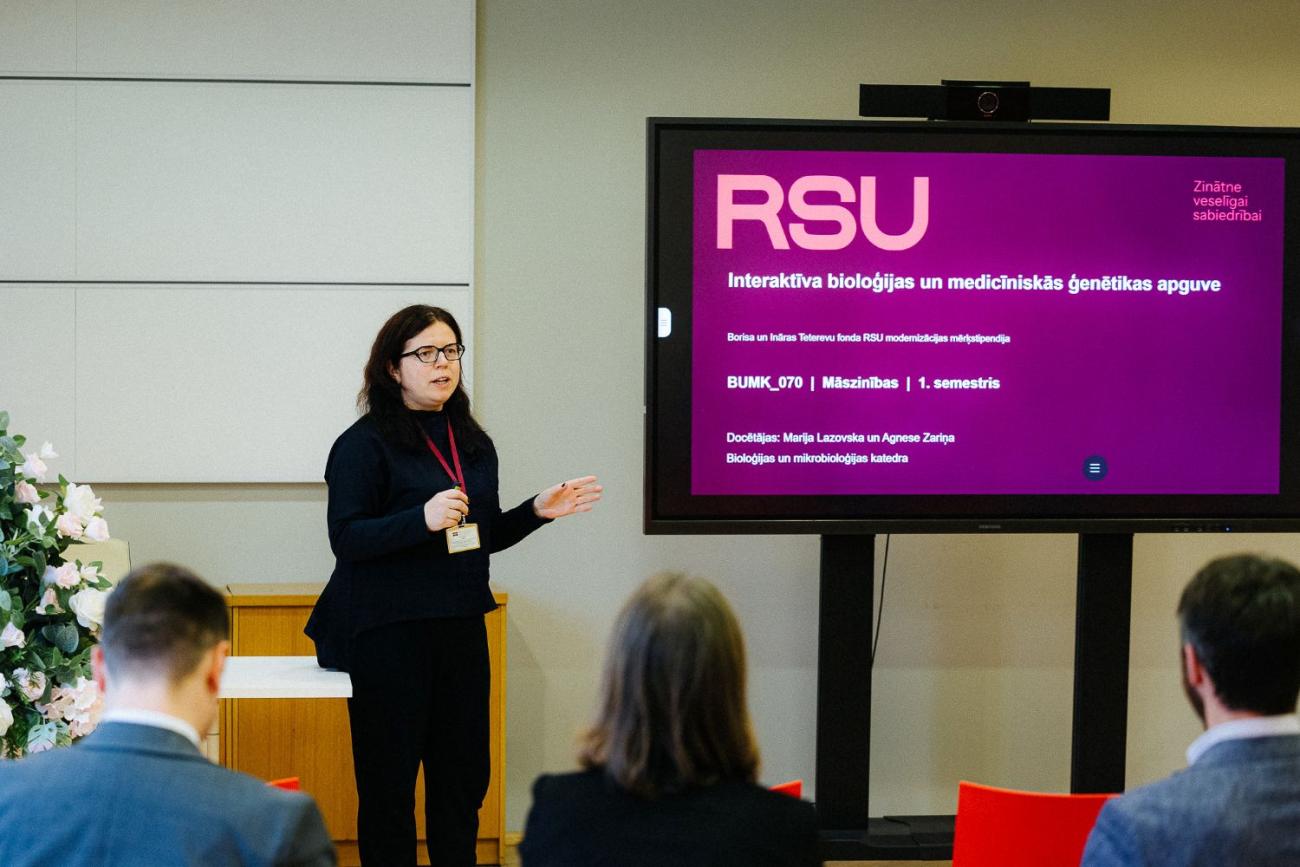
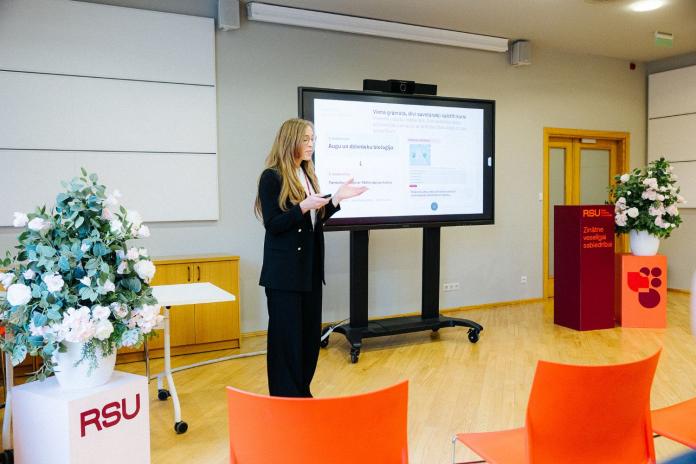
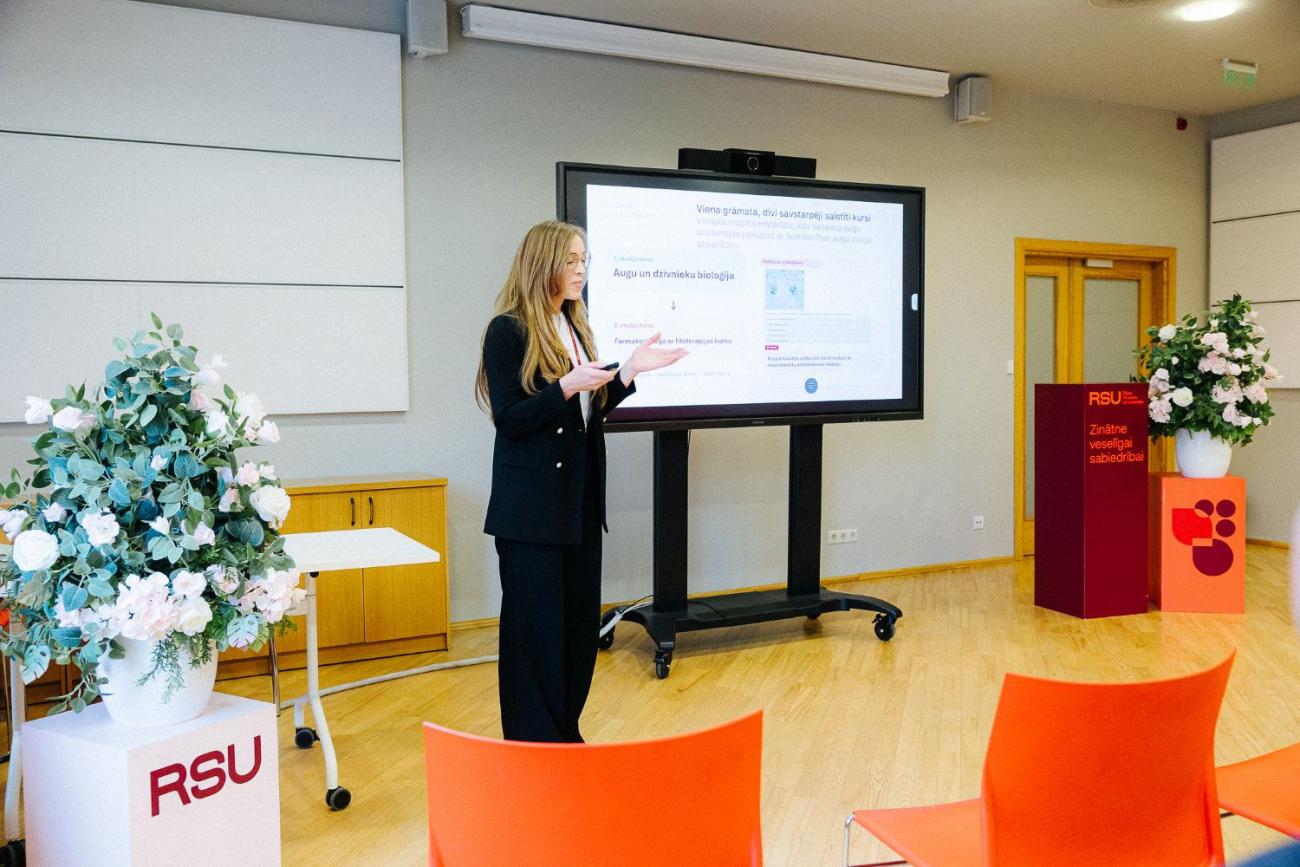
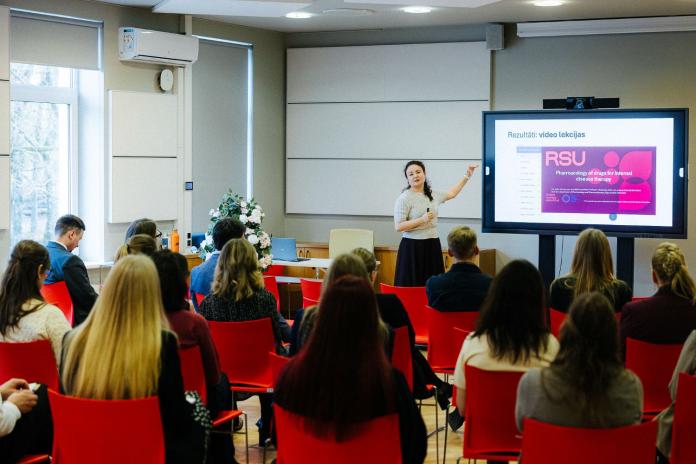
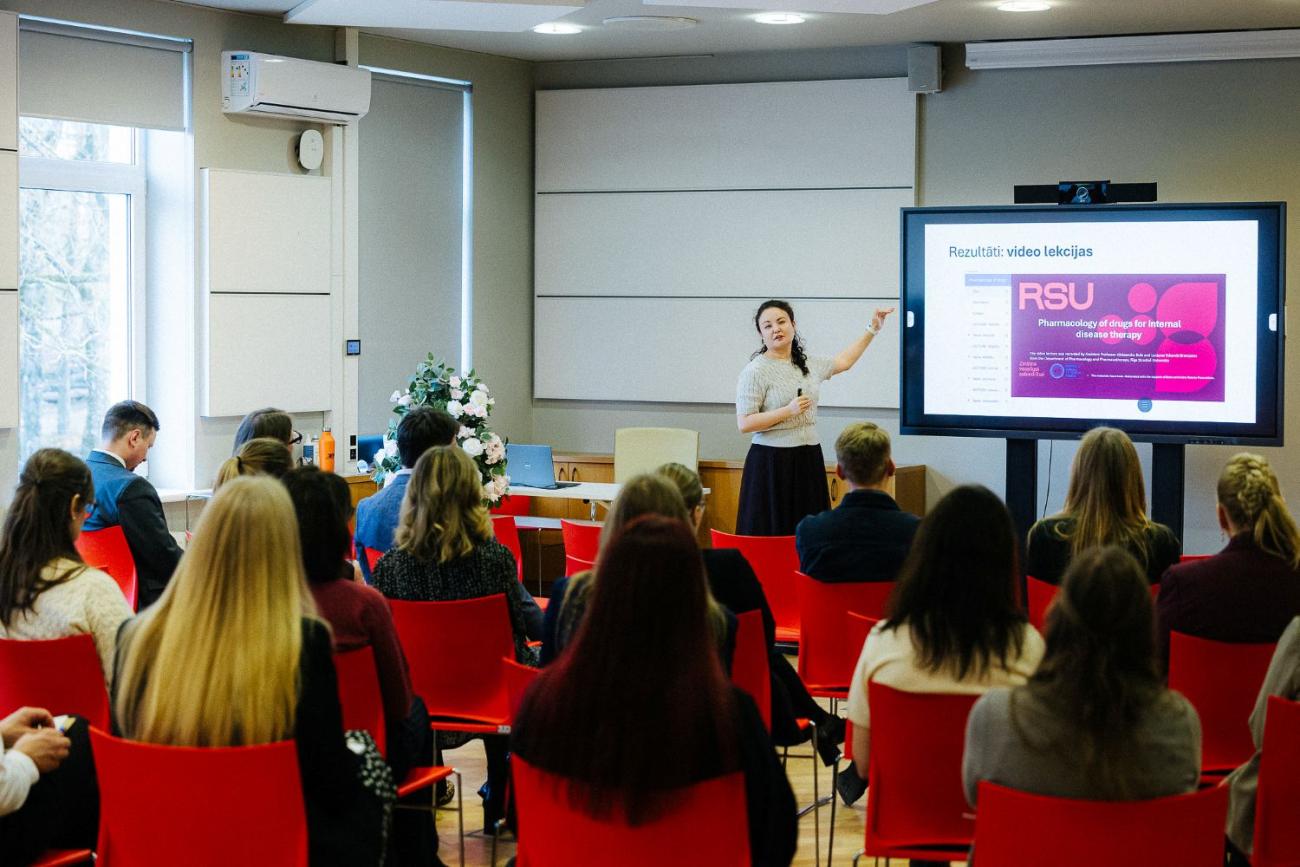
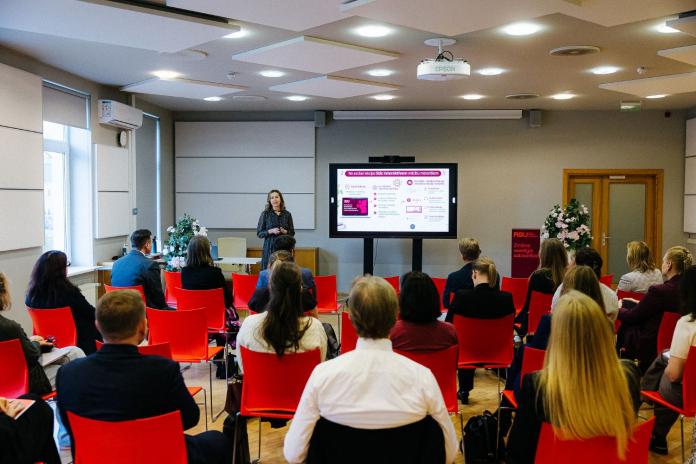
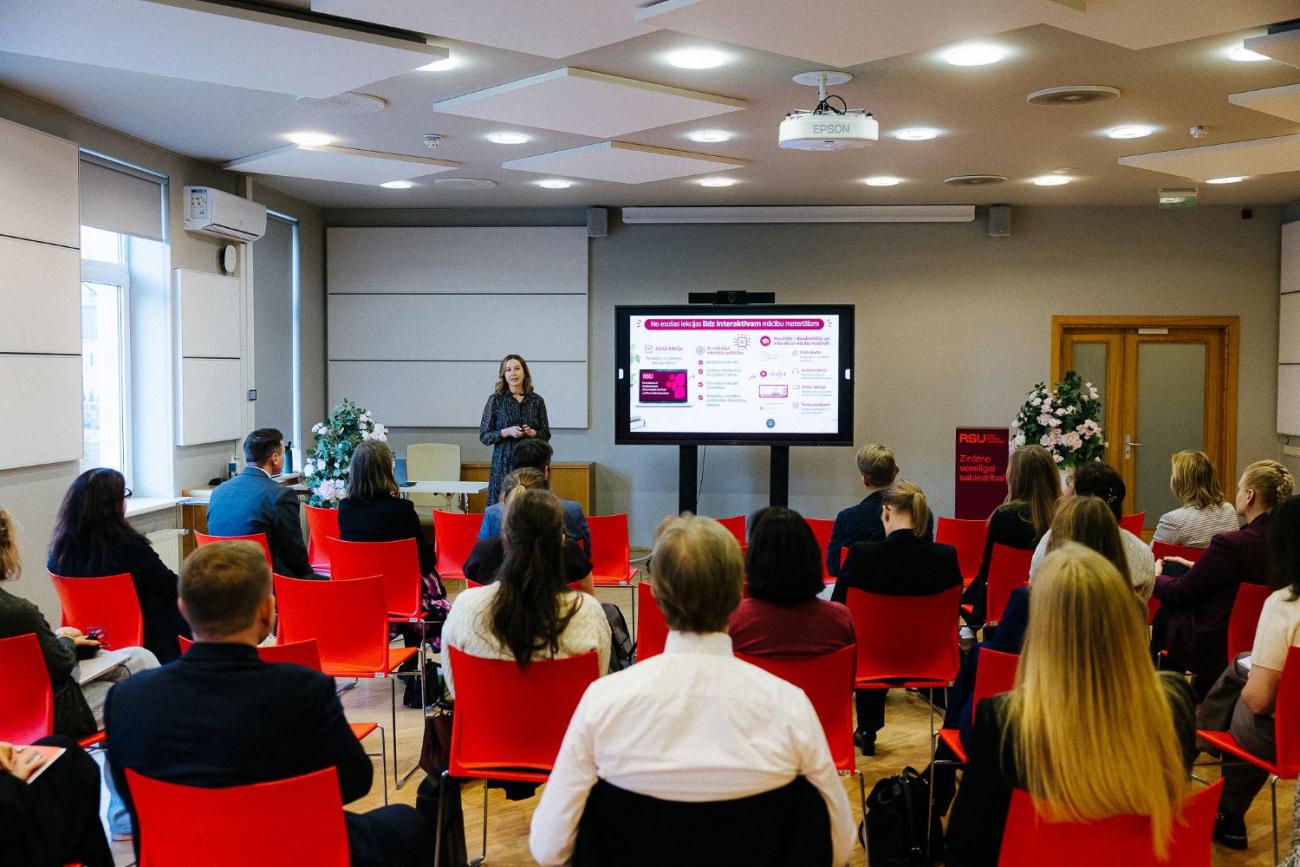
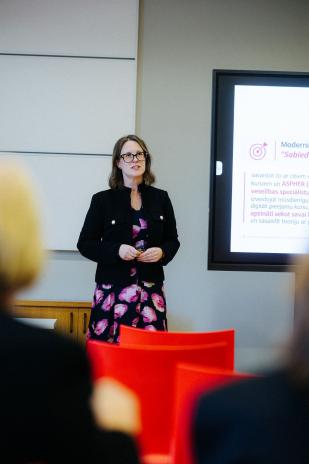
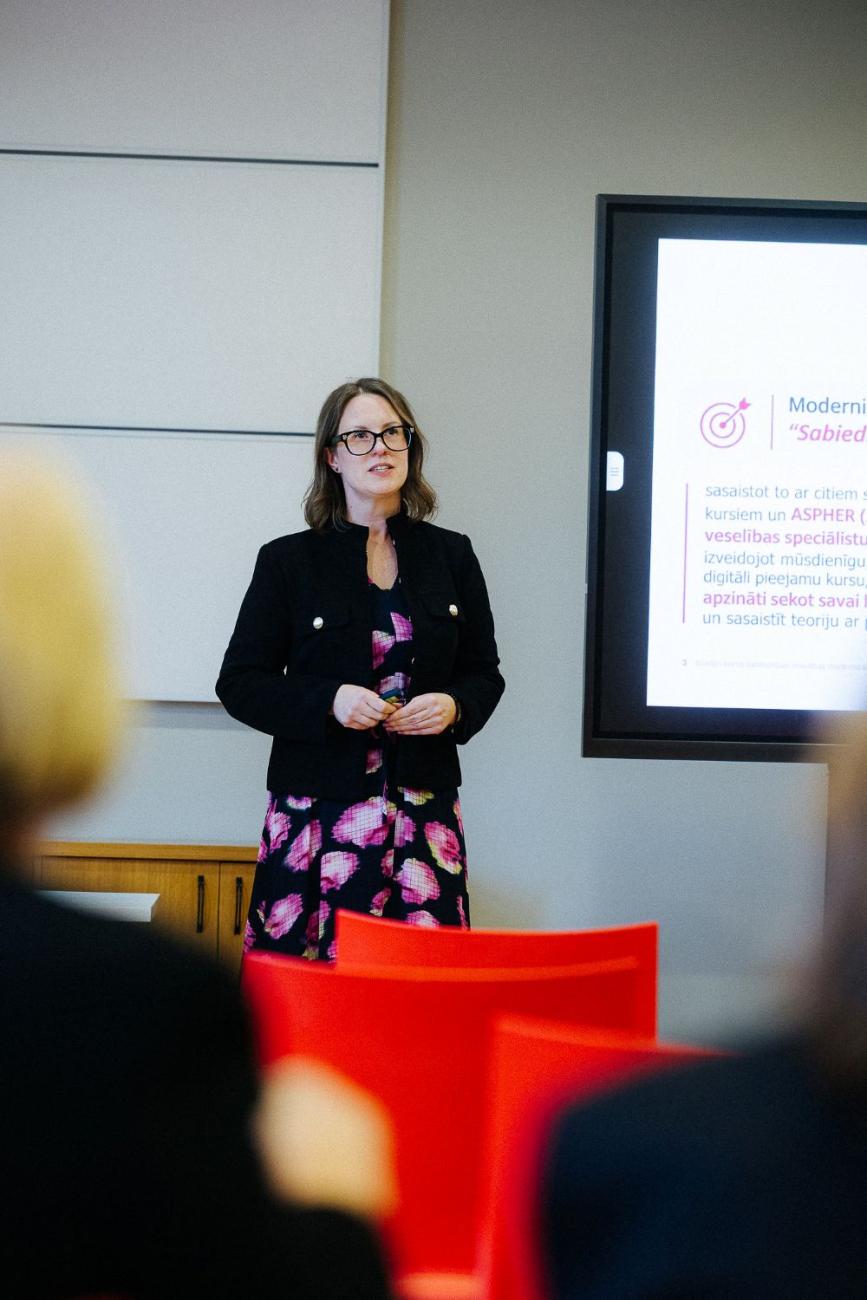
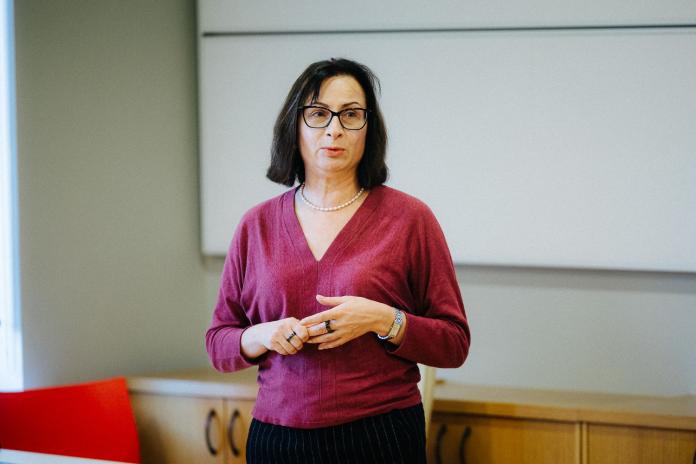
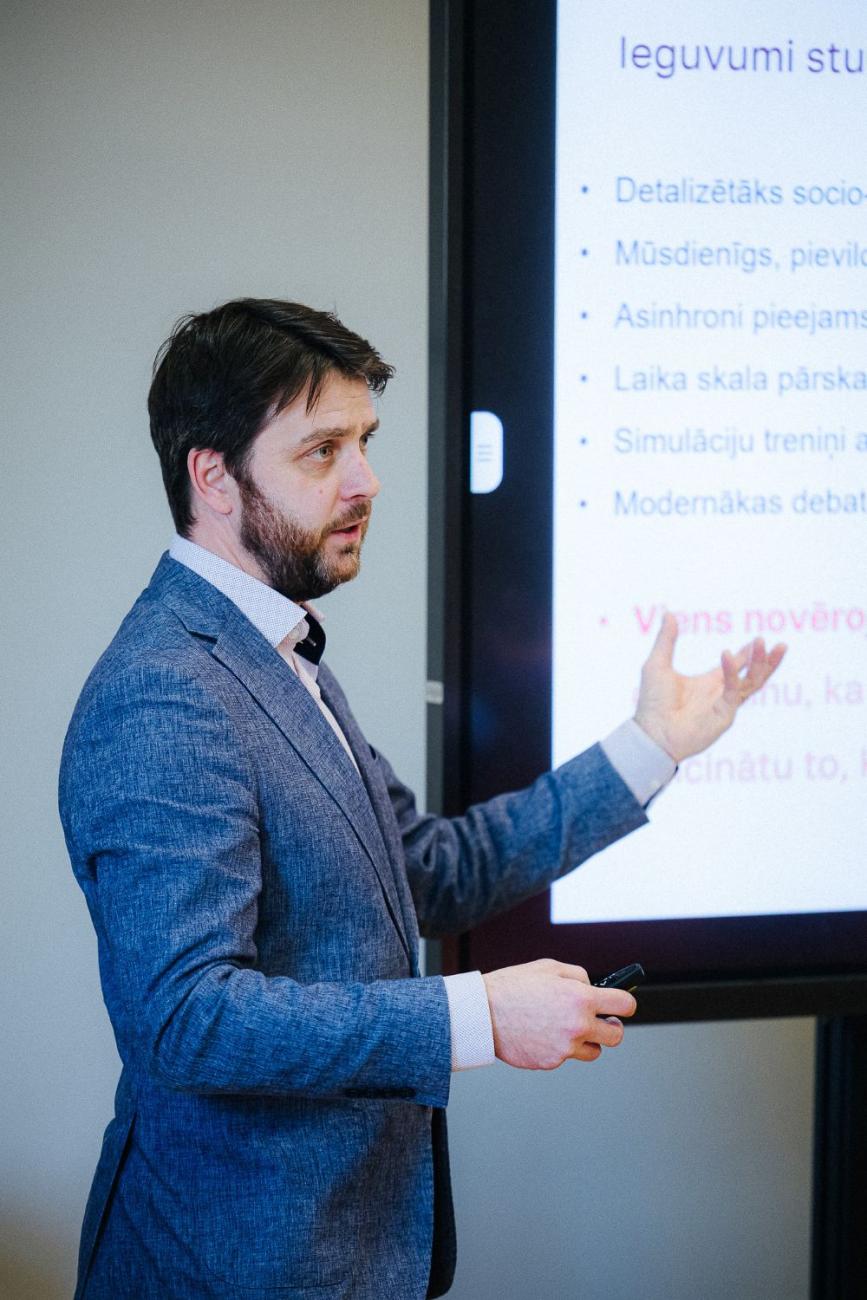
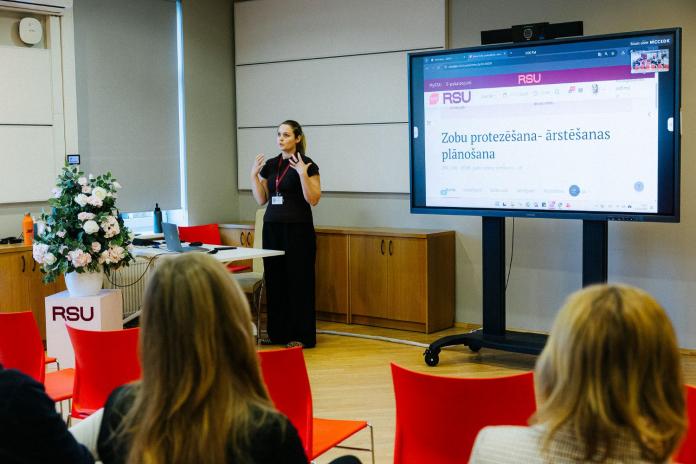
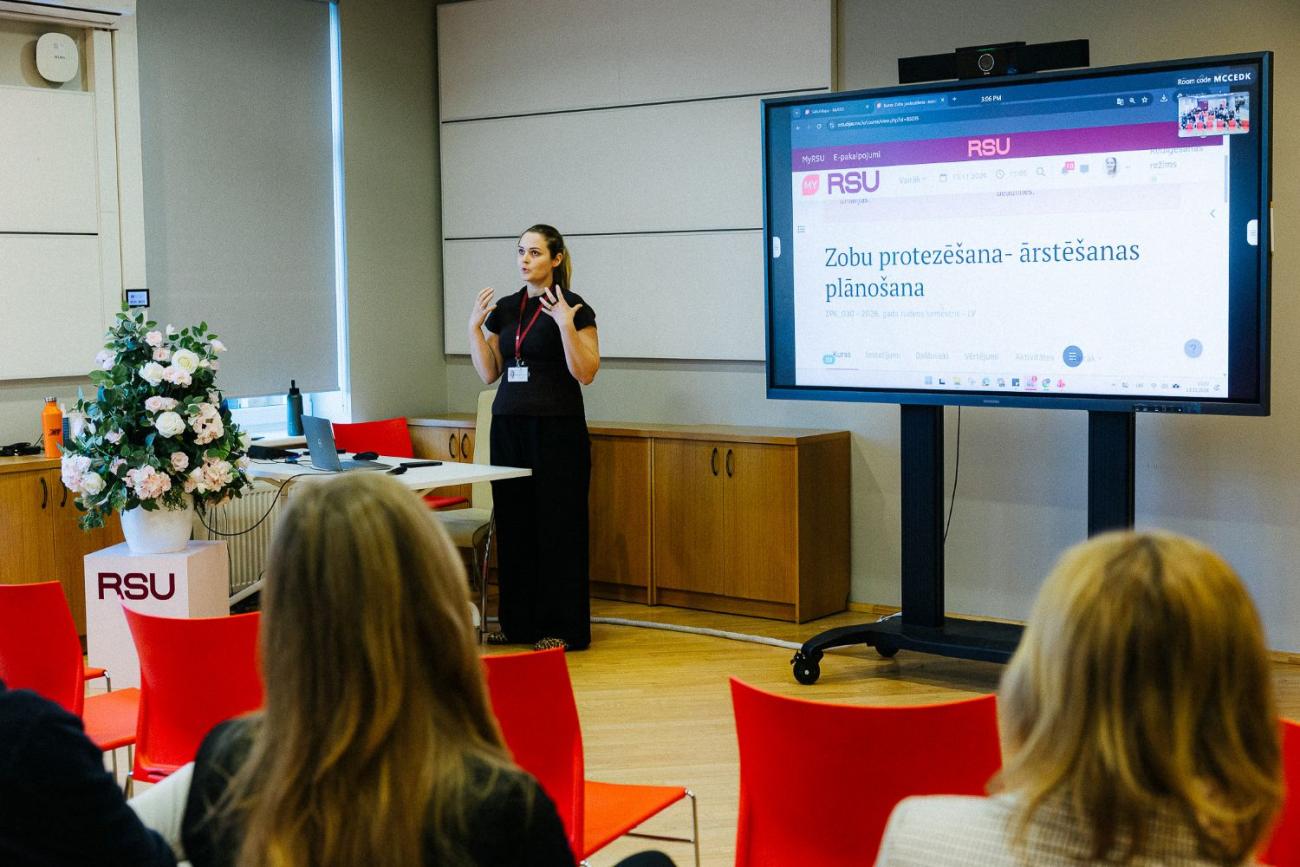
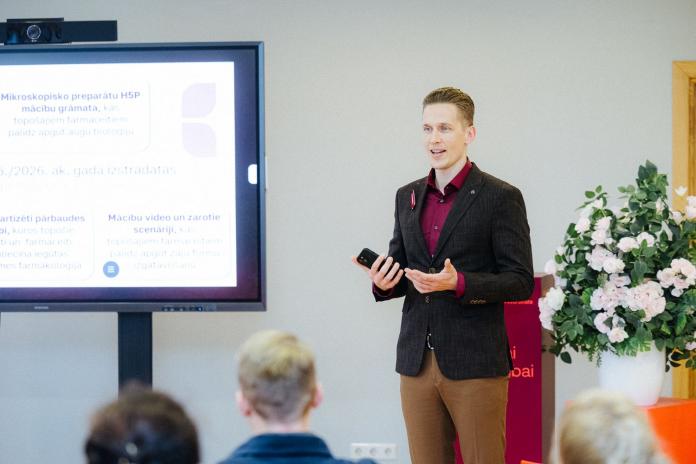
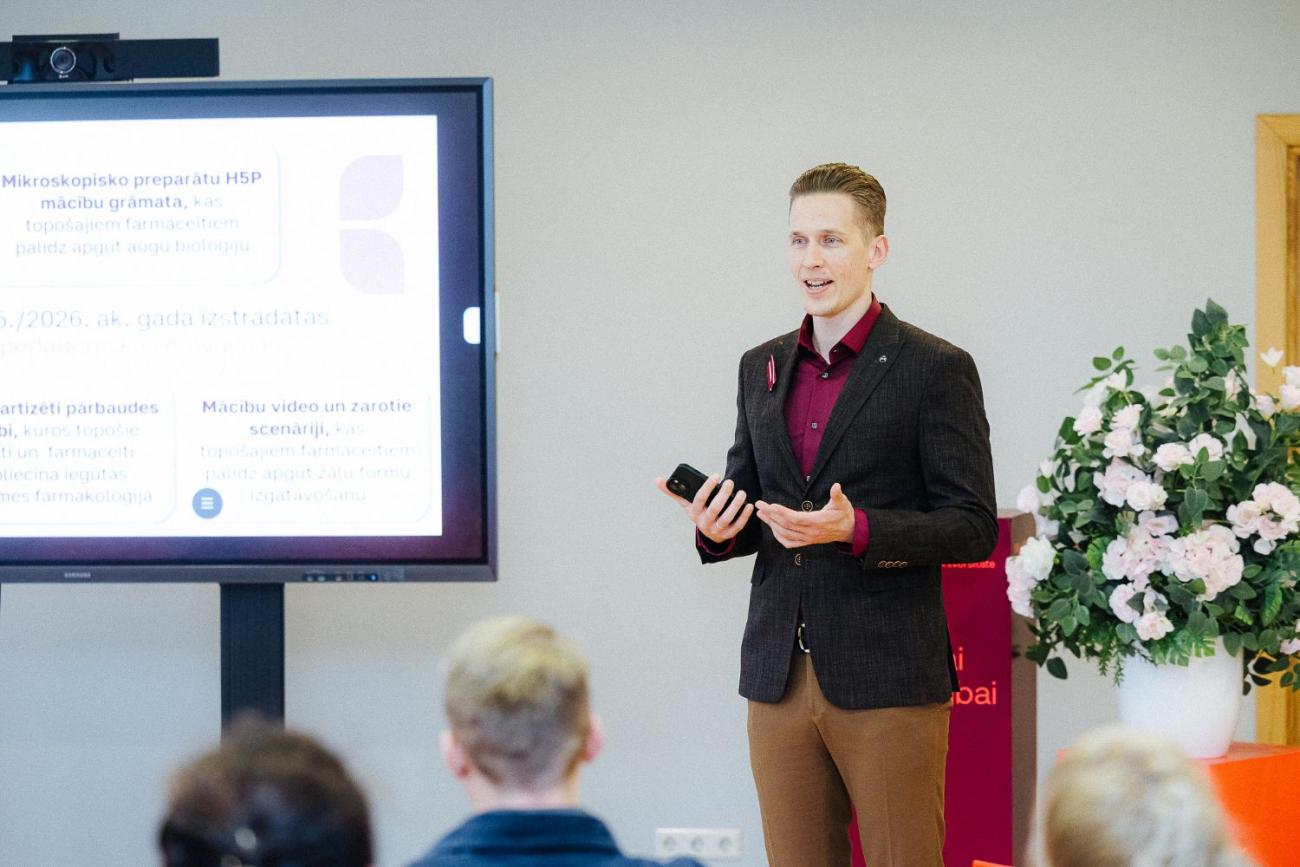
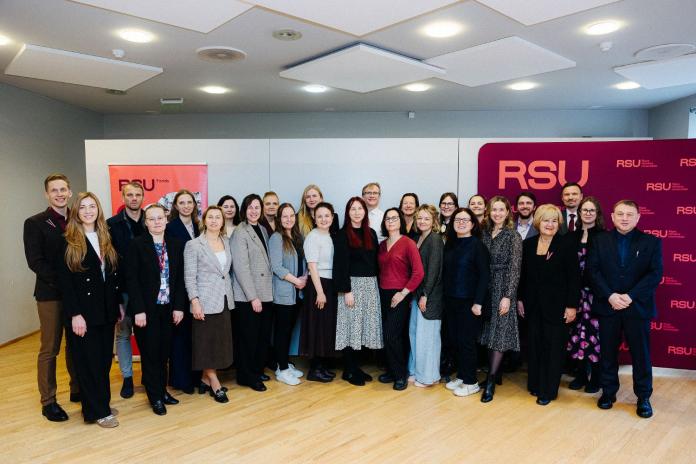
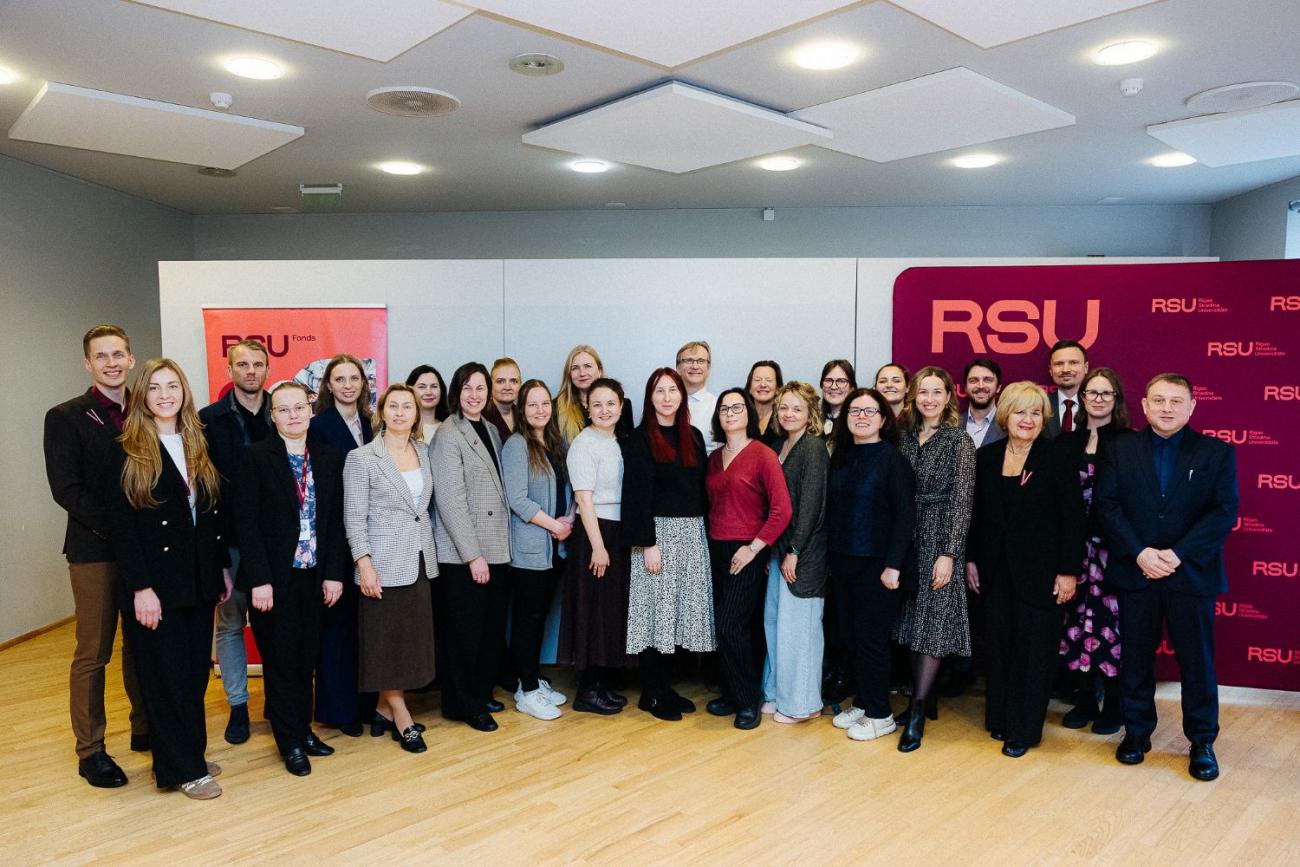
On 13 November, the 2025/2026 recipients of Philanthropist Boris Teterev’s Targeted Grant met in the RSU Senate Hall for the programme’s final working meeting. They presented their work, shared their experiences and reported student feedback on the modernised courses.
In numbers
- 15 members of teaching staff from 7 RSU academic units
- 9 modernised study courses and 1 new course
- Approximately 1,570 students take these courses each semester
- 149 initiatives supported by the Boris and Ināra Teterev Foundation since the 2014/2015 academic year
What the 2025/2026 grant recipients introduced: interactive materials, new assessments and AI tools
The initiatives carried out with the targeted grant cover various fields of healthcare and social sciences. They share the aim of modernising the study process, encouraging active student engagement and developing the competencies students need for their future professional careers.
H5P interactive learning materials have been developed for several study courses. H5P is a tool for creating interactive study materials in the Moodle e-learning environment. These materials enable students to study course content independently and test their knowledge. They help future nurses learn biology and medical genetics, and give future pharmacists an interactive textbook with microscopic specimens for studying plant biology.
The assessment of students’ knowledge and skills has been improved as well. For medical students, assessment tasks in statistical analysis have been developed based on real-life situations, while standardised assessments have been introduced in pharmacology for medical and pharmacy students. These new assessments help students link theoretical knowledge with practical application and enable more accurate evaluation of learning outcomes.
Several courses make particular use of digital technologies and artificial intelligence. For pharmacy students, instructional videos and branching scenarios have been developed to help them learn how to prepare pharmaceutical dosage forms and analyse the consequences of different decisions. For dentistry students, study materials on dental prosthetics have been developed using Google NotebookLM. For future public health professionals, new study materials have been created and AI tools integrated into the course to help students develop project management skills.
The content of the Public Health study course has been improved to ensure that students acquire competencies in line with international guidelines. In International Business studies, H5P materials have been developed and debates introduced to help students gain a deeper understanding of public support models in international business. The newly developed Dentistry study course gives future dentists the opportunity to study patient treatment planning in greater depth.
Toms Pulmanis, Assistant Professor and Vice-Dean of the Faculty of Health and Sports Sciences, says:
‘The targeted grant programme encourages our faculty’s teaching staff to bring new approaches and ideas into their courses. The innovations they introduce enhance the quality of studies and contribute to the development of both the faculty and RSU as a whole.
We are grateful to the Boris and Ināra Teterev Foundation for this significant contribution.’
Līga Ozoliņa, Acting Vice-Dean of the Faculty of Social Sciences, adds: ‘The value of the targeted grant reaches well beyond the ideas that individual teaching staff members or teams put into practice, and beyond the students who take that particular course. The modernised study courses become examples of good practice, allowing colleagues to observe classes, explore new approaches and find inspiration for changing their own courses.’
How modernised study courses benefit students
Interactive H5P materials are particularly valuable for independent study, allowing students to learn at their own pace, revisit more challenging topics and test their understanding before assessments. Practical, scenario-based tasks and active learning methods help students better understand the relevance of theoretical knowledge and how it can be applied in their future professional careers.
Baiba Mauriņa, Associate Professor and Vice-Dean of the Faculty of Pharmacy, says:
‘Philanthropist Boris Teterev’s Targeted Grant has made it possible to bring ambitious ideas to life and has been a driving force behind modernisation. With the Foundation’s support, we introduced the Objective Structured Clinical Examination (OSCE), developed instructional videos and games, updated question banks and created interactive learning materials.
This targeted grant also supports collaboration between teaching staff and the sharing of resources, which has a positive long-term impact across the entire university.’
Support from the Boris and Ināra Teterev Foundation: 149 initiatives since the 2014/2015 academic year
The Boris and Ināra Teterev Foundation’s contribution to improving the quality of studies at RSU extends beyond the modernisation of individual study courses. Since the 2014/2015 academic year, 149 initiatives have been implemented at Rīga Stradiņš University with the Foundation’s support to improve existing study courses and develop new, innovative ones in healthcare and social sciences.
The targeted grants enable teaching staff to put their ideas into practice, share experiences with colleagues, adopt successful teaching practices and promote the spread of innovation across the university.
Raimonds Strods, Acting Director of the RSU Centre for Educational Growth, emphasises that the results of the Foundation’s long-standing support can be seen both in individual study courses and across the university’s academic community:
‘The Boris and Ināra Teterev Foundation’s long-standing support for RSU is very highly valued. With each round of targeted grants, we can see the community of innovative teaching staff continue to grow. Experienced grant recipients return with new ideas, inspire their newer colleagues and work together to keep raising the bar for study quality.
‘It is particularly rewarding to see the innovations developed in one study course spread throughout the university and become a source of inspiration for other members of teaching staff. The greatest value of all is that students choose to use the materials created by our teaching staff to learn and become outstanding professionals in their respective fields,’ Strods notes.
The final working meeting also gave teaching staff an opportunity to share experiences, present the pedagogical solutions they had developed to their colleagues and discuss how these could be applied in other study courses. In this way, every initiative implemented becomes part of a broader effort to improve the quality of studies at RSU, extending the long-term impact of the Foundation’s support and benefiting an ever-wider range of students and teaching staff.
RSU Foundation Executive Director Kaija Ozola on the value of philanthropic support
‘We are grateful to the Boris and Ināra Teterev Foundation for its contribution to the development of studies at RSU. Study programmes must evolve alongside scientific progress. The targeted grant provided by philanthropist Boris Teterev gives teaching staff the opportunity to develop new approaches to learning. We greatly appreciate the Foundation’s support, which helps strengthen the quality of studies in healthcare and social sciences,’ Ozola says.
Related news
 RSU Assistant Professor Ivars Tolmanis Awarded Cross of RecognitionRecognition, For RSU Employees, For Students