7th Baltic Student Conference of Obstetrics and Gynaecology: 3 countries, 2 days!
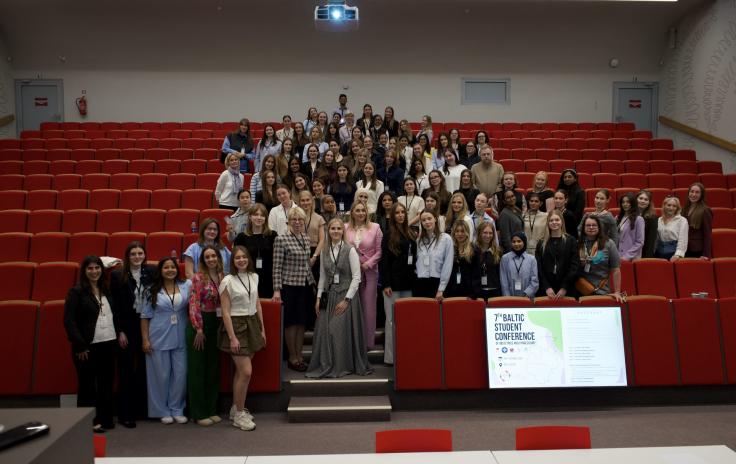
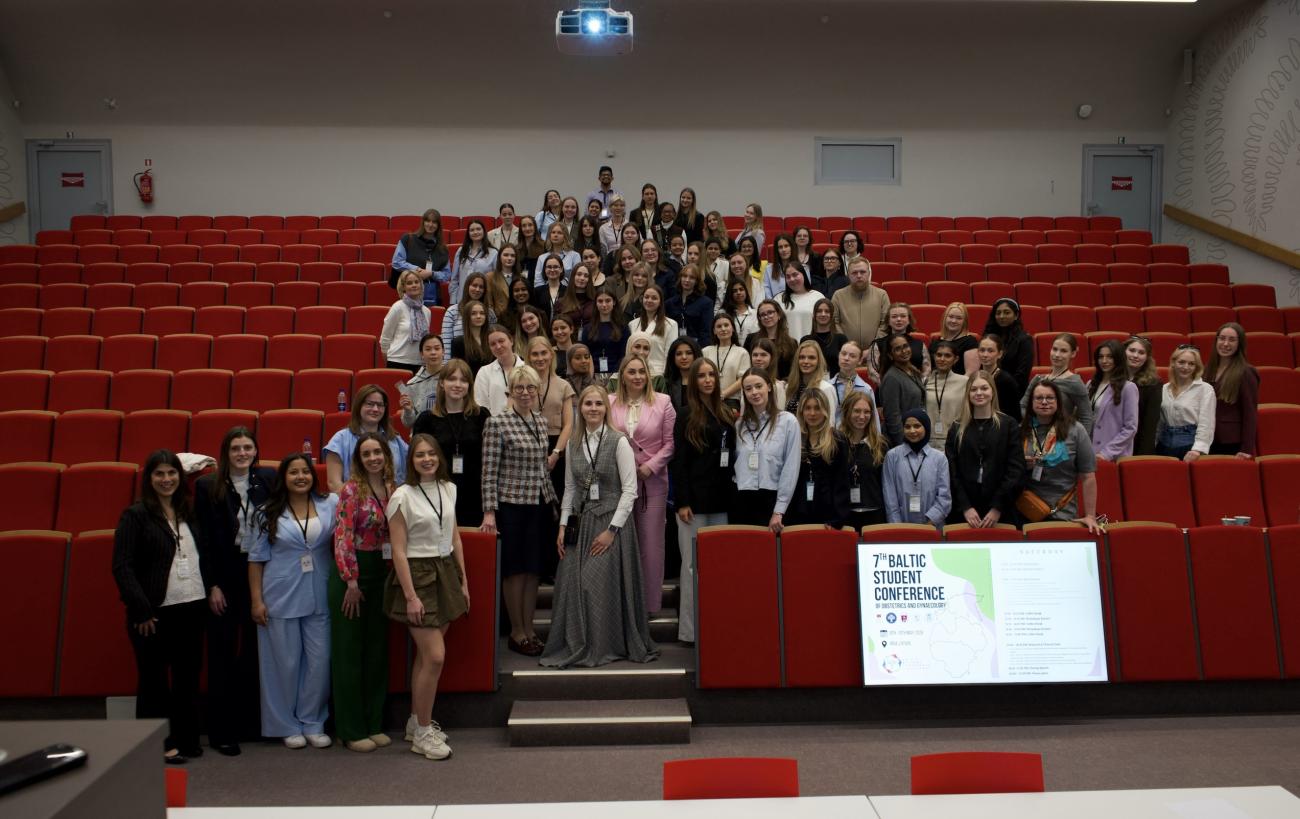
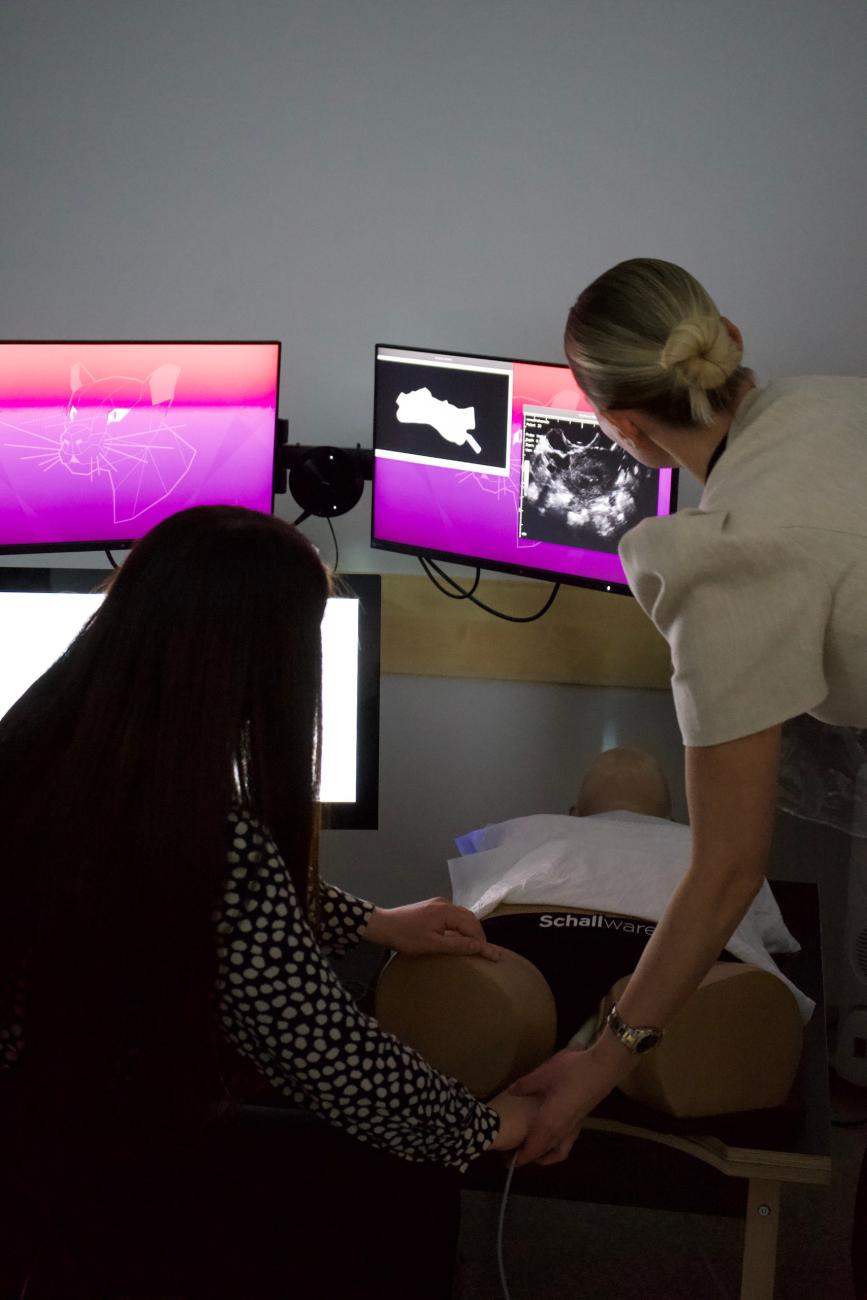
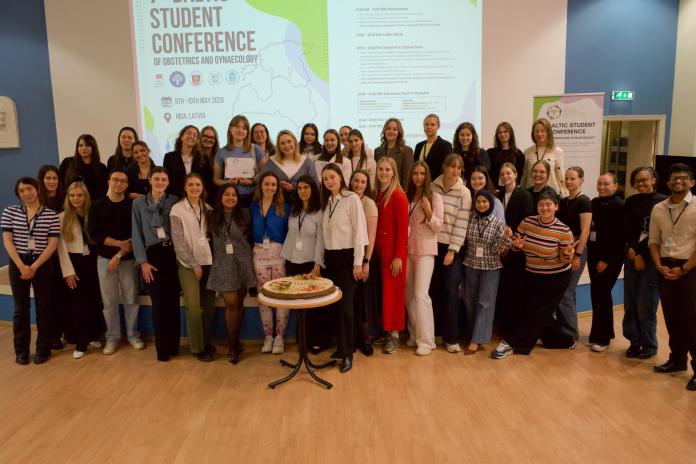
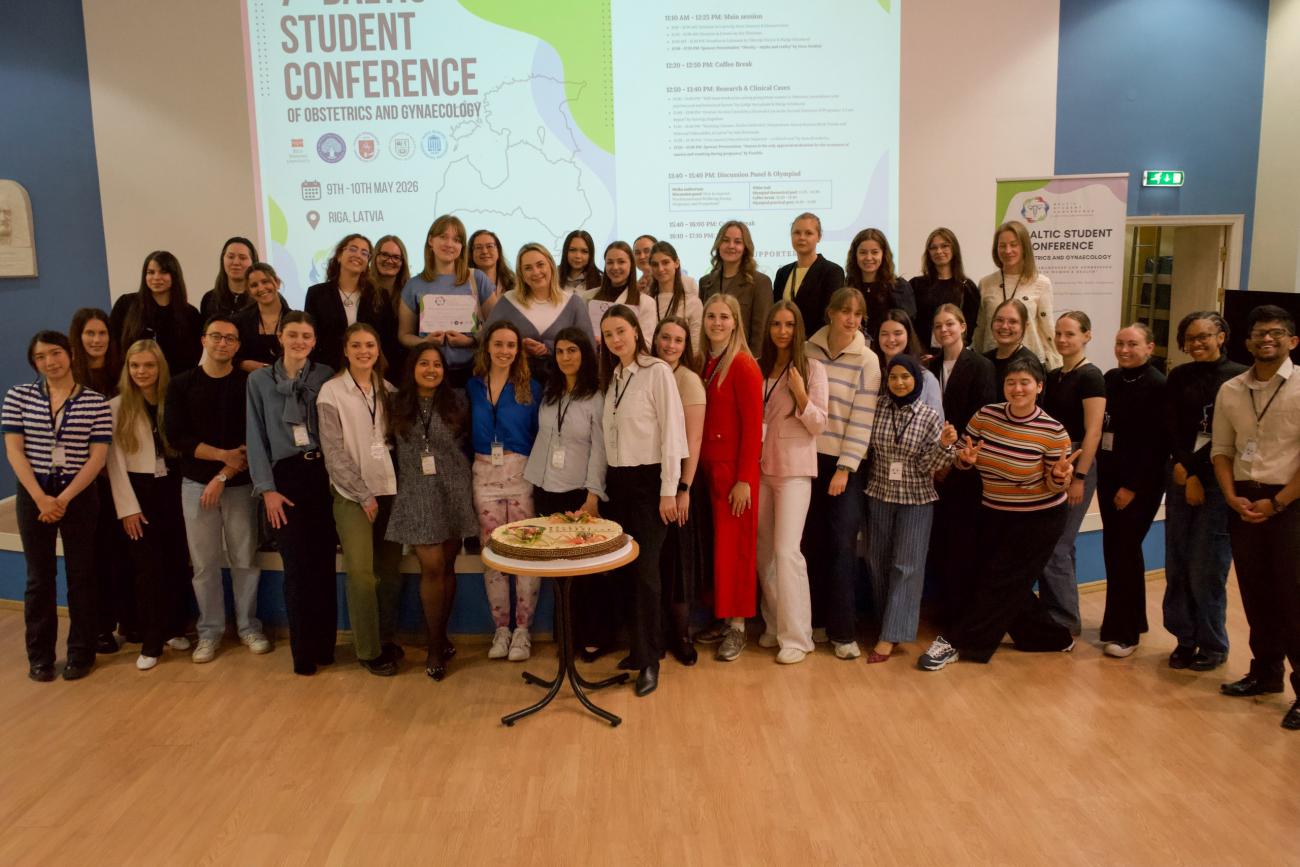
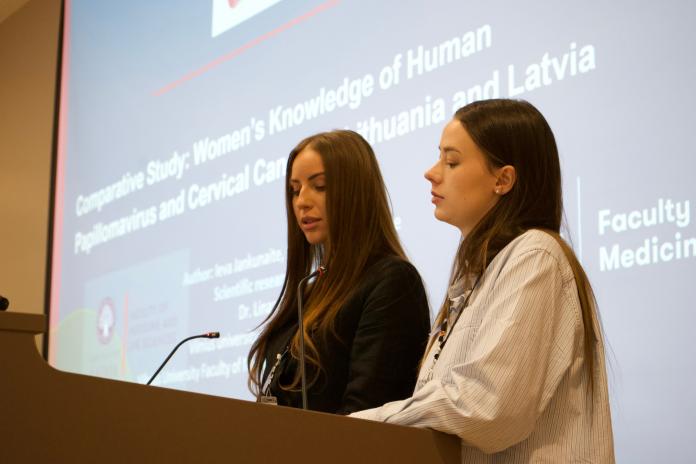
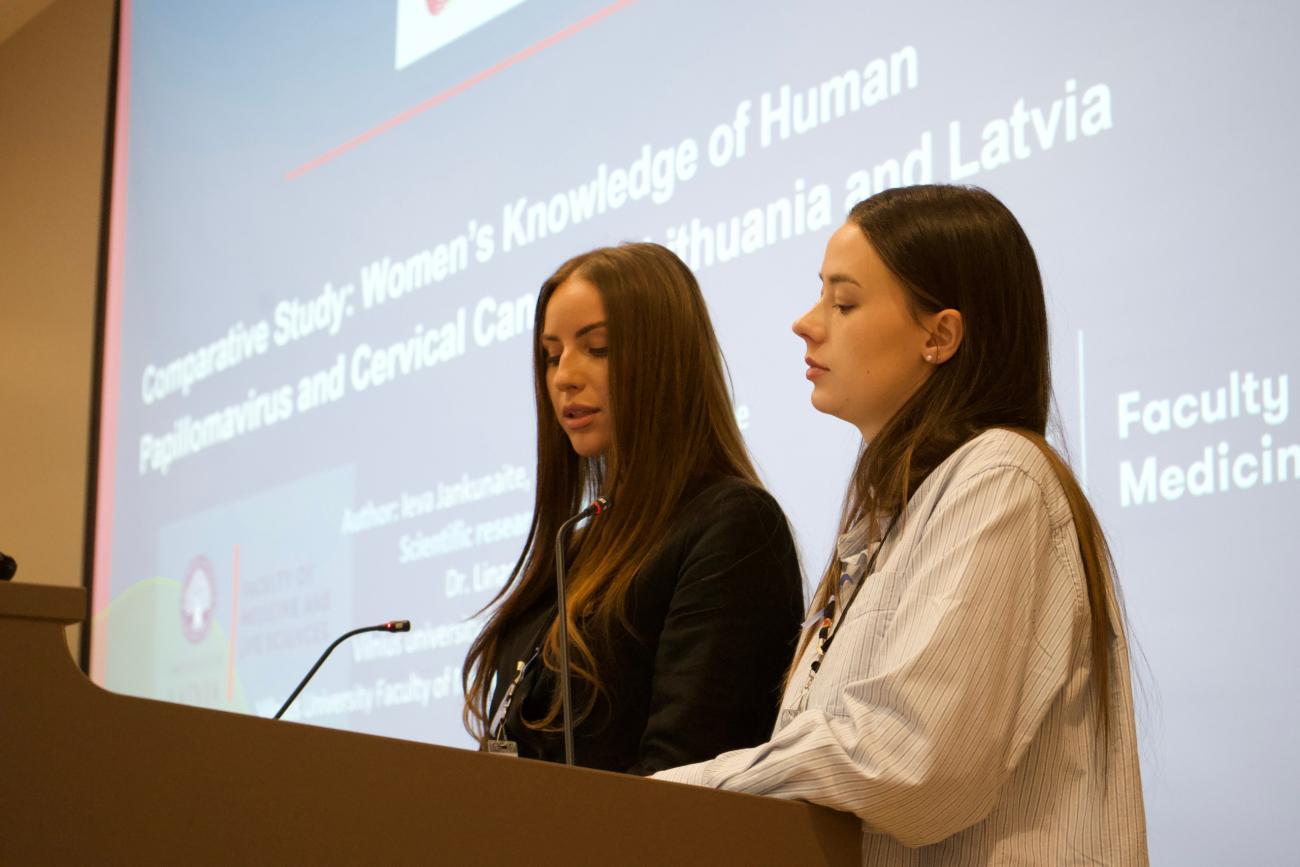
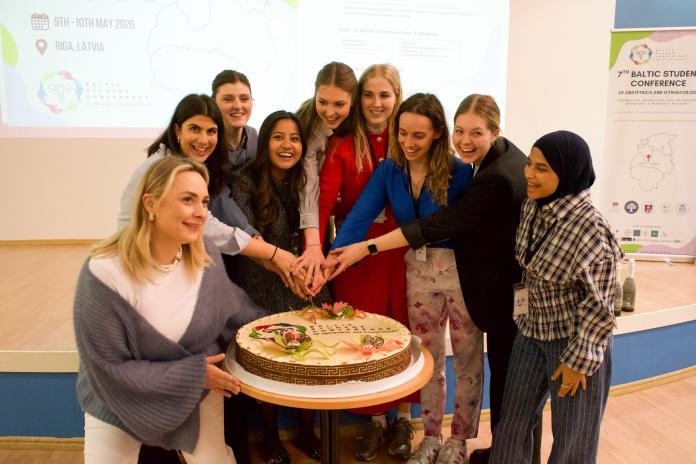
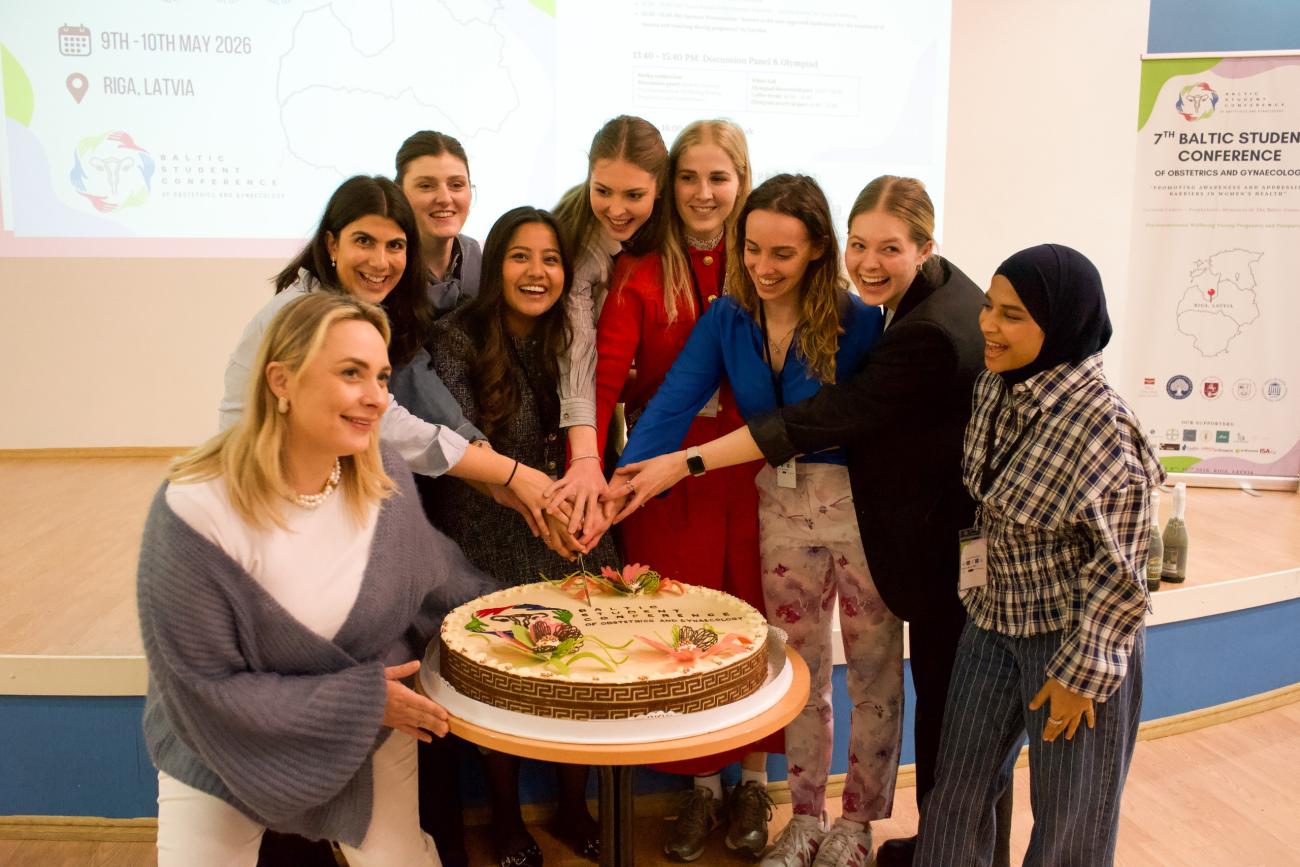
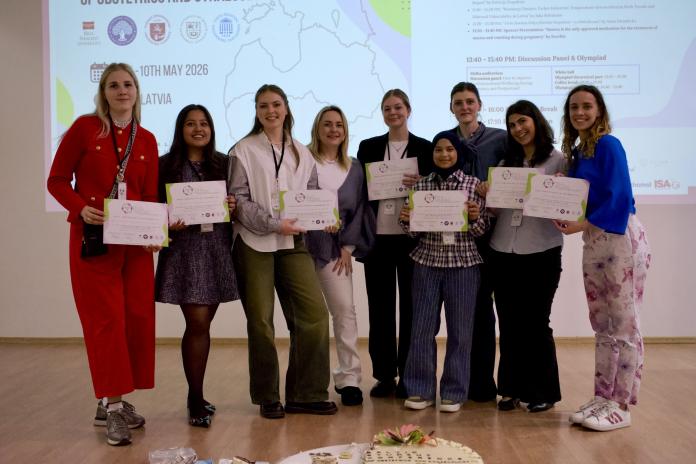
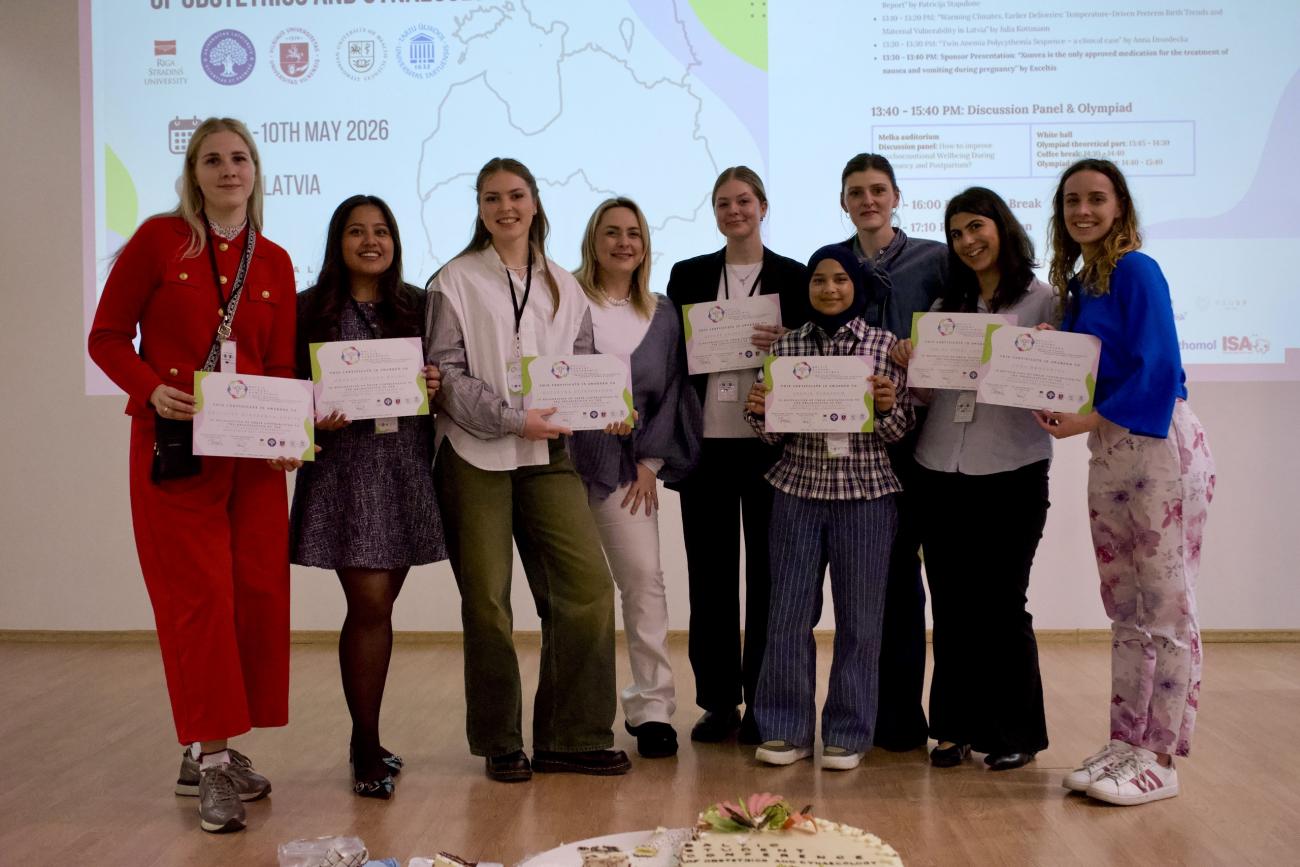
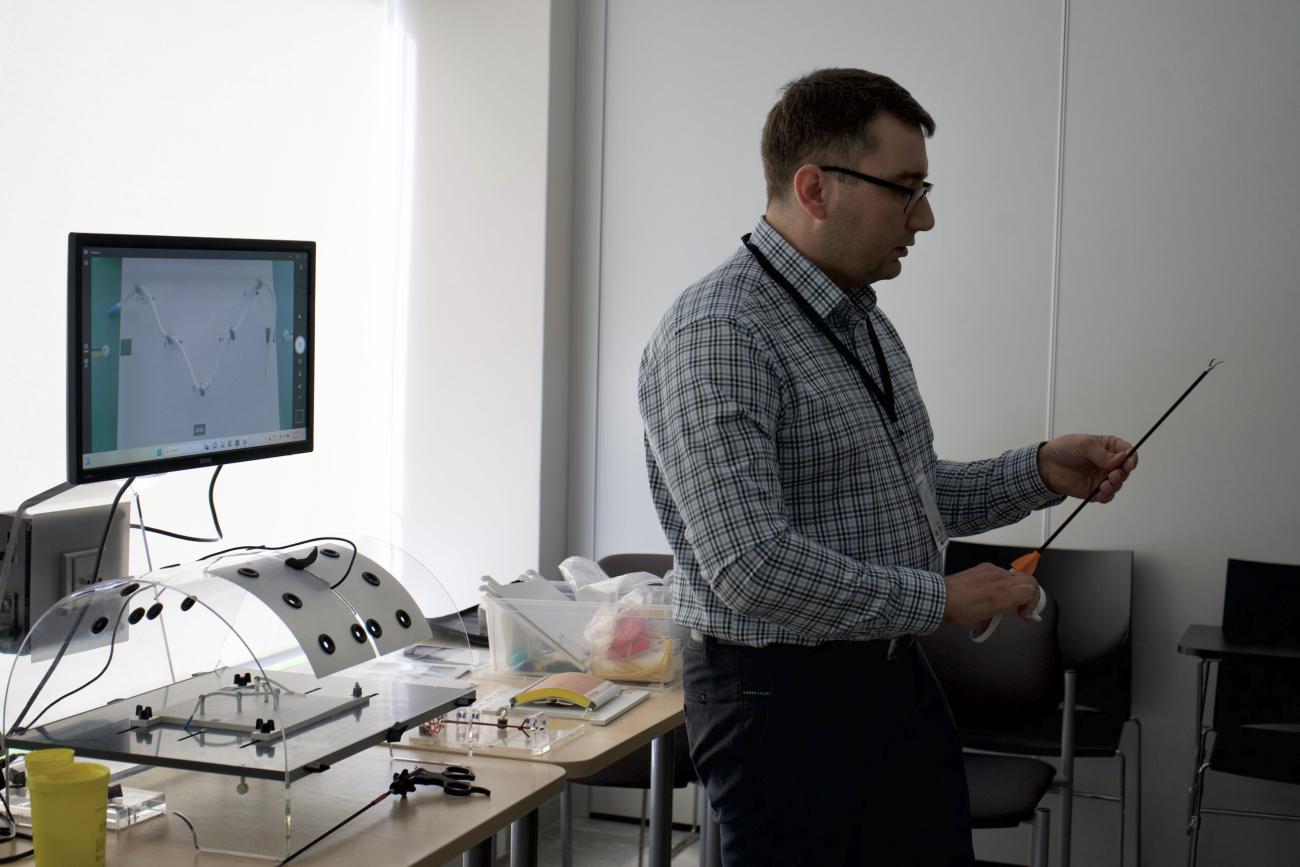
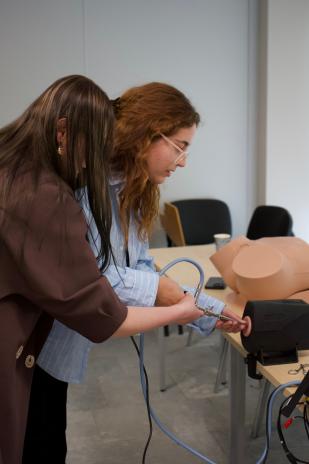
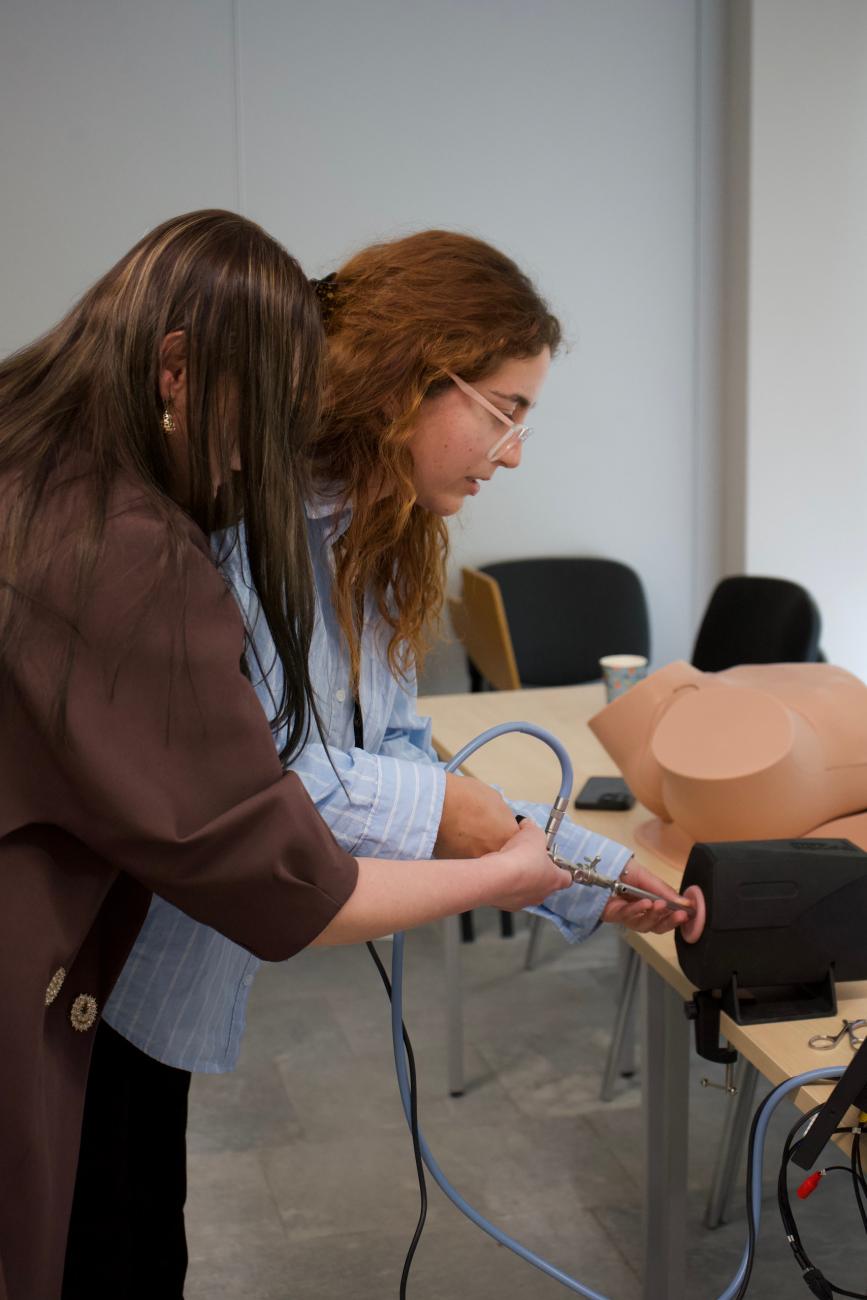
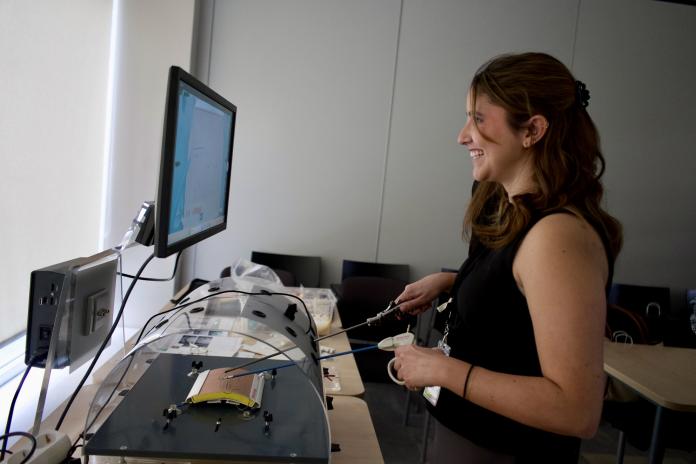
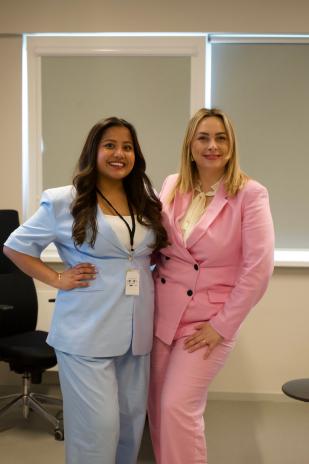
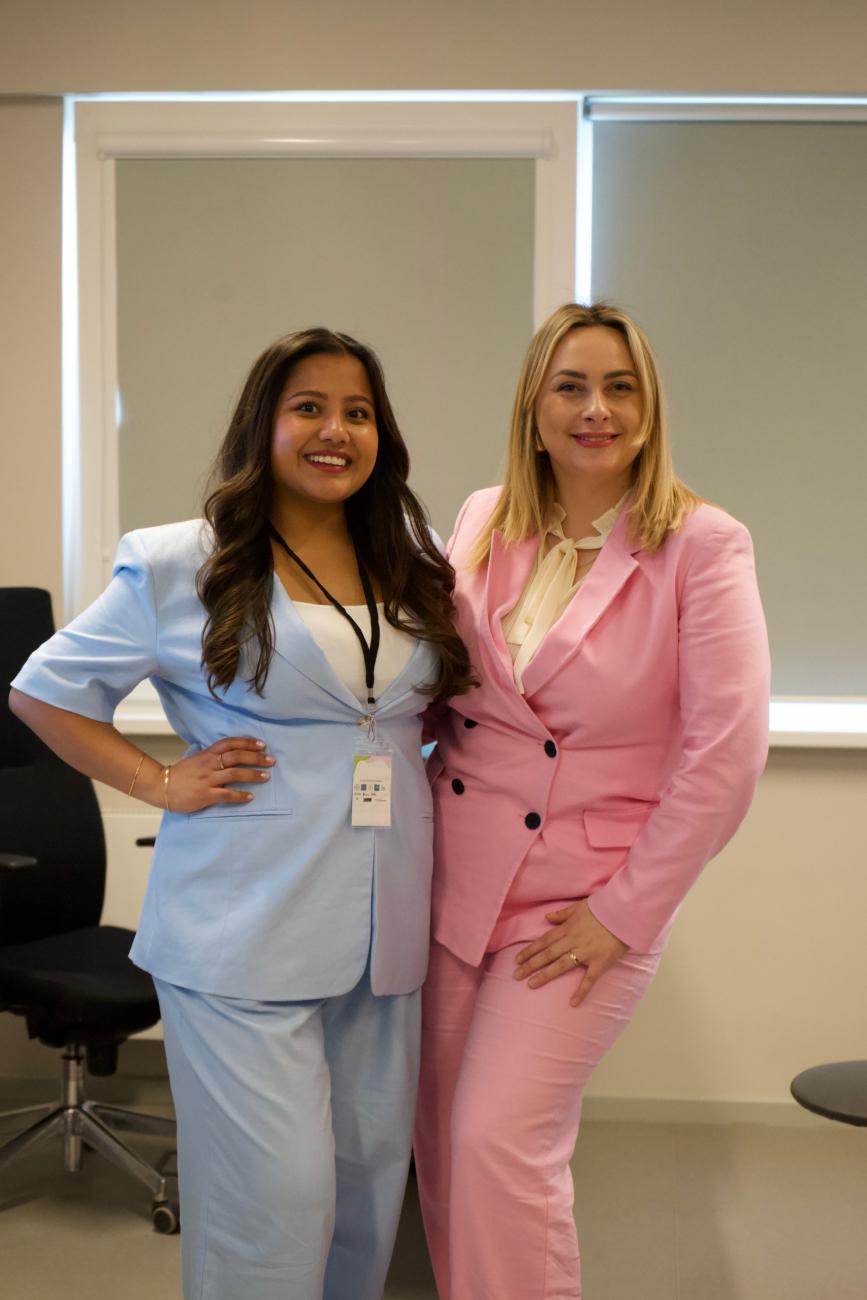
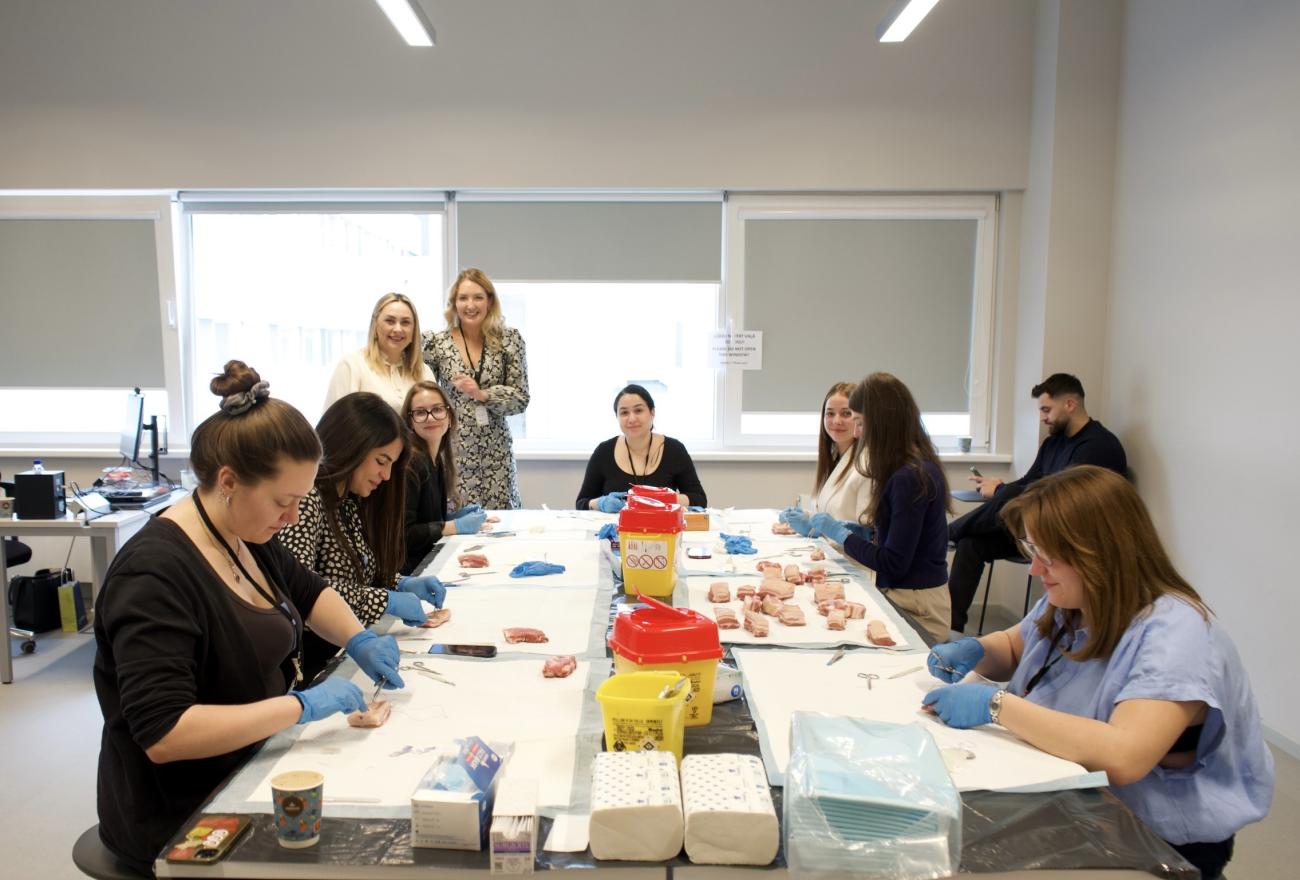
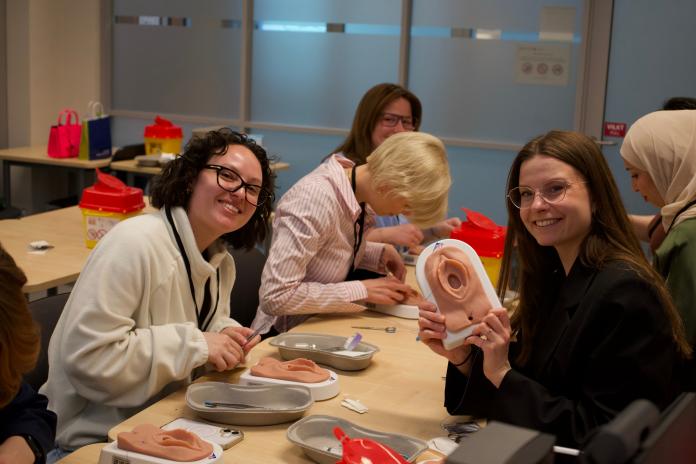
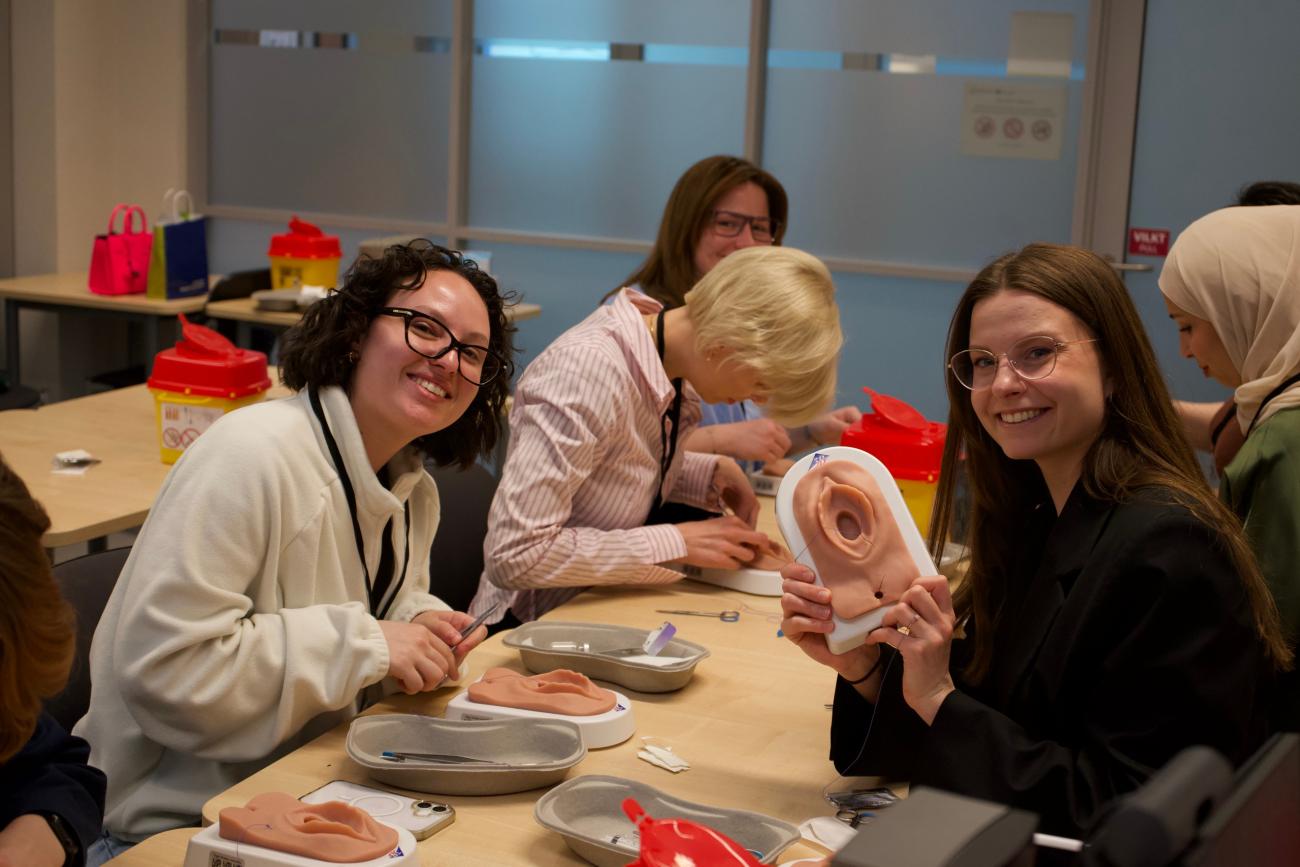
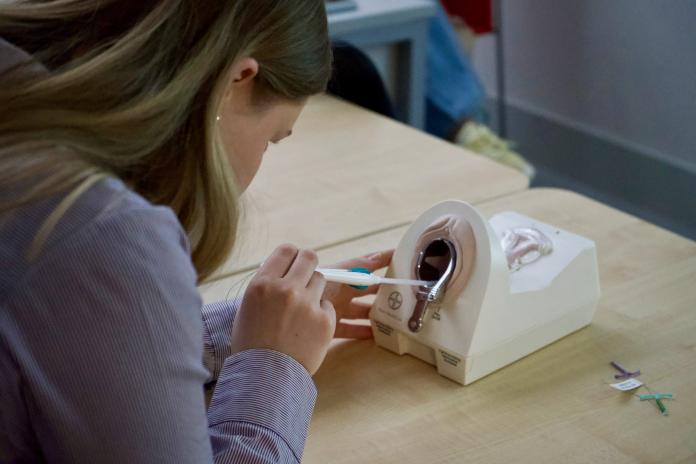
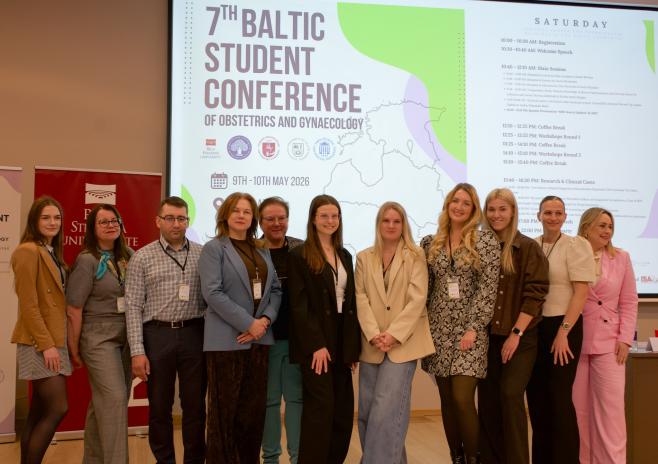
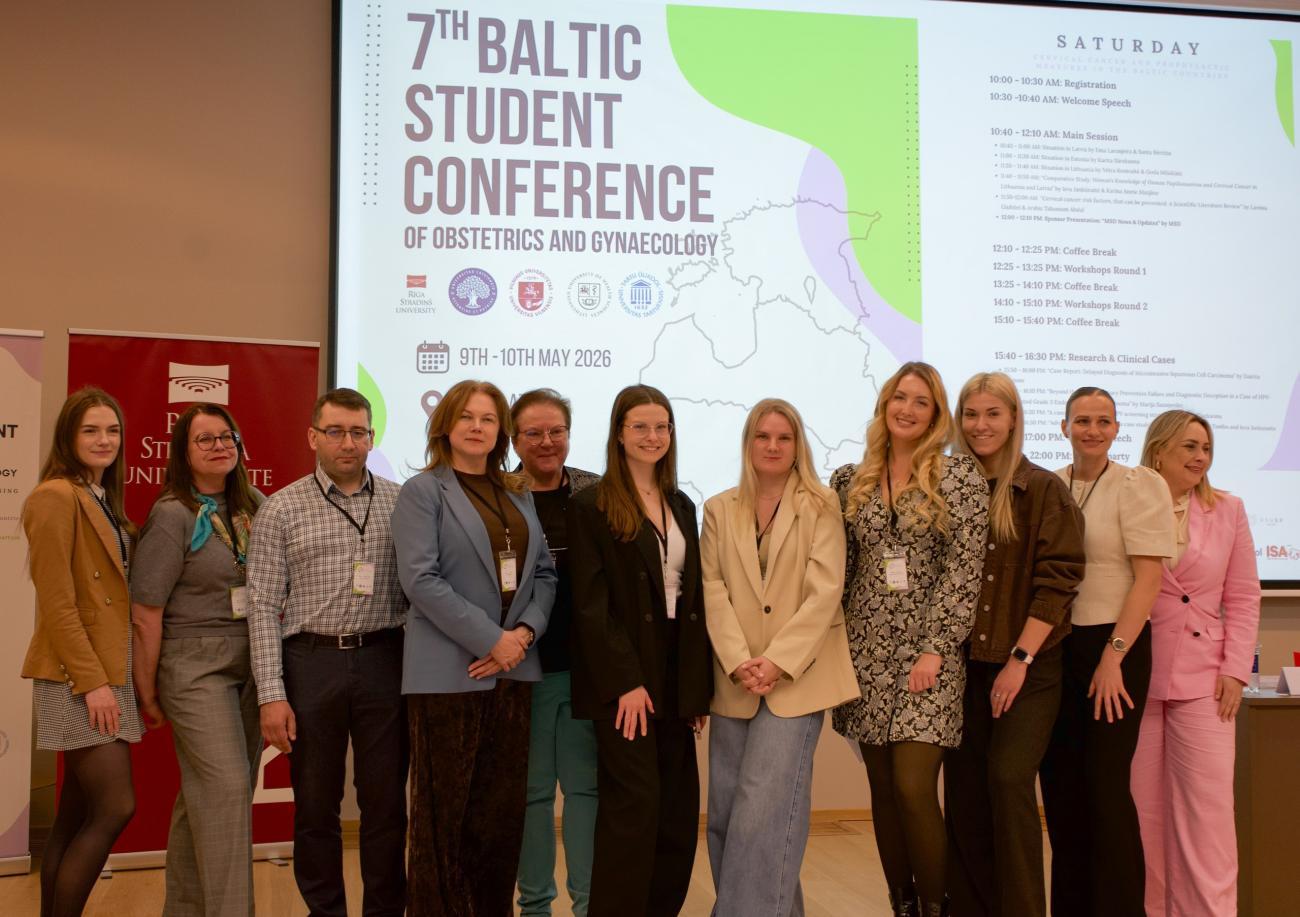


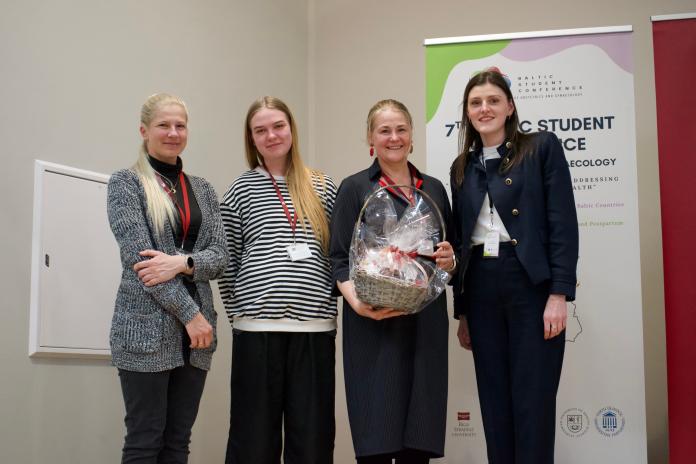
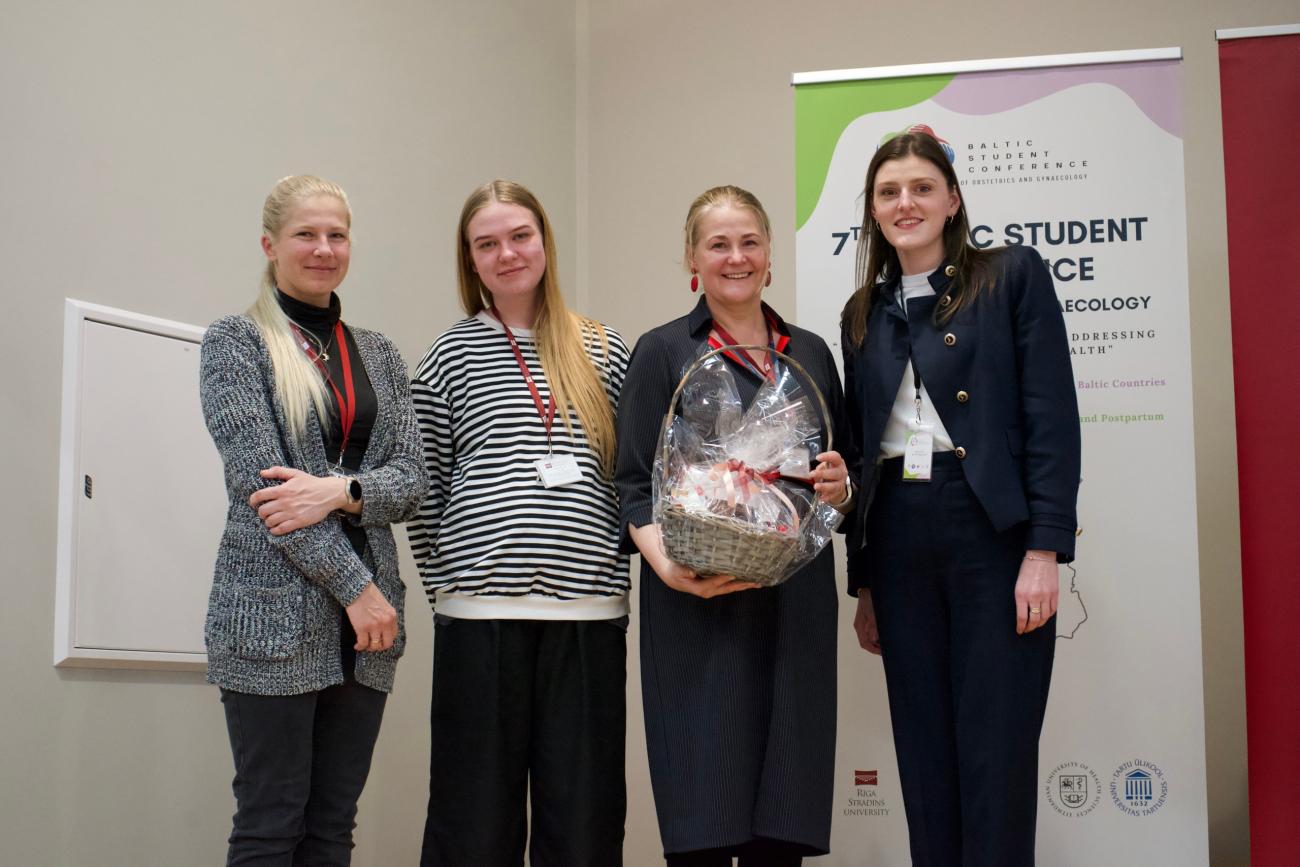
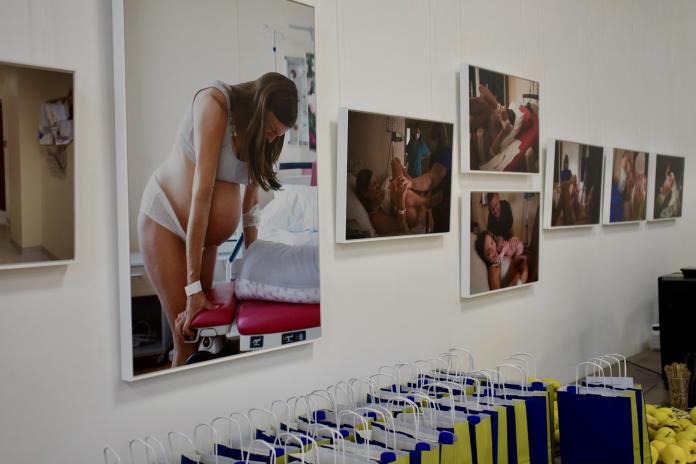
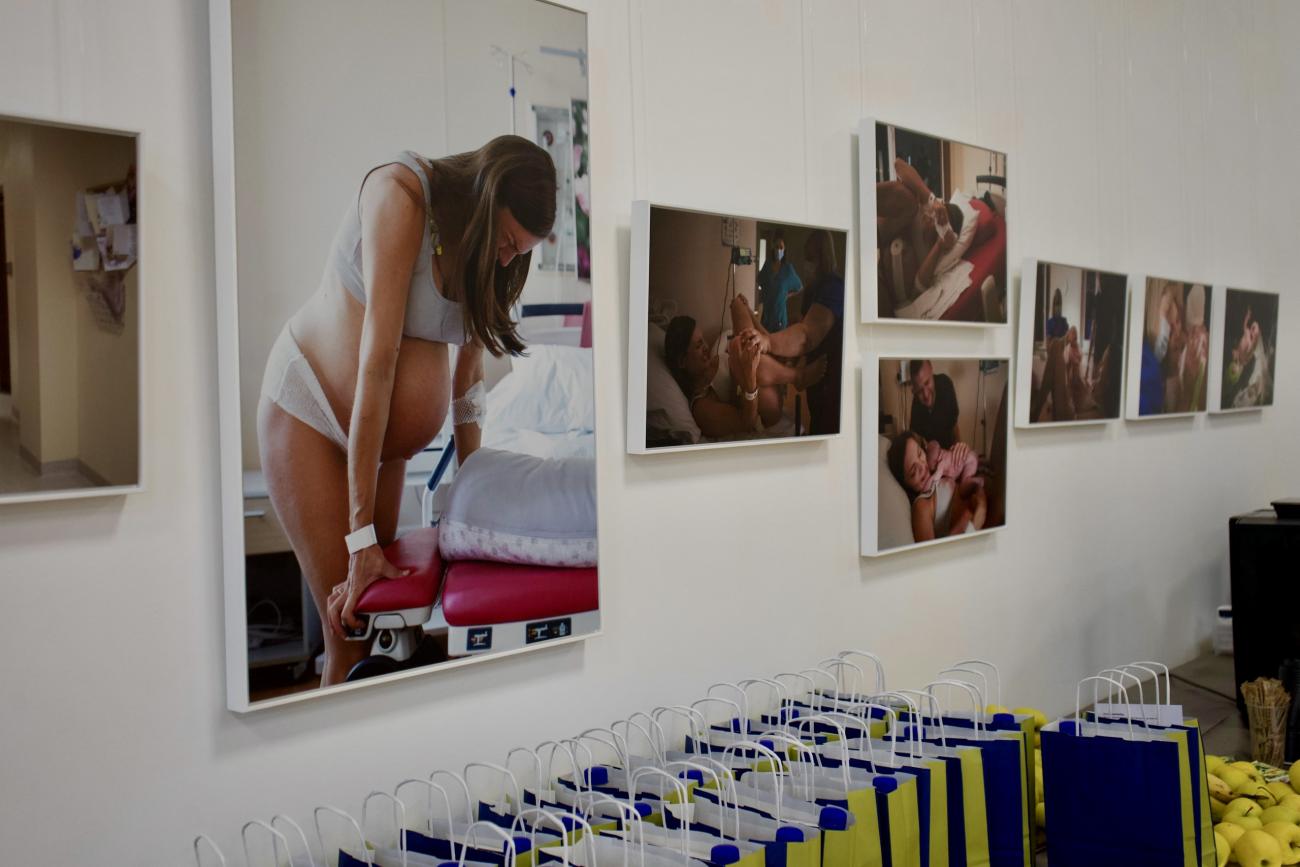
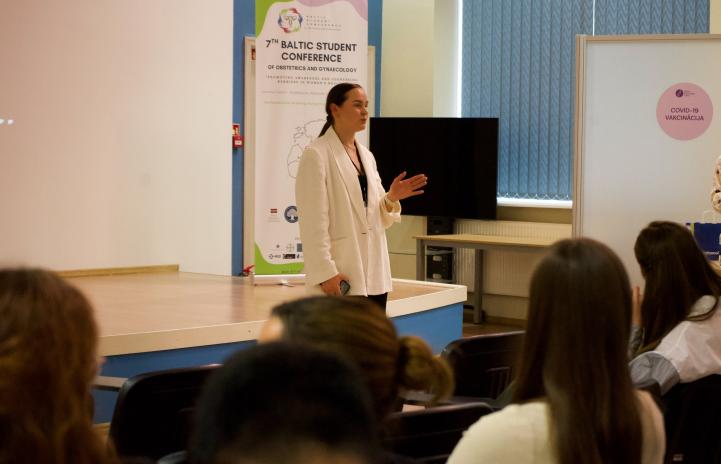
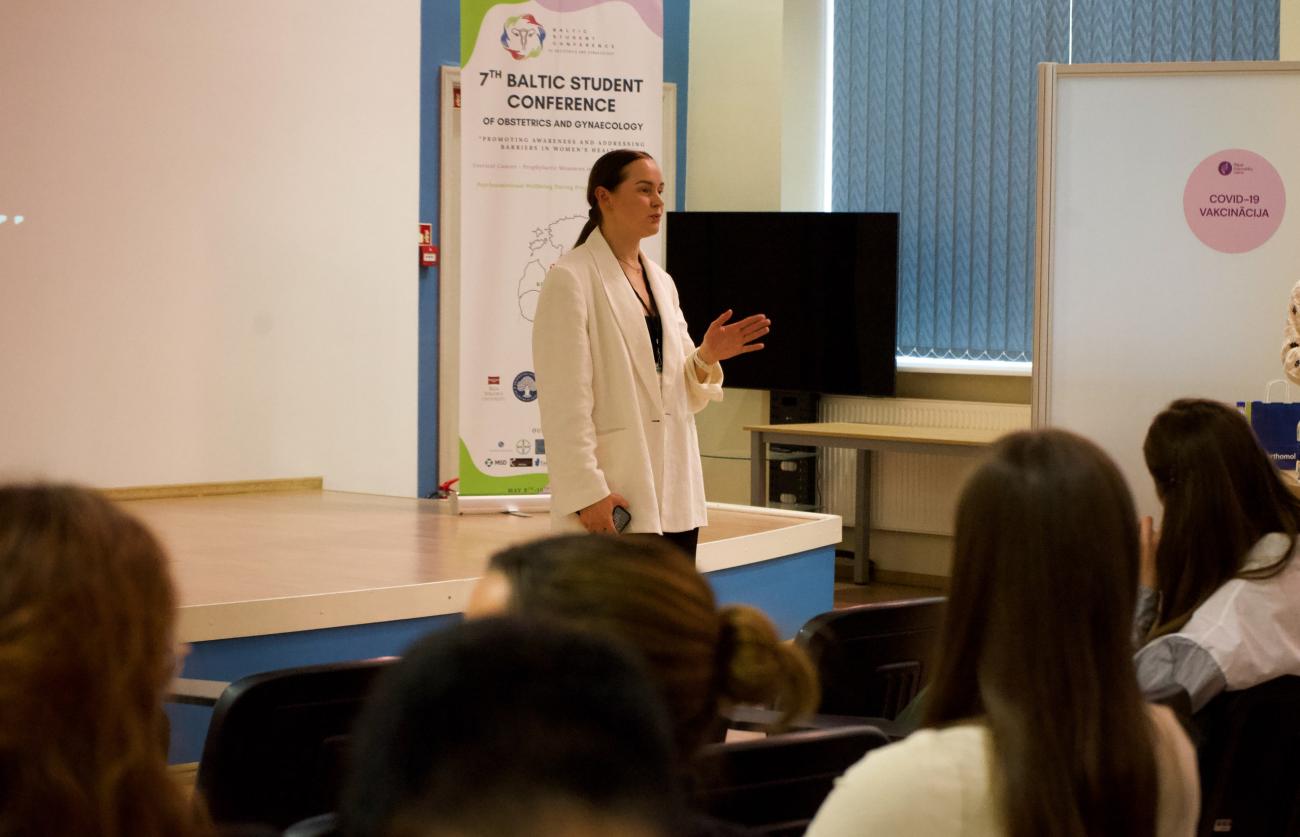
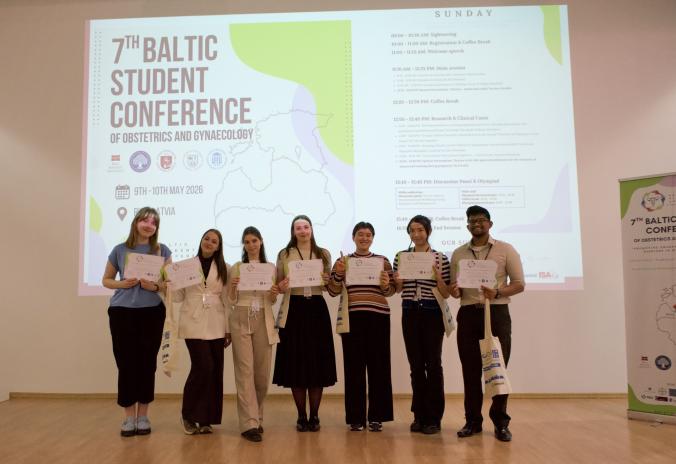
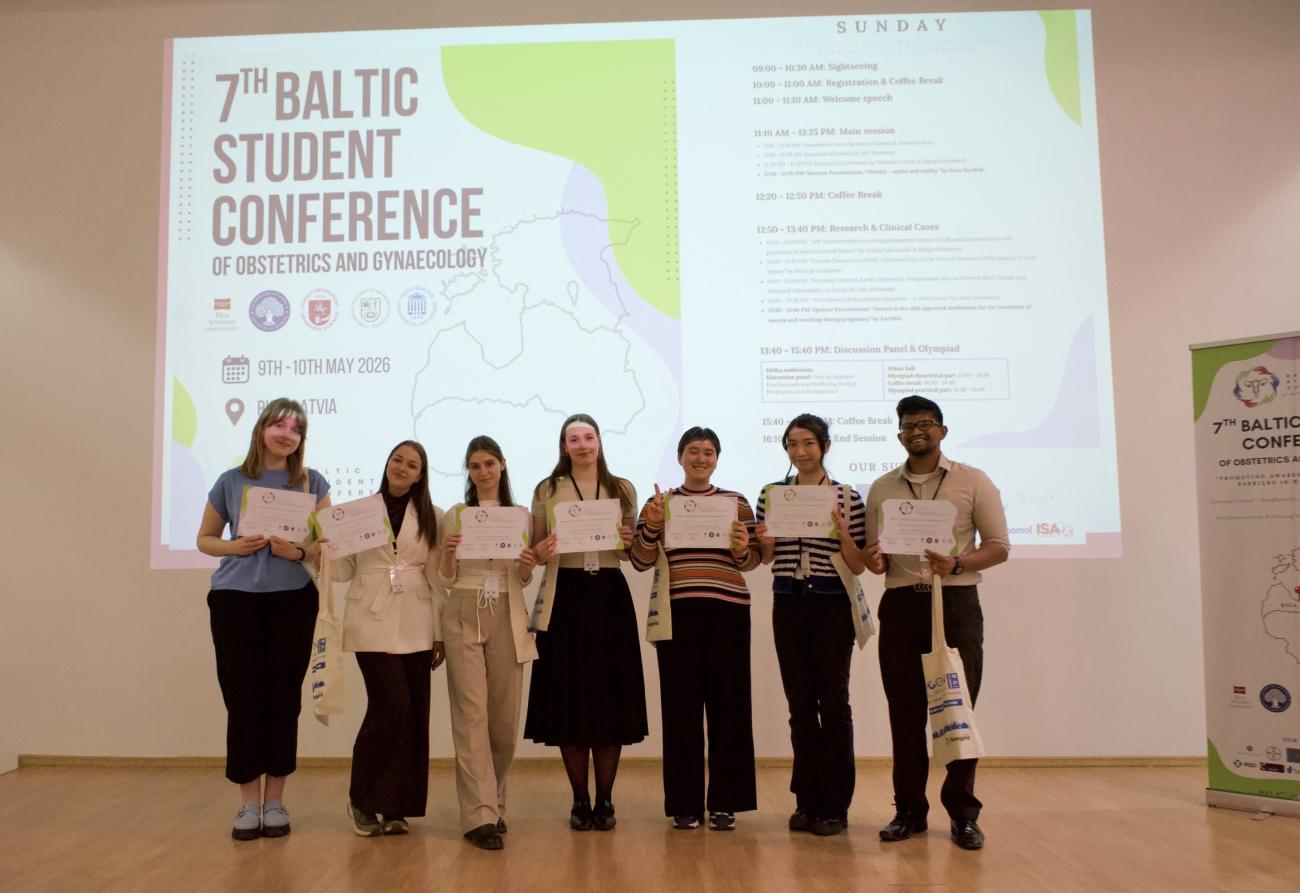
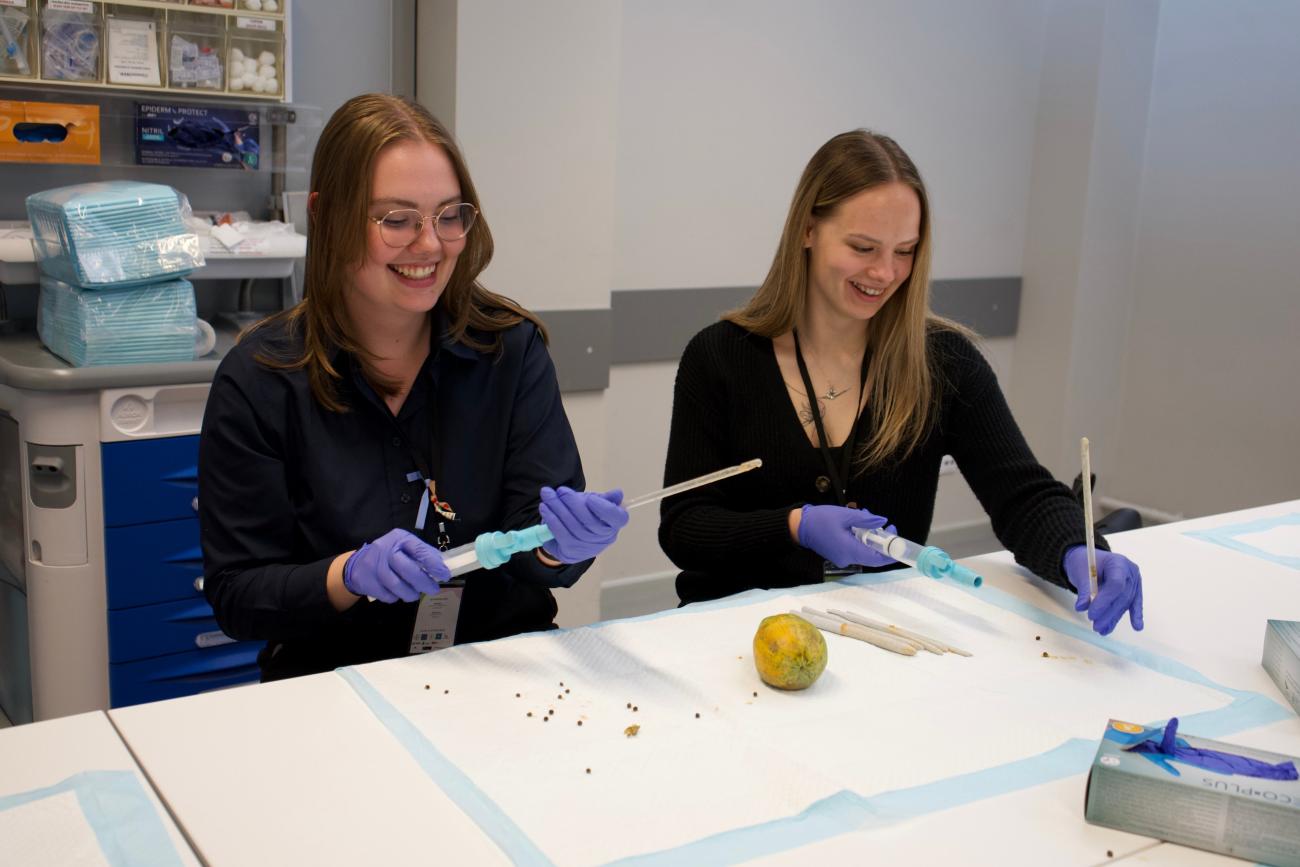
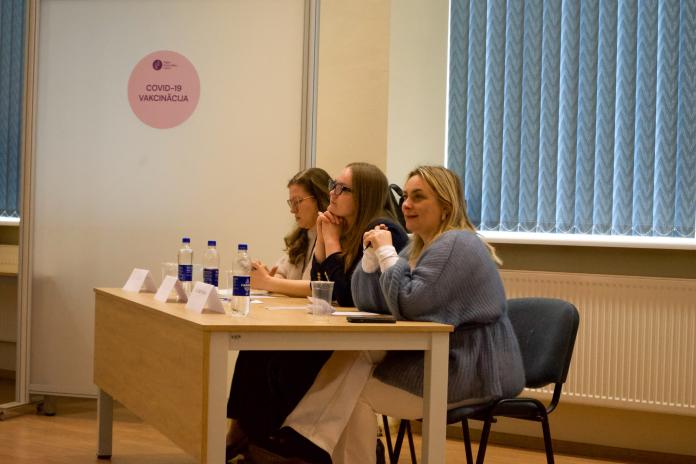
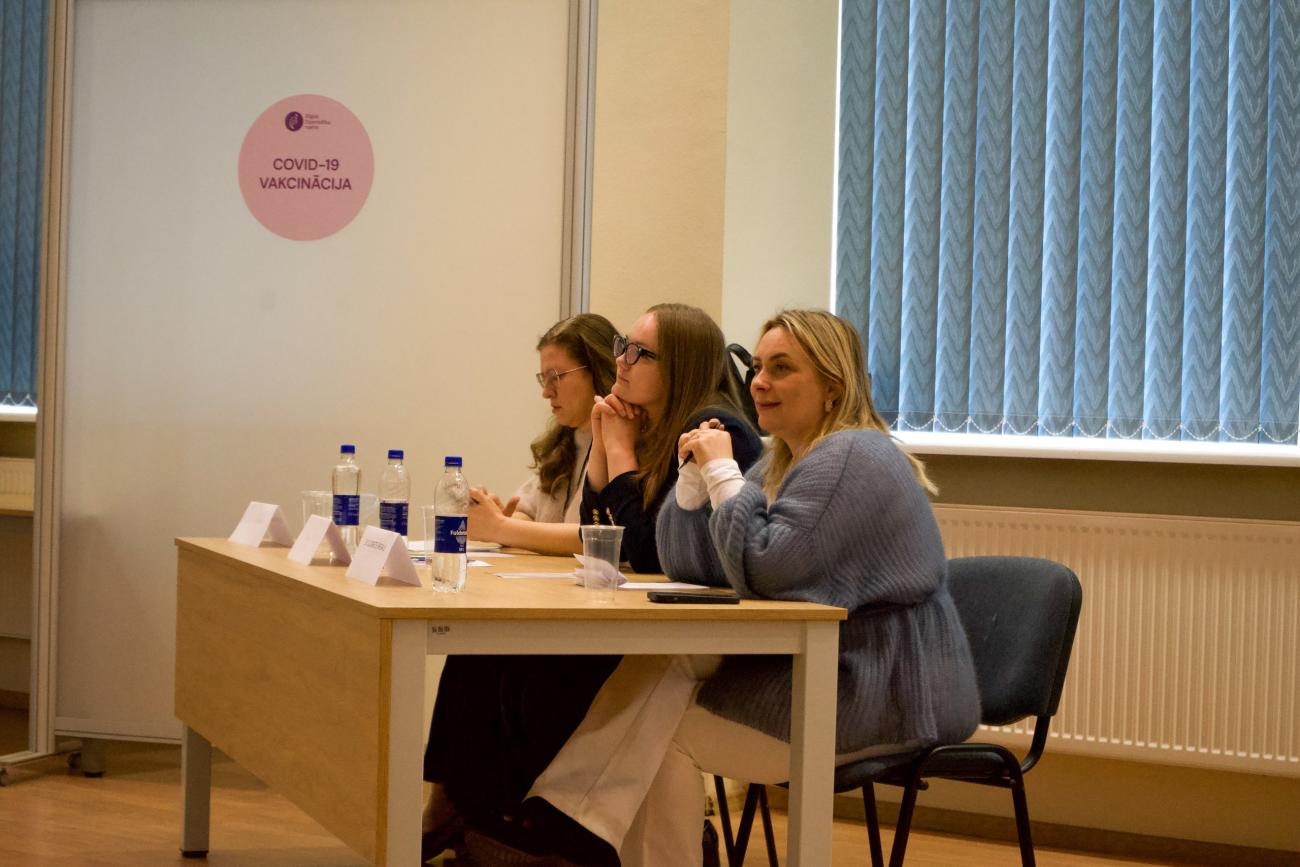


On 9–10 May, the 7th Baltic Student Conference of Obstetrics and Gynaecology took place at Rīga Stradiņš University, bringing together medical students from Latvia, Lithuania, and Estonia. Building on the success of last year’s event, the conference expanded into a two-day programme dedicated to this year’s main theme, “Promoting Awareness and Addressing Barriers in Women’s Health.” The topic encouraged meaningful discussion and reflection among participants while highlighting current challenges and developments in women’s healthcare across the Baltic states.
In total, the conference welcomed around 100 attendees, including participants, mentors, organisers, and healthcare professionals.
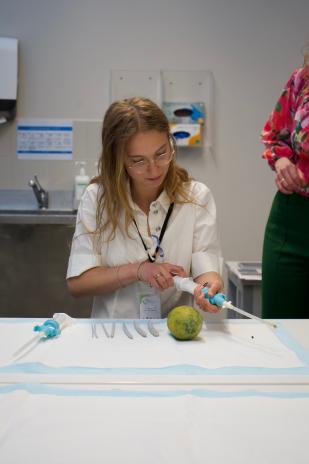
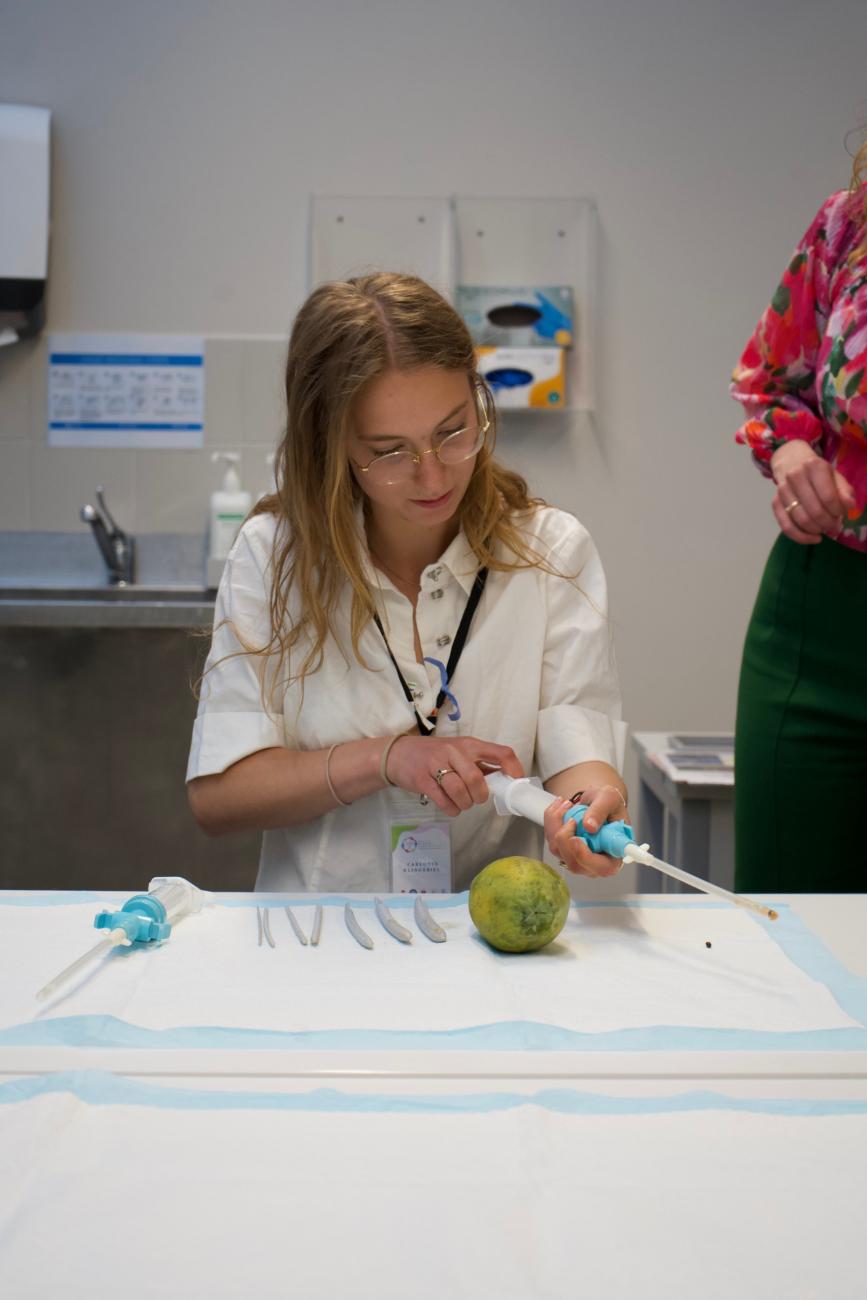
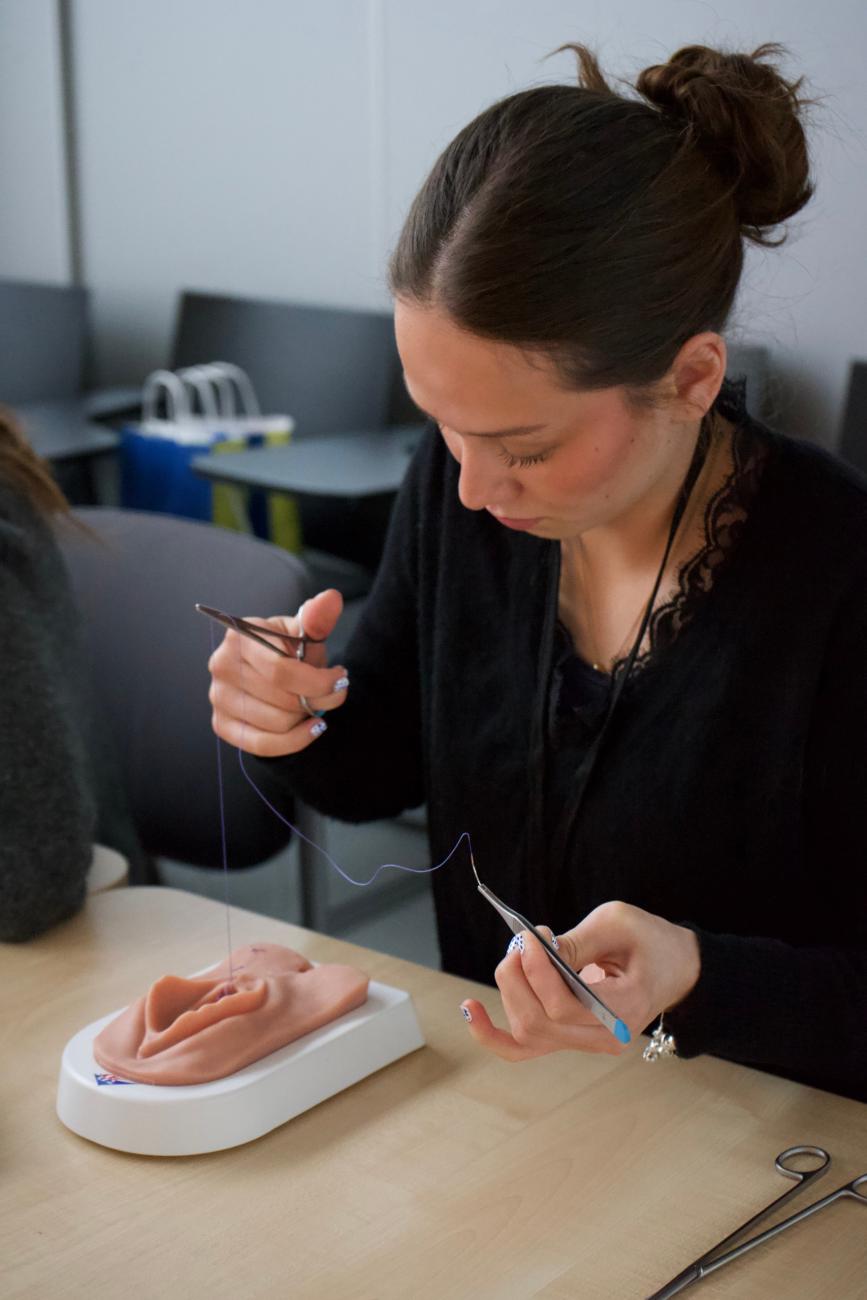
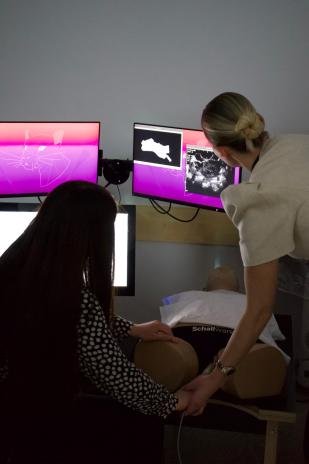
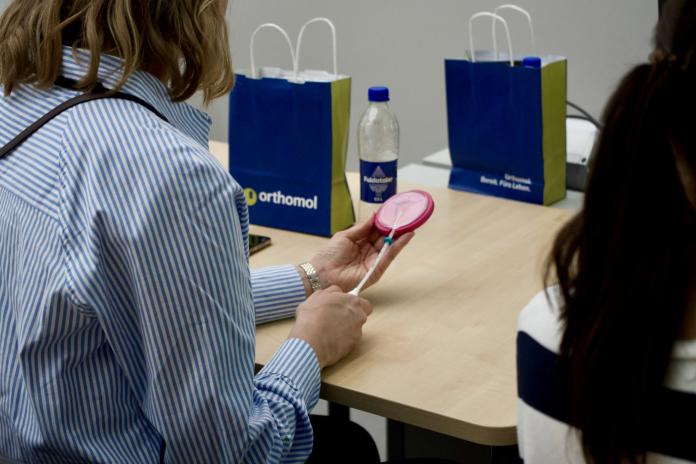
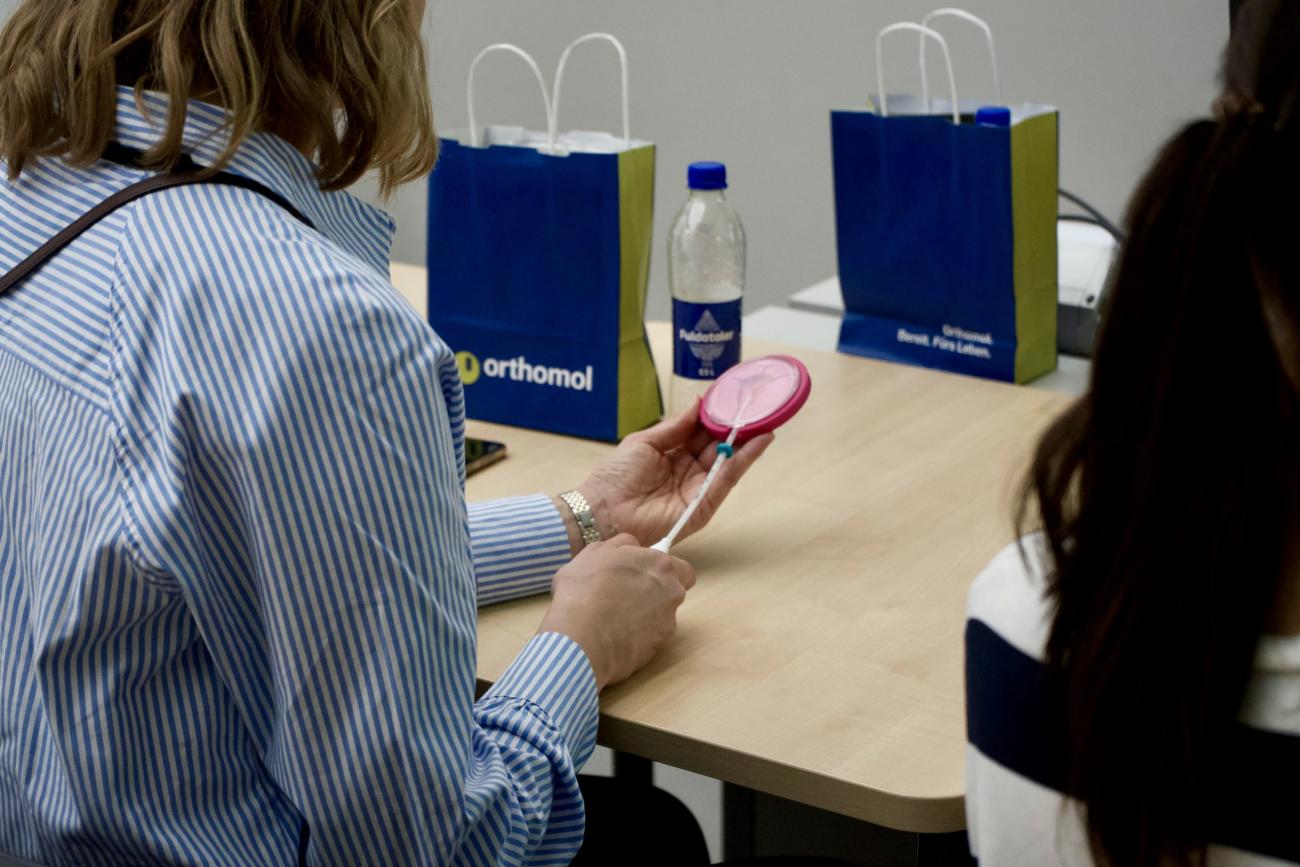
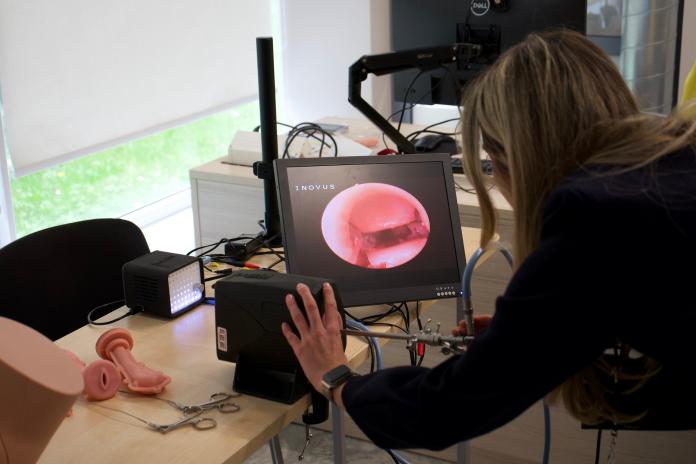
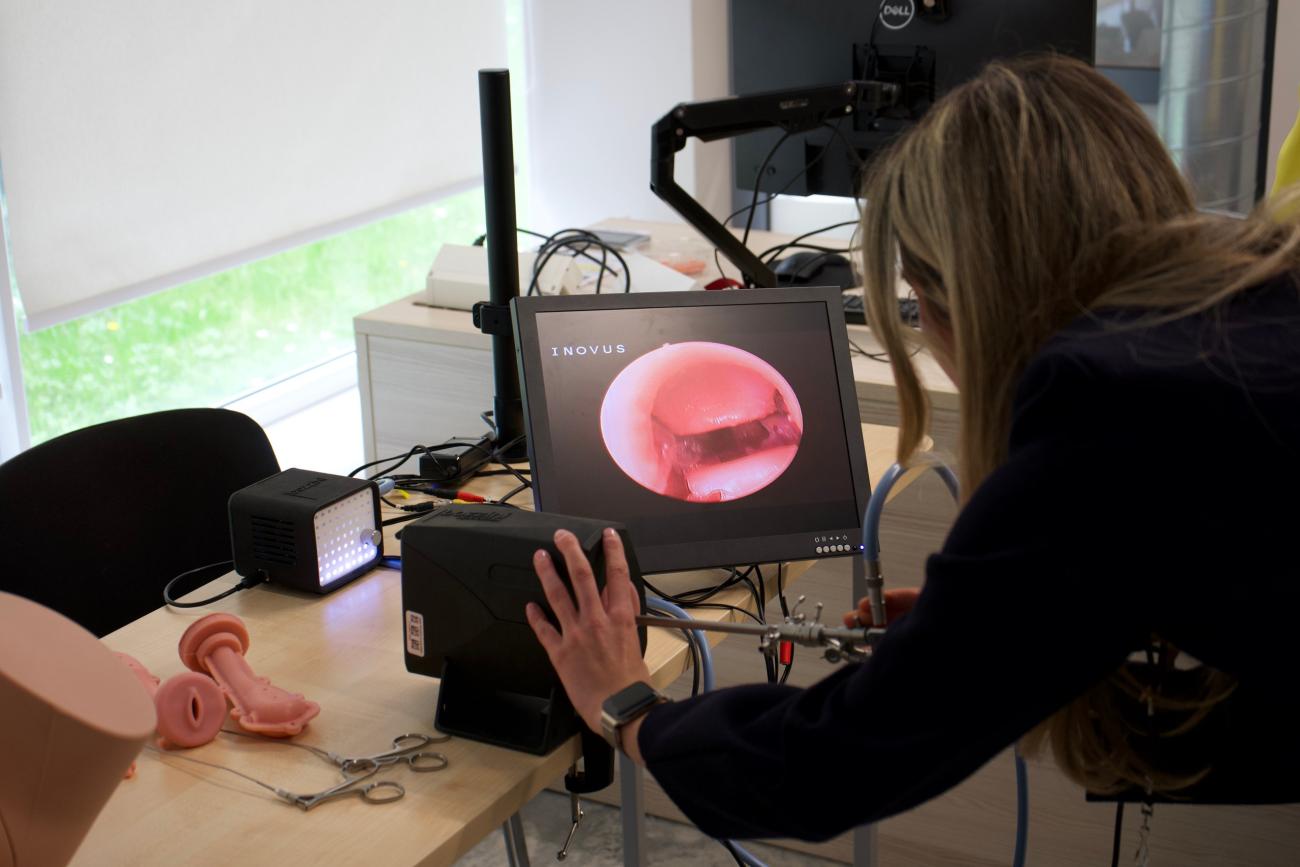
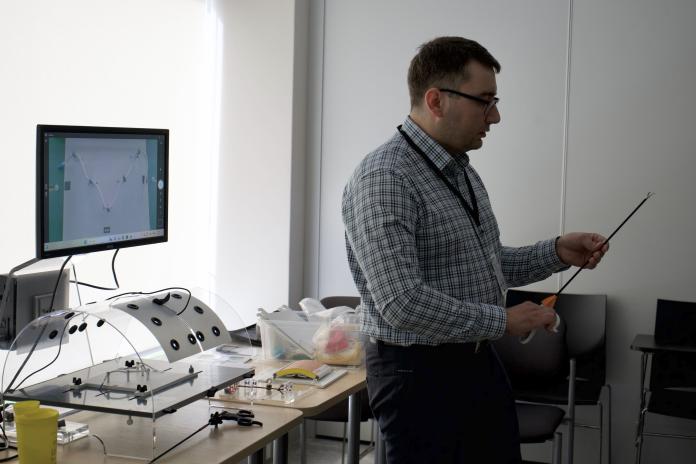
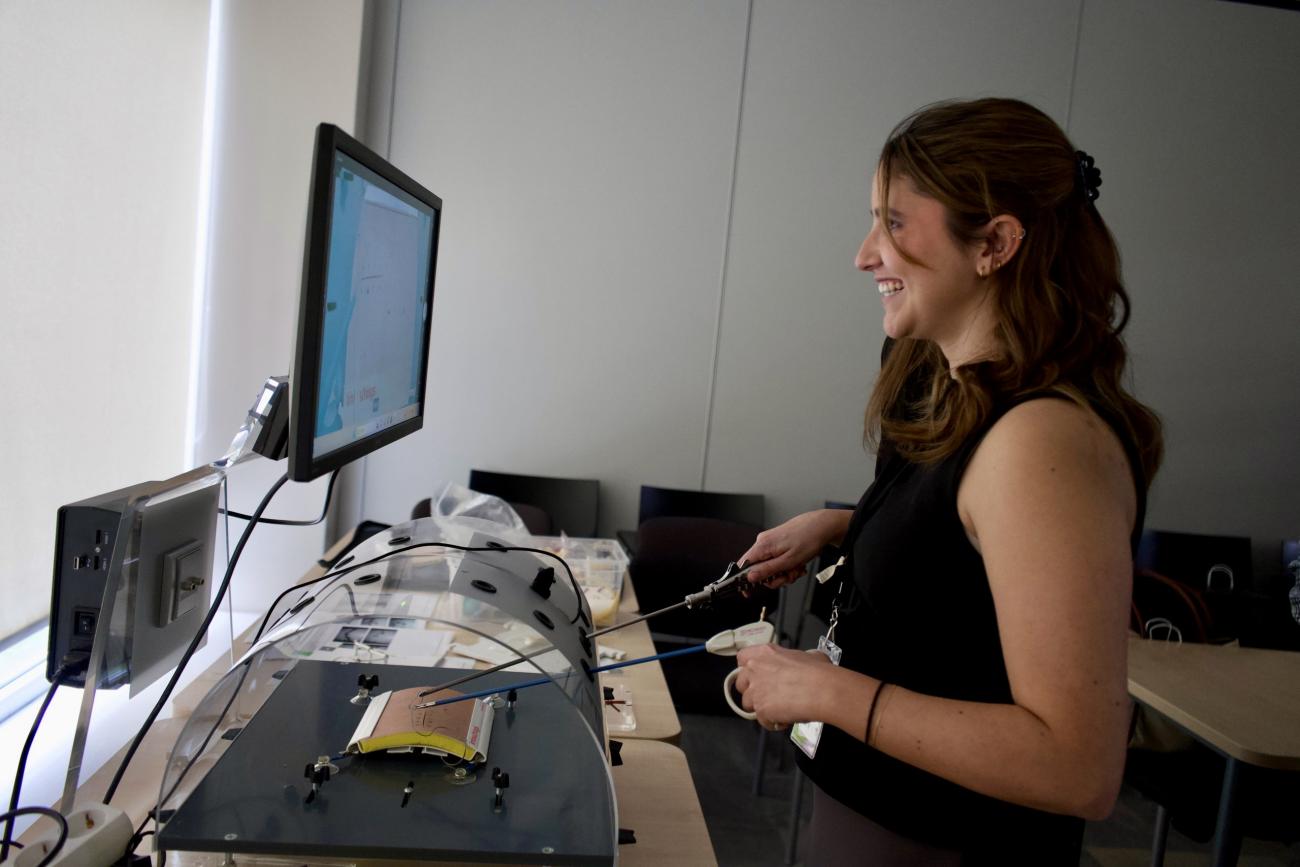
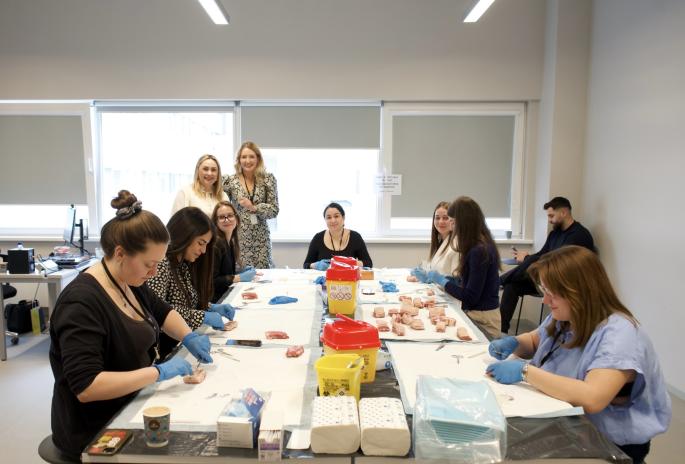
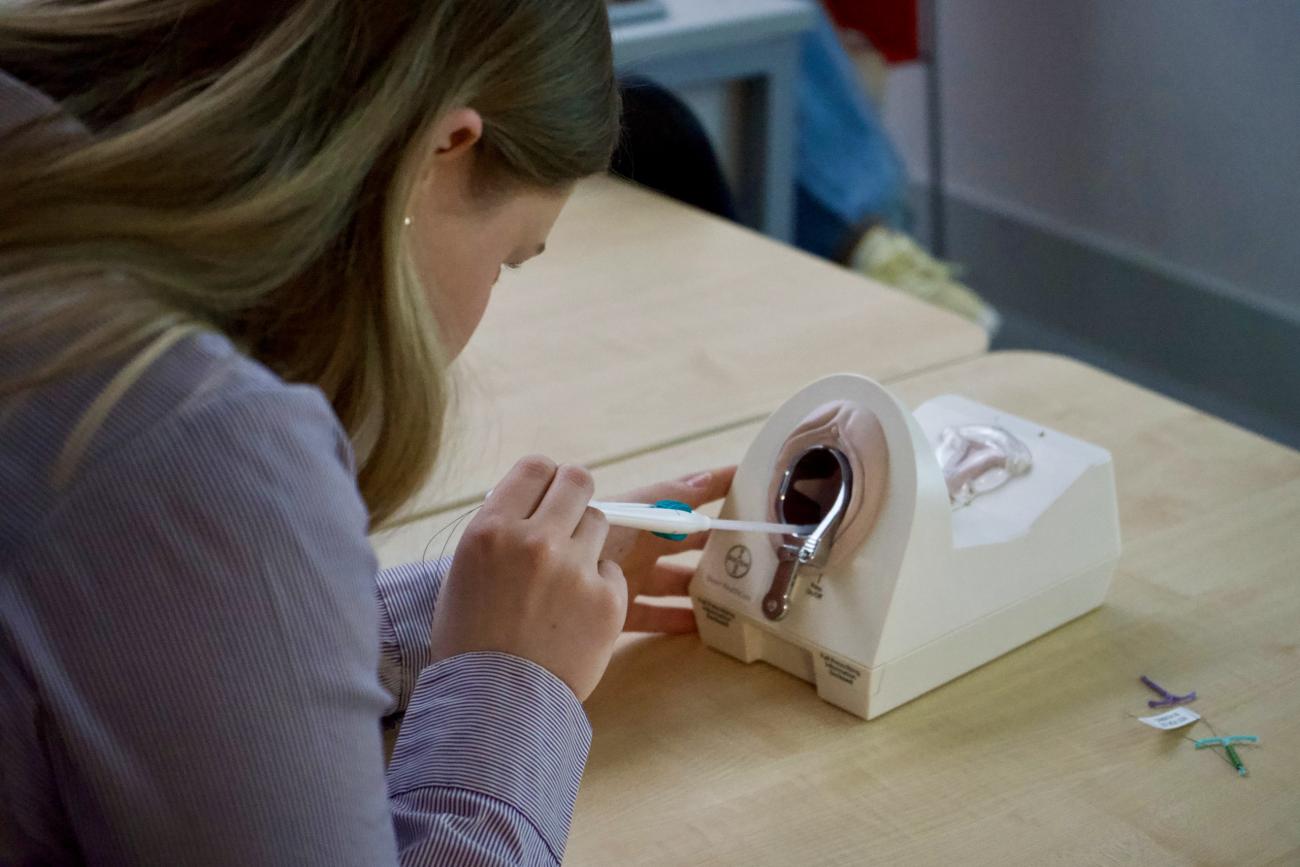
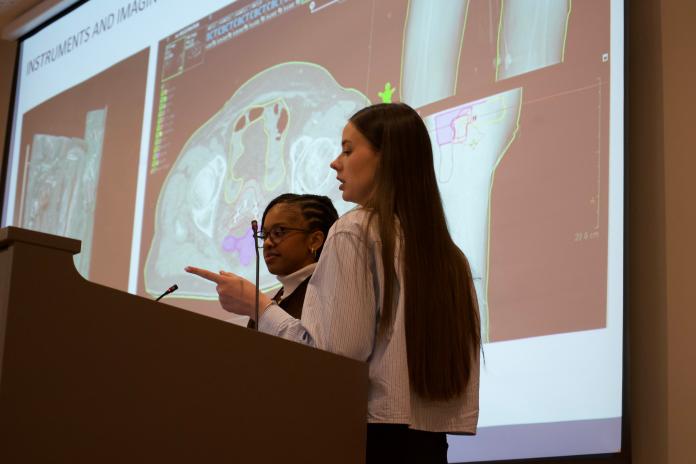
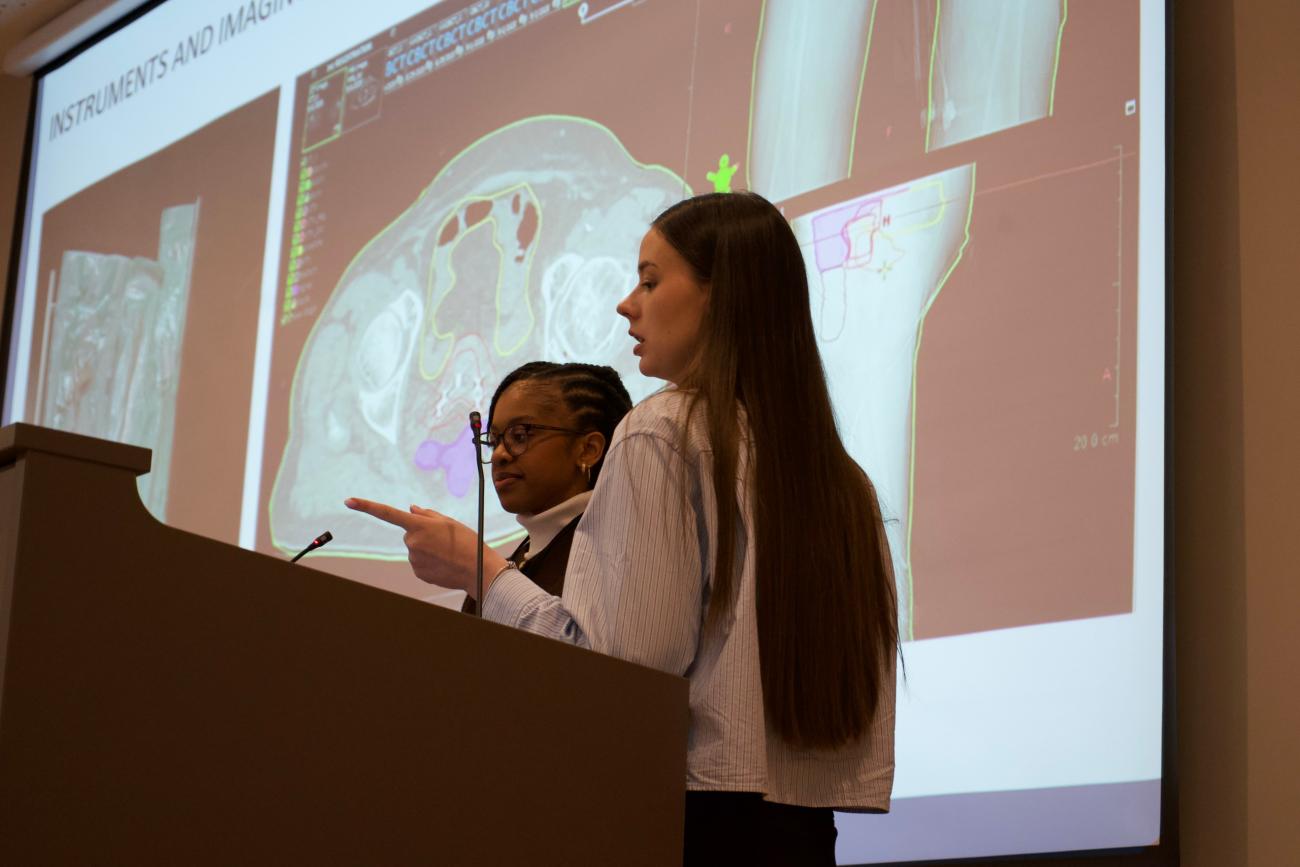
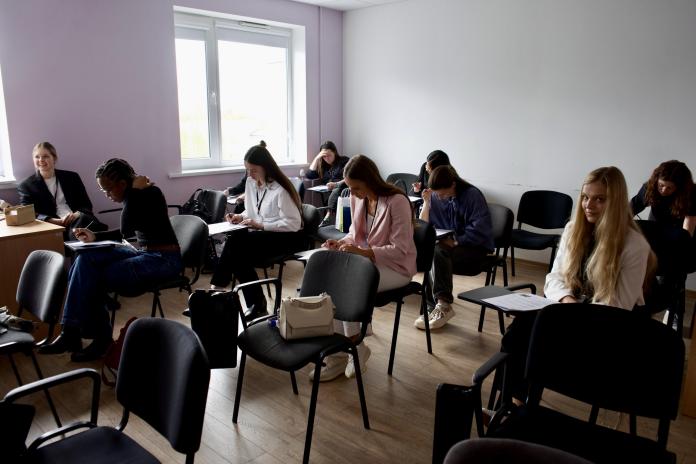
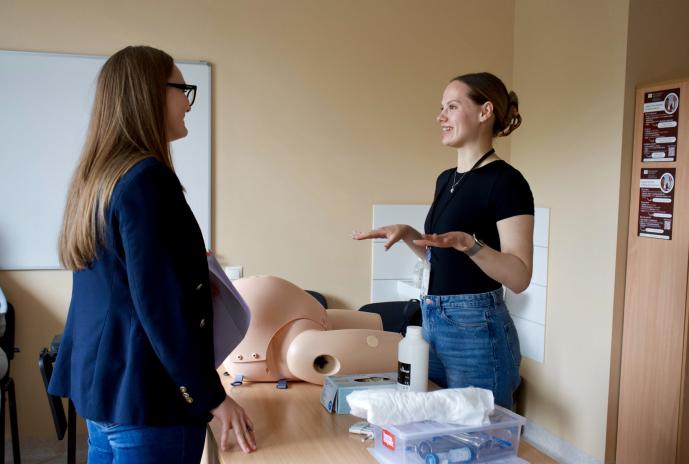
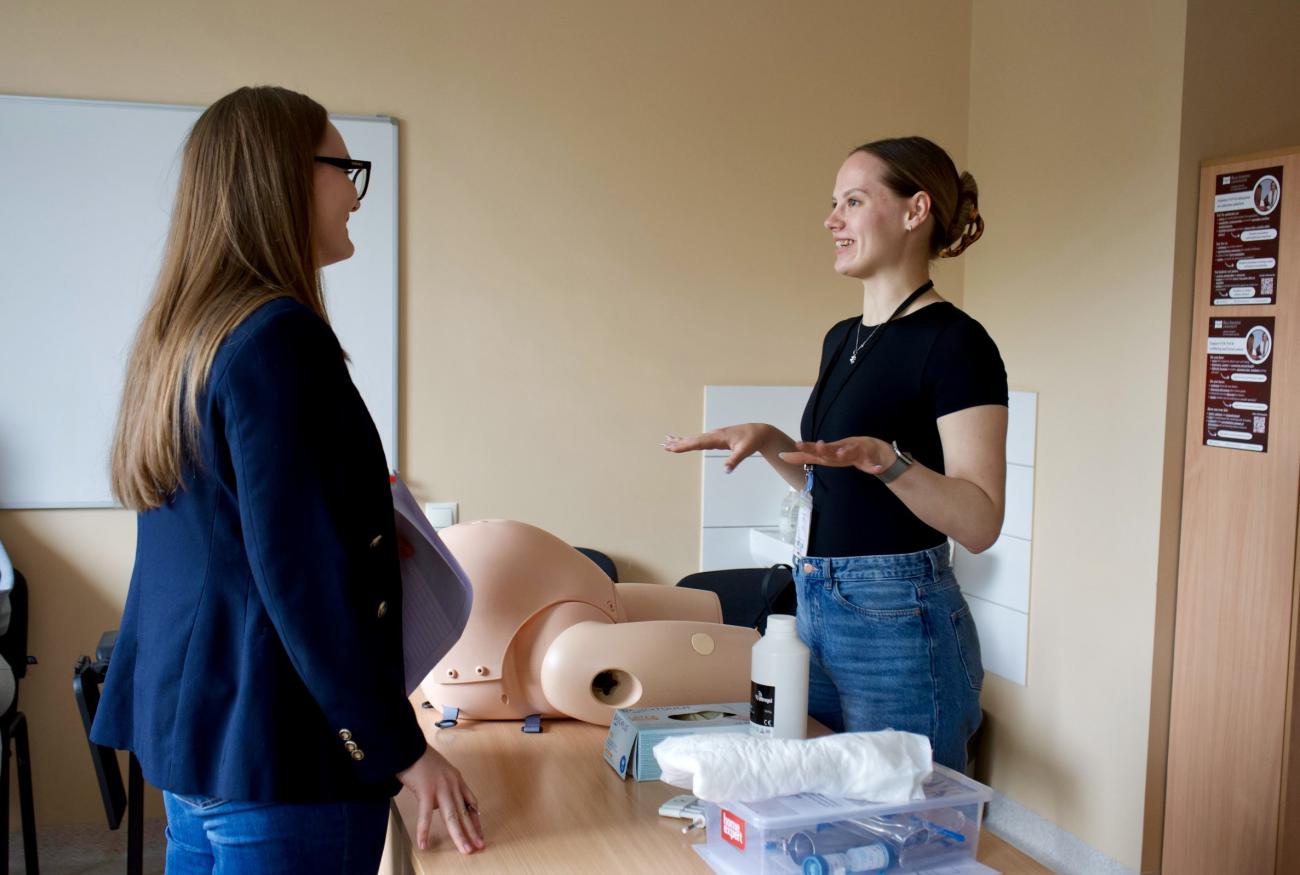
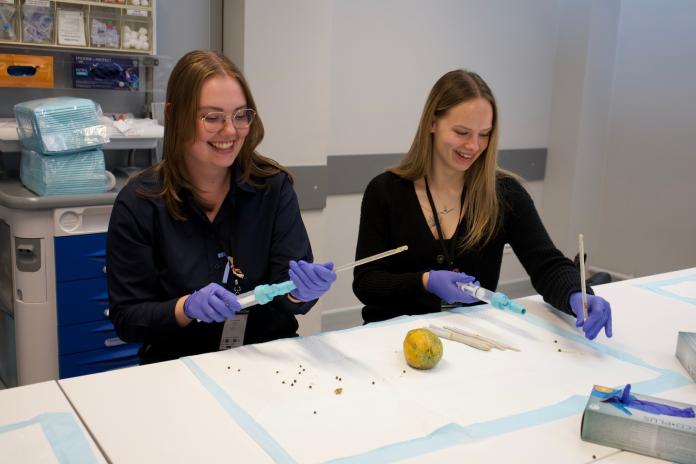
The first day, held at 2 Hipokrāta iela on 9 May, focused on “Cervical Cancer screening and Prophylactic Measures in the Baltic Countries”. The conference was ceremoniously opened by Prof. Dace Rezeberga and Dr. Elizabete Ārgale. The main session provided a comparative overview of cervical cancer policies, incidence, and prevention programmes in Latvia, Lithuania, and Estonia, allowing participants to evaluate progress and identify opportunities for further improvement in the Baltic states. The afternoon programme featured two rounds of practical workshops, offering participants hands-on experience in a wide range of clinical skills and procedures. Workshops included perineal and episiotomy repair, transvaginal and transabdominal ultrasound, hysteroscopy and laparoscopy simulation, HPV prevention, contraception counselling, caesarean section suturing, colposcopy, newborn advanced life support, instrumental delivery techniques, and the Papaya Workshop. In total, 13 workshops were conducted throughout the day. The programme concluded with clinical case and research presentations.
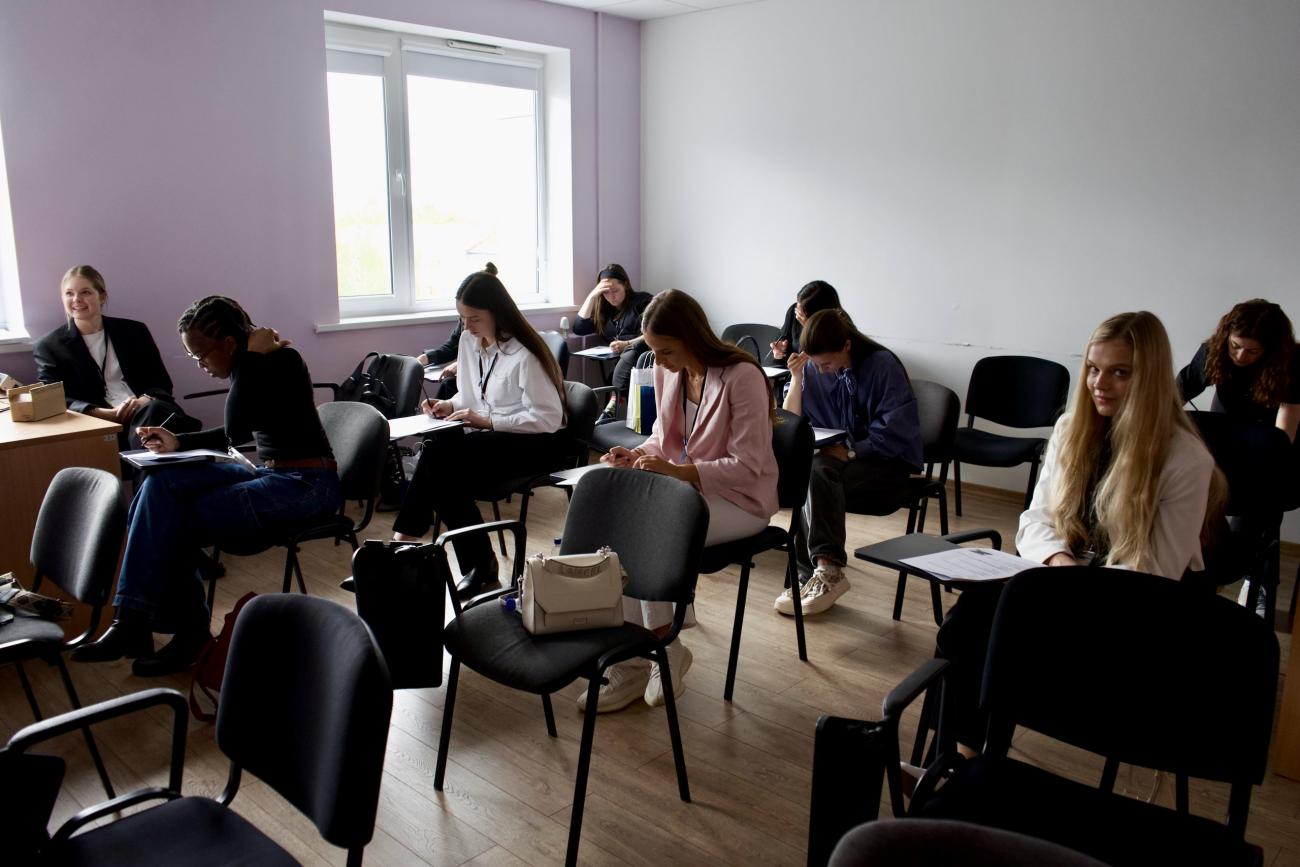
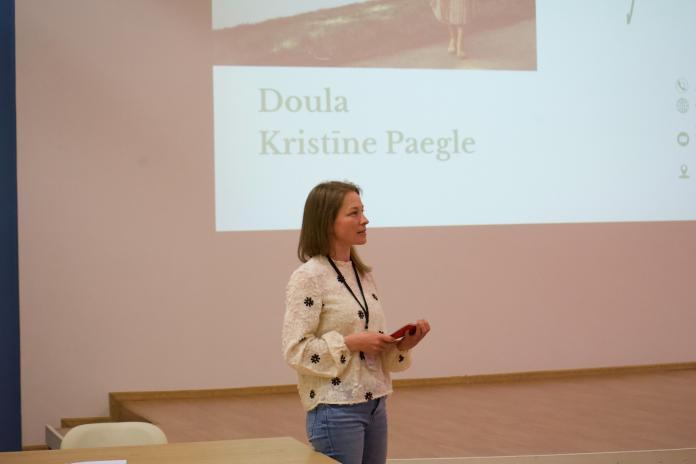
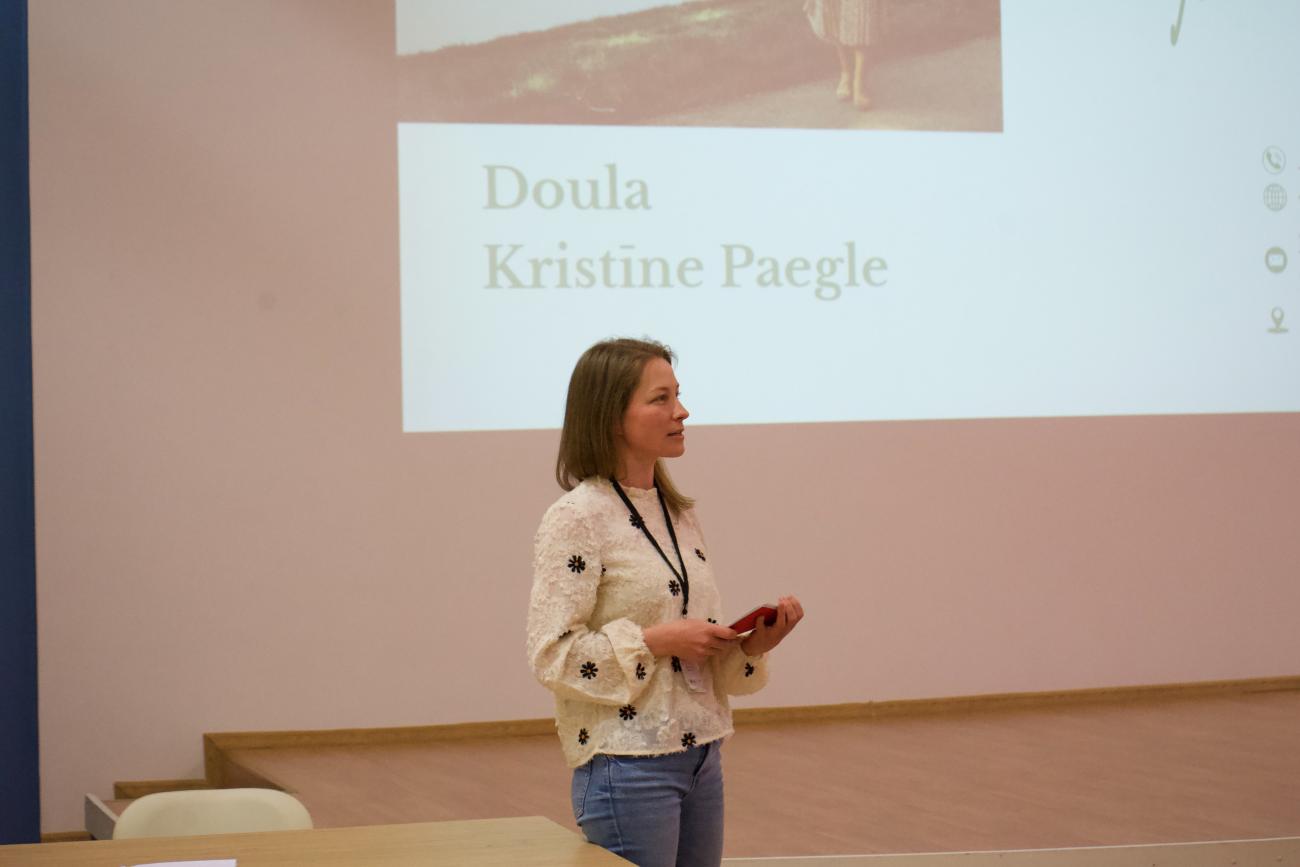
On Sunday 10 May, the conference continued at the Rīga Maternity Hospital, 45 Miera iela, where the conference focused on the topic “Psychoemotional Wellbeing During Pregnancy and Postpartum.” Speakers compared the current situation and support systems in Latvia, Estonia, and Lithuania, encouraging dialogue on maternal mental health and the challenges experienced during the perinatal period. The afternoon programme featured further research presentations and clinical case discussions, followed by a panel discussion on strategies to improve psychoemotional wellbeing during pregnancy and the postpartum period, led by Dr. Elizabete Ārgale, midwife Brigita Grīnbauma, and doula Kristīne Paegle. Participants also had the opportunity to test their knowledge in the revived “Golden Mirror” Olympiad, which included both theoretical and practical components assessed by Dr. Daiga Baranovska and Dr. Diāna Silniece.
The conference was supported by mentors and healthcare professionals who dedicated their time and expertise to educating future doctors. Among them were Professor Dace Rezeberga, Dr. Elizabete Ārgale, Dr. Elvita Penka, Dr. Ginta Zaķe, Dr. Zane Krastiņa, Dr. Līga Puksta-Gulbe, Dr. Jurijs Lapidus, Dr. Ieva Siksaliete, Dr. Vija Plūme, Dr. Agate Kalniņa, Dr. Elīna Voitehoviča, Dr. Laura Rācene, Dr. Ilze Kreicberga, Dr. Kristiāna Šulte, Dr. Daiga Baranovska, and Dr. Diāna Silniece. Midwife Brigita Grīnbauma and doula Kristīne Paegle,who contributed to the panel discussion on psychoemotional wellbeing.
Students from Rīga Stradiņš University, the University of Latvia, and Vilnius University participated in organising the conference, while students from the University of Tartu and the Lithuanian University of Health Sciences also attended the event.
The conference was the result of seven months of dedicated planning by Anna Drozdecka (Rīga Stradiņš University, Academic Society of Obstetrics and Gynaecology – Latvian Division), Meagan Rhonda Hsung, Julia Kottmann, Janire Perez Aboitiz, Kateryna Olinichenko (Rīga Stradiņš University, Academic Society of Obstetrics and Gynaecology – International Division), Beatrise Dinsberga-Skripa (University of Latvia), and Giedrė Zdanavičiūtė and Arshia Tabassum (Vilnius University, Student Research Network OBGYN Group).
The organising team hopes this tradition will continue to grow and further strengthen collaboration among the Baltic states. The conference successfully united participants from three countries with a shared goal: to address key issues in women’s health, develop practical clinical skills, promote the exchange of research and ideas, and inspire future careers in obstetrics and gynaecology.
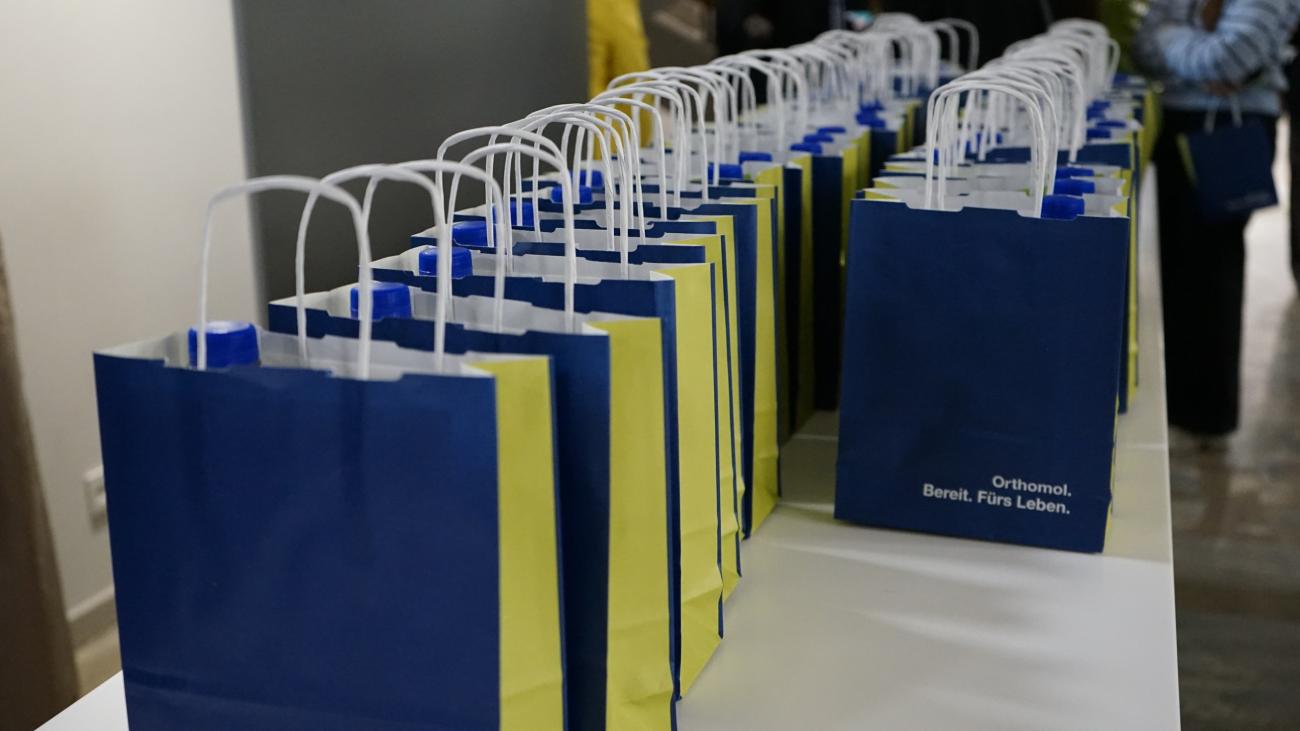
Finally, a big thank you to the conference sponsors: Bayer, Gedeon Richter, Dinsbergas klīnika, Merck Sharp & Dohme, Vijas Plūmes ārsta prakse, Ginekologu un dzemdību speciālistu asociācija, Novo Nordisk Latvia, Exeltis, ARS Medical, Dubultu doktorāts, Orthomol, RSU Student Council, and the International Student Association (ISA).
Related news
 The pain is real, even when the cause is not immediately apparent: RSU explores approaches to chronic pelvic pain Obstetrics and Gynaecology