Talking with people, not about them: RSU LALIFE researchers conduct fieldwork in Rēzekne Region


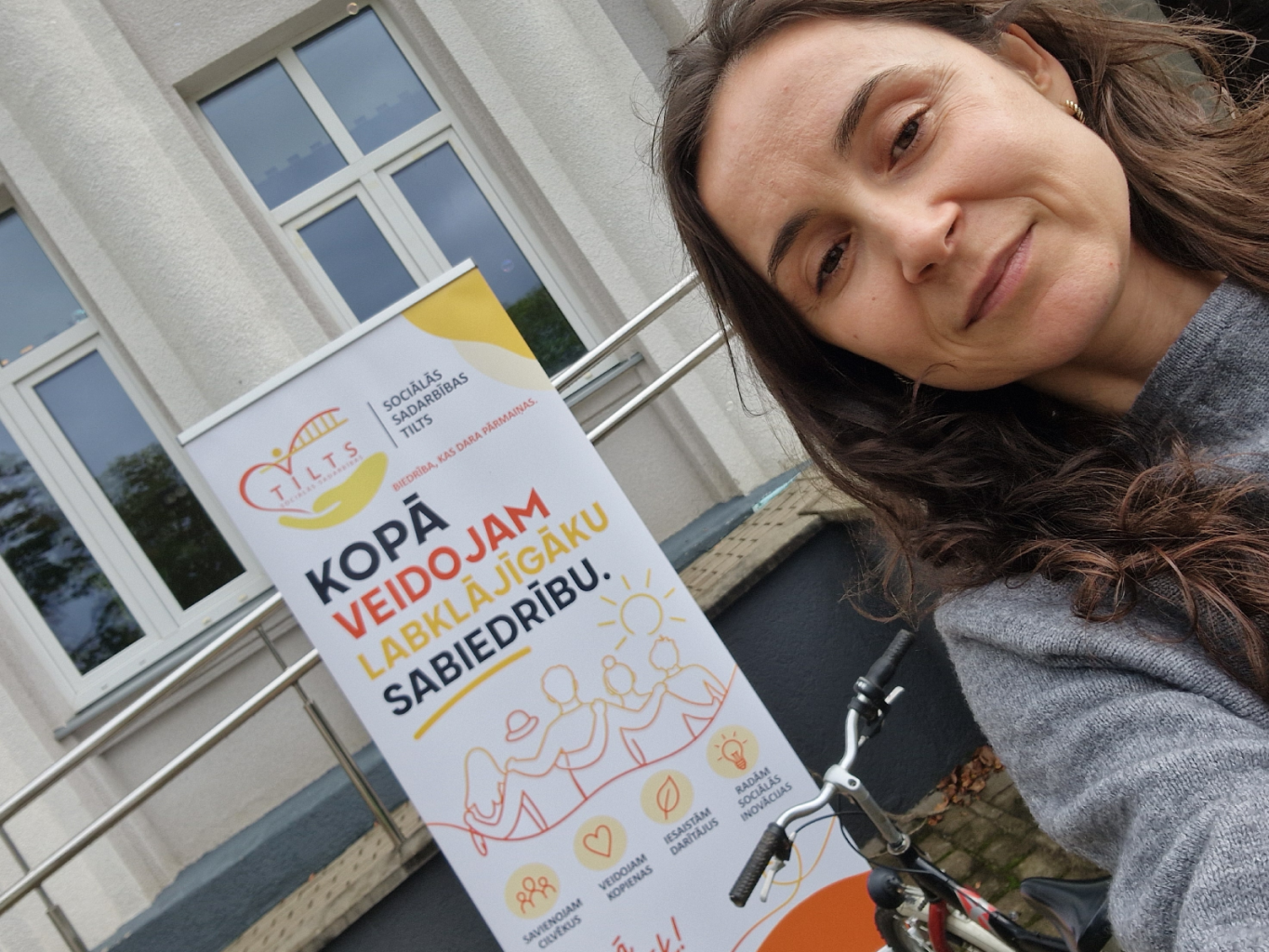
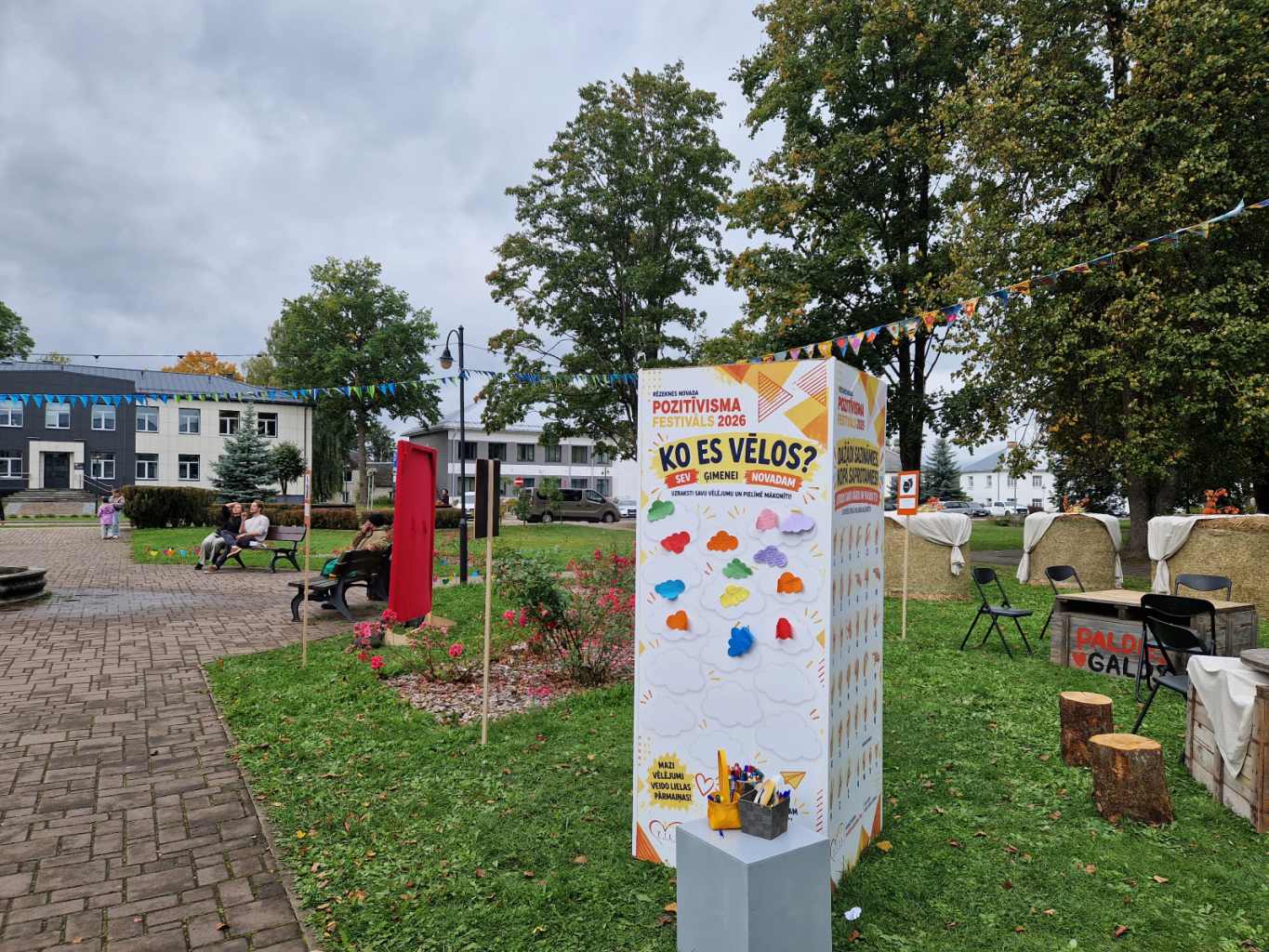
How do people help one another in everyday life? How do joint initiatives emerge, and what motivates people to get involved in their communities? Studying these questions requires more than interviews alone. It is also important to be present in the settings where cooperation takes place. This is why, in September, researchers Ieva Puzo and Karlīna Grīviņa from the Rīga Stradiņš University (RSU) LALIFE project travelled to the Rēzekne Region together with social anthropologist Zanda Gailume-Zohara and painter Evija Stirna. They spent several days with local residents, including taking part in the Rēzekne Region Positivity Festival on 20 September.
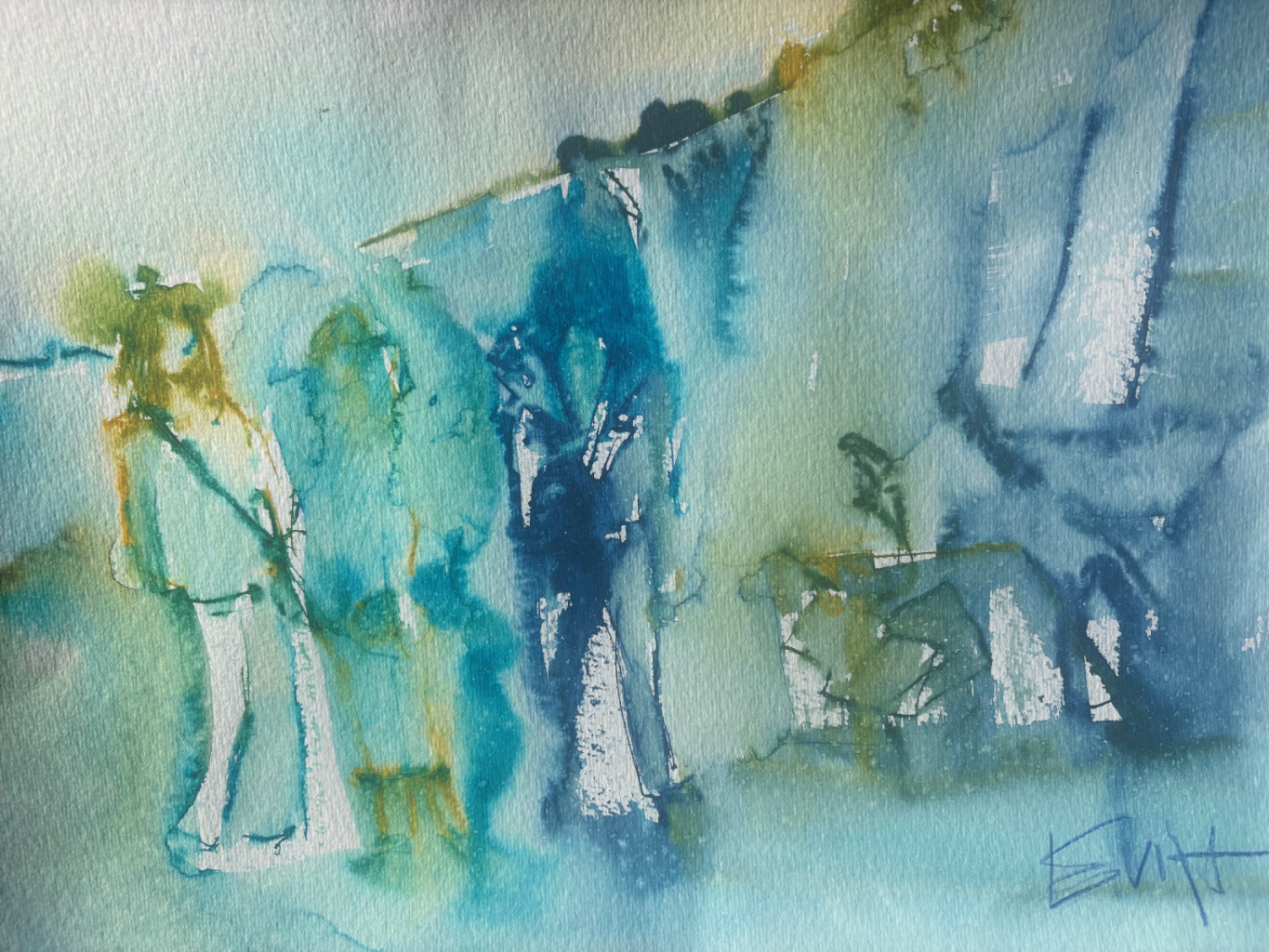
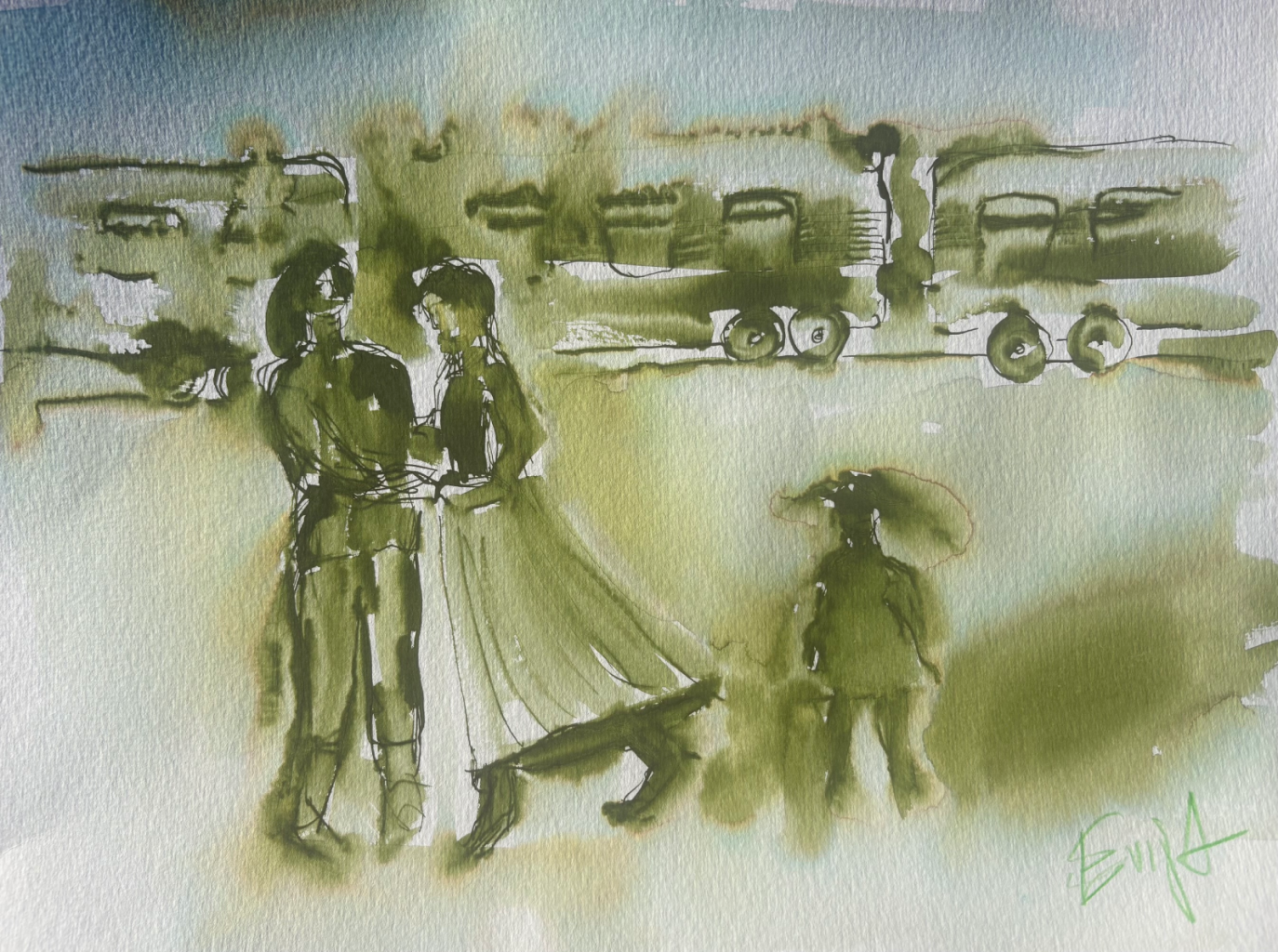
At the festival, the researchers set up the LALIFE Story Stop, inviting people to share their experiences of mutual support and initiatives they had undertaken themselves. Stories about what residents had achieved together were also recorded on a map, marking places that were meaningful to local people, including locations where residents had joined forces to carry out initiatives important to their community. Painter Evija Stirna captured people, places and activities in her sketches.
“Sketching makes it possible to notice things, relationships and patterns of movement that cannot always be expressed in words," says Stirna.
The researchers are interested not only in institutionally organised initiatives but also in less visible forms of everyday cooperation – how people help their neighbours, support one another in difficult times, and whom they turn to when they themselves need help.
Seeing Cooperation Where It Happens
Alongside interviews, participant observation is an important part of ethnographic research: researchers are present in the settings and activities they study. The Positivity Festival offered an opportunity to talk with people in their own environment and gain a better understanding of the everyday context that the researchers also explore through interviews.
“In an interview, people can tell us about their experiences, but being there in person allows us to understand the circumstances in which those experiences take shape much better. Conversations gain a different depth when you become familiar with the place, the people and the activities they are talking about,” says LALIFE researcher Grīviņa.
Different groups within the local community volunteered to help make the festival happen. They included young people and children, local organisations, seniors, as well as residents of the Viļāni group home and day care centre. Some had helped create decorations for the event, while others displayed their handmade work, organised activities, or contributed to the festival in other ways.
“It was wonderful to see such a diverse range of local people willing to get involved. There was a sense that everyone had a place – you could come with what you know how to do and what you want to contribute to others, and together create the event through your own efforts,” says Grīviņa, reflecting on her impressions.
From Individual Stories to a Broader Picture
What the researchers heard in the Rēzekne Region forms one part of the wider LALIFE fieldwork in Latgale. The project seeks to better understand how cooperation and mutual support take shape in people’s everyday lives. Who are people willing to help in difficult times? To whom would they turn to for help? How do people come together to take collective action? These are some of the broader questions that the researchers will explore from different perspectives through conversations with local people and surveys. Fieldwork will continue in other parts of Latgale as the project progresses.
“It is important for us not to enter the research with preconceived ideas about how people in Latgale live and cooperate. We can only understand this by talking with people themselves and listening to different experiences and perspectives," emphasises project leader and RSU lead researcher Ieva Puzo.
The project Caring for Democracy: Life-Making Practices in Geopolitical Uncertainties (LALIFE), No. lzp-2025/1-0625, is funded by the Latvian Council of Science under the Fundamental and Applied Research Programme. The project runs from 1 January 2026 to 31 December 2028 and is led by Ieva Puzo, lead researcher at the RSU Faculty of Social Sciences.
Related news
 RSU hosts CNRS/EHESS Centre for Russian, Caucasian, East European and Central Asian StudiesResearch, International Cooperation