From herbal teas to innovative dosage forms: Faculty of Pharmacy researchers at Researchers’ Night
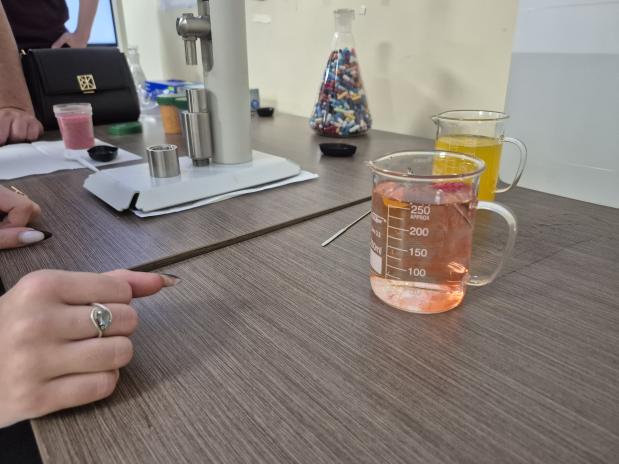
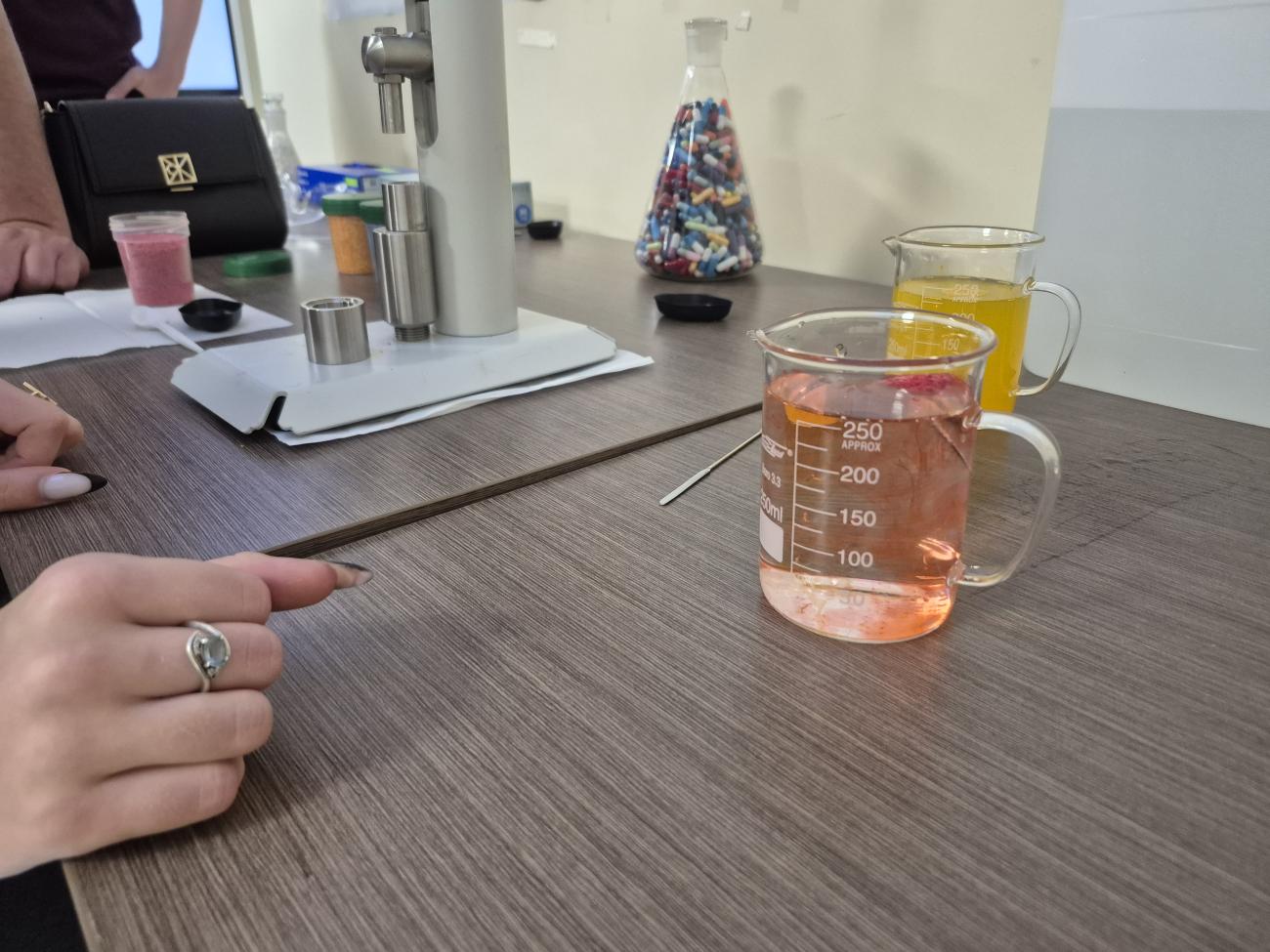
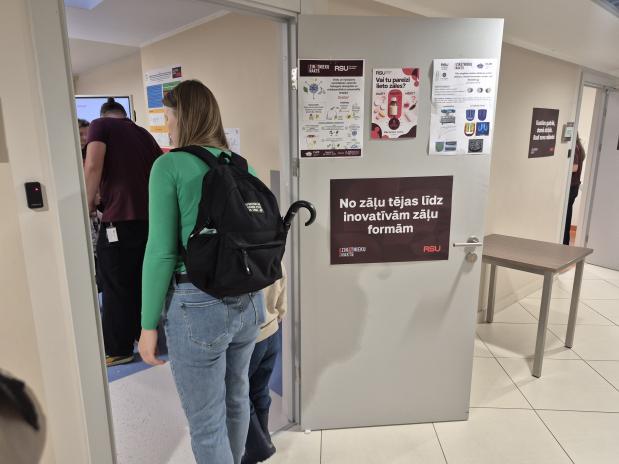
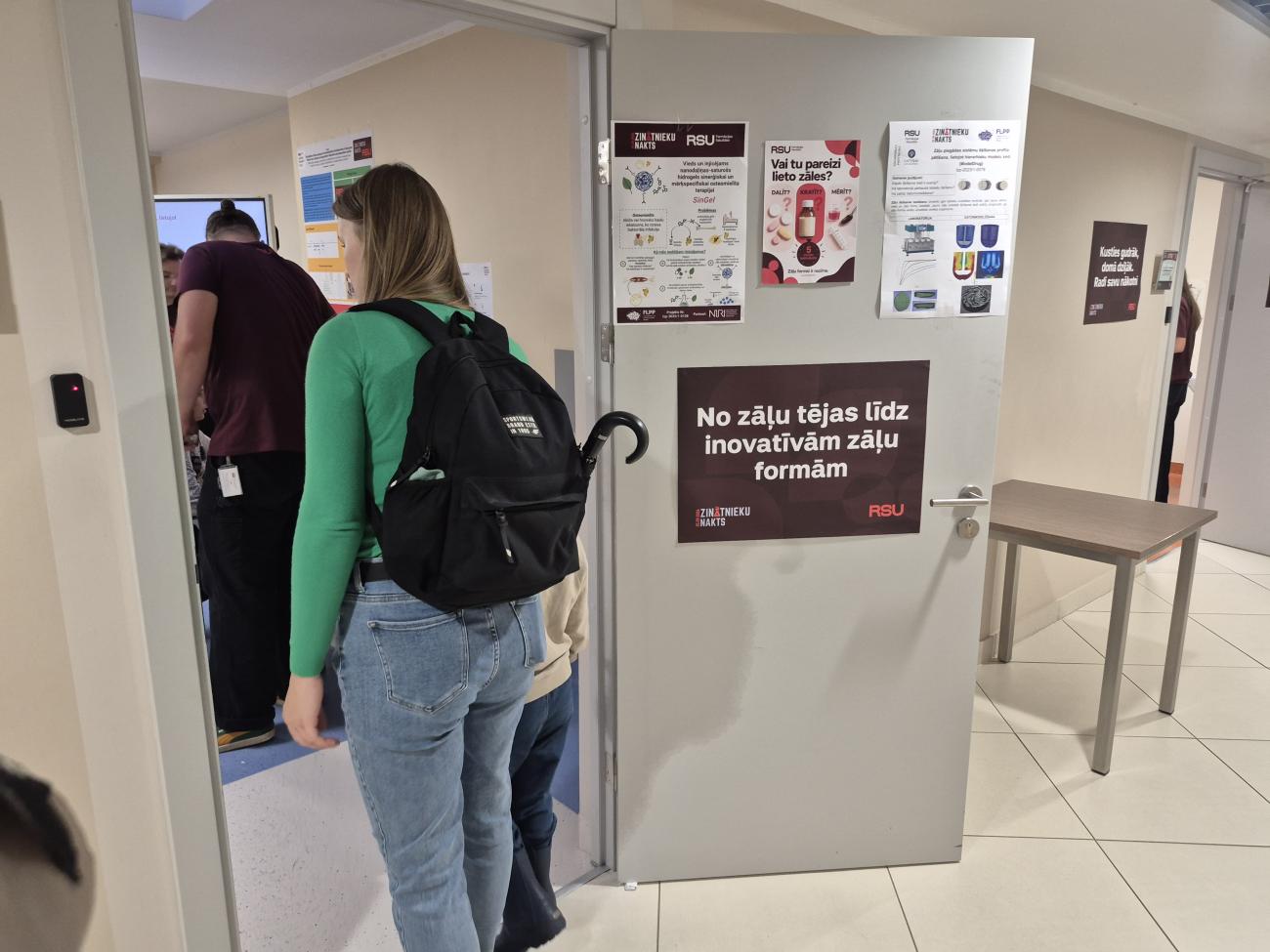
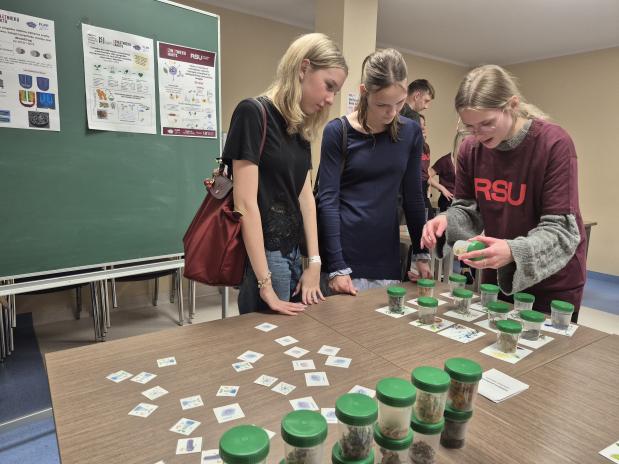
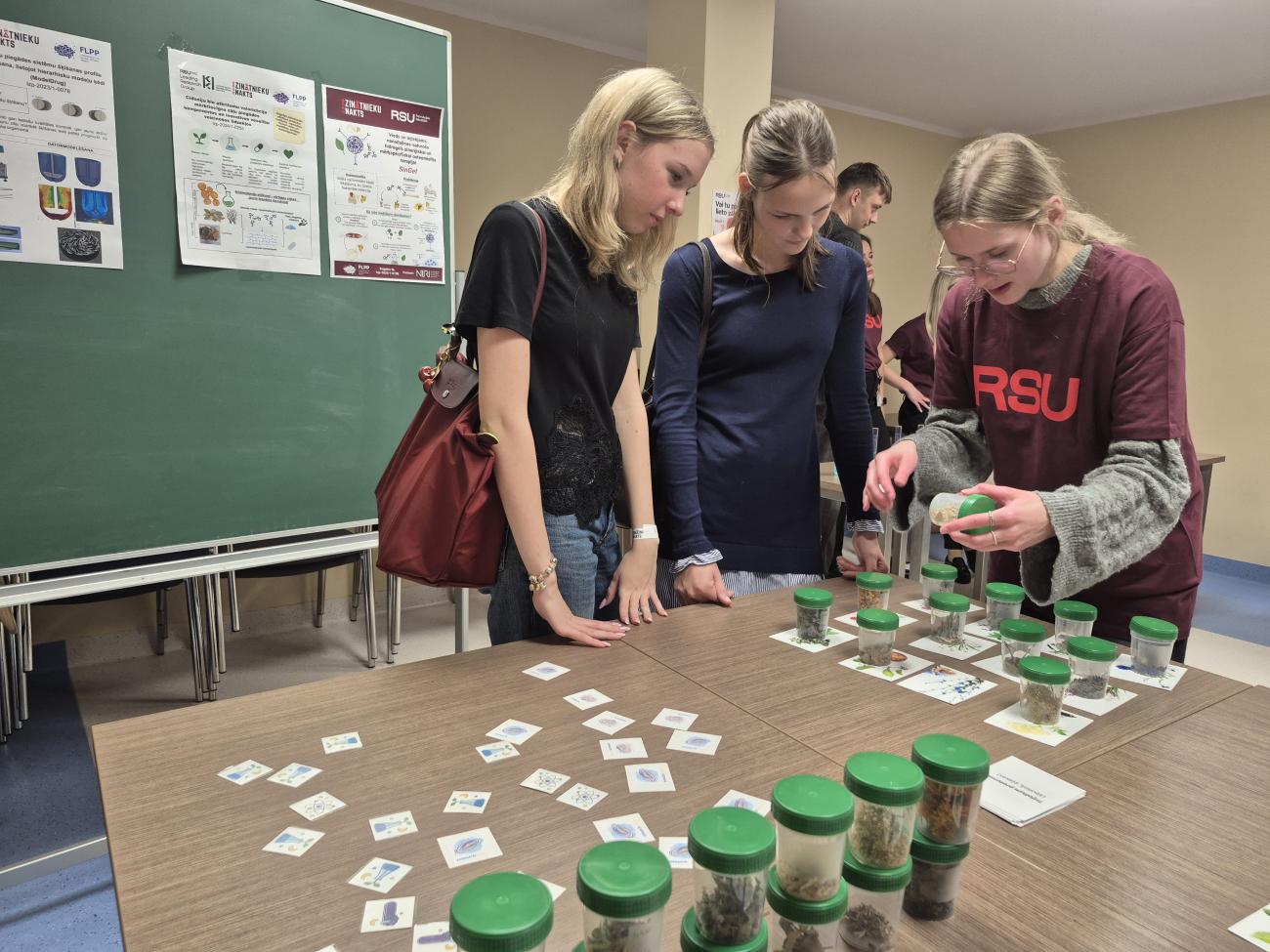
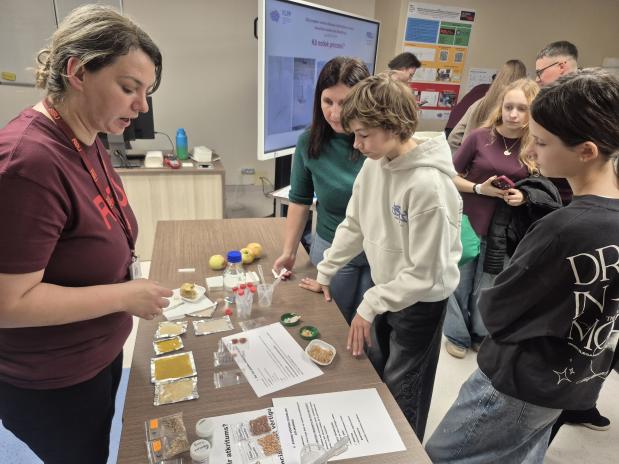
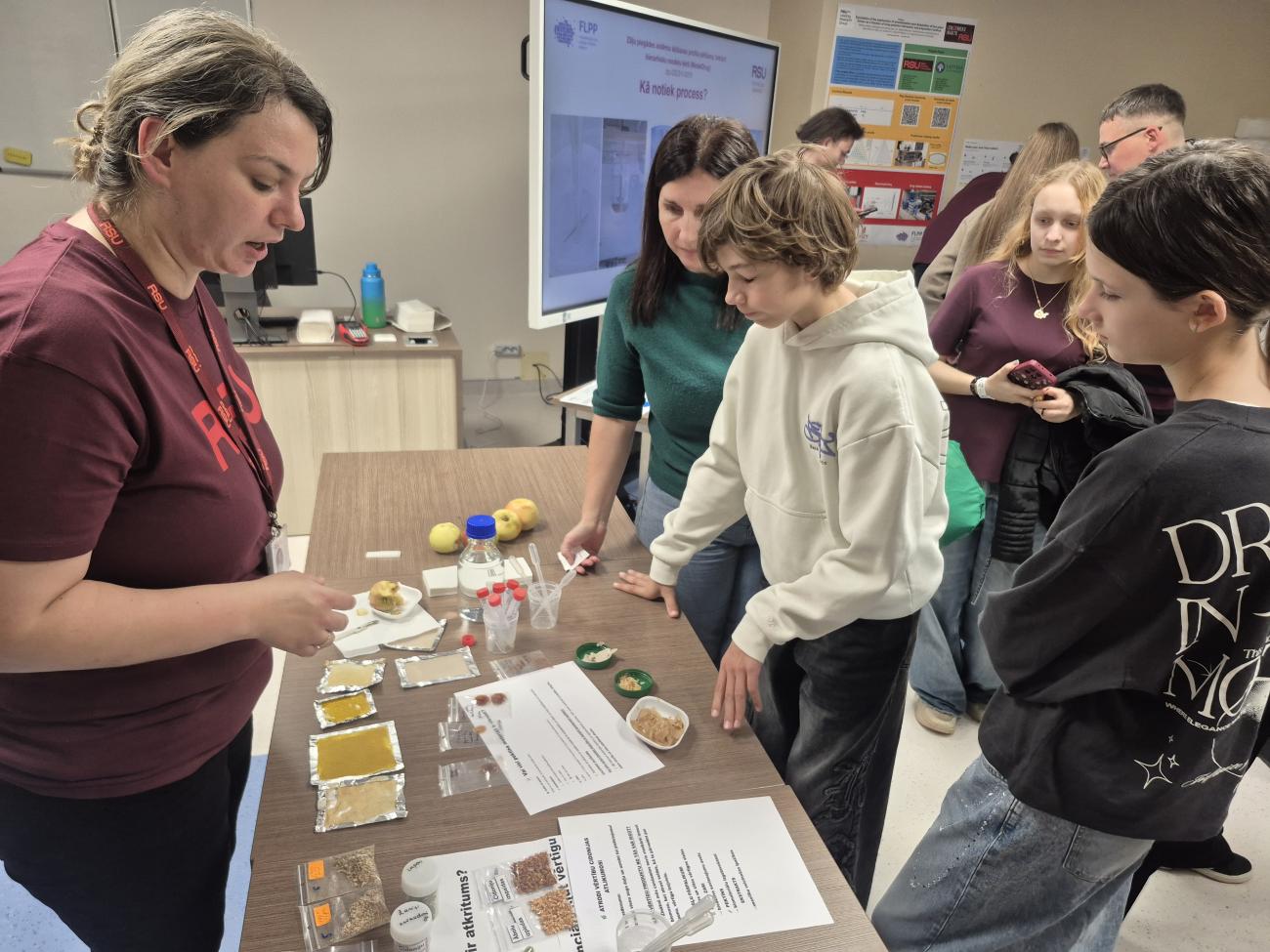
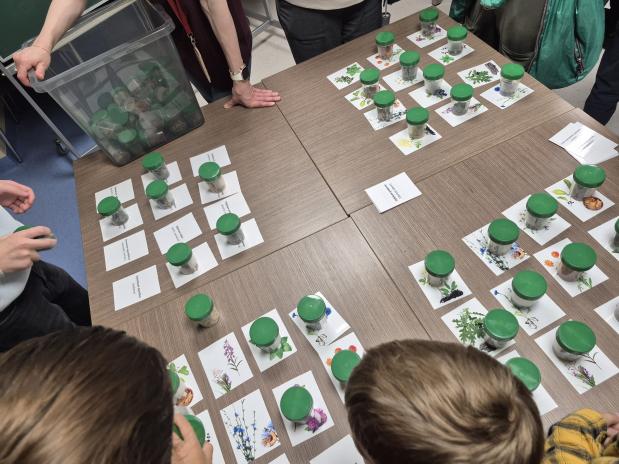
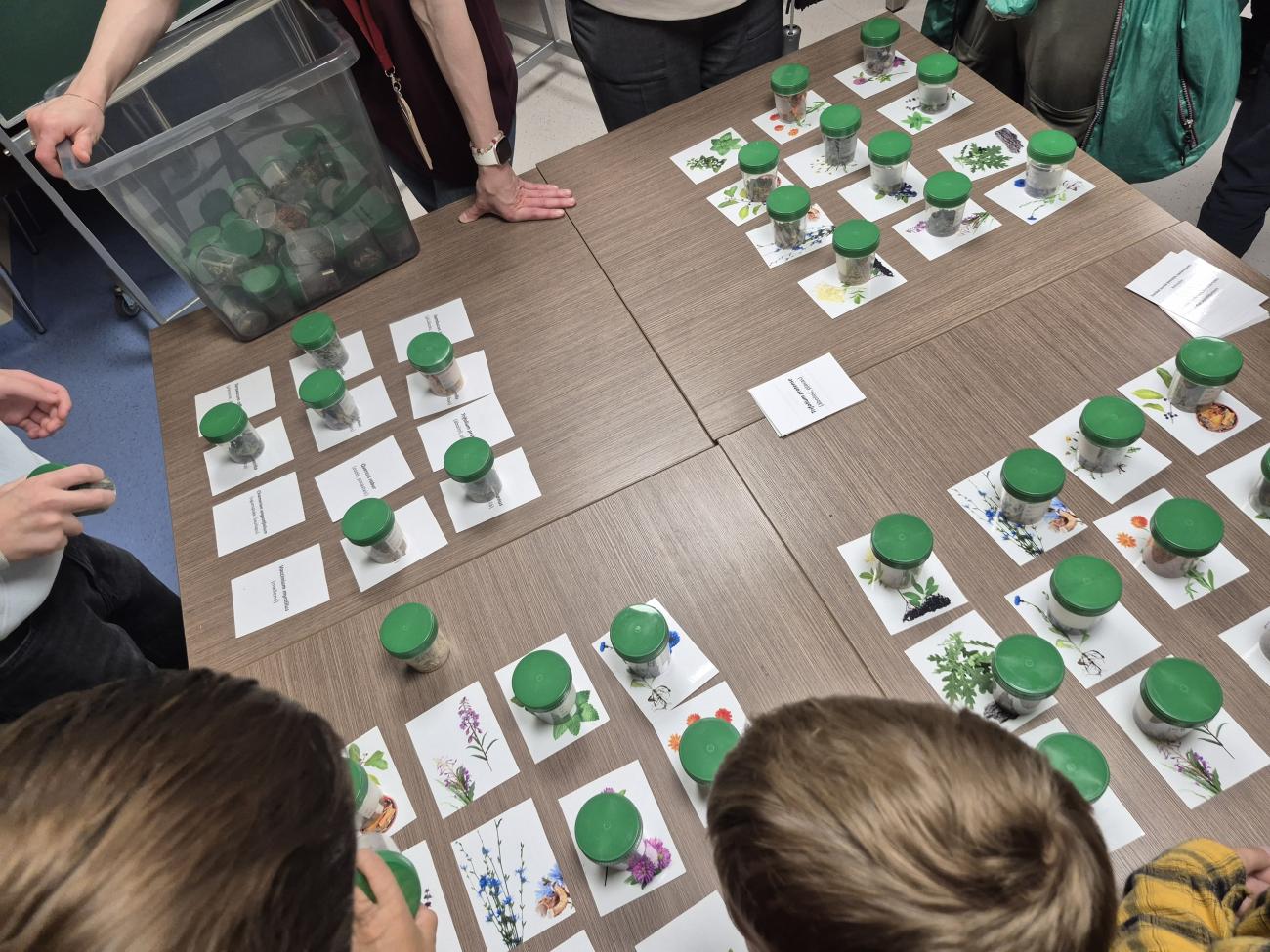
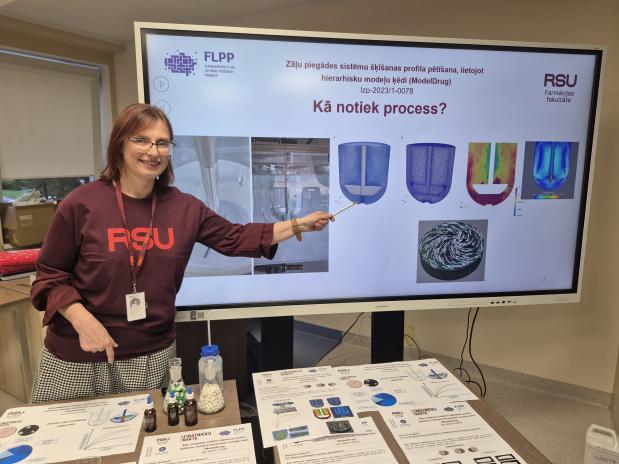
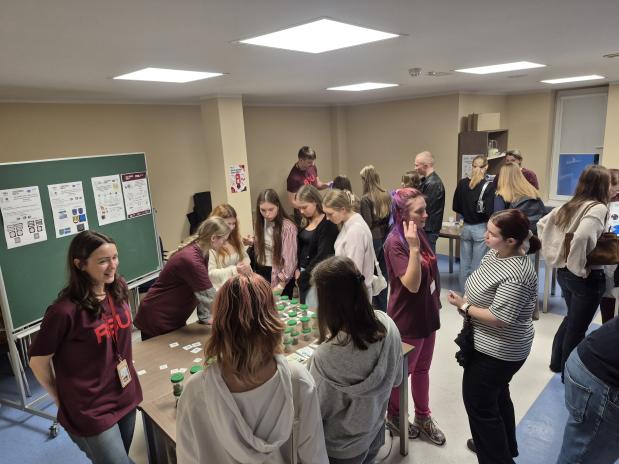
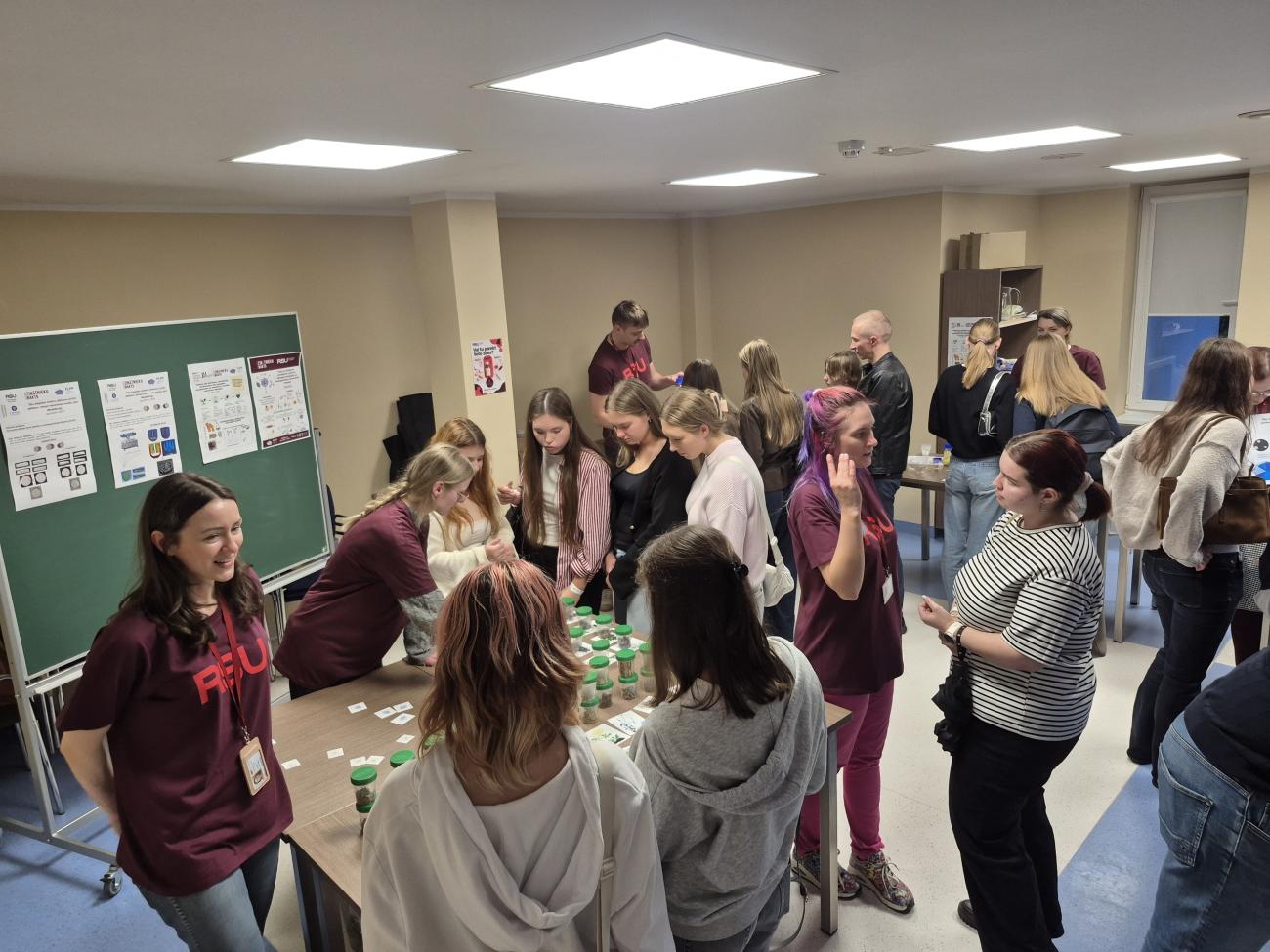


What do quince pomace, herbal tea, an effervescent tablet and an injectable hydrogel have in common? The answer could be found at the Rīga Stradiņš University (RSU) Faculty of Pharmacy section “From herbal tea to innovative dosage forms” at Researchers’ Night. Visitors could not only learn about research projects carried out at the Faculty, but also experiment themselves – discover value in what might otherwise be considered biowaste, identify medicinal plants, make an effervescent tablet, compare how different tablets dissolve and test their knowledge of the correct use of medicines.
Research at the Faculty of Pharmacy spans very different scales – from plant parts and naturally derived compounds to dosage forms, biomaterials and novel drug delivery systems.
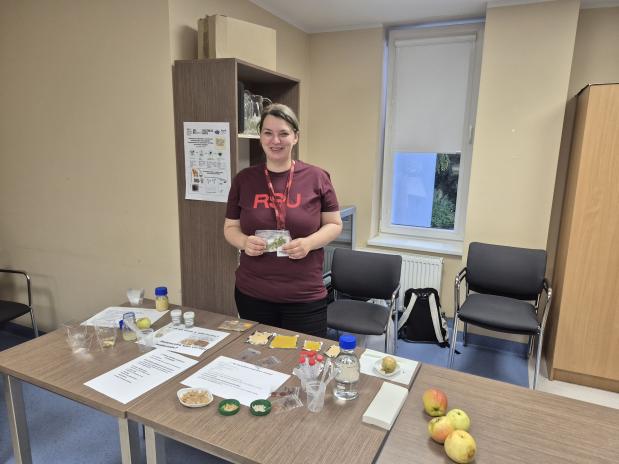
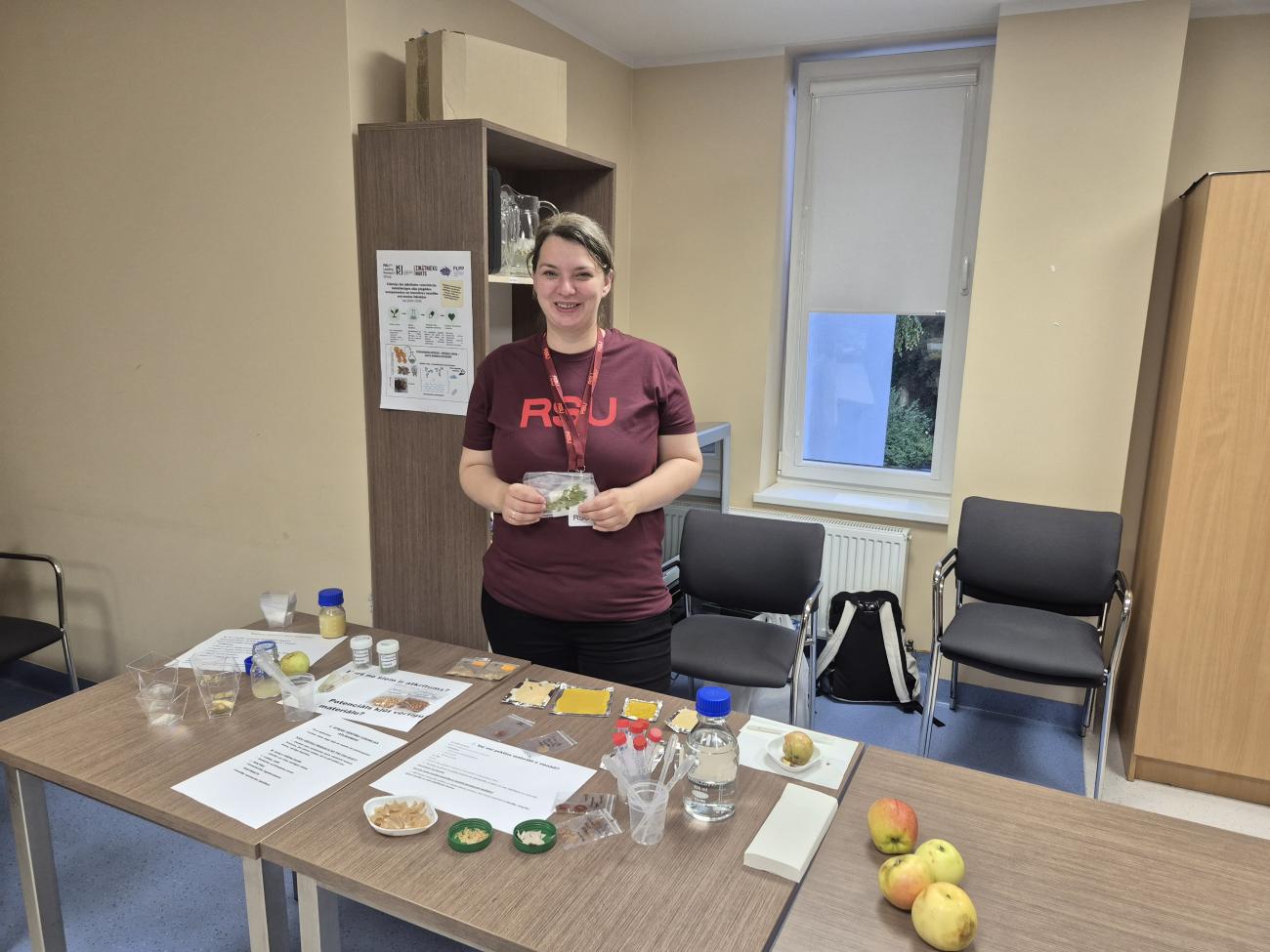
Līga Pētersone’s study Quince biowaste valorization into targeted drug delivery components and innovative health-promoting agents focuses on how residues from Chaenomeles processing can be used to obtain pharmaceutically valuable compounds and new excipient materials, contributing to the sustainable and efficient use of biological resources in pharmacy. Fruit pomace can be a source of pectin, which can be used to produce biomaterials, while the leaves and twigs also contain bioactive compounds that can be put to further use. At Researchers’ Night, visitors could see this process in a very tangible way: the table displayed plant parts and pomace alongside materials obtained at different stages of processing, inviting visitors to consider which of them could be regarded as waste and which have the potential to become valuable materials.
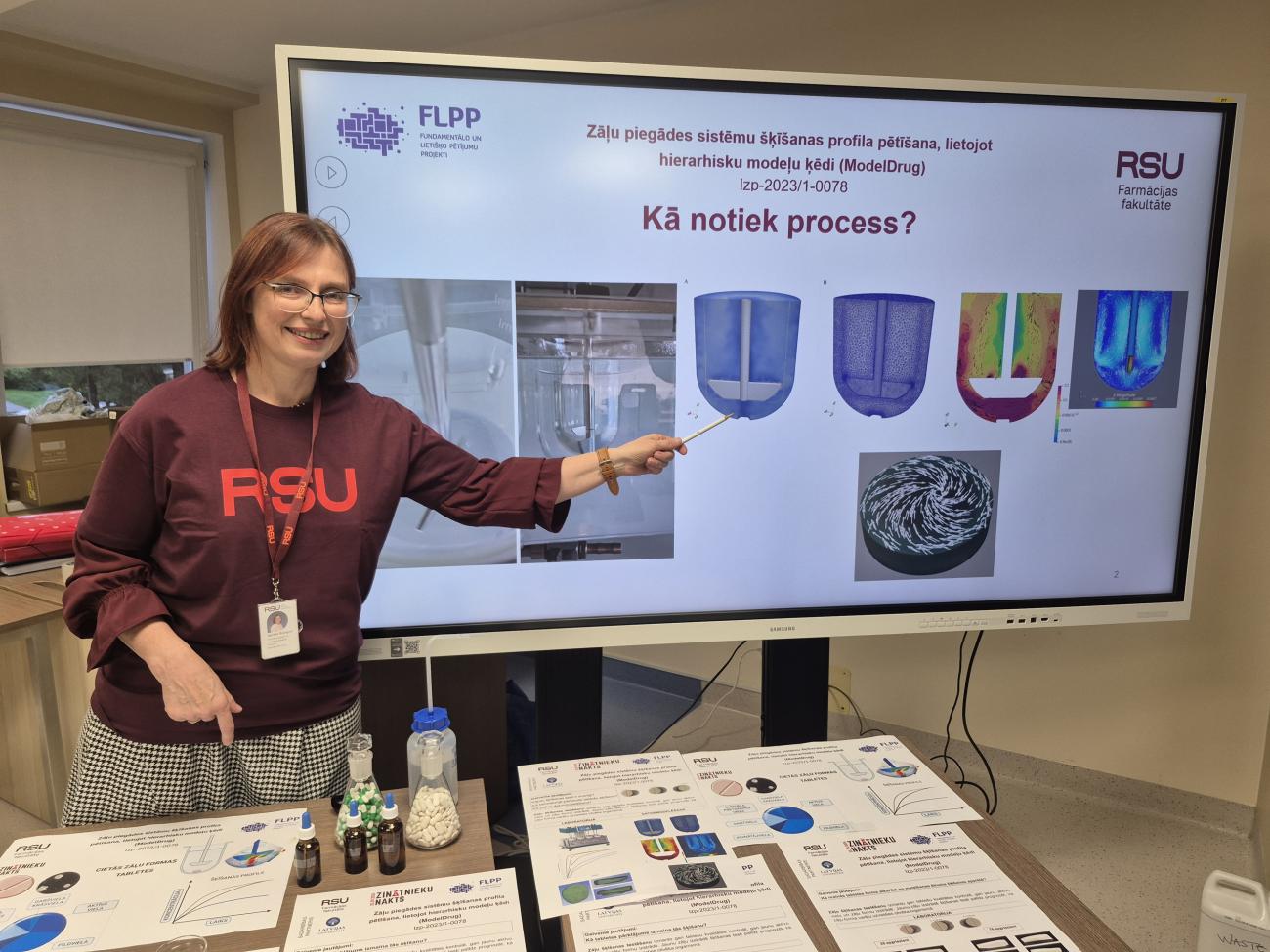
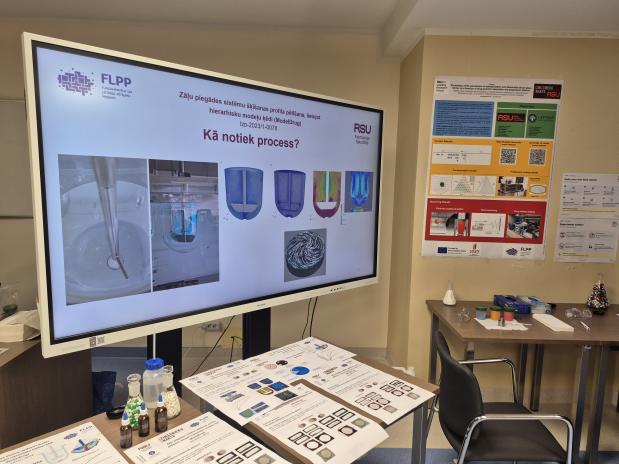
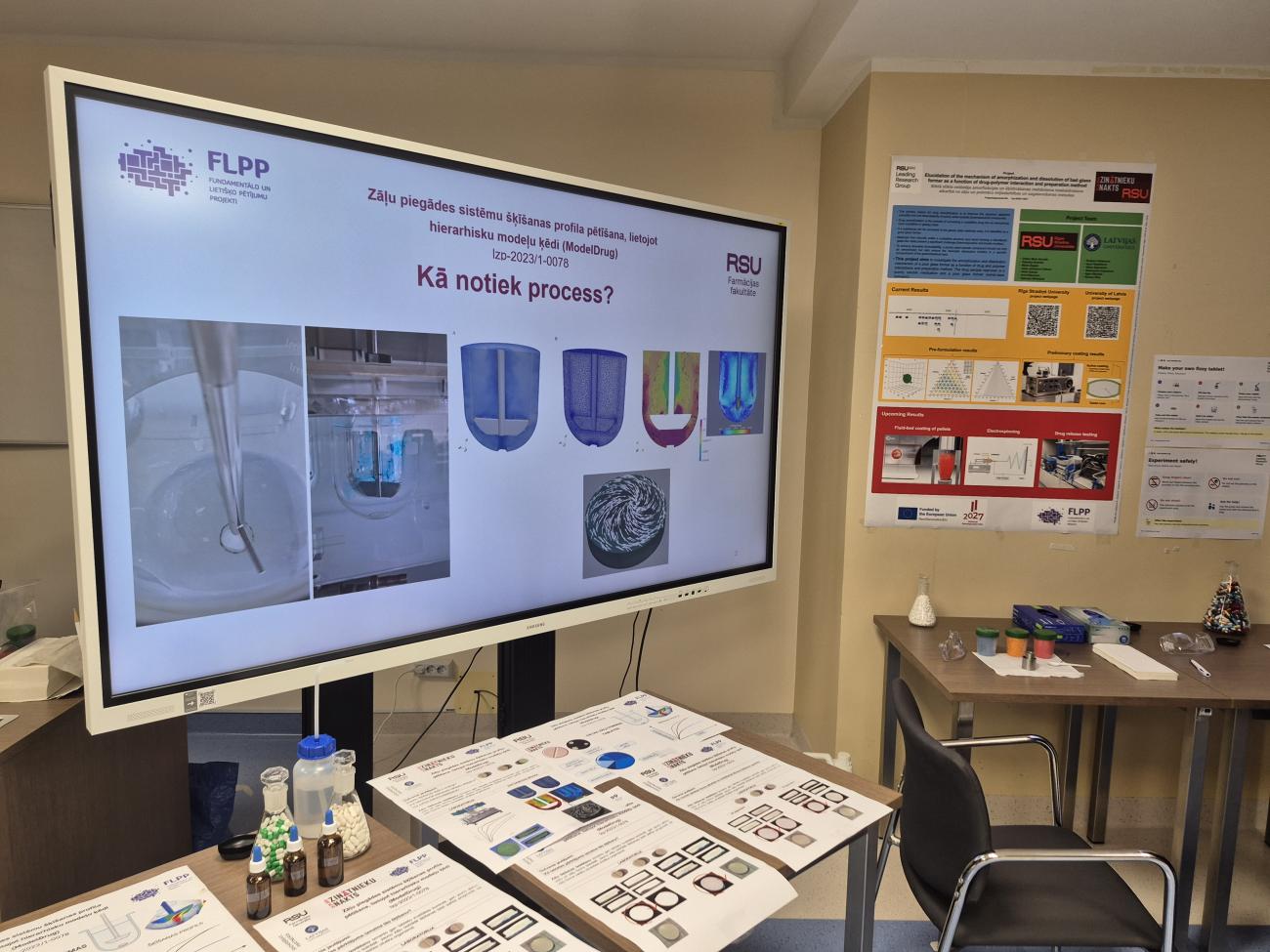
In the ModelDrug project, Agnese Brangule studies tablet dissolution and how it is affected by experimental conditions and by fluid flow around a tablet. The project combines laboratory dissolution experiments with computational modelling to better understand how an active pharmaceutical ingredient is released from a tablet and how dissolution tests used in both pharmaceutical quality control and the development of new dosage forms can be improved. At Researchers’ Night, visitors could watch a video showing how tablet dissolution experiments are carried out in the laboratory, explore the results of computational fluid flow modelling and, in a hands-on activity, compare how different tablets dissolve in water and in media with different pH levels.
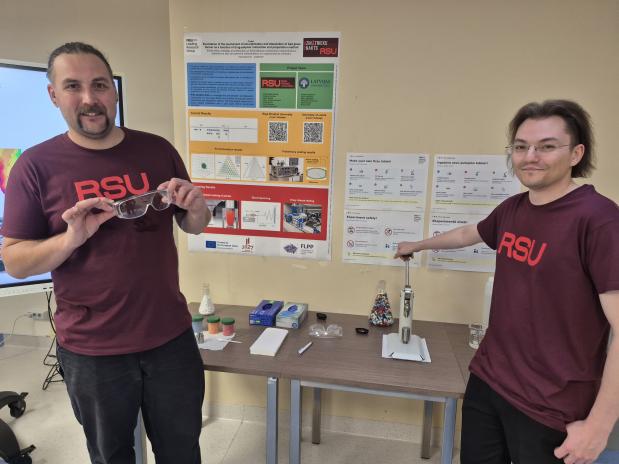
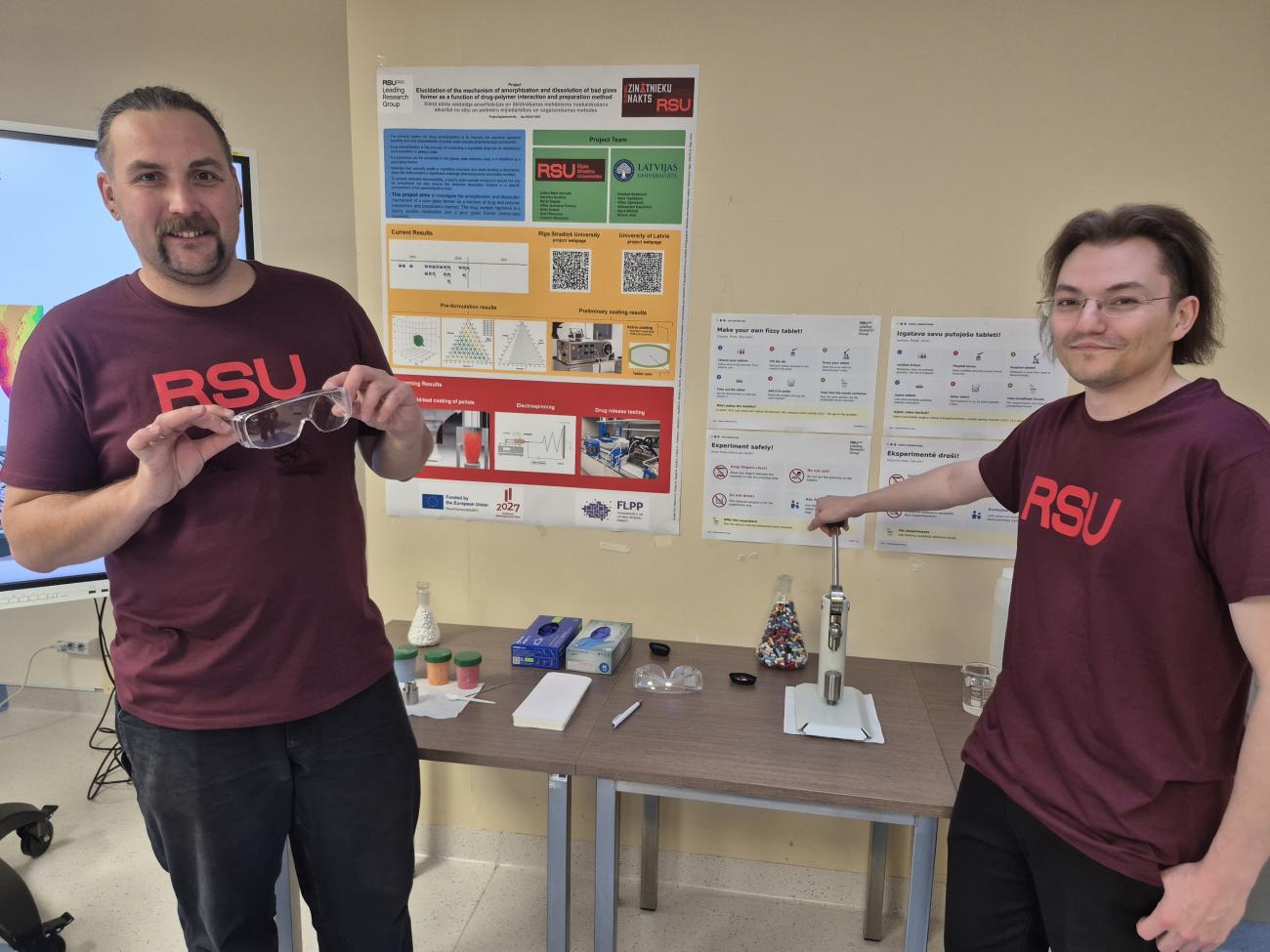
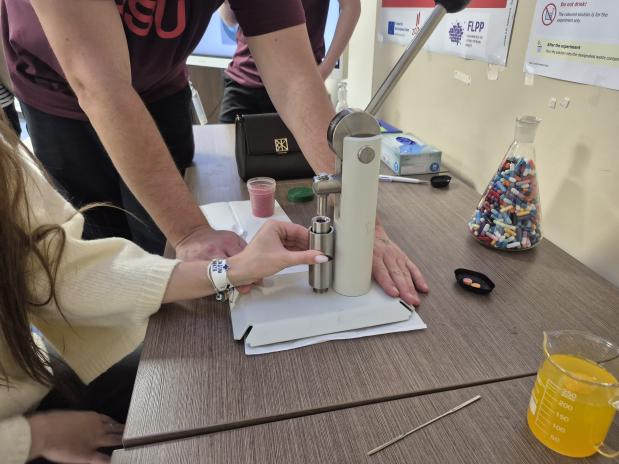
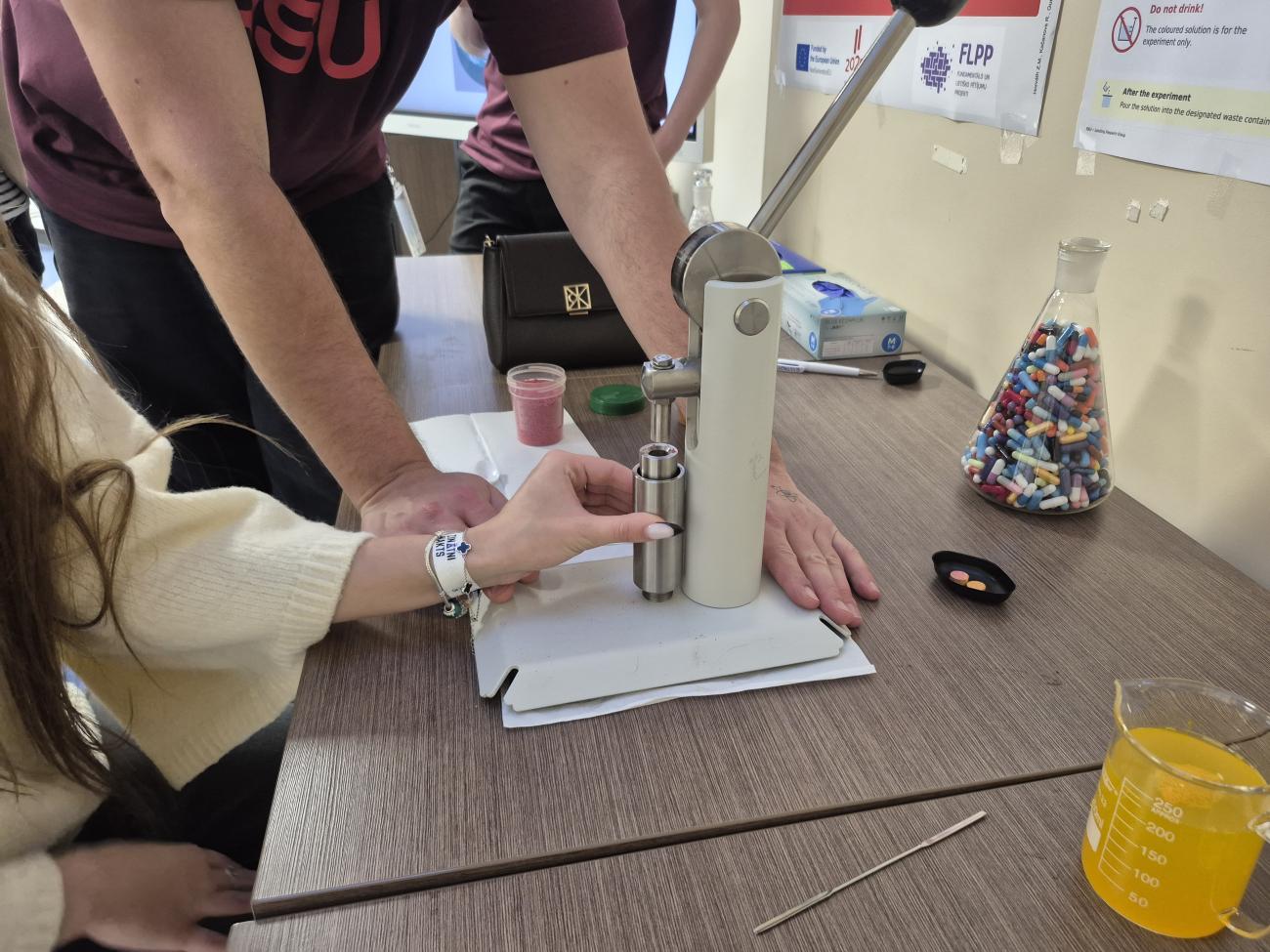
Nearby, visitors could explore the making of a dosage form even more directly by producing their own effervescent tablet. They could see how a prepared powder is compressed into a tablet and then watch their own tablet dissolve in water. The activity was also supported by chemist Zoltán Márk Horváth. He is one of the researchers involved in a project presented alongside the workshop that investigates interactions between pharmaceutical excipients, solvents and poorly soluble drugs such as naproxen, as well as ways of converting drug substances into a non-crystalline form to improve their solubility.
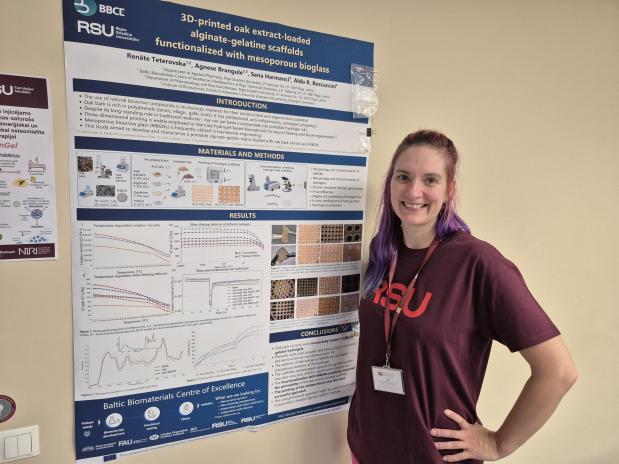
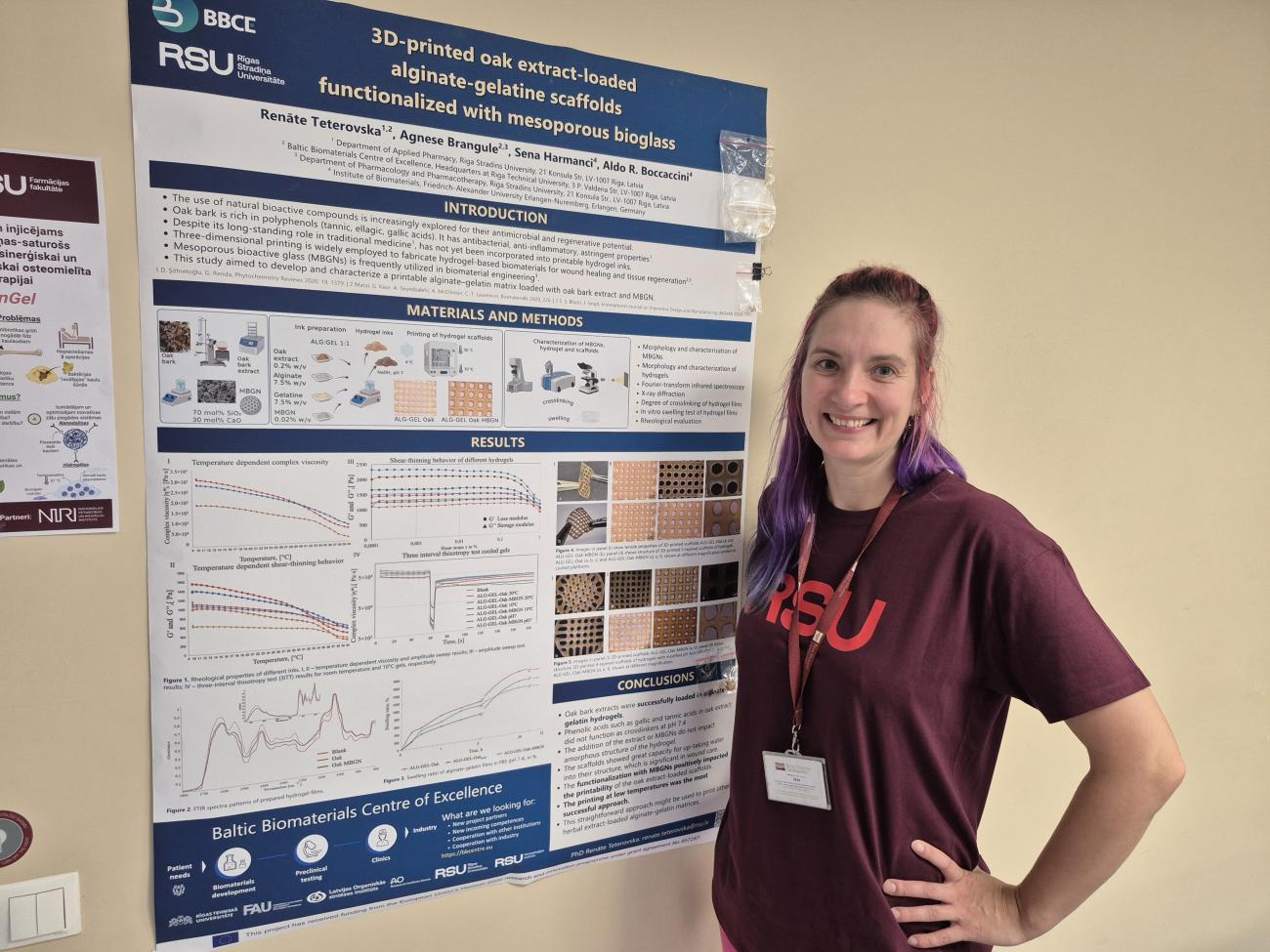
Research at the Faculty of Pharmacy also extends to novel biomaterials and drug delivery solutions. In the SinGel project, researchers are developing a smart injectable nanoparticle-loaded hydrogel for targeted treatment of osteomyelitis, an infection of bone tissue, while the Baltic Biomaterials Centre of Excellence (BBCE) project advances research in biomaterials. Visitors to Researchers’ Night could learn about these research areas through the project displays and information materials.
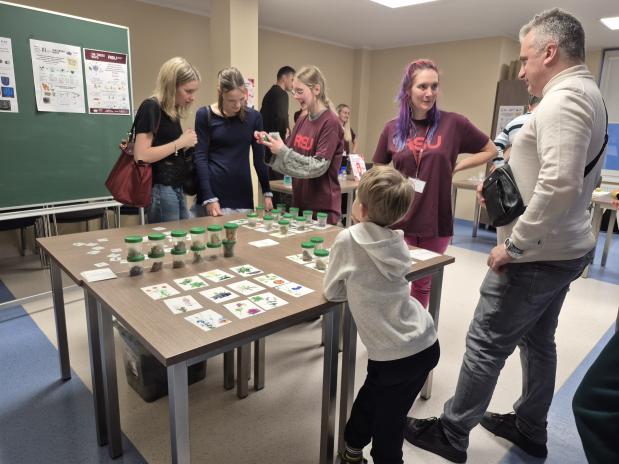
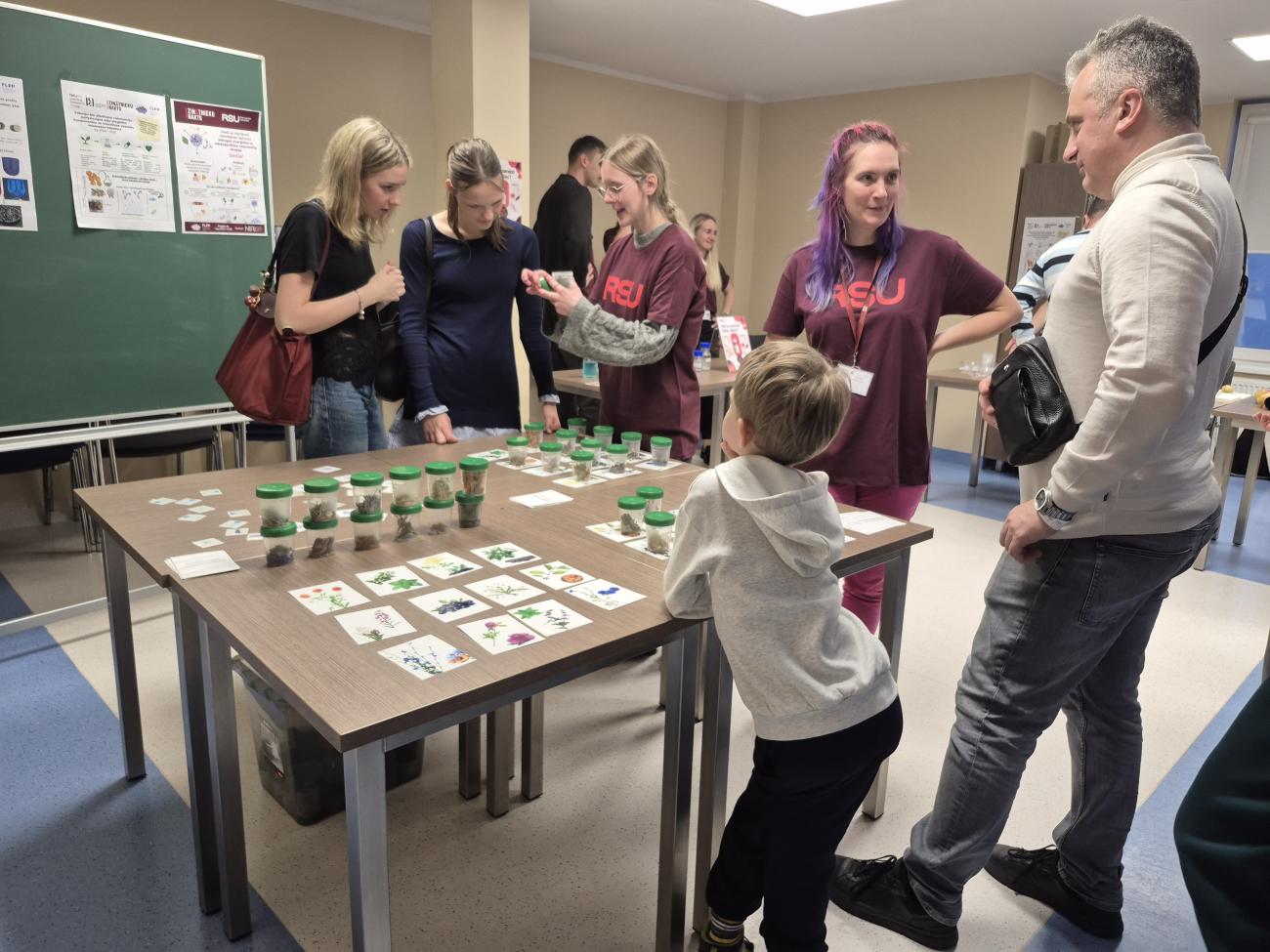
The herbal tea in the section’s title could also be explored hands-on. Visitors smelled dried medicinal plant materials and tested their knowledge by matching them with the correct plant images and their names in Latvian and Latin.
Meanwhile, the activity “Are you using your medicines correctly?” brought the focus to situations encountered in everyday life. How precise is an instruction to take “one tablespoon” if tablespoons themselves can vary considerably? Can every tablet be broken in half? Visitors could find out what to pay attention to when using medicines correctly and see why liquid medicines need to be shaken before use.
A wider team of Faculty of Pharmacy researchers, academic staff and other representatives contributed to developing and running the Faculty’s Researchers’ Night activities held at the RSU Medical Education Technology Centre (METC). The event provided an opportunity to approach complex questions in pharmaceutical research through things visitors could pick up, smell, make or test themselves. Behind these simple experiments, they could discover some of the research taking place every day at the RSU Faculty of Pharmacy.
The projects represented at Researchers’ Night are implemented with either national or international funding. The projects “Quince biowaste valorization into targeted drug delivery components and innovative health-promoting agents” (No. lzp-2024/1-0255), “Hierarchial model approach and experimental validation for typical drug discovery system dissolution profile predictions (ModelDrug)” (No. lzp-2023/1-0078), “Elucidation of the mechanism of amorphization and dissolution of bad glass former as a function of drug-polymer interaction and preparation method” (No. lzp-2024/1-0037), and “Smart injectable nanoparticle-loaded hydrogel for synergic and targeted treatment of osteomyelitis (SinGel)” (No. lzp-2025/1-0108) are funded by the Latvian Council of Science under the Fundamental and Applied Research Programme. The “Baltic Biomaterials Centre of Excellence, Phase II” project (BBCE, No. 857287) has received funding from the European Union’s Horizon 2020 research and innovation programme.
Related news
 RSU hosts CNRS/EHESS Centre for Russian, Caucasian, East European and Central Asian StudiesResearch, International Cooperation