DeCrises Partners Discuss Public Participation in the Governance of the Green and Digital Transitions in Riga


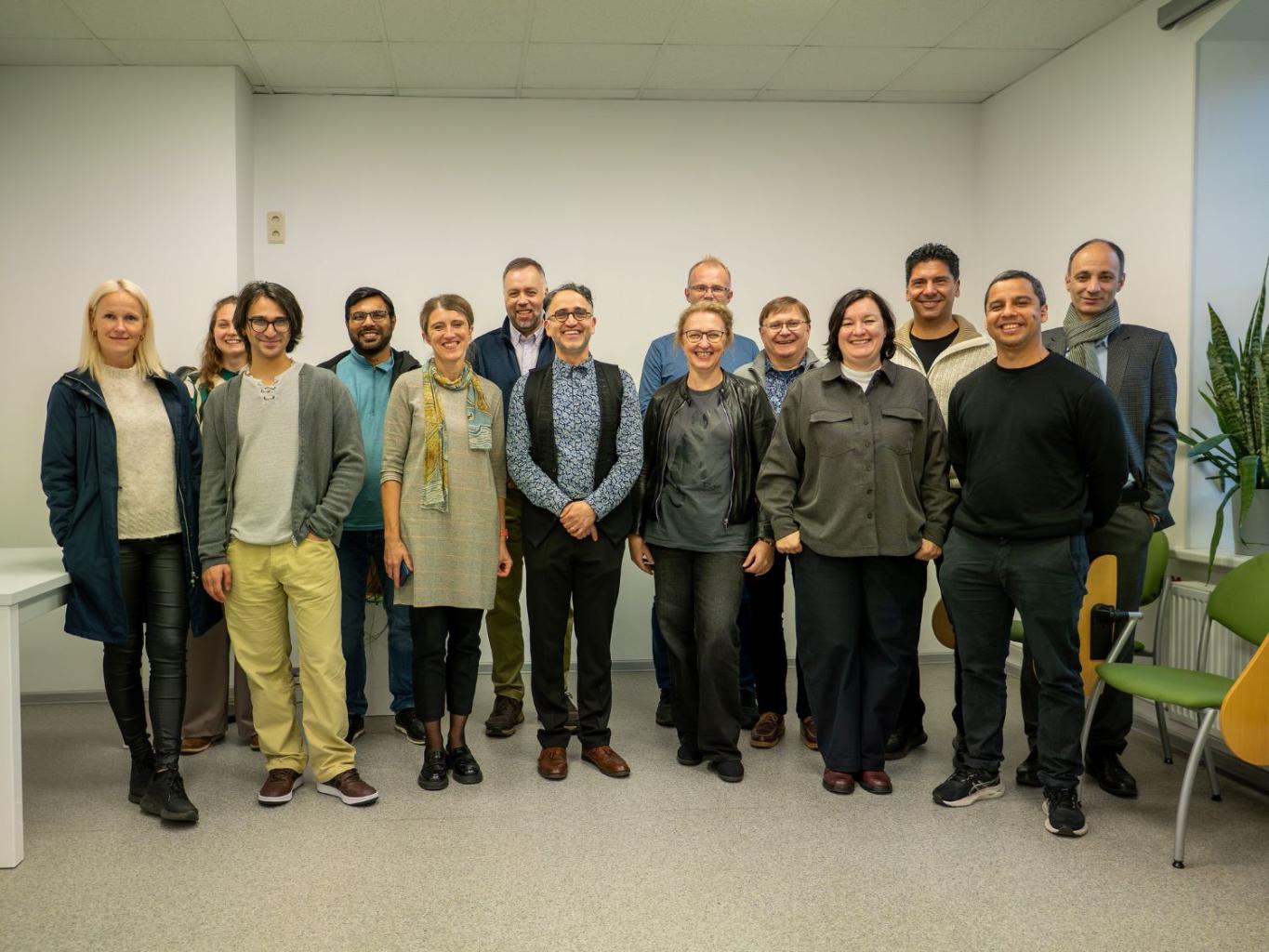
Photo: RSU
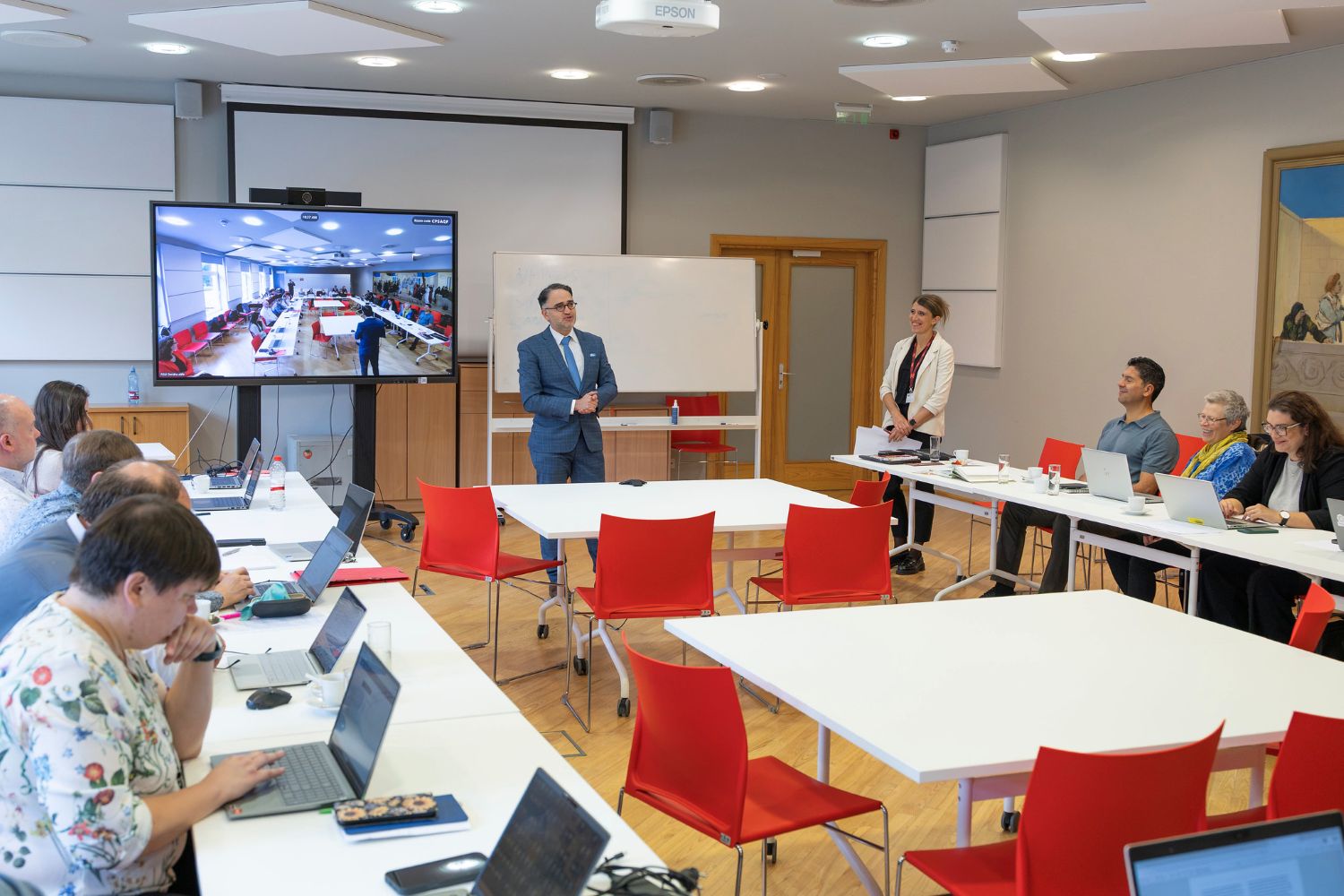
On 24–25 September, Riga Stradiņš University’s (RSU) Faculty of Social Sciences (FSS) and RSU Social Sciences Research Centre (SZPC) hosted partners of the international research project "EU Decarbonisation in Times of Crises: Exploring Social Innovations and Enhancing an Equitable Twin Transition" (DeCrises) to review progress in researching public participation in the governance of the green and digital transitions and discuss future research and collaboration.
The meeting brought together project partners from European universities and research organisations. The two-day programme included presentations on the results of the project’s work packages, discussions on policy recommendations and the next stages of the project, and an exploration of the role of community-led initiatives in governance.
From a Conceptual Framework to Practical Solutions
The DeCrises project explores how multilevel governance and public participation can be strengthened to ensure that the green and digital transitions are not only sustainable but also fair and inclusive. A key focus is how social innovations led by communities and other societal actors can be meaningfully incorporated into decision-making processes.
RSU makes a significant contribution to this work by leading the project’s first work package, which focuses on conceptualising multilevel governance. This work examines how different levels of governance – European, national, regional and local – are interconnected, and how public participation and social innovation can be fostered in processes related to climate and digital change. The work completed so far provides a foundation for the next stage, which will place greater emphasis on translating research findings into practical solutions and policy recommendations.
One of the project’s key findings is that formal opportunities to participate in decision-making are not enough to ensure effective democratic governance. What matters more is whether stakeholders have the actual capacity to influence decisions and their outcomes. This capacity depends not only on the institutional position of organisations and individuals, but also on available resources, knowledge, experience, networks and the ability to sustain engagement over time.
According to DeCrises project lead at RSU Vineta Kleinberga, one of the key challenges of multilevel governance is not the lack of opportunities to participate, but the unequal capacity to make use of them. Although organisations, municipalities and communities are invited to contribute to the development of green and digital policies, influence in practice often remains concentrated among those with greater access to knowledge, time, human resources and funding.
“We often assume that participation automatically leads to influence. However, the project’s findings show that a significant gap remains between having the opportunity to participate and being able to influence decisions.
The quality of governance depends not only on who is at the table, but also on who can influence the outcome of the discussion,” explains Vineta Kleinberga.
Midterm Meeting: Findings, Discussions and Next Steps
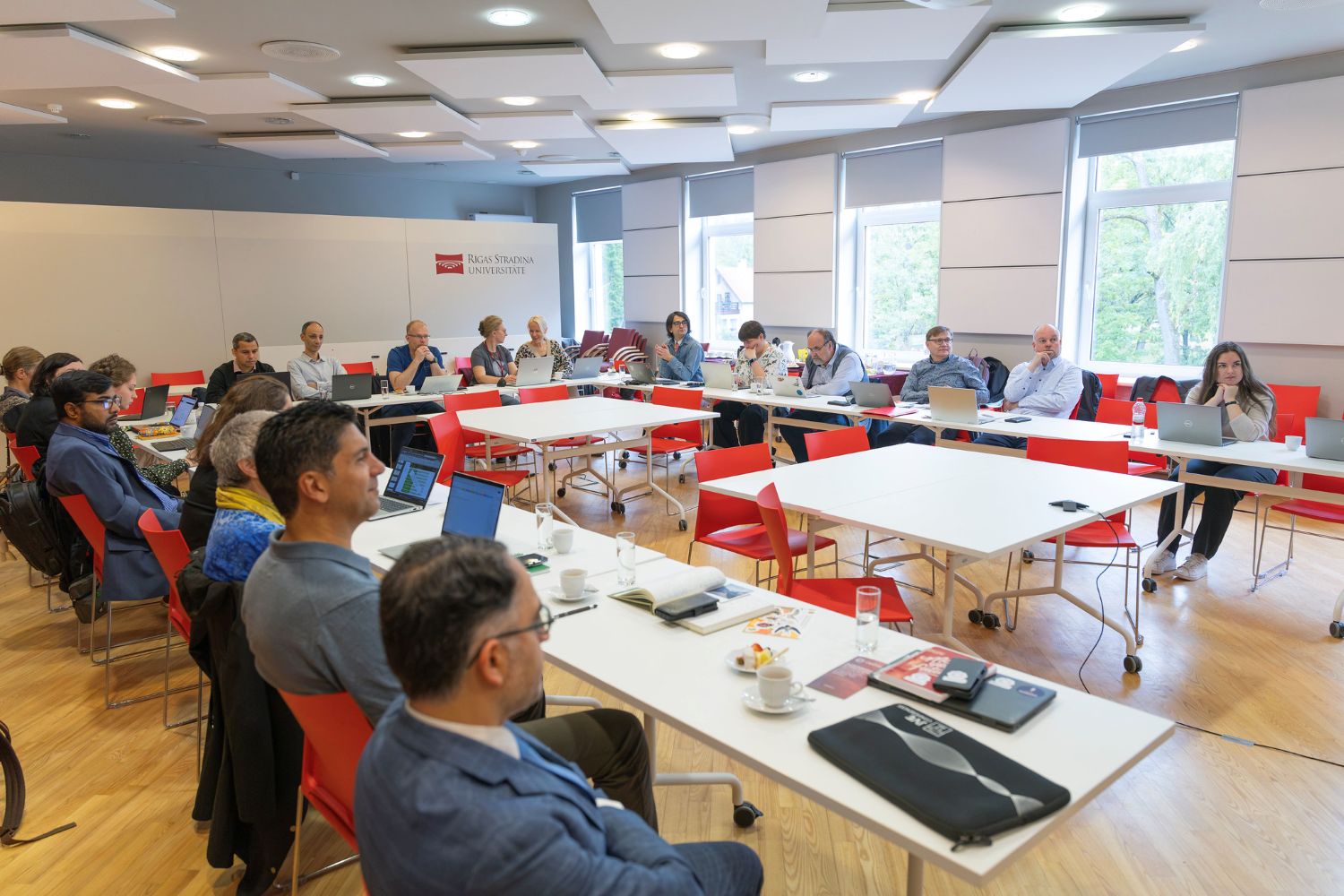
On the first day, project partners presented and discussed the results achieved so far across the first four work packages. Topics included the theoretical approach to analysing multilevel governance; the green and digital transitions from a regional perspective and innovative collaboration initiatives; challenges in implementing the European Green Deal and the EU Digital Strategy in the context of multilevel governance; and community-led social innovations examined through the project’s four case studies.
Particular attention was given to policy recommendations and decision-making pathways that could help strengthen democratic and inclusive governance. Discussions also addressed gender inclusion.
On the second day, partners discussed the project’s communication and dissemination activities, as well as management and coordination. The programme also included a workshop on a planned book in which the project researchers will bring together the project’s findings.
The meeting provided an opportunity not only to review progress, but also to agree on the next steps to help translate the research findings into recommendations for strengthening public participation and governance.
Four Case Studies Exploring Change in Practice
DeCrises examines four community-led social innovation initiatives in the Baltic Sea region to understand how they operate in different contexts and how the experience they generate can be incorporated into multilevel governance processes.
- Green Region Vestland, Norway. A regional initiative bringing together businesses, municipalities and other stakeholders to promote the green and digital transitions and develop sustainable solutions.
- Fingrid Datahub, Finland. A centralised data exchange system for the electricity retail market, providing an opportunity to examine the role of digital solutions and cooperation among stakeholders in energy governance.
- Potęgowo Municipality, Poland. An example of how renewable energy production and its digital monitoring can support regional energy security and cooperation between the municipality, businesses, researchers and residents.
- Riga neighbourhoods, Latvia. This case study explores the role of neighbourhood initiatives and the Riga Neighbourhood Alliance in engaging civil society in urban planning and governance.
Šīs dažādās iniciatīvas ļauj salīdzināt, kā dažādās vietās tiek īstenota zaļā un digitālā pāreja, kādi faktori palīdz vai traucē vietējām iniciatīvām un kā stiprināt sabiedrības iespējas piedalīties lēmumu pieņemšanā.
The Riga Neighbourhood Alliance: Local Initiatives and Opportunities for Real Influence
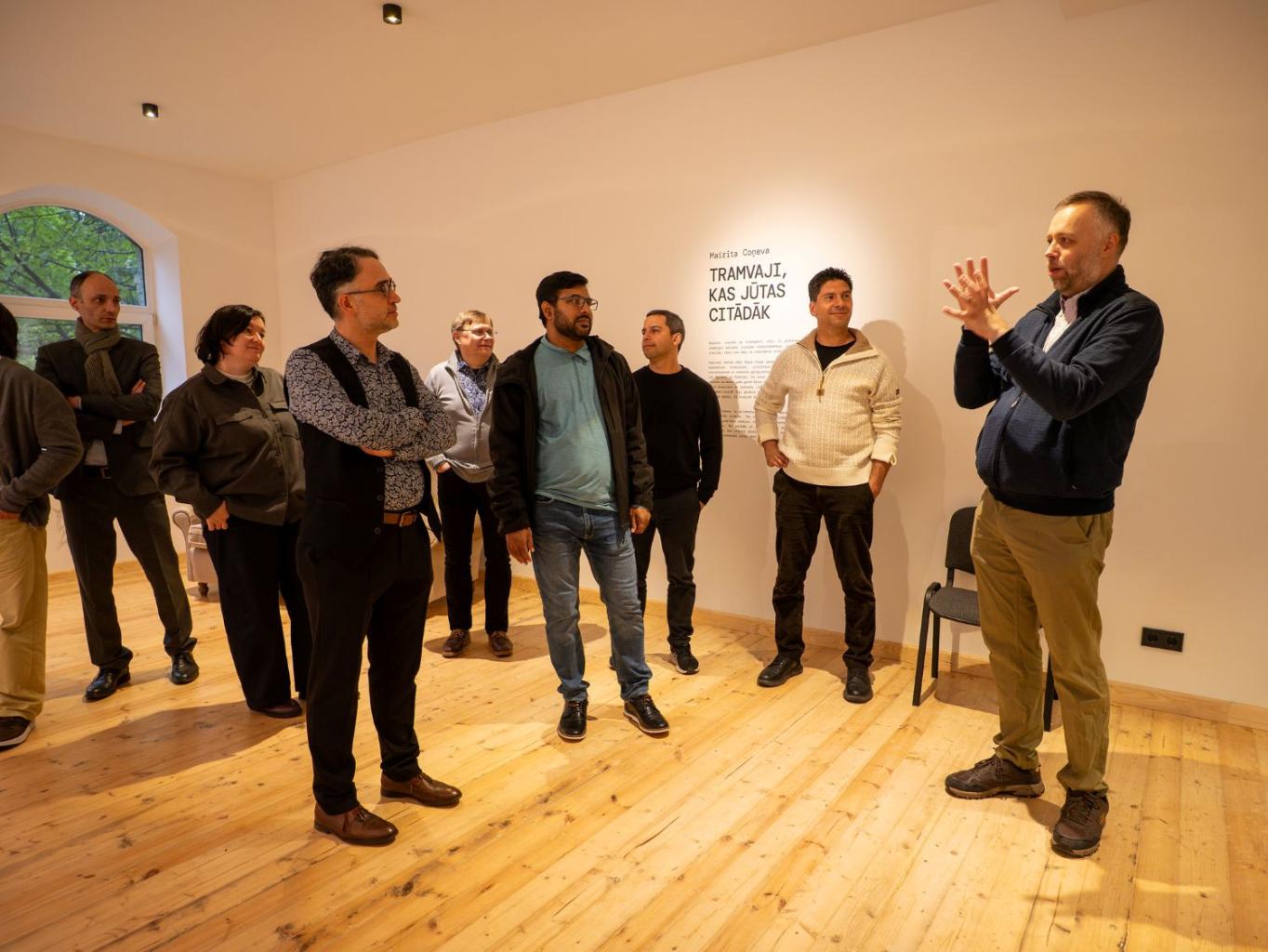
At the end of the meeting, project partners visited the Riga Neighbourhood Alliance, one of the project’s case studies. Māris Jansons, Chair of the Alliance’s Board, introduced the visitors to the organisation’s history, goals and activities, as well as its role in engaging Riga residents in the city’s development.
The partners also visited eS14, a community centre established through a neighbourhood initiative. The building, provided by Riga Municipality, has been renovated by Alliance members themselves. Some of the space is rented out to generate income, while the remaining areas are used for community activities.
Dina Bite, a lead researcher on the project, notes: “The people involved in the Riga Neighbourhood Alliance bring democracy to life in their everyday activities — bringing residents together, listening to different viewpoints, agreeing on neighbourhood needs and working collectively to influence municipal decisions about the development of their neighbourhoods.”
The Riga Neighbourhood Alliance offers an insight into how local residents’ initiatives can contribute to addressing urban development issues and the factors that determine their actual influence. For community-led initiatives to drive change over the long term, the willingness to participate is not enough: they also need resources, knowledge, partners and the capacity to sustain their efforts.
Research into these issues in Riga’s neighbourhoods will help the DeCrises project develop recommendations on how to strengthen community-led social innovations and their role in multilevel governance in the European Union.
DeCrises (EU Decarbonisation in Times of Crises: Exploring Social Innovations and Enhancing an Equitable Twin Transition) is an international research project funded by the European Union’s Horizon Europe research and innovation programme and coordinated by the University of Jyväskylä, Finland. The consortium consists of nine partners from across Europe, including RSU. The project runs from 1 April 2025 to 31 March 2028. Read more
Related news
 Teterev Foundation targeted scholarships for study modernising awarded to 11 projects by RSU academic staffFor RSU Employees, Scholarships