Dace Eglīte on pursuing a career in clinical microbiology: what does the new residency programme offer?


Foto no privātā arhīva
Turpinām iepazīstināt ar Rīgas Stradiņa universitātes (RSU) rezidentūras studentiem un absolventiem.
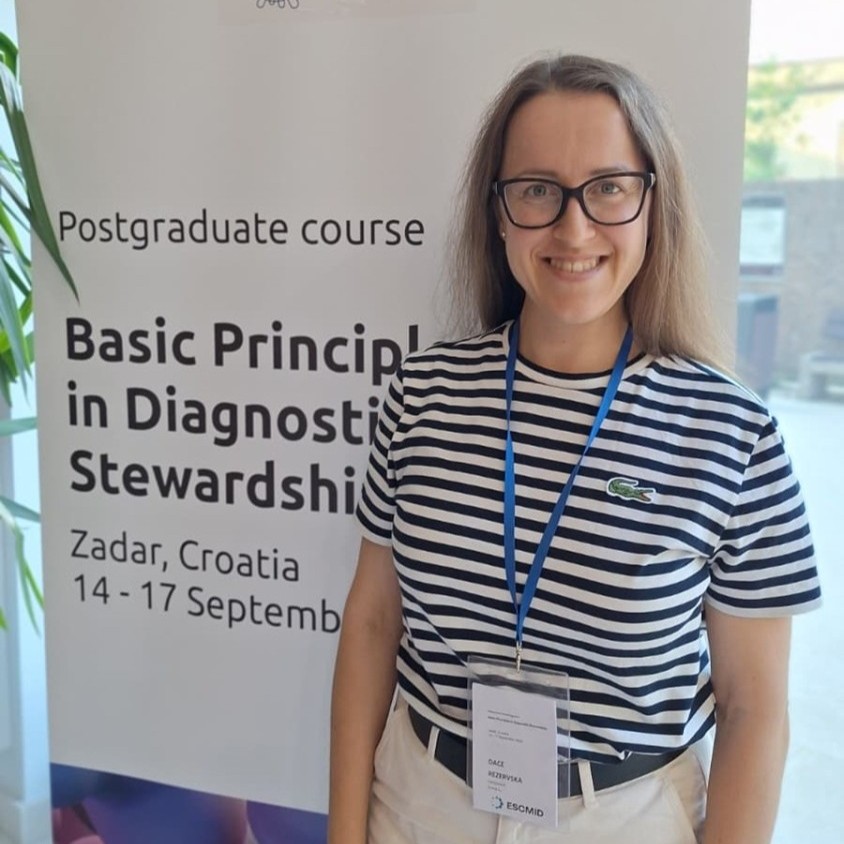
Dace Eglīte studē RSU rezidentūras specialitātes Klīniskais mikrobiologs pēdējā studiju gadā. Viņas ceļš līdz šai programmai ir bijis garš un drosmīgs.
Kad un kā sapratāt, ka gribat kļūt par ārstu?
Pati gan to neatceros, taču pirms vairākiem gadiem mamma parādīja manu fotogrāfiju no pēdējā gada bērnudārzā, uz kuras biju uzrakstījusi “Es gribu būt ārste”. Atceros, katru vasaru ar māsu pavadījām Bērzciemā, kur bērnībā viena no mīļākajām lomu rotaļām bija izspēlēt, ka esmu ārste vai skolotāja.
Skolā mani ļoti aizrāva bioloģija. Par to man jāsaka paldies bioloģijas skolotājām Rīgas Angļu ģimnāzijā un Rīgas Valsts 1. ģimnāzijā. Vidusskolā mani interesēja un padevās gan humanitārie, gan eksaktie priekšmeti, kas patiesībā izvēli par studiju virzienu pēc skolas pabeigšanas pamatīgi apgrūtināja, jo nevarēju izšķirties starp tik pretējiem virzieniem kā kultūras antropoloģija un inženierija.
Iestājos Rīgas Tehniskajā universitātē (RTU) programmā Medicīnas inženierija un fizika, kur, šķiet, otrajā studiju gadā bija studiju kursi Rīgas Stradiņa universitātē (RSU). Tajā brīdī sapratu, ka mani saista tieši šīs programmas medicīnas puse. Tā kā nebiju kārtojusi valsts eksāmenu ne bioloģijā, ne ķīmijā, tad, nevienam skaļi nesakot, paralēli studijām RTU nedēļas nogalēs apmeklēju kursus, lai sagatavotos valsts centralizētajam eksāmenam bioloģijā, kas bija nepieciešams, lai sāktu studijas medicīnā.
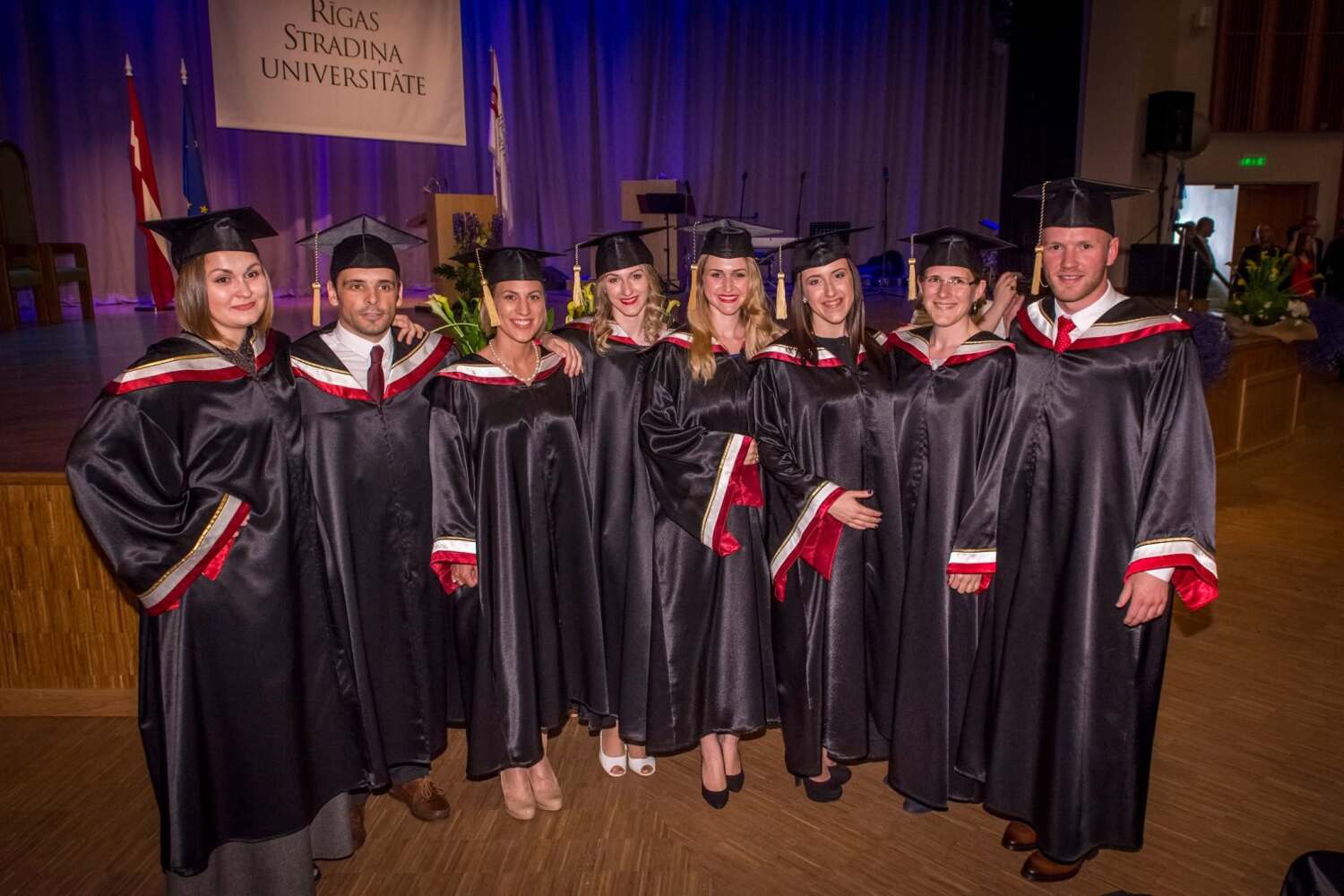
Pēc diviem studiju gadiem RTU iestājos RSU – reizēm joprojām pabrīnos par savu drosmi un mērķtiecību toreiz mainīt studiju virzienu.
Kā izvēlējāties nākamo ārsta specialitāti?
Mans ceļš uz rezidentūras studiju programmas specialitāti Klīniskais mikrobiologs bija garāks, nekā ierasts.
Pamatstudiju laikā nepieciešamo prakses laiku gan pēc trešā, gan pēc piektā gada pavadīju Vācijā – Minsterē un Āhenē. Pēc prakses laika klīnikā Minsterē pavadīju papildu mēnesi, DAAD (Deutscher Akademischer Austauschdienst) stipendijas ietvaros apgūstot vācu valodu medicīnā. Biju diezgan pārliecināta, ka pēc pamatstudijām rezidentūru pavadīšu Vācijā.
Tā kā rezidentūras sākšana Vācijā ir process, kas paņem laiku, pēc pamatstudiju absolvēšanas pamanīju vakances RSU Bioloģijas un mikrobioloģijas katedrā. Toreiz gan nezināju, ka publicētie amati ir tie, kuros tiek ievēlēts akadēmiskais personāls, taču pēc iedrošinošas sarunas ar profesori Jutu Kroiču pieņēmu izaicinājumu kļūt par docētāju mikrobioloģijas kursā. Medicīnas pamatstudijas RSU absolvēju kopā ar ārvalstu studentiem jauktajā grupā, tādēļ īpaši saistoši bija strādāt kopā ar ārvalstu studentiem.
Katedrā man tika dota iespēja iesaistīties fāgu pētniecībā kopā ar docentu Kārli Rāceni. Zinātniskais darbs iedvesmoja un patiesi aizrāva. Divus gadus vēlāk iestājos doktorantūrā, kur profesores Jutas Kroičas vadībā un sadarbībā ar RTU vadošo pētnieci Līgu Stīpnieci sāku pētīt bakteriofāgu kā alternatīvu antibakteriālu līdzekļu imobilizāciju biomateriālos, lai šādas inovatīvas biomateriālu bakteriofāgu sistēmas varētu izmantot ar biomateriāliem asociēto infekciju profilaksē un ārstēšanā.
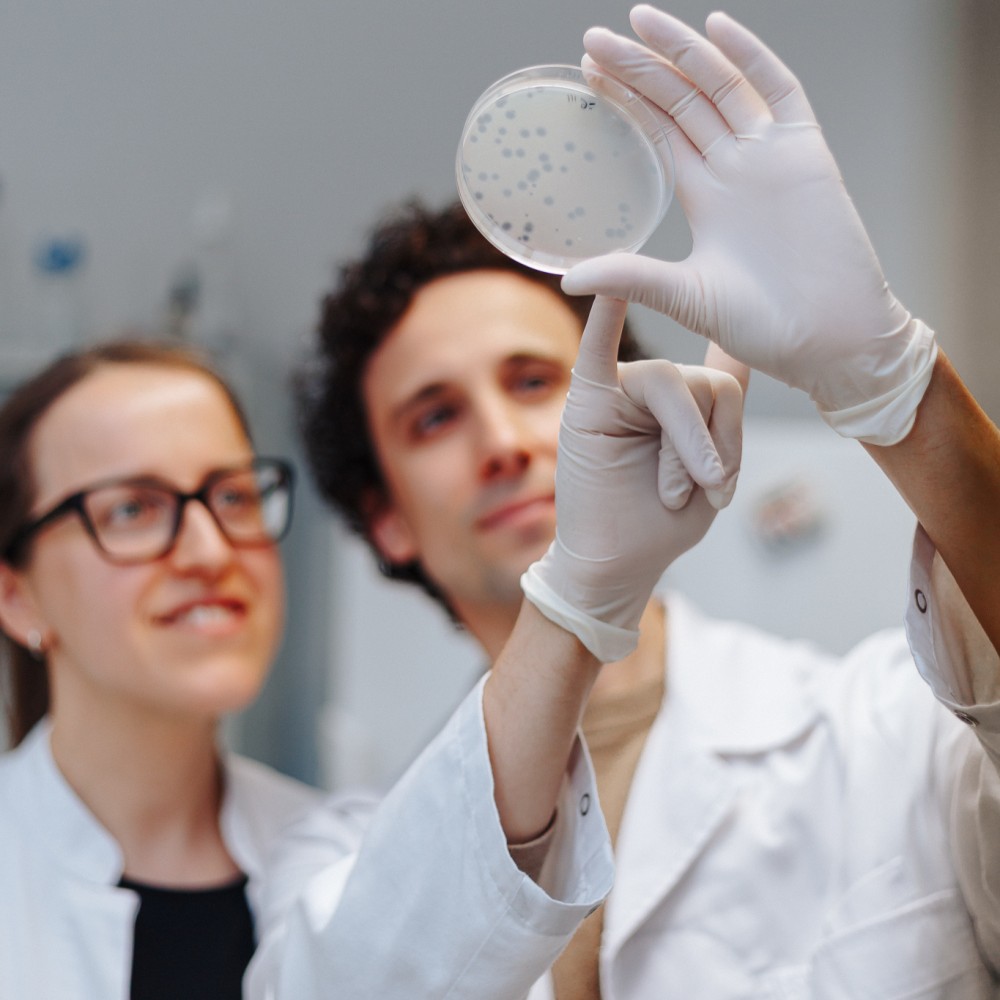
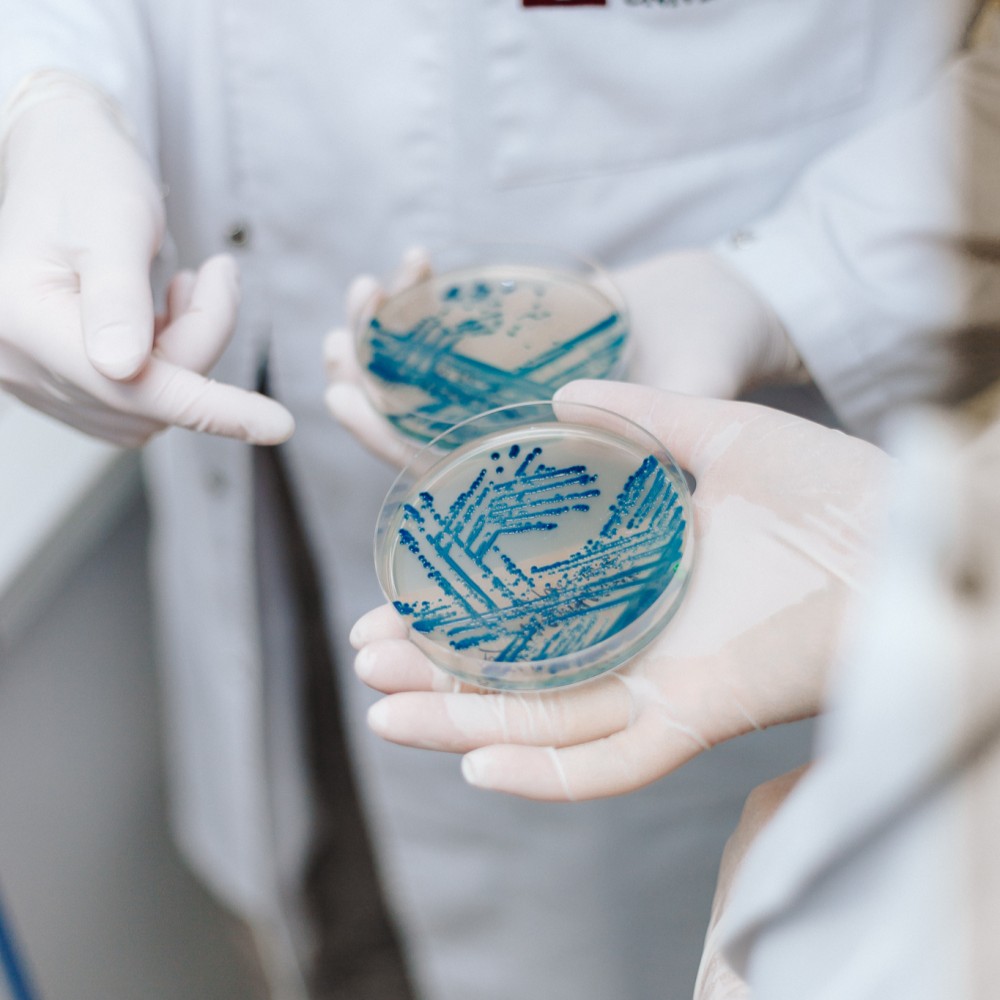
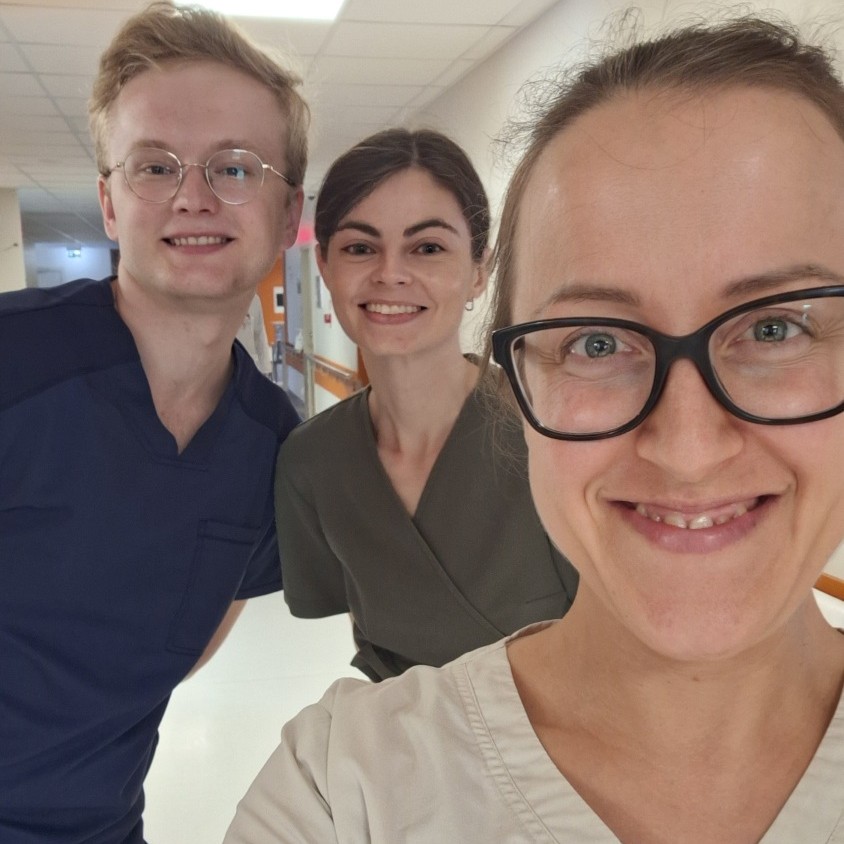
No kreisās: fāgu testu rezultātu izvērtēšana kopā ar doc. Kārli Rāceni; fāgu saimniekbaktēriju izolātu izvērtēšana; pirms došanās pie fāgu terapijas pacienta 2025. gada vasarā Dace (priekšplānā) kopā ar RSU fāgu pētniecības grupas kolēģiem dr. Renāti Rūtu Apsi un dr. Sandi Mauriņu
Šo katedrā pavadīto gadu laikā apsvēru domu stāties infektoloģijas vai laboratorās medicīnas rezidentūras programmā, jo jutu, ka darbs kādā no klīniskajām universitātes slimnīcām būtiski paplašinātu un papildinātu akadēmisko un zinātnisko darbību. 2020. gadā sākās Covid-19 pandēmija, kas deva iespēju sākt darbu kā ārstei stažierei Paula Stradiņa klīniskās universitātes slimnīcas (PSKUS) Apvienotajā laboratorijā, kur darbs laboratorijā ar pacientu paraugiem mani ļoti ieinteresēja. Neilgi pēc tam tika izveidota jauna rezidentūras specialitātes programma Klīniskais mikrobiologs. Pateicoties RSU dotajai iespējai, 2022. gada pavasara semestri pavadīju ASV kā pilna laika studente Ņujorkas štata Bufalo universitātē (State University of New York at Buffalo), kur papildināju savas digitālās prasmes. Pēc atgriešanās Latvijā, apvienojot līdzšinējo akadēmisko un zinātnisko pieredzi mikrobioloģijā ar pandēmijas laikā gūto pārliecību, ka mani patiesi aizrauj darbs laboratorijā, loģisks nākamais solis bija stāties jaunizveidotajā rezidentūras programmā.
Kā notika gatavošanās un iestāšanās rezidentūrā?
Tā kā manu pamatstudiju laikā šāda rezidentūras programma vēl nebija izveidota, mana gatavošanās rezidentūras specialitātes programmai Klīniskais mikrobiologs notika savā ziņā neapzināti darbā ar studentiem un pētniecībā.
Stājoties rezidentūrā, bija diezgan liels uztraukums, jo kopš pamatstudiju absolvēšanas bija pagājis pietiekami ilgs laiks.
Kāda ir rezidentūras realitāte?
Darba diena laboratorijā lielākoties atkarīga no rezidentūras cikla un no tajā dienā esošo paraugu daudzuma. Mikrobioloģijas laboratorijas darbs ir organizēts tā, lai paralēli jauno paraugu izmeklēšanai vienlaikus tiktu nolasīti identifikācijas un antimikrobiālās jutības rezultāti iepriekš saņemtajiem paraugiem – tas ir svarīgi, lai ārsti savlaicīgi saņemtu informāciju par potenciālās terapijas izvēli pacientam.
Mūsu specialitāte neparedz nakts dežūras, taču, lai nodrošinātu laboratorijas darba nepārtrauktību, ir atsevišķas nedēļas nogales, kad strādājam mikrobioloģijas laboratorijā.
Savukārt darba diena nodaļās ir atkarīga no pacientu skaita un viņu veselības stāvokļa. Darbs ar pacientiem ir izaicinošs, taču tas vienmēr notiek sertificēta ārsta vai attiecīgā nodaļas profila vecāko rezidentu uzraudzībā – tas dod iespēju kopīgi pārrunāt gadījumus un vienlaikus dalīties savā, klīniskā mikrobiologa, skatījumā.
Joprojām atceros brīdi, kad pirmo reizi bija patstāvīgi jāstrādā ar paraugiem – tas radīja satraukumu, taču šai pieredzei nav īsceļu: tieši patstāvīgs darbs reālā laboratorijas vidē ļauj vairot pieredzi un attīstīt klīnisko domāšanu.
Līdzīgas izaicinājumu pilnas sajūtas bija tad, kad pirmoreiz saņēmu citu ārstu jautājumus par rezultātu interpretāciju papildu izmeklējumiem. Vienlaikus ir liels gandarījums apzināties, ka arī klīniskais mikrobiologs ir nozīmīga pacientu aprūpes un slimnīcas komandas daļa un ietekmē reālu pacientu ārstēšanu.
Tā kā šī ir pavisam jauna rezidentūras programma, bieži vien izaicinājums ir saprast, cik plašu darbības lauku klīniskajam mikrobiologam būtu jāaptver – specialitātes robežas vēl veidojas.
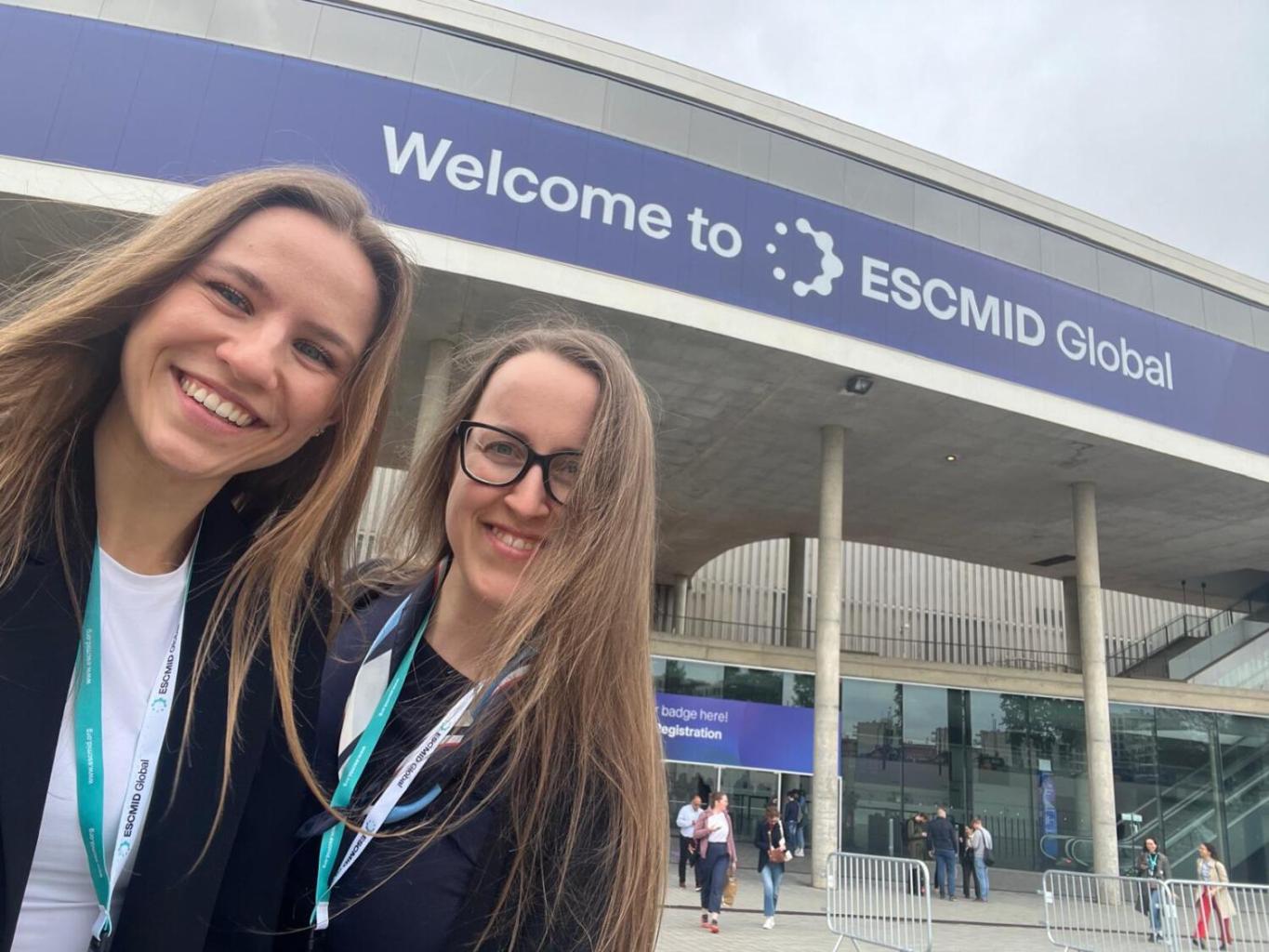
Šī iemesla dēļ, manuprāt, īpaši svarīgi ir rast iespēju doties apmaiņas programmās, novērošanas praksēs (observerships), darbnīcās (workshops), uz konferencēm un kongresiem. Šādas pieredzes dod ne tikai zināšanas, bet arī tīklošanās iespējas, ko nevar iegūt, lasot grāmatas, vadlīnijas vai zinātniskās publikācijas.
Mani aizrauj arī darbs ar studentiem, un es ticu, ka vislabāk zināšanas un prasmes apgūstam tad, kad spējam tās izskaidrot citiem, tāpēc esmu radusi iespēju docēt klīniskās mikrobioloģijas kursu topošajiem ārstiem.
Tāpat liels paldies jāsaka RSU fāgu pētniecības grupai par iespēju tajā turpināt zinātnisko darbu – tas noteikti paplašina manas klīniskās mikrobioloģijas zināšanas un prasmes. Sadarbībā ar infektologiem un pacientu ārstējošajiem ārstiem esam realizējuši fāgu terapiju vairākiem pacientiem ar multirezistentām un biofilmu veidojošām infekcijām. Lielāko daļu no šiem klīniskajiem gadījumiem esam publicējuši, lai ar savu pieredzi dalītos ar pētniekiem un ārstiem arī ārpus Latvijas. Nereti ir pat grūti noticēt, kā ir izaugusi mūsu darba grupa un fāgu pētniecība grupā.
Kas jūs visvairāk pārsteidza rezidentūrā?
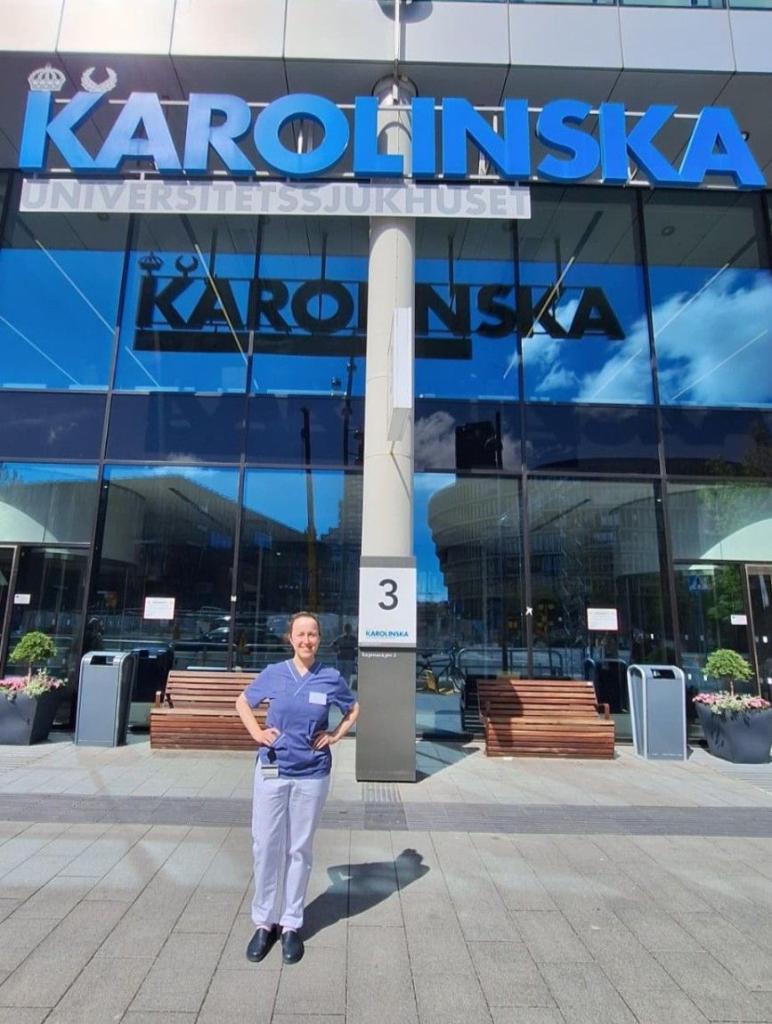
Šajā studiju gadā devos Erasmus+ praksē, lai pavadītu deviņas nedēļas Karolinskas Universitātes slimnīcā (Karolinska University Hospital) Stokholmā, Zviedrijā. Ārstes Māras Saules pārraudzībā man bija iespēja gūt ļoti vērtīgu pieredzi, lai redzētu klīniskā mikrobiologa lomu un ikdienu slimnīcas darbā. Šīs prakses laikā mani noteikti pārsteidza, cik patiesībā plašs ir klīniskā mikrobiologa ikdienas darbības lauks šajā slimnīcā, t.sk., seroloģisko izmeklējumu un molekulārās testēšanas, piemēram, 16S RNS sekvencēšanas, rezultātu interpretācija.
Es noteikti iesaku doties apmaiņas programmās, uz konferencēm un kongresiem – šīs pieredzes paplašina redzesloku un dod iespēju redzēt, kā līdzīgi jautājumi tiek risināti citviet, kā arī iepazīties ar savas jomas speciālistiem ārpus Latvijas. Man pašai ir saglabājušās vairākas Whatsapp grupas, kur pēc kopīgi apmeklētām konferencēm vai darbnīcām (workshops) joprojām apmaināmies ar ārstiem no citām valstīm ar informāciju.
Citiem rezidentiem ļoti iesaku dibināt kontaktus savā bāzes slimnīcā un ārpus tās, jo labas attiecības ar kolēģiem no citām nodaļām vai stacionāriem ir nenovērtējamas gan mācoties, gan patstāvīgi strādājot.
Iesaku nebaidīties jautāt – arī tad, ja šķiet, ka jautājums varētu izklausīties pašsaprotams vai pārlieku vienkāršs.
Tieši jautāšana ir viens no ātrākajiem veidiem, kā mācīties, un pieredzējuši kolēģi to novērtē vairāk, nekā varētu šķist.
Varbūt jūs vēlaties piebilst vēl ko būtisku par rezidentūru un ārsta profesiju?
No savas pieredzes gribu iedrošināt nebaidīties mainīt savu izvēli par profesionālo ceļu – ir cilvēcīgi, ja sākotnējais priekšstats par specialitāti vai profesiju laika gaitā mainās.
Galu galā mēs darbā pavadām tik lielu savas ikdienas daļu, ka ir būtiski būt specialitātē, kas piepilda un sniedz gandarījumu.
Tāpat ir svarīgi būt starp cilvēkiem, kuri rada drošu vidi, kur vari būt pats, justies iederīgi un piederīgi, saņemt atbalstu, kopā priecāties.
Tāpat vēlos atgādināt pieskatīt sevi, jo arī tajās nodarbēs, kas ļoti aizrauj un šķiet nozīmīgas, var izsīkt. Svarīgi ir zināt savas robežas, apzināties to, kas piepilda arī pēc darba dienas, jo mūsu tuviniekiem un draugiem, mūsu pacientiem un − galvenais − mums pašiem vajag, lai esam veseli, enerģijas un dzīvesprieka pilni.