(R)E-TIES project expands international collaboration through research visit to Japan


The lead of the (R)E-TIES project at Rīga Stradiņš University (RSU), Ieva Puzo, was on a research visit to Japan from 4 to 13 March this year, with the aim of collecting additional data for the study and strengthening collaboration with research institutions in the country..
The visit provided an opportunity to explore in depth the experiences of professional mobility and relationship maintenance in a markedly different social and cultural context. During the visit, several interviews were conducted with Latvian researchers living and working in Japan. These narratives contribute to a better understanding of how people who live and work across borders maintain connections with Latvia, both through their professional and personal networks. The collected data will complement existing materials in the preparation of a comparative publication together with project researcher Olga Cara. The publication will analyse how mobile professionals of Latvian origin manage relationships across different contexts, comparing the cases of the United Kingdom and Japan.
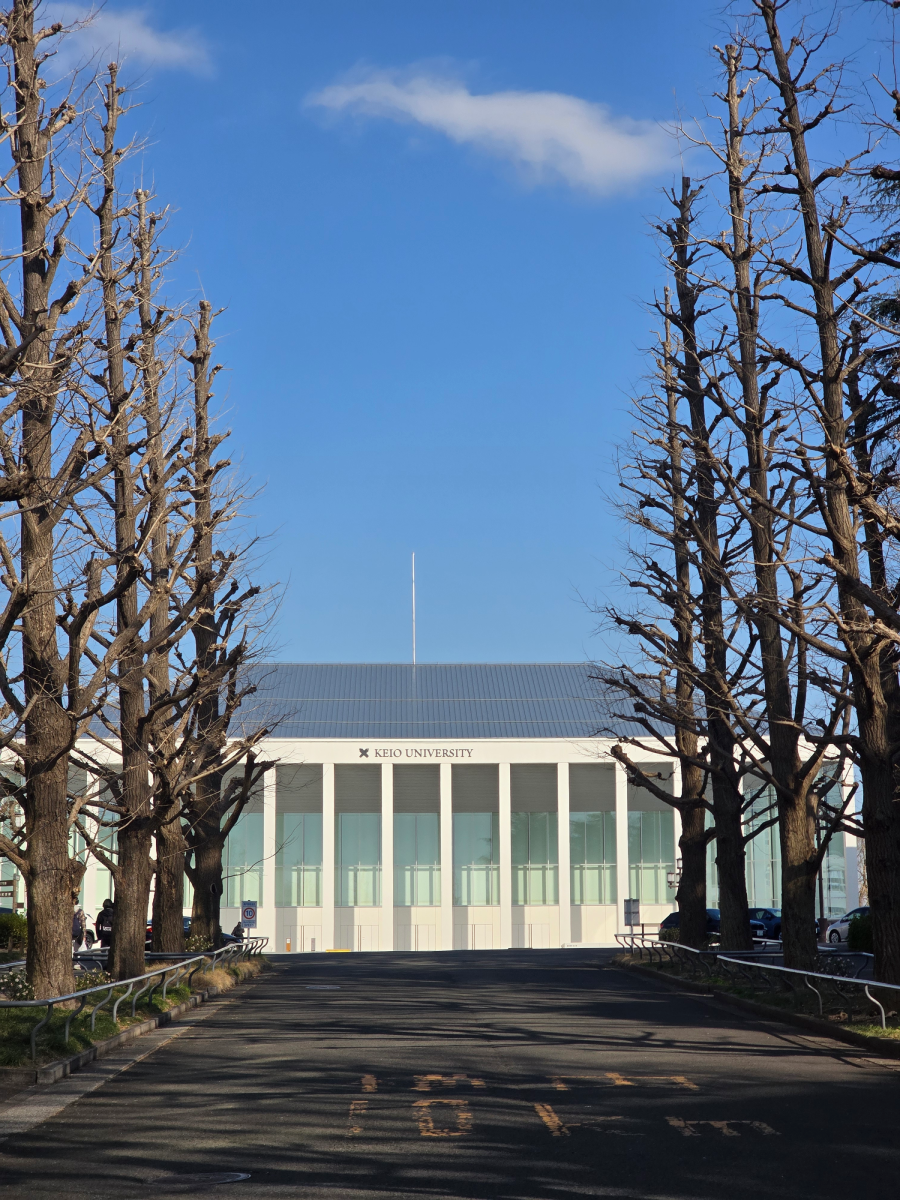
An important part of the visit was also dedicated to strengthening existing collaborations and establishing new contacts with Japanese universities. Special thanks are extended to Associate Professor Greg de St Maurice (Keio University, Tokyo) for the invitation and hospitality, which also created an opportunity to discuss potential joint research projects in the future. In addition to meetings at Keio University, discussions on collaboration opportunities were held with colleagues at Ritsumeikan University and Hanazono University (Kyoto), as well as Tohoku Gakuin University (Sendai), laying the groundwork for future cooperation in research and publications. Reciprocal teaching visits are also being planned.
The visit highlighted the importance of active inter-institutional collaboration at a time when research is becoming increasingly interdisciplinary and mobility patterns more complex. Global collaboration networks not only expand academic perspectives but also provide opportunities to explore new ways of jointly addressing issues relevant to today’s digitally saturated social world. Dialogue between institutions and countries plays an increasingly important role in fostering research that reflects the diversity of contemporary life and work.
Related news
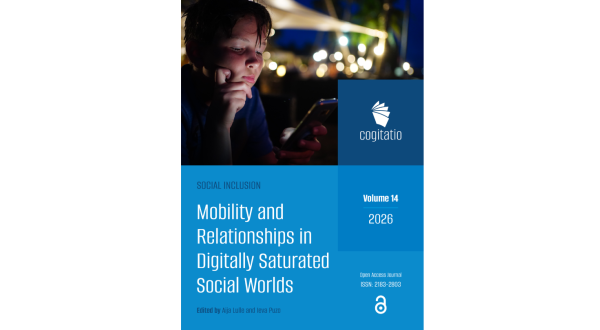 RSU Researchers Lead Thematic Issue on Mobility and Relationships in Digitally Saturated Social WorldsResearch, reties.lv