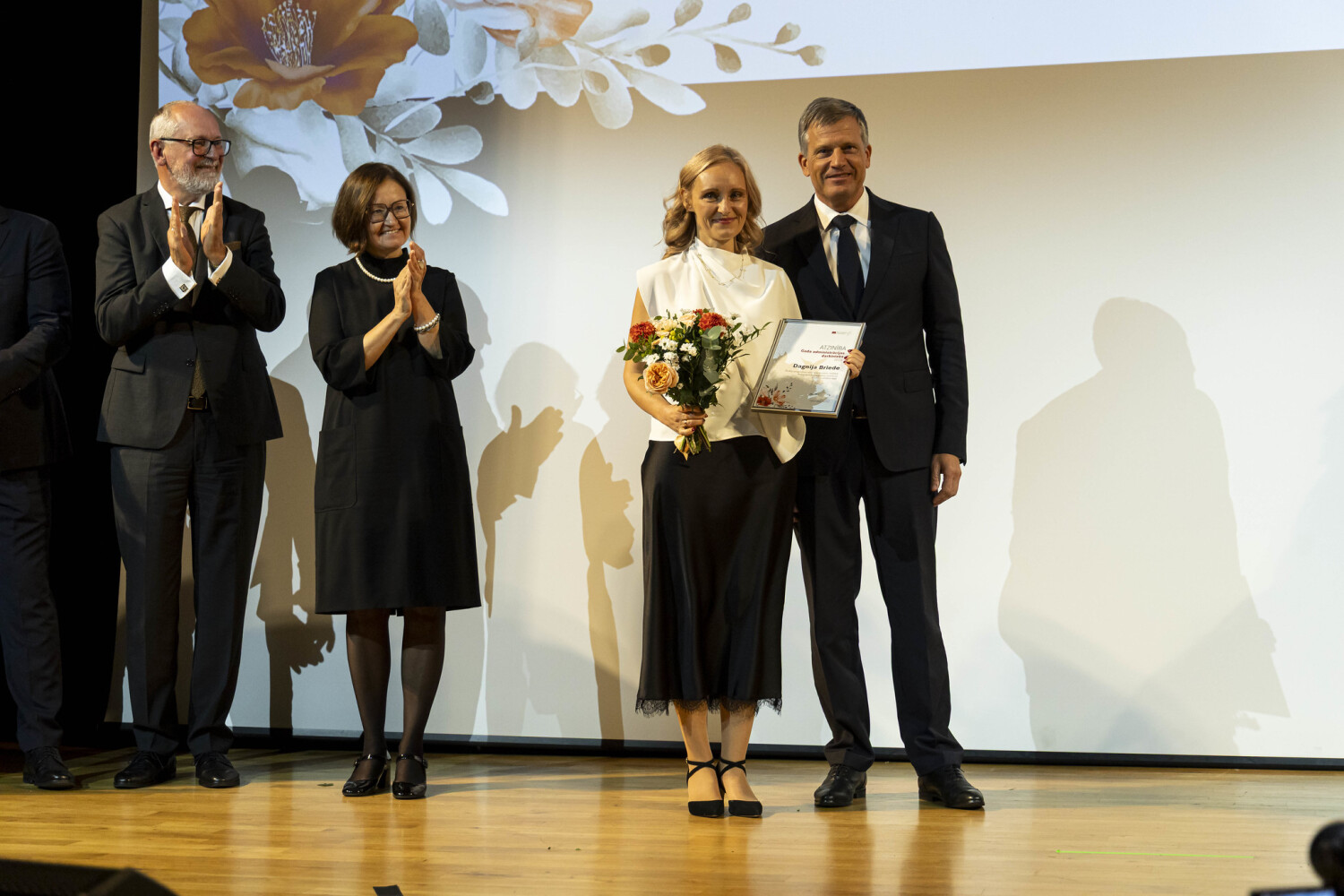
RSU Annual Awards 2025 recognition recipient Dagnija Briede: ‘It is the people who make every project special’


Photo: Courtesy of RSU and Dagnija Briede
Our series introducing the recipients of the Rīga Stradiņš University (RSU) Annual Awards 2025 continues. In 2025, for the first time, two recognition awards were presented in the category Administrative Employee of the Year, reflecting the wealth of outstanding colleagues across the University.
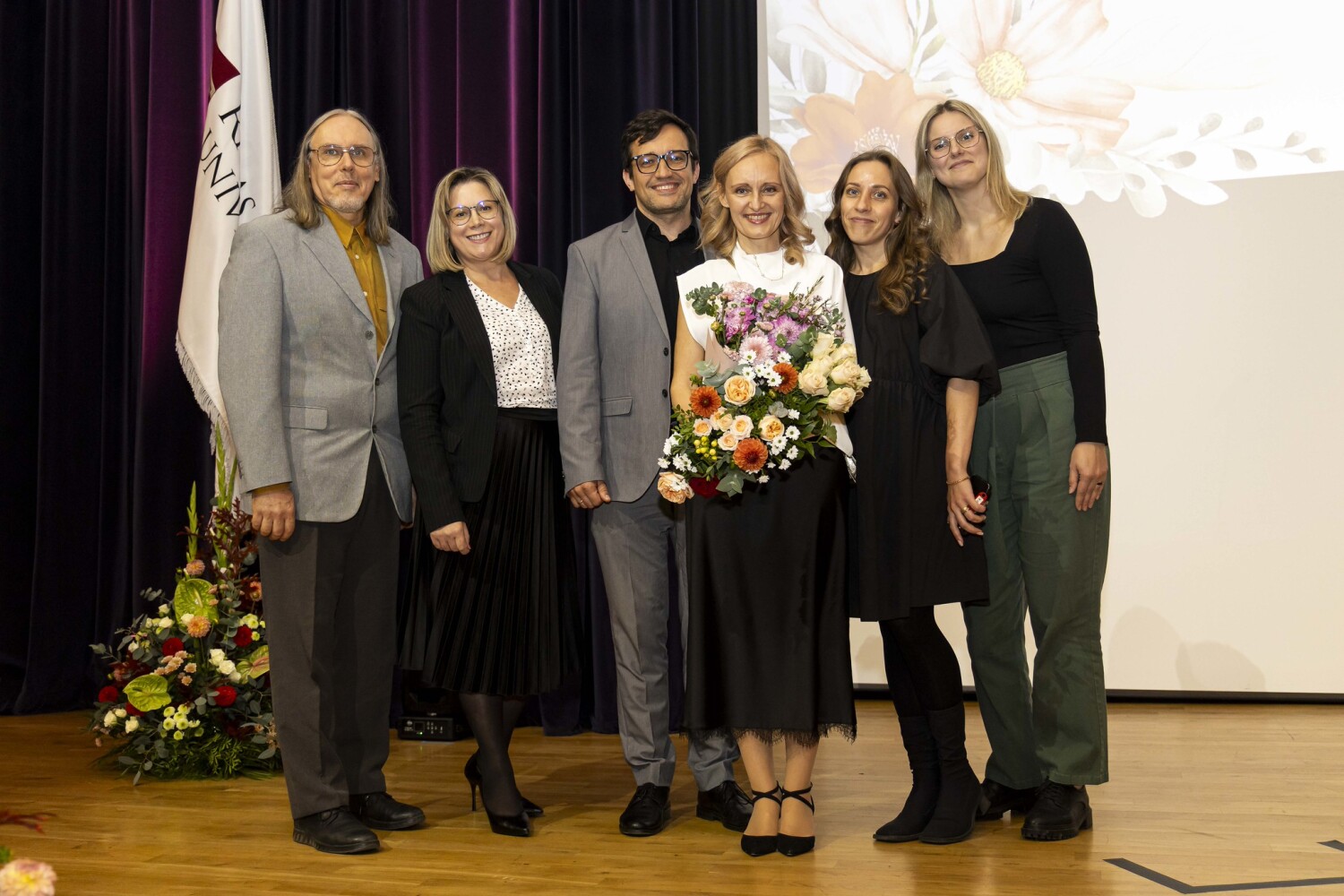
One of these went to Dagnija Briede, Study Programme Development Project Manager at the Study Quality Department (previously at the Centre for Educational Growth). Her colleagues describe Dagnija as someone whose warmth and radiant presence brighten every interaction. She has made an enormous contribution to external quality assessment, accreditation and licensing processes and has helped both develop new study programmes and refine existing ones.
How did you come to work in study quality, licensing and accreditation? What do you consider most important in this work?
I was already interested in study quality during my own studies – I liked observing the learning process and seeing ‘what works’ and ‘what does not’. Before moving into accreditation, I spent 15 years teaching social work. During that period, I viewed quality primarily from the perspective of the study process, the lecturer, and the student. However, in 2016, after returning from parental leave following the birth of my third child, I was thrown straight into an exceptionally intensive accreditation process. Within a short period of time, I had to coordinate the accreditation of the healthcare study field, which comprised 30 study programmes at the time. It was a tremendous learning experience and a major shift away from teaching. I reasoned that if my day-to-day work was no longer in the classroom, I could assist those who were – namely, the academic staff, study programme directors, and the people managing the daily educational process.
You have helped develop new study programmes and refine existing ones. In your view, what are the key prerequisites for a high-quality and sustainable study programme?
First and foremost, it comes down to people – their passion, their conviction in an idea and perseverance in doing work that does not produce immediate results, because these things take time. First, it takes time to develop a programme or make changes to it, and then to implement those changes without losing momentum along the way.
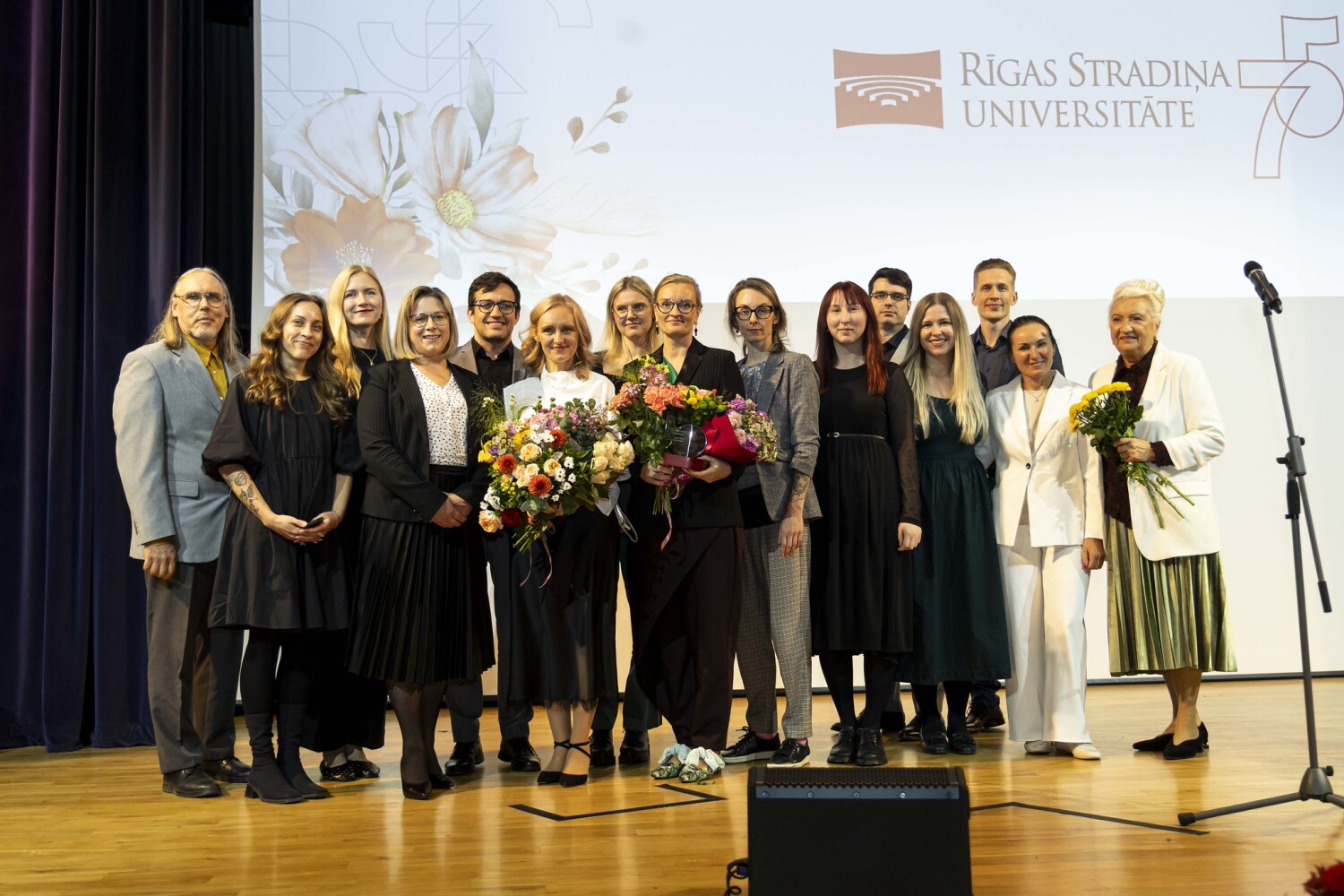
It is crucial to foster close collaboration between the Study Quality Department, the faculty, teaching staff and industry representatives. If a single person carries the entire load for a prolonged period, it is neither sustainable nor healthy – and we stand for a healthy society.
Your colleagues appreciate not only your professionalism, but also your ability to inspire others and create a warm atmosphere. What helps you retain a human touch and a positive attitude even during particularly intensive periods at work?
People do not always associate accreditation and licensing with peace of mind, and I understand that very well.
Sometimes even a phone call or email from us can cause anxiety. That is why it is important to me that people know they can come to us not only for an explanation of the requirements, but also for reassurance, structure and a human approach.
Personally, I draw strength from my journey of spiritual self-discovery, meditation, family, friends, faith in people, nature, my flower garden, the forest, the sea and opportunities for creative expression. At work, however, what helps most is having wonderful colleagues. I often think about how fortunate I am to work among such supportive professionals and to collaborate with so many people across the University – study programme directors, colleagues from administrative units, RSU management and many others!

What opportunities for the development of study quality does the new accreditation approach present?
The accreditation system in Latvia is currently changing, marking the beginning of a new phase. RSU has continued to develop solutions for enhancing quality over the years, yet regular external evaluations demanded significant energy and often limited our ability to focus fully on internal development. The new approach could allow us to devote greater attention to refining study programmes, working more closely with programme directors, and offering them targeted support. The Study Quality Department will play a vital role here, working together to strengthen quality culture and the internal quality assurance system, the operation of which will be evaluated by external experts during institutional accreditation.
Is there a study programme development or quality assurance project that you are particularly proud of, and why is it important to you?
Every project we are working on right now is important to us! While experience makes us stronger.
I am glad and at peace with the fact that we have managed to navigate through highly intense working periods without losing our humanity. Our team has coordinated the accreditation of all RSU study fields, collaborating with study programme directors and the Quality Agency for Higher Education (AIKA).
The accreditation processes for the healthcare study field have been particularly memorable and, at times, even extreme. We have been through this accreditation process twice, receiving accreditation for six years on both occasions. There have also been some fascinating challenges: contributing to the development of programmes for the Internal Security Academy, supporting the licensing and accreditation of the international Erasmus Mundus social work programme, and navigating the consolidation of RSU and the Latvian Academy of Sport Education (LASE), during which my colleagues and I certainly weathered a few storms together. It is the people who make every one of these projects special. I find it fascinating to get to know them, learn from them and continually broaden my perspective on the world through our collaboration.
If you were to offer a single piece of advice to colleagues currently designing future study programmes, what would it be?
Find an idea that is genuinely needed, research the field thoroughly and build a strong team.
We must keep in mind that we are designing study programmes for real people just like us and our children.
Do not be intimidated by requirements! Sometimes it feels like having to pass through the eye of a needle, but with a clear goal and good collaboration, a path can usually be found. And where necessary, changes to regulatory frameworks can and should be pursued – so that we can work in ways that best serve people.
Related news
 Piecing fractured bones back together: Dr Raitis Turkins on residency training in Jelgava RSU in the news, Residents' Stories, Graduate Medical Training, Interviews