RSU Medical Law Conference highlights patient safety and responsibility in healthcare












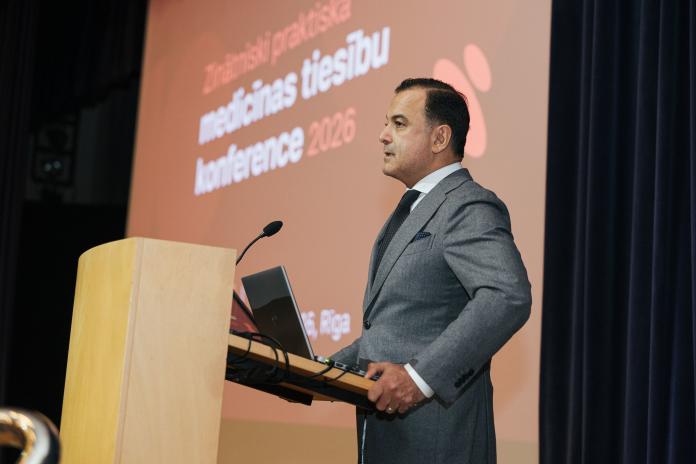
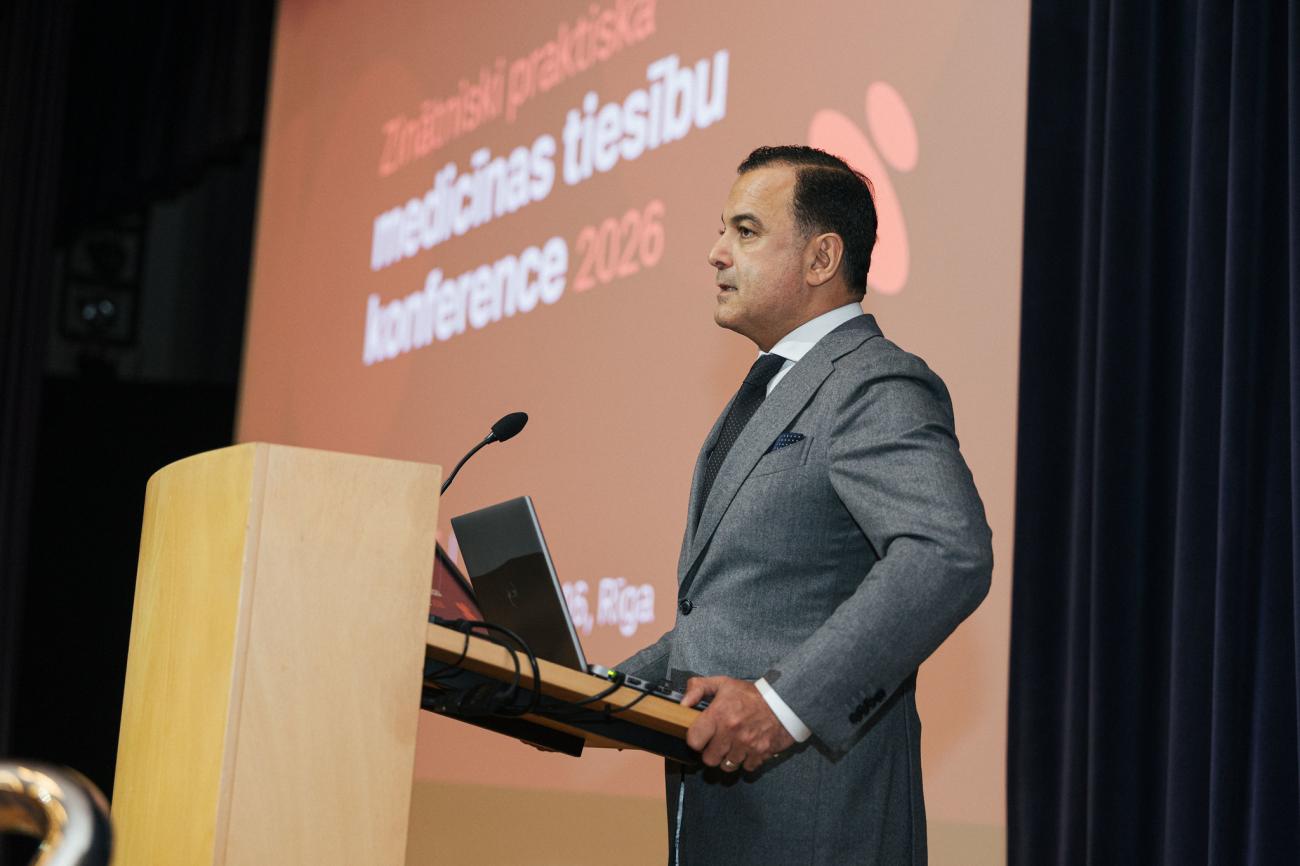
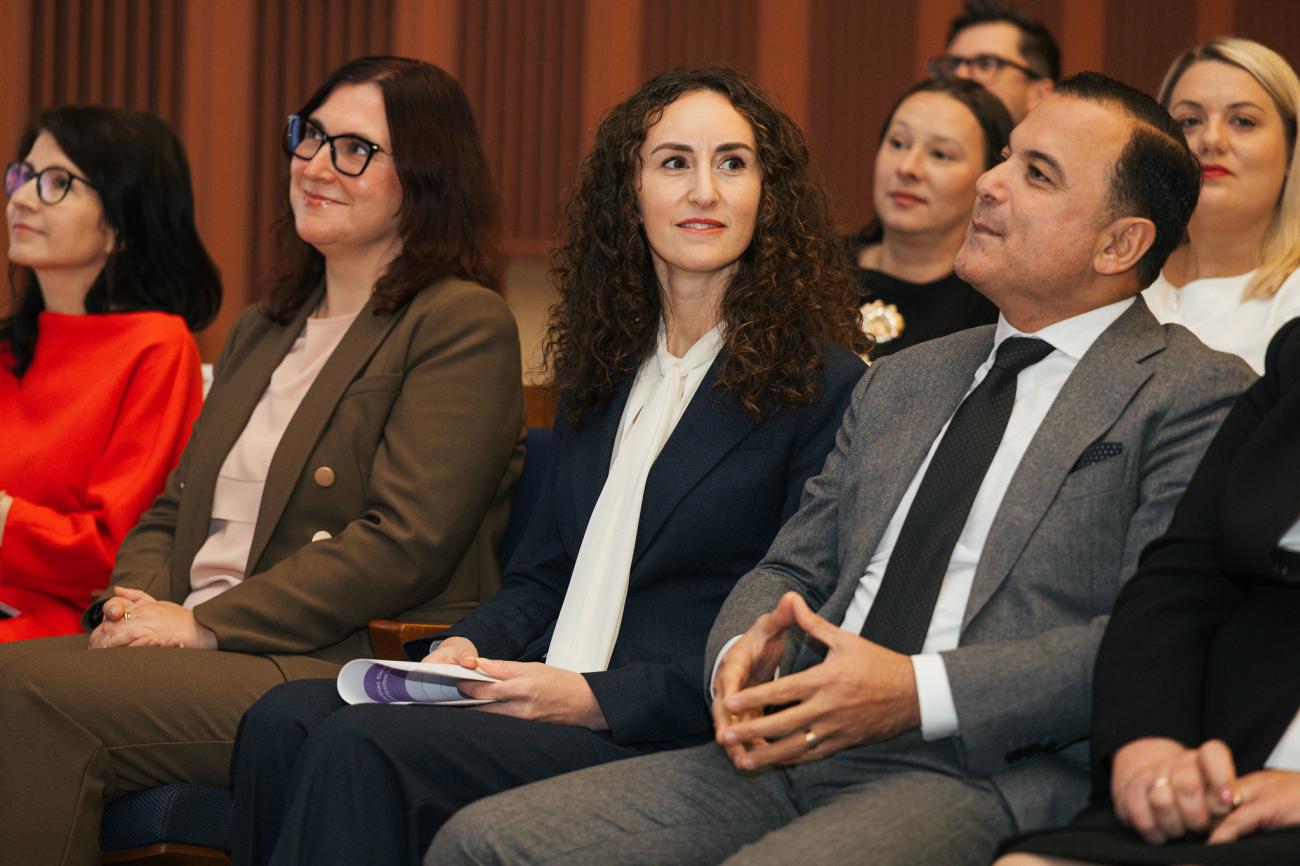
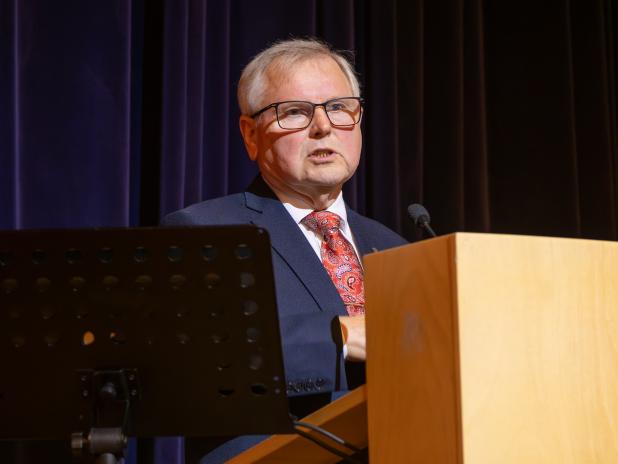
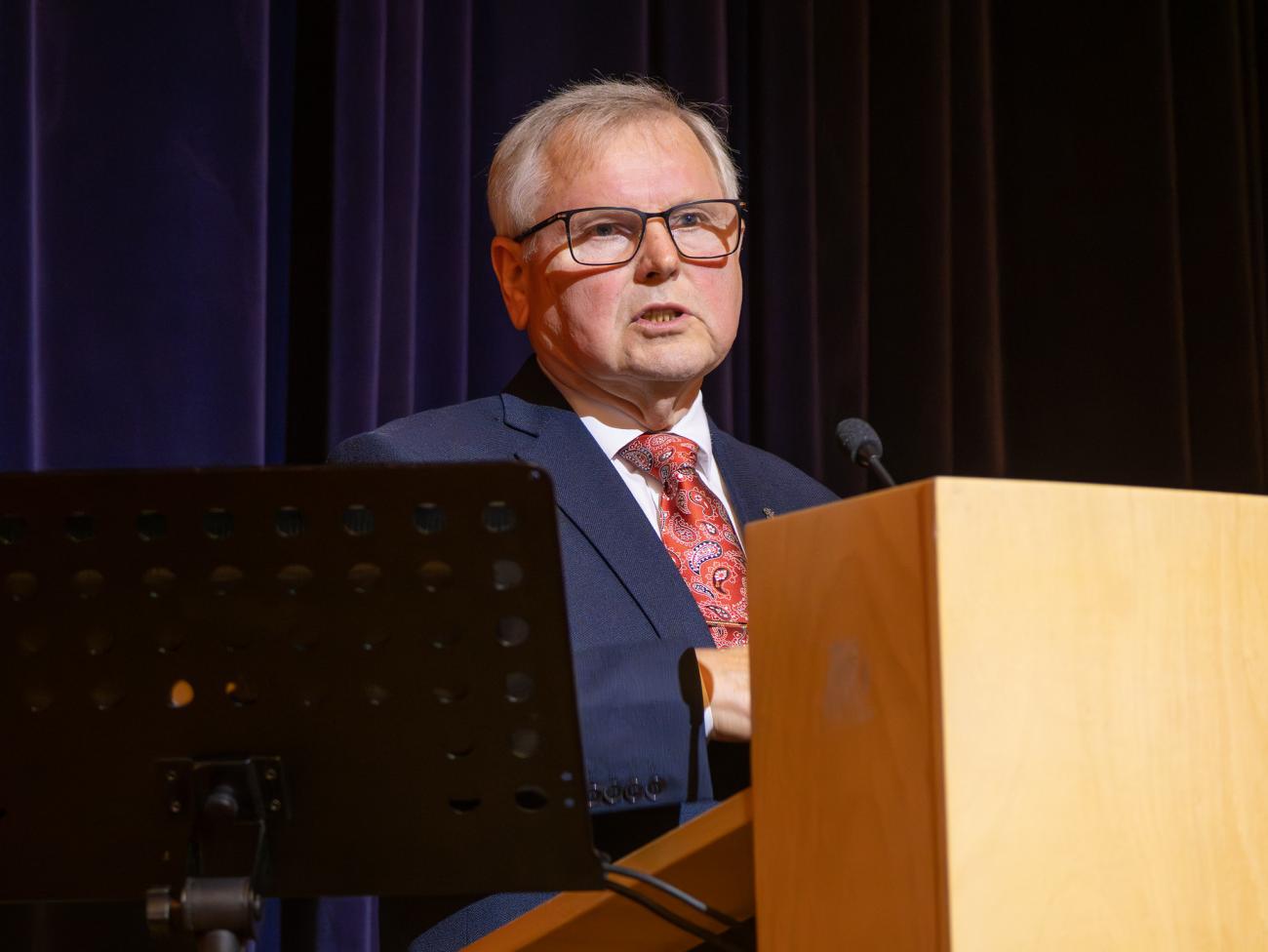




Patient rights to understandable information and safe medical treatment, labour rights of medical practitioners and the scope of their liability were in the focus of the sixth scientific and practical Medical Law Conference held at Rīga Stradiņš University (RSU) on 8 October. Organised by the RSU Faculty of Social Sciences, the conference brought together around 1,500 representatives from healthcare, law, public administration and academia, both in person and online.
The presentations focused on situations where the application of legal acts directly affects patient care: informed consent, the use of health data, the prevention of discrimination, and the provision of care without a patient’s consent. The conference also explored compensation for harm and opportunities to develop a system of accountability and monitoring to prevent patient safety risks in a timely manner.
The programme also included a presentation by Karina Palkova, Ombudsperson of the Republic of Latvia, on medical law as the foundation for human rights, and a presentation by Inta Nolle, Head of the Strategical Analysis Division of the Corruption Prevention and Combating Bureau, on cash envelopes in medicine, exploring the boundaries between tradition, gratitude and corruption.
Patient rights, choice, and equal treatment
Attorney-at-law and data protection specialist Reinis Papulis from Sorainen Law Firm analysed the use of patient personal data in healthcare, communication and advertising. He explained the difference between informed consent to medical treatment and consent to the processing of personal data, as well as highlighted the importance of protecting patient health information in advertising and communication with third parties. In each situation, medical institutions must assess the purpose, legal basis and the necessary extent of data use.
In her presentation, Karina Zālīte, Head of the World Health Organization (WHO) Country Office in Latvia, discussed healthcare reforms in relation to service quality and patient rights. She emphasised the need for a national policy on quality and patient safety, clear governance, and the measurement of outcomes important to patients. Expanding access to services must go hand in hand with the care that is safe, effective and tailored to people’s needs.
Deputy Ombudsperson Laura Šāberte explained the prohibition of differential treatment in ensuring rights of patients. Her presentation addressed direct and indirect discrimination, harassment, and the criteria when differential treatment was permissible. Attention was also drawn to accessibility for people with disabilities, religious beliefs and gender stereotypes. When assessing discrimination, it is essential to establish the specific circumstances, the grounds for prohibited criteria and the justification for the treatment.
Valentīna Berga and Deniss Ovčarenko, representatives of the National Mental Health Centre, analysed the provision of psychiatric care without a patient’s consent. They emphasised the need for specific and objective justification, proportionality, and consideration of less restrictive alternatives. The presentation explained that refusal to undergo treatment was not, in itself, sufficient grounds for treatment without consent and a patient’s lack of resistance could not automatically be regarded as consent. It is also essential to inform the patient and to assess their actual freedom of choice.
Medical practitioners' rights and responsibilities
Attorney-at-law Solvita Olsena addressed the labour rights of general practitioners within the scope of the Constitution of the Republic of Latvia. Analysing the case-law of the Supreme Court (the Senate), she explored on the rights of general practitioners providing state-funded primary healthcare services to engage in collective negotiations with the Cabinet of Ministers. The presentation assessed the scope of these negotiations, the representation of doctors and the execution of the court rulings, emphasising the importance of pay, working hours and working conditions.
Aldis Lieljuksis analysed the scope of criminal liability for medical practitioners and the application of Section 138 of the Criminal Law. Drawing on examples from court practice and expert reports, he focused on establishing a causal link between the improper performance of professional duties and the consequences suffered by the patient. The presentation highlighted the difference between assessing harm in cases handled by the Medical Treatment Risk Fund and bodily injury in criminal proceedings, as well as proposed improving the criteria used to assess the consequences of harm caused by medical treatment.
Dace Tarasova, Head of the Medical Treatment Risk Fund at the Health Inspectorate, RSU researcher and tutor, provided an update on the Fund’s cases and findings from the court practice. Her presentation emphasised the importance of informing each patient individually about foreseeable risks, carefully ascertaining the patient’s will and maintaining accurate medical records. When assessing patient adherence, their level of knowledge must be taken into account, as must the medical practitioner’s duty to explain significant risks and the actions required.
Ilze Vilka, legal adviser to the Latvian Medical Association and an attorney-at-law, presented proposals for the regulation of the professional disciplinary liability of medical practitioners. The proposed mechanism provides for professional assessment of cases, distinguishes medical errors from disciplinary offences, and the opportunity to learn from anonymised decisions. The presentation also emphasised the analysis of work organisation and systemic risks while safeguarding patient rights to appropriate compensation for harm.
Patient safety requires more than regulations
In his presentation on the role of medical law in healthcare, Rafaels Ciekurs analysed how institutions responded when they received information about patient safety risks. As examples, he explored the availability of adrenaline auto-injectors and automated external defibrillators, addressing the question of whether the duty to provide help was ensured by the actual availability of such equipment. He called for the clear designation of a person responsible for risk assessment, decision-making deadlines, and verification of the solution implemented.
Drawing on the Health Inspectorate’s public reports, Ciekurs recommended providing the public with more information on the results of monitoring: whether the required corrective measures had been implemented and verified, whether the same shortcomings were recurring, and whether patient risks had been reduced. This issue highlighted the need, stressed in several presentations, to use data, case analysis and professional collaboration to improve the quality of healthcare.
Interdisciplinary dialogue – a path to safer healthcare
For the RSU Faculty of Social Sciences, the conference provides an opportunity to foster dialogue between law experts, healthcare professionals and representatives of public institutions, bringing academic knowledge together with practical solutions. This interdisciplinary approach helps not only to analyse the legal framework but also to critically assess its impact on human rights and safety in everyday practice.