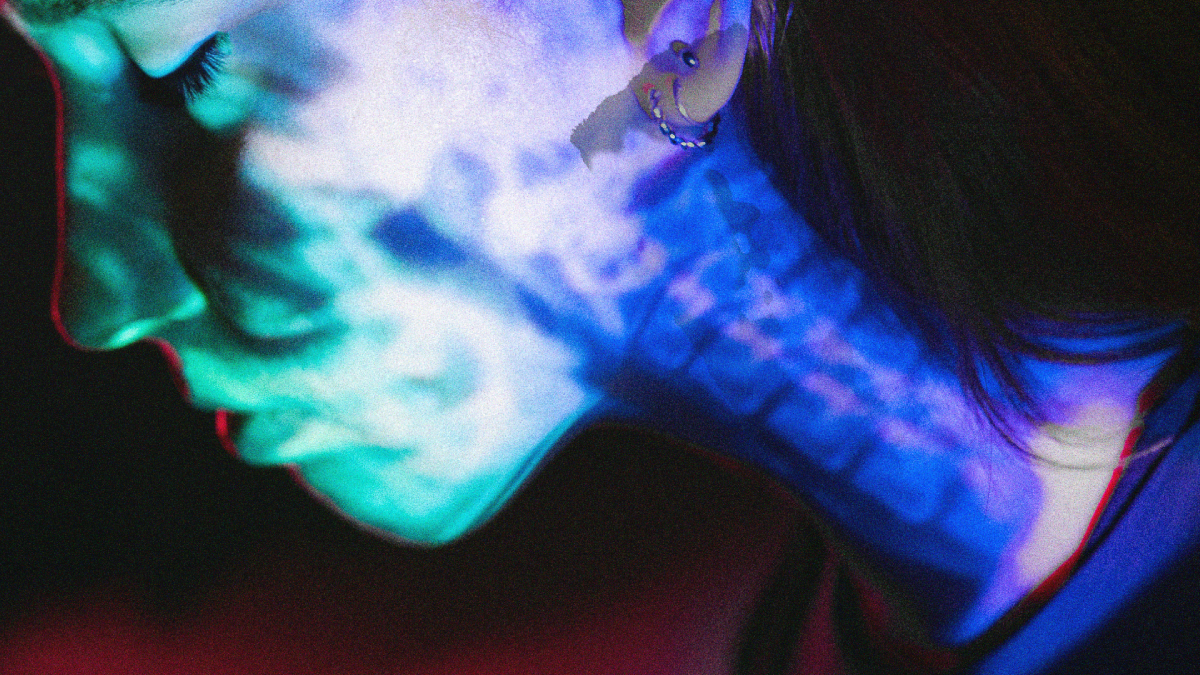
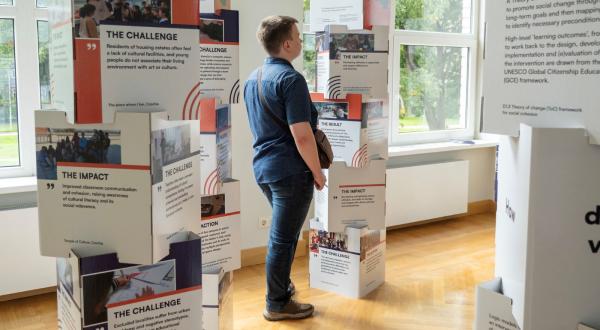
RSU multimedia students experiment at the exhibition "Body Landscapes"


On 28 January at 4 p.m., the Anatomy Museum of Riga Stradiņš University (RSU) will open the multimedia exhibition "Body Landscapes," a series of works created by multimedia communication students from the RSU Faculty of Social Sciences. In this exhibition, science meets art, and the human body becomes a story.
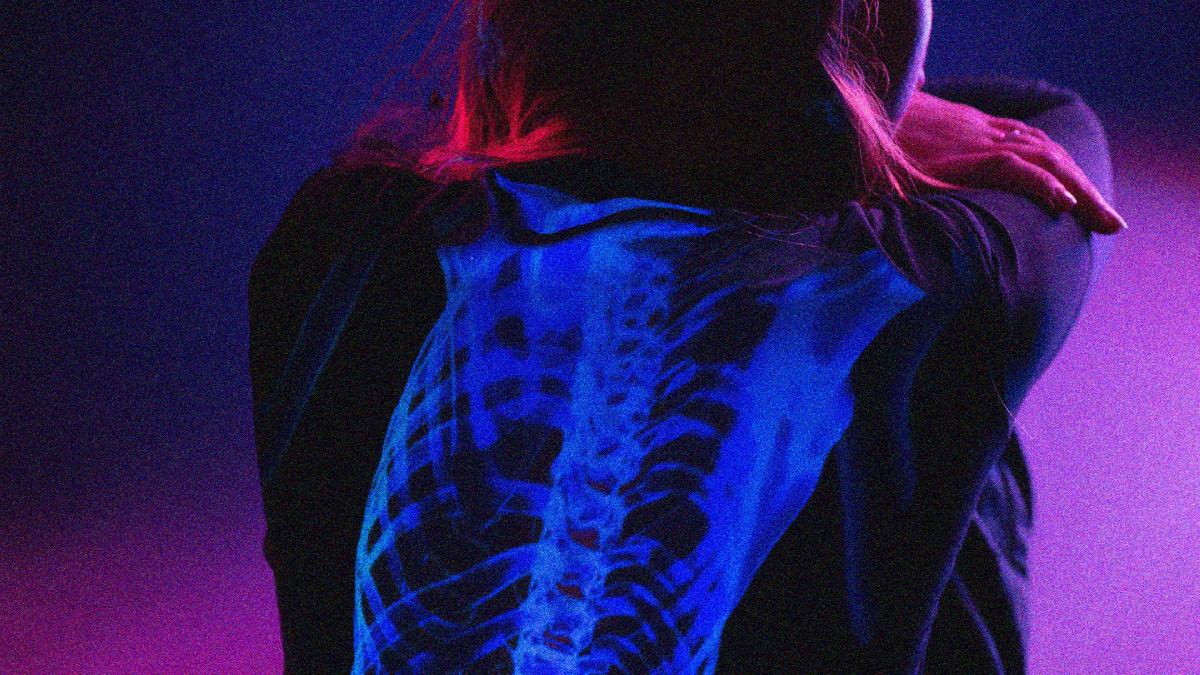
The exhibition was created after students spent several hours in the museum's rooms – among specimens, X-rays, skeletons and tissues – consciously changing their perspective and seeing people not as anatomical objects, but as living, experienced beings. The works approach the body with empathy and respect, revealing it as a landscape of memories, injuries, movements, and choices, where biology and personal experience coexist.
The exhibition highlights how social sciences and medicine can enrich each other in higher education and research. The students' works reveal the power of interdisciplinary thinking.
Ieva Puzo,
Acting Dean of the Faculty of Social Sciences
At the heart of the exhibition "Bodily Landscapes" are six multidimensional stories that interact and converse with each other, each opening up a different perspective on the bodily experience. "While working on the photo series "Chains of Life," which deals with organ donation, we realized how challenging it is to touch on sensitive topics and how powerful visual images can be in reinforcing the emotions of a story. I was most fascinated by working with a projector and projections — it allowed the story to take on a whole new depth," say authors Aija Segruma and Evija Pitkēviča.
Authors
- Ilona Amanda Pētersone
- Nauris Dorobļajs
- Anete Ozola
- Marta Bērziņa
- Anda Landsberga
- Kristena Cīrule-Gulbe
- Aija Segruma
- Evija Pitkēviča
- Aļina Lužnova
- Megija Platača
- Līva Pārupe
- Agate Brauere
- Pēteris Gertners
- Jānis Kazulis
The exhibition vividly illustrates how the museum environment can become a creative laboratory where academic knowledge goes beyond traditional forms of learning and meets storytelling, visual thinking, and multimedia means of expression. The university acts as a platform that encourages young people to look beyond their horizons, combine different disciplines, question the familiar, and experiment with thinking, form, and content.
Lāsma Šķestere,
Head of the Communication and Media study programmes
The task of interpreting what they saw in the museum led to a considerable diversity of content and form – students took photographs, filmed, looked at the sky through a telescope, and explored the possibilities of 3D printing, while also raising serious questions about death and life, organ donation, and the scars left by caesarean sections.
"Exhibiting work often becomes a turning point in the lives of young professionals and helps them understand that their story is viable, appeals to others, and influences how we view things and processes in society," says lecturer Marta Herca. She hopes that this experience will encourage students to continue creating, expressing their ideas, experimenting, asking questions, and becoming more aware of the power of storytelling.