
RSU Research Breakfast highlights new cooperation initiatives for developing Riga


Photo: Courtesy of RSU
At the Rīga Stradiņš University (RSU) Research Breakfast “Science for the Future of the City of Rīga”, held on 20 May at the RSU Pharmaceutical Education and Research Centre, researchers and city representatives emphasised the importance of scientific and data-based cooperation in making sustainable development decisions for Riga that meet the needs of its residents.
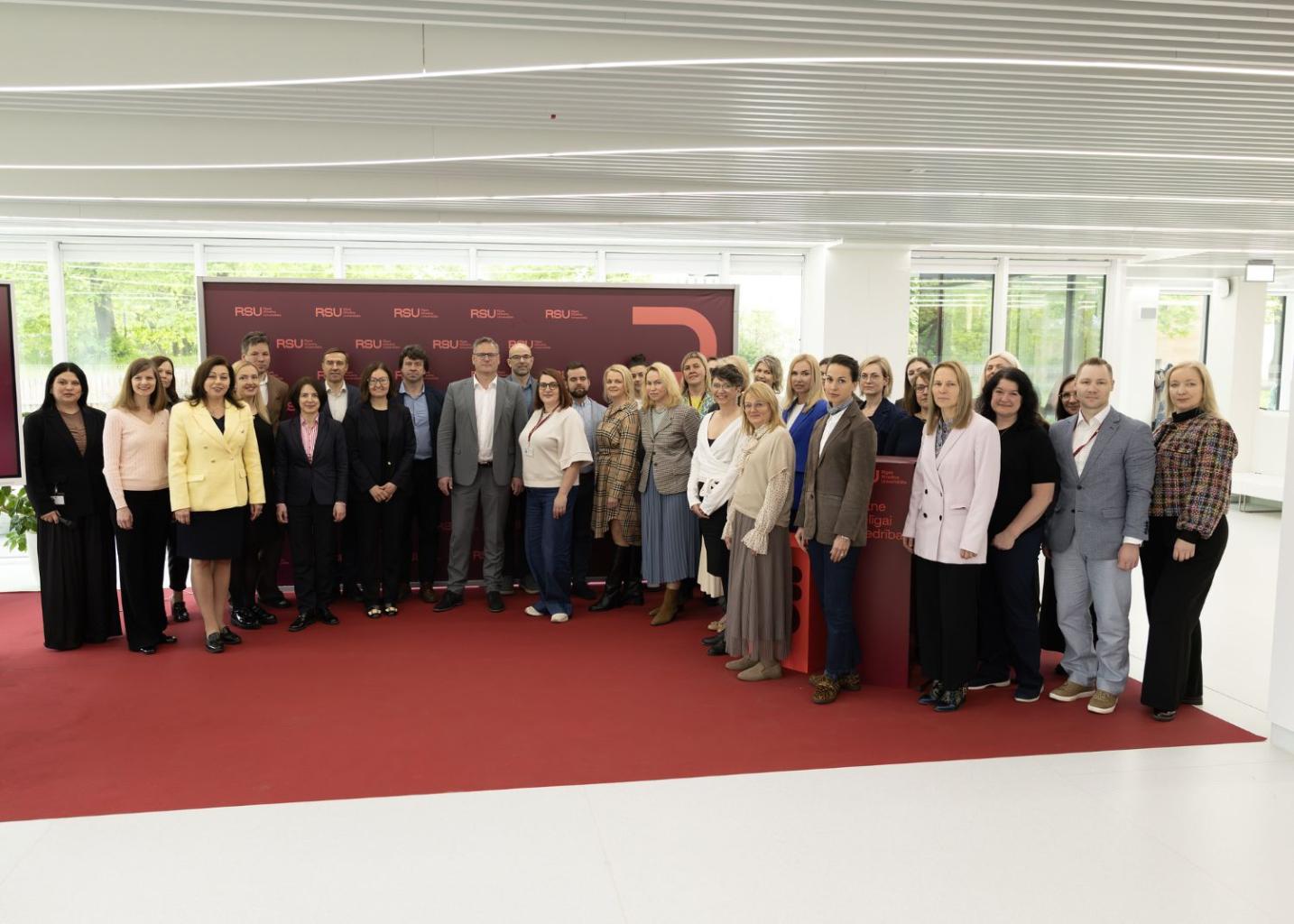
RSU researchers presented the university’s research initiatives focused on issues critical to Riga’s development. The research areas cover the impact of the urban environment on public health, the analysis and forecasting of the causes behind the growing demand for social services, as well as the prevention of the consequences of dementia and an aging population within the social services system. Special attention was also paid to solutions aimed at increasing the number of healthy life years, emphasising the importance of data-based approaches in shaping sustainable urban policies.
‘This is a valuable format for collaboration that allows a proactive approach to Rīga’s development and making well-considered, data-driven decisions. We highly value this kind of dialogue between science and the city,’
emphasised Ivars Vanadziņš, Director of the RSU Institute of Occupational Safety and Environmental Health.
‘The key to Rīga’s development lies in close cooperation with universities, as evidenced by our initiative to create the Knowledge Mile. Rīga has much more potential than we are currently making use of, and to change this, we must work purposefully and together - especially with researchers and higher education institutions. Collaboration with Rīga Stradiņš University and other universities enables data-driven decisions, strengthens the city’s competitiveness, and helps attract European funding more successfully.
I would also specifically encourage students to actively engage in the city’s development - science is our shared resource that helps address the root causes of problems rather than their consequences,'
noted Viesturs Kleinbergs, Chair of the Rīga City Council.
This shared interest led to concrete plans for future cooperation. The parties agreed to strengthen the effective exchange of data between the city and university institutions, and the university invited the municipality to propose research topics to involve students as well.
The discussions also gave rise to the idea of a new joint research project, and both parties also expressed their willingness to meet in other collaborative formats. At the same time, RSU was invited to continue the dialogue with Riga City municipal companies to expand the use of science-based solutions in the city’s development.
Related news
 Feminist Investigations Research Group Joins Latvian Research & Innovation Partner Catalogue 2026Research


