RSU Resident of the Year 2025 Ilze Maldupa: Children's teeth can be treated without drilling


Those who follow the activities and research of Rīga Stradiņš University (RSU) in the media are likely to recognise the name of Ilze Maldupa, the recipient of the RSU Annual Award in the Resident of the Year 2025 category. She has researched and promoted gentler, evidence-based yet less widely known methods of treating children’s teeth, helped provide scientific evidence of the harmful effects of excessive sugar consumption, and even contributed to exposing fraudulent scientific publications.
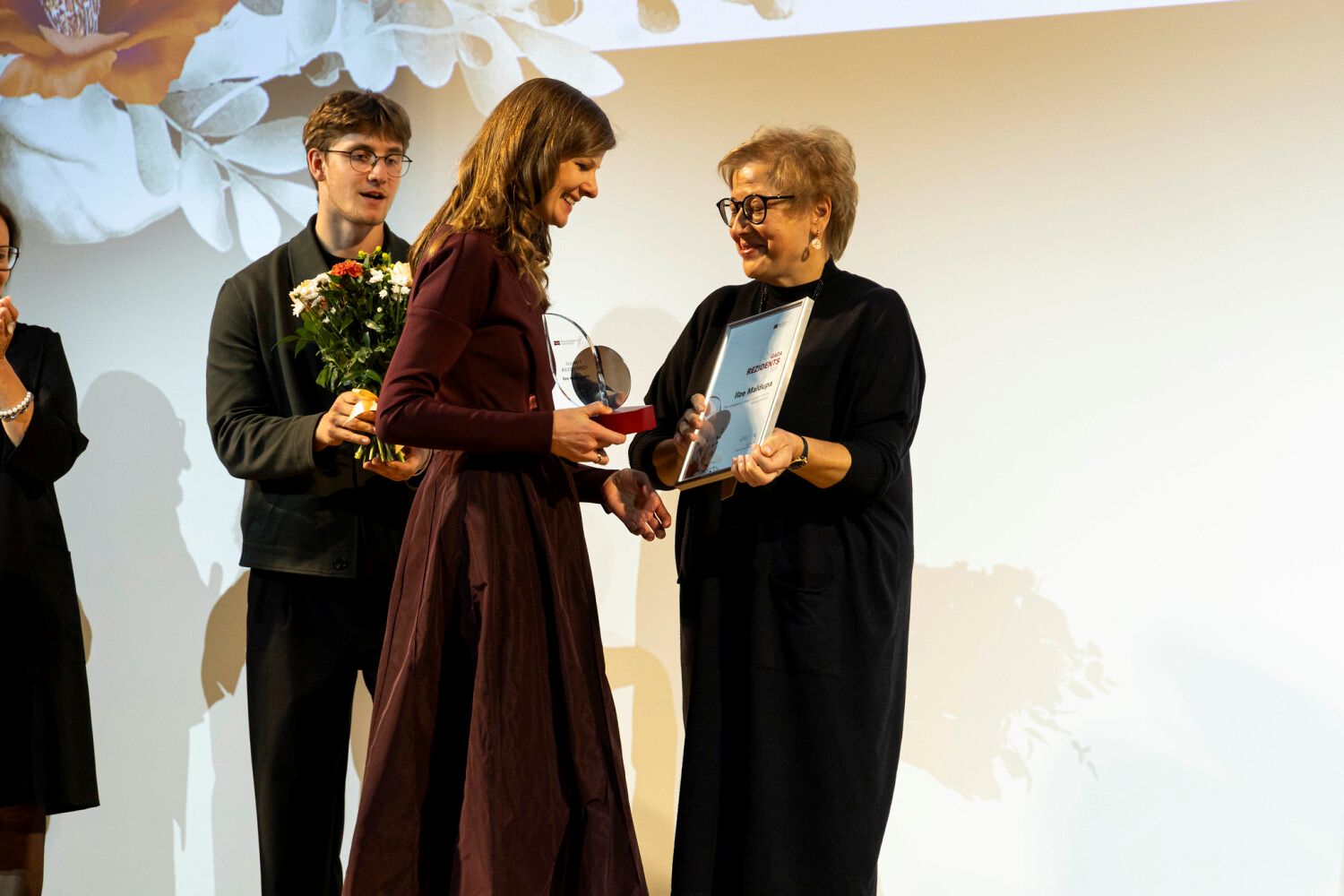
In 2025, Ilze Maldupa completed her residency in paediatric dentistry. As she had to attend an important conference on graduation day, she was particularly pleased that shortly afterwards she still had the opportunity to step onto the RSU stage and receive the award for RSU Resident of the Year 2025.
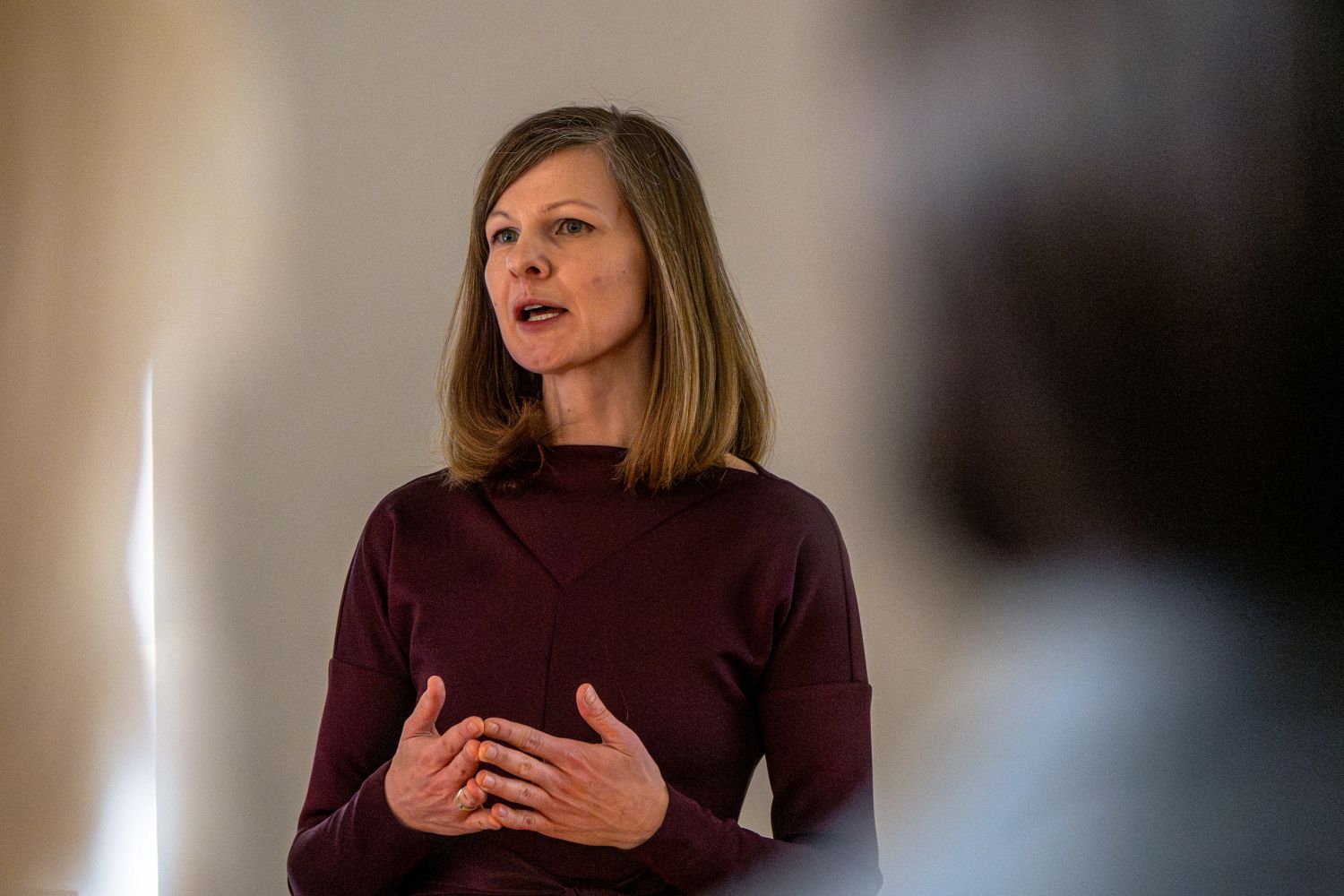
Ilze Maldupa is a Lead Researcher at the Department of General Dentistry of the RSU Faculty of Dentistry, and a paediatric dentist at the RSU Institute of Stomatology. She is married to RSU Lead Researcher, Assoc. Prof. Sergio Uribe.
As a result, there was also a Chilean chapter in her life, during which she spent four years revalidating her professional qualifications by passing 17 examinations in Spanish in accordance with another country’s study programme.
You received the RSU Annual Award in the Resident of the Year category. Why did you decide to specialise in paediatric dentistry after already working as a dentist?
I graduated from the RSU Dentistry programme in 2007 as a general dentist, which allowed me to work with both adults and children. I obtained my doctoral degree in 2013, and since then my research has increasingly focused on paediatric dentistry. It is important to me that research findings can be implemented in practice, so I wanted to deepen my knowledge specifically in clinical paediatric dentistry. At the time, there were only around 25 paediatric dentists in Latvia – a kind of ‘small club’ that I wanted to join.
You frequently explain research findings and health-related topics in the media. Is it important for you to be a pioneer – someone who breaks new ground and explains the latest developments?
Absolutely. Science has always fascinated me. My urge to understand and explain things has probably been both my greatest strength and my greatest weakness. I was probably not the easiest student for my lecturers, because there was hardly a lecture in which I did not ask questions. I always wanted answers to every ‘why’, but lecturers did not always know them either. At the time, I lacked knowledge, so I went to the library in search of answers. However, I did not yet know how to interpret scientific papers properly and sometimes fell for myths. There were topics where it seemed that nobody knew the answers. Once I started attending international congresses – where, by the way, I met my future husband – I learned from colleagues abroad. They taught me where to begin, how to untangle complex issues, and how to distinguish genuine experts from those who merely claimed to be.
At the same time, I have never been solely a researcher. I have always been interested in how research findings can help society.
Gradually, with every study and every reviewer’s comments, I learned how to conduct knowledge translation research – a type of research that was not particularly common at the time – and how to ensure that its findings could be implemented within healthcare systems.
One of the studies you contributed to was the so-called ‘sugar study’, which quantified the long-term effects of sugar consumption, including its contribution to premature mortality. A slightly provocative question – everyone knows sugar is bad. Why was it important to provide scientific evidence for something that seemed obvious?
Theoretically, we have always known that sugar is harmful, yet at a societal level we do very little to help people make healthier choices and reduce their sugar consumption. I would say that now is the right time to start advancing policy changes at the national level. People are becoming increasingly conscious of what they eat and are reducing their consumption of processed foods, which typically contain large amounts of sugar. The more frequently we hear about cause-and-effect relationships in the media – for example, between excessive sugar consumption and premature deaths among young people – the more likely we are to reflect on our own habits. Dietary change is the best form of prevention, both for protecting teeth and preventing other systemic diseases. That is why we, as researchers, emphasise that dentists should be involved in dietary interventions and provide patients with advice on nutrition.
I have personal experience with this issue. My own child could consume 80 grams of sugar during meals in a single day at nursery school.
Just imagine what that does to children’s health. This experience, together with international discussions about the involvement of dentists in nutrition, motivated me to pursue these topics in research. Coincidentally, the RSU Institute of Public Health launched its sugar study, making it the perfect opportunity to get involved.
Has sharing research findings with policymakers led to any changes at the national level?
Has sharing research findings with policymakers led to any changes at the national level?
The shift in thinking – openly recognising the importance of oral health – is very recent. Only last year the World Health Organization officially declared that ‘there is no health without oral health’. This may sound obvious, but until then this principle had not been formally incorporated into policy documents. If we adopt the right health-promotion strategies and reduce the burden of oral diseases, we will also improve the overall health of the population. That is why oral health professionals must be involved in shaping health policy.
Individual responsibility and a sense of accountability are important too, but when governments make decisions, public well-being must be at the centre of them. For example, if the state funds children’s meals, it should pay for high-quality food rather than processed products saturated with sugar.
We do not necessarily need more funding; we need to use existing resources wisely. Some dentists have expressed concern that my work could reduce their income, but that is not the case at all. Dentists in Latvia work hard – harder than in many other European countries – while charging similar fees. By promoting health and implementing effective caries-management strategies, dentists could earn just as much while expending fewer physical and emotional resources.
You spent a period of your life in Chile after moving there with your husband, dental researcher Sergio Uribe. What is different about dentistry in Chile? What is their dental health like?
Chile fluoridates its drinking water, which significantly reduces the prevalence of dental caries across all population groups.
Caries rates still remain high there, likely due to dietary habits, which are generally poorer than in Latvia. In Chile, dietary habits vary considerably between social groups. People with higher incomes tend to eat healthier, and the differences are clearly visible when comparing obesity rates among children in private and public schools. In Latvia, at least among adolescents – the group we have studied most extensively – dietary habits are much less influenced by financial circumstances. Health literacy is relatively similar across different sections of society.
When you moved to Chile, your dental degree was not recognised and you had to prove your competence again. What was that experience like?
During my time in Chile, I never lost touch with RSU. I was invited to give lectures whenever I returned to Latvia, and I continued the final stages of my doctoral research. I certainly had plenty to do. However, I was no longer treating patients. I viewed it as a temporary situation because I was gradually fulfilling all the requirements needed for my qualification to be recognised. It turned out to be a fascinating experience that took four years and involved passing 17 different examinations in Spanish.
I practically had to relearn dentistry from scratch in Spanish, using another university’s learning materials. It gave me a broader perspective of how professionals in another country approached the field.
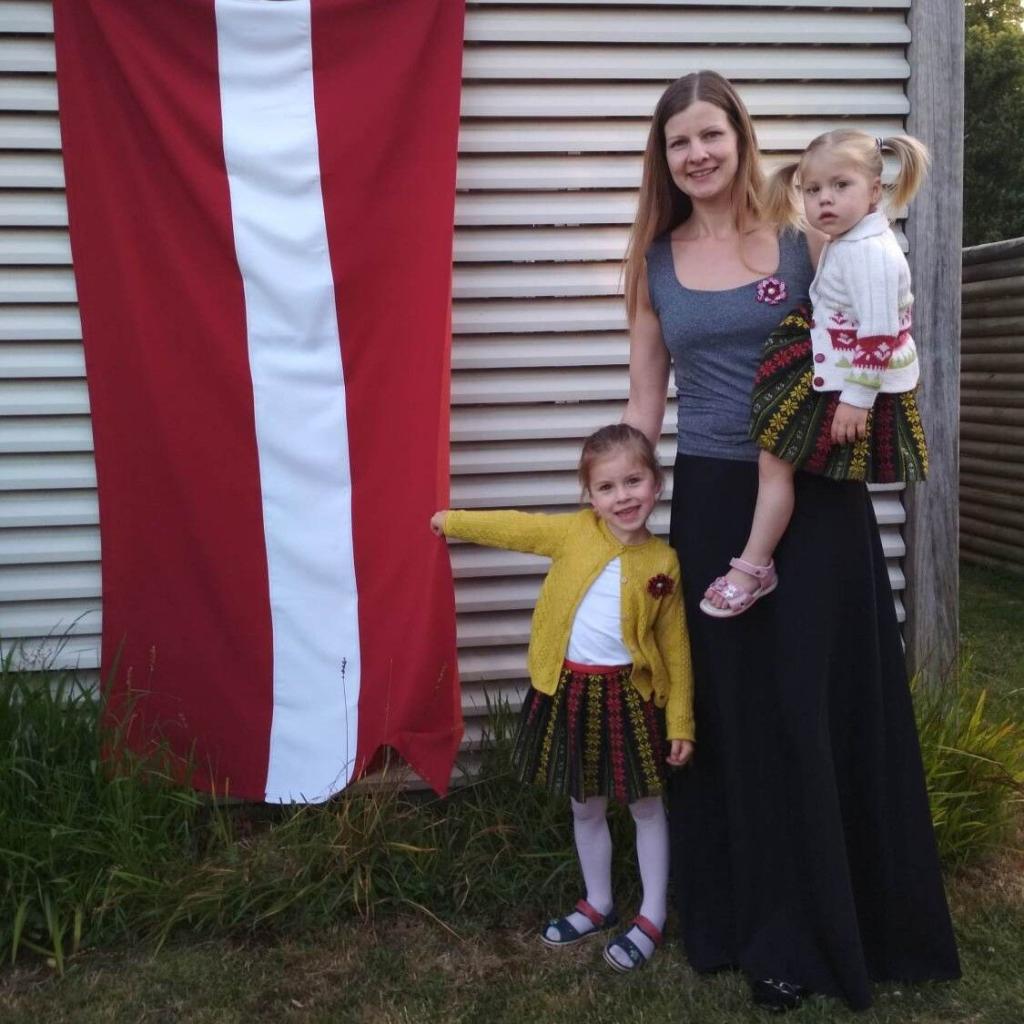
You eventually returned to Latvia because of political instability in Chile?
I had submitted an application for a postdoctoral research project and came to Latvia to begin it, but at that moment I had not intended to return permanently to my home country. Exactly two months before I travelled to Latvia for what was supposed to be a short visit, mass protests broke out in Chile. People demanded constitutional reform and a left-wing government led by communist politicians – and those demands were met. There was even an attempt to amend the constitution, but the public ultimately proved wise enough not to approve it. It was, however, a turbulent period. There were many violent protests in the streets, and in a small city such as Valdivia, where only three bridges lead to the city centre and these were often blocked by protesters, everyday life was becoming increasingly difficult. Then, after we arrived in Latvia, the COVID-19 pandemic began – and we simply stayed. It was a joint family decision. Compared with Latvia, Chile has a highly international environment, whereas in Latvia people do not readily accept opinions that are internationally recognised but unpopular locally. The same is true in dentistry. That is why my postdoctoral research project also had an underlying objective: to introduce a method that had already been extensively researched worldwide and proven effective.
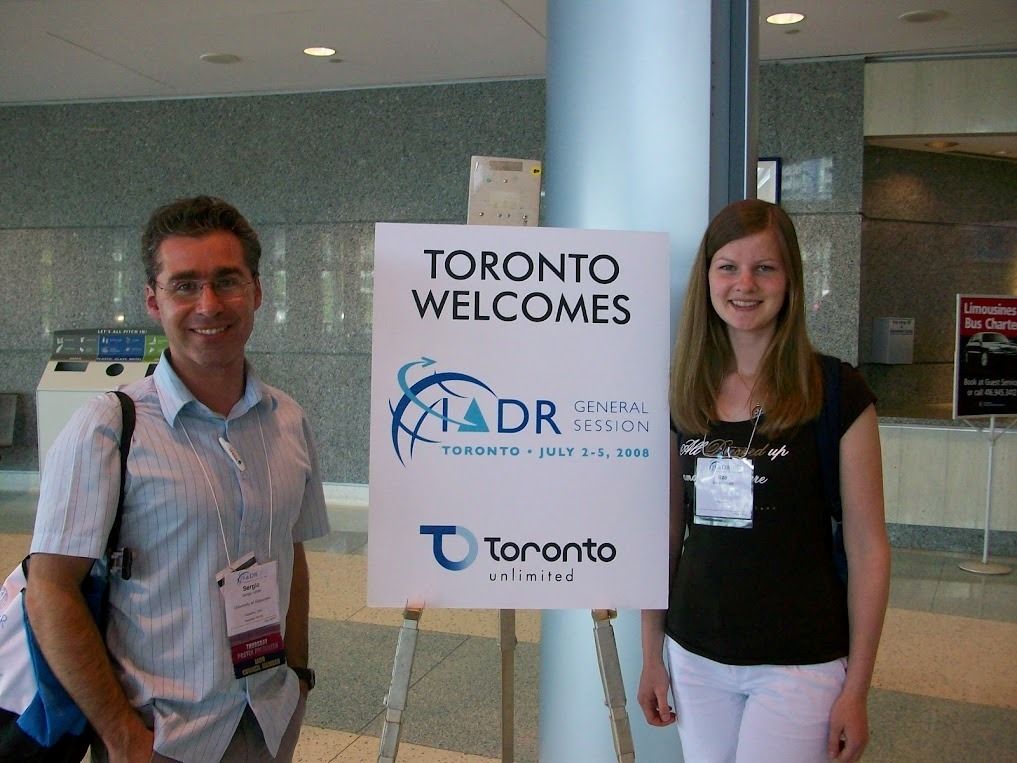
With future husband Sergio in 2008, shortly after they first met. Photo: Courtesy of Ilze Maldupa
There are two dental researchers in your family. Does having the same profession help or hinder a relationship?
It definitely helps me. I think it helps my husband too. We complement one another. We do have somewhat different perspectives on certain matters. My husband is a ‘pure researcher’ – he is interested in discovering the truth for its own sake and enjoys the research process and the data themselves. I, on the other hand, hope to influence health policy through research. I am still only at the beginning of that journey, and there is much work ahead. I am grateful to fate and to the International Association for Dental, Oral and Craniofacial Research (IADR) that I can now pursue this work together with my husband.
You also have two daughters…
Together, we have three daughters – Sergio’s eldest daughter lives in Chile.
As a family of two dentists, have you managed to establish healthy dental habits, such as a weekly ‘sweet day’ for children as is common in Scandinavia?
I am very aware of the harmful effects of sugar and monitor my daughters’ diets – I do not know what kind of trauma this will leave them with (laughs). That said, strictly avoiding sugar or introducing a single ‘sweet day’ in Latvia is practically impossible. Once children start attending nursery school or school, they enter a different reality. Apart from sweets, many everyday foods are simply too sweet. Even rye bread often contains more than 10 grams of sugar per 100 grams, which is far too much. Nursery schools still serve sweetened teas and fruit drinks, and the amount of sugar consumed there exceeds recommended limits every day. It is therefore very difficult to avoid. Scandinavian students who come to Latvia have also observed that ‘everything here is sweet’. My husband says that even beer in Latvia is sweet – it is difficult to find one without a sweet aftertaste. Of course, my daughters have rarely needed dental treatment. Nevertheless, my younger daughter developed dental caries. That experience clearly demonstrated to me how powerful influences outside the family can be. I knew her enamel was more susceptible because her teeth erupted with defects, yet we brush thoroughly every day using fluoride toothpaste and maintain a healthy diet at home. However, two years in nursery school, where children consume excessive amounts of sugar every day, had their effect. Of course, I was able to use minimally invasive techniques to resolve the problem permanently in around ten minutes.
I read that you once gave up sugar yourself...
I suffer from migraines, and one of the recommendations for managing it is to monitor blood glucose levels. Since I did not want to look too deeply into which products to consume and which foods might cause greater fluctuations, I concluded that if I avoided free sugars altogether, my glucose levels would remain relatively stable.
In fact, giving up sugar was incredibly easy – I never once felt deprived and experienced cravings for something sweet.
And now, when I see boiled eggs, I feel there is nothing more delicious in the world! My sense of taste has completely changed.
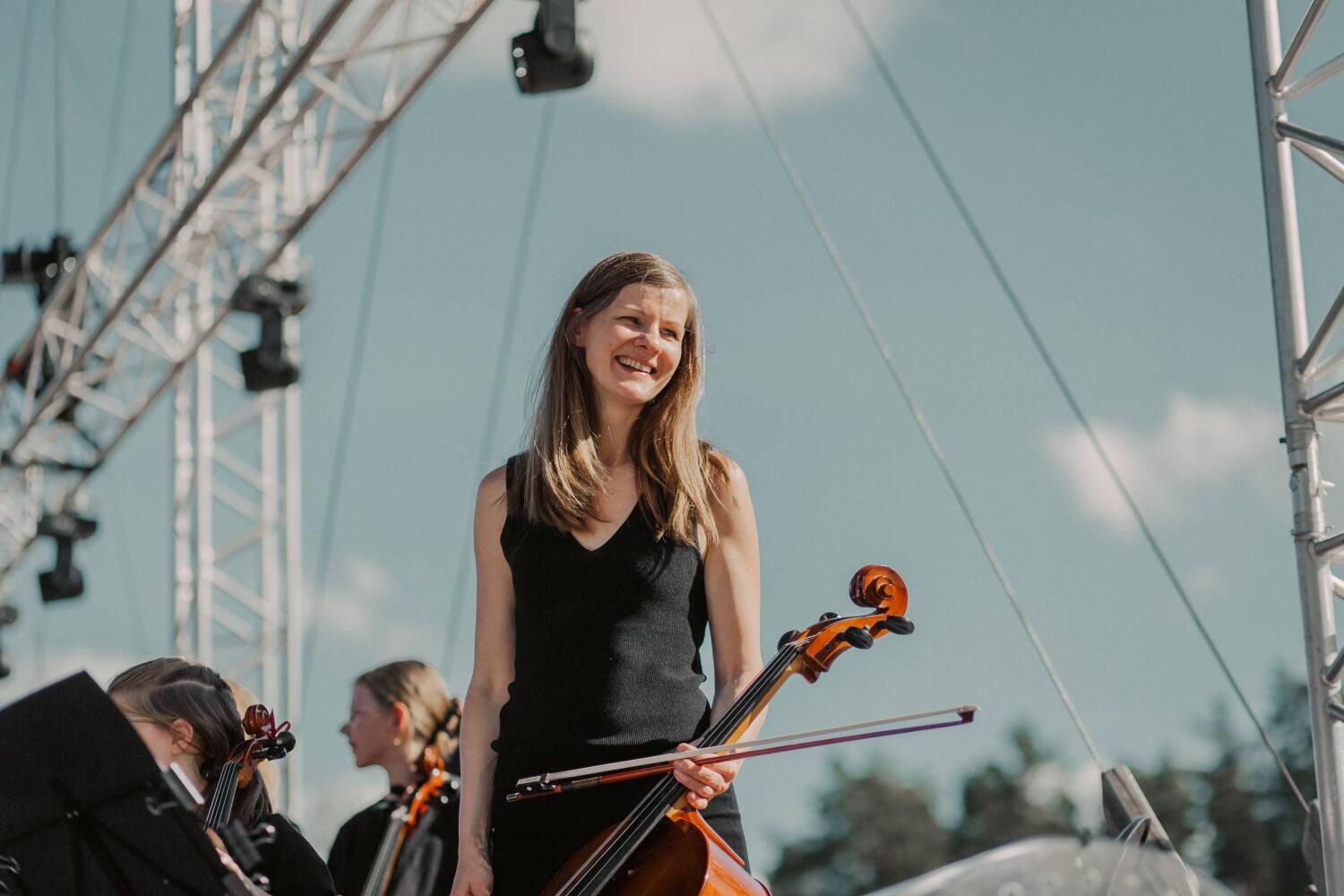
You got to know dentistry in Chile and regularly attend international conferences. How does Latvian dentistry compare internationally?
In terms of infrastructure, we are at a very high level and can proudly showcase our dental practices. Compared with many other countries, a wide range of highly specialised treatments are funded here, including complex and expensive procedures. Professional associations deserve credit for successfully advocating on behalf of their members. The downside, however, is that relatively few people benefit from this model of highly specialised care because we are not wealthy enough as a country to provide it for everyone. Our budget for health promotion is severely constrained by the high cost of treatment.
In research, our capacity is relatively modest, but I see that as an advantage – what we produce is genuinely meaningful rather than publications created simply for the sake of publication.
Although career advancement depends heavily on publication numbers, my team and I prioritise quality above all else. In some parts of the world, there is a growing tendency to publish very large numbers of papers, often using artificial intelligence tools without sufficient quality control. In one of our studies, we identified authors who had published several hundred papers in a single year, which is something that is clearly not realistically possible.
Our group can be pleased with its international recognition – we are recognised by experts in the field. One of our studies was recently included in the World Health Organization’s guidelines on less invasive and environmentally sustainable dentistry. We have enormous potential.
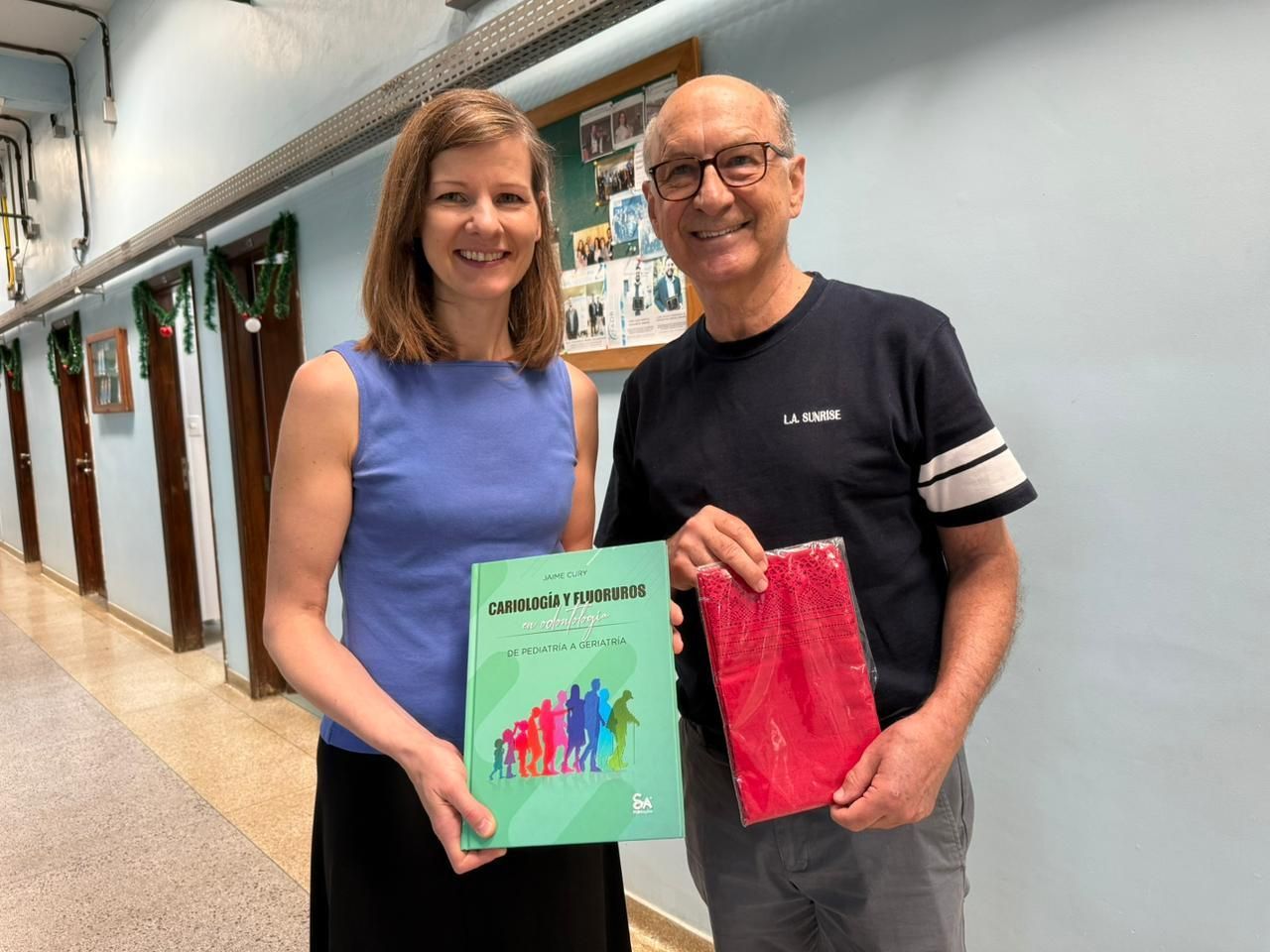
Let us return to your research. The media recently reported findings from your study on children’s oral health**. This is not your first study – each of them has a practical focus and aims to bring about change in society and healthcare...
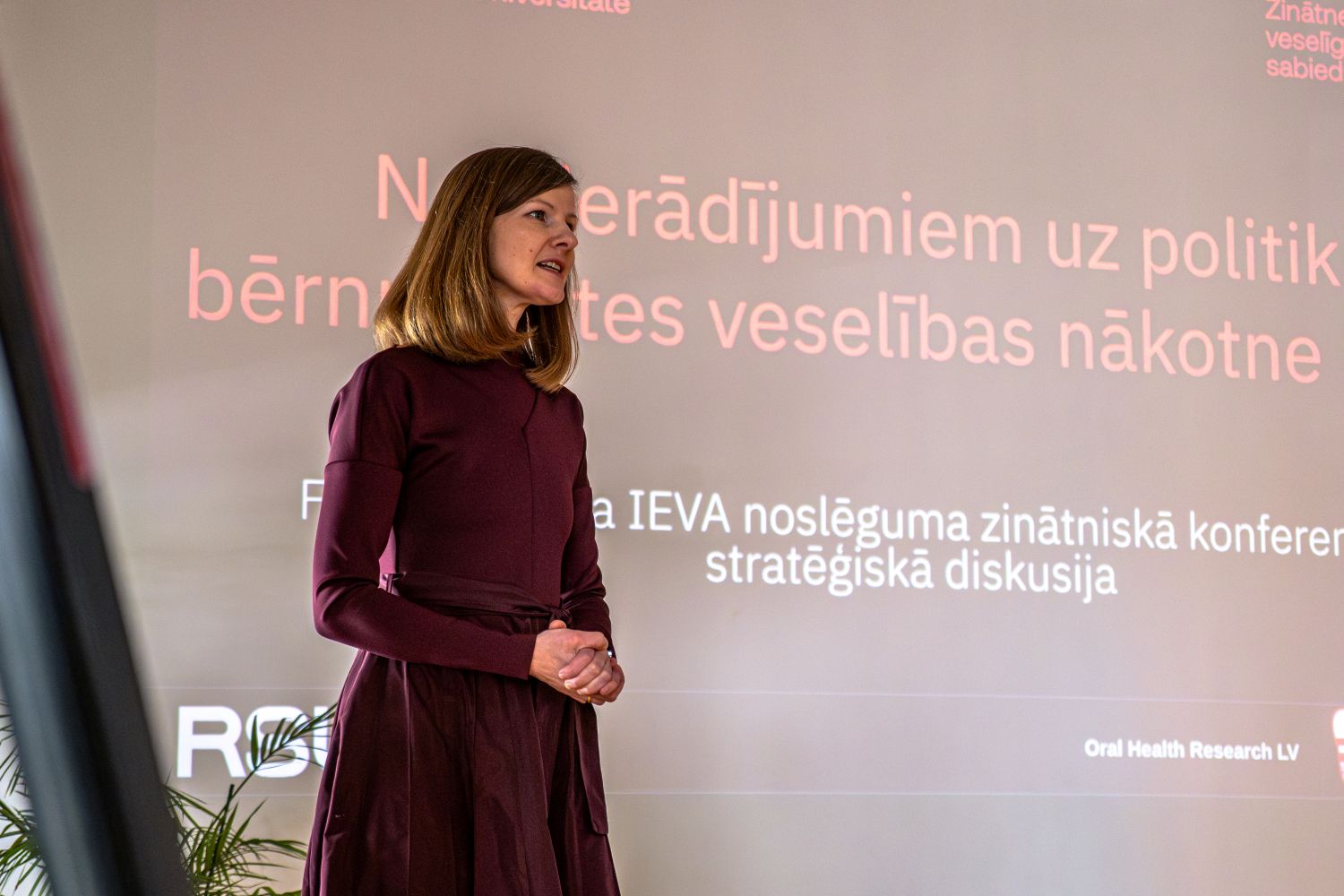
I was delighted that on 17 April we held a conference to discuss the study findings. For the first time, policymakers and non-governmental organisations participated in discussions about children’s oral health.
I wrote my first small dentistry research project while still in secondary school, 26 years ago, and continued conducting research throughout my studies. I have always been interested in the situation in Latvia and in finding evidence-based solutions that can improve healthcare.
At present, there is a very positive environment in paediatric dentistry to introduce earlier diagnosis as well as more timely and gentler treatment approaches. However, oral health must be viewed more broadly. A child with caries may later become an adult with high blood pressure, diabetes or cancer. That is why I expect policymakers to come up with solutions that make it easier for people to make health-promoting choices.
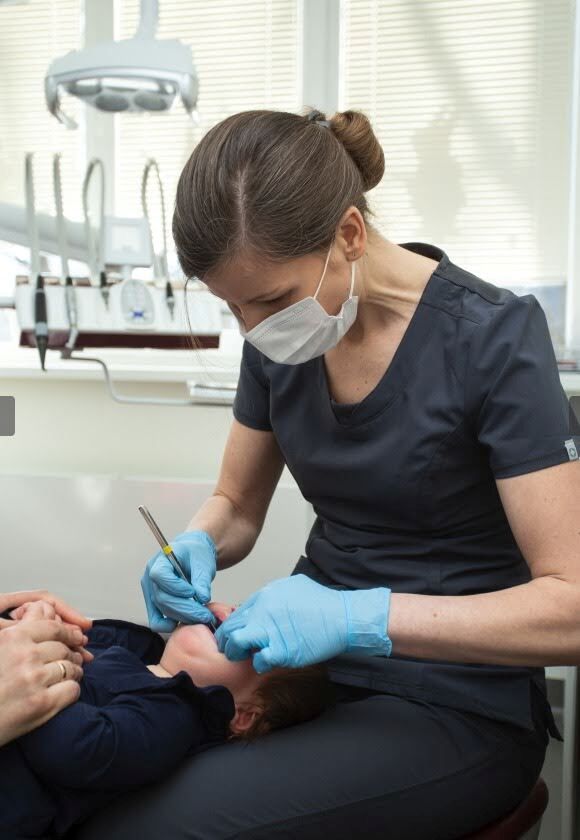
Your study also highlights gentler methods in paediatric dentistry. For example, in many cases a child’s tooth affected by caries does not need to be drilled; substances can be applied to prevent further deterioration. Likewise, there are materials that may be less aesthetically pleasing but are gentler and more effective for use in posterior teeth. How is the mindset of dentists changing regarding these options, given that the traditional approach of ‘if there is a cavity, it must be drilled’ no longer works?
For many years, we have taught effective methods for treating dental caries in children within undergraduate dentistry programmes, yet it appears that this approach is still not widely adopted in Latvia. As part of our study, we also surveyed dental teams regarding their views on these gentler methods.
We found that dentists are familiar with these methods, but… they do not feel comfortable treating caries without drilling. Many still feel that if a dentist is not drilling, it is no longer dentistry.
This perception is deeply rooted not only among dentists but also among patients. However, our research showed that patients – in this case, parents – are more open to change than dentists tend to assume. Before silver diamine fluoride was first introduced in Latvia, we surveyed parents to determine whether they would support such a treatment method. It turned out that support was higher than elsewhere in the world: almost all parents (80%) would accept it for treating posterior teeth, and one in two parents would even accept it for anterior teeth.
Meanwhile, dentists are still worried about what patients might think if no drilling takes place. Yet there is compelling evidence that methods and materials that work well for permanent teeth do not always work just as well for primary teeth. For example, composite fillings often fall out of primary teeth, creating the need for repeated treatment, which can be challenging for children. Children also dislike the sound of drilling, the associated sensations and local anaesthesia.
No matter how effective a method may be, it will not be widely used if it is poorly reimbursed or unpopular. That is why we seek to replace assumptions, traditions and simple popularity with scientifically grounded and effective solutions. In paediatric dentistry, this means an ever-growing range of minimally invasive, patient-friendly and environmentally sustainable treatment methods.
* RSU Institute of Public Health study The Impact of Sugar Consumption on Physical and Mental Health
Related news
 RSU Researcher Anna Žabicka Receives International Recognition for Her PhD DissertationRecognition, Social anthropology