Science helps us understand ourselves: Adolescent mental health at Researchers’ Night
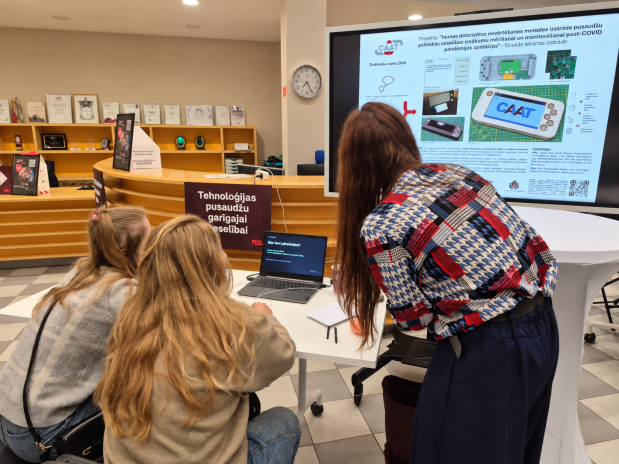
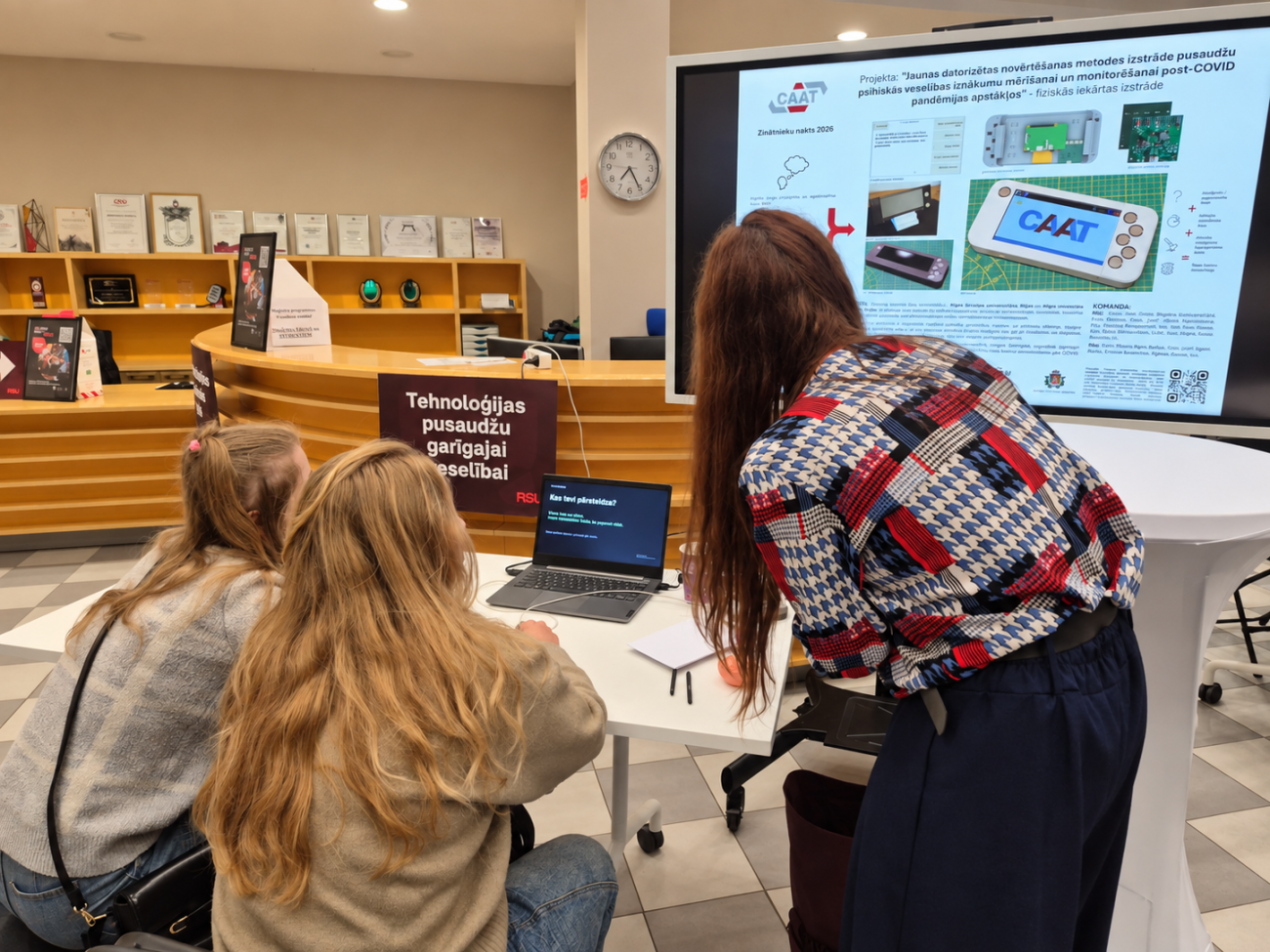
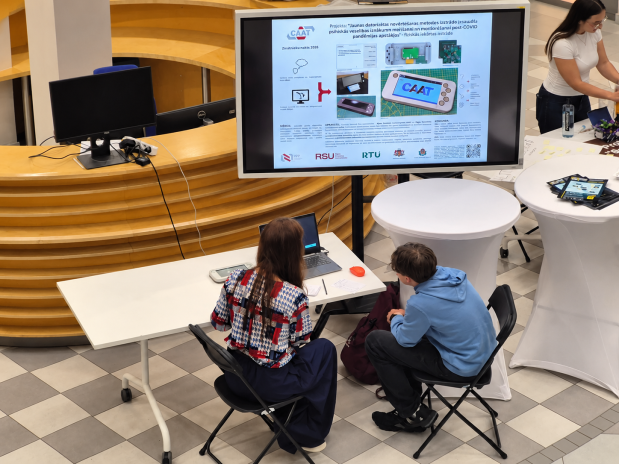
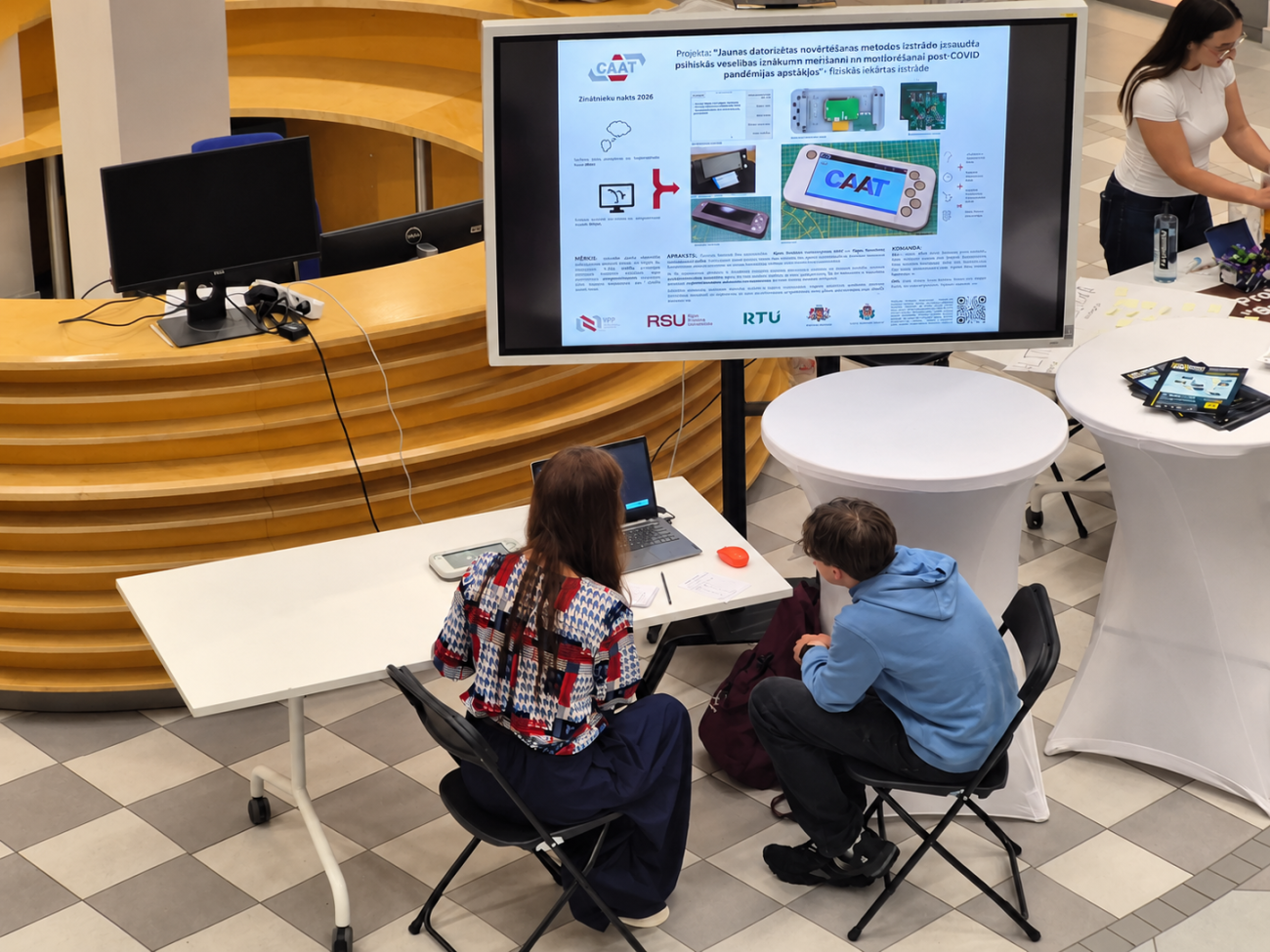
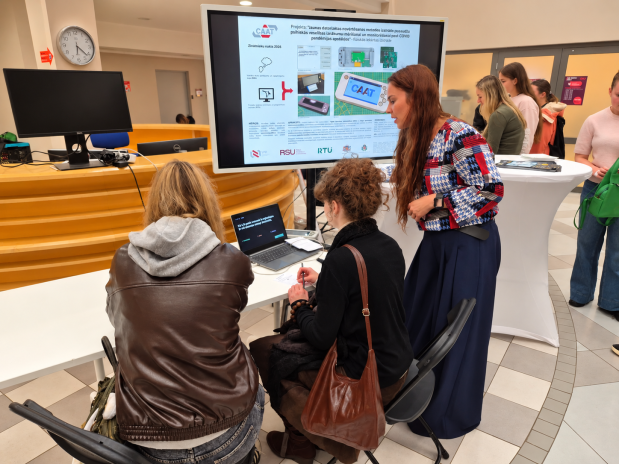
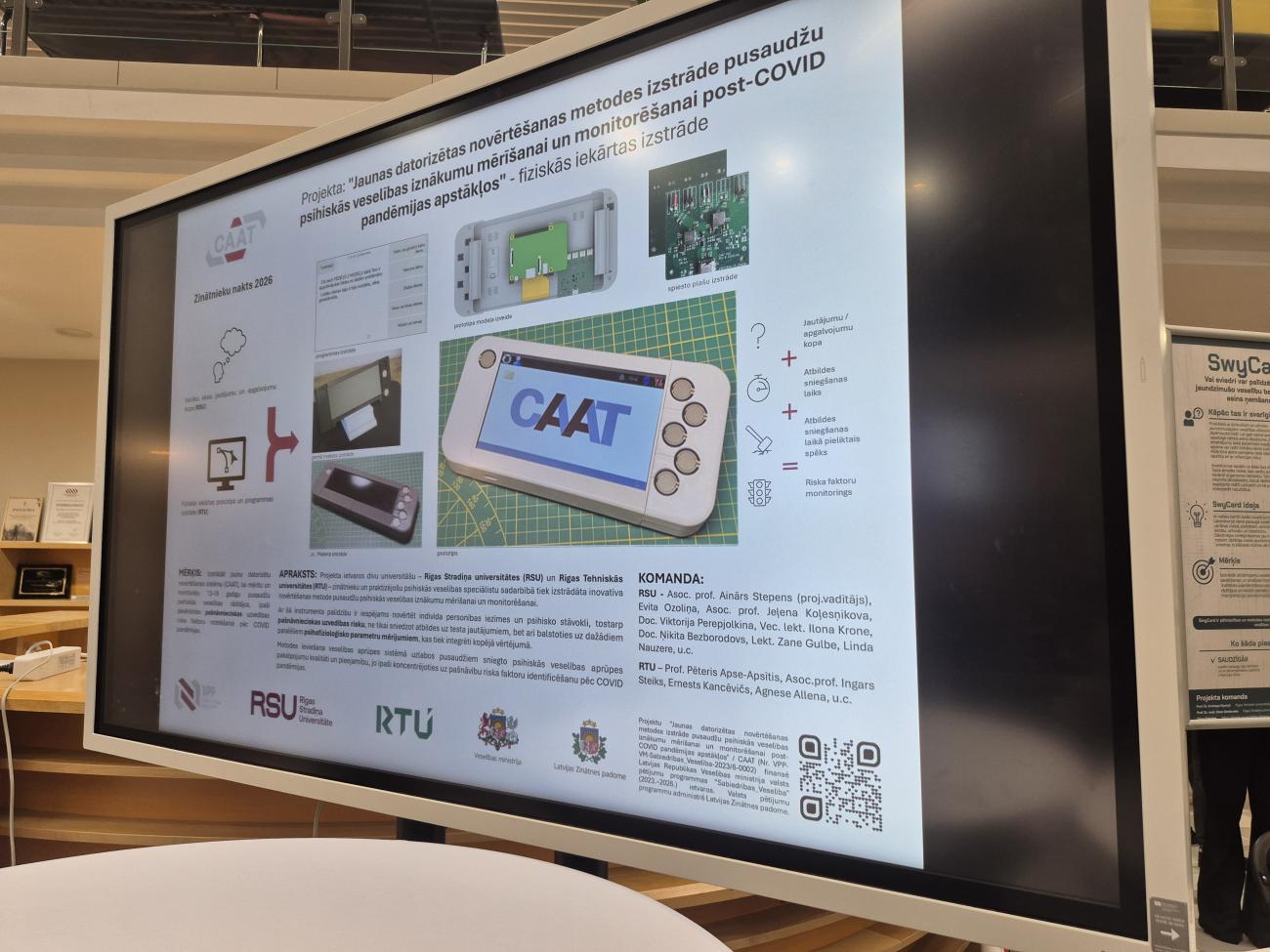
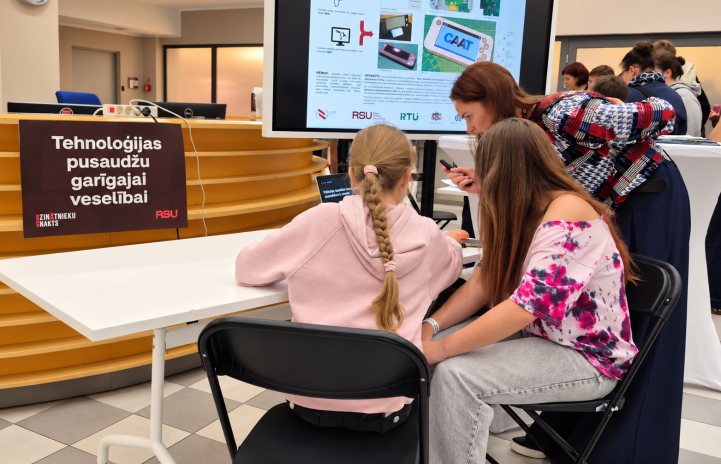
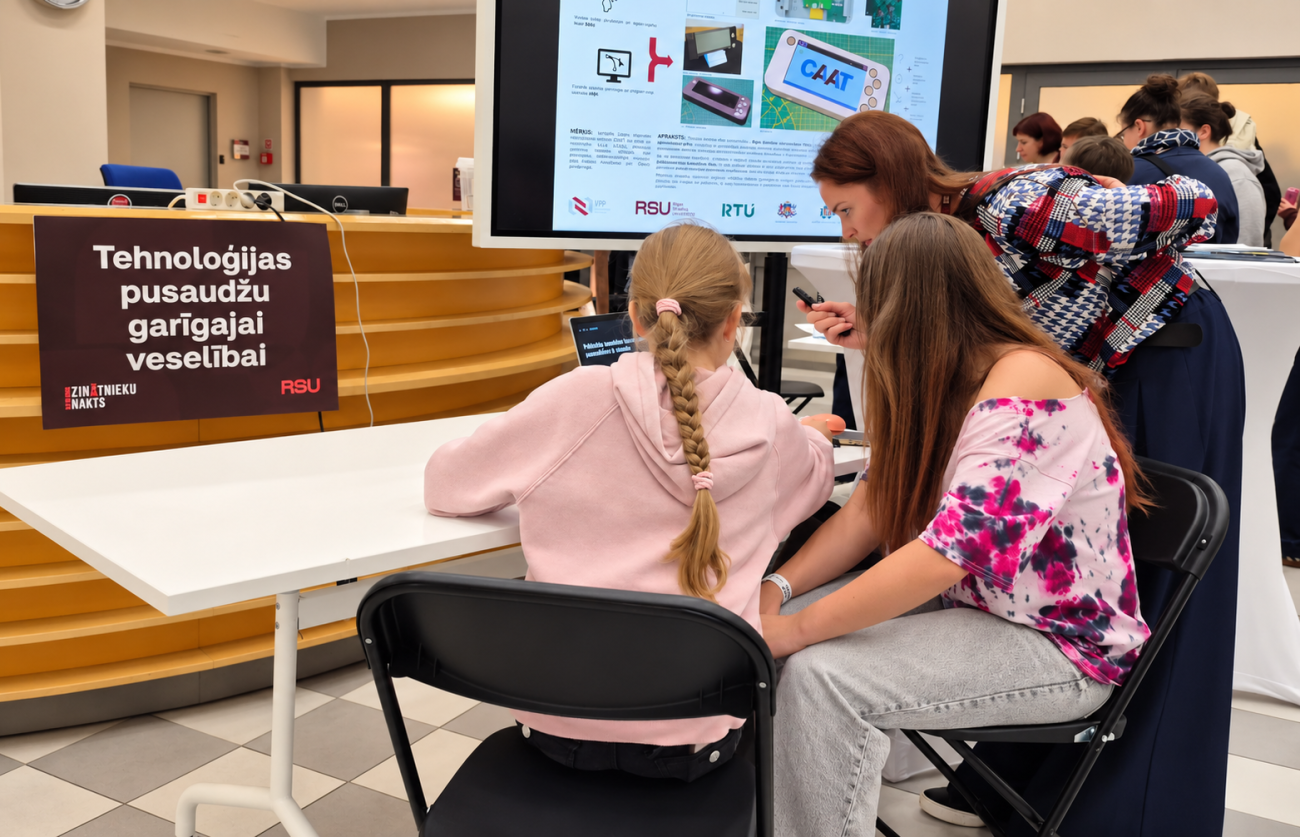
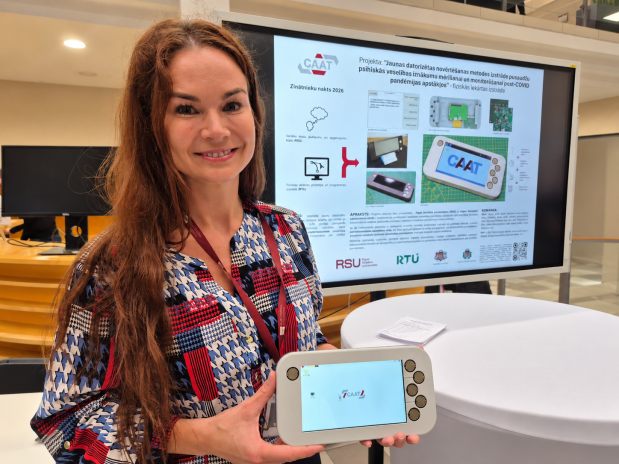
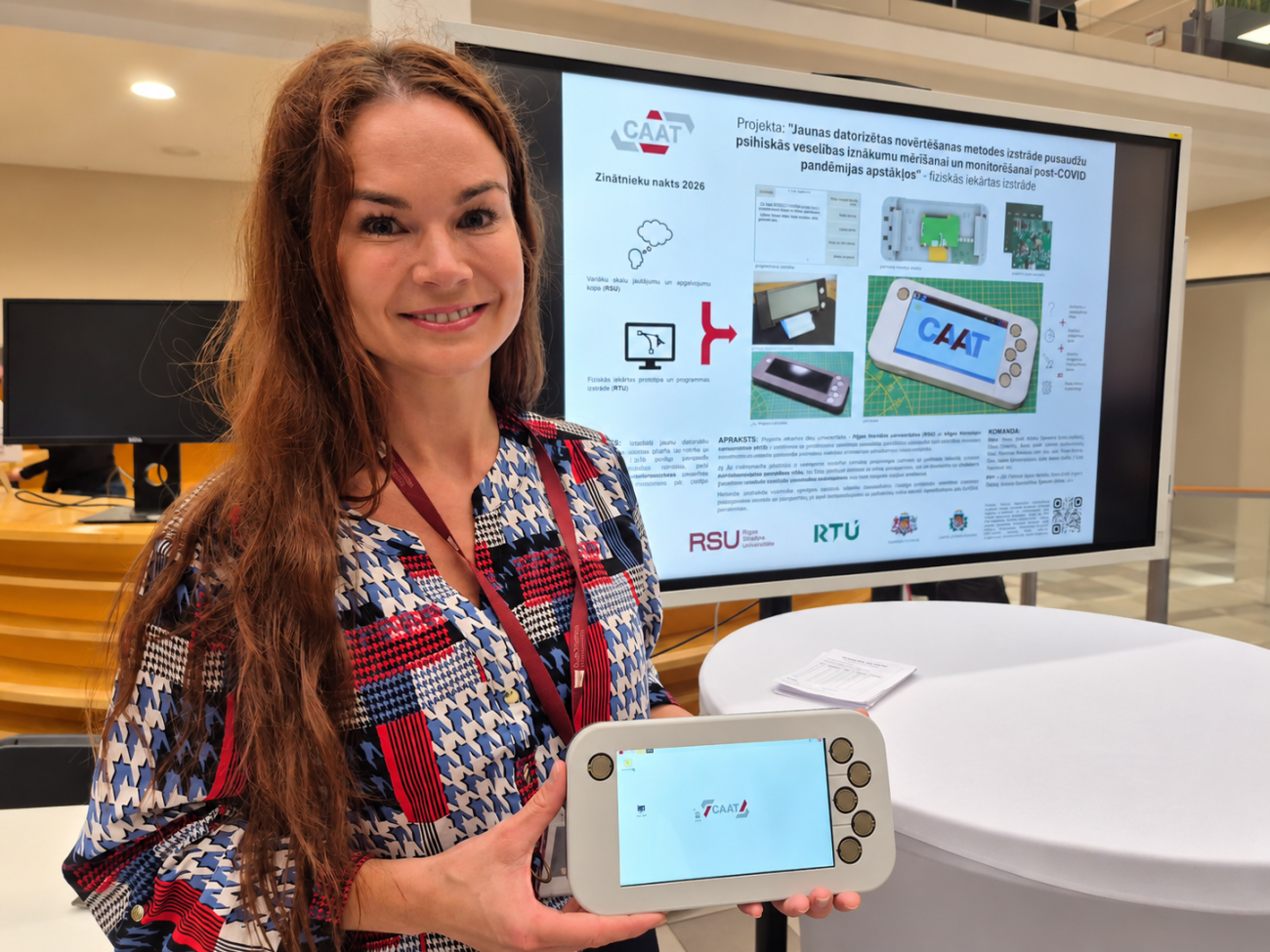


This year, Researchers’ Night invited visitors to “Discover the Nature of Science”, while at the Rīga Stradiņš University (RSU) stand “Technology for Adolescent Mental Health”, visitors – particularly young people – had the opportunity to take a closer look at their own well-being, test their knowledge of psychological well-being, and learn about a technology being developed by researchers from RSU and Riga Technical University (RTU) for assessing adolescent mental health.
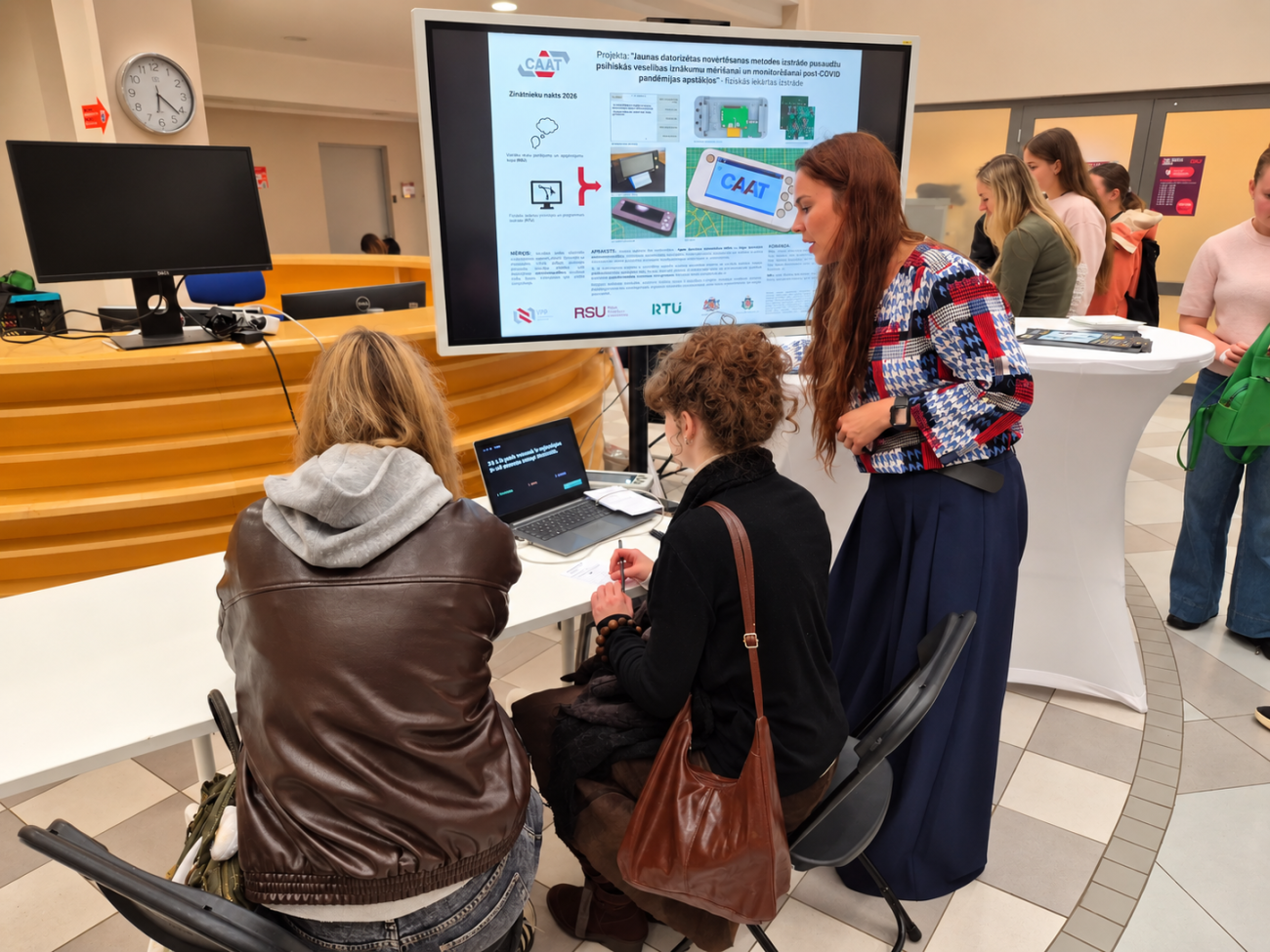
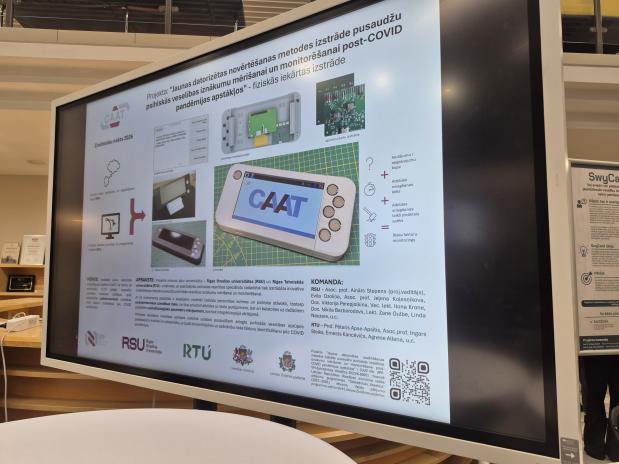
RSU researcher Linda Nauzere demonstrated a device developed by the CAAT project partners at RTU and explained how it could support doctors in assessing adolescent mental health. The device incorporates tests developed by RSU researchers to assess different aspects of mental health in adolescents aged 13–19.
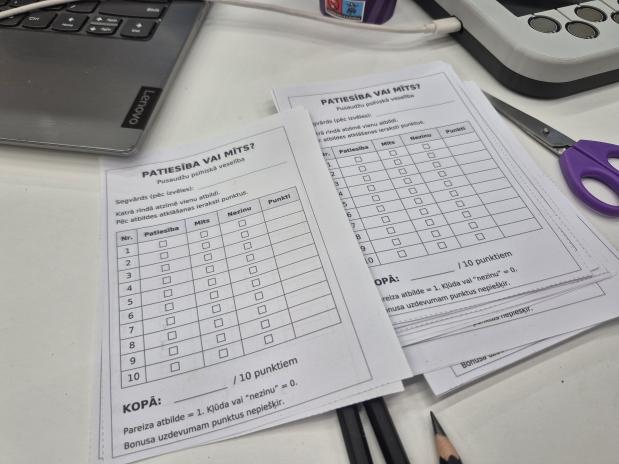
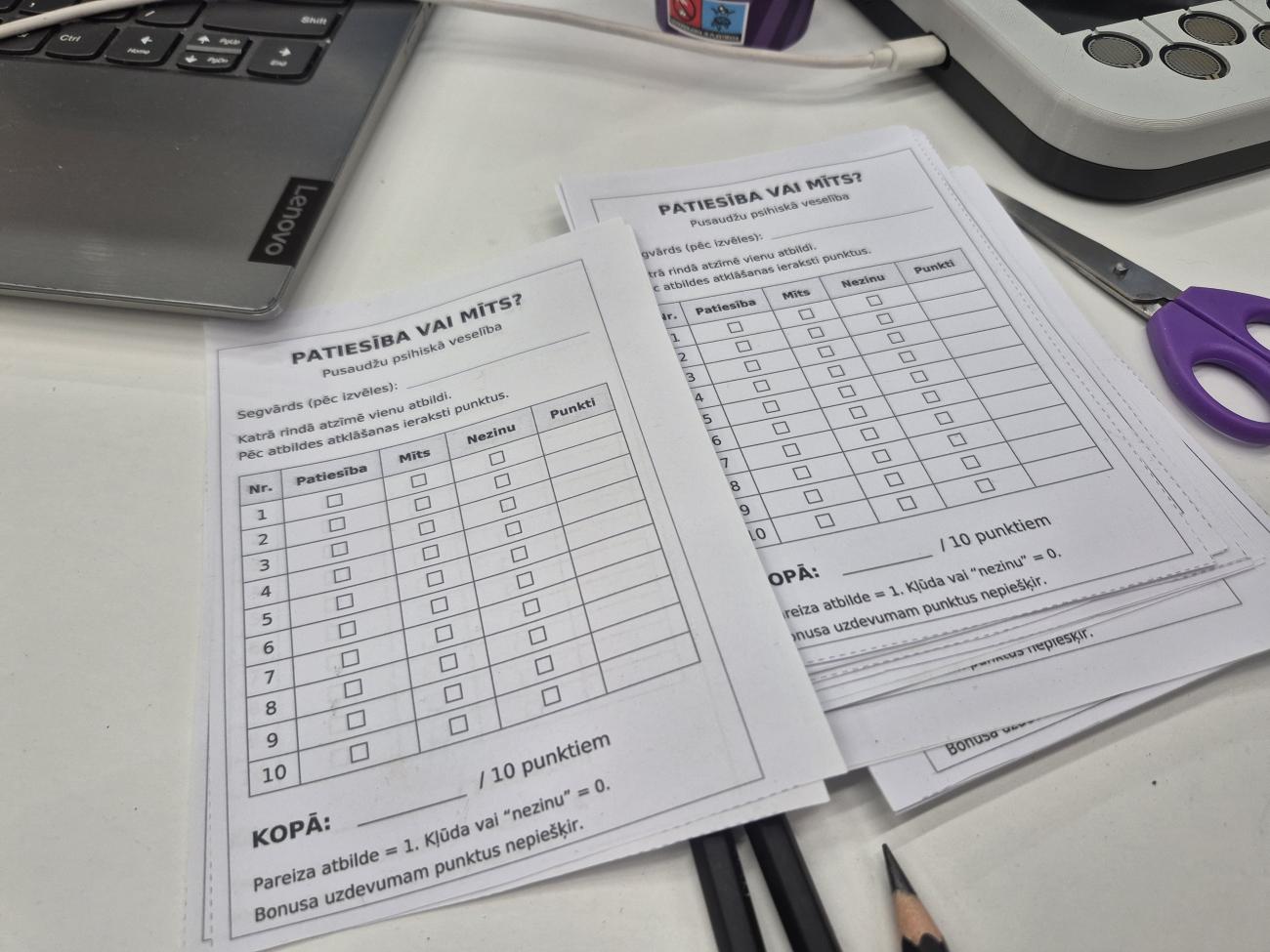
Truth or Myth?
Visitors to Researchers’ Night could not only see the device developed as part of the project but also test their knowledge of psychological well-being in the “Truth or Myth?” game. Young people answered ten questions about mental health and everyday habits.
After each answer, Linda Nauzere explained why the statement was true or a myth and how it related to psychological well-being. For example, one of the questions focused on how much sleep adolescents need, prompting a discussion about how insufficient sleep can affect well-being and contribute to anxiety.
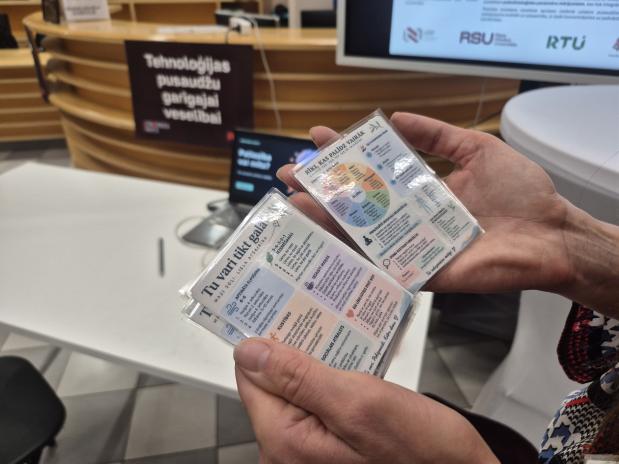
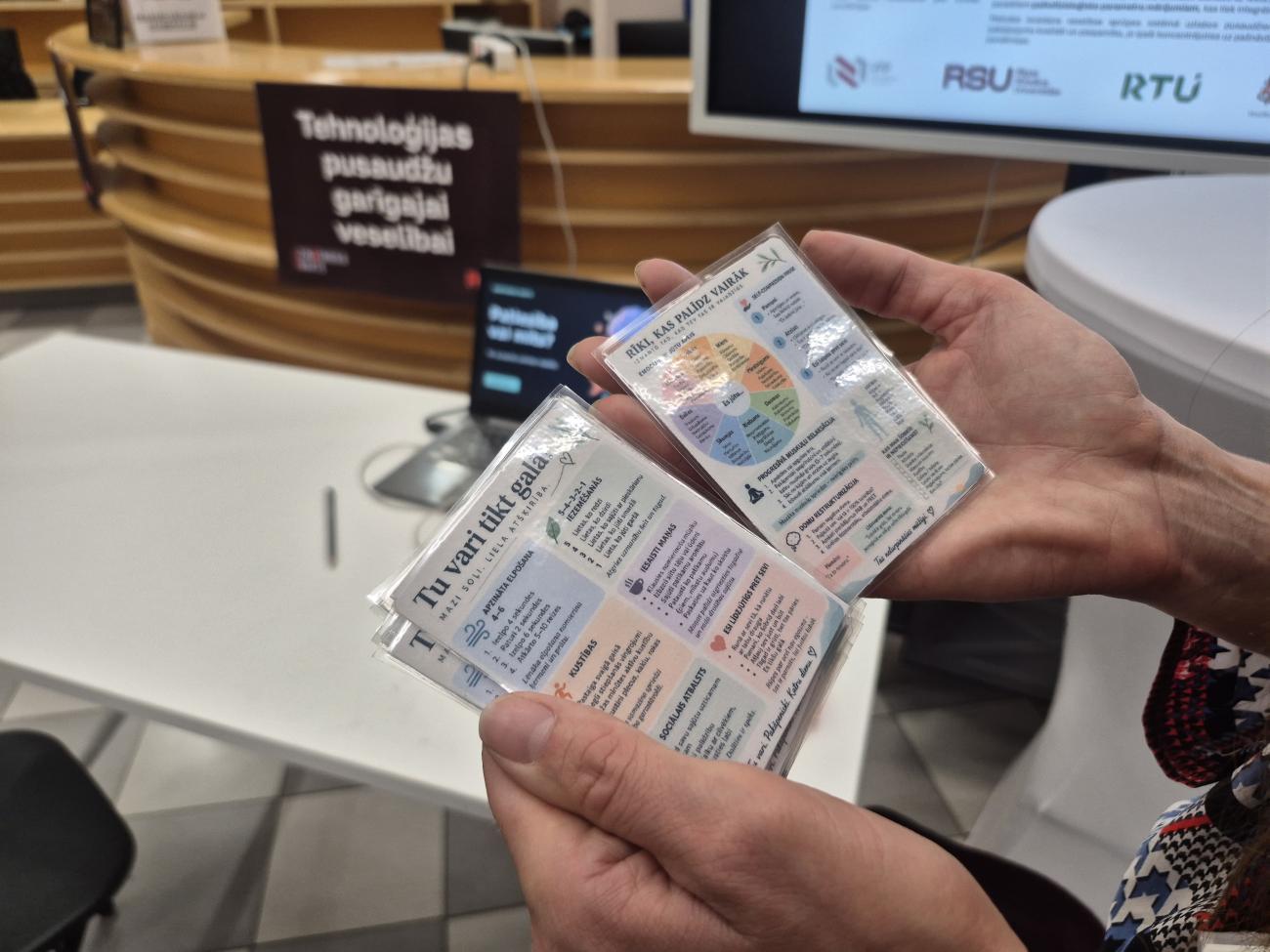
Visitors could also learn simple practical techniques that may be useful in moments of stress or anxiety. Specially prepared cards described different techniques and explained how they can be used in everyday life.
'When emotions become particularly intense, it is important for adolescents to know practical ways to manage them effectively.
This is why, when talking to young people about mental health, it is not enough simply to discuss problems or risks. It is equally important to offer simple techniques that can be used in everyday life, such as breathing exercises, sensory grounding or movement, which can help restore a sense of balance during moments of stress or anxiety. In conversations with adolescents at the stand, it was encouraging to see that young people were interested not only in learning more about mental health, but also in understanding what they themselves can do to take better care of their well-being,' says Nauzere.
Therefore, adolescent mental health was more than simply a topic of discussion at the Researchers’ Night stand. Visitors could see how the work of RSU researchers on developing psychological assessment tests suitable for adolescents is combined with the technological solution created by RTU researchers, while also testing their own knowledge of psychological well-being and learning practical techniques for supporting their well-being.
The project “Development of a new computer-assisted assessment tool for measuring and monitoring mental health outcomes of adolescents in the context of the post-COVID pandemic” (No. VPP-VM-Sabiedrības_Veselība-2023/6-0002) is funded by the Ministry of Health of the Republic of Latvia under the State Research Programme “Public Health”.
The project aims to develop a new computer-assisted assessment tool (CAAT) to measure and monitor mental health outcomes of adolescents aged 13–19, with particular focus on identifying risk factors for suicidal behaviour. The new method is intended to help professionals identify adolescent mental health difficulties at an earlier stage and determine the most appropriate further support.
Read more on the project's page.
Related news
 RSU hosts CNRS/EHESS Centre for Russian, Caucasian, East European and Central Asian StudiesResearch, International Cooperation