


Autore: Ilze Āķe-Vīksne,
sabiedrisko attiecību projektu vadītāja
28. aprīlī Rīgas Stradiņa universitātē (RSU) notika Saeimas Izglītības, kultūras un zinātnes komisijas Sporta apakškomisijas un Augstākās izglītības, zinātnes un cilvēkkapitāla apakškomisijas izbraukuma sēde. Tās laikā deputāti, nozares politikas veidotāji un RSU vadība diskutēja par sporta izglītības un zinātnes attīstību, īpašu uzmanību veltot RSU Latvijas Sporta pedagoģijas akadēmijas (RSU LSPA) konsolidācijas procesam un rezultātiem.
Sēdē piedalījās Saeimas deputāti, Izglītības un zinātnes ministrijas (IZM) sporta politikas veidotāji, Latvijas sporta nozares līderi no Latvijas Sporta federāciju padomes, Latvijas Olimpiskās vienības, Latvijas Paralimpiskās komitejas, kā arī RSU un RSU LSPA vadība.
Konsolidācija kā stratēģisks pavērsiens sporta attīstībā
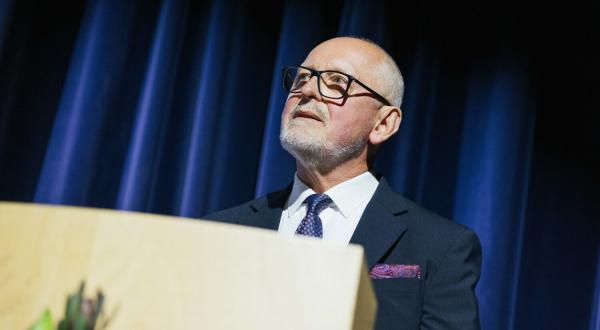
Atklājot diskusiju, RSU rektors profesors Aigars Pētersons uzsvēra sporta nozīmi universitātes attīstības stratēģijā: “Runājot par sportu Rīgas Stradiņa universitātes kontekstā, mēs to nekad neesam uztvēruši kā blakus aktivitāti. Sports nav papildu elements, tā ir universitātes stratēģiska izvēle, kas cieši saistīta ar izglītību, veselību un zinātni.”
Rektors akcentēja, ka RSU LSPA konsolidācija 2024. gadā bijis konceptuāls solis, apvienojot sporta izglītību, zinātni un universitātes attīstību vienotā sistēmā. Vienlaikus RSU attīsta plašāku redzējumu par Pārdaugavu kā vienotu sporta telpu, kur studijas, pētniecība un sporta aktivitātes organiski savienojas ar pilsētvidi.
Par augstskolu konsolidācijas rezultātiem un turpmāko attīstību informēja RSU LSPA direktore Diāna Laipniece. Viņa uzsvēra pieņemtā lēmuma nozīmīgumu: “RSU LSPA konsolidācija RSU ekosistēmā ir bijis pārdomāts un pareizs lēmums. Ieguvumi jau tagad redzami gan Sporta akadēmijas studiju kvalitātē, gan infrastruktūras attīstībā. Mēs veidojam mūsdienīgu, pētniecībā balstītu sporta izglītības vidi, kas nodrošina pēctecību visos studiju līmeņos.”
RSU studiju virziens Sports akreditēts uz maksimālo termiņu, sešiem gadiem. Stiprinot izglītības nepārtrauktību, šajā virzienā tiek īstenota profesionālā bakalaura programma Sporta zinātne, īsā cikla programma Veselības sporta speciālists (Sporta treneris), kā arī jaunā akadēmiskā maģistra programma Sporta zinātne.
Mērķtiecīgas investīcijas sporta infrastruktūrā
Diskusijā tika izcelta jaunā RSU sporta kompleksa būvniecība Rīgā, Cigoriņu ielā 3. Projekts, kura izmaksas sasniedz 8,61 miljonu eiro (bez PVN), tiek īstenots no pašu līdzekļiem, un tas apliecina universitātes ilgtermiņa apņemšanos sporta attīstībā.
Topošais komplekss ar 3627 m² platību būs daudzfunkcionāls centrs ar sporta halli, treniņu un vingrošanas zālēm, kas veidos kvalitatīvu vidi gan studijām, gan augstu sasniegumu sportam. Jaunā kompleksa atklāšana plānota 2026. gada rudenī.
Priekšlikumi valsts sporta politikas pilnveidei
Sēdes diskusijās tika prezentēti arī konkrēti priekšlikumi sporta nozares politikas pilnveidei, tostarp par treneru kvalifikācijas sistēmas attīstību, normatīvo regulējumu uzlabošanu un izglītības satura pilnveidi.
Tie ietver:
- treneru kvalifikāciju sistēmas pilnveidi atbilstoši Eiropas kvalifikāciju struktūrai;
- skaidru regulējumu, kas ļautu vecākā sporta trenera kvalifikācijas ieguvējiem strādāt par sporta skolotājiem;
- sporta un veselības mācību satura pilnveidi skolās, lai uzlabotu bērnu fiziskās sagatavotības monitoringu;
- valsts aizsardzības mācības pedagogu kvalifikācijas līmeņa pārskatīšanu.
Šie priekšlikumi tiks virzīti turpmākai izvērtēšanai sadarbībā ar Izglītības un zinātnes ministriju.
Zinātne kā sporta attīstības dzinējspēks
RSU zinātņu prorektore Agrita Kiopa iepazīstināja ar universitātes pētniecības ekosistēmu un izcēla tās starptautisko mērogu – vairāk nekā 12 400 studentu, tostarp 3146 ārvalstu studenti no 87 valstīm, vairāk nekā 250 doktorantu, sešas koplietošanas pētniecības platformas un specializēti pētniecības centri, tostarp Veselības aprūpes sportā izpētes centrs.
Par valsts pētījumu programmas Sports ietvaros īstenoto projektu Inovācijas, metodikas un rekomendācijas sporta nozares attīstībai un pārvaldībai Latvijā pārskatu sniedza vadošā pētniece asoc. prof. Signe Tomsone. Projekts piedāvā zinātnē balstītas vadlīnijas sporta politikas pilnveidei un ilgtspējīgai nozares attīstībai.
Sēdes noslēgumā dalībnieki apmeklēja RSU Sporta un uztura izpētes laboratoriju, kuras vadītāja asociētā profesore Dace Reihmane viesus iepazīstināja ar laboratorijas iespējām jaunākajos pētniecības virzienos sporta fizioloģijā, uzturā un inovāciju pielietojumā sportā.
RSU ilgtermiņa vīzija sportā – līderība Ziemeļeiropā
RSU mērķis ir kļūt par vienu no vadošajām sporta zinātņu universitātēm Ziemeļeiropā, kur vienkopus attīstās sports, medicīna, sabiedrības veselība un sociālās zinātnes. Universitāte tiecas kļūt par kompetences centru, kas sniedz zinātnē balstītus risinājumus sporta organizācijām un sabiedrībai kopumā.
Kopīga izpratne par nozares attīstību
Diskusijas apliecināja vienotu izpratni par nepieciešamību stiprināt sporta izglītību un zinātni Latvijā, kā arī RSU un RSU LSPA nozīmi šā mērķa sasniegšanā. Izbraukuma sēde veicināja ciešāku sadarbību starp politikas veidotājiem, akadēmisko vidi un nozares pārstāvjiem, iezīmējot turpmākos sporta attīstības virzienus.
Sēdē piedalījās Saeimas deputāti Alīna Gendele (Sporta apakškomisijas vadītāja), Zane Skujiņa-Rubene, Jefimijs Klementjevs, Raimonds Bergmanis, Lauris Lizbovskis, Jānis Vucāns, Dāvis Mārtiņš Daugavietis, IZM valsts sekretāra vietnieks sporta un jaunatnes jautājumos Edgars Pukinsks, Sporta departamenta vadītājs Aleksandrs Samoilovs, Latvijas Sporta federāciju padomes prezidents Vladimirs Šteinbergs, Latvijas Olimpiskās vienības vecākā eksperte Marita Vilciņa un citi sporta vadības speciālisti.
Projekts nr. KPVIS 5.2.1.1.i.0/2/24/I/CFLA/005 RSU iekšējā un RSU ar LSPA ārējā konsolidācija.
Related news
 RSU Rector presents the university’s achievements and future goals at Academic Meeting For RSU Employees, Internal consolidation, Consolidation, Traditional Events


