When studies become a springboard for an international career


From studying in an international environment to working at a rapidly growing start-up in Stockholm – this is how the professional journey of Viljams Vilhelms Lazda, a graduate of the International Business and Start-up Entrepreneurship programme at the Rīga Stradiņš University (RSU) Faculty of Social Sciences, can be characterised. It demonstrates just how many opportunities curiosity, initiative, and a willingness to seize opportunities can open up.
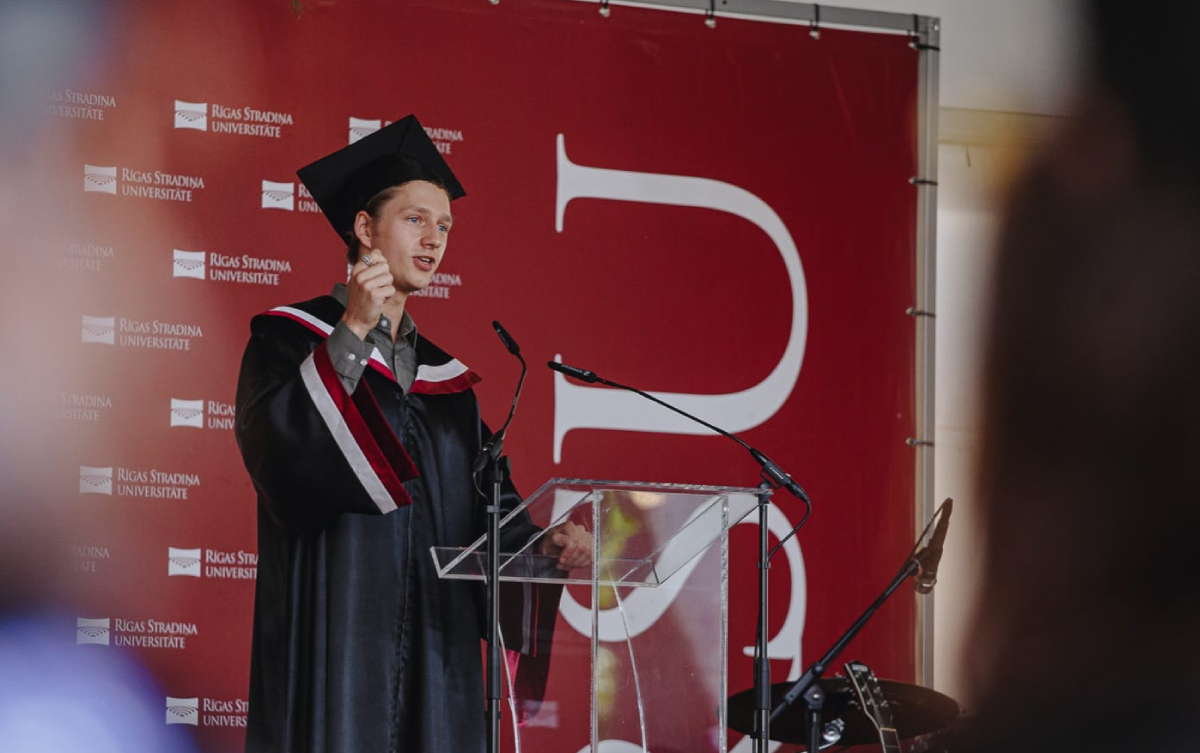
During his years of study, Viljams not only learned the fundamentals of entrepreneurship but also participated in hackathons and RSU Business Incubator projects, gaining practical experience in the innovation and start-up ecosystem. In this interview, he shares his experience, reflects on entrepreneurship, and encourages prospective students to be active beyond the lecture halls as well.
Why did you choose the RSU International Business and Start-up Entrepreneurship programme taught in English?
I chose this study programme because I wanted to broaden my horizons after graduating from secondary school and use English more in both my everyday and professional life.
The International Business and Start-up Entrepreneurship programme gave practical answers to my questions about what it takes to establish a start-up and collaborate with people from different cultures. Finding myself among international classmates was a valuable experience, which allowed me to look at things from different perspectives.
What do you do now, after graduating, and how did studies help you achieve your career goals? Which knowledge or skills acquired during your studies are currently the most useful in your professional career?
I work in Stockholm, Sweden, at a start-up called Pango as a Founder’s Associate. It is a very dynamic role with constantly changing tasks and priorities. My day-to-day responsibilities include market research, customer acquisition, sales and marketing, streamlining website content and visual elements, as well as recruiting new employees. The job requires the ability to learn new topics quickly, adapt to change, and collaborate with a wide range of stakeholders.
My studies helped me to gain an understanding of the fundamentals of business and gave me a broader perspective on entrepreneurship. In my day-to-day work, knowledge of finance, accounting, and business calculations is particularly useful, as is the ability to adapt to different situations and work in a dynamic environment.
Was there a particular project, course, or experience that specifically influenced your understanding of entrepreneurship and innovation?
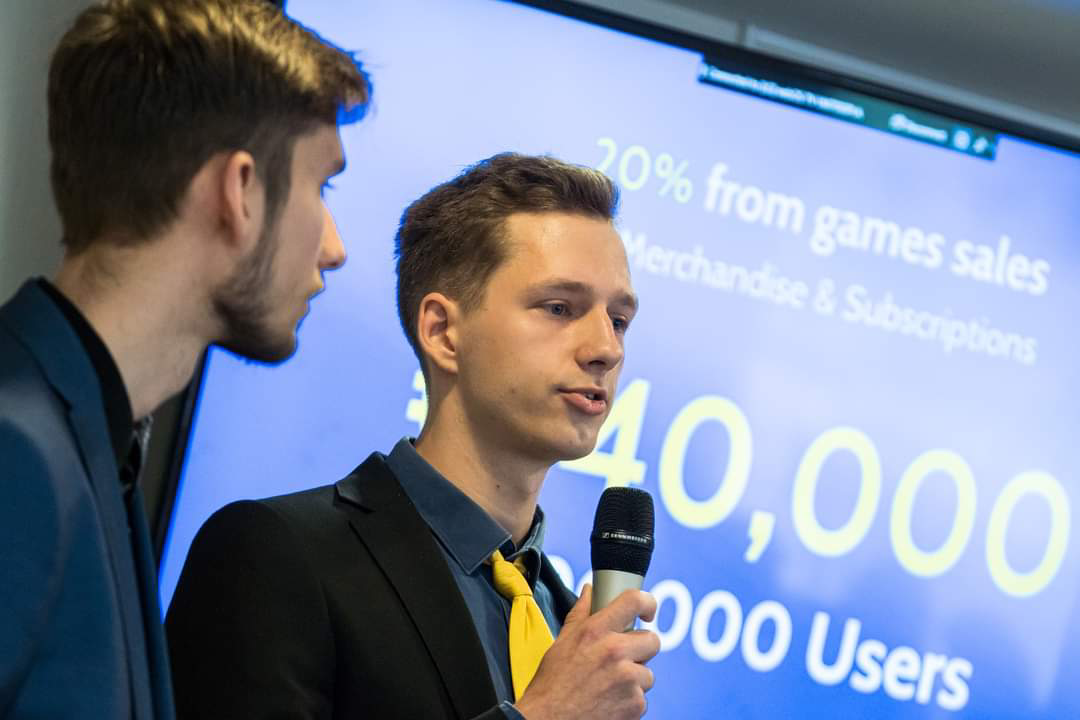
Already at the beginning of my studies, there was a course that introduced to entrepreneurial thinking and various methodologies. Through this course, I started participating in hackathons and later joined the RSU Business Incubator. As for hackathons, it is worth mentioning Riga Eco Hack 2023 and the TechChill Student Challenge 2024, while
at the RSU Business Incubator we went through the entire business development process, from conceptualising an idea, conducting market research, and validating the product to developing the first prototypes and the business concept.
This experience helped understand which aspects need to be considered when creating a business and what steps needs to be taken to turn an idea into a real project.
What opportunities did the programme provide for cooperation with students from other countries and cultures?
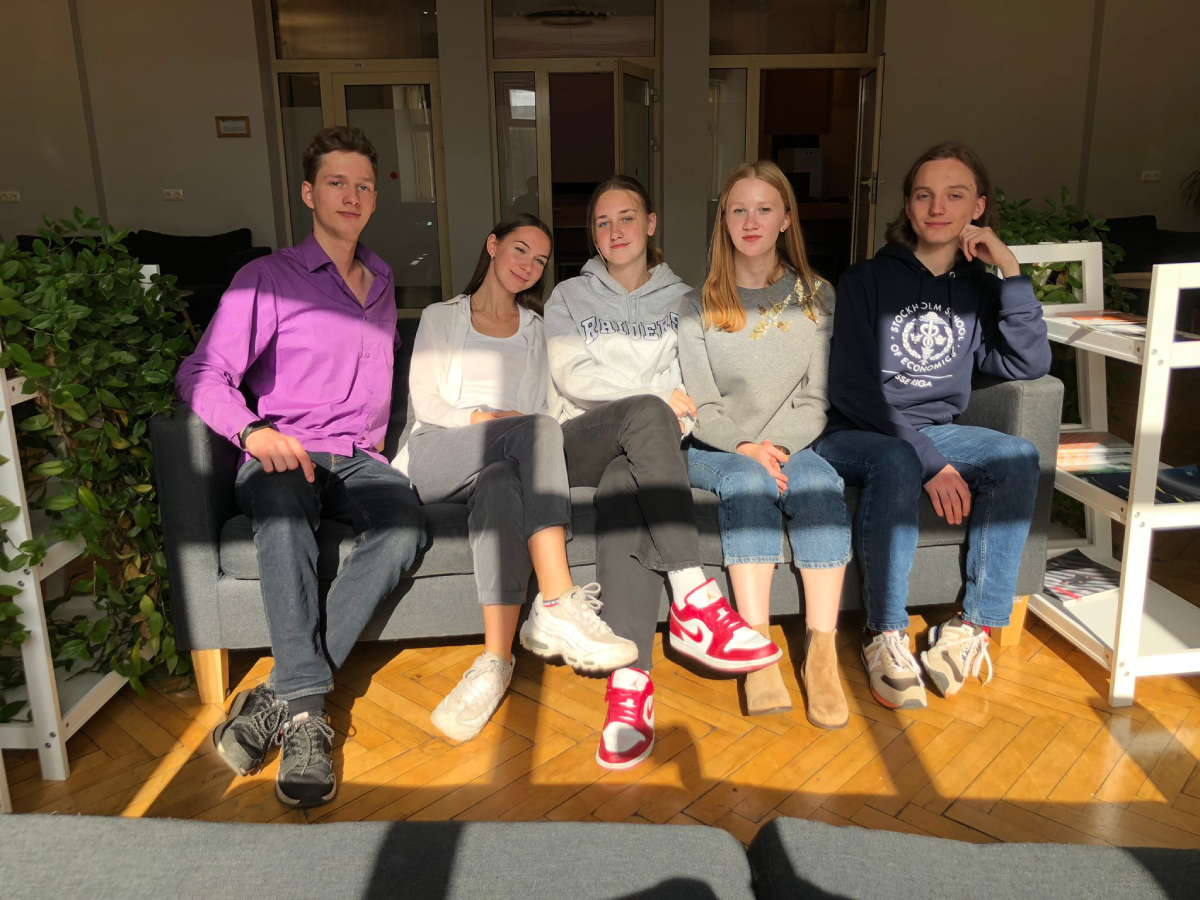
The programme is international; therefore, during everyday studies, there was ongoing cooperation with people from different countries and cultures. Additionally, students can participate in an Erasmus exchange programme, and, by studying abroad for a semester or two, gain experience in a completely new environment.
I had the opportunity to take part in an Erasmus exchange programme in Giessen, Germany. It was a very valuable experience that provided an opportunity to get to know other cultures, establish international contacts, and broaden my horizons. During my Erasmus exchange, I participated in various events with my classmates, semester balls and theatre events, as well as a sales competition together with students from the Unites States. We also had the opportunity to go on tours and visit companies such as Ferrero.
What advice would you give to prospective students who are considering studying international business and entrepreneurship?
It all depends on the individual.
Studies can provide structure, ideas, direction, opportunities, and new friends, but to a large extent, the outcome will depend on what you do outside the classroom. If you take advantage of the opportunities and get involved in projects, events, and initiatives, you will gain much more than just a diploma.
How has this programme changed your view on business and entrepreneurship?
The programme helped me to understand that
entrepreneurship is not an easy process. It requires determination, the ability to learn, and a willingness to continuously adapt. At the same time, I understood that there are many people, organisations, and institutions around who are willing to help.
Latvia has a relatively small yet friendly start-up ecosystem, where you can take your first steps in entrepreneurship.
What myth about entrepreneurship studies would you like to dispel?
The myth that entrepreneurship studies are only about generating ideas and creating presentations. In reality, this field is much broader. It encompasses innovation processes, finance, marketing, business management, legal aspects, intellectual property, and much more. Everyone can find an area in which to specialise and develop their strengths.
How would you describe this programme in three words?
International. Creative. Enriching.
Related news
 ‘Be persistent’: RSU volleyball captain and coach Agija Ankevica on sport and perseveranceUniversity, RSU Alumni, Prospective students, Scholarships, For Students, Sports