Autore: Laura Celmiņa, RSU fonds
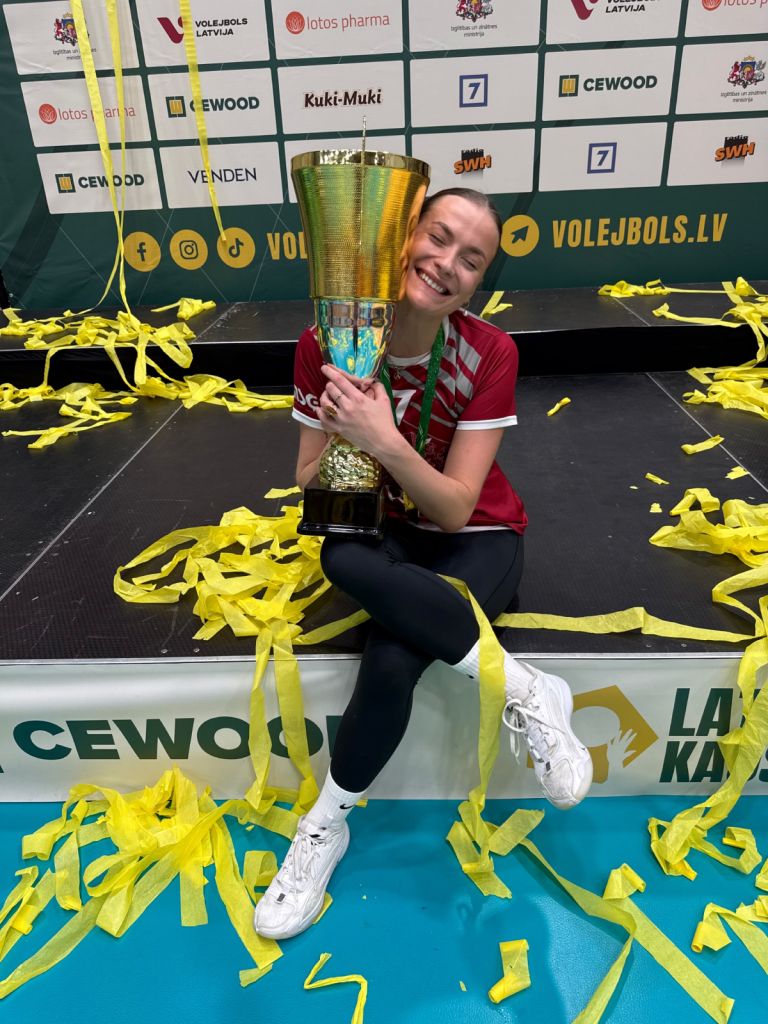
Agija Ankevica nāk no Skrundas, bet ceļš viņu vedis tālu – cauri Murjāņu sporta ģimnāzijai, Rīgas Stradiņa universitātes (RSU) auditorijām un Baltijas čempionāta fināliem. Viņa ir RSU sieviešu volejbola komandas kapteine, trīskārtēja Latvijas čempione un veselības sporta speciāliste, tādēļ zina, ko nozīmē dzīvot divās frontēs vienlaikus.
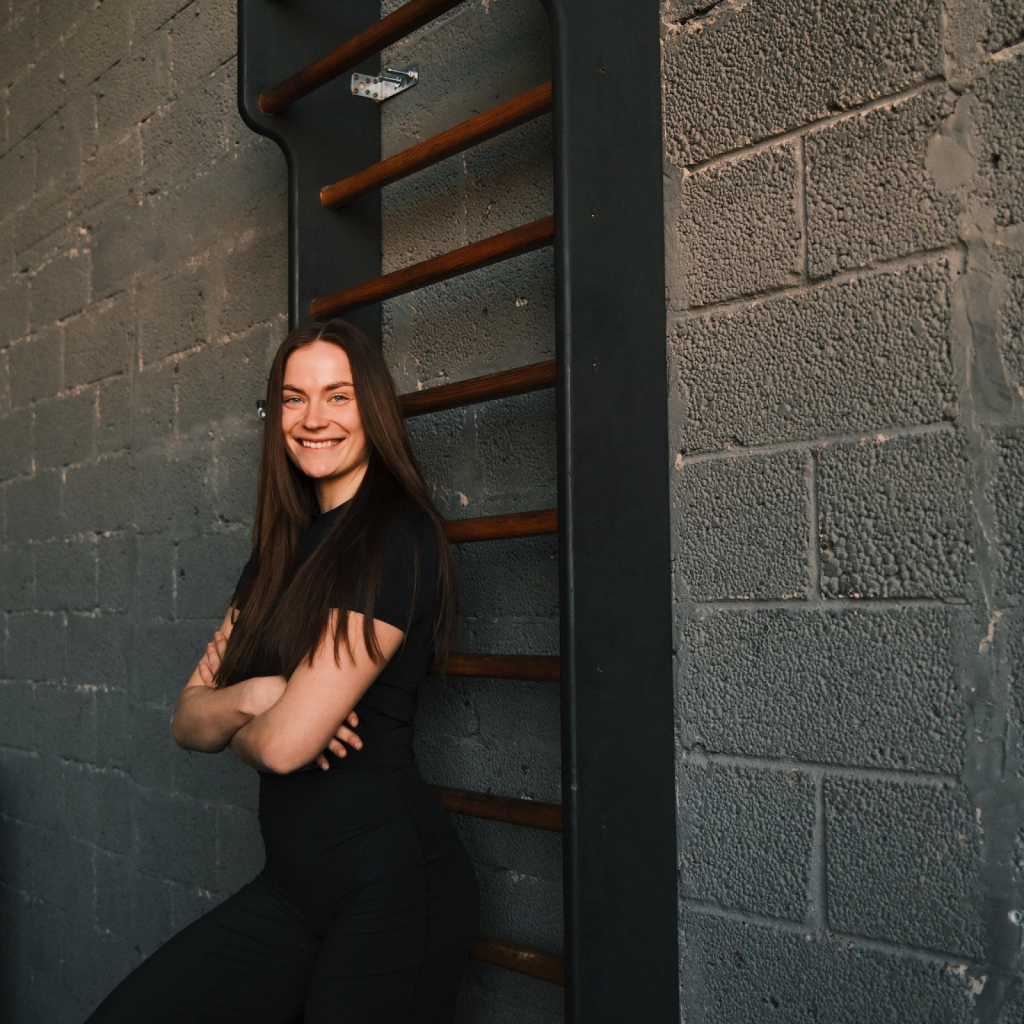
Šajā sarunā Agija atklāj, ko sports māca, ko studijas papildina un kāpēc RSU fonda stipendija sniedz daudz vairāk nekā tikai finansiālu atbalstu.
Sākums. No Skrundas uz Murjāņiem
Kā sākās tavs ceļš volejbolā?
Esmu no Skrundas, kur bija divas lielas interešu grupas: dejošana un volejbols. No sākuma gāju uz dejām, bet tad kaut kā organiski visi aizgāja uz volejbolu. Tad pienāca astotā klase: tūlīt pabeigsi pamatskolu, izaugsme apstājas, jo nav vairāk pret ko īsti spēlēt. Bija izvēle iet uz Murjāņiem [Murjāņu sporta ģimnāzija – aut.], kas tajā laikā bija ļoti prestiža skola un liels atspēriena punkts izaugsmei, un ar savu labāko draudzeni roku rokā arī aizgājām.
Un tālāk RSU?
Pēc Murjāņiem atnācu uz Rīgu un turpināju spēlēt. Kad iestājos RSU, pat necerēju, ka turpināšu spēlēt arī stradiņos, bet man uzrakstīja trenere Inguna [Inguna Minusa, RSU sieviešu volejbola komandas trenere – aut.] – man liekas, vēl nebija pagājusi pat nedēļa, kopš biju apstiprināta studijām. Sākumā, protams, es vairāk pienesu ūdeni, nekā spēlēju laukumā, vēl bija tāls ceļš ejams līdz tam. Ar katru gadu arvien vairāk spēles laika laukumā, un pēdējos četrus gadus jau esmu komandas kapteine un pamatspēlētāja, kam ir liela nozīme komandā, es gribētu ticēt.
Duālā dzīve. Studijas, sports, darbs
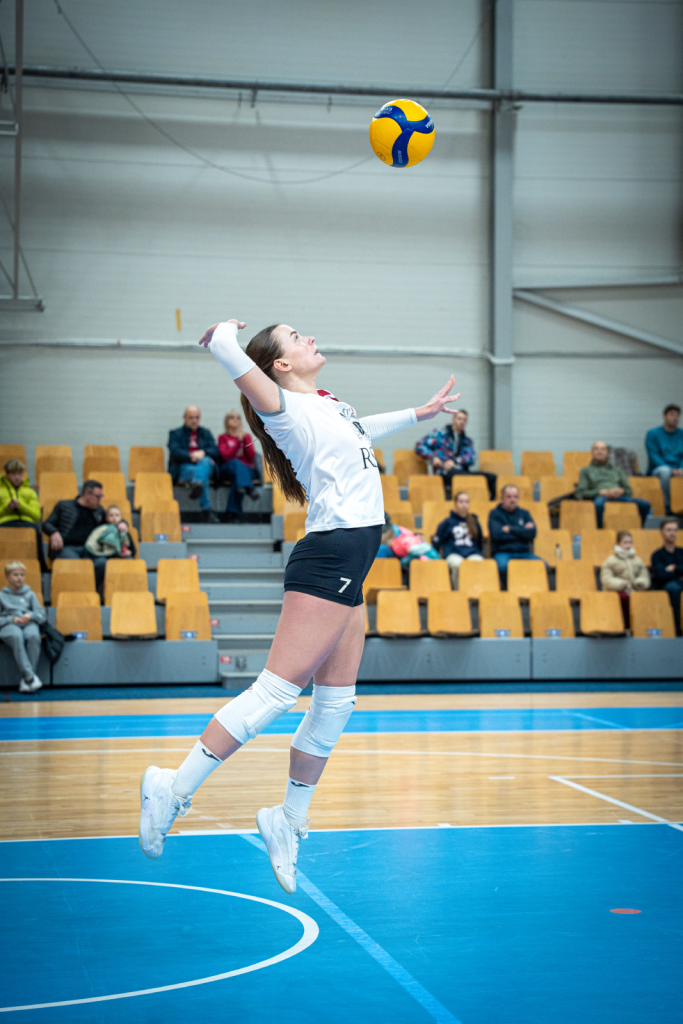
Kā izdevās visu savienot – RSU, treniņi un vēl darbs?
Savienot augstskolu ar treniņiem varbūt nav pats grūtākais – studijas pārsvarā ir pa dienu, treniņi vakaros. Tad, kad sāku arī strādāt, kļuva izaicinošāk. Man paveicās ar pirmo darba vietu, strādāju stradiņu sporta klubā par administratori. Varēju pamācīties darba laikā, ja nebija klientu, un treniņi notika uz vietas, nebija jābraukā. Kad Sporta klubu aizvēra uz remonta laiku, sāku strādāt citur, un tad jau nāca maiņu grafiki, kas dažreiz pārklājās ar universitātes lekciju laiku. Mēģināju komunicēt ar docētājiem, lai nokārtotu visas ieskaites un eksāmenus. Es gan neteiktu, ka bija šausmīgi grūti visu savienot, kaut kā pielāgojos.
Man liekas, tā ir taisnība: jo vairāk dari, jo vairāk reāli var izdarīt.
Kā jūties bez tā visa tagad, kad studijas pabeigtas?
Man tagad liekas dīvaini, ja ir brīvs brīdis. Darbs, vakarā treniņš un pa dienu brīvs. Liekas, kaut kā trūkst. Draugs par mani smējās: tikko, februārī, pabeidzu studijas un jau pēc divām nedēļām sēdēju pie datora un skatījos, kuras studiju programmas vēl varētu mani interesēt, lai gan teicu, ka nekad mūžā vairs nemācīšos.
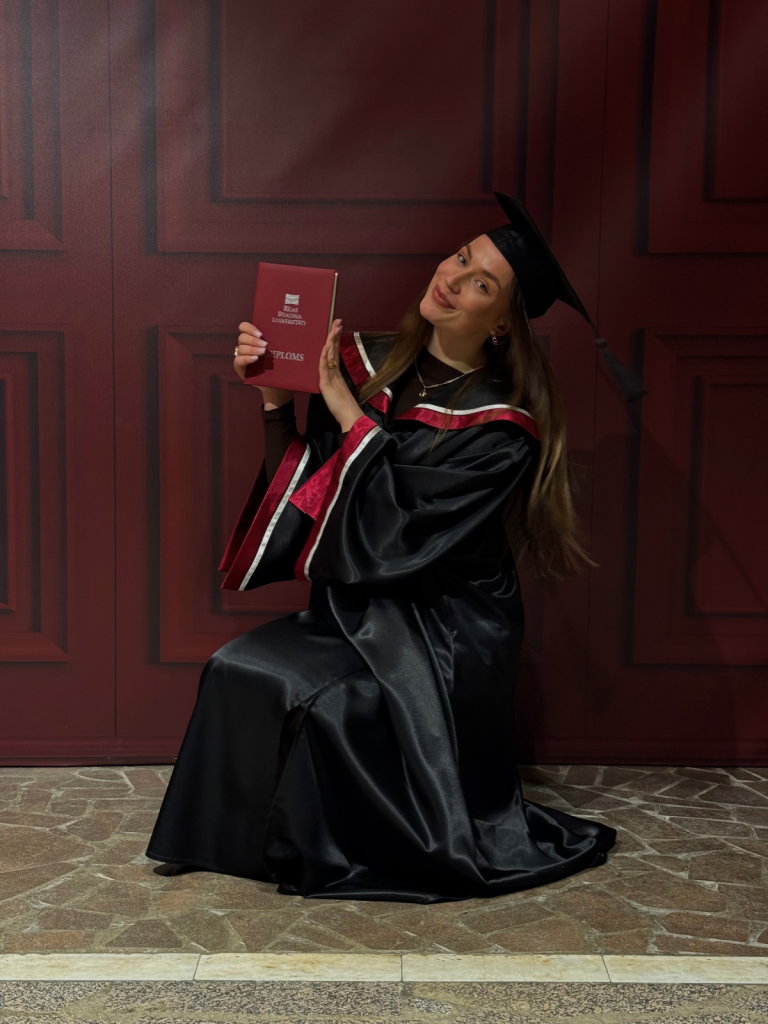
RSU fonda stipendija
Kā tu uzzināji par RSU fonda stipendiju?
Es neko īsti par to nezināju. Trenere Inguna atsūtīja man pieteikumu un teica, lai to izpildu. Man nebija apziņas, ka pildu to stipendijas iegūšanai un ka tagad saņemšu stipendiju katru mēnesi. To es neapzinājos. Izpildīju, pagāja kāds laiks, un tad man ieskaitīja pirmo naudiņu. Jautāju trenerei, vai tas ir tikai vienreizējs maksājums, bet trenere teica, ka tas ir atbalsts, un tagad katru mēnesi saņemšu stipendiju. Man bija šoks – protams, patīkams.
Ko tas mainīja praktiski un psiholoģiski?
Tas mainīja daudz ko. Toreiz man bija darbs RSU Sporta klubā uz pusslodzi, lai varētu savienot to ar treniņiem un augstskolu. Atalgojums nebija liels. Ja jāsamaksā dzīvokļa izdevumi, pāri paliek smieklīga nauda iztikai. Visu laiku man bija jādomā: kā, ko vēl, kur vēl ieplānot laiku otram darbam, kā vēl gūt ienākumus, bet es saprotu, ka laika īsti nav, ja gribu spēlēt un mācīties. Kad sāku saņemt stipendiju, tas daudz ko mainīja, tas tiešām bija liels atvieglojums. Es vairs neizjutu emocionālo spriedzi par finansiālo pusi, kāds, man liekas, ir katram studentam. Un vēl
man bija tāda sajūta, ka mani novērtē un ka es tomēr kaut ko daru pareizi. Tas dod pašapziņu un pārliecību par savām spējām. Ja tevi kāds novērtē, tu vari vēl vairāk.
Ko tu teiktu mecenātiem, kas šo iespēju ir devuši?
Es jūtu lielu pateicību un ceru sniegt arī iedrošinājumu mecenātiem turpināt iesākto. Varbūt liekas: ko tad tas kādam maina, tā jau nav tik liela summa... Bet īstenībā tas studentam maina tiešām daudz.
Kapteiņa loma
Kāda īsti ir komandas kapteiņa loma?
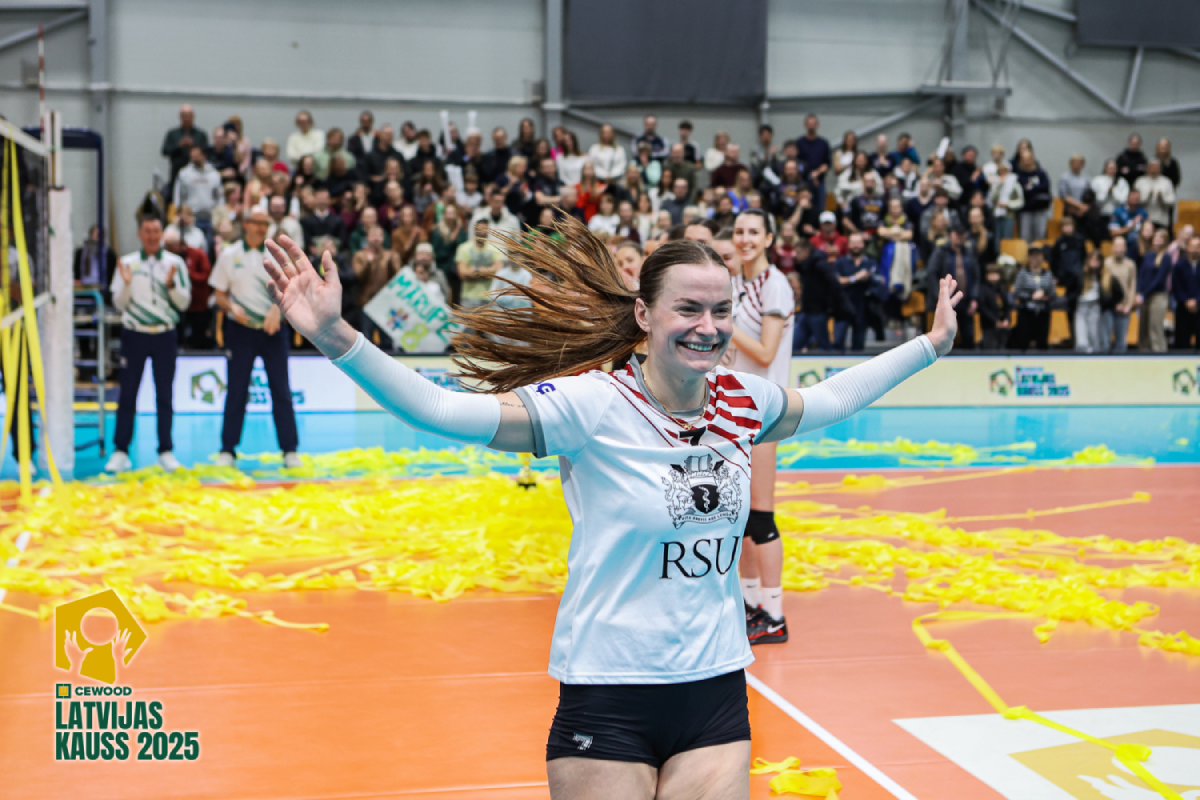
Kad pati vēl nebiju kapteine, man nelikās, ka tā ir tāda prasīga vai īpaša loma – volejbols taču ir komandas sporta veids. Kopš esmu kapteine, redzu: kad kaut kas iet vai neiet spēlē, skatieni tiek vērsti uz mani. Visas meitenes sagaida, ka es kaut ko teikšu pirms nozīmīgas spēles, pēc zaudētas spēles, pēc uzvaras. Ja neveicas, es esmu tā, kura mēģina viņas savākt kopā, virzīt atpakaļ uz pareizā ceļa. Kapteiņa nozīme ir ļoti liela, it īpaši tad, ja esi arī pamatsešinieka spēlētāja. Ir reizes, kad spēle neiet, un redzi, ka komanda pavelkas man līdzi, tad jāmēģina pārvarēt sevi. Arī tajās reizēs, kad aizeju uz treniņu un man nav resursa sajūtas, man jāpārkāpj tam pāri, jāmēģina iedvesmot, atbalstīt. Uz mani tāpat skatās.
Kā tu nonāci kapteiņa statusā?
Gadu pirms manis mums bija cita kapteine. Es viņu aizvietoju, ja kapteine saslima vai netika. Tad tā meitene [Rūta Linde – aut.] aizbrauca uz ārzemēm spēlēt, un es organiski nonācu viņas vietā. Es gribētu ticēt, ka labi tieku galā ar kapteines uzdevumiem, jo balsošana pēdējos gados (kā tas bijis agrāk) nav bijusi, un nav pat izskanējusi ideja, ka vajadzētu citu kapteini.
Ko tu saki pēc zaudētas spēles?
Tas var būt dažādi. Redzu arī, kāpēc zaudējām. Ja mēs uzgājām uz laukuma un pretinieks netika pienācīgi novērtēts, tā arī pasaku: ja neiesim laukumā un nespēlēsim pret jebkuru pretinieku kā pret augstāko, tā arī notiks – zaudēsim. Citreiz varbūt neesam psiholoģiski sagatavojušās. Piemēram, pēc ļoti spraiga Baltijas līgas finālturnīra atbraucām mājās un zaudējām komandai, par kuru zinām, ka varam to uzvarēt. Tad arī teicu meitenēm, lai tik ļoti nepārdzīvo, jo zinu, cik ļoti bijām izsmeltas.
Uzvara, sāpes un adrenalīns
Sportisti dažreiz turpina spēlēt ar traumām. Kas tas ir par fenomenu?
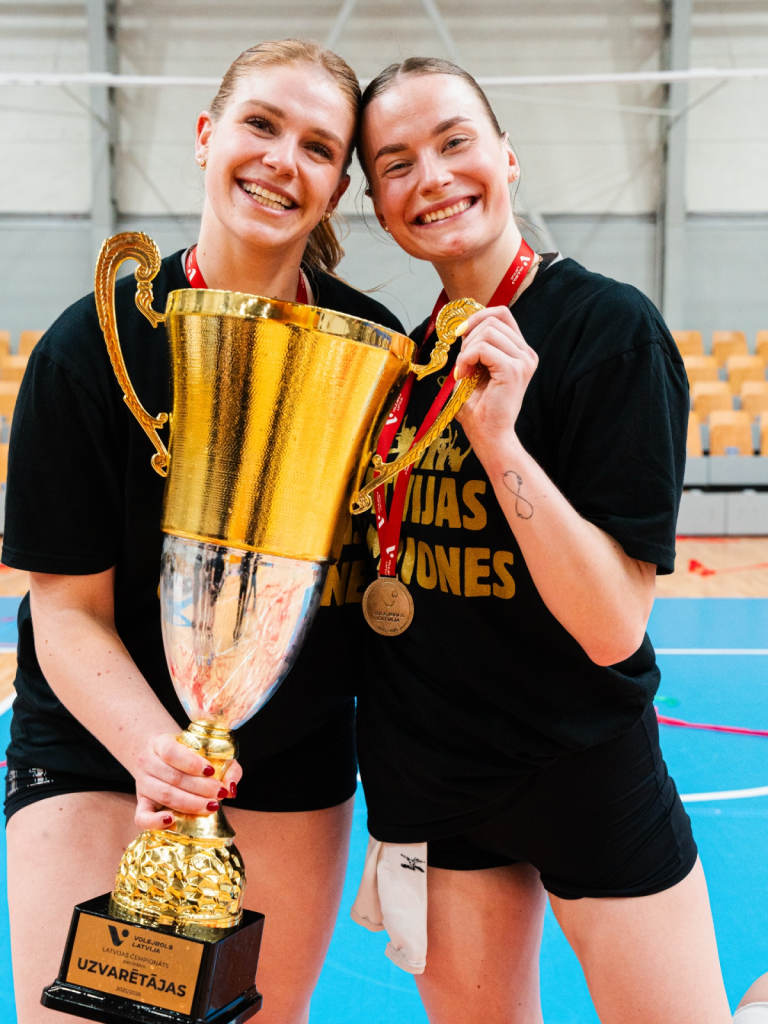
Tas ir adrenalīna efekts. Tu esi tik ilgi sportā, tik ļoti alksti to uzvaru un gribi spēlēt, darīt un palīdzēt. Būsim godīgi: adrenalīna ietekmē sāpes nejūt! Man ir diezgan lielas problēmas ar muguru un tā sāp, periodiski tiešām ļoti sāp, bet tu uzsmērē sildošo smēri, ir gūti trīs pirmie punkti, un viss – tu nejūti sāpes. Tās jūti pēc tam. Ir kaifs spēlējot, it īpaši lielajos finālos vai turnīros, to pat nevajag salīdzināt ar kaut ko citu! Tev ir skatītāji, tu spēlē, tu izbaudi, tu pacel kausu, ir forši! Melnais darbiņš līdz finālam nav tik baudāms, bet fināls ir ļoti baudāms. Adrenalīna ietekmē nejūti ne lauzto pirkstiņu, ne sāpošo muguru. Pēc tam – jā, pačuči, atpūties.
Lepnums un disciplīna
Ar ko tu visvairāk lepojies?
Ar disciplīnu, kāda ir izveidojusies. Atceros sevi pirmajos gados stradiņos – biju daudz pielaidīgāka pret sevi, ļāvu sev vairāk atpūsties, neredzēju savu potenciālu. Šis ceļš man iemācīja disciplīnu, bez kuras sevi vairs nevaru iedomāties. Ja no rīta pieceļos un nav kustības, liekas savāda sajūta.
Man visu laiku prasās kāpt uz augšu, uzzināt ko jaunu, sasniegt jaunus mērķus. Mērķi mainās, bet paliek gribasspēks darīt un izzināt vairāk.
Es lepojos arī ar komandu – pirmos divus gadus cīnījāmies pārsvarā par trešo vietu Latvijā. Varējām tikai sapņot, lai iekļūtu Baltijas līgas fināla četriniekā. Tagad pēdējos trīs gadus esam bijušas arī Baltijas līgas čempiones un Latvijā stabili pirmajā vietā.
Sporta karjeras noriets un nākamā paaudze
Kur pašreiz esi savā sporta karjerā?
Esmu jau tuvāk karjeras beigām. Mugura diezgan sagādā grūtības, bet vēl nav pašas beigas. Esmu ieguvusi formu un apziņu, cik ļoti labi varu spēlēt, un esmu, kā pati citiem saku, nedaudz pārāk labā formā, lai beigtu spēlēt. Tomēr domāju saprātīgi. Ja pēc spēles nevaru iztaisnoties, tad varbūt sporta karjera ir jau vairāk uz beigu pusi. Man ir arī vēl viens mērķis – sagaidīt jauno RSU Sporta klubu Cigoriņu ielā un uzspēlēt tur. Tik ilgi esmu tur spēlējusi agrāk, negribētos palaist to garām.
Vai uztraucies par komandas nākotni?
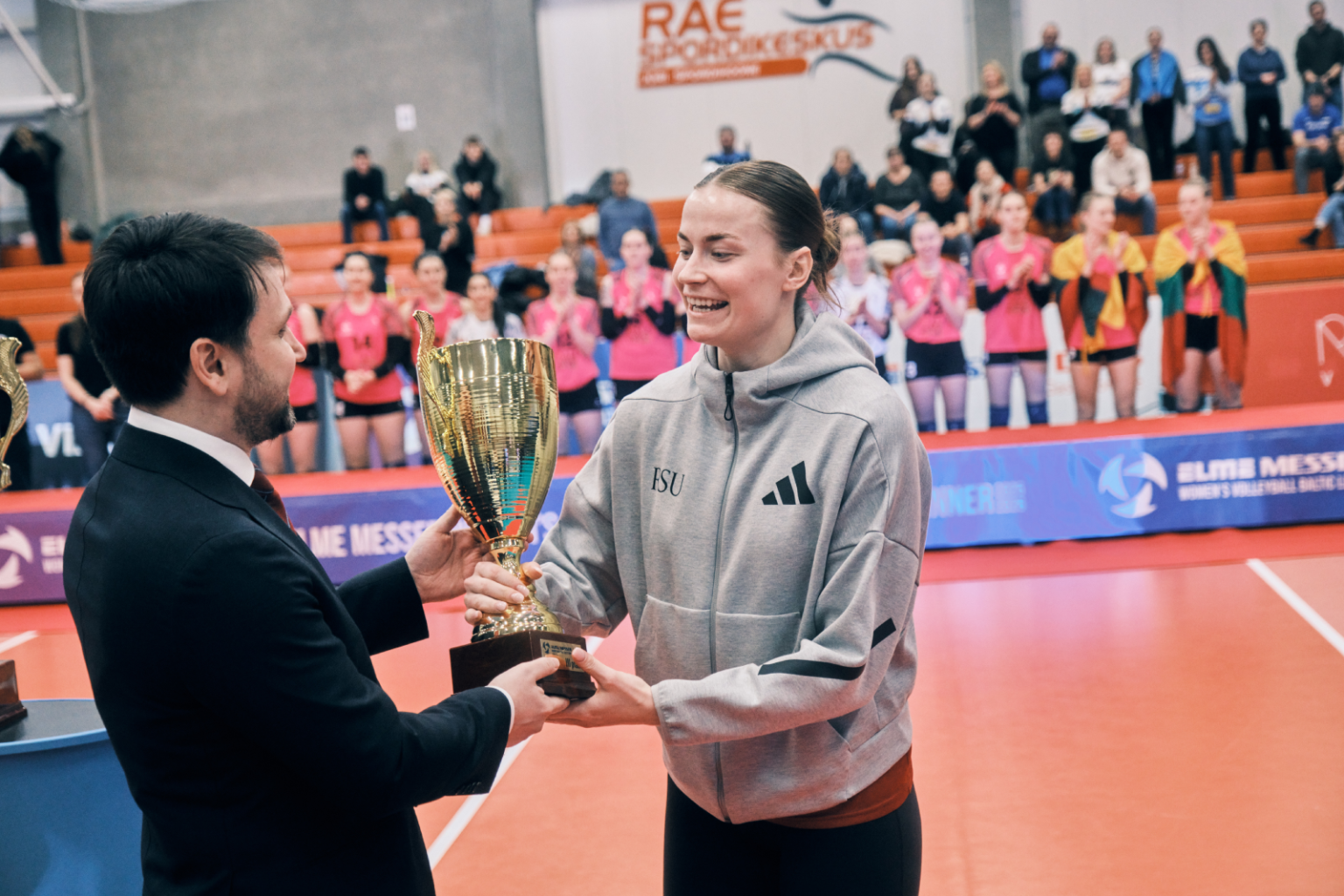
Nē. Mums nāk superīga paaudze – ar stradiņu volejbolu viss būs pilnīgā kārtībā. Es redzu, kādas jaunās meitenes bija sākumā un kādas ir tagad. Ir meitenes, kurās redzu kādas rakstura iezīmes no manis, kādus jociņus, izteicienus, un man tas liekas forši. Ja pēc gadiem diviem beigšu spēlēt, ir meitenes, kuras to veiksmīgi pārņems.
RSU – vairāk nekā augstskola
Ko RSU tev ir devusi papildus diplomam?
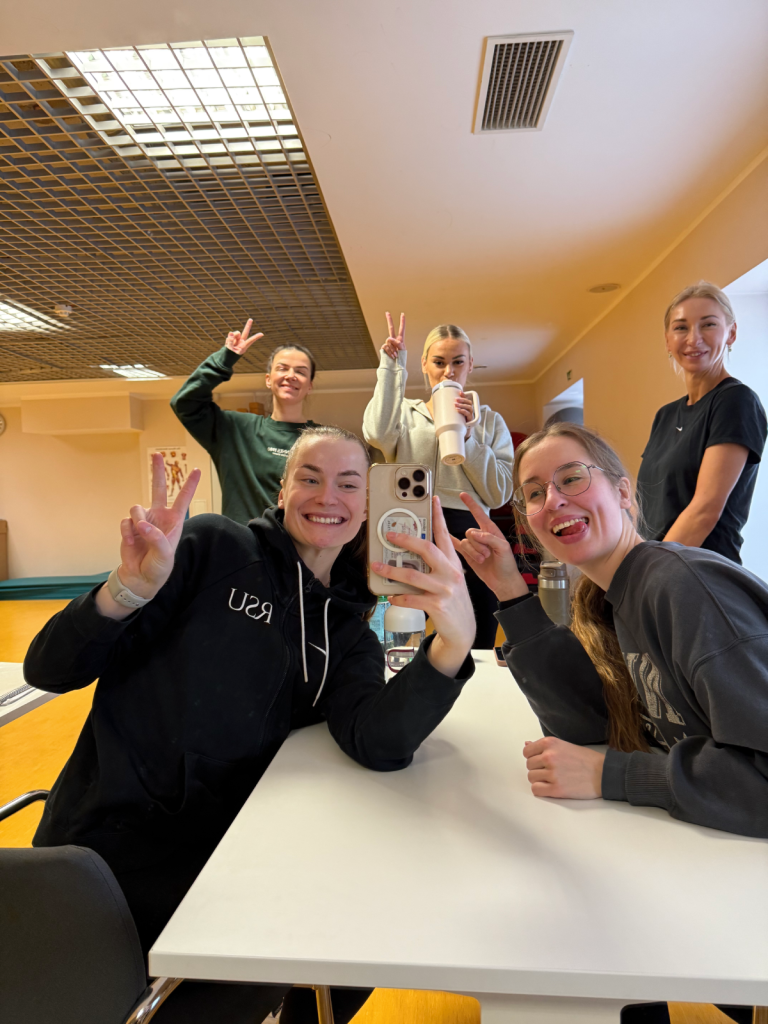
RSU man ir pavērusi ļoti, ļoti daudz iespēju. Sports iepazīstināja ar fantastiskiem cilvēkiem gan cilvēciski, gan profesionāli. Ja nebūtu spēlējusi šajā komandā, nezinu, vai man tik organiski pēc absolvēšanas būtu izveidojies profesionālais ceļš. Ar jauniešiem strādāju savas treneres sporta skolā, esmu sadarbojusies gan ar RSU fiziskās sagatavotības treneriem, gan fizioterapeitiem. Jau studiju laikā viņi man piespēlēja iespējas, kur sevi pierādīt un sākt profesionālo ceļu. Draudzības un saiknes ar kursa un komandas biedriem atver daudzas durvis. Aizveras RSU durvis, atveras citas – caur cilvēkiem, kurus tur satiku.
Ko teiktu RSU studentiem, kuri vēl nav izmantojuši šīs iespējas?
Iedrošinātu visus izmēģināt to, kas ir pieejams ārpus studijām: sportu, pulciņus, funkcionālos treniņus, ko treneri piedāvā bez maksas. Tas var padarīt studiju procesu baudāmāku un iepazīstināt ar cilvēkiem ārpus kursa. Daudziem, kuri atnāk, liekas, ka tās ir tikai studijas, nekas vairāk. Īstenībā tas ir daudz vairāk. Varbūt tieši tas ceļš atver iespēju uz stipendiju vai sportista izcilības atlaidi [studiju maksas atlaides sporta izcilībām – aut.], kas padara šo ceļu vieglāku.
Ko tu teiktu tiem, kas ir sporta vai studiju ceļa sākumā?
Būt neatlaidīgiem, gribošiem darīt. Būs reizes, kad ir grūti gan studijās, gan sportā, bet apzinies, cik tāls ceļš jau ir noiets, lai arī kur tu tobrīd atrastos. Ja esi varējis, tad varēsi arī turpināt. Man arī ir bijuši posmi, kad personīgajā dzīvē kaut kas neiet gludi, augstskolā saspringts posms un komandai izaicinošs laiks, bet es pārkāpju grūtībām pāri, un tas mani norūda. Pēc tam ir izaicinājumi, ko dzīve piespēlē, un liekas – kas tas ir! – tu tik viegli vari tikt cauri. Tā ir disciplīna, ko iegūsti visā šajā ceļā. Dzīves grūtības pēc tam neliekas tik sarežģītas. Daudz vieglāk ej uz priekšu. Iesaku noteikti nepadoties.
Agija Ankevica ir piemērs tam, ka izcilība nav nejaušība – tā ir disciplīna, ko veido solis pa solim, starp treniņiem un lekcijām, starp zaudētām spēlēm un Baltijas līmeņa tituliem. Stipendija, ko ieguva ar treneres palīdzību, nepadarīja ceļu īsāku, taču ļāva iet tajā ar lielāku brīvību un pārliecību. Tagad, ieskatoties nākamajā paaudzē, Agija zina: tas, ko nodod tālāk, nav tikai volejbola spēles prasme. Tas ir neatlaidīgais "gribēt" un disciplinētais "dari".