Young cardiologist Aleksandrs Vasiļjevs: resident community is like one big family


Writer: Linda Rozenbaha, Public Relations Unit, RSU
At some point, graduates of the Rīga Stradiņš University (RSU) Medicine programme must make an important decision: which specialty to choose for their residency. In this article series on residents, our students and recent graduates share their personal experiences to inspire and help future graduates make their choice.
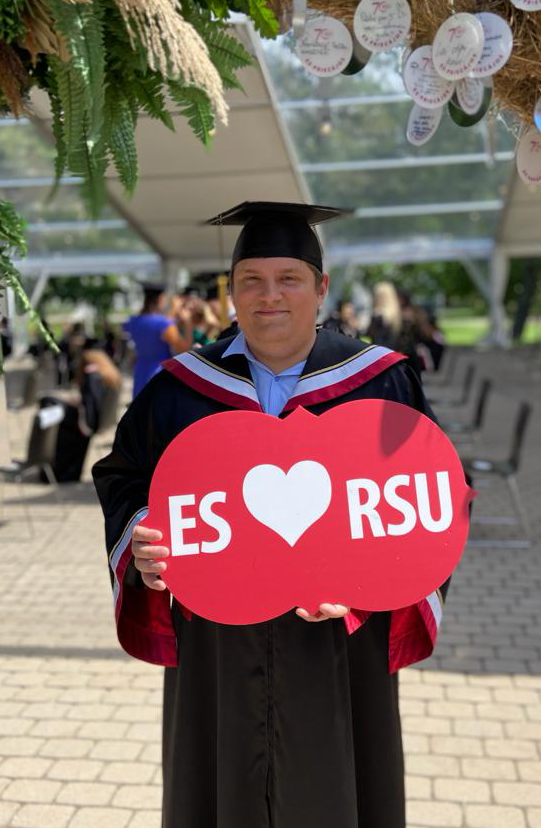
In this article, we introduce Aleksandrs Vasiļjevs, who completed his cardiology residency last year and now works as a cardiologist at Liepāja Regional Hospital, as well as a lecturer at the RSU Liepāja Branch.
When Aleksandrs began his residency, there were only two places available in the cardiology programme he wanted; nevertheless, he focused entirely on this option and did not have a second choice. ‘From a rational perspective, it was not the right approach, but I really wanted to pursue cardiology, and I succeeded,’ the enthusiastic cardiologist says with a sense of fulfilment.
When and how did you realise that you wanted to become a doctor?
Even at school, I was very interested in biology, physiology and medicine. I attended the Young Biologists’ School, where we studied the school curriculum in depth. From the ninth grade, I took part in emergency medical aid competitions organised by the Latvian Red Cross.
How did you choose your future medical specialty?
From the very beginning of my studies, I was interested in cardiology. During the first years, my favourite subjects were cell biology and physiology. They explain the nature of various processes, and it is far more interesting, for example, to understand – rather than simply memorise – why electrocardiogram readings change as a patient’s heart condition changes.
My interest in cardiology grew thanks to inspiring lecturers: senior tutor Kārlis Trušinskis, Irēna Kurcalte, Prof. Oskars Kalējs, Assoc. Prof. Mārtiņš Kalējs, Aija Mača-Kalēja, and Asst. Prof. Larisa Umnova. They not only explained the subject matter, but also demonstrated the importance of an evidence-based approach.
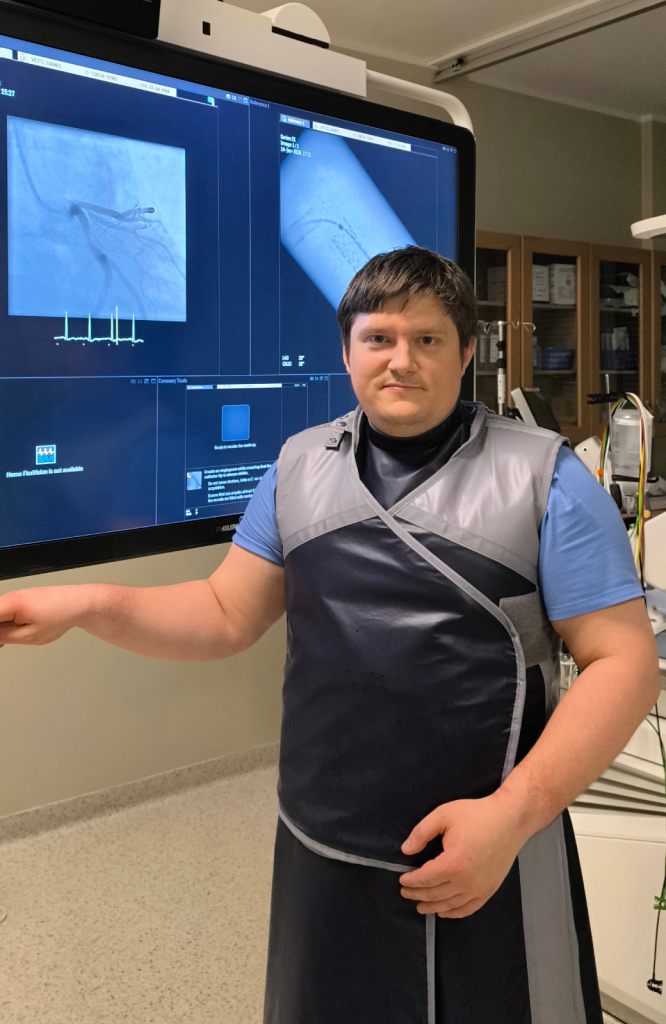
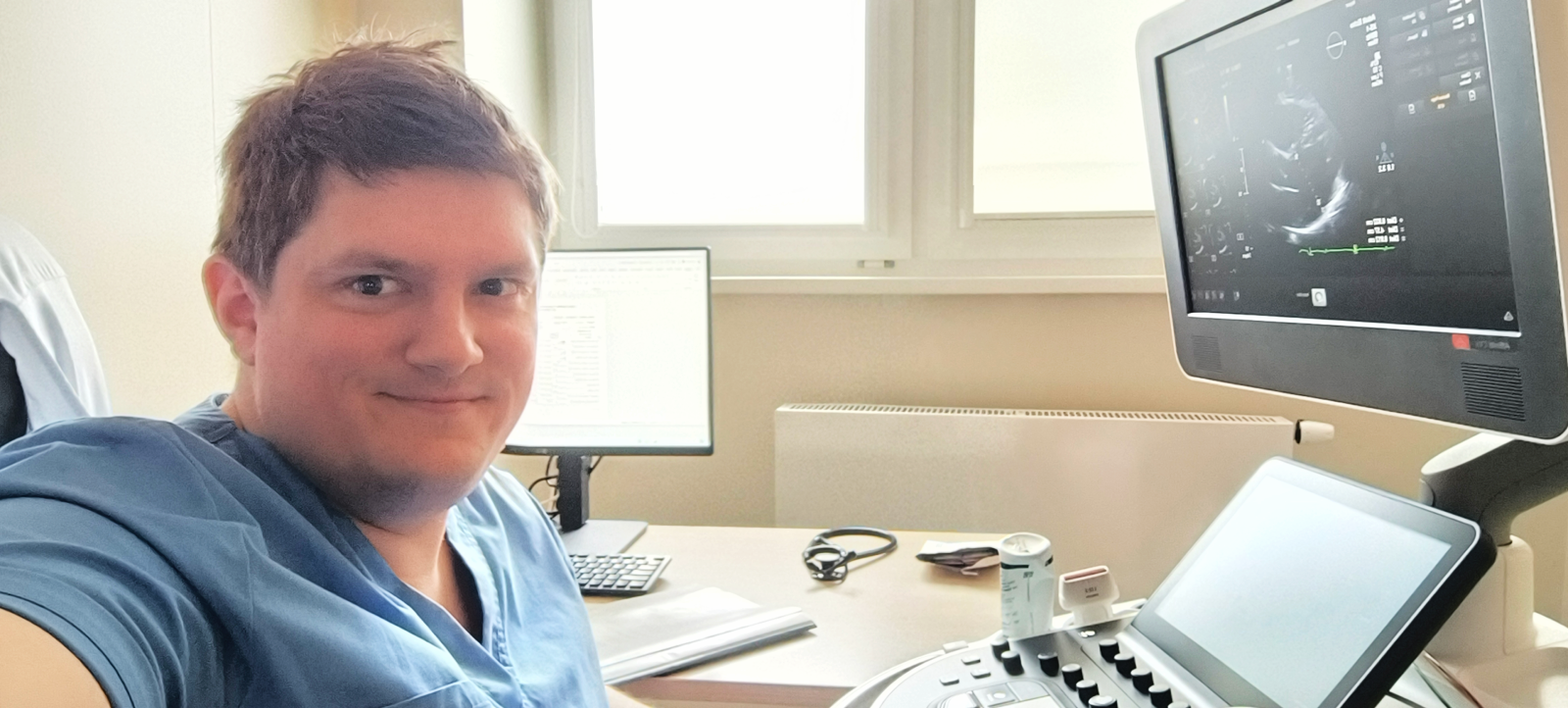
Cardiology is a highly diverse field. You can work in acute situations, performing life-saving procedures such as cardioversion to restore a normal heart rhythm or cardiopulmonary resuscitation. You can also carry out invasive and non-invasive examinations, such as echocardiography and coronary angiography, and provide consultations.
The specialty of cardiology is very dynamic and allows to pursue several areas of interest within the same profession. I believe no other specialty in healthcare offers the same level of diversity and opportunity.
How did you prepare for and enrol in the residency programme?
When I applied for residency, I knew there were only two places available in cardiology, so I prepared with a clear goal in mind: I took part in student research groups and even led one myself. I also conducted research and presented at international conferences. In my final years of study, I volunteered in the cardiology department, reviewed guidelines and participated in local conferences.
What is the reality of residency?
Each year, the level of responsibility and workload during residency increases in line with the resident’s competence. Initially, work is carried out under the close supervision of an experienced physician, meaning that patients are examined together with a certified colleague or that the patient’s condition is discussed with them. In later years, when specialised rotations begin, work is conducted under the guidance of a physician. This means that a certified colleague supervises the process and remains available for consultation, while you are already able to develop treatment plans and make tactical decisions independently.
During my residency, I worked shifts in the emergency departments at Jūrmala Hospital and Liepāja Regional Hospital. I was also involved in teaching at the RSU Department of Pathology (from the first year of residency) and the Department of Internal Diseases, where I taught cardiology (from my fourth year of study). In addition, I served in the National Guard, completed basic training and continued to participate in training exercises thereafter. These experiences allowed me to continue my professional development and gain new skills.
One of the greatest advantages of residency is the opportunity to work closely with experienced colleagues. Even now, after completing my residency, it remains very important that I can seek advice or assistance when needed. I am grateful to all my colleagues who have been responsive and willing to provide guidance, review echocardiograms or, in more serious cases, arrange the transfer of patients to a university clinic.
I consider the difficult cases I have successfully resolved to be my professional achievements. I clearly remember the first patients with serious or complex medical conditions whom I was able to help, and how deeply rewarding that experience was.
What surprised you most during residency?
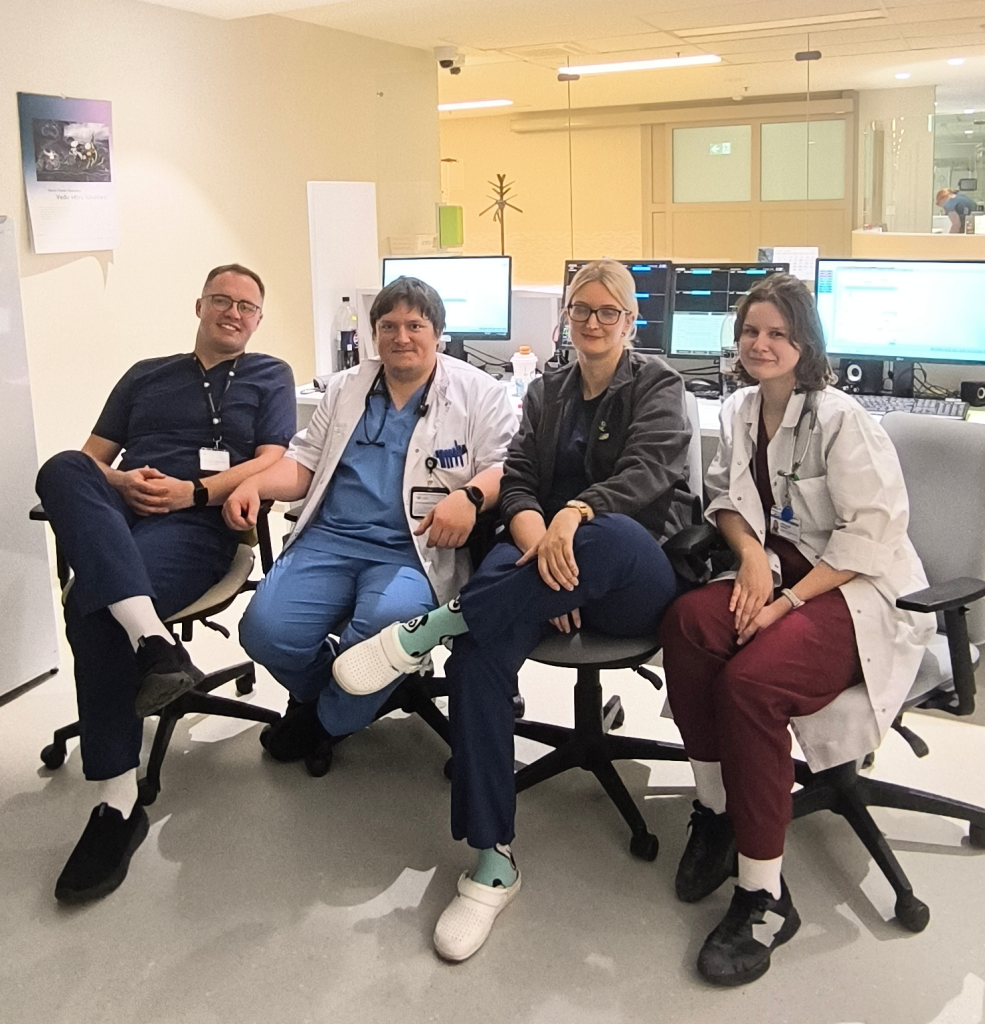
The level of cooperation among senior residents. The resident community functions like one big family, where more experienced colleagues share their knowledge, notes and materials, and offer support during the most challenging times. I try to continue this tradition when teaching students and residents – by helping, supporting and guiding them, while also giving them the opportunity to act independently. It is very gratifying to see that highly motivated residents and sixth-year students continue to come to Liepāja Hospital for their clinical placements. It is equally rewarding to work with those who have already completed their rotations, and I hope that this collaboration will continue in the future.
Maintaining professional connections is also very important, as it helps us manage more complex medical cases effectively.
Why did you choose to do your residency outside Rīga?
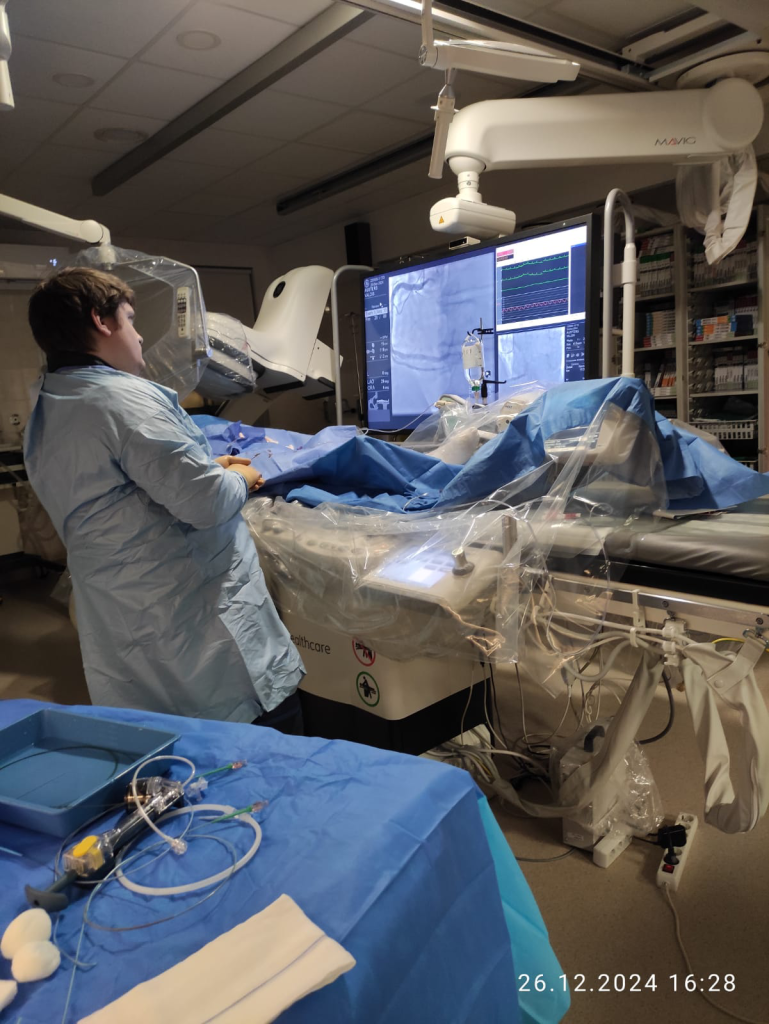
Even before starting my residency, I had chosen Liepāja Regional Hospital, where I had volunteered as a student and completed my clinical placement during my sixth year of study. It is the largest hospital in the Kurzeme region, offering a wide range of specialties and, most importantly for me, an Invasive Cardiology Laboratory.
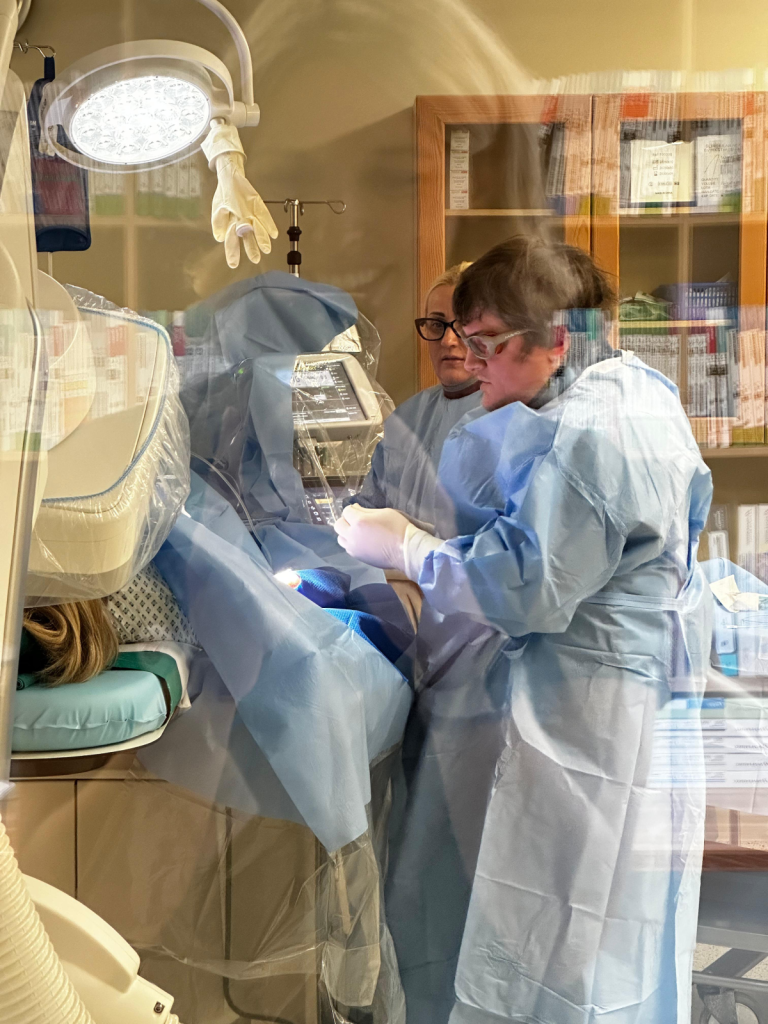
Working in the region allows me to do what I enjoy most – working in cardiology and experiencing all its aspects. I work both on the ward, performing echocardiography, and in the invasive laboratory. I also continue to teach students, including future physician assistants and nurses, at the RSU Liepāja Branch. A closer-knit team is forming at the regional hospital, as the number of specialists is limited. This means a greater workload for each team member, but I enjoy it because we have a strong team and I see enormous potential at Liepāja Regional Hospital. For example, one of our current shared goals is to provide 24/7 invasive cardiology services.
What would you recommend to future doctors or young residents?
Keep moving forward, even when you feel afraid or uncertain. I remember the choice I made, and I continue to do what I love every day – work that gives me a strong sense of fulfilment.
Related news
 Piecing fractured bones back together: Dr Raitis Turkins on residency training in Jelgava RSU in the news, Residents' Stories, Graduate Medical Training, Interviews