Systemic sclerosis in Latvia may be more common than statistics suggest; study also reveals a frequent risk of nerve damage


Systemic sclerosis is one of the most severe autoimmune rheumatic diseases; in patients with this condition, mortality is approximately 3.5 times higher than among healthy people of the same age.
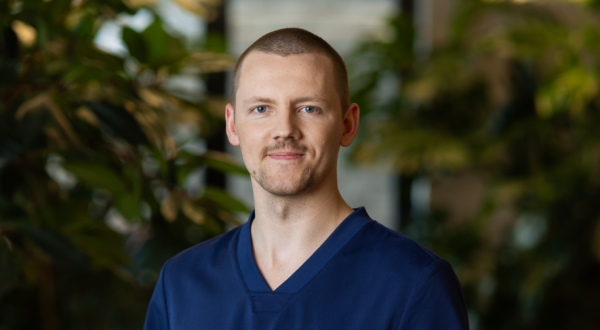
Despite the seriousness of the disease, it remains relatively under-researched, particularly with regard to various complications. For this reason, rheumatologist Kristīne Ivanova focused her doctoral thesis, “Systemic Sclerosis in Latvia: Patient Characteristics, Peripheral Nervous System Involvement and Novel Biomarkers”, on this patient group, which often lacks both scientific attention and practical solutions.

For the first time in Latvia, the study systematically assessed the prevalence of systemic sclerosis, identifying approximately 84 cases per one million inhabitants. This figure is lower than in many parts of Europe, but, as the researcher emphasises, it may reflect underdiagnosis rather than lower incidence.
How to study a complex disease?
The study used a nationwide approach, analysing data from both of Latvia’s clinical university hospitals, where almost all patients with this disease are treated. In total, 159 patients who met the defined criteria were identified, and 103 of them agreed to undergo in-depth examination.
To gain as complete an understanding as possible of how systemic sclerosis manifests in Latvian patients, the physician combined different sources of information and examinations. First, data were collected on the course of the disease, organ damage and treatment. Patients were then assessed for skin changes, as well as the condition of the lungs, heart and digestive system. Blood tests were also carried out, including tests for autoantibodies and potential biomarkers. Particular attention was paid to the nervous system, as the researcher wanted to determine how often patients experience nerve damage and how it affects their well-being. Several methods were used for this purpose: nerve conduction studies, sensory tests, patient questionnaires and pain assessment scales. In addition, metabolic changes in the blood were analysed by comparing patients with and without nerve damage. This combined approach made it possible not only to describe the disease, but also to look for its mechanisms and early indicators.
When pain points to nerve damage
Although systemic sclerosis is traditionally associated with damage to the skin and internal organs, the study highlighted an important and so far under-recognised aspect: involvement of the nervous system.
The study found that large fibre neuropathy – damage to nerve fibres responsible for movement, touch and vibration sensation – was present in 43% of patients. Small fibre neuropathy, meanwhile, affects the smallest nerve fibres, which help a person sense pain, heat, cold, burning or tingling, and it can also occur in patients whose standard nerve tests still appear normal. Overall, this means that nerve damage in patients with systemic sclerosis may be much more common than previously thought.
“What was surprising was how many patients had polyneuropathy,” says Ivanova. Polyneuropathy means that not just one individual nerve is damaged, but several nerves at the same time, most often on both sides of the body. It commonly presents in a so-called glove and stocking pattern – with tingling, cold sensations, burning or pain in the hands and feet, which may later become more pronounced or spread further. Neuropathy is therefore not merely a finding seen in examinations – it directly affects patients’ daily lives, causes pain and tingling, can make movement more difficult and reduce quality of life.
Detect earlier, help more precisely
The study also identified potential diagnostic tools for the future. Several biomarkers were elevated in the blood of patients with nerve damage, including NfL, or neurofilament light chain, GFAP and GDF-15. This suggests that such blood-based markers could in future help identify earlier those patients who require more detailed nervous system examinations. In addition, metabolomic analysis showed that patients with neuropathy develop a distinct biochemical profile, including elevated kynurenine levels and changes in amino acid metabolism. These changes may be associated with neurotoxicity, oxidative stress and impaired mitochondrial function.
For patients, this means a possibility to explain pain and other symptoms more precisely – symptoms that until now may have been attributed mainly to skin changes. “If pain sounds neuropathic, it should not immediately be explained only by skin changes – nerve damage should be looked for,” emphasises Ivanova.
In practical terms, this means paying closer attention to specific symptoms, using more targeted diagnostics and, in the future, potentially personalising treatment. At the same time, medicine cannot yet fully halt the development of this damage, and existing neuropathic pain often persists – it cannot always be substantially reduced. This makes early detection and timely care particularly important in helping to preserve patients’ quality of life as much as possible.
Towards earlier diagnosis and better care
After defending her doctoral thesis, Ivanova plans to continue this line of research, with a particular focus on nervous system involvement in patients with systemic sclerosis. The study has already shown that damage to large nerve fibres in this patient group is more common than previously thought, but this is only part of a broader question.
In future, Ivanova also wants to focus on other complications of systemic sclerosis, including involvement of the digestive system. Some of these changes can also be detected in Latvia, but for patients this often means a long, complex and sometimes financially burdensome path to examinations. One future task is therefore not only to show that these complications exist, but also to find ways to diagnose them more quickly and more accessibly for patients.
This study therefore does not draw a line under the subject, but opens the way to a broader understanding of a disease that can affect much more than the skin and internal organs. It highlights the need for a multidisciplinary approach, closer cooperation between rheumatologists, neurologists and other specialists, as well as practical solutions that would help patients reach an accurate diagnosis and appropriate care more quickly.
Kristīnes Ivanovas doctoral thesis in the RSU e-resource repository
Related news
 Signs of malnutrition and inflammation may help predict complications in microvascular flap surgeryRSU research synapses