Art as an Agent of Change: International Conference in Riga Strengthens the Role of Cultural Literacy in Societal Resilience
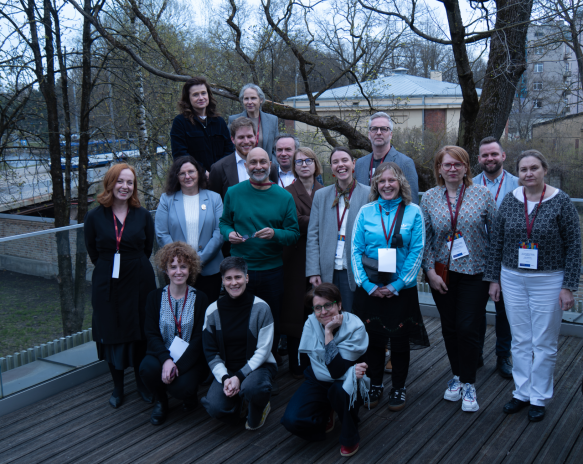
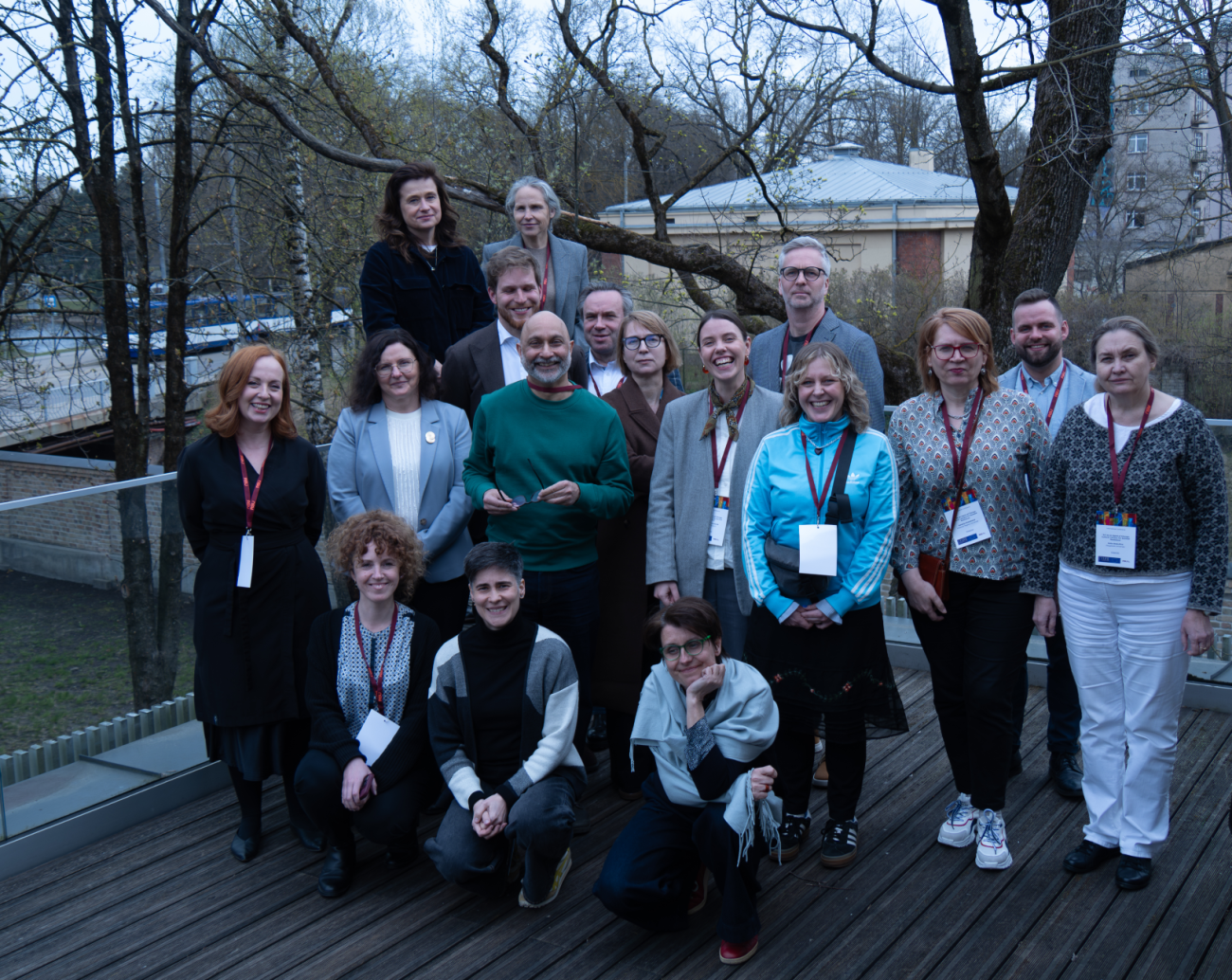
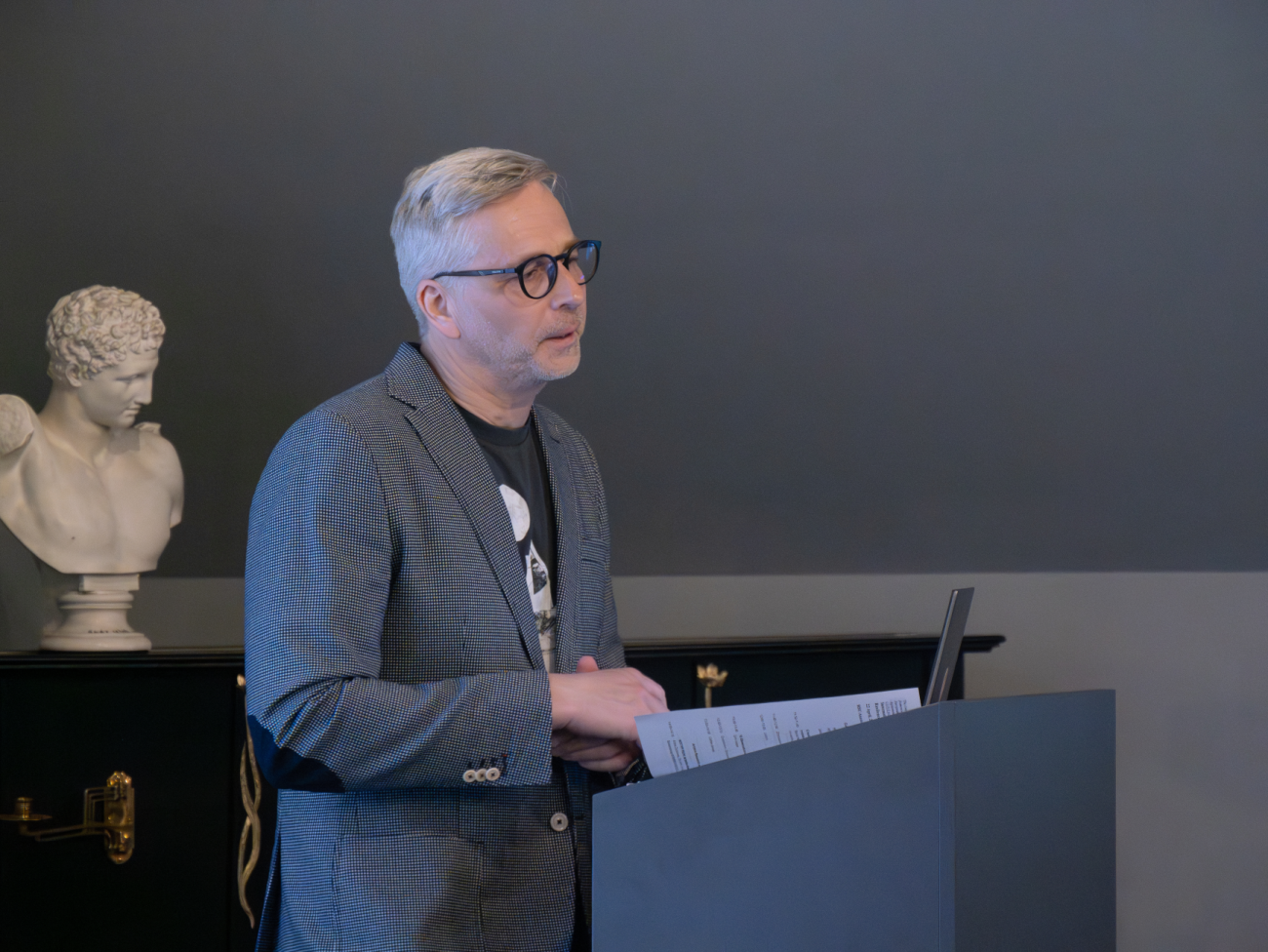
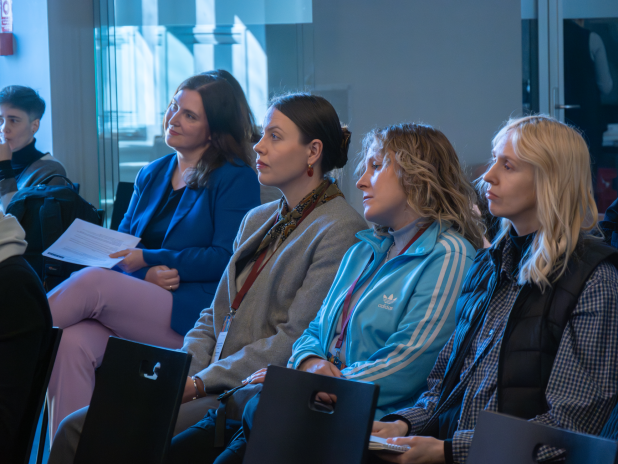
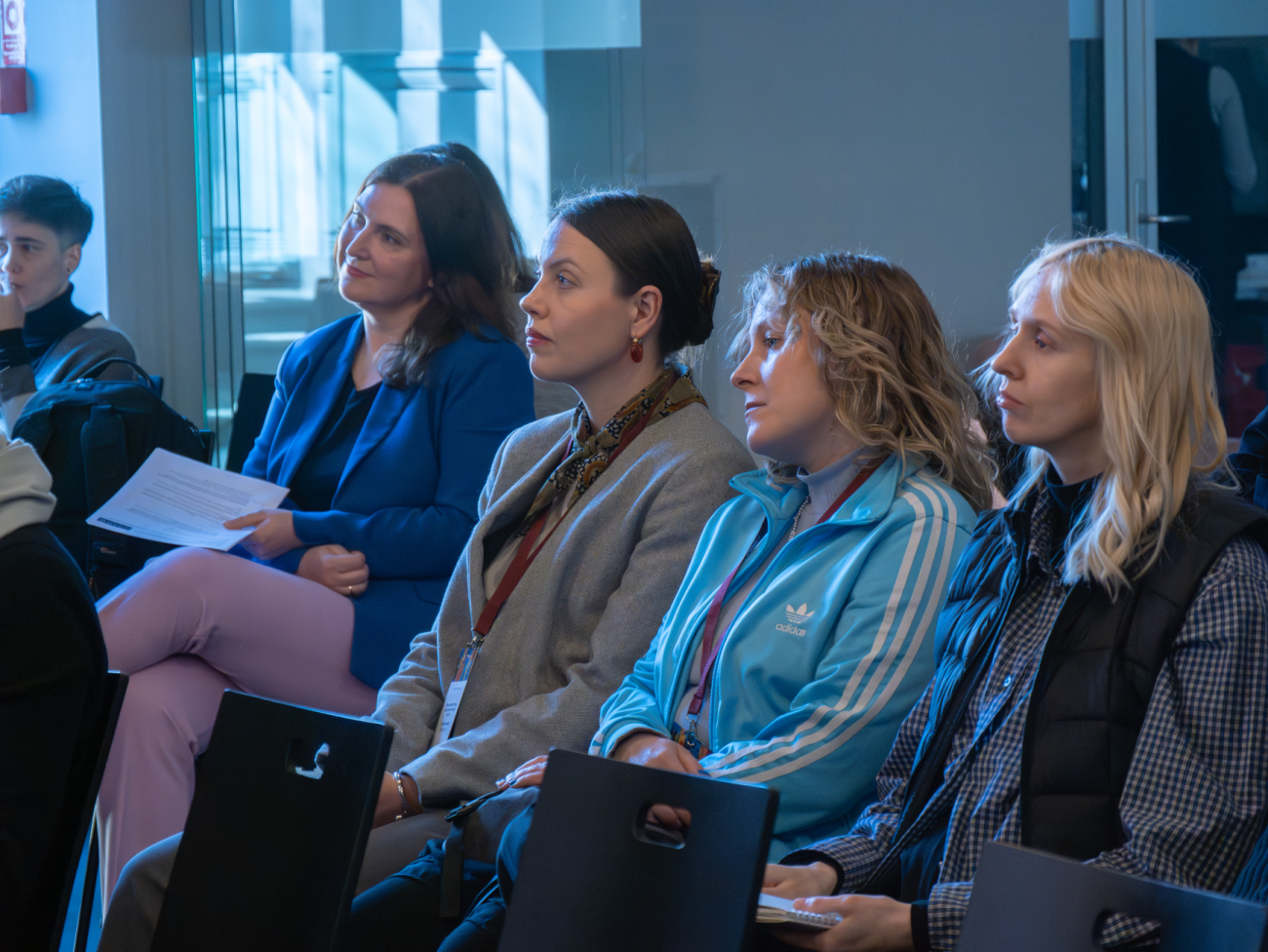
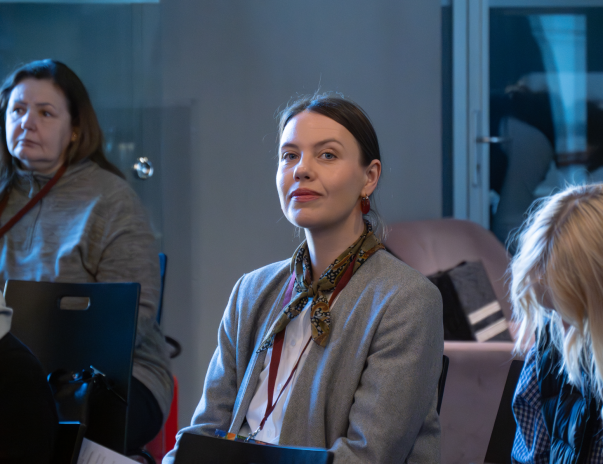
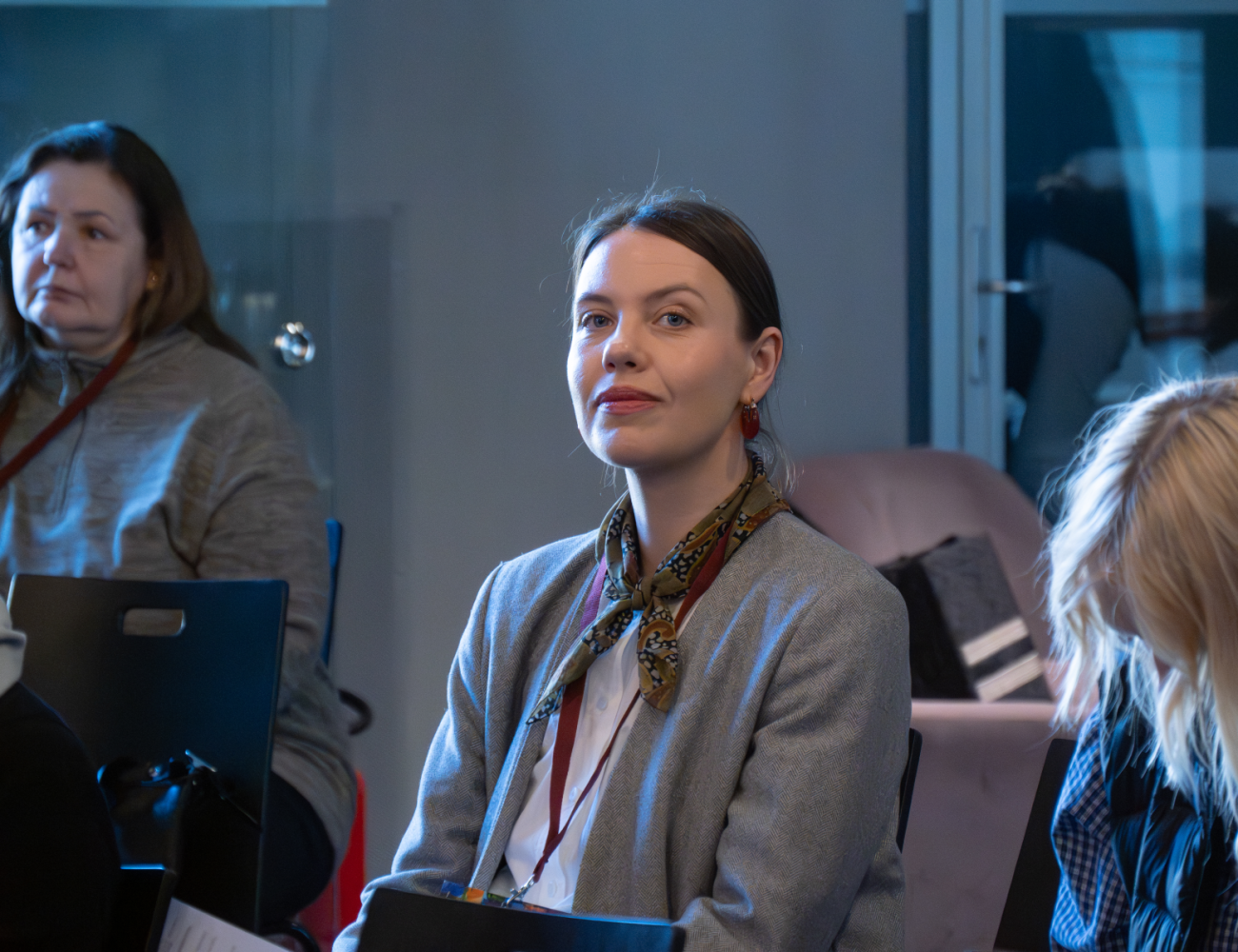
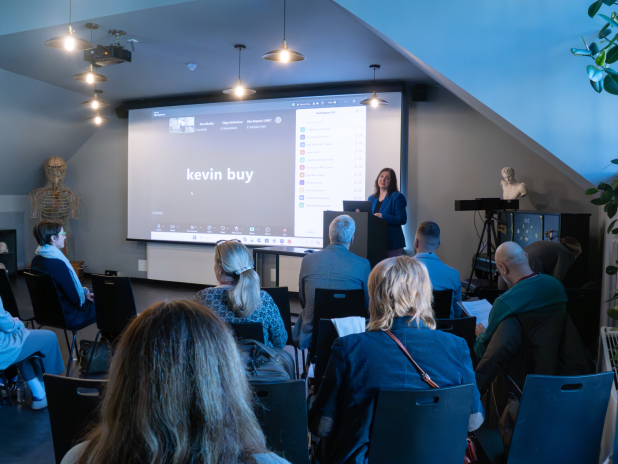
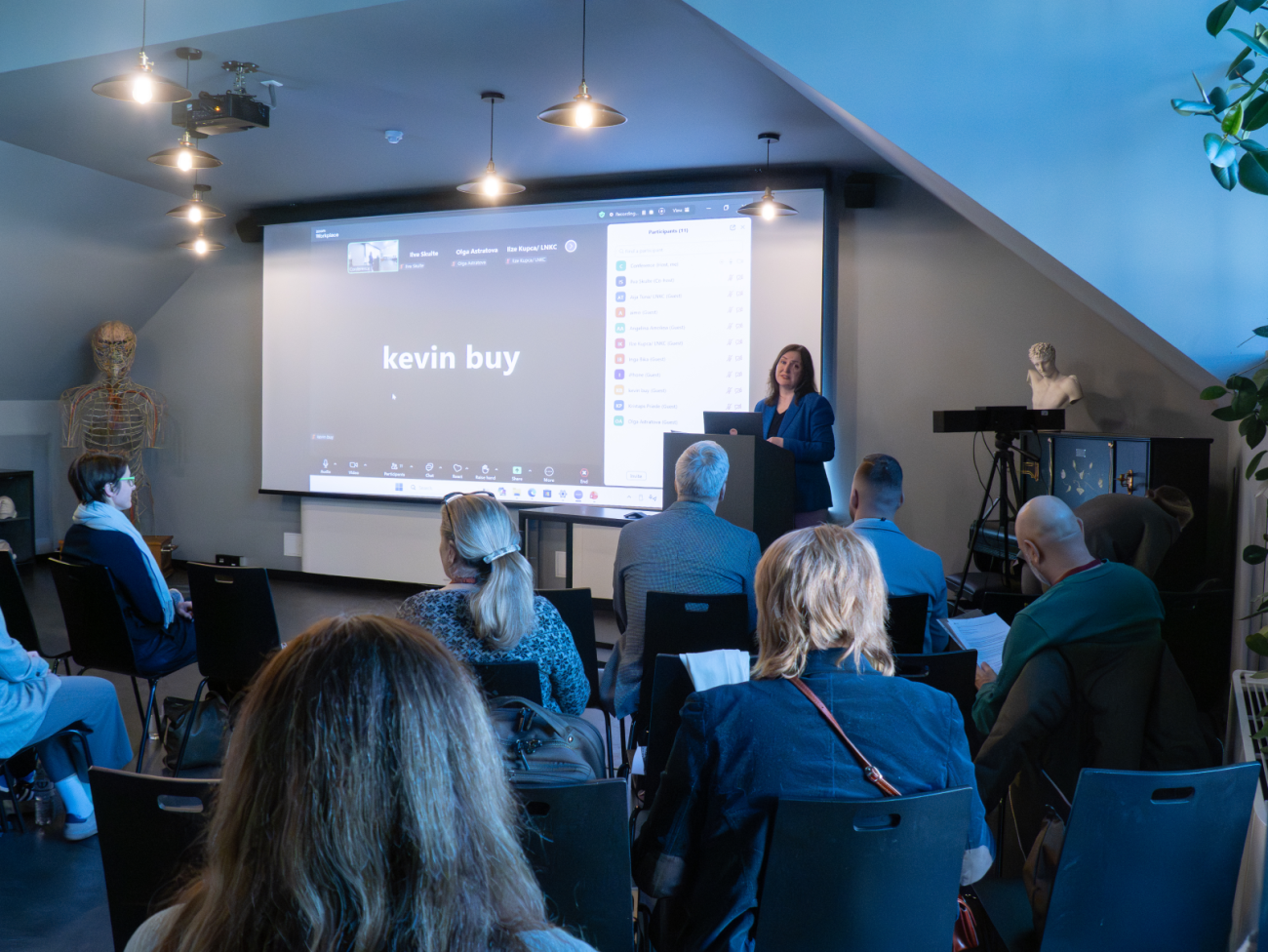
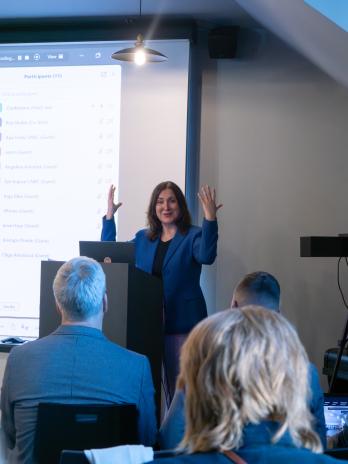
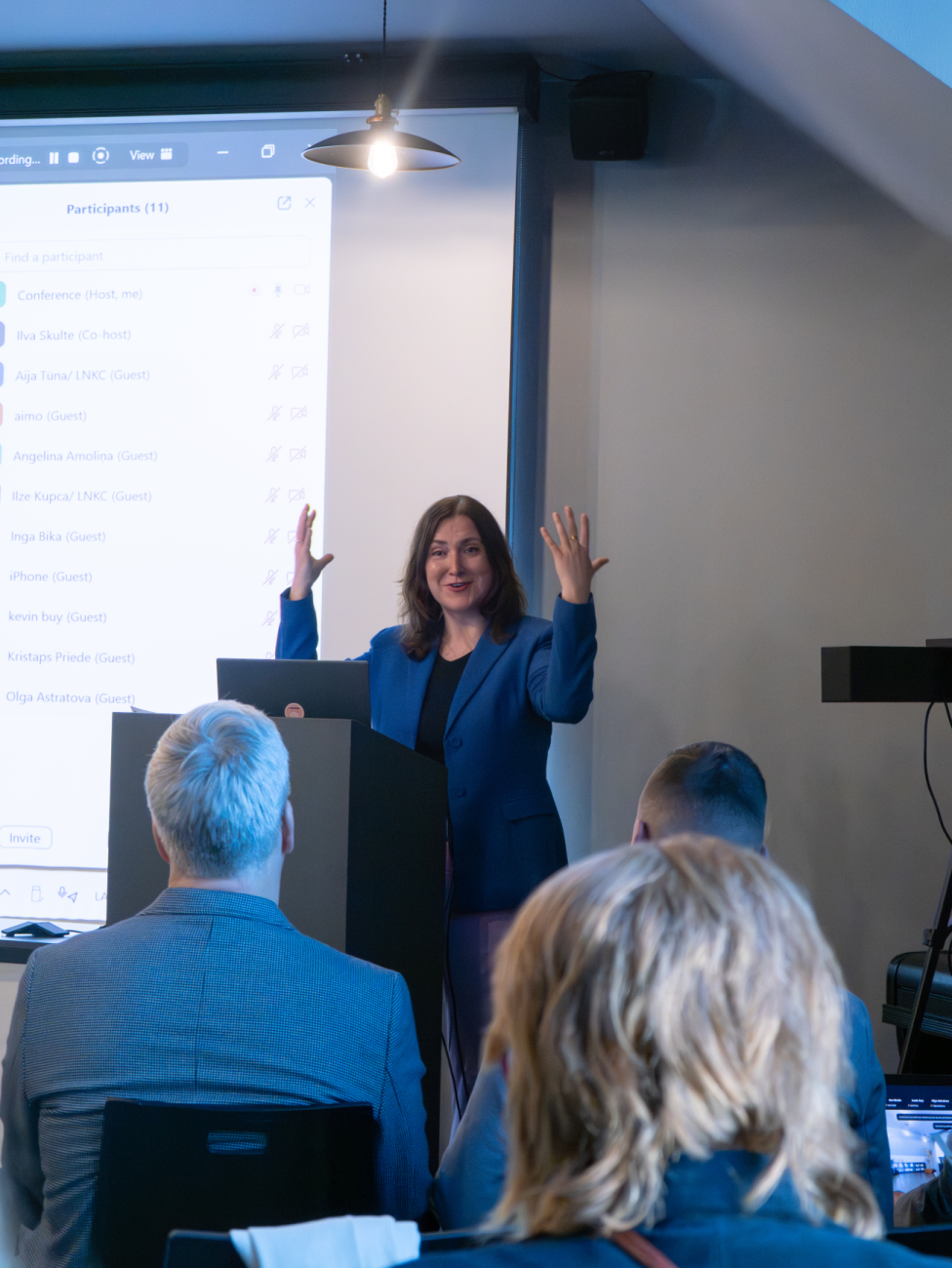
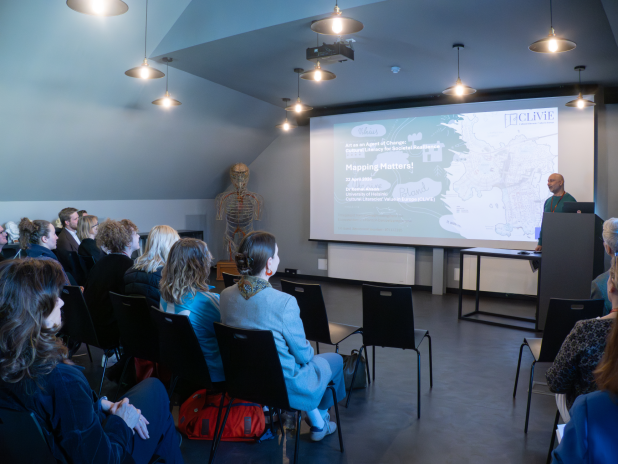
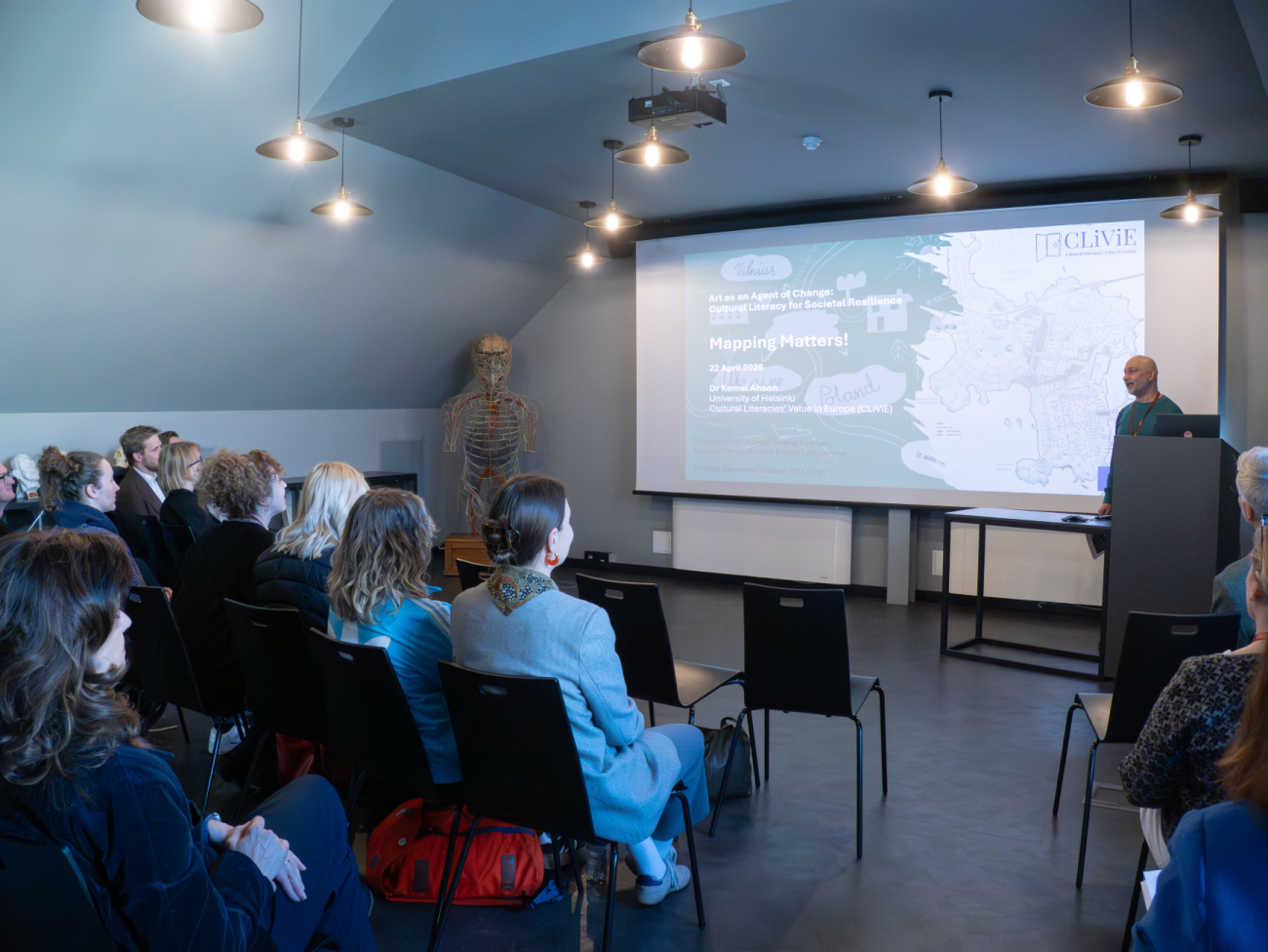
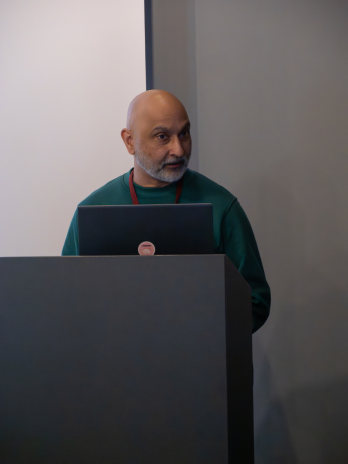
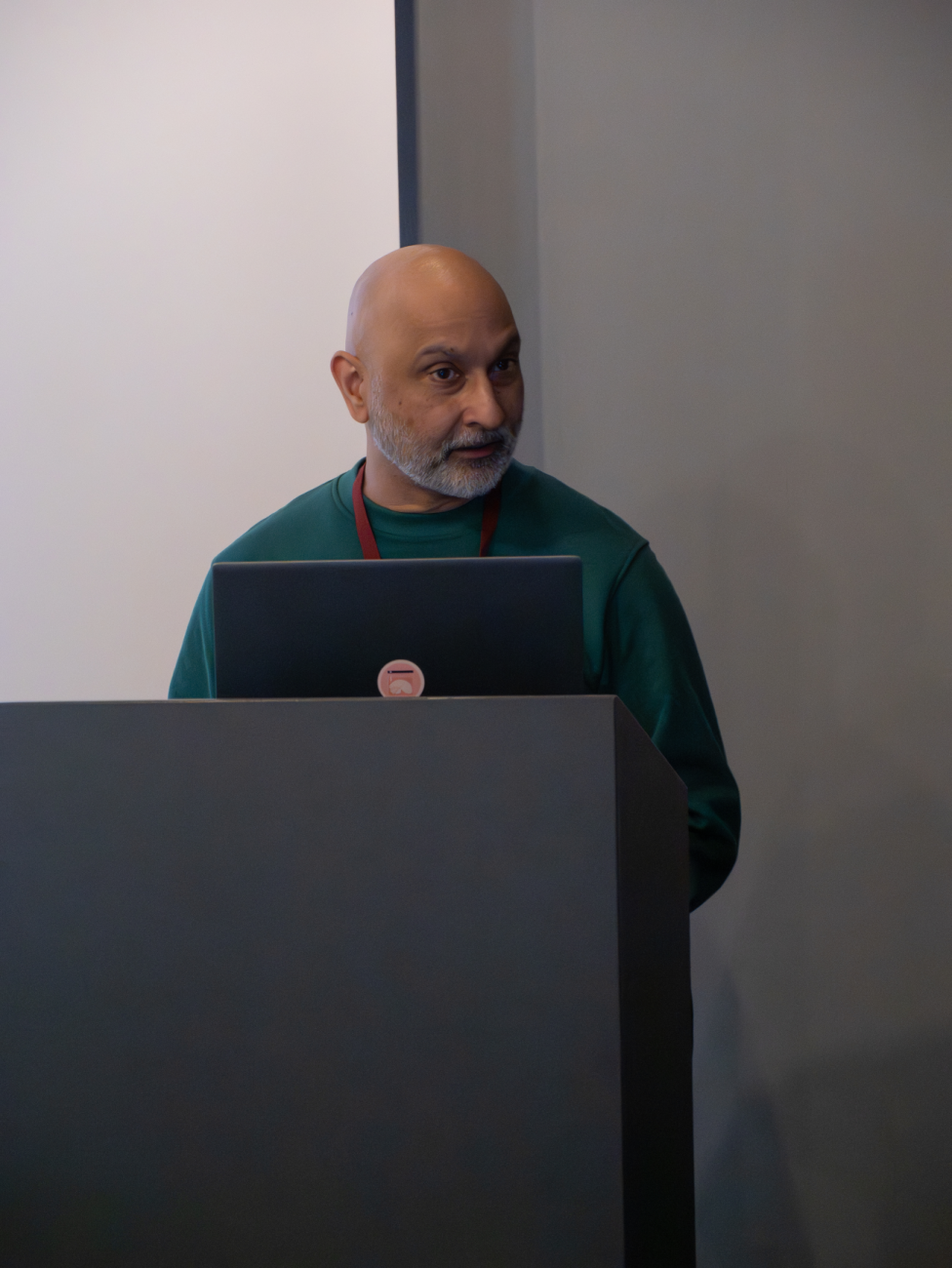
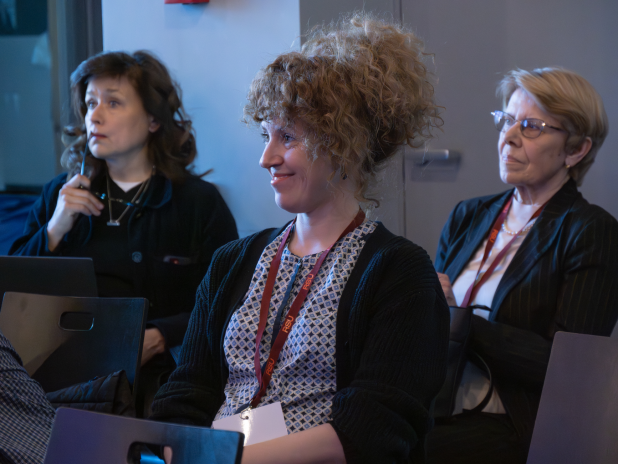
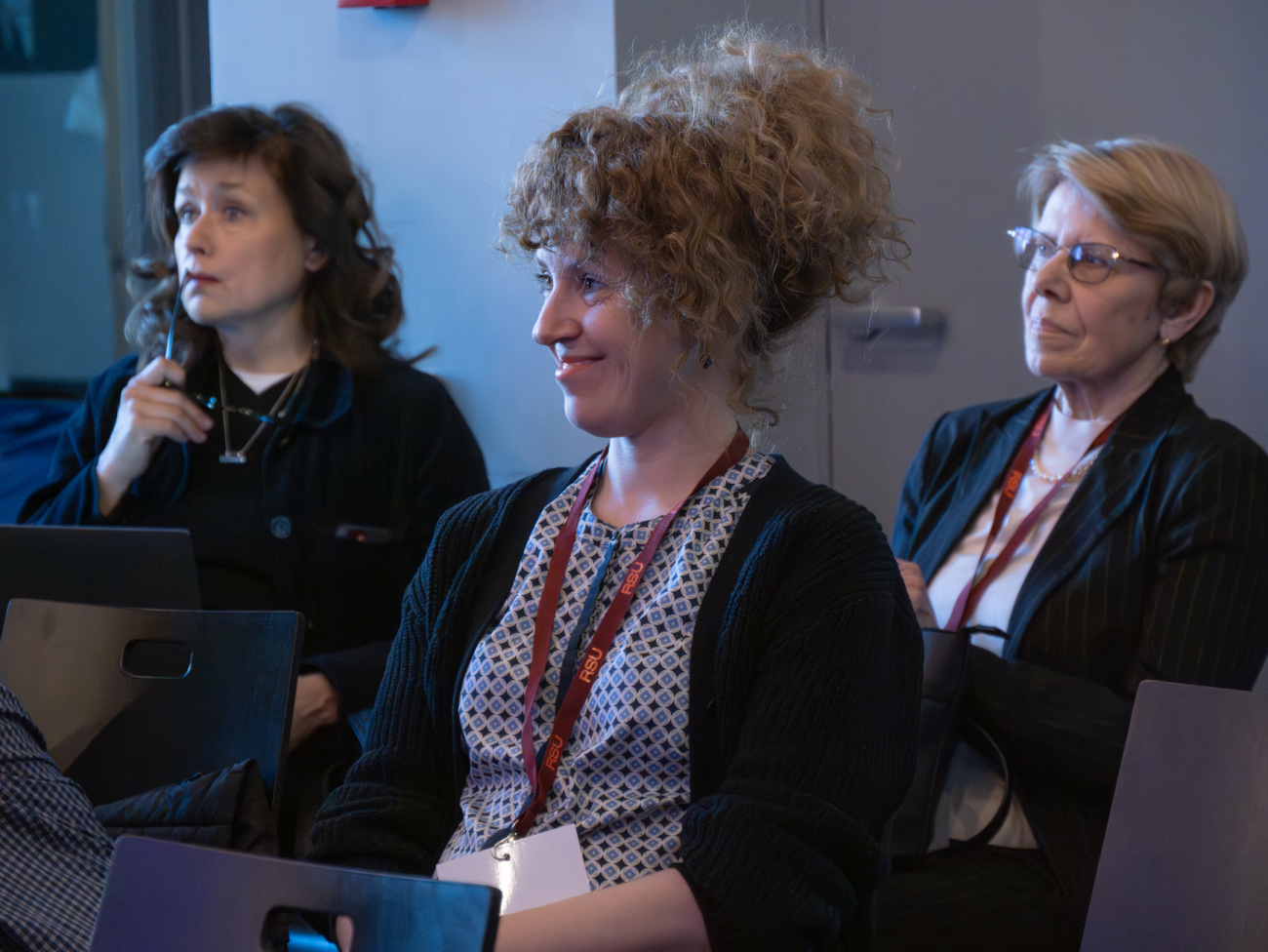
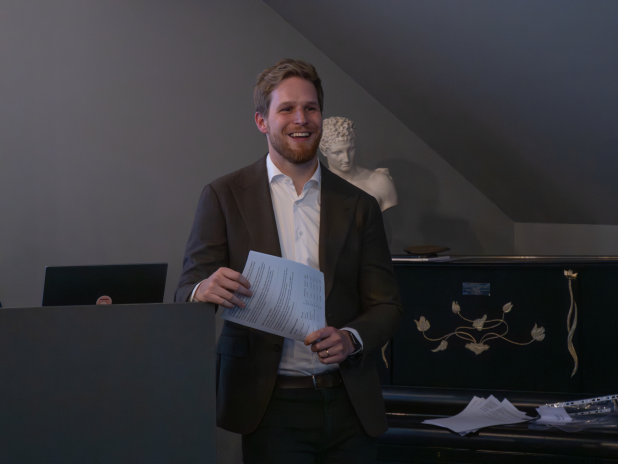
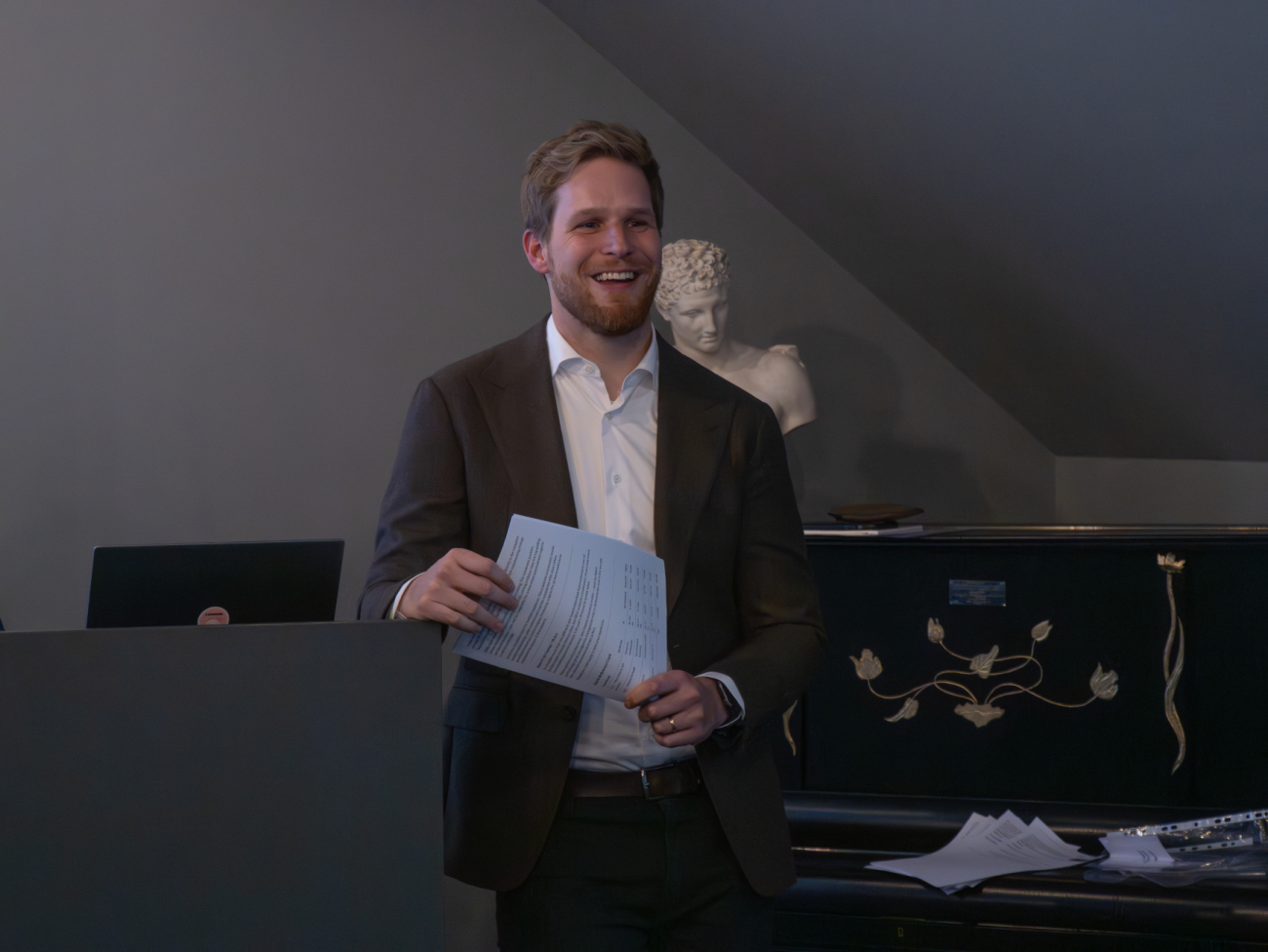
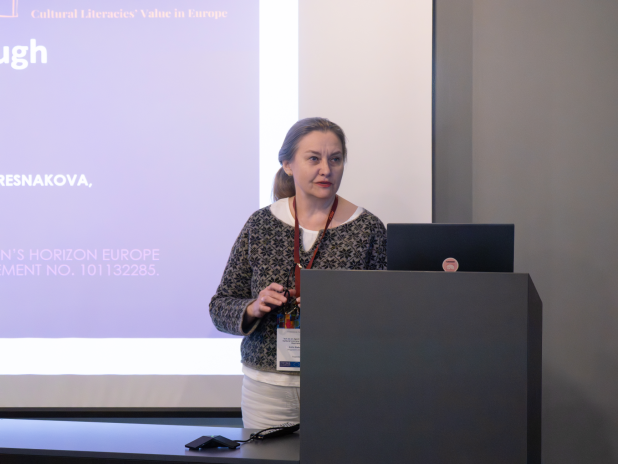
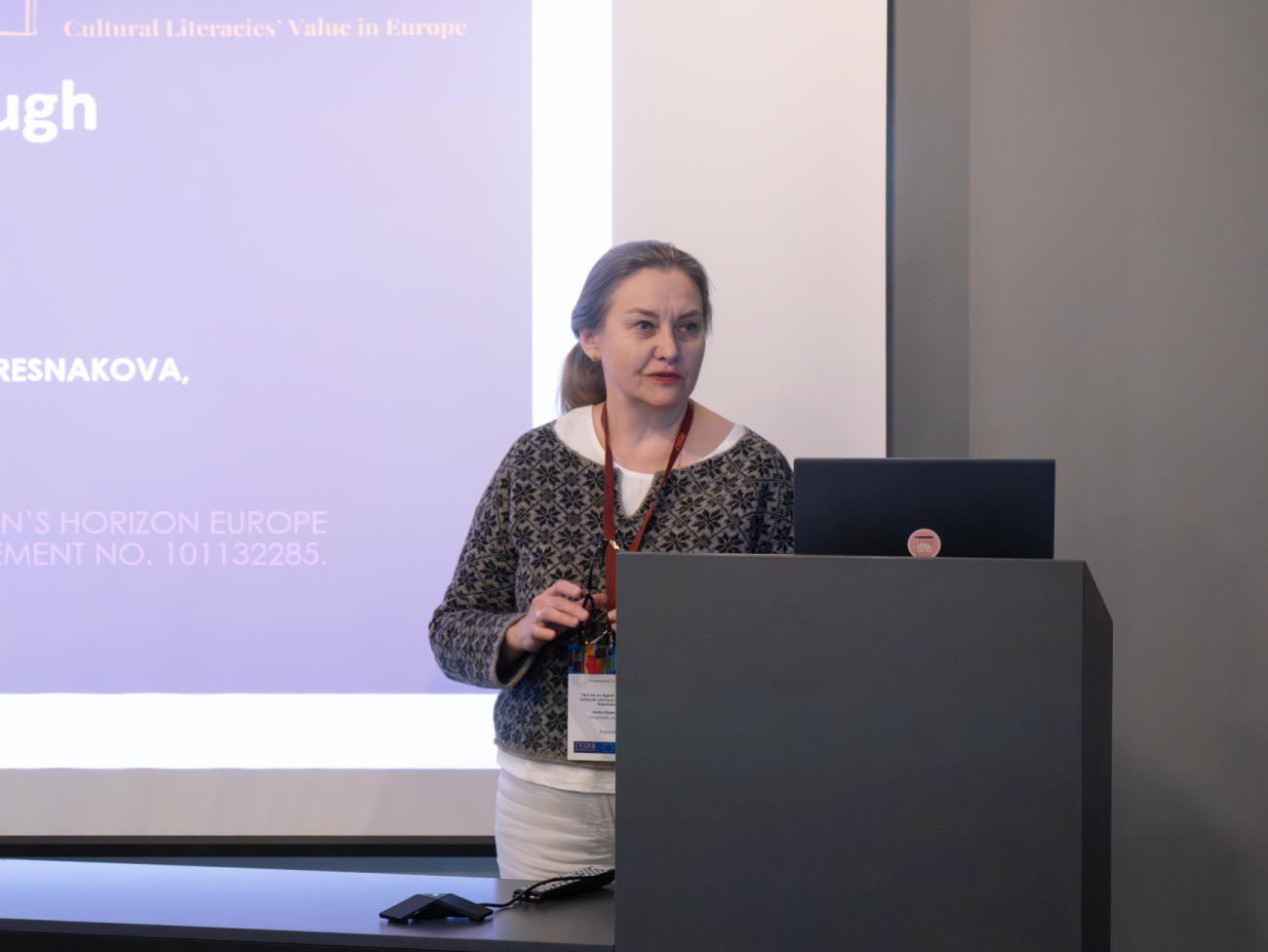
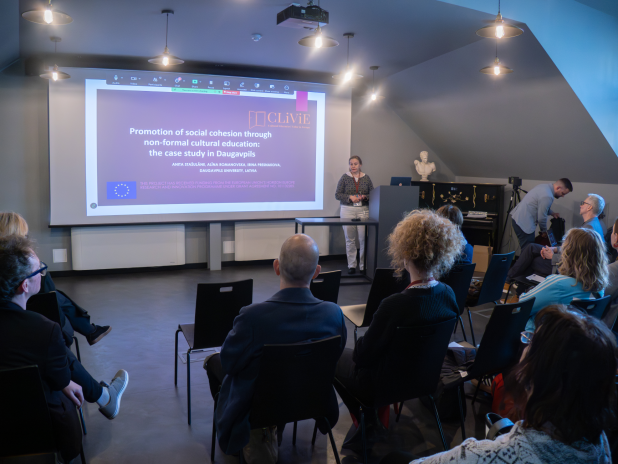
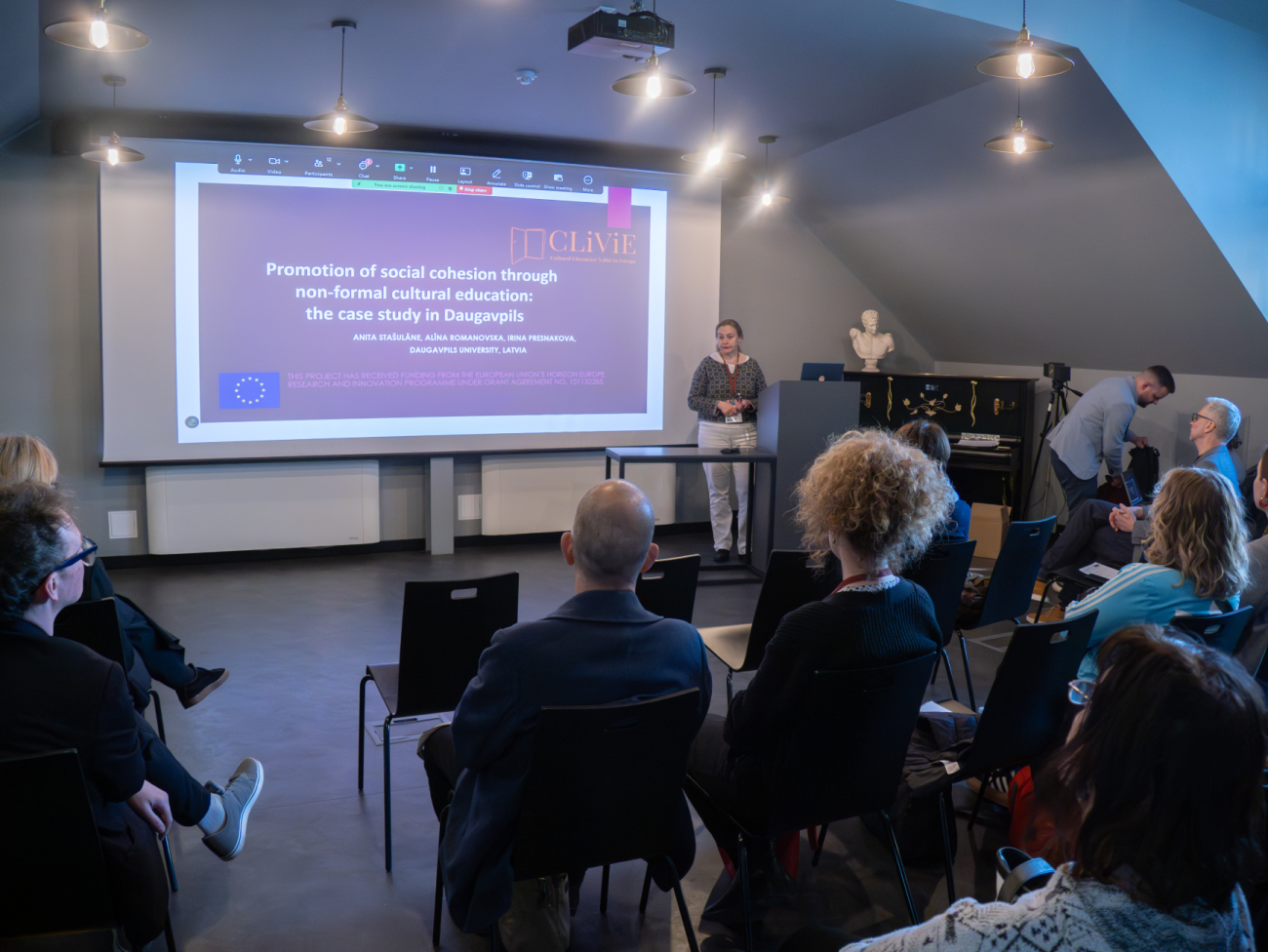
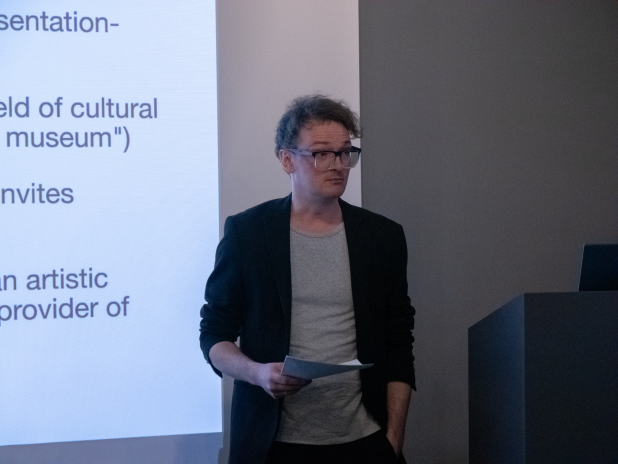
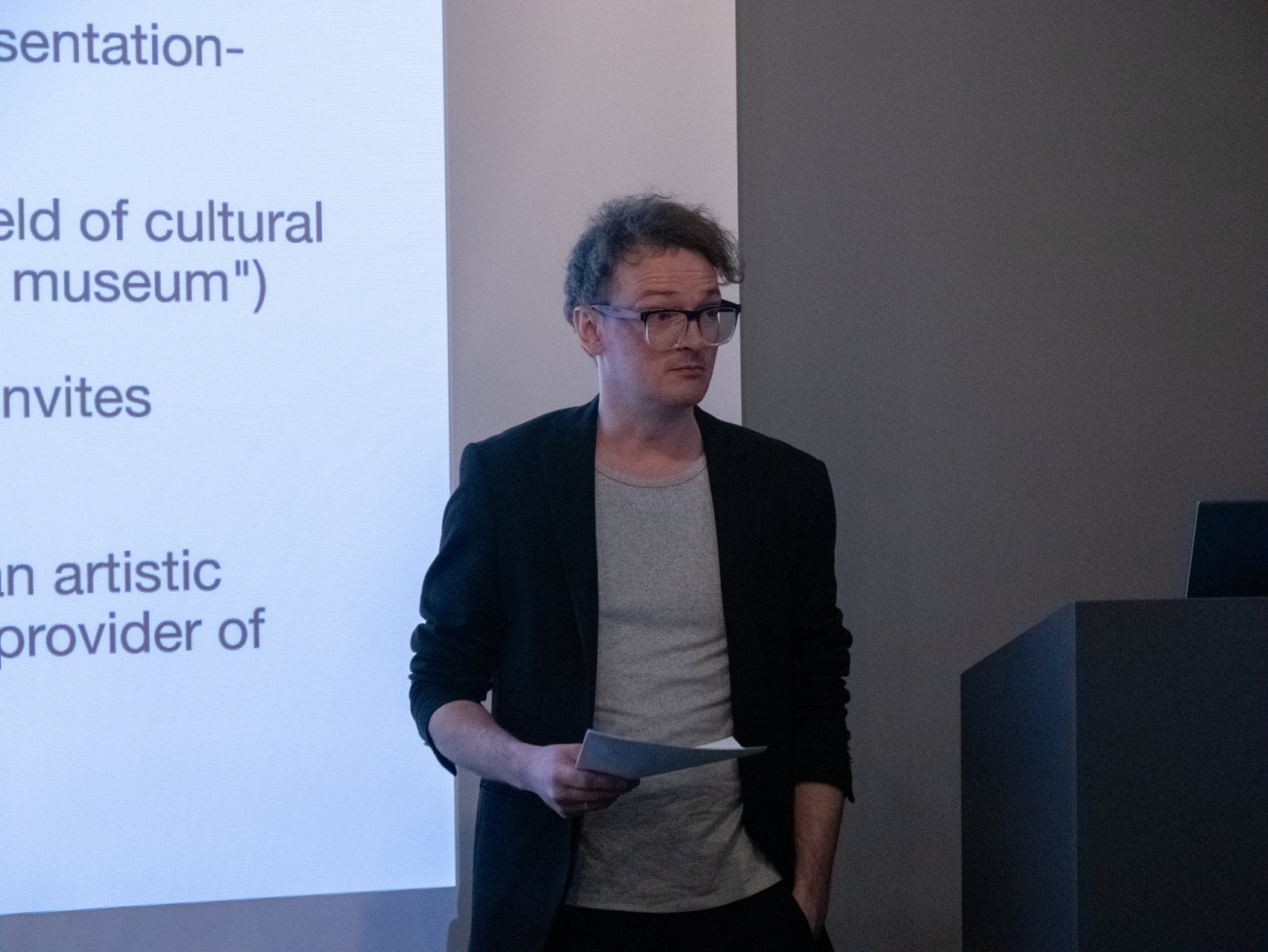
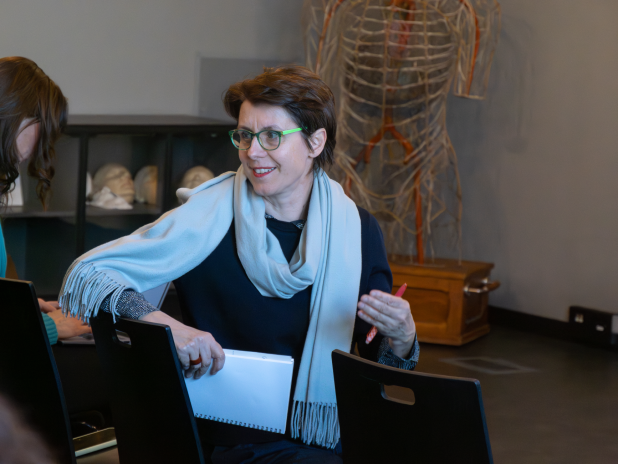
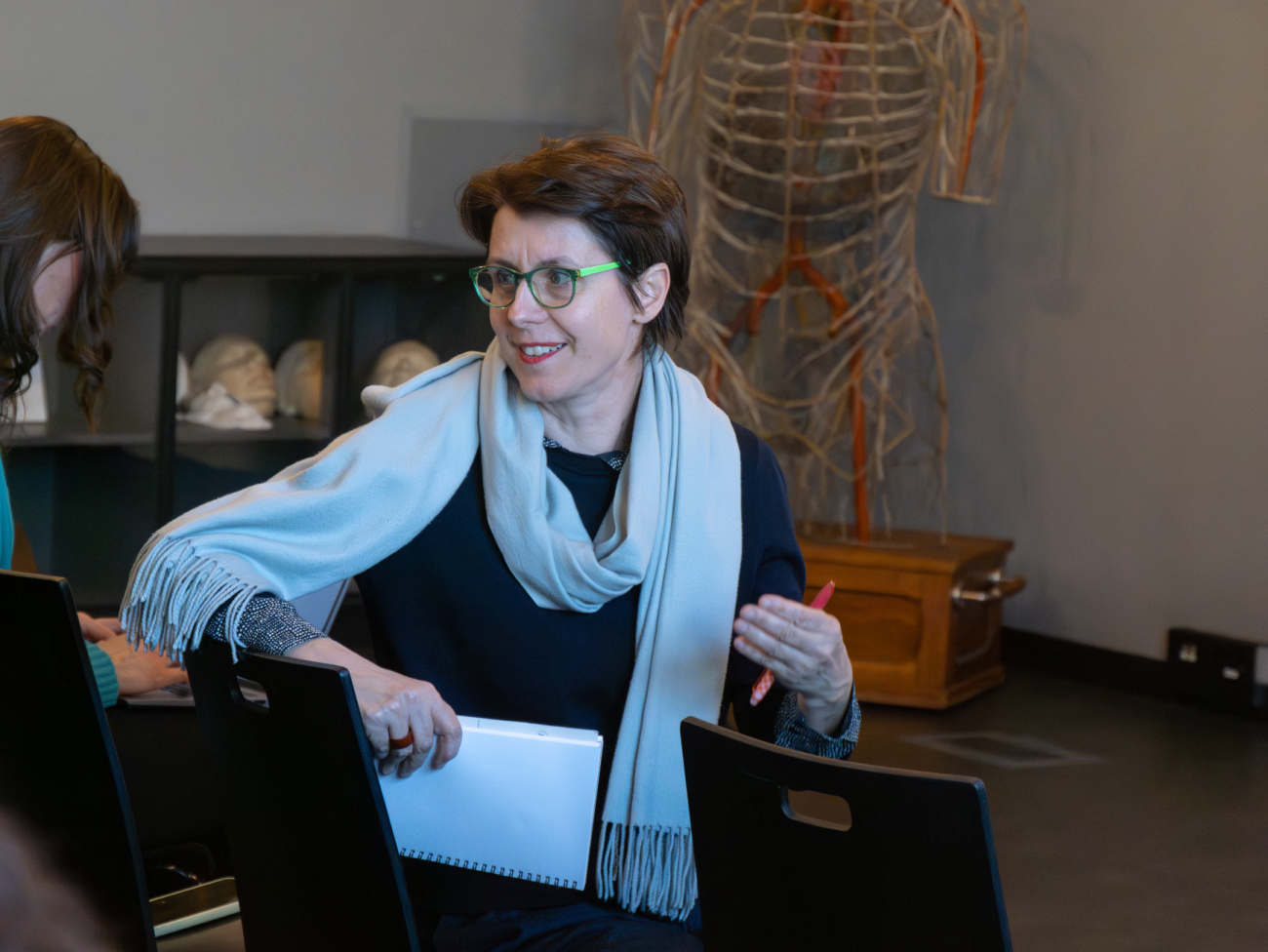
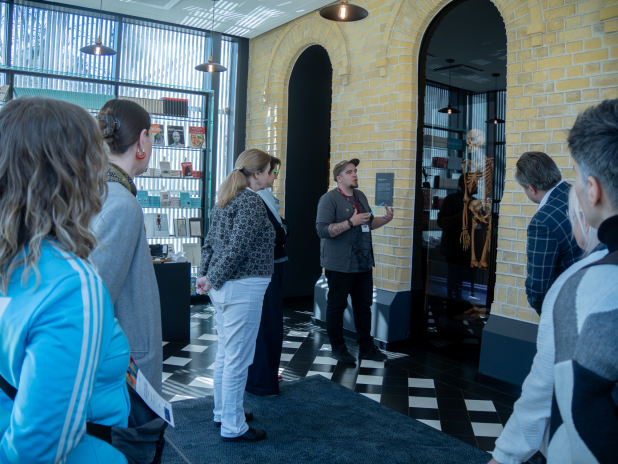
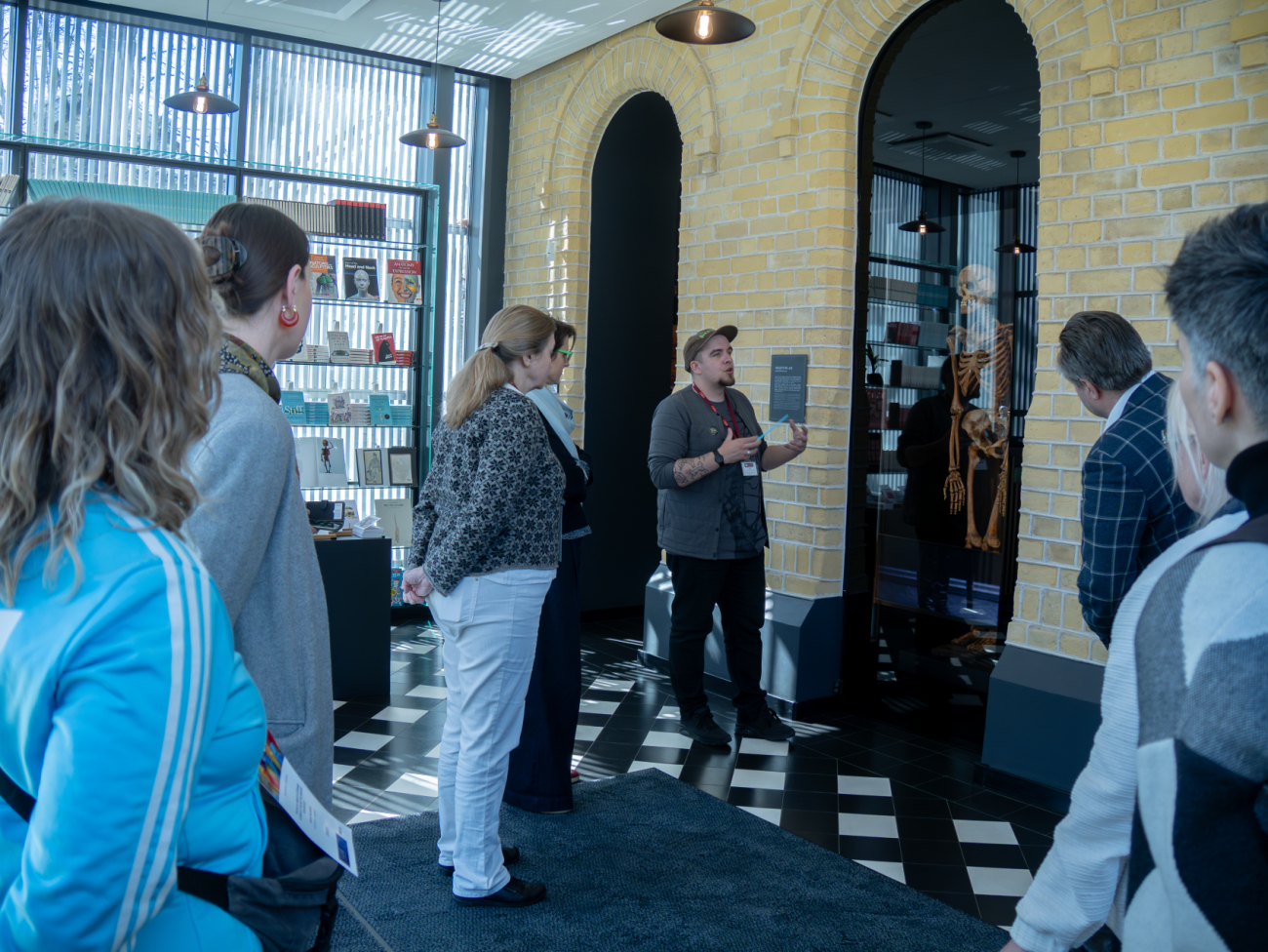
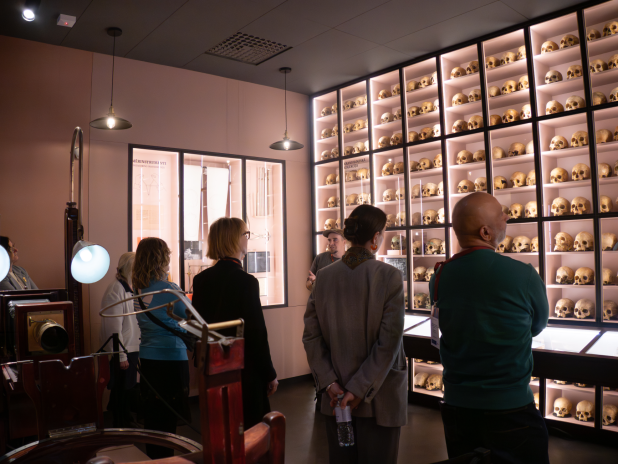
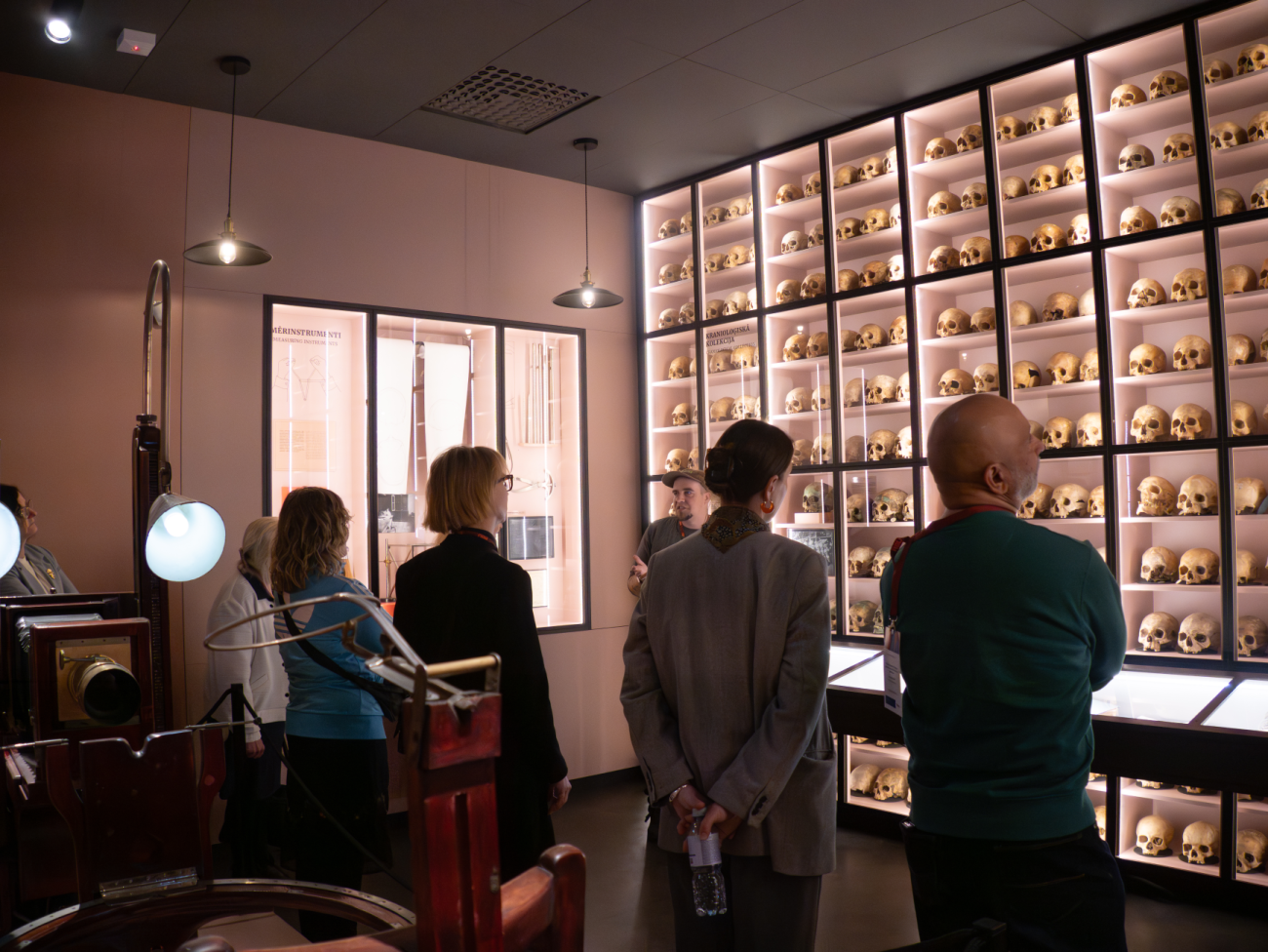
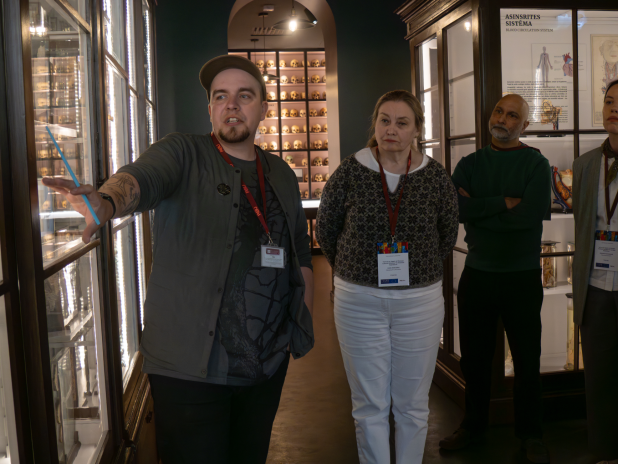
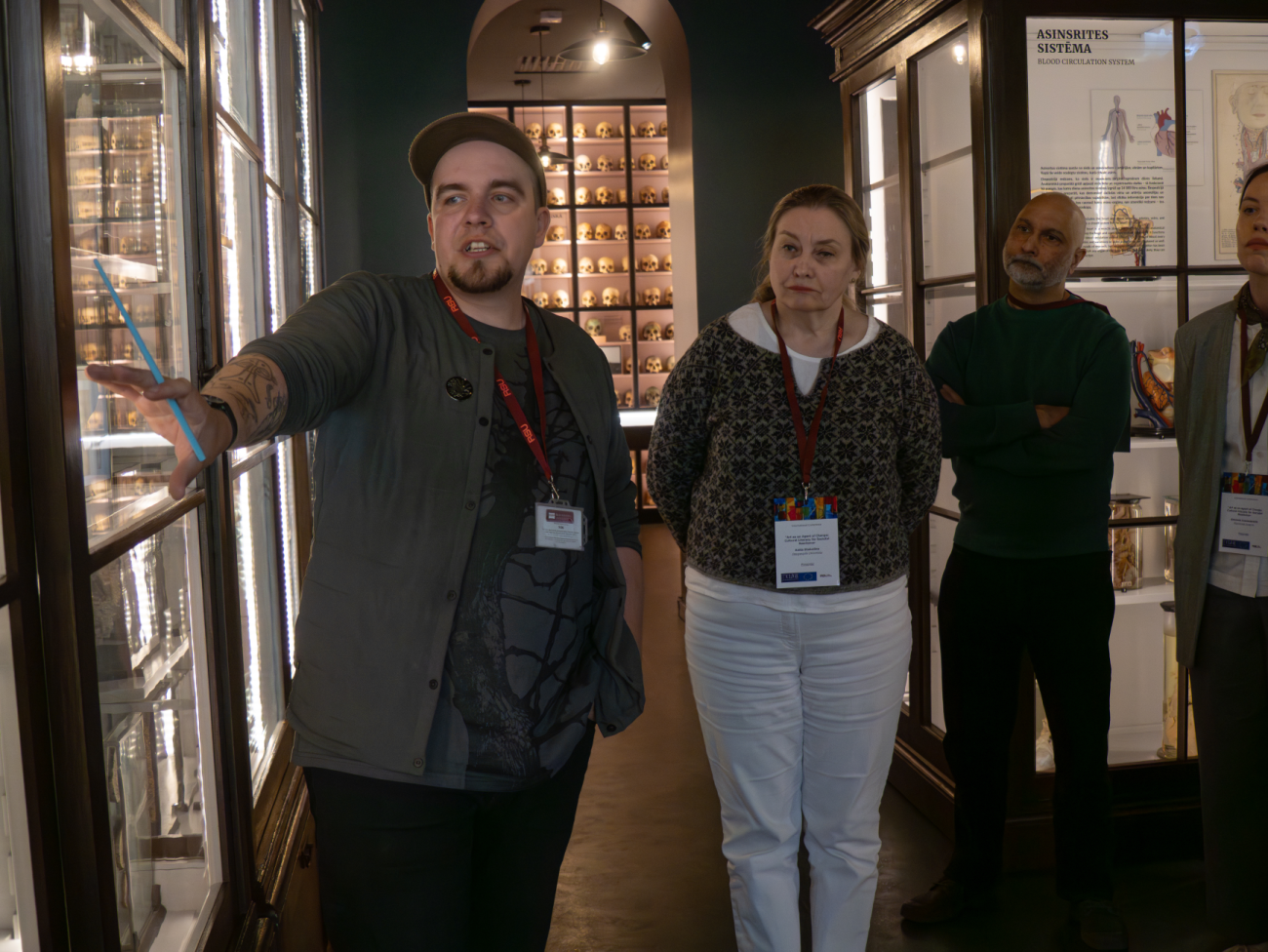


On 22 April 2026, the Social Sciences Research Centre of Rīga Stradiņš University (RSU) organised the international scientific conference 'Art as an Agent of Change. Cultural Literacy for Societal Resilience.' The conference was funded by the research project CLiViE (Cultural Literacies' Value in Europe). On that day, researchers, arts educators, artists and cultural policy-makers from Latvia, Lithuania, Poland, the Czech Republic, Estonia and Finland gathered at the RSU Anatomy Museum.
The conference focused on culture and art as an infrastructure of societal resilience. At a time when political agendas are shifting towards military and economic security, the cultural sector often finds itself at the forefront of budget optimisation, being regarded merely as a luxury. However, in the organisers’ view, the cultural and creative sector, particularly in Latvia’s small towns and rural regions, functions as an integral element of community life that builds trust, shared meaning and civic competence.
One of the central themes of the conference was cultural literacy as the foundation of social cohesion. Several presentations highlighted how experiences of art foster intercultural understanding, a sense of belonging and tolerance in culturally and historically complex environments. Anita Stašulāne (Daugavpils University) explained how informal cultural education in Daugavpils reduces divides between ethnic and linguistic groups, while Ilva Skulte (RSU), together with colleagues from Daugavpils, Alīna Romanovska (DU) and Mairita Folkmanis (RM), analysed the Rothko Museum workshop “The Other in Art and Life,” which directly addresses prejudice and belonging. In the Lithuanian context, Natālija Mažeikiene (Vytautas Magnus University) highlighted collaborative filmmaking as a way in which students from diverse cultural and linguistic backgrounds find their voice and a safe space for expression.
Another important topic of the conference was the increasingly pressing question of how to measure the meaning and value generated by art and cultural education. Grzegorz Maśloch and Kamil Flig (SGH Warsaw School of Economics) presented the social return on investment (SROI methodology), as well as the Theory of Change framework, which enables the quantification of the social and economic impact of arts education programmes. Such methodologies provide policy-makers with concrete arguments at a time when investments in art and culture are often considered unnecessary.
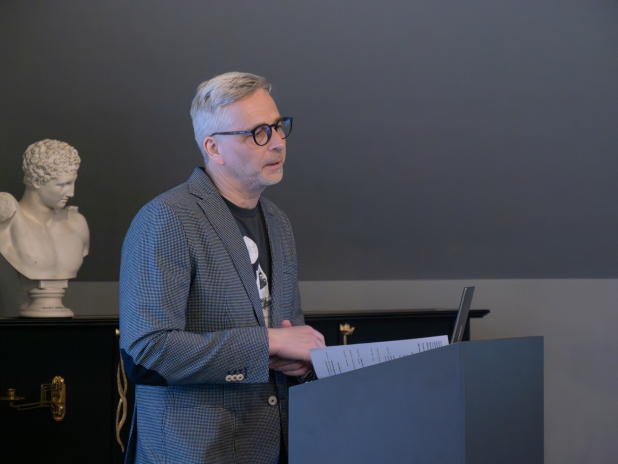
The closing theme of the conference was art as an experience of belonging and change, which permeated the presentations of artistic research. One of the keynote presentations, delivered by Dirk Hoyer, Associate Professor at the Baltic Film, Media and Arts School of Tallinn University, focused precisely on the main aspects of this approach. Astra Zoldnere (RSU / Film University Babelsberg) demonstrated, through the documentary “Not My Film,” how participatory methods challenge stereotypes about older people; Antra Priede (Latvian Academy of Arts) characterised curatorial education as a laboratory for experimental knowledge production; meanwhile Velga Vītola-Kļava, Žanete Grende and Jānis Holšteins-Upmanis (Purvītis Museum, Ziedonis Foundation “Viegli”) outlined the activation of cultural heritage through participation, shifting from the museum as an archive to the museum as a space of lived experience. Overall, the conference offered a coherent argument that, under conditions of geopolitical instability, a resilient democratic society requires critical thinking, empathy and creative problem-solving, as well as the skills fostered by arts education. In this perspective, arts educators, artists and cultural institutions are no longer symbolic but structural agents of change.
The conference demonstrated that contemporary research in art and cultural education has the capacity to challenge established perceptions and open up possibilities for new perspectives on the development potential of this field in addressing societal challenges at both national and international levels. Conference participants provided insights into various practical approaches to engaging the public in cultural and artistic activities while fulfilling an educational function, as well as strengthening a sense of belonging among marginalised groups.
Looking ahead, several recommendations for future action can be outlined. First, a contemporary understanding of cultural literacy should be systematically integrated into both formal and non-formal education at all levels, from pre-school to lifelong learning programmes, with particular attention given to regions and small towns, where cultural institutions often assume broader social and community cohesion functions. Second, policy-makers and representatives of the cultural sector should continue to develop and adapt to the Latvian context such impact assessment methodologies as SROI and Theory of Change frameworks, which make it possible to clearly substantiate investment in culture, its social and economic returns, and to strengthen the sector’s position in decision-making processes. Third, interdisciplinary and international collaboration among researchers, artists, educators and cultural institutions should be purposefully strengthened by establishing sustainable knowledge exchange networks capable of responding to rapidly changing societal challenges. Finally, participatory arts and community engagement practices should be supported as a strategic instrument in building an inclusive and resilient democratic society - not as an optional aspect of cultural policy in favourable conditions, but as a long-term investment in national security in its broadest sense.
Related news
 RSU Medical Law Conference highlights patient safety and responsibility in healthcare Conferences, workshops, Law