Physical activity during pregnancy: knowing the benefits, but struggling to act


Writer: Sandija Bergmane master's student, Public Health
Although pregnant women are aware that physical activity has a positive effect on pregnancy, labour, and the postnatal period, this is not always followed by practical action, as shown by a qualitative study carried out as part of the Rīga Stradiņš University (RSU) Public Health master’s programme.
In 2026, I conducted a qualitative study to investigate the experiences of physical activity during pregnancy among women who were overweight or obese. I carried out 15 individual interviews. The study results show that the women interviewed unanimously considered physical activity during pregnancy important and beneficial both for general health and for making labour and the postnatal period easier. However, these positive views on physical activity were not always followed by practical action.
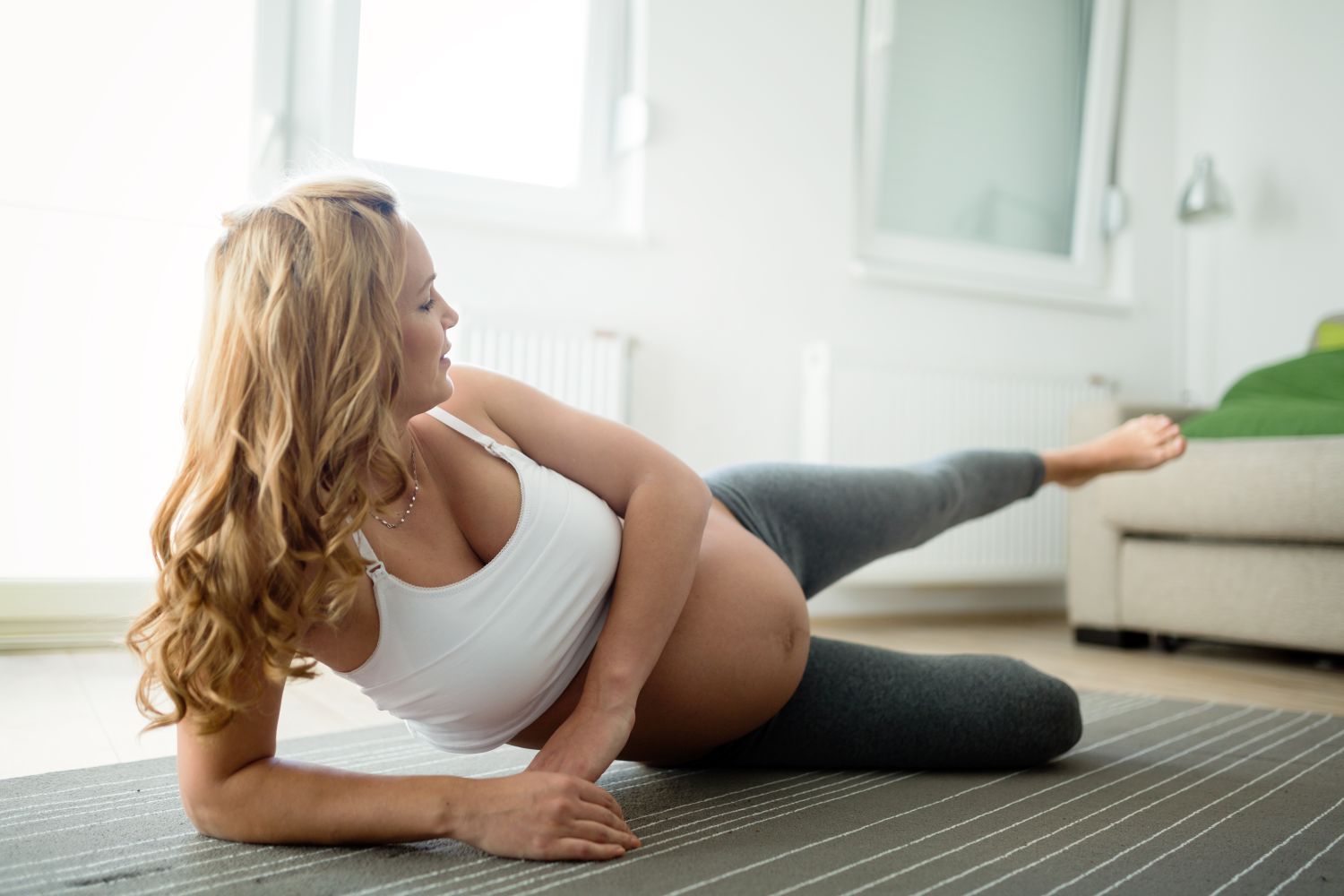
Physical activity reduces the risk of various complications during pregnancy and labour
How much are pregnant women affected by overweight and obesity? In a study conducted in Latvia between 2017 and 2019, involving 1,000 pregnant women, 32% were overweight or obese.1 In a 2023 study involving 236 pregnant women, 22.7% were overweight and 9.9% were obese.2 A 2018 study showed that approximately one third of pregnant women in Europe were overweight or obese.3 Pregnant women are considered overweight if their body mass index (BMI) is above 25, while obesity is diagnosed if their BMI is above 30, based on measurements taken at the start of pregnancy.
Although pregnancy and labour proceed without complications for the majority of women who are overweight or obese, there is nevertheless an increased risk of various complications.
Data from a large-scale survey conducted in 2019 showed that approximately one quarter of pregnancy complications, including gestational hypertension, gestational diabetes, pre-eclampsia and preterm birth, were associated with maternal obesity and overweight.4 A high pre-pregnancy BMI combined with excessive weight gain during pregnancy poses the greatest risk of pregnancy complications and long-term health consequences for both the mother and the child.
Physical activity, in turn, can promote healthy lifestyle habits and reduce the risk of chronic diseases.5 Physical activity refers to any type of movement that engages the muscles and expends energy. This includes both purposeful exercise and other activities involving bodily movement, such as housework or gardening, walking, sports or other active leisure activities. During pregnancy, the World Health Organization (WHO) recommends that women engage in moderate- to vigorous-intensity physical activity for at least 150 minutes throughout the week, including a variety of aerobic and muscle-strengthening activities.6
One way to determine whether physical activity is of moderate intensity is to use the conversation test: a person should be able to hold a conversation but not sing.
Meanwhile, during vigorous-intensity physical activity, holding a conversation may be challenging. Although physical activity improves health and reduces various health risks, the amount of physical activity usually decreases during pregnancy, and the level recommended by the WHO is rarely achieved.7,8 In Latvia, as elsewhere in Europe, the level of physical activity among pregnant women is relatively low. In 2024, of the 222 pregnant women surveyed, 59.1% reported engaging in physical activity during pregnancy, while, as elsewhere in Europe, only 14.8% were close to or met the level of physical activity recommended by the WHO.9,10,11
Research shows that an active lifestyle during pregnancy can help women to alleviate symptoms associated with the physical changes they experience, such as lower back and pelvic pain, as well as improve emotional wellbeing, reduce fatigue and lower the risk of developing symptoms of depression and anxiety.12 It is therefore essential that women without any medical restrictions receive support and encouragement to maintain physical activity throughout their pregnancy.8
Walking is the most popular activity
What does my study reveal about the physical activity experiences of pregnant women who are overweight or obese? The women interviewed as part of the study agree that physical activity during pregnancy is important and beneficial both for general health, for example, by reducing fatigue, improving mood and helping to control weight, and for pregnancy-related processes, such as making labour and the postnatal period easier.
‘Of course, it is good to keep moving – to go for more walks, to feel better and to prepare for the baby’s arrival.’
However, despite this, a contradiction was evident in the responses of several study participants, as positive attitudes towards physical activity were not always followed by action.
In other words, despite the women’s belief in the importance of physical activity and its benefits during pregnancy, some of them did not engage in physical activity regularly.
In the study, 11 women stated that their daily routine included some form of physical activity; however, an analysis of their responses suggested that only three of them were likely to be meeting the minimum level of physical activity recommended by the WHO. This discrepancy is consistent with a study published in 2025, which explored the relationship between health literacy (a person’s ability to find, understand and act on health information) and the ability to successfully plan and engage in physical activity and achieve set goals (exercise self-efficacy) among women during pregnancy. Although the pregnant women were generally aware of the importance of physical activity, their confidence in their ability to engage in it was often low or moderate. The same study also identified a significant positive association between physical activity self-efficacy and health literacy, as described above. Specifically, pregnant women with higher levels of health literacy were generally more confident in their ability to participate in regular physical activity, whereas pregnant women with inadequate health literacy found it more difficult to obtain and understand health information, communicate effectively with healthcare professionals and make informed decisions, as well as manage their health appropriately.13
My study has an interesting finding: women were more likely to mention walking as the most accessible and important form of physical activity.
This may reflect a tendency among women to overestimate the importance of one particular type of activity during pregnancy.
‘Walking, without a doubt – I see it as the foundation of everything.’
Although the WHO physical activity guidelines recommend aerobic activities, and walking is a safe and recommended form of such activity, it is not always possible to reach the recommended moderate or vigorous intensity when walking.
Given that the women believed it was safe to engage mainly in relaxing or low-intensity activities during pregnancy, limiting physical activity to walking alone may limit the full range of health benefits that can be achieved through physical activity.
Similar views on the benefits of walking are also evident in a study in which women, particularly as they approached labour, were more likely to opt for leisurely walks, associating them with preparing the body for labour and alleviating pain during labour.14,15
In my study, the women listed a number of factors that they believed encouraged or hindered their ability to engage in physical activity and incorporate it in their daily routines. They acknowledged that pregnancy-related symptoms, such as pain and discomfort, can significantly hinder the incorporation of physical activity into everyday life, while fatigue and lack of energy can limit and make movement more difficult.
‘As your belly gets bigger, it becomes harder to bend down and squat, and your balance changes.’
At the same time, physical symptoms can also encourage women to incorporate physical activity into their daily lives. For example, if a woman has previously experienced pain and discomfort due to a sedentary lifestyle, but these symptoms have eased with physical activity, for example, through reduced fatigue and easier movement, this has often motivated her to be more active during pregnancy.
‘To feel good, so that nothing hurts. That way, physical activity also acts as a form of therapy – even if you are in a really bad mood.’
Previous studies have shown that, among pregnant women who are overweight or obese, a lack of knowledge about the types and benefits of physical activity during pregnancy is the most common factor preventing them from engaging in physical activity.16,17
The apparent lack of knowledge about recommended physical activities, their types and benefits identified in this study may be considered a factor hindering engagement in physical activity. This interpretation is further supported by the fact that most of the women considered themselves sufficiently informed and indicated that information was readily available when they needed to seek it. This, in turn, may suggest that insufficient knowledge may also be associated with less interest in the topic.
Support from healthcare professionals plays an important role in encouraging physical activity.
The data from my study show that individual consultations and classes, for example, with physiotherapists, not only increase women’s confidence in their ability to engage in physical activity safely, but also facilitate practical steps towards becoming more active in their daily lives.
It should be noted, however, that this support was not always straightforward. Although almost all participants in the study indicated that they had received some form of support and advice from healthcare professionals, including gynaecologists, the interviews revealed that these recommendations may have lacked the structure and specificity set out in the WHO guidelines on the recommended amount of physical activity during pregnancy. Unclear information from healthcare professionals about physical activity during pregnancy can often cause fear and other psychological barriers to incorporating physical activity into daily routines.16,17
A 2020 study conducted in Great Britain found that women with better knowledge of physical activity guidelines also described themselves as physically active.17 Furthermore, a study conducted in Taiwan concluded that pregnant women with a high BMI could benefit from individual consultations with healthcare professionals about physical activity, helping them to overcome various personal and environmental barriers.18
In my study, some participants noted that gynaecologists had sometimes encouraged them to continue activities they had already started, such as aqua aerobics and physiotherapy sessions, or advised them to stop certain physical activities, for example, step aerobics or running, despite having regularly engaged in these activities even before pregnancy. The participants’ overall physical activity levels had decreased during pregnancy. There is a potential risk that recommendations from healthcare professionals to stop certain activities could indirectly contribute to a reduction in overall physical activity, particularly if they are not based on an individual assessment or accompanied by alternative options. When promoting physical activity, particularly among pregnant women, it is important to ensure a person-centred approach and provide support that takes into account their previous experience, needs and state of health.
An environment that encourages people to be physically active is undoubtedly important for everyone, regardless of age or state of health, but it can be particularly important for women during pregnancy.19
Research has shown that neighbourhoods suitable for walking, as well as access to sports facilities and recreational areas, contribute to people being more successful in achieving the recommended levels of physical activity.20
In my study, although the participants reported having relatively good access to facilities and opportunities for physical activity, such as walking areas, swimming pools and classes for pregnant women, weather conditions were identified as the main environmental barrier to engaging in physical activity. All interviews with the participants were conducted during winter, when outdoor temperatures in Latvia were unusually low and there was considerably more snow than in previous years. Low temperatures, combined with icy and uncleared roads, contributed to a more sedentary lifestyle among some of the women, as their opportunities to engage in the most accessible form of physical activity in everyday life, walking, which generally does not require complex infrastructure, were limited.
‘Ice, rain and minus 30 degrees. I really do not feel like going out in that sort of weather.’
Previous studies have also found that a poorly maintained neighbourhood can be a barrier to women engaging in physical activity during pregnancy.21
In my study, women also identified changes in mental health as factors influencing their physical activity.
Although the women generally noted an immediate improvement in mood following physical activity, this did not always motivate them to continue engaging in physical activity.
This suggests that, although pregnant women recognise the benefits of physical activity, they may find it difficult to incorporate specific activities into their daily lives and may even discontinue existing habits, particularly if their lifestyle was already mostly sedentary before pregnancy.
‘If I get the chance to rest, I do.’
Fear that physical activity could cause harm
Previous studies have shown that, during pregnancy, women may experience fear of harming their unborn child while performing various everyday movements and physical activities.14,17 In this study, the hindering factor of “fear” manifested mainly as a fear of doing something wrong and experiencing discomfort or pain. At the same time, it is difficult to clearly distinguish this from women’s knowledge, as misconceptions about movements supposedly prohibited during pregnancy, such as stretching exercises, raising one’s arms above one’s head or lifting heavy objects, may also stem from a lack of knowledge.
‘As far as I understand, it is not advised to do any abdominal exercises at the moment – all sorts of planks and so on. [...] Yes, well, the arms… oh, I have heard you are not supposed to raise your arms.’
Overall, the analysis of the study’s results confirms the complex nature of health behaviour, highlighting the close interplay between an individual’s capabilities, opportunities and motivation. The study found that physical activity behaviour is influenced by a combination of factors, including knowledge and understanding of the impact of physical activity on health and pregnancy, the information available, opportunities in the local environment, and support from healthcare professionals. The findings emphasise that an individualised and supportive approach is essential for the successful adoption of health-promoting behaviours.
Reducing overweight and obesity, particularly among women of reproductive age, is a key global public health priority. It is therefore essential to develop and implement preventive and targeted interventions based on women’s experiences and individual health needs.
This article was first published on the LSM news portal
[1] Meija L. Excess Weight, Dietary Habits and Vitamin D and Omega-3 Fatty Acid Status in Pregnancy. Rīga Stradiņš University Institutional Repository; 2023.
[2] Nikolajeva K, Aizbalte O, Piskurjova A, Rezgale R, Cauce V, Začs D, Meija L. Fatty Acid Composition of a Maternal Diet and Erythrocyte Phospholipid Status in Latvian Pregnant Women. Medicina (Lithuania). 2023; 59(9)
[3] Goldstein RF, Abell SK, Ranasinha S, Misso ML, Boyle JA, Harrison CL, Black MH, Li N, Hu G, Corrado F, Hegaard H, Kim YJ, Haugen M, Song WO, Kim MH, Bogaerts A, Devlieger R, Chung JH, Teede HJ. Gestational weight gain across continents and ethnicity: Systematic review and meta-analysis of maternal and infant outcomes in more than one million women. BMC Med. 2018;16(1)
[4] Santos S, Voerman E, Amiano P, Barros H, Beilin LJ, Bergström A, Charles MA, Chatzi L, Chevrier C, Chrousos GP, Corpeleijn E, Costa O, Costet N, Crozier S, Devereux G, Doyon M, Eggesbø M, Fantini MP, Farchi S, Forastiere F, Georgiu V, Godfrey KM, Gori D, Grote V, Hanke W, Hertz-Picciotto I, Heude B, Hivert MF, Hryhorczuk D, Huang RC, Inskip H, Karvonen AM, Kenny LC, Koletzko B, Küpers LK, Lagström H, Lehmann I, Magnus P, Majewska R, Mäkelä J, Manios Y, McAuliffe FM, McDonald SW, Mehegan J, Melén E, Mommers M, Morgen CS, Moschonis G, Murray D, Ní Chaoimh C, Nohr EA, Nybo Andersen AM, Oken E, Oostvogels AJJM, Pac A, Papadopoulou E, Pekkanen J, Pizzi C, Polanska K, Porta D, Richiardi L, Rifas-Shiman SL, Roeleveld N, Ronfani L, Santos AC, Standl M, Stigum H, Stoltenberg C, Thiering E, Thijs C, Torrent M, Tough SC, Trnovec T, Turner S, van Gelder MMHJ, van Rossem L, von Berg A, Vrijheid M, Vrijkotte TGM, West J, Wijga AH, Wright J, Zvinchuk O, Sørensen TIA, Lawlor DA, Gaillard R, Jaddoe VWV. Impact of maternal body mass index and gestational weight gain on pregnancy complications: an individual participant data meta-analysis of European, North American and Australian cohorts. BJOG. 2019;126(8):984-995.
[5] LR Ministru kabinets, Ministru kabineta rīkojums Nr. 359. Sabiedrības veselības pamatnostādnes 2021.–2027. gadam. Pieņemts 26. maijā, 2022. Skatīts 17.decembrī, 2025. Vairāk šeit.
[6] WHO. GUIDELINES ON PHYSICAL ACTIVITY AND SEDENTARY BEHAVIOUR. Publicēts 25.novembrī 2020. Skatīts 9.oktobrī 2025. Vairāk šeit.
[7] Gascoigne EL, Webster CM, Honart AW, Wang P, Smith-Ryan A, Manuck TA. Physical activity and pregnancy outcomes: an expert review. Am J Obstet Gynecol MFM. Elsevier Inc. 2023;5(1)
[8] Flannery C, Fredrix M, Olander EK, McAuliffe FM, Byrne M, Kearney PM. Effectiveness of physical activity interventions for overweight and obesity during pregnancy: A systematic review of the content of behaviour change interventions. IJBNPA. BioMed Central Ltd. 2019;16(1)
[9] Carlsen OCL, Gudmundsdóttir HK, Bains KES, Bertelsen R, Carlsen KCL, Carlsen KH, Endre KMA, Granum B, Haugen G, Hedlin G, Jonassen CM, Kreyberg I, Landrø L, Mägi CAO, Nordlund B, Nordhagen LS, Pehrson K, Saunders CM, Sjøborg K, Skjerven HO, Staff AC, Svanes C, Söderhäll C, Vettukattil R, Værnesbranden M, Wiik J, Rehbinder EM. Physical activity in pregnancy: a Norwegian-Swedish mother-child birth cohort study. AJOG Global Reports. 2021;1(1)
[10] Fioretti E, Fioretti E, Palandri L, Fantuzzi G, Facchinetti F, Righi E, Sato M, Sato M, Isomura T, Suzuki K. Physical Activity during Pregnancy in Italy: Prevalence, Intensity and Associated Factors. EUPHA. 2020;30(5)
[11] Zaloga S. Fizisko aktivitāšu biežums grūtniecības laikā Latvijā. Pētniecības darbs, Rīgas Stradiņa universitāte, Medicīnas fakultāte; 2024.
[12] The American College of Obstetricians and Gynaecologists. Physical Activity and Exercise During Pregnancy and the Postpartum Period Committee on Obstetric Practice. Publicēts aprīlī, 2020. Skatīts 9.oktobrī, 2025. Vairāk šeit.
[13] Kallio H, Pietilä AM, Johnson M, Kangasniemi M. Systematic methodological review: developing a framework for a qualitative semi-structured interview guide. J Adv Nurs. 2016;72(12):2954-2965.
[14] Zerangian N, Kianfard MA, Peyman N. The relationship between health literacy and exercise self-efficacy in pregnant women: a cross-sectional study. BMC Pregnancy Childbirth. 2025;25(1).
[15] Pico ML, Rangel-Osuna F, Estrada MS, Granich A, Grunnet LG, Silvia CIR, Avila-Jimenez L, Christensen DL, Nielsen KK. "I have not been doing it because of my fear of something happening." Exploring perspectives on healthy dietary behaviors and physical activity in Mexican pregnant women and health care professionals: A qualitative study. Nutrition. 2024;126.
[16] Gonçalves H, Soares ALG, Domingues MR, Bertoldi AD, dos Santos MG, da Silveira MF, Coll C de VN. Why are pregnant women physically inactive? A qualitative study on the beliefs and perceptions about physical activity during pregnancy. Cad Saude Publica. 2024;40(1).
[17] Flannery C, McHugh S, Anaba AE, Clifford E, O’Riordan M, Kenny LC, McAuliffe FM, Kearney PM, Byrne M. Enablers and barriers to physical activity in overweight and obese pregnant women: An analysis informed by the theoretical domains framework and COM-B model. BMC Pregnancy Childbirth. 2018;18(1).
[18] Jia CL, Wang LJ, Li LH, Lu YJ, Yang Y. Using COM-B model in identifying factors influencing exercise adherence in pregnant women with gestational diabetes mellitus in China: a qualitative study. Front Public Health. 2026;13.
[19] Findley A, Smith DM, Hesketh K, Keyworth C. Exploring womens’ experiences and decision making about physical activity during pregnancy and following birth: A qualitative study. BMC Pregnancy Childbirth. 2020;20(1).
[20] Hsiung Y, Lee CF, Chi LK, Huang JP. "Moving for My Baby!" Motivators and Perceived Barriers to Facilitate Readiness for Physical Activity during Pregnancy among Obese and Overweight Women of Urban Areas in Northern Taiwan. Int J Environ Res Public Health. 2021;18(10).
[21] Currie S, Sinclair M, Murphy MH, Madden E, Dunwoody L, Liddle D. Reducing the Decline in Physical Activity during Pregnancy: A Systematic Review of Behaviour Change Interventions. PLoS One. 2013;8(6).
[22] Porter AK, Rodríguez DA, Frizzelle BG, Evenson KR. The Association between Neighborhood Environments and Physical Activity from Pregnancy to Postpartum: a Prospective Cohort Study. J Urban Health. 2019;96(5):703-719.
[23] Kershaw KN, Marsh DJ, Crenshaw EG, McNeil RB, Pemberton VL, Cordon SA, Haas DM, Debbink MP, Mercer BM, Parry S, Reddy U, Saade G, Simhan H, Wapner RJ, Wing DA, Grobman WA. Associations of the Neighborhood Built Environment with Physical Activity across Pregnancy. J Phys Act Health. 2021;18(5):541-547.
[24] Laraia B, Messer L, Evenson K, Kaufman JS. Neighborhood factors associated with physical activity and adequacy of weight gain during pregnancy. J Urban Health. 2007;84(6):793-806