RSU hosts First Baltic Emergency Medicine Congress

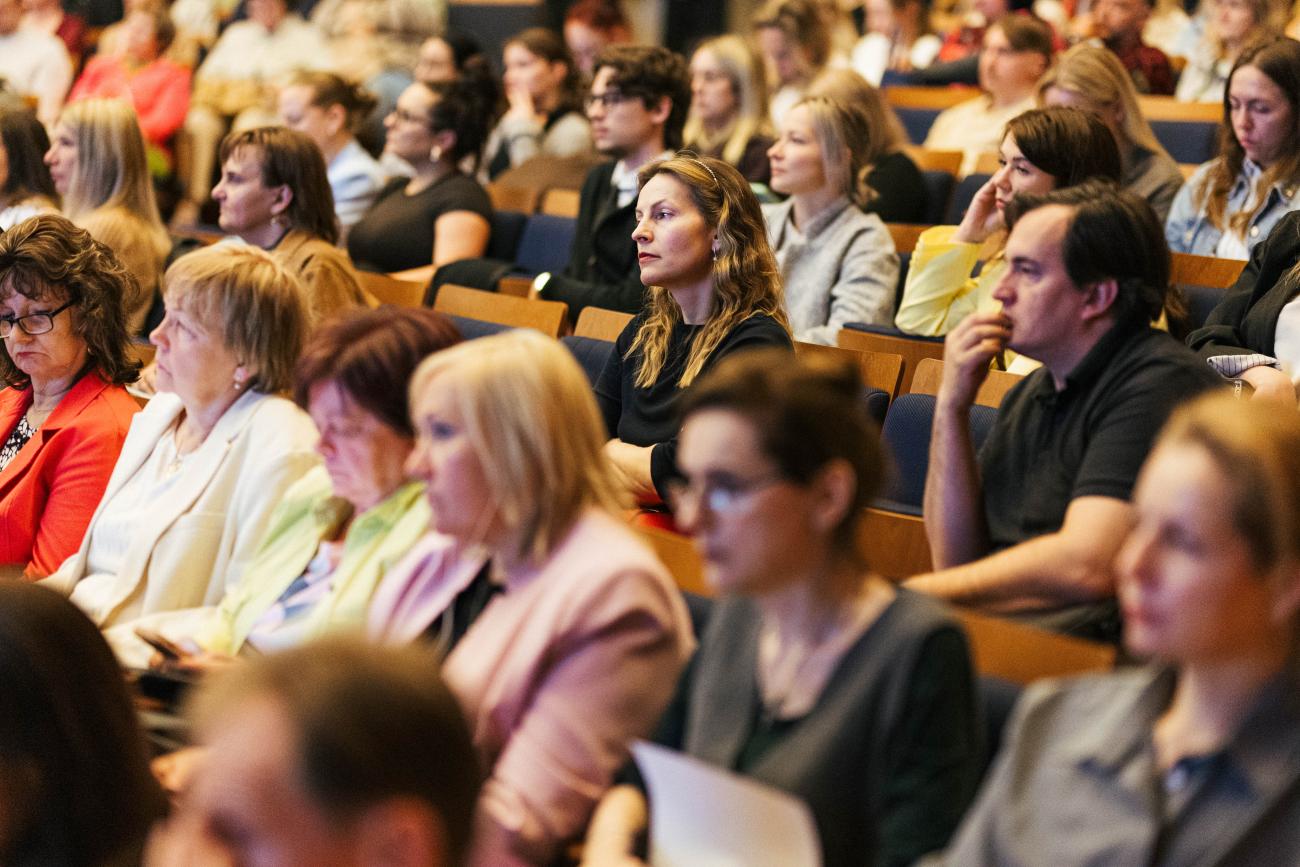
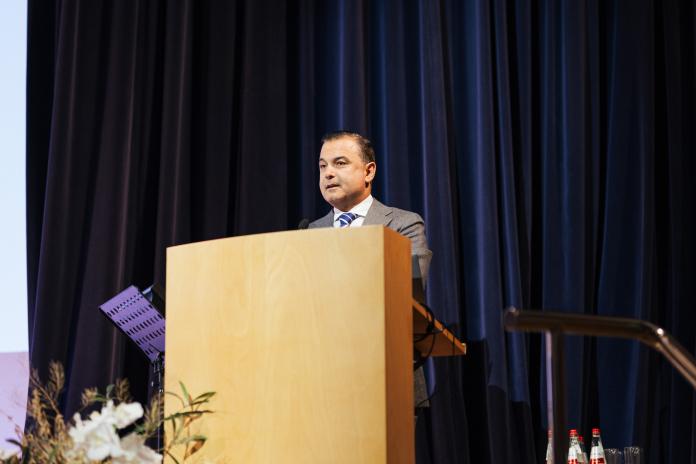
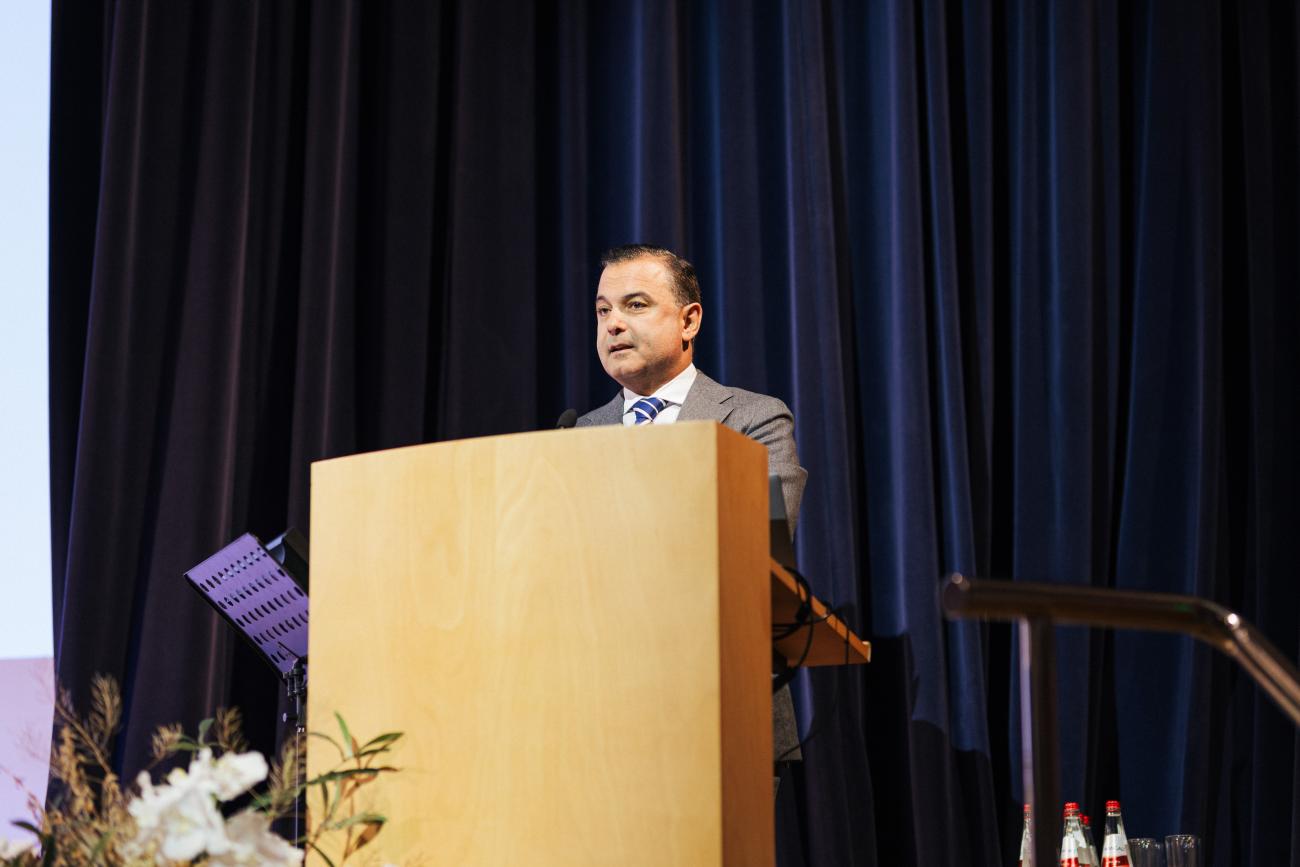
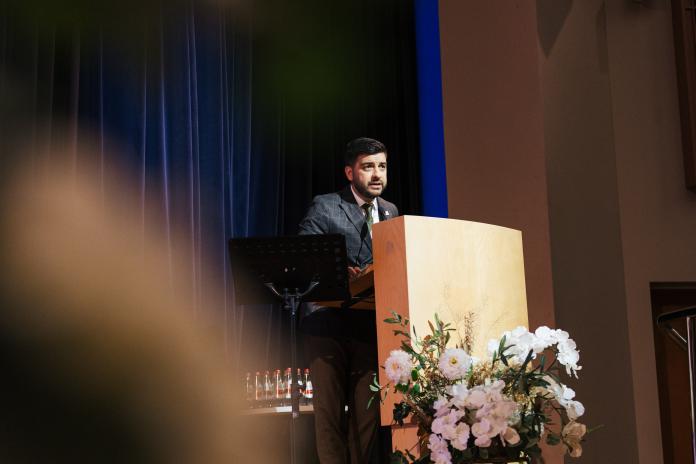
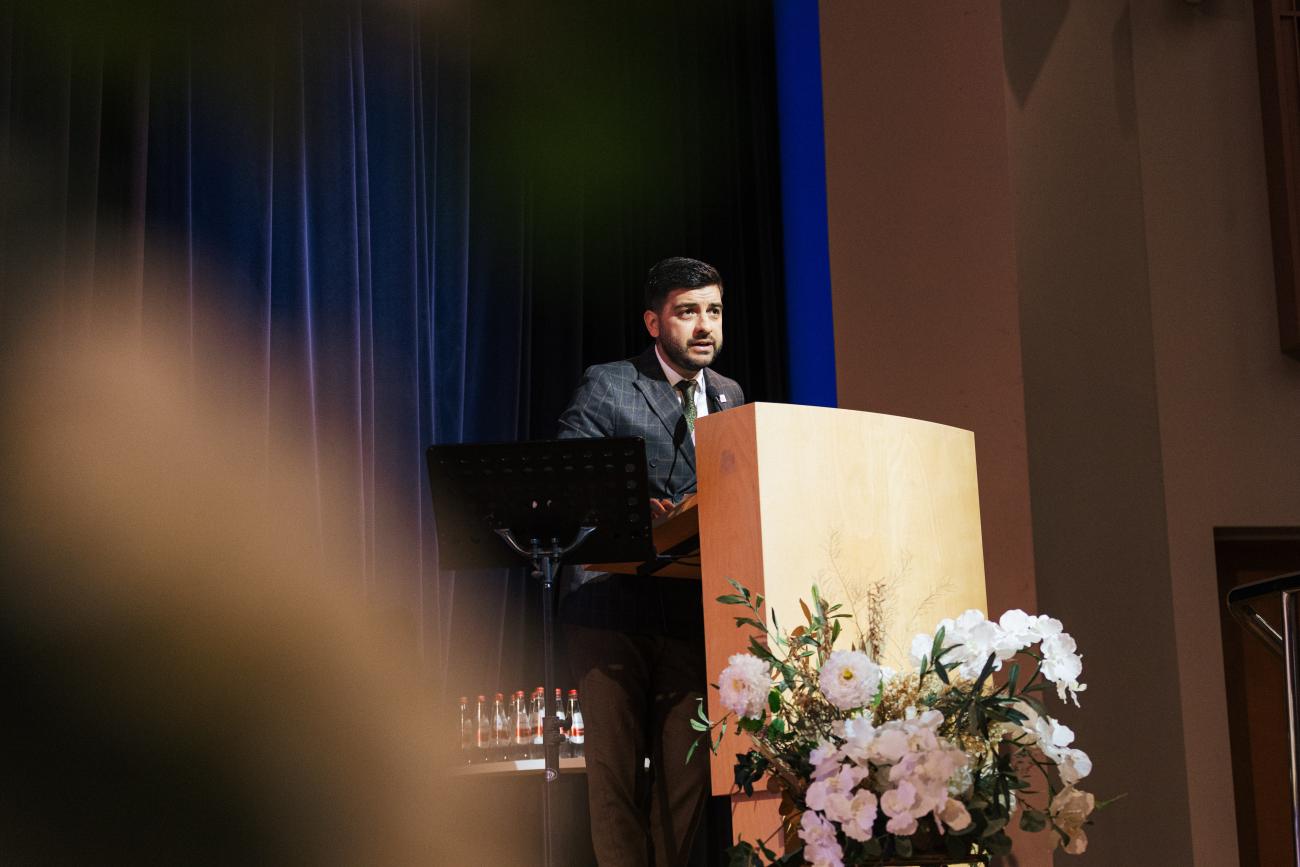
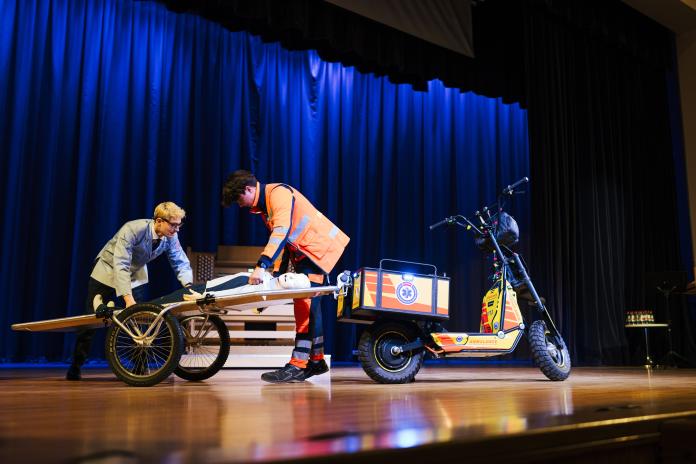
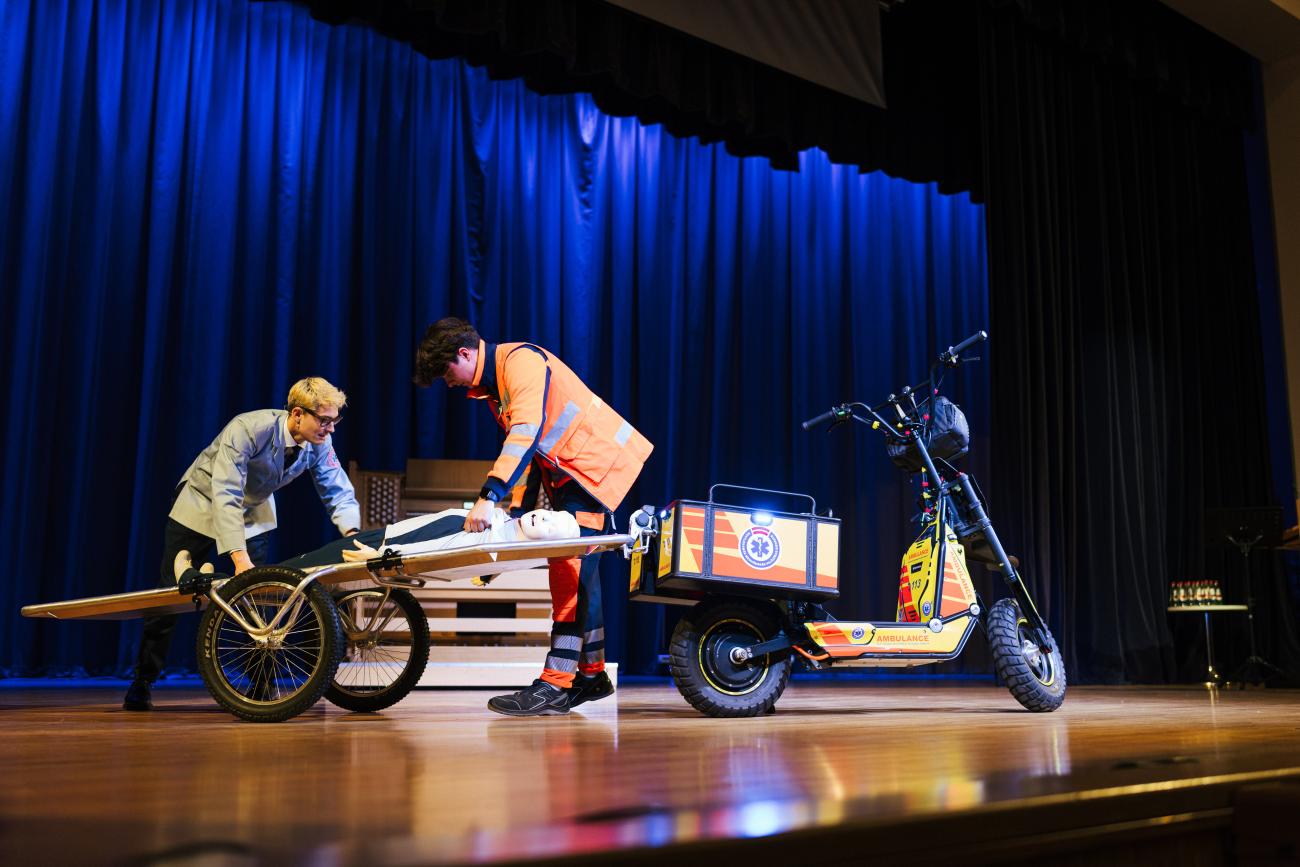
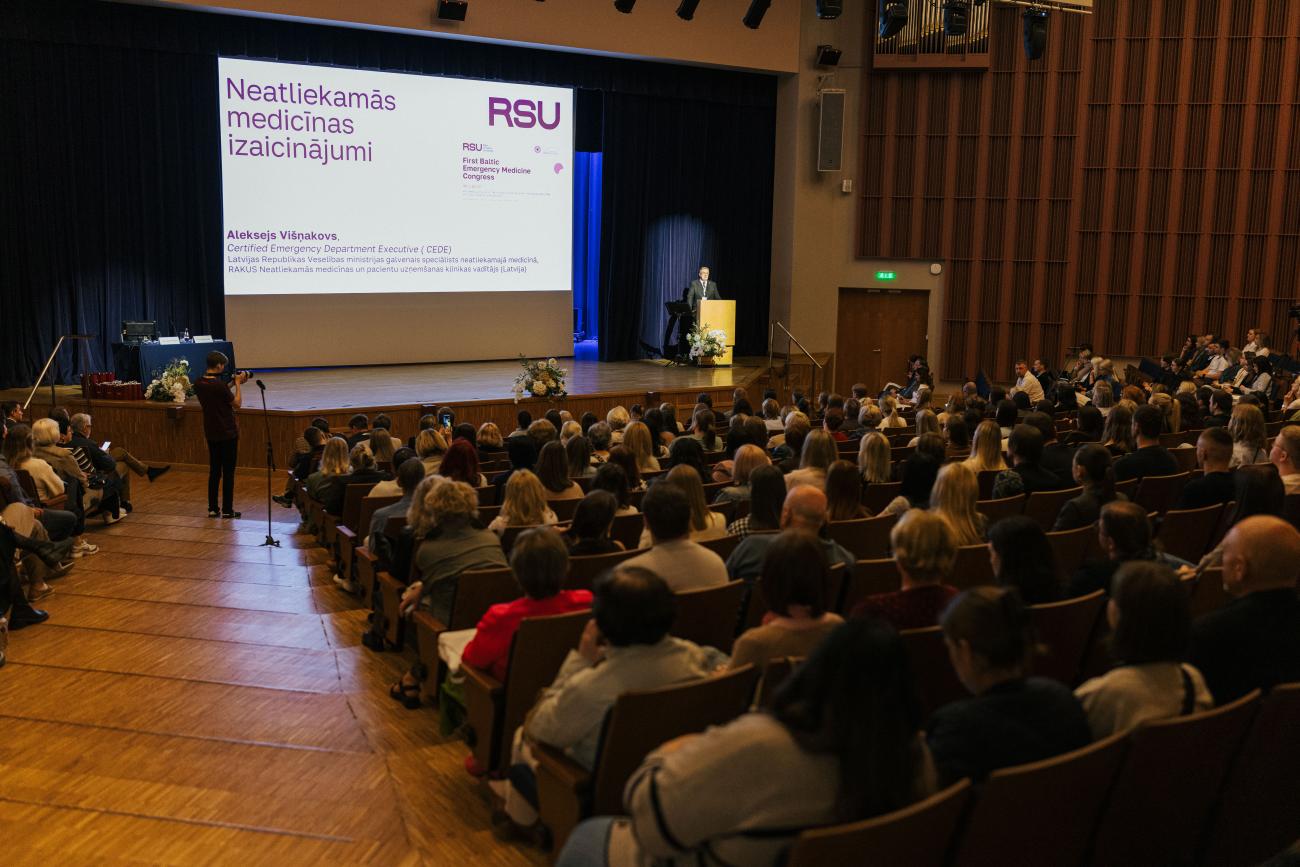
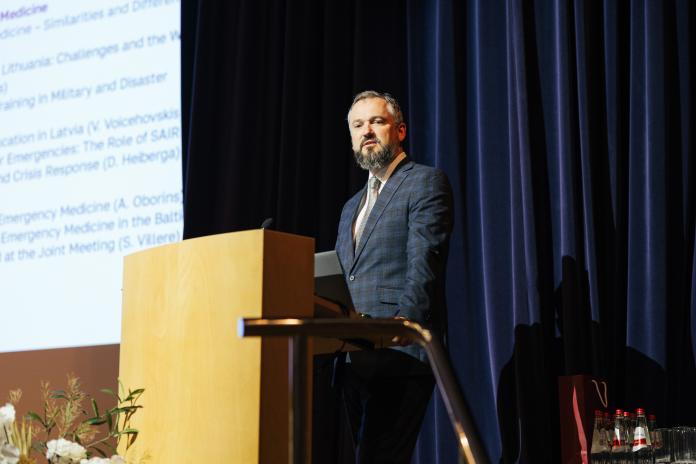
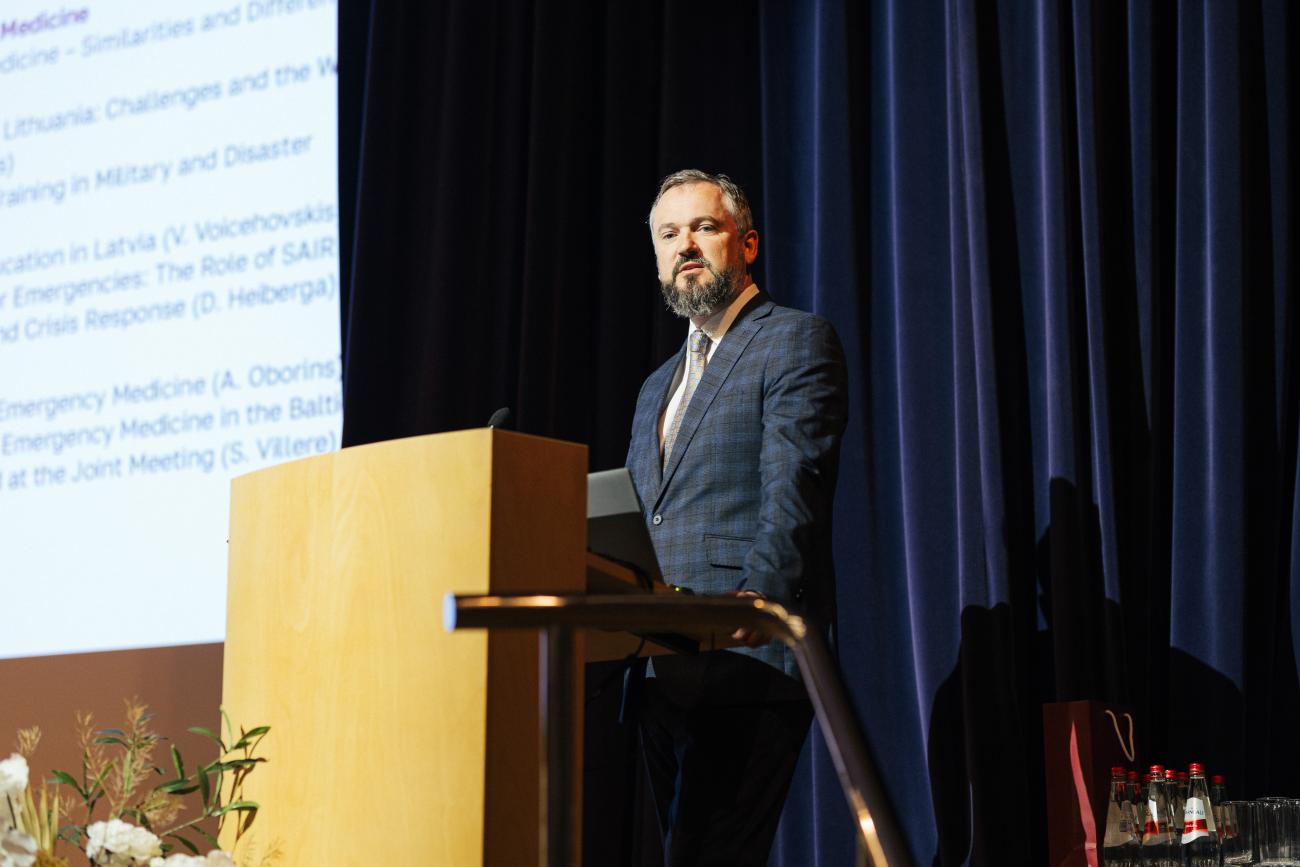
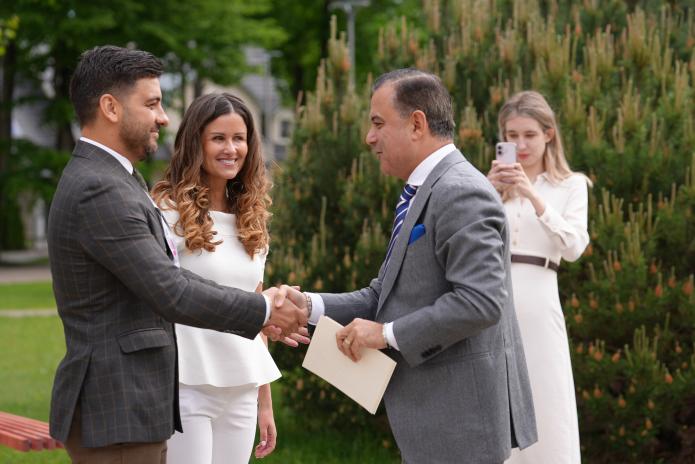
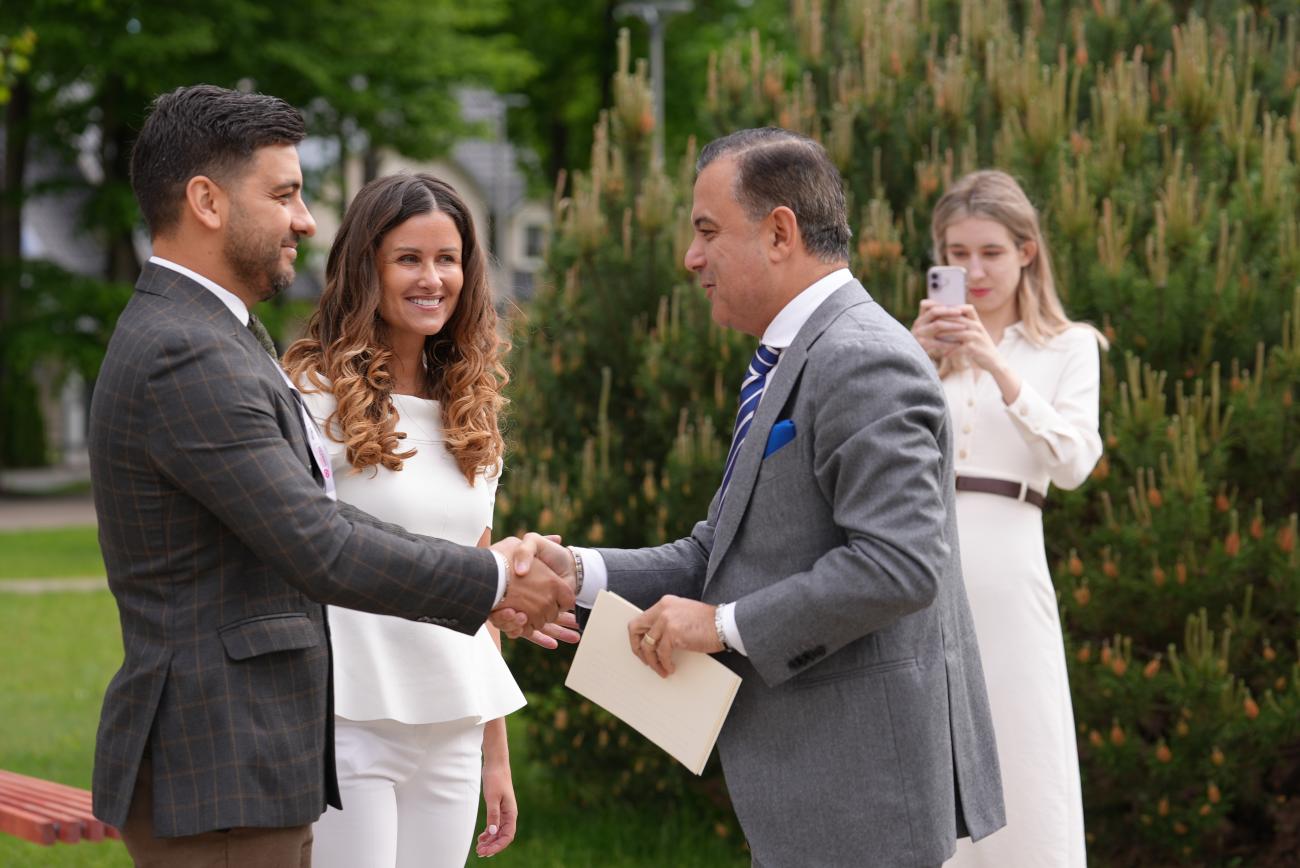
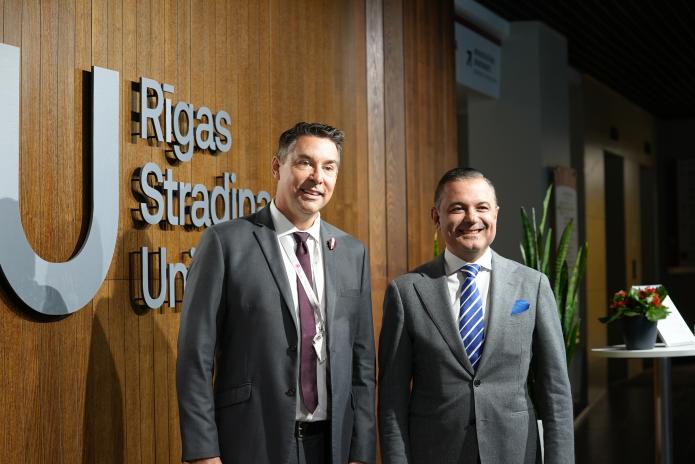
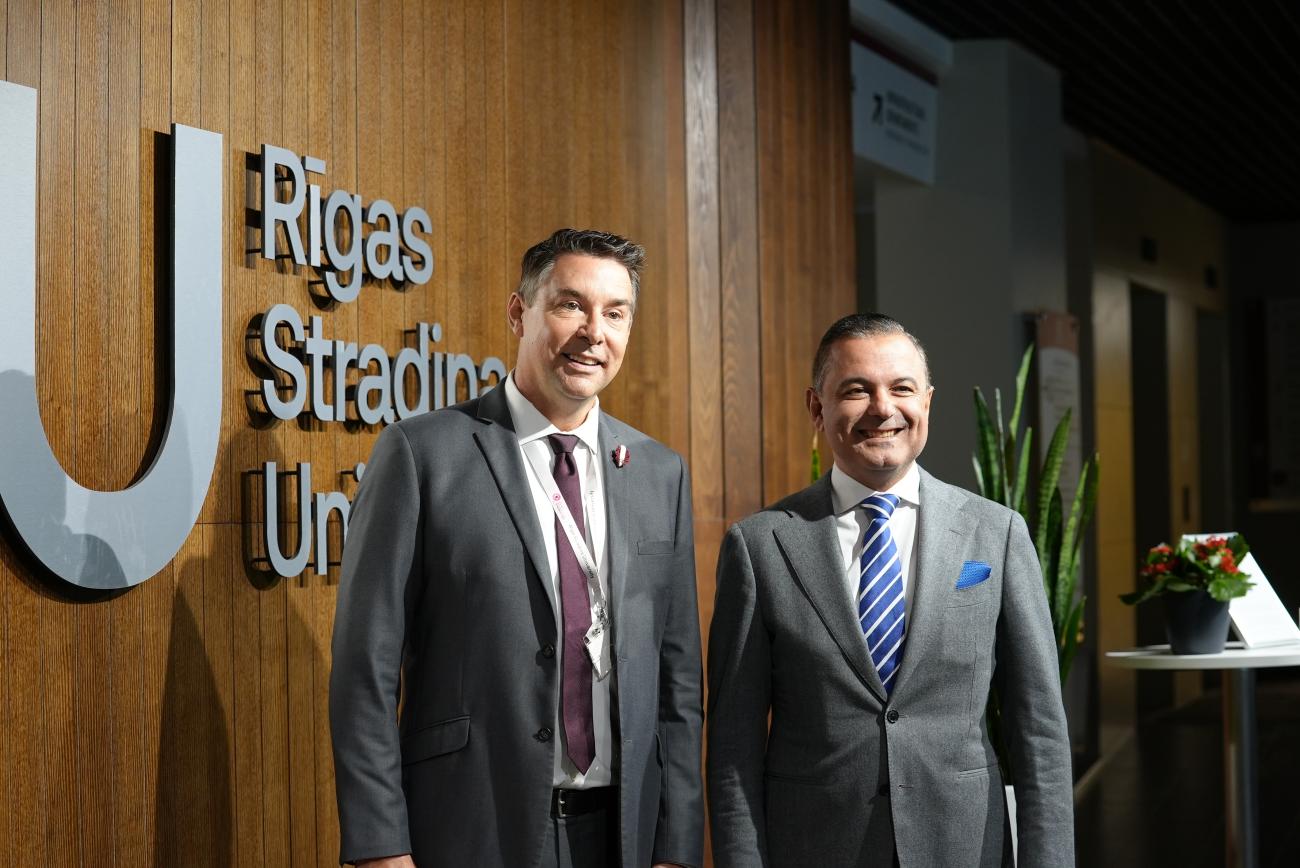
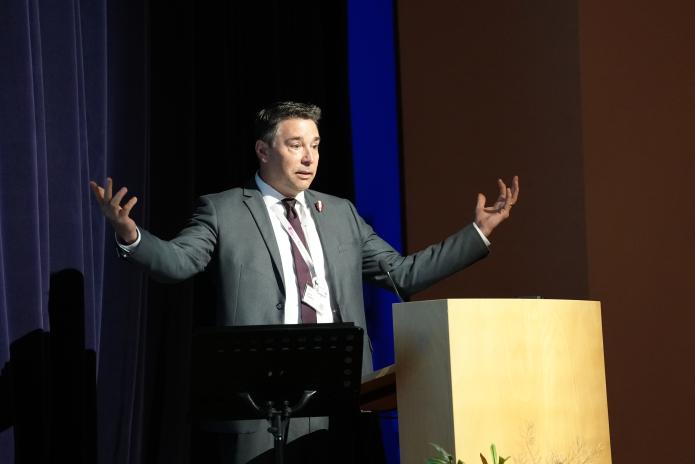
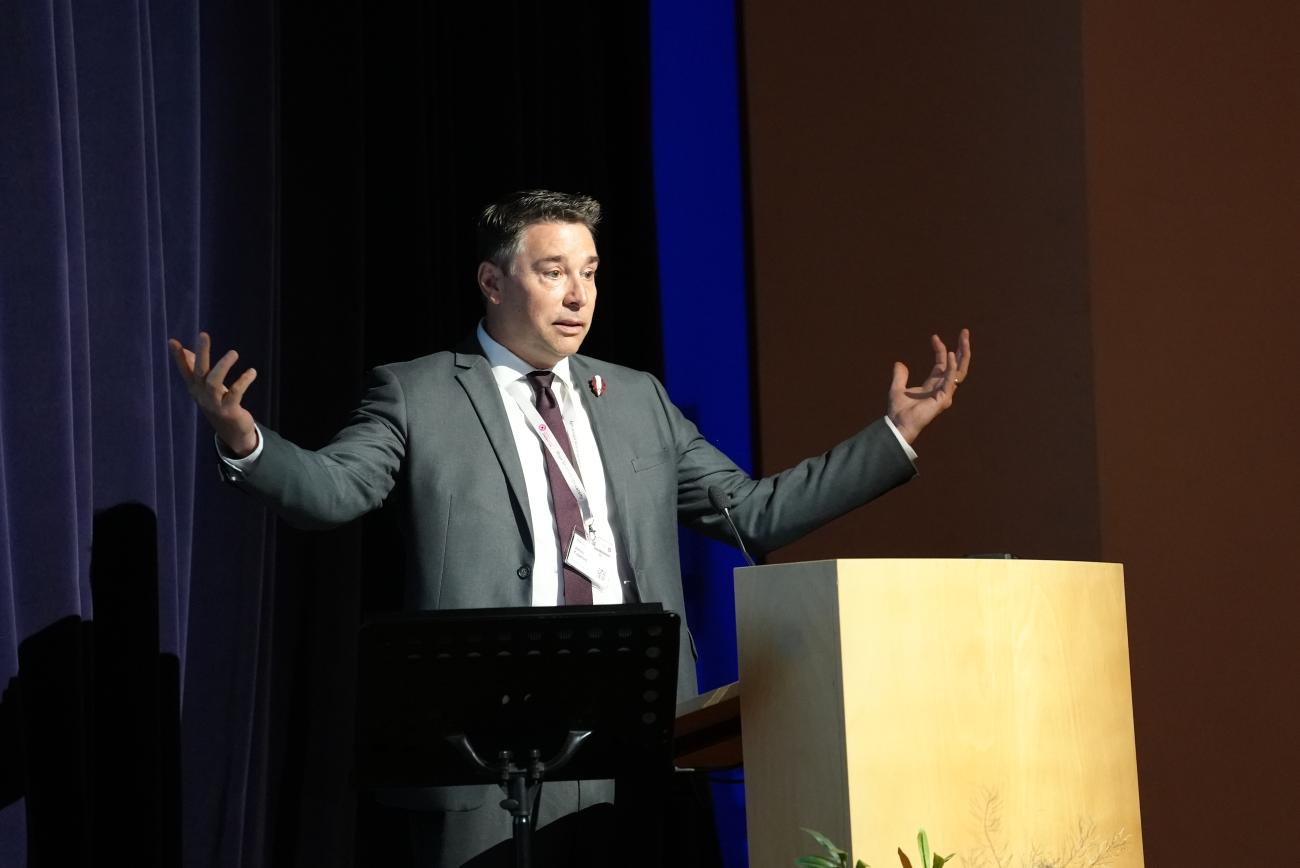
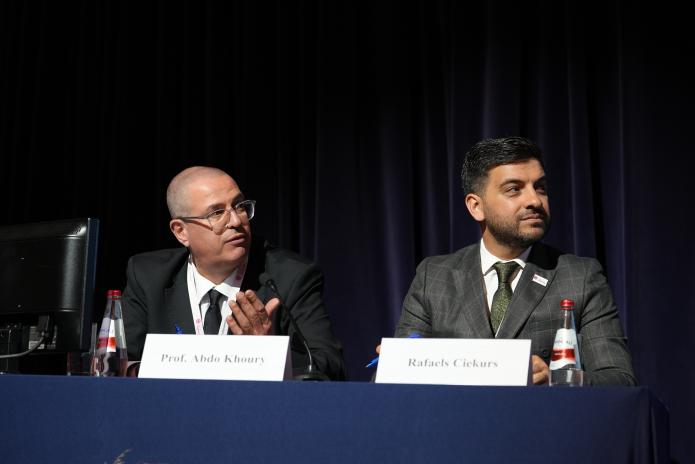
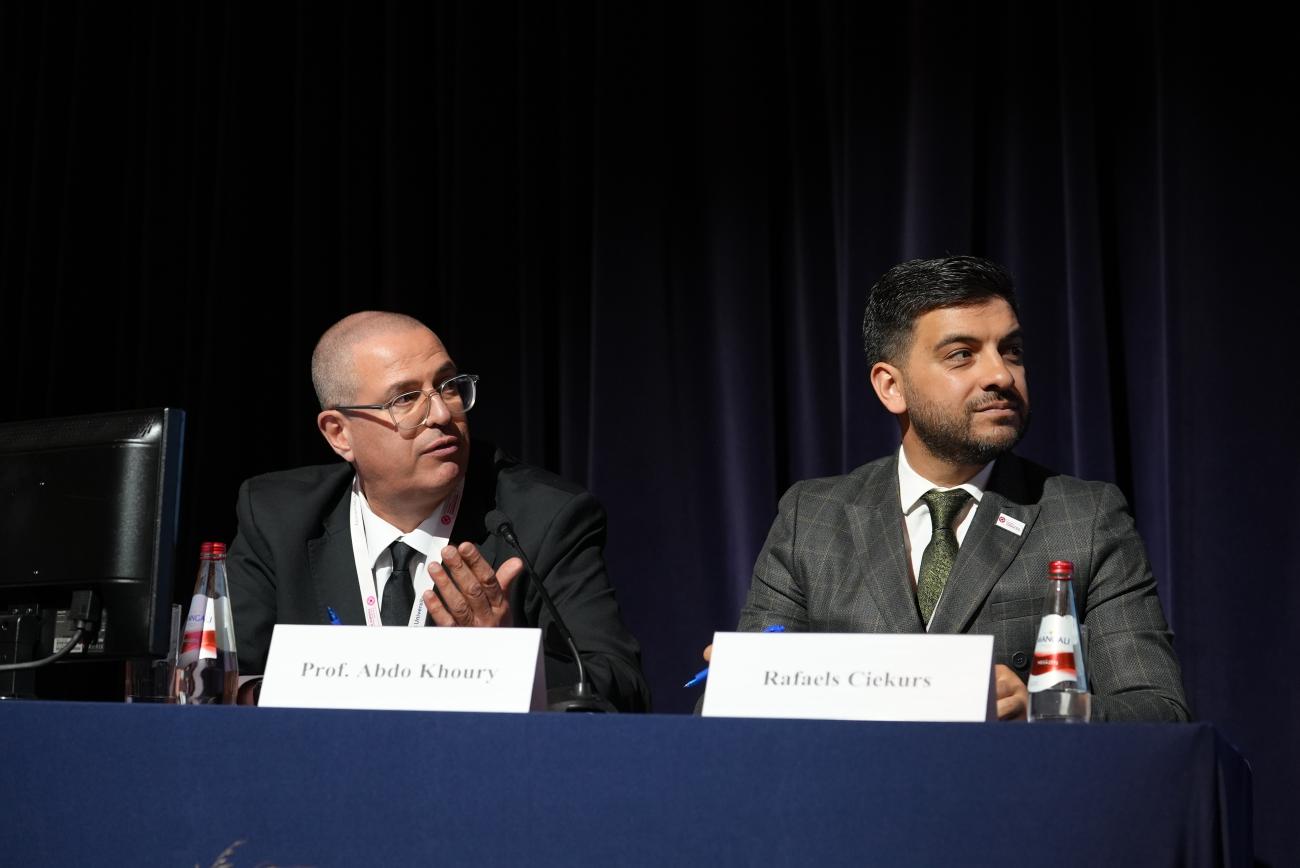
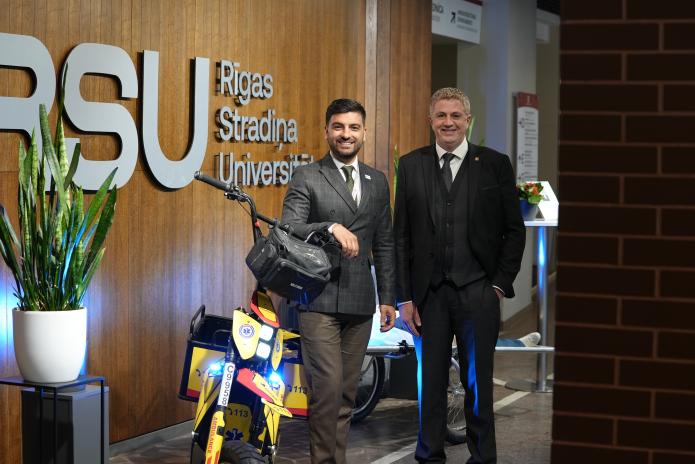
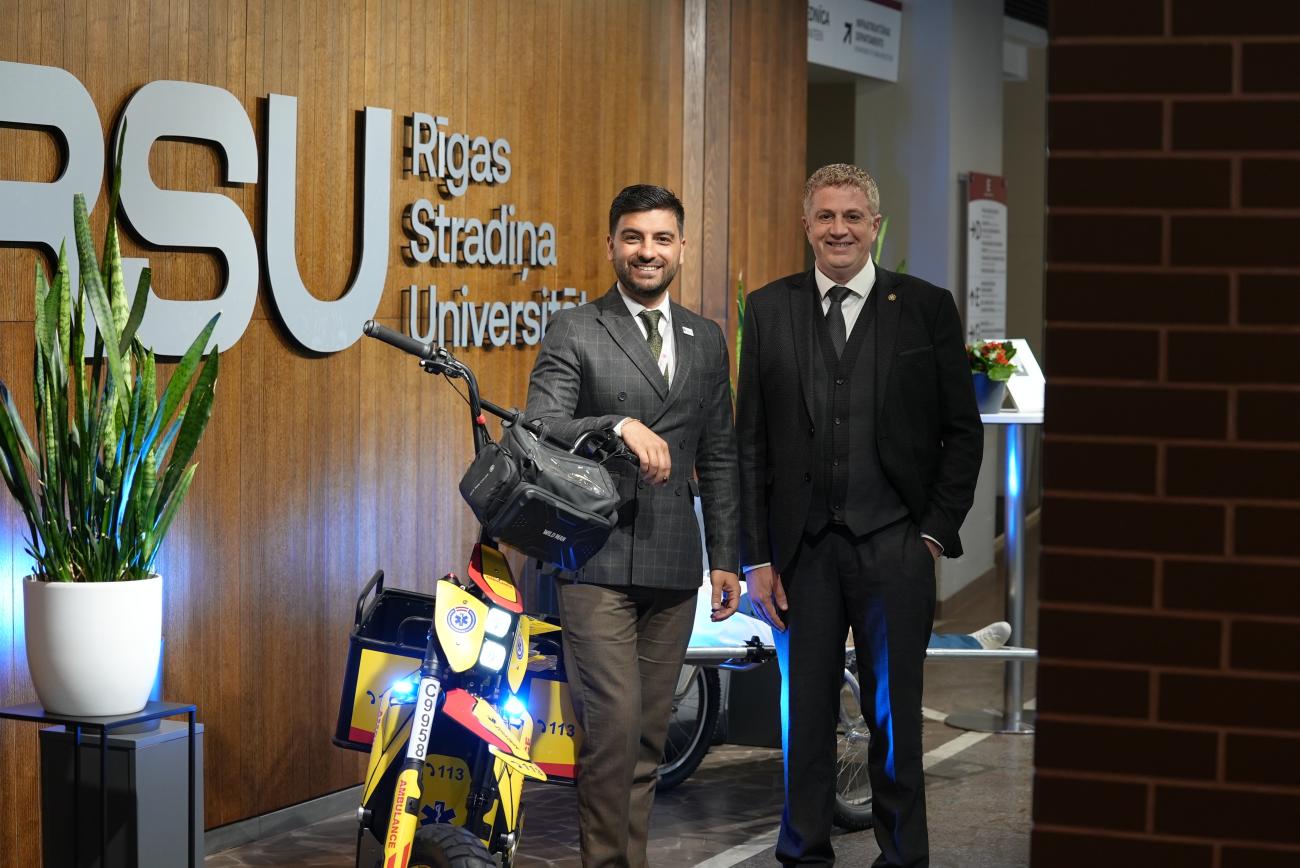
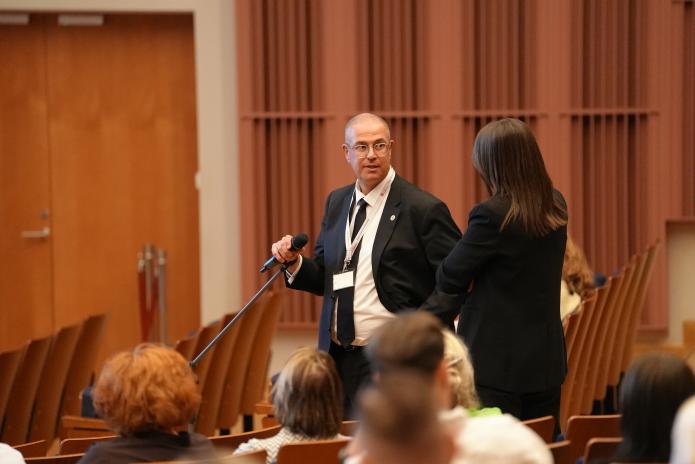
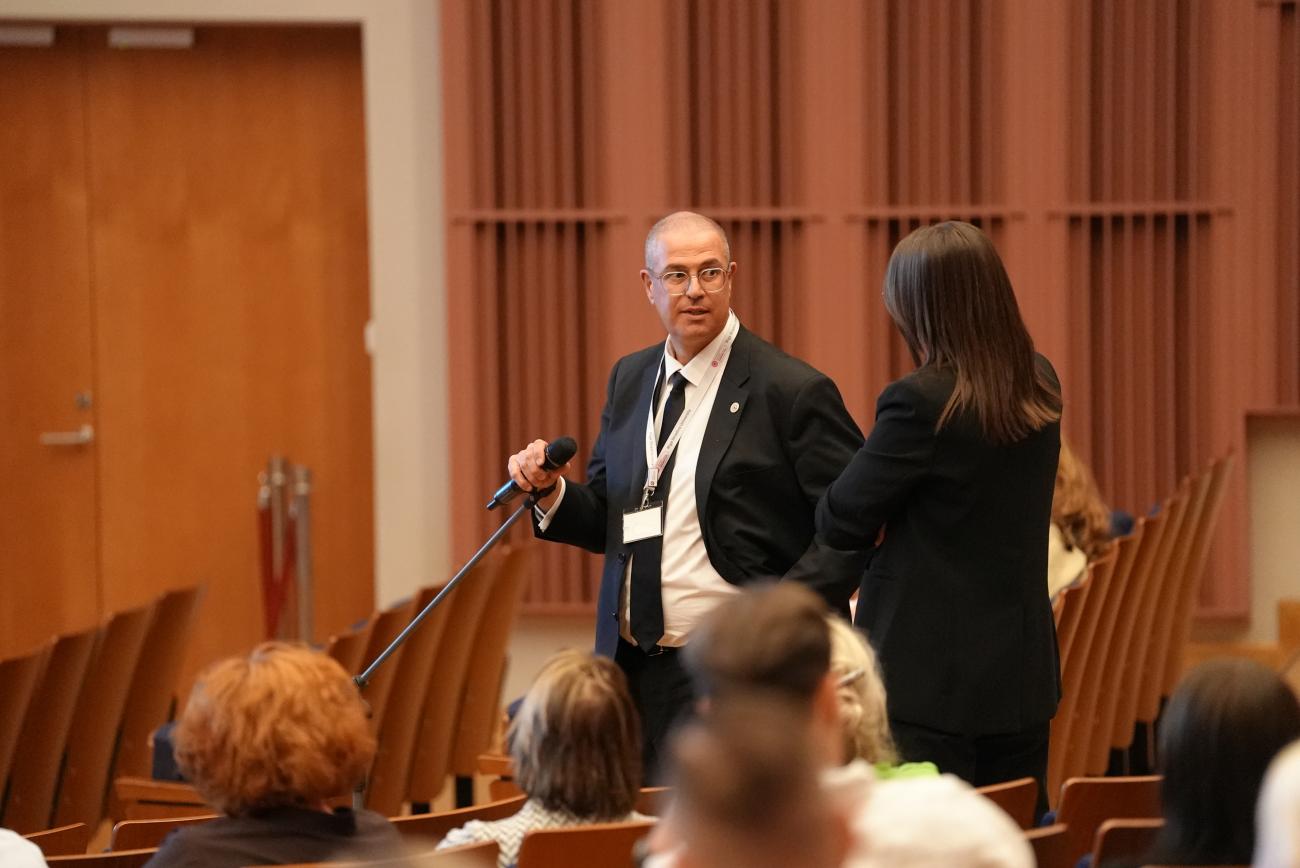
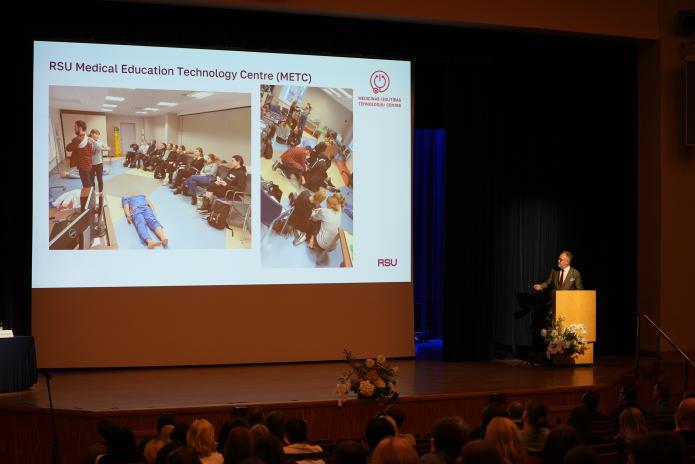
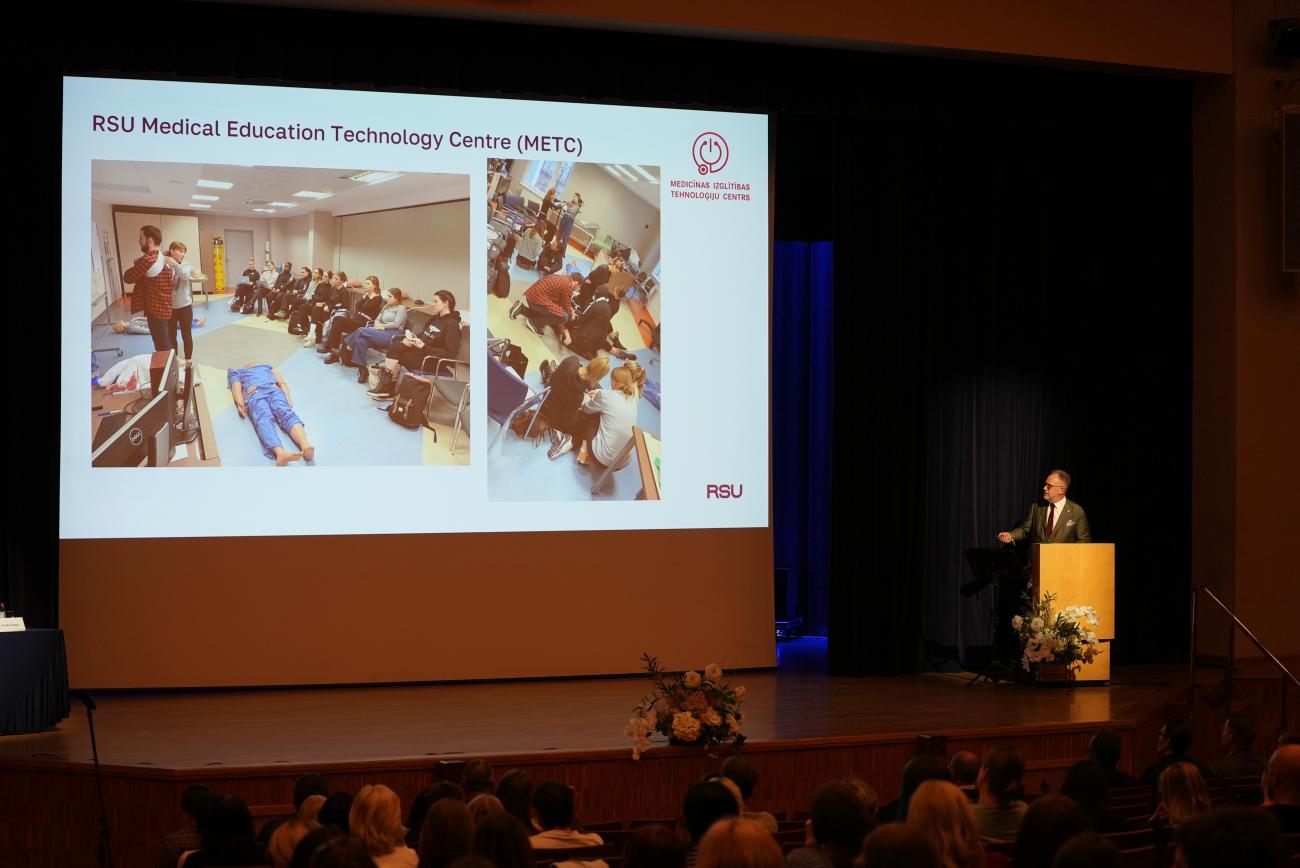
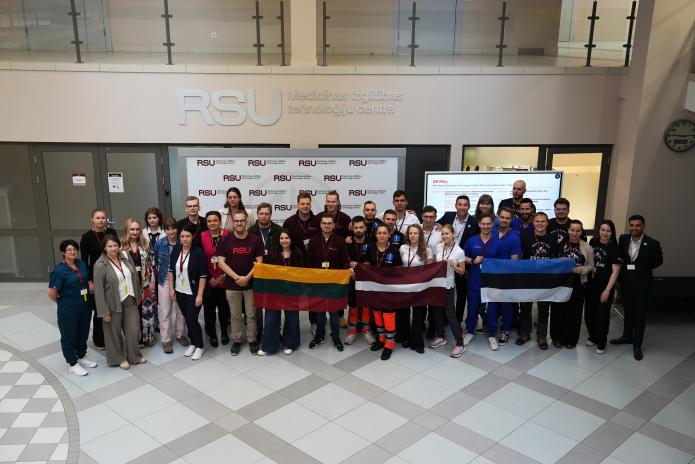
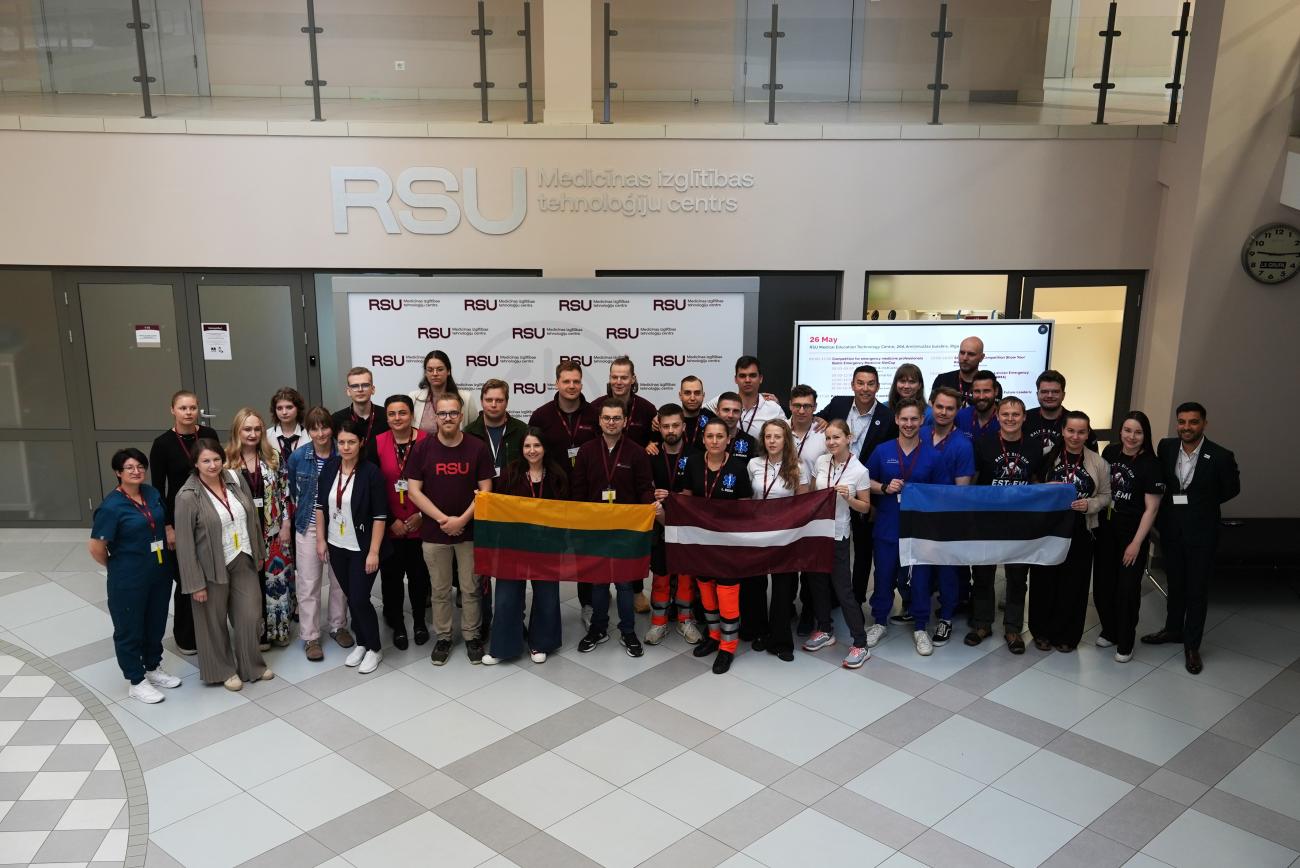
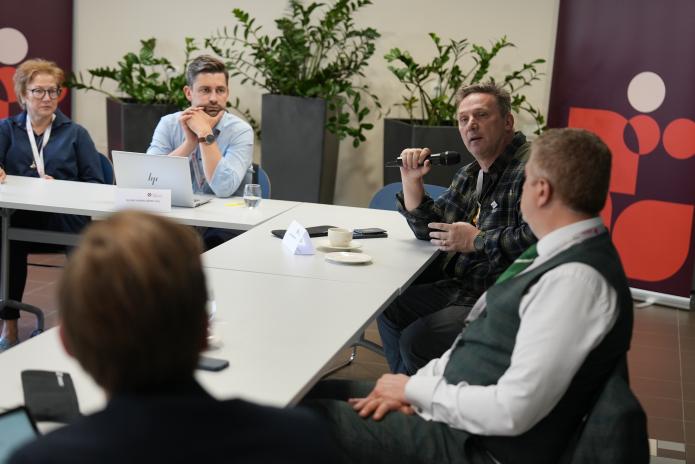
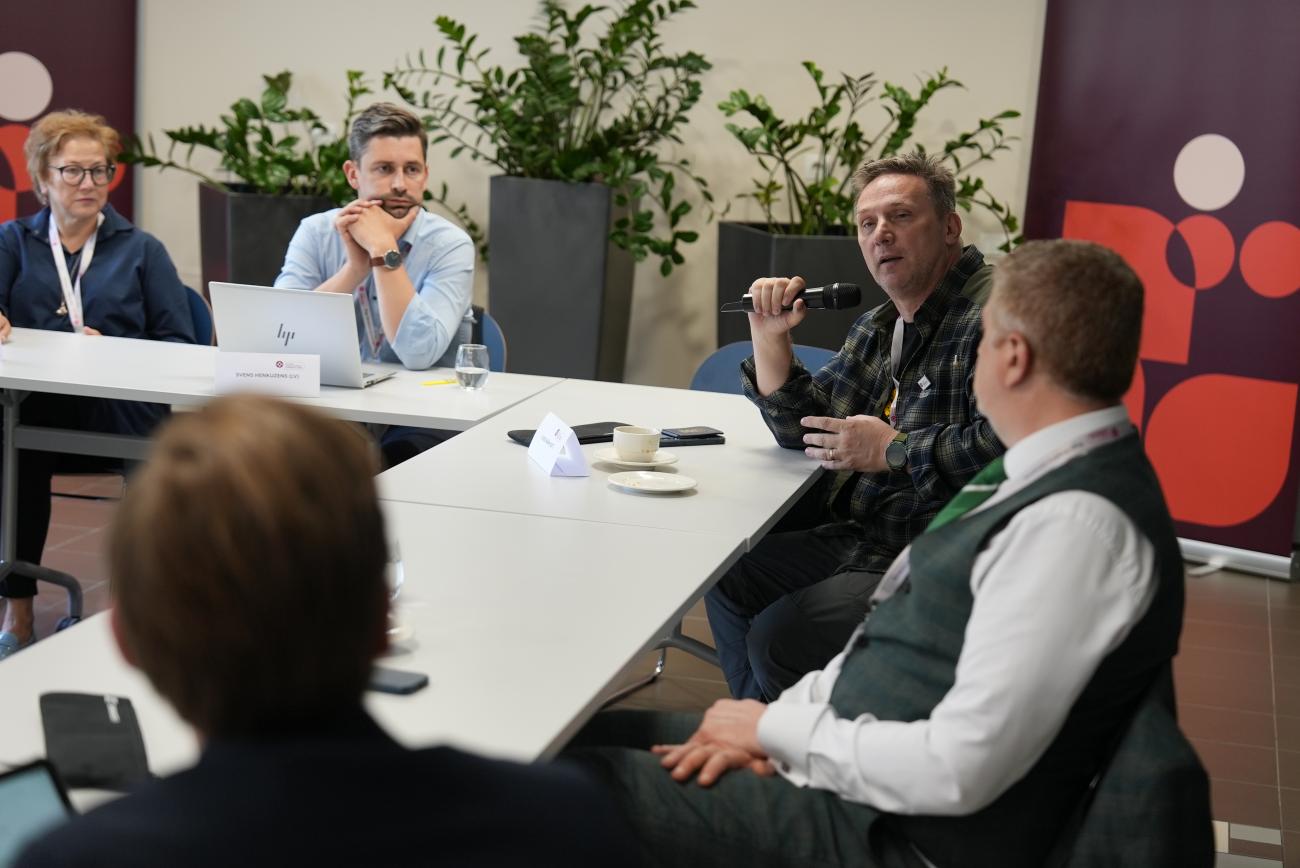


On 26–27 May 2026, Rīga Stradiņš University (RSU) hosted the First Baltic Emergency Medicine Congress – the largest emergency medicine event in the Baltics to date.
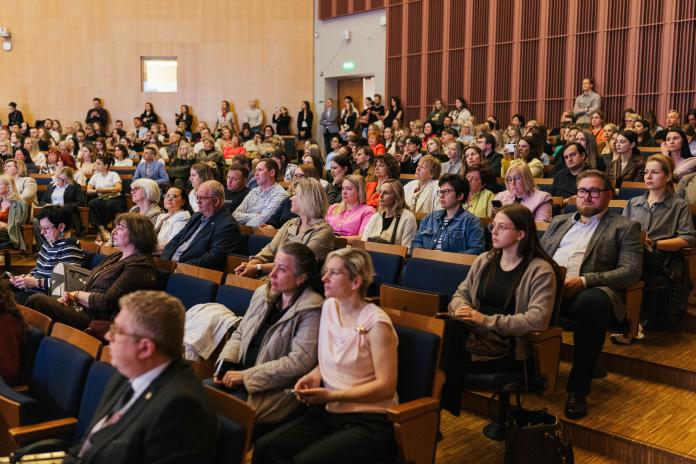
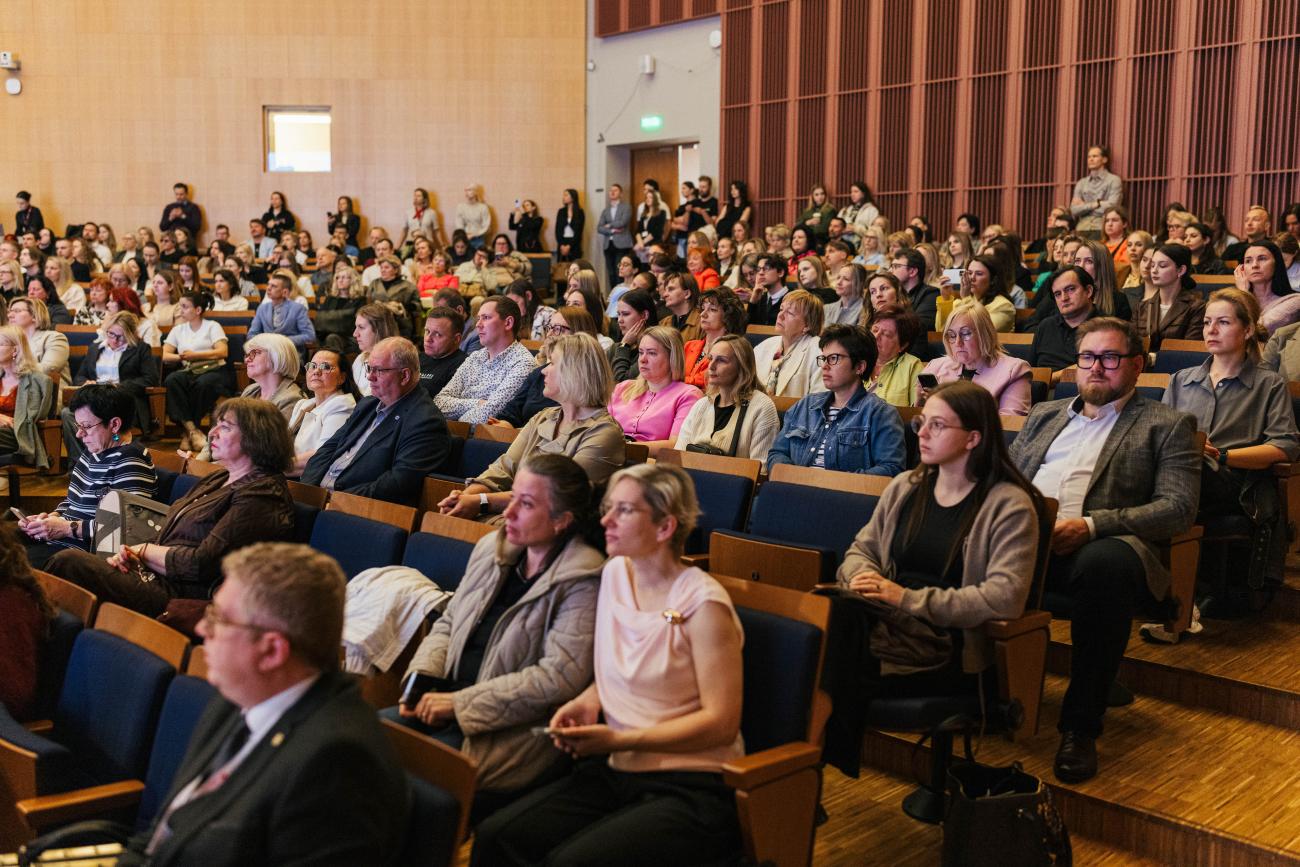
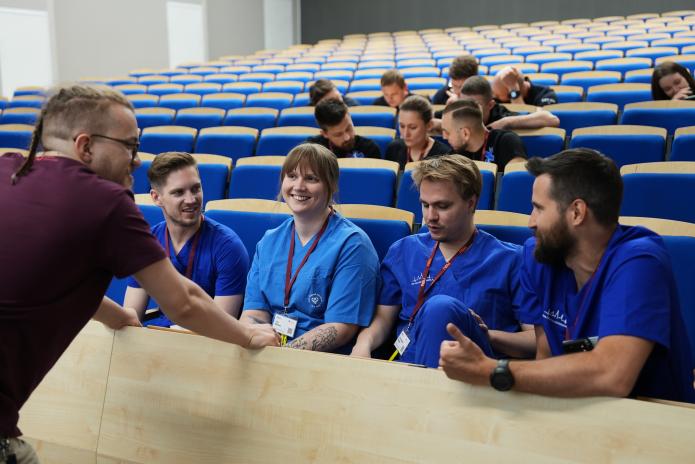
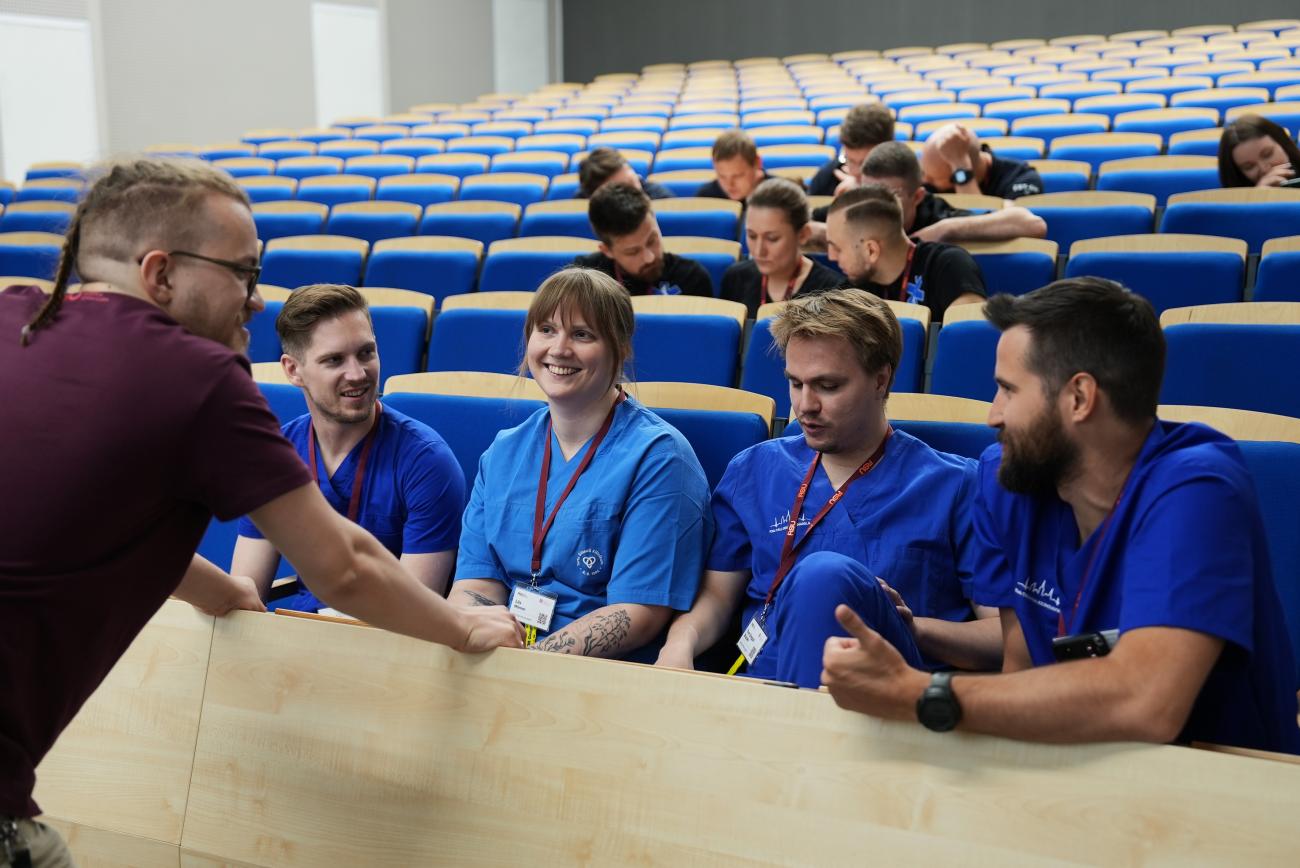
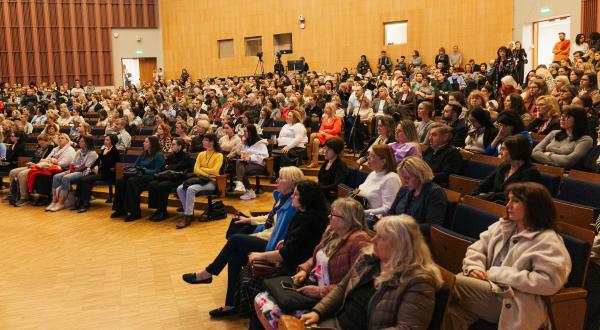
Over the course of two days, the congress brought together around 1,200 participants both in person and remotely. Attendees included doctors, nurses, emergency medical service representatives, researchers, students and other healthcare professionals from the Baltic States and abroad. The congress served as a vital platform for industry professionals, promoting the exchange of experience and knowledge, professional development and the formation of new cooperation initiatives.
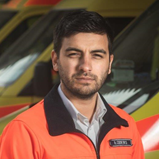
The idea for the congress first emerged when we realised that emergency medicine professionals in the Baltic region did not even know each other – it became clear that we needed a shared platform for collaboration.
The aim of the congress was not only to bring together industry professionals, but also to foster a shared understanding of the development directions in emergency medicine, crisis preparedness and strengthening the resilience of healthcare systems. The high level of interest and the involvement of international experts confirm the need for such a forum in the Baltics.Rafaels Ciekurs,
initiator of the First Baltic Emergency Medicine Congress,
Head of the Krasts Emergency Medical Services Support Centre
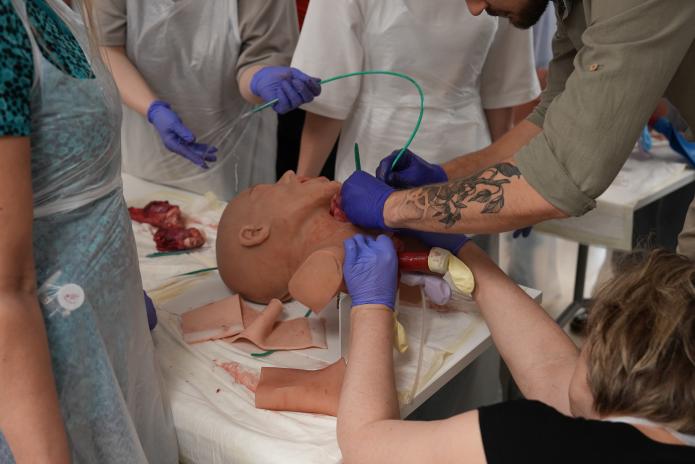
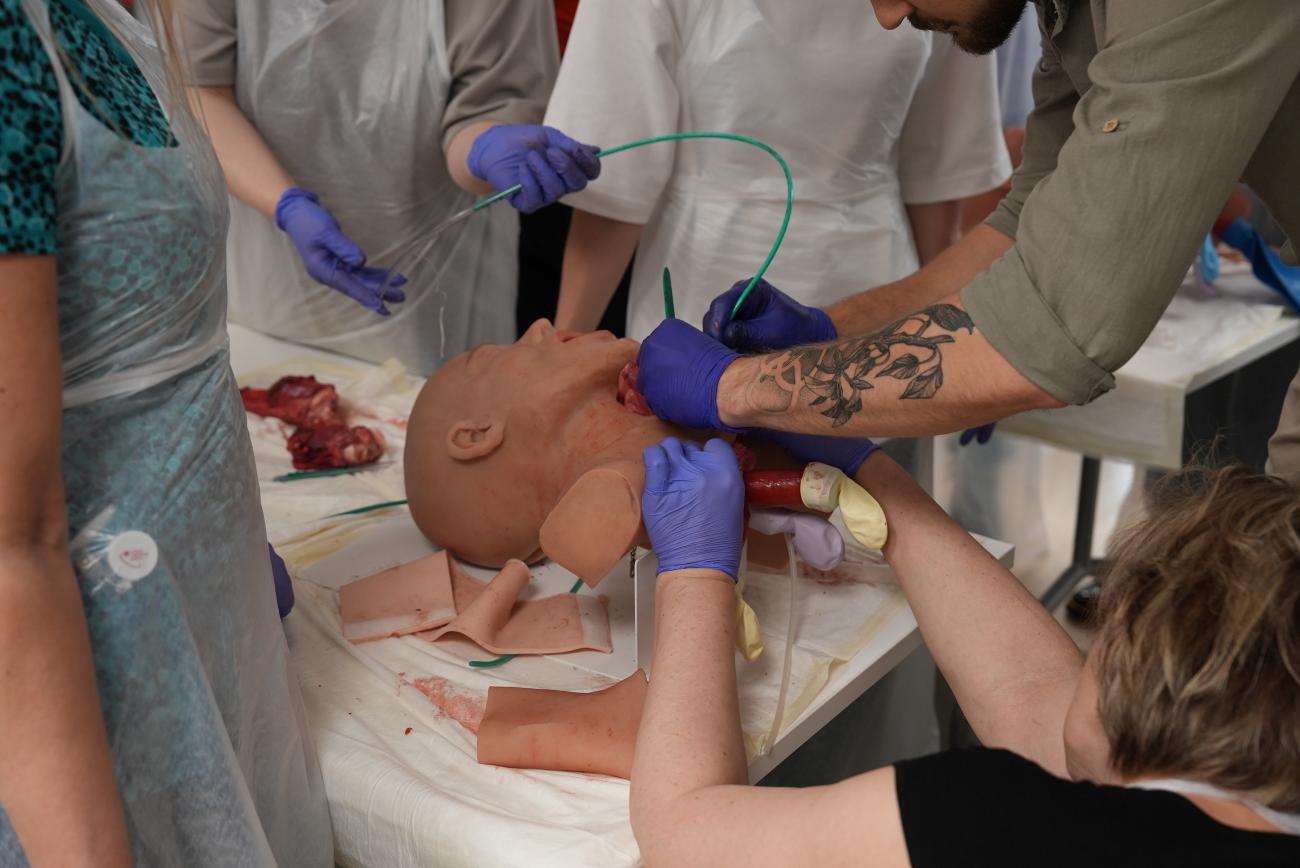
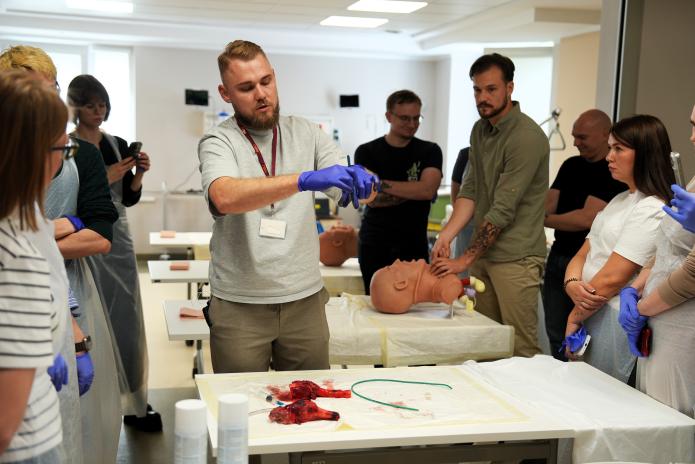
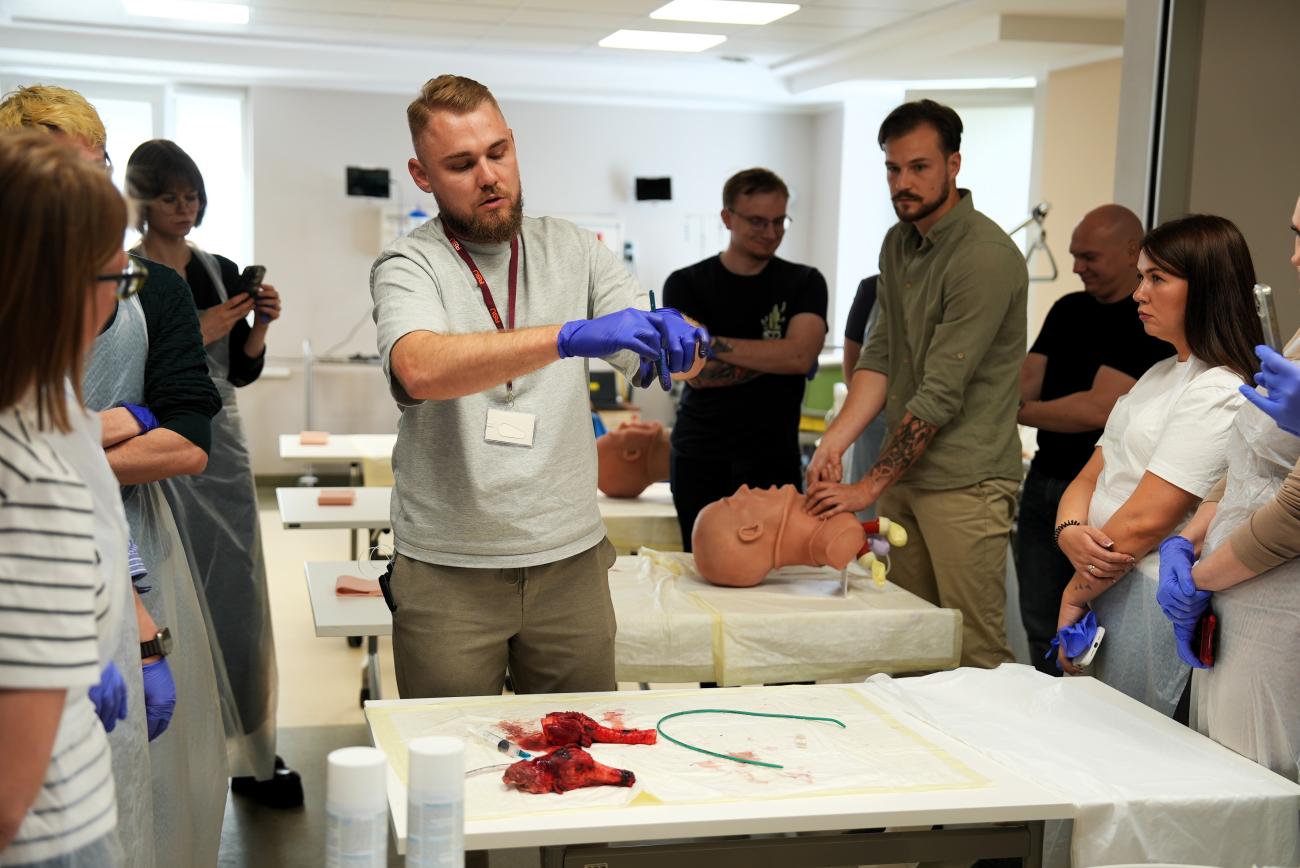
The congress programme covered a wide range of emergency medicine topics – from pre-hospital and hospital emergency care to disaster medicine, civil-military cooperation, medical education and scientific research. The programme combined presentations by international experts, practical workshops and simulation-based activities.
Congress programme: from skill development to international expert debates
On the first day of the congress, 26 May, the programme focused on enhancing the practical skills of industry professionals and fostering knowledge exchange. Participants took part in the Baltic Emergency Medicine SimCup clinical simulation competition and attended practical workshops. Meanwhile, in the Show Your Research student abstract competition, young researchers presented their studies on topical issues in emergency medicine and acute care. Expert discussions also took place throughout the day on the challenges of developing emergency medicine, healthcare system preparedness for crises, improving medical education, and strengthening cooperation between the Baltic states.
Estonian and Latvian teams triumph in the SimCup competition
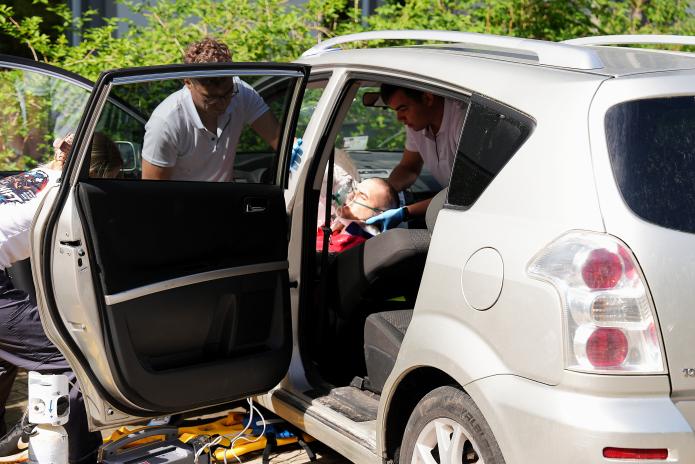
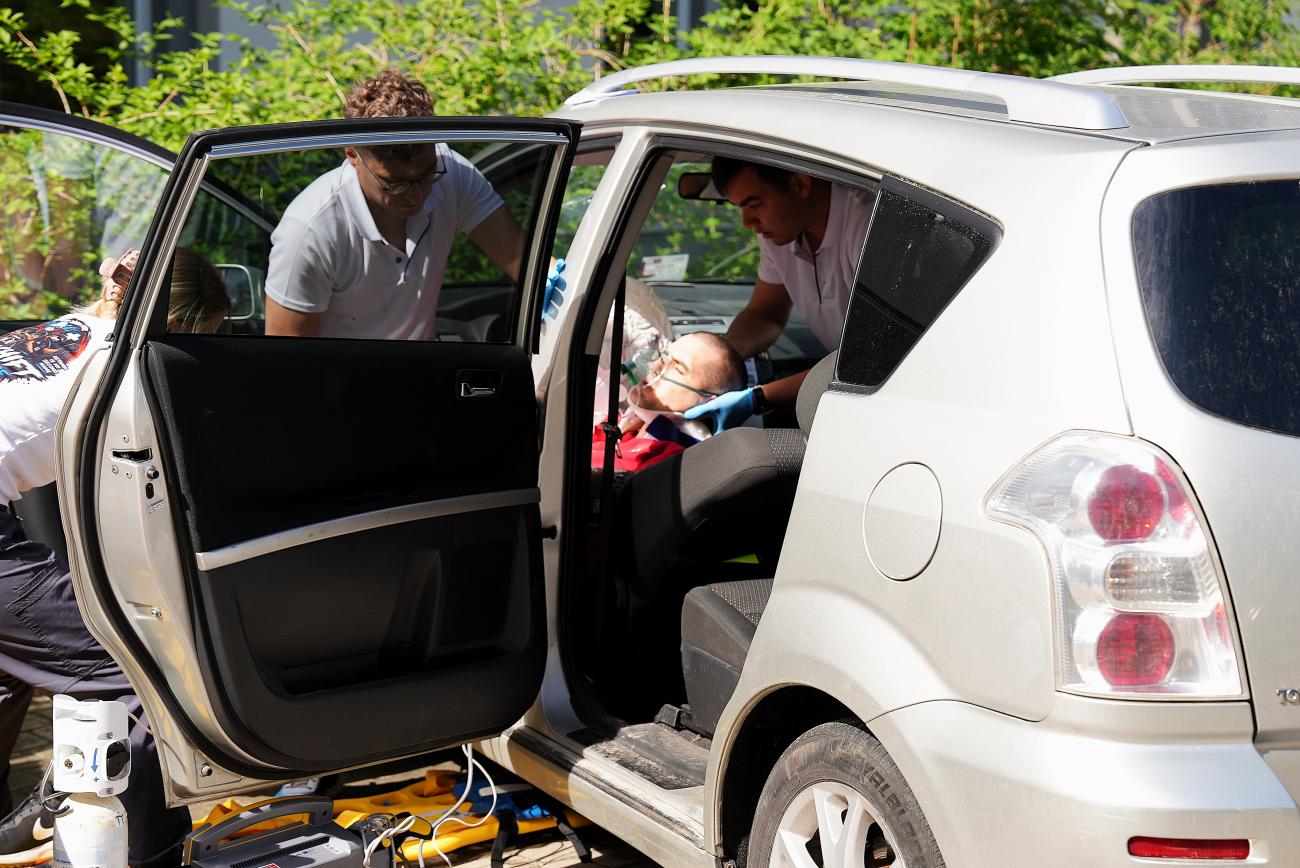
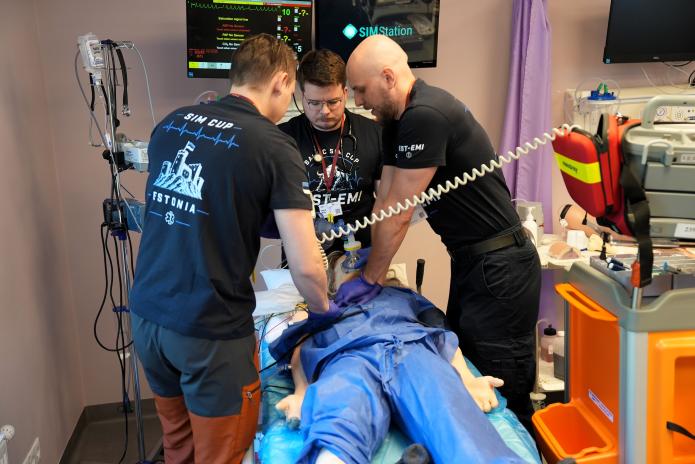
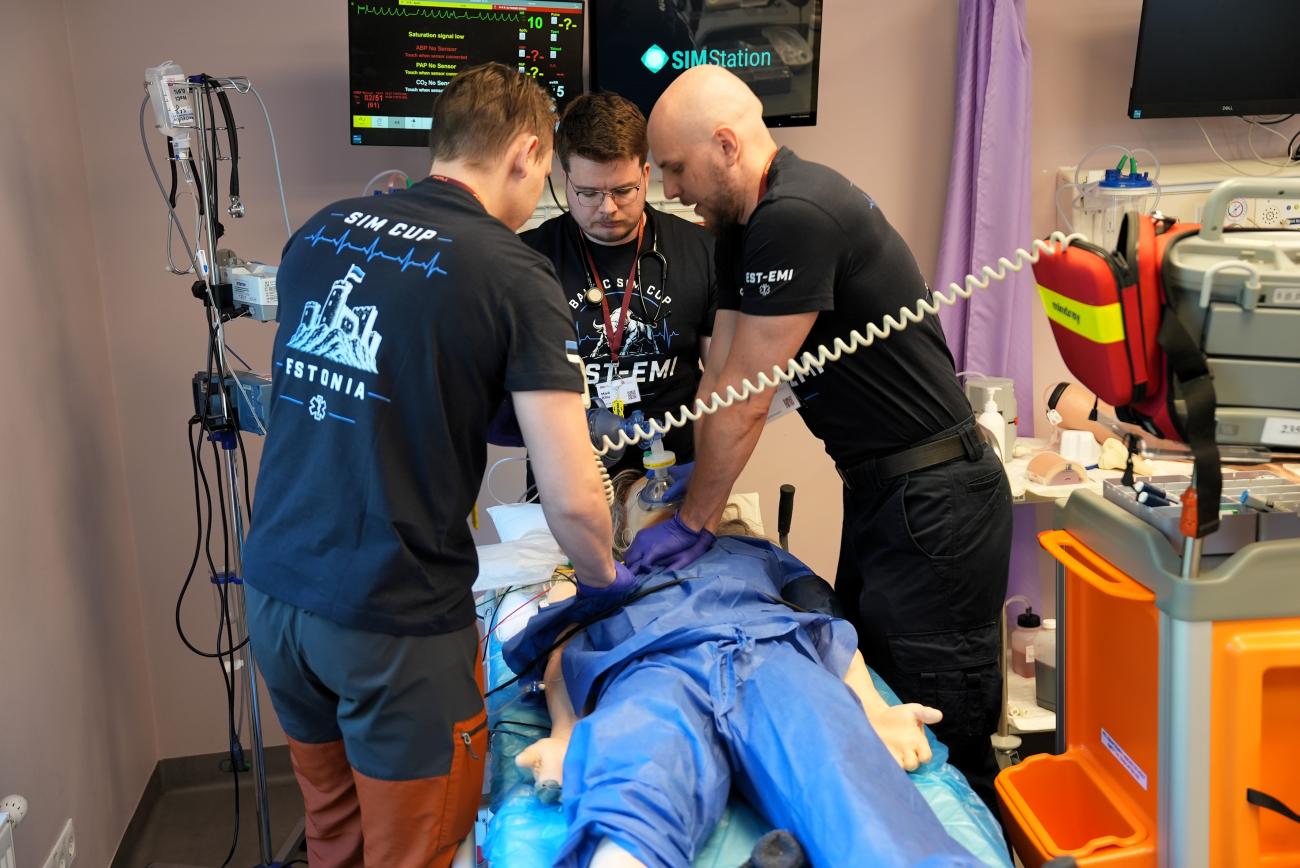
The first day of the congress also featured the Baltic Emergency Medicine SimCup – a clinical simulation-based resuscitation competition for certified healthcare professionals.
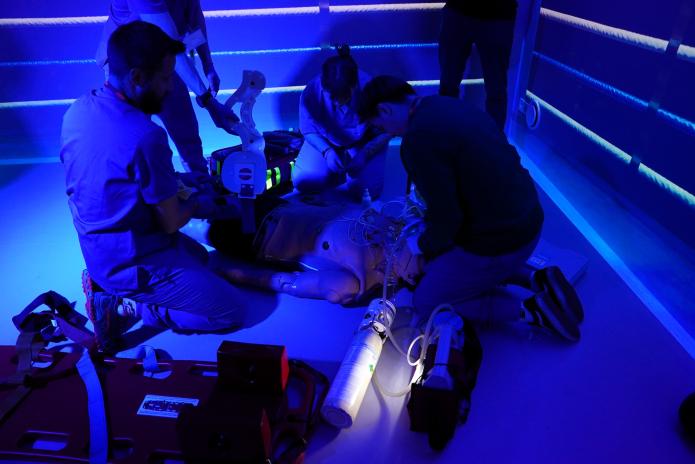
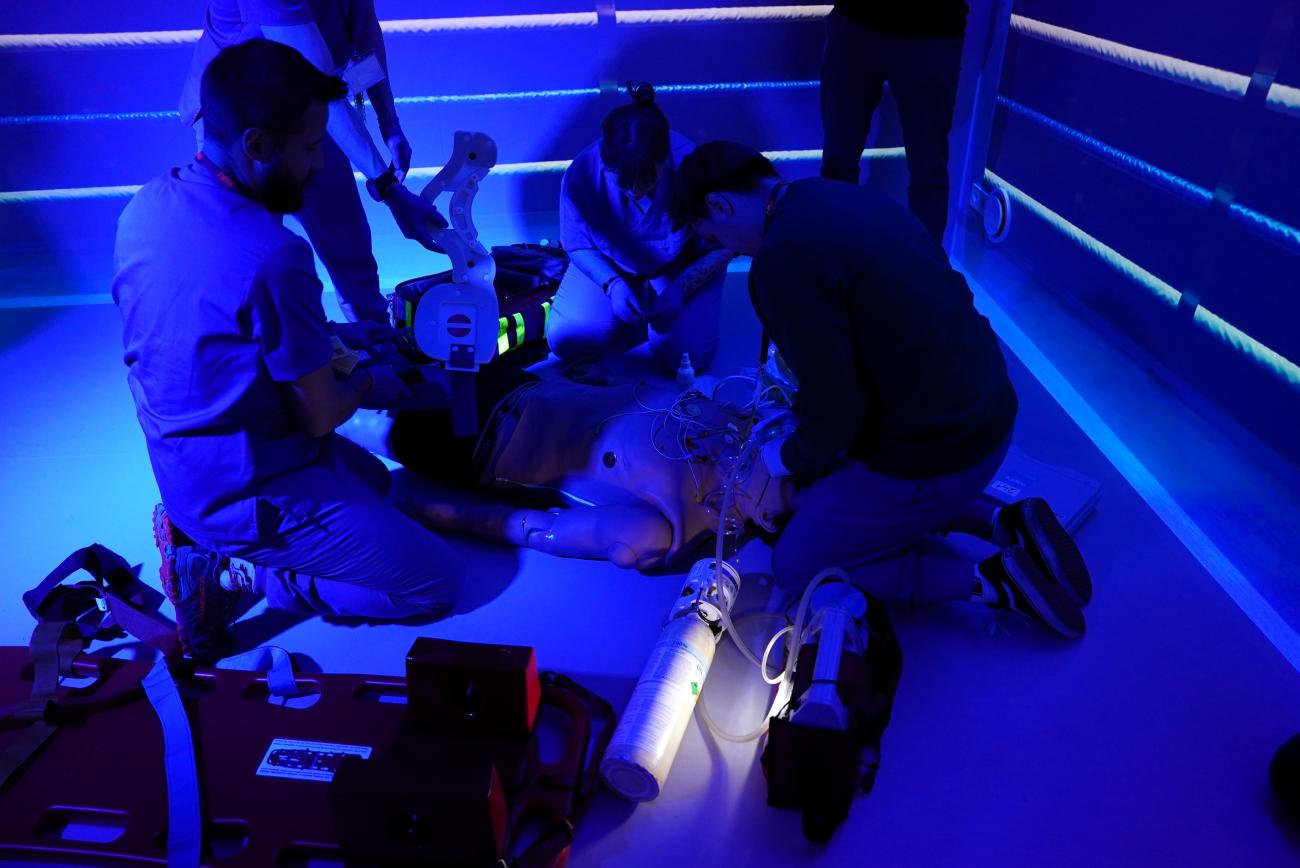
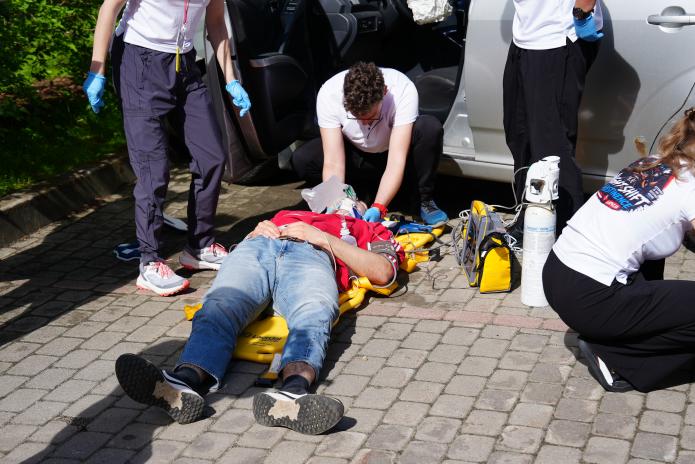
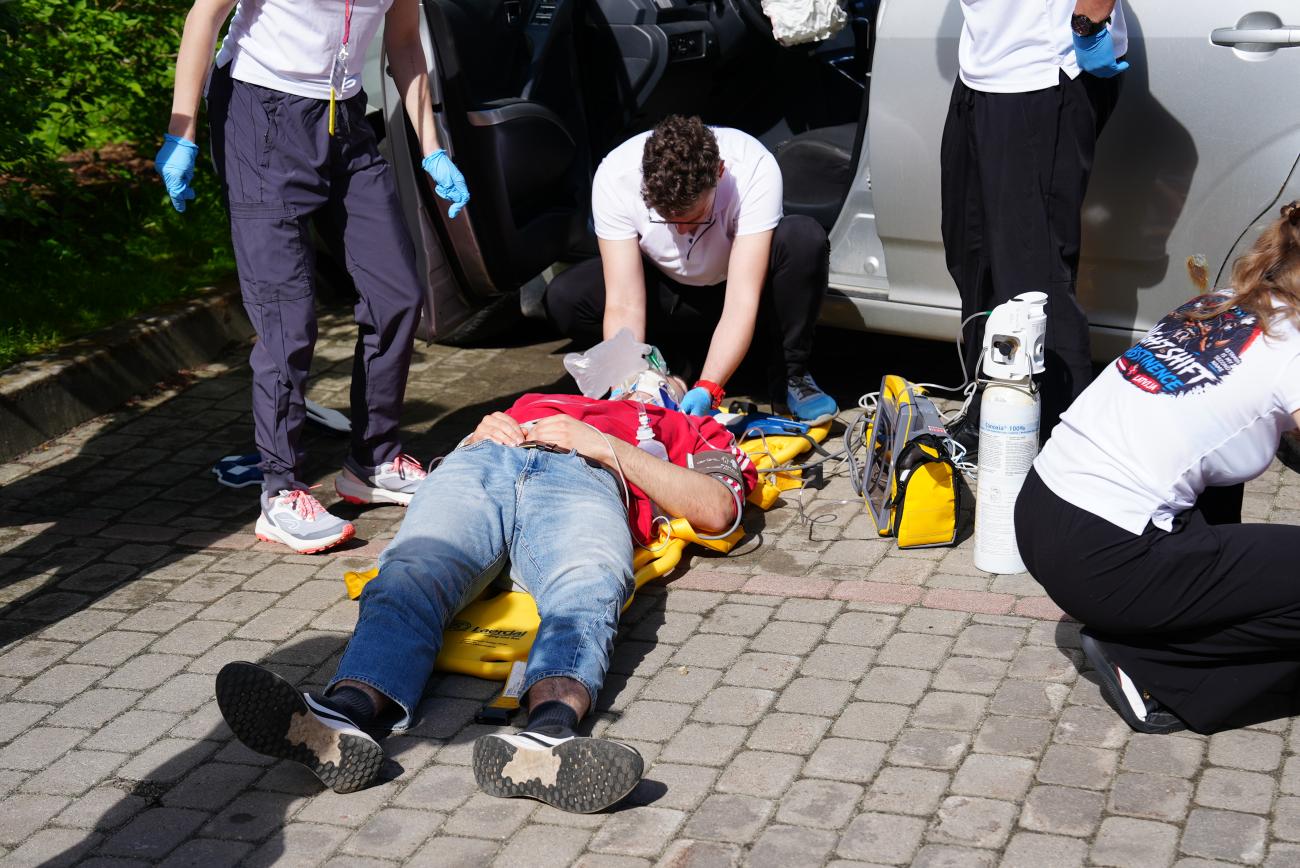
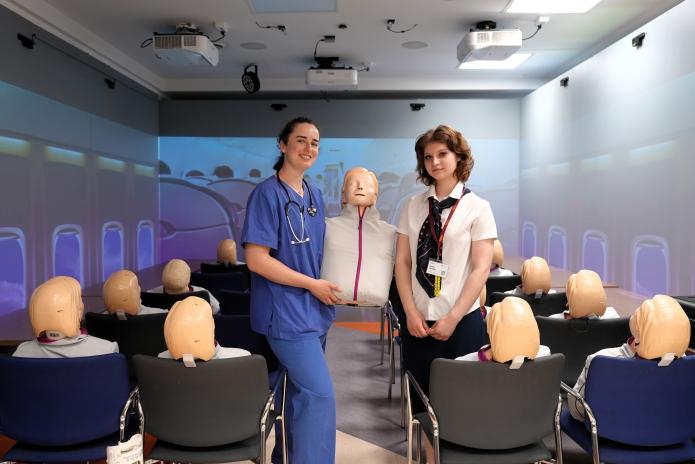
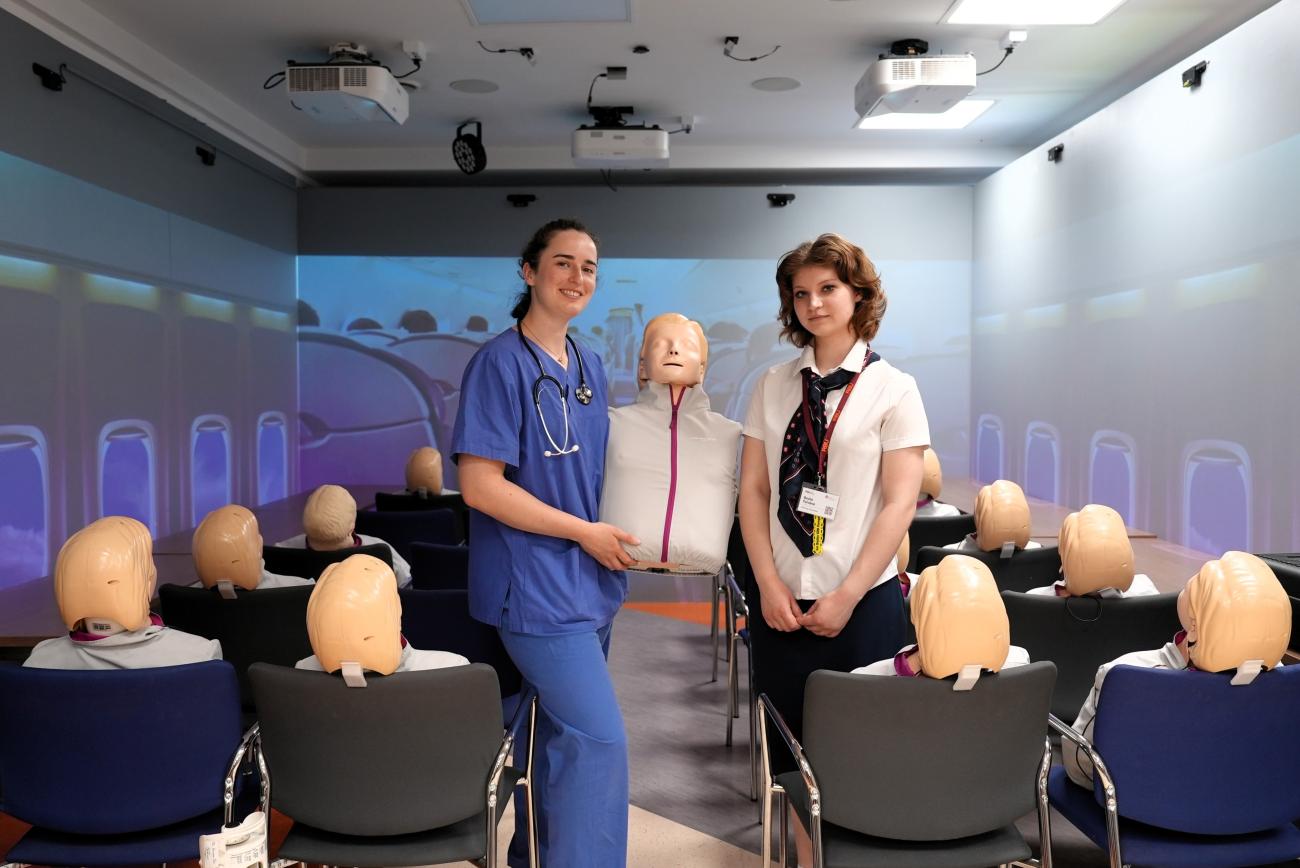
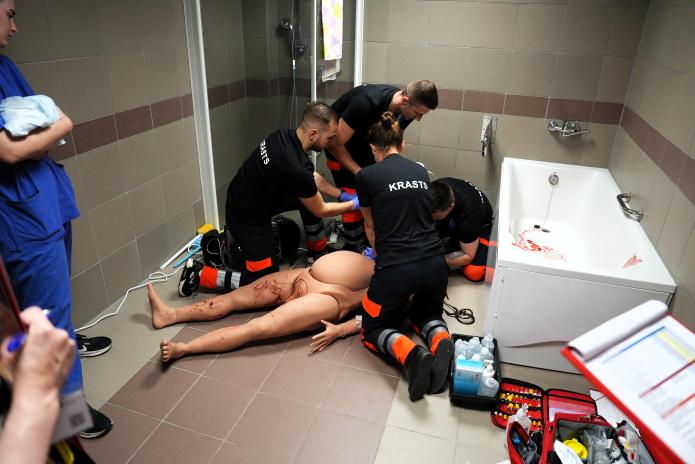
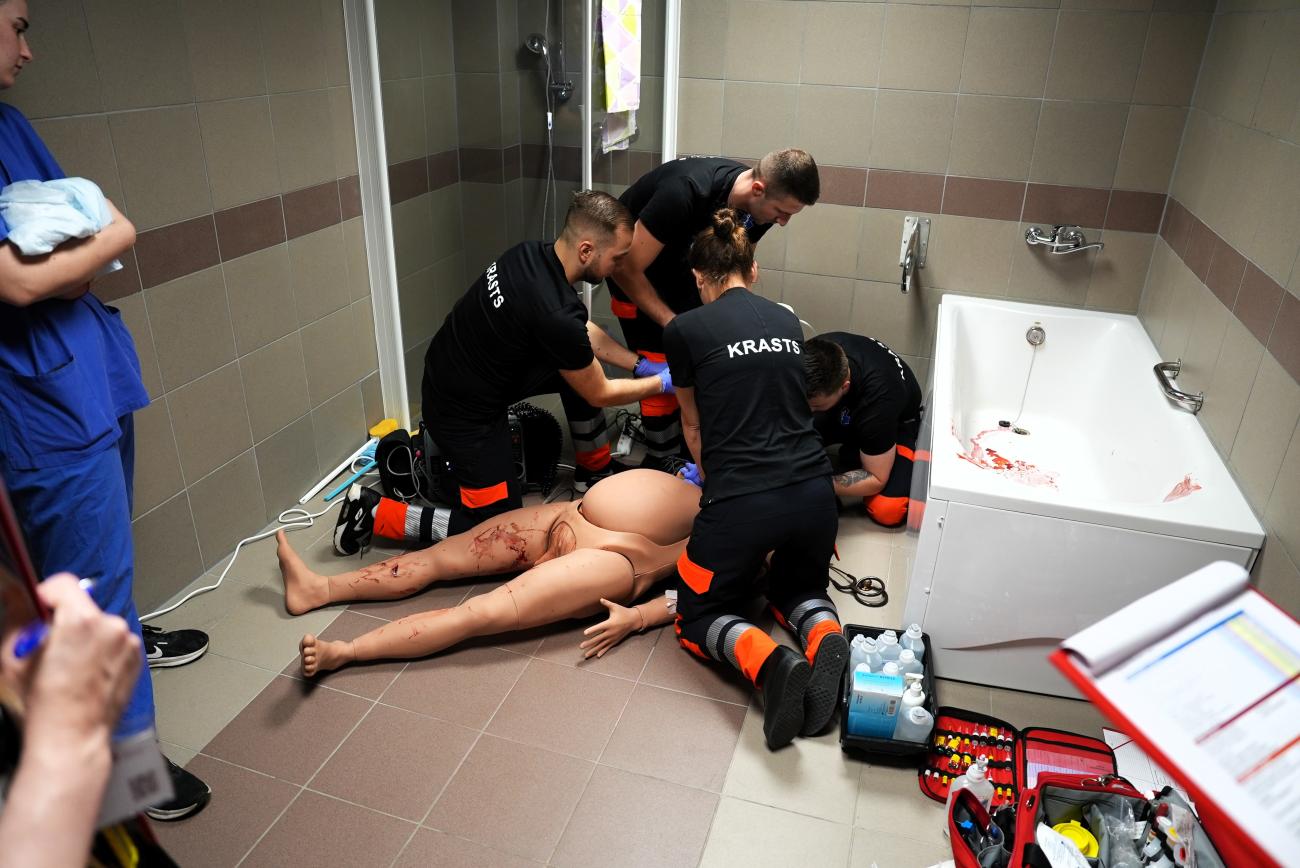
Five teams from Latvia, Lithuania and Estonia tackled five realistic emergency medicine scenarios designed in accordance with the 2025 Guidelines of the European Resuscitation Council (ERC). These included severe postpartum haemorrhage, an in-flight emergency, a road traffic accident involving an unconscious casualty, trauma during a boxing match, and the simultaneous treatment of multiple patients in an emergency department.
The winning teams
1st place: team Resus Royale (Estonia)
2nd place: team Krasts (Latvia, represented the Krasts Emergency Medical Services Support Centre)
3rd place: team EST-EMI (Estonia, represented Rakvere Hospital)
Veronika Baltmane-Veckalne, anesthesiologist and intensive care specialist, SimCup mentor and jury member:
"In my opinion, the resuscitation competition for professionals was highly successful. All teams demonstrated an exceptional level of preparedness and excellent knowledge. This was reflected in outstanding communication, clear action plans for both task distribution and patient rescue, as well as the ability to make rapid decisions and solve problem situations under high-stress conditions. The competition was incredibly fierce – the first and second place winners were separated by a margin of just one point.”
Latvian research project wins student abstract competition
The first day of the congress also featured the Show Your Research student thesis competition, where young researchers from the Baltic states presented their work on topical issues in emergency medicine and acute care.
The first place in the competition was awarded to Kristers Āboliņš for his study The Sepsis Imposter: Secondary Hemophagocytic Lymphohistiocytosis in a Critically Ill Pediatric Patient, representing the Riga East University Hospital (REUH) and the Children's Clinical University Hospital (CCUH). As a special surprise prize, the winner received the opportunity to attend the European Emergency Medicine Congress (EUSEM), which will take place this September in France.
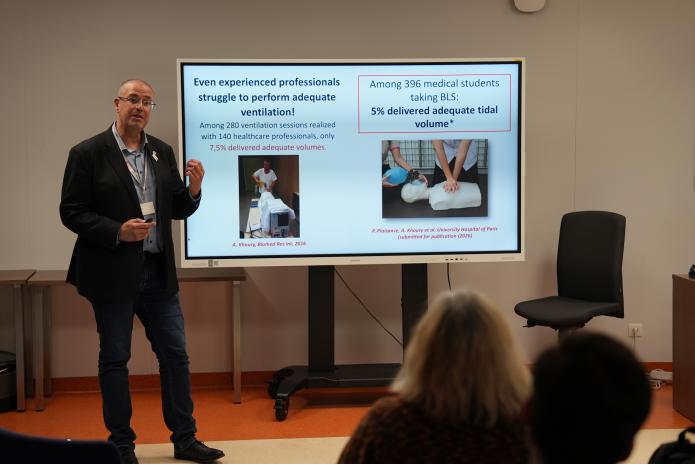
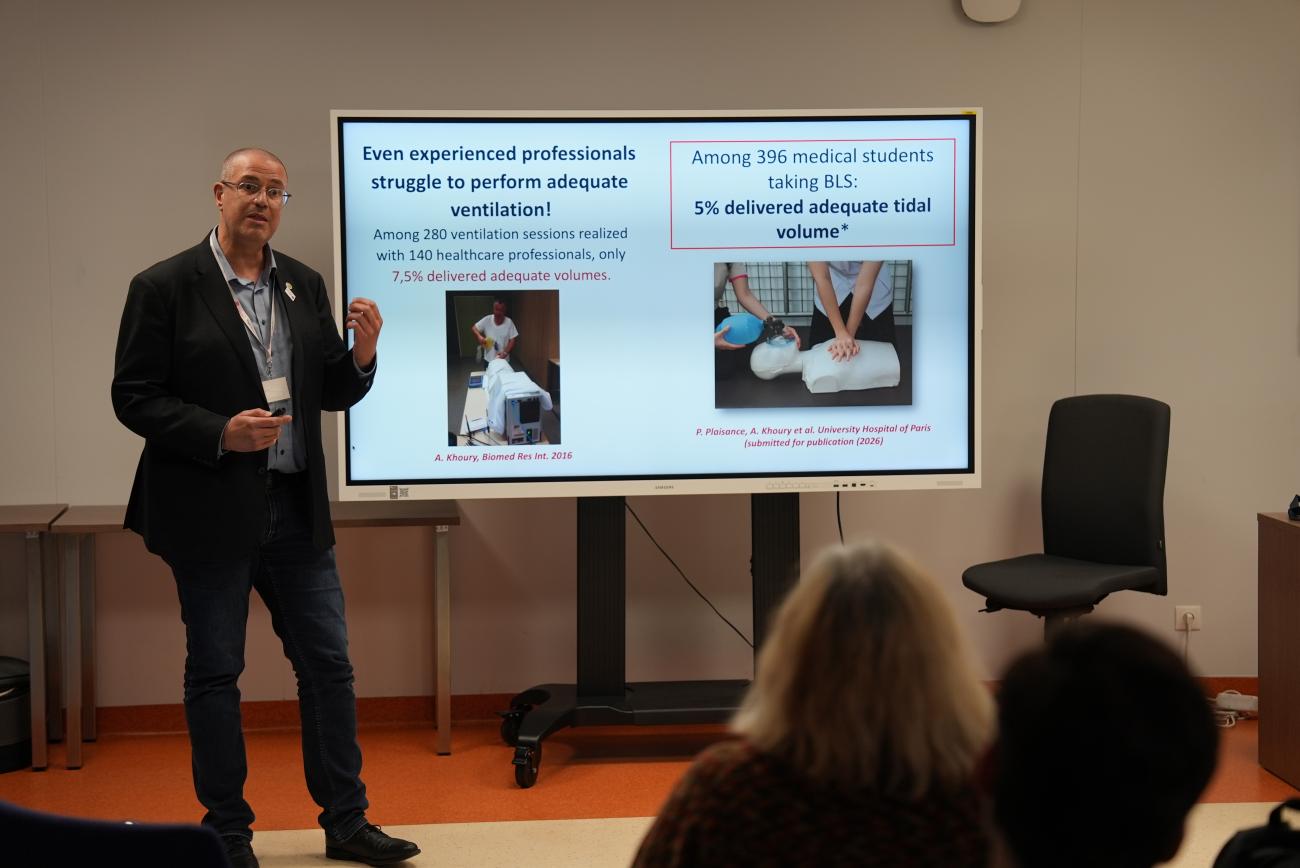
The second place went to Anna Babete Nordena from the University of Latvia with her study The Ventilation Gap: CPR Skill Changes in Non-Medical University Students Following First Aid Training. While the third place was awarded to Guoda Šukytė from Vilnius University with her presentation AI-Assisted ECG Interpretation in Non-ST Elevation Myocardial Infarction.
Experts highlight key challenges and future development perspectives in emergency medicine
The expert panel discussions highlighted that healthcare systems across the Baltic States face remarkably similar challenges: increasing patient volumes, human resource shortages, specialist burnout, and the need to boost system resilience during crises.
Experts agreed that civil-military cooperation, disaster medicine, mass casualty management and regular international experience exchange should play an increasingly prominent role in training new specialists. Discussions on the future of the sector also emphasised the importance of simulation-based education and new technologies.
Emergency medicine is a unique field that requires a sharp mind, quick decision-making, extensive knowledge, as well as psychological and physical endurance from its professionals. It is a multidisciplinary field where teamwork is crucial, as each team member has a distinct role and responsibility.
The highly praised organisation and content of the congress by foreign experts prove that emergency medicine forums of this scale can be successfully implemented in Latvia as well. I am convinced that the Baltic Emergency Medicine Congress has a bright future. With each subsequent event, it will attract even broader international interest, providing significant motivation for both organisers and participants.Aleksejs Višņakovs,
Head of the Emergency Medicine and Patient Admission Clinic at the Rīga East University Hospital (REUH)
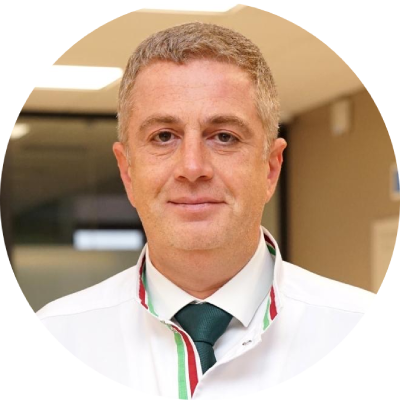
International experts also expressed highly positive evaluations of the quality of the congress organisation. Janis Tupesis, Professor at the University of Wisconsin School of Medicine and Public Health, emphasised:
"Overall, I was incredibly impressed with the organisation and implementation of the Congress. Having participated in many “first” meetings all over the world, I would articulate that this was one of the best.
the most valuable aspect of the Congress was bringing together the leadership and professional organisations in Baltic emergency medicine. As the Baltics represent a relatively small geographic region in global terms, it was particularly meaningful to hear from leading educational and governmental authorities across the countries, all focused on the further development of emergency care in the region and broader subregion, as well as on strengthening cooperation in this cross-border context.
To be honest, I think that the biggest challenge right now is assuring that the emergency care programs in the region look to the rest of the world and find what works best for them. I think there is always a challenge in mature health systems to say that “this is the way that we have always done it, so we should continue to do it that way”. I firmly believe that this will be a challenge if it is approached that way."
Innovations, resilience and crisis preparedness take centre stage in the scientific programme
The central scientific programme of the congress took stage on the second day. Across three thematic sessions, international experts examined hospital and pre-hospital emergency care issues, current topics in civil-military medicine, healthcare system preparedness for crises, as well as the role of innovation in improving the quality and efficiency of patient care. The programme featured a wide range of experts from the Baltic States, as well as France and the USA, enriching the content with international experience and varied healthcare system approaches to organising emergency medicine.
The first session was opened by Prof. J. Tupesis with his presentation Beyond the Baltics: Hospital-Based Emergency Care as the Foundation of Health Systems – Global Lessons and Future Directions (USA), emphasising the role of hospitals in strengthening healthcare systems and analysing complex clinical cases, while placing special emphasis on international experience exchange.
The programme also explored challenges and development directions in pre-hospital emergency medicine, including responses to life-threatening situations, decision-making regarding hospitalisation or on-site treatment, and the potential of new technologies – artificial intelligence and drones – to optimise emergency medical services. Human resource development was also a key focus, with particular emphasis on strengthening staff competences as a cornerstone of healthcare system resilience. Meanwhile, the civil-military medicine section analysed military and disaster medicine approaches, the importance of simulations in training, as well as the readiness of healthcare systems for crises.
Concluding the congress, the organisers confirmed their commitment to continuing cooperation among the Baltic States in the field of emergency medicine. The next Baltic Emergency Medicine Congress is scheduled to take place in Vilnius, Lithuania, in 2028.
The congress organising team expresses its gratitude to all RSU structural units involved – the IT Department, Communications Department, Publishing and Printing Unit, International Department and its ambassadors – for their support. Special thanks are extended to SIA Tilde for providing real-time interpretation and for the successful cooperation, as well as to all other colleagues and partners for their contribution and support throughout the congress.
Photo


Related news
 RSU Medical Law Conference highlights patient safety and responsibility in healthcare Conferences, workshops, Law