Understanding society, gaining deeper insight, and analysing: Who benefits most from studying social anthropology?


Social Anthropology is among the master’s programmes offered by Rīga Stradiņš University (RSU) that help students understand society, human behaviour and the processes driving contemporary change.
Who is the Social Anthropology programme particularly appropriate for?
I recommend Social Anthropology to those who are actively engaged in a professional field but feel and recognise that they need a deeper understanding of society – both Latvian society and humanity as a whole.
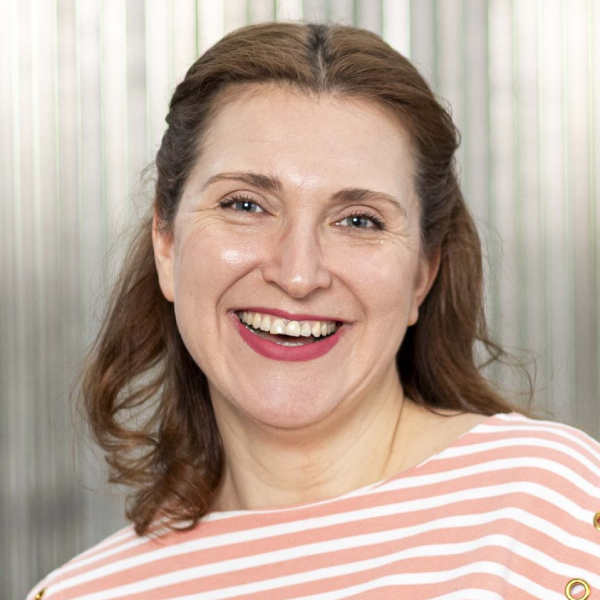
Ieva Puzo, Dean of the Faculty of Social Sciences
The programme is well suited to those who understand that our everyday experiences form part of wider global processes and who wish to gain a deeper understanding of the social relationships, values and contexts that shape human behaviour.
Dean Puzo emphasises that studying social anthropology requires time and deep engagement. It is designed for people who know that decisions must be data-driven and well-founded, whilst also understanding that not all data can be quantified, and that obtaining results takes time. Social anthropological data, generated through conversations, observations and innovative participatory methods, helps answer the questions of ‘how’ and ‘why’. They are therefore vital for uncovering what lies behind both figures and seemingly self-evident worldviews.
The ability to critically evaluate information and develop well-reasoned arguments is purposefully developed throughout the programme. These skills are cultivated through engagement with both globally relevant theories and analyses of challenges faced by specific social groups. At a time when many people increasingly rely on artificial intelligence tools for quick, easy answers, such skills are especially essential for uncovering what lies beneath simple explanations.
For this reason, we have updated the master’s programme Social Anthropology to align academic knowledge more closely with the needs of contemporary society, science, and the labour market. The programme combines the classical foundations of social anthropology – a profound and respectful interest in people in all their diversity – with contemporary themes, an interdisciplinary approach, and modern research methods.