From environment to body: first human biomonitoring study in Latvia reveals main sources of pollution


Photo: Courtesy of RSU
On 21 April, researchers from the Rīga Stradiņš University (RSU) Institute of Occupational Safety and Environmental Health presented the results of the most comprehensive human biomonitoring study conducted in Latvia to date, which for the first time, on such a large scale, analysed the presence of various chemicals in the population.
The findings show that the substances detected largely reflect modern lifestyles rather than unique local pollution. Overall, the situation in Latvia is very similar to the tendencies observed in other European countries. Although no acute health risks have been identified, several groups of substances require further monitoring and caution.
The pilot project (hereinafter – the study) evaluated 318 chemical substances, where from 30 were identified as the highest priorities for Latvia’s human biomonitoring programme. These include substances that people are most commonly exposed to in their daily life - pesticides (including glyphosate and neonicotinoids), plastic additives such as phthalates and bisphenols, persistent PFAS substances, as well as heavy metals, polycyclic aromatic hydrocarbons, and other substances that are absorbed in the body through food, drinking water, air, household items, or lifestyle habits.
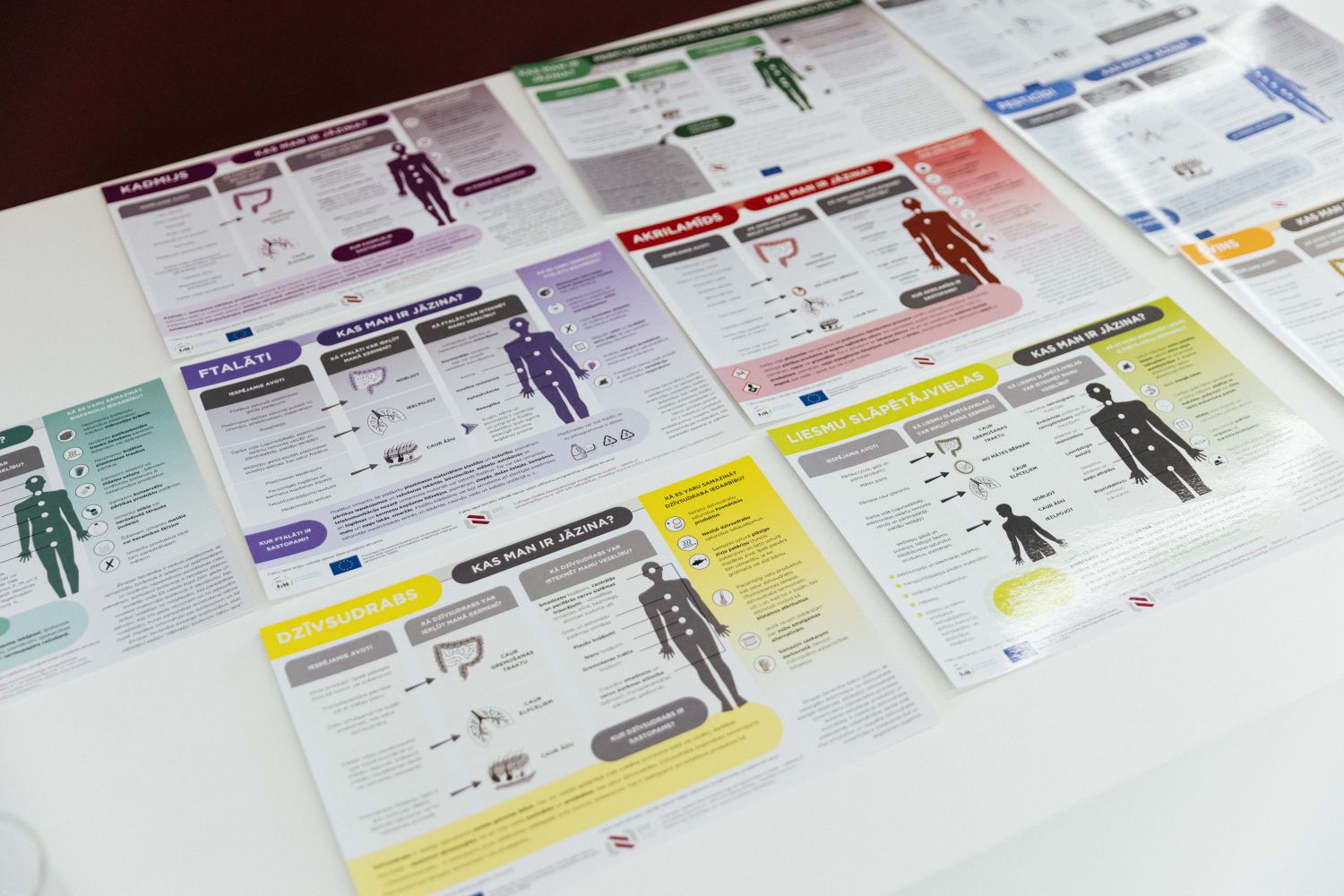
Substances and habits that most influence chemical pollution in the body
The results of the human biomonitoring study reveal that acrylamide was detected in all participants, largely influenced by smoking and overcooked food, while levels of bisphenol and many pesticides in Latvia are lower or similar to the European average. Phthalates are widely present, but higher individual concentration has been identified for PFAS and certain heavy metals, including mercury and lead, which require enhanced monitoring. Overall, no widespread health risk was identified; however, for certain groups of substances, there is a clear need for continued monitoring and assessment.
Researchers from the RSU Institute of Occupational Safety and Environmental Health emphasise that daily habits significantly influence the intake of chemicals into the body. People can reduce their exposure by regularly washing fruits and vegetables, avoid heating food in plastic containers and consuming burnt food, keeping their homes free of dust, choosing products with less plastic, and including a variety of fish species in their diet.
Collected samples and data to serve as a foundation for further tests and the development of Latvia’s national human biomonitoring system
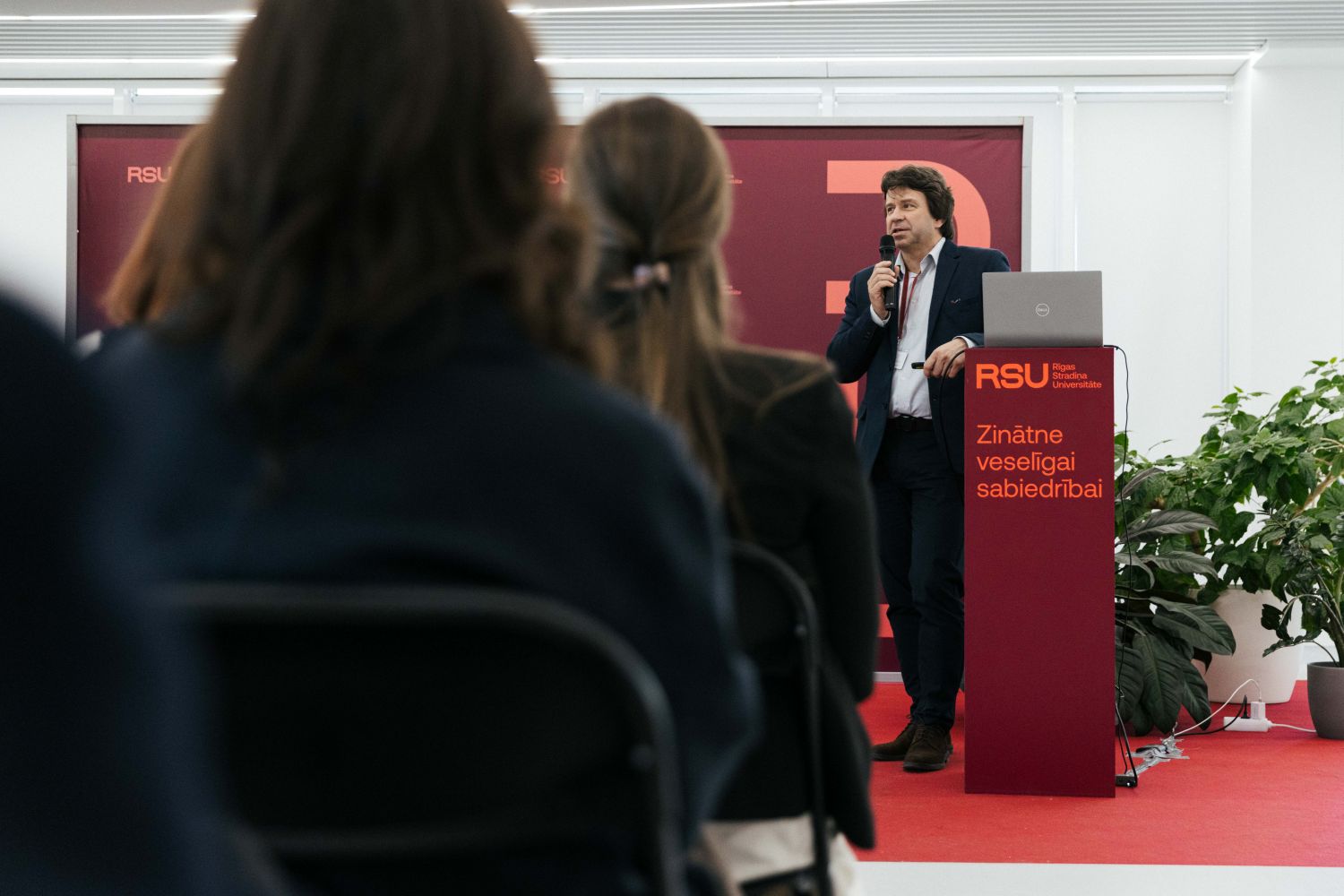
‘The study results do not cause grounds for panic - on the contrary, they provide a foundation for better policy, wiser decisions, evidence-based public information, and health protection. This is the first comprehensive insight as to what chemicals and at what levels get into the bodies of Latvia’s population,
allowing us to understand both the risks and how to mitigate them much more precisely. Like many other countries in Europe and across the world, Latvia also needs a human biomonitoring programme, as only regular data on chemical concentration in human bodies can provide an objective assessment of the impact of modern chemicals on health,’ emphasises Prof. PhD Ivars Vanadziņš, Project Manager and Director of the RSU Institute of Occupational Safety and Environmental Health.
‘This study provides critically important information for our country about the impact of chemical substances on public health. So far, such data was not available in Latvia, yet it is essential for making well-considered, evidence-based decisions in public health, food safety, and environmental protection.
The results of the human biomonitoring pilot project allow us to better understand where risks come from, how to reduce them, and how to ensure that people in Latvia live in a safer and healthier environment,’
notes Dzintars Mozgis, Deputy Director for Public Health and Prevention Issues of the Centre for Disease Prevention and Control and Chair of the Human Biomonitoring Council of the Ministry of Health.
Biomonitoring is an essential tool for assessing environmental health, as it shows the actual chemical exposure to which people are subject from various sources. This approach helps identify pollution sources that require increased monitoring in order to mitigate and prevent potential health risks.
More information about the study
The RSU Institute of Occupational Safety and Environmental Health has implemented the national research programme project Development of Human Biomonitoring Programme for Latvia – HBM4LV, whose aim was to establish an evidence-based and sustainable biomonitoring system in Latvia by adapting international experience to national context. The project was carried out from December 2023 to December 2025 and funded by the state budget, ensuring a significant database for the further development of the system. Within the project, 404 people aged 18 to 75 provided biological samples, while for a group of participants, high concentration of 30 priority substances were measured in urine and blood samples, providing valuable insights into the exposure of Latvian population to chemical substances and their sources.
Currently, individual results for 30 pilot project participants have been compiled and analysed, and researchers are continuing in-depth evaluation and interpretation of the data from this group of participants (Participant Group 1).
Results from the analysis of samples from additional 300 participants will be available by the end of 2027 (Participant Group 2). Samples from the rest of participants have been stored in the biobank, and efforts to secure funding to analyse these samples are in progress (Participant Group 3).