
Erasmus+ Helps Strengthen Ties in Southeastern Europe


Visits by RSU’s Social Sciences Research Centre ERASMUS+ helps build connections with Montenegro. As a part of Rīga Stradiņš University’s (RSU) ongoing commitment to promoting internationalisation and academic collaboration, Ingmārs Kreišmanis, Project Manager at the Social Sciences Research Centre, visited the University of Donja Gorica (UDG) in Montenegro in spring 2025, while researcher Diāna Kiščenko undertook a working visit there in June 2026.
Both visits represent an important step in RSU’s strategic objective to deepen cooperation across Europe, this time with a particular focus on the South-Eastern European region. Their aim is to foster long-term academic collaboration, strengthen research capacity in the social sciences, and promote the exchange of knowledge and data across national borders. As Montenegro plans to join the European Union in the foreseeable future, it is especially important to build stronger links with the country’s higher education and research institutions.
Montenegro: Building New Bridges in Research and Education
The University of Donja Gorica is one of the most dynamic private higher education institutions in Montenegro, successfully attracting both national and European Union funding for a range of initiatives, including high-performance computing, food research, and other areas of innovation.
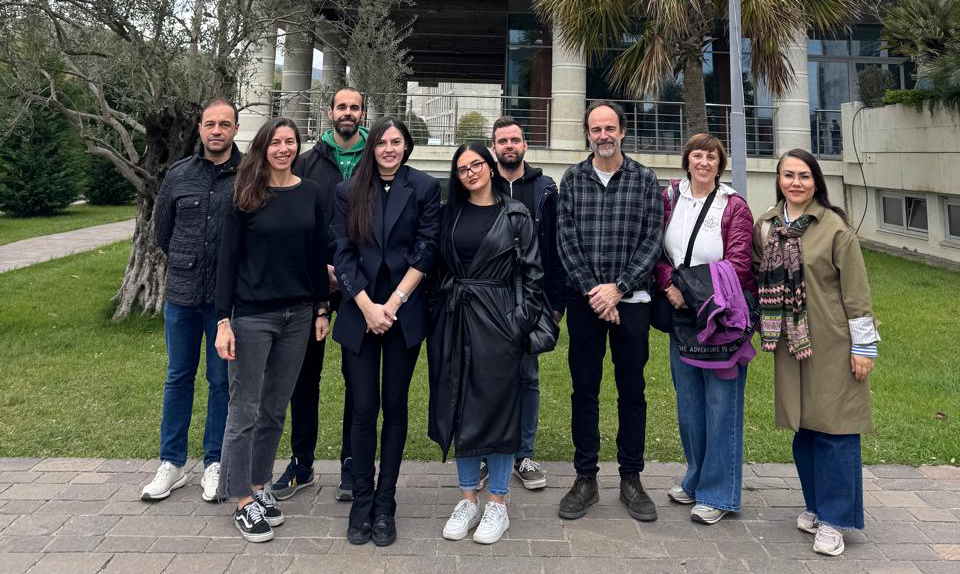
Diāna Kiščenko’s Erasmus+ mobility visit to UDG took place from 22 to 26 June 2026. During the visit, several working meetings were held with academic staff and employees responsible for coordinating international cooperation. Discussions focused on opportunities for further collaboration in student and staff mobility within the Erasmus+ programme, as well as the development of joint research projects.
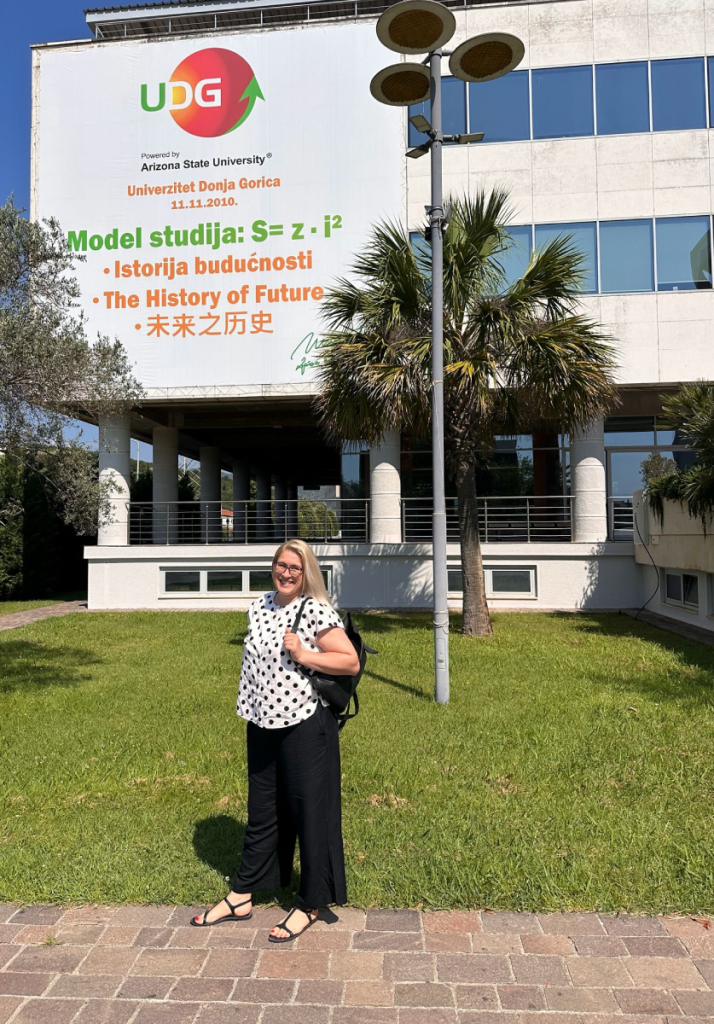
The visit also provided an opportunity to become acquainted with the university’s infrastructure, learning environment, and faculty activities. During a meeting with Bojana Mališić, Head of the International Relations Department, Erasmus+ cooperation opportunities and prospects for developing international partnerships were discussed. A meeting with Maja Adžić from UDG’s Faculty of Design and Multimedia opened discussions on potential collaboration in education and research.
The visits also included discussions on joint research directions in political science, sociology, and digital society studies, as well as issues related to the development of inclusive higher education, accessibility, gender equality, and the promotion of diversity. Contacts were established not only with colleagues from UDG but also with representatives of higher education institutions from other countries. Diāna Kiščenko met with Miglė Janušauskaitė from Vytautas Magnus University in Lithuania to discuss opportunities for cooperation in international projects and joint research initiatives focusing on social inclusion and the promotion of equal opportunities.
During his visit, Ingmārs Kreišmanis introduced UDG representatives and other international colleagues to the experience of RSU and Latvia in implementing Open Science principles and research data management processes. New professional contacts were also established with researchers from Spain and Turkey, creating opportunities for future collaborative projects.
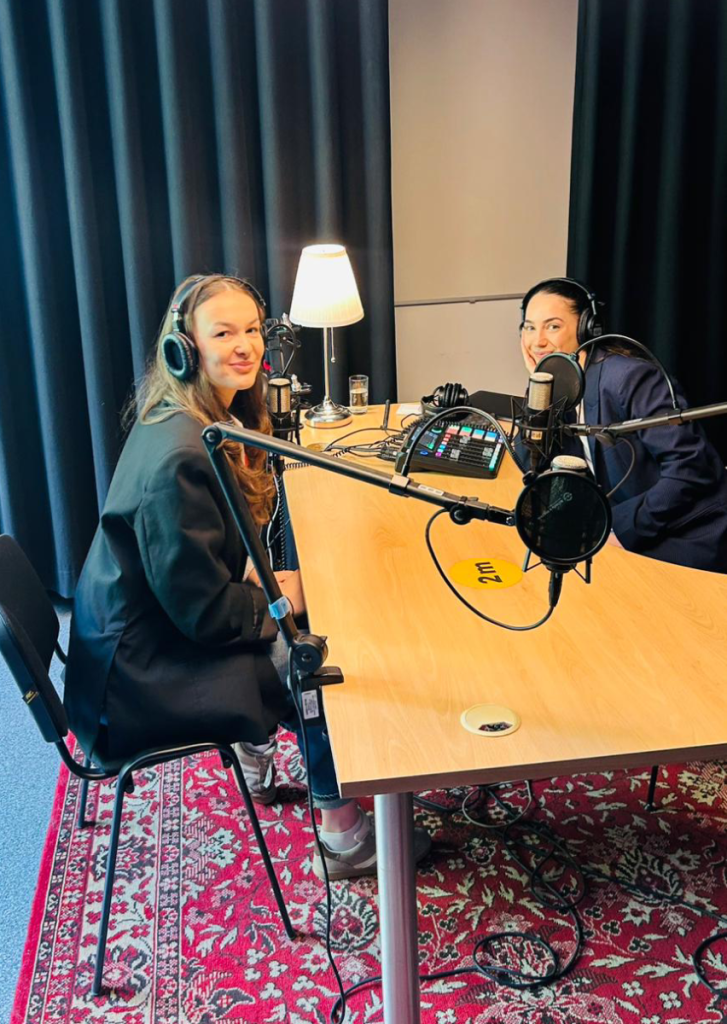
Cooperation between RSU and UDG is developing in both directions. In May this year, UDG representatives and researchers Maja Adžić and Sladjana Gutović visited RSU. During their visit, they familiarised themselves with RSU’s research infrastructure, the university’s communication strategy, and the work of the student media outlet Skaļāk. The UDG representatives met with staff from the Social Sciences Research Centre, Associate Professor Ilva Skulte, and Marta Herca, Head of the student media outlet Skaļāk. Discussions focused on opportunities to develop cooperation in media and communication studies, with particular attention to audiovisual arts, as well as student exchange opportunities between RSU and UDG.
Representatives of UDG and the other institutions involved expressed interest in developing closer cooperation with Rīga Stradiņš University, particularly in the fields of inclusive higher education, gender equality, social inclusion, media and communication studies, and international research. The visits contributed to the expansion of international networks, the exchange of experience, and the identification of new opportunities for academic and research collaboration.
A Broader Vision for Internationalisation in Social Sciences Research
These visits form part of RSU’s broader internationalisation strategy, which prioritises the development of strong and sustainable partnerships with higher education institutions across Europe. By focusing on South-Eastern Europe, the RSU Social Sciences Research Centre seeks to promote a more integrated and collaborative European Research Area, where intercultural perspectives and the shared use of data play a particularly important role in addressing complex societal challenges within the social sciences.
Through these partnerships, RSU is not only expanding its academic network but also strengthening its role as a forward-looking institution actively promoting Open Science, data sharing, and international collaboration. The Social Sciences Research Centre is involved in the preparation of various international project proposals to expand practical research cooperation and create new opportunities for both researchers and students.
The visits were carried out with the support of the Erasmus+ programme and represent a significant step in strengthening cooperation between RSU and the University of Donja Gorica, laying the foundation for a long-term partnership in research, education, and the development of international projects.
Related news
 RSU hosts CNRS/EHESS Centre for Russian, Caucasian, East European and Central Asian StudiesResearch, International Cooperation


