From laboratory to patient, RSU explores innovation practices in US
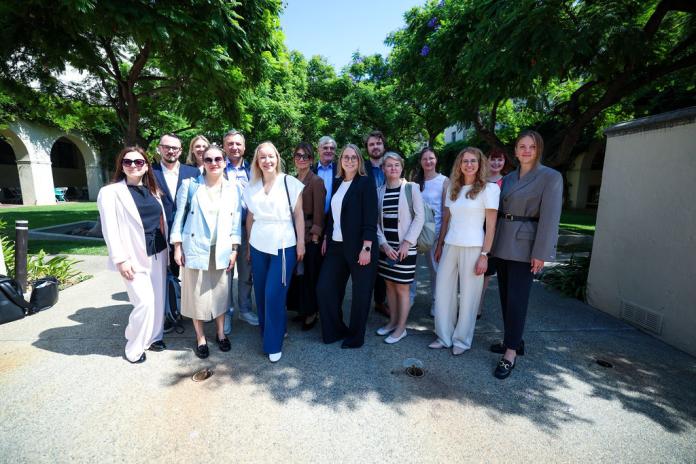
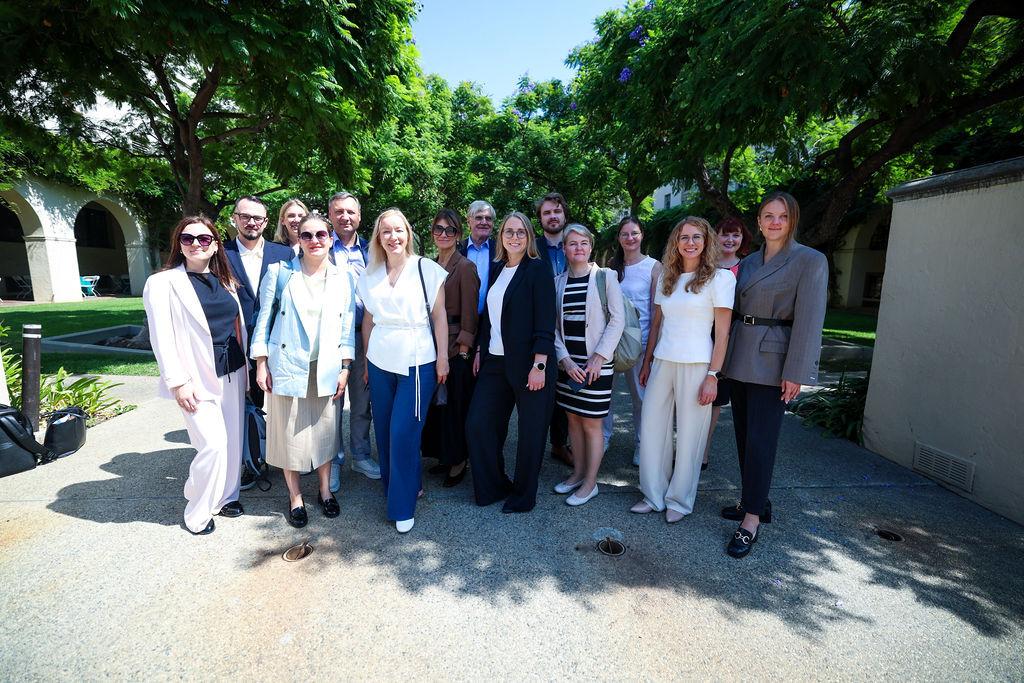
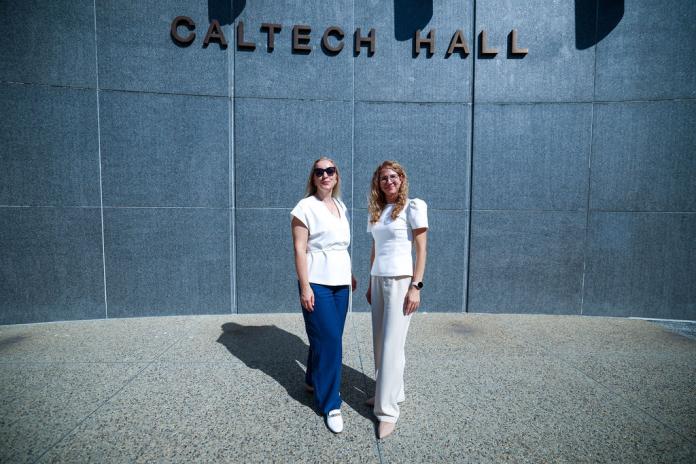
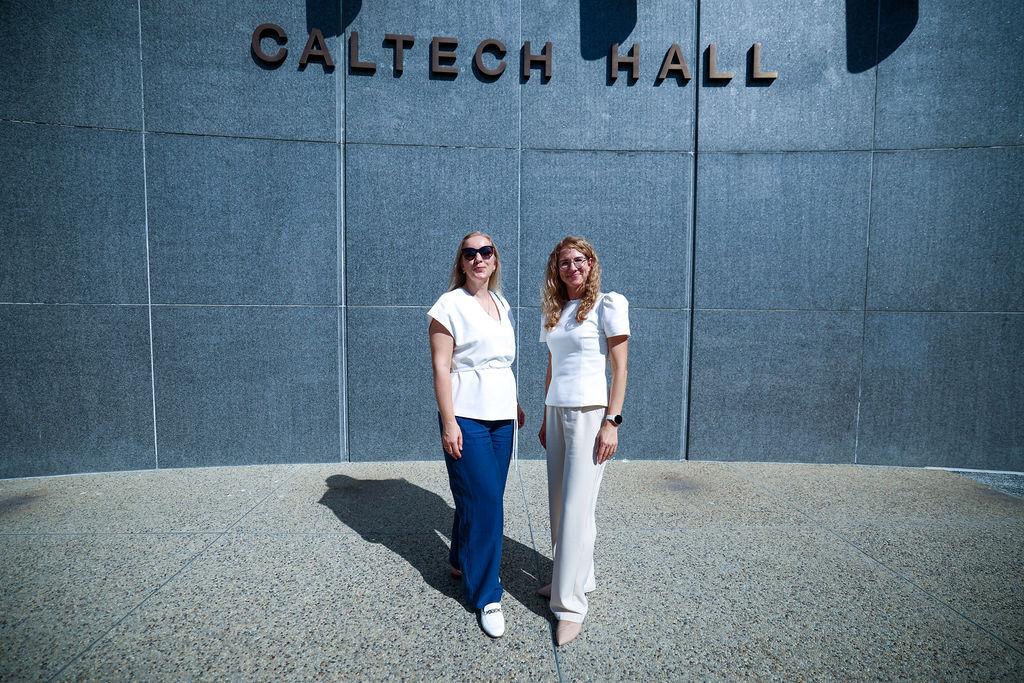
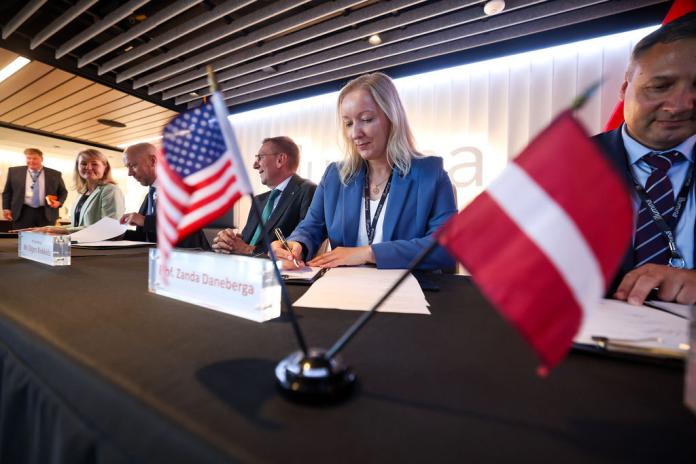
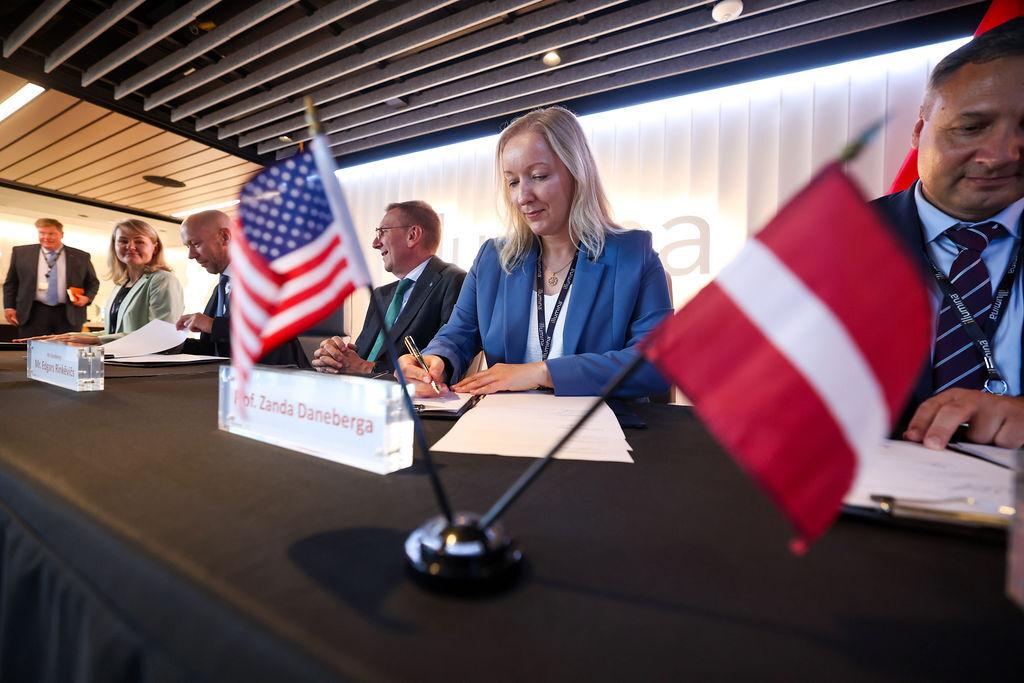
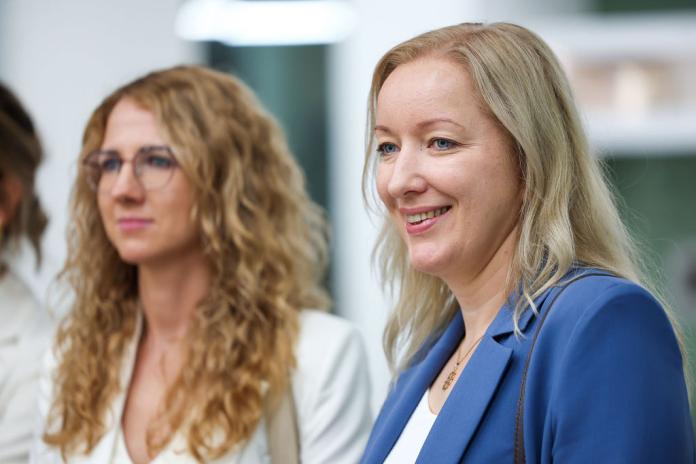
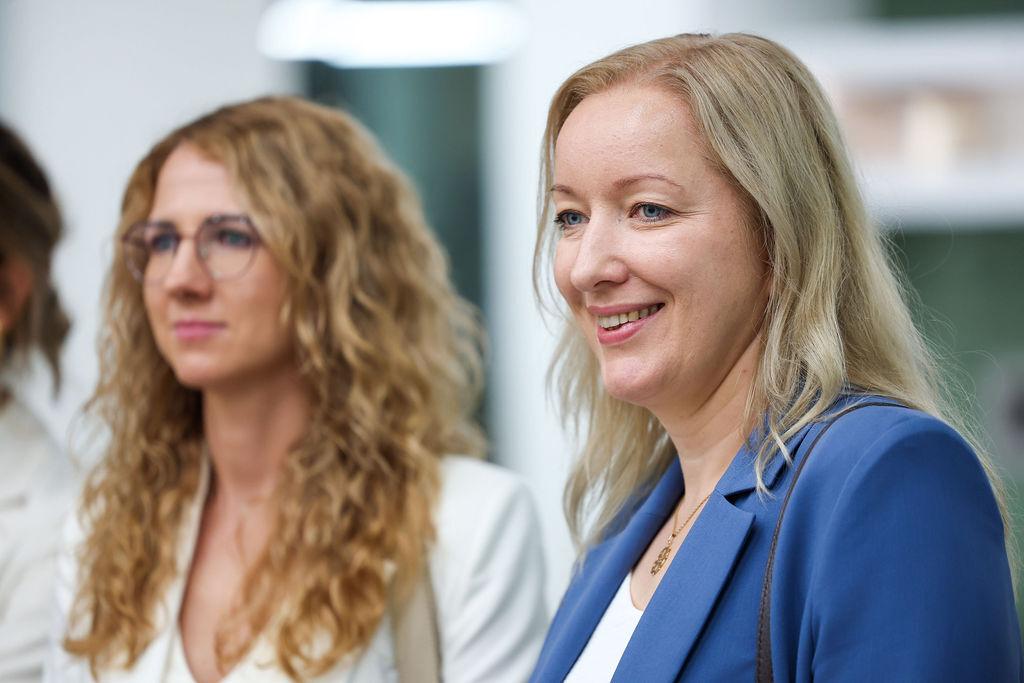
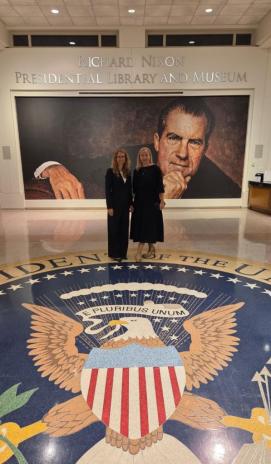
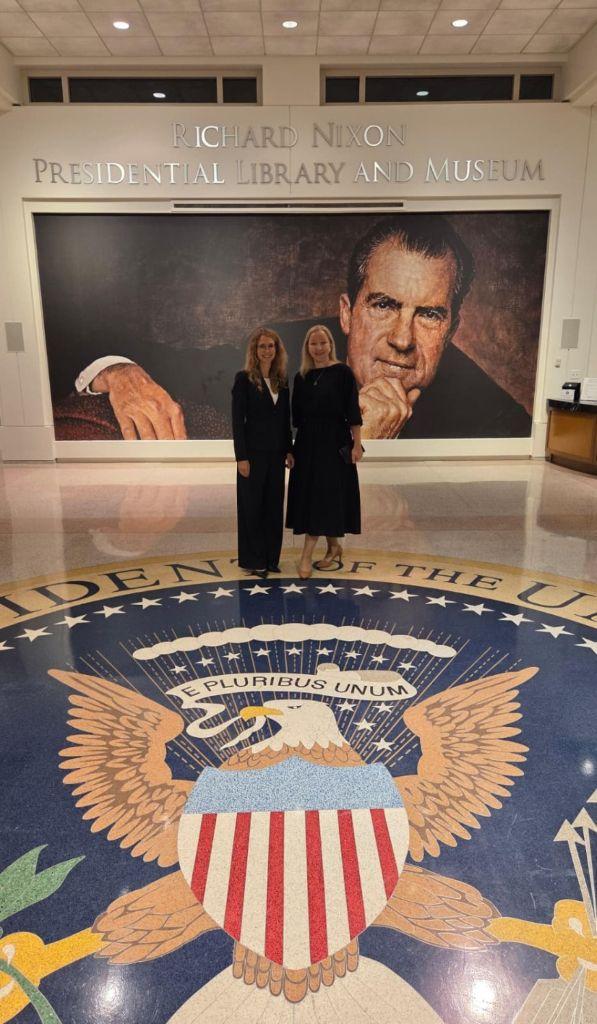


Rīga Stradiņš University (RSU) Professor Zanda Daneberga, Lead Researcher and Deputy Director of the RSU Institute of Oncology and Molecular Genetics, and Madara Pelše, Industry Collaboration Project Manager at the RSU Innovation Centre, took part in the Latvian biomedical delegation’s programme in Los Angeles and San Diego during President of Latvia Edgars Rinkēvičs’ working visit to the United States. The visit focused on a question that is becoming increasingly relevant in Latvia: how to help scientific discoveries translate more quickly into technologies, businesses and practical solutions that reach patients and society.
In late September, the delegation visited biomedical and genomics companies, including Proteogenex, Element Biosciences and Illumina, as well as the technology transfer offices at the University of California, Los Angeles (UCLA), Caltech and San Diego State University. The delegation also attended Latvian–US business events and met with members of the Latvian diaspora.
An environment that helps science find practical applications
One of the key themes of the visit was technology transfer. In simple terms, this is the process through which an idea, method or technology developed at a university moves beyond the laboratory and becomes a practical solution.
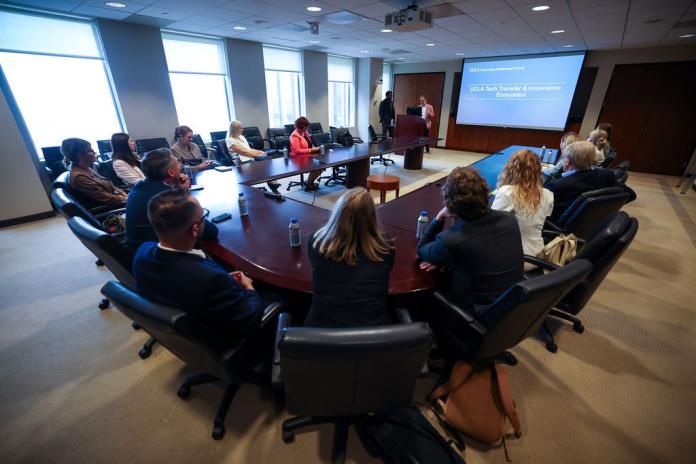
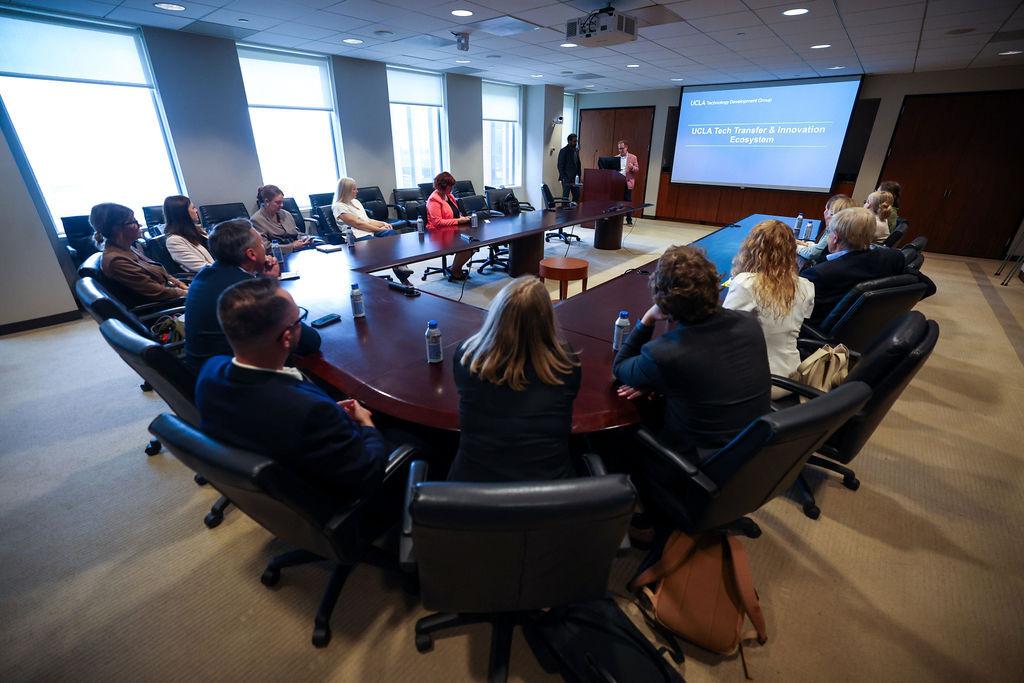
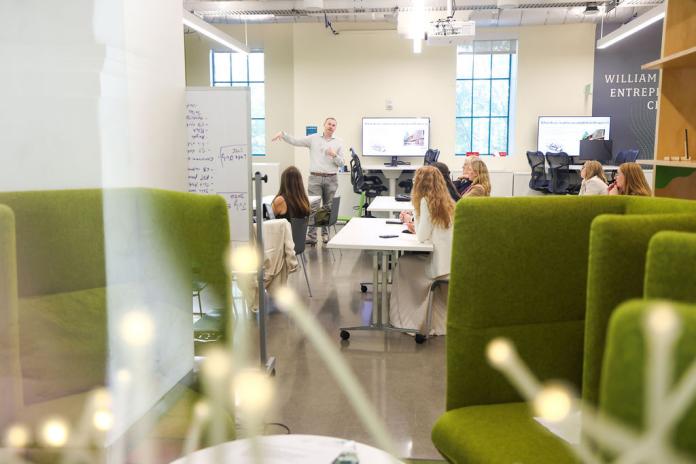
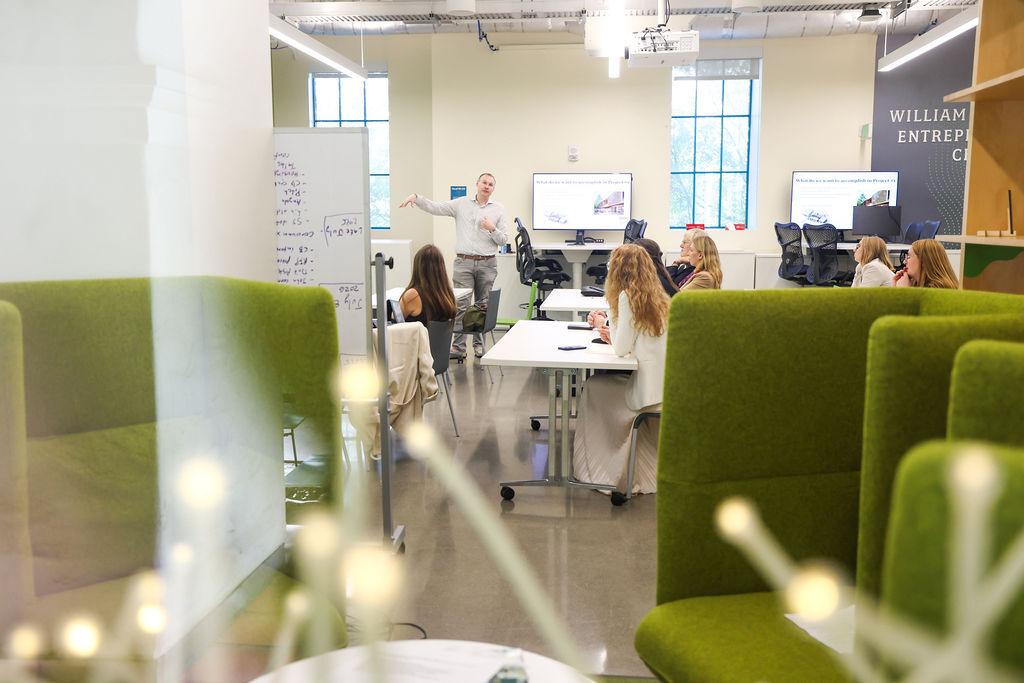
The UCLA Technology Development Group made a particularly strong impression. There, the delegation learned how the university connects research, industry, funding and start-up development.
'Both the scale of technology transfer and research commercialisation and the systematic approach to start-up development were impressive,'
says Pelše.
The physical proximity of participants in the innovation ecosystem also plays an important role: the university hospital, medical school, research institute and incubator are located together, fostering collaboration among researchers, clinicians and entrepreneurs.
'This clearly demonstrates how important it can be to have an environment where researchers, clinicians and entrepreneurs are close to one another, allowing collaboration to develop much more naturally,'
emphasises Pelše.
Such an environment shows that innovation requires not only programmes and funding, but also day-to-day collaboration among professionals from different fields.
Value beyond patents
The US experience also prompted a broader perspective on what can become a valuable university resource for society and the economy. Alongside patents, UCLA also works with patient data, biological materials, cell lines and algorithms.
The delegation also explored initiatives that help researchers take their first steps in research commercialisation. At San Diego State University, experienced researchers and entrepreneurs act as “innovation ambassadors”, helping colleagues develop their ideas, while at Caltech, “entrepreneurs-in-residence” join research teams and prepare emerging companies for discussions with investors.
Caltech also places considerable emphasis on professional science communication. Research is presented through high-quality stories, short documentary films and other formats that help demonstrate the societal and commercial impact of science and technology.
Genomics expands the possibilities of medicine
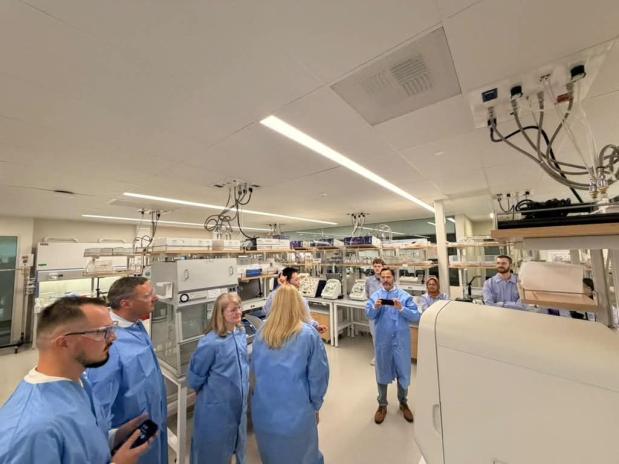
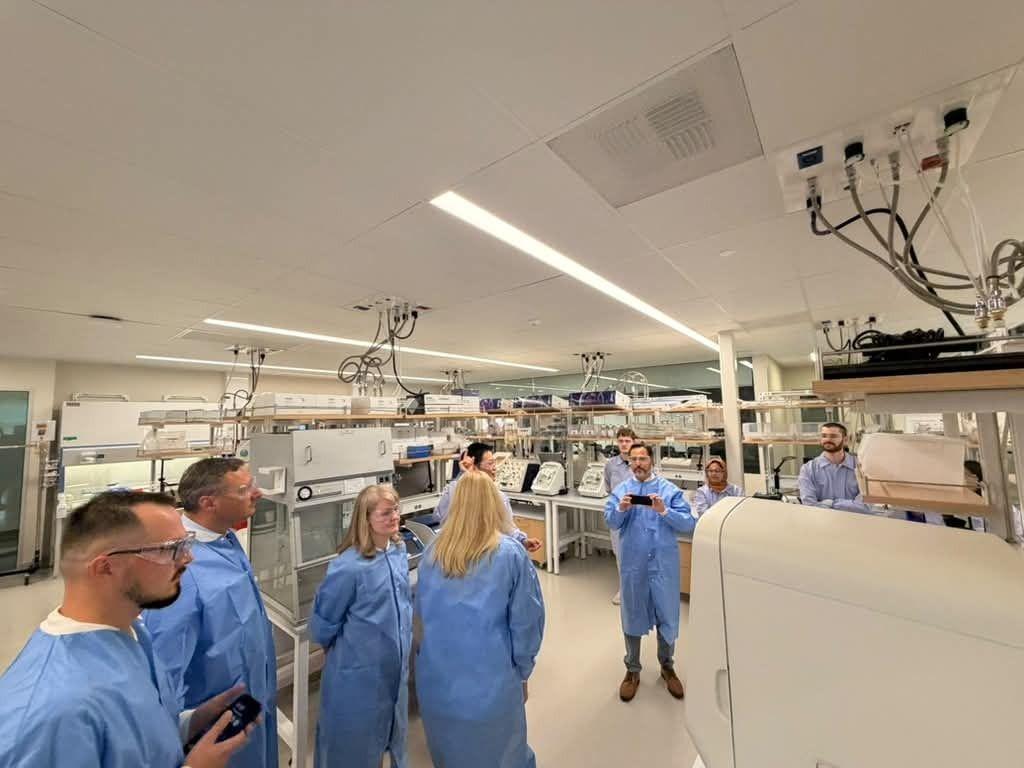
Another important part of the visit involved tours of genomics companies in San Diego. The delegation met with Element Biosciences and Illumina to learn about the latest technologies and the companies’ development journeys.
In simple terms, genomics can be compared to reading the human body’s “instruction manual”. The more precisely DNA information can be read and analysed, the greater the opportunities to understand the causes of disease, identify individual risks and seek the most suitable medical solutions for each patient.
'The visits to genomics companies offered insights into both the capabilities of the latest technologies and the companies’ journeys from an idea to international competitiveness,' says Madara Pelše.
Collaboration with Illumina to advance genomics in Latvia
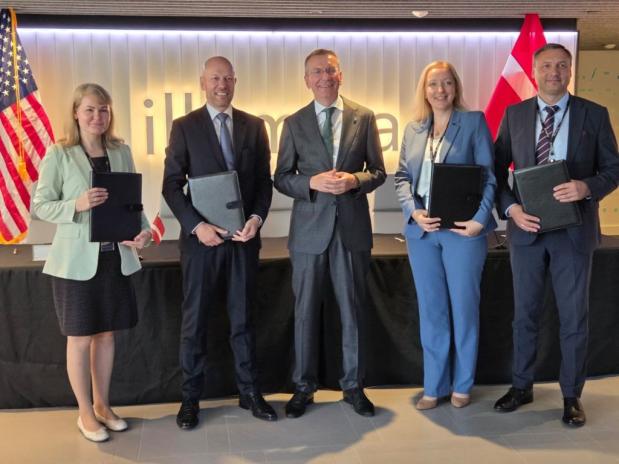
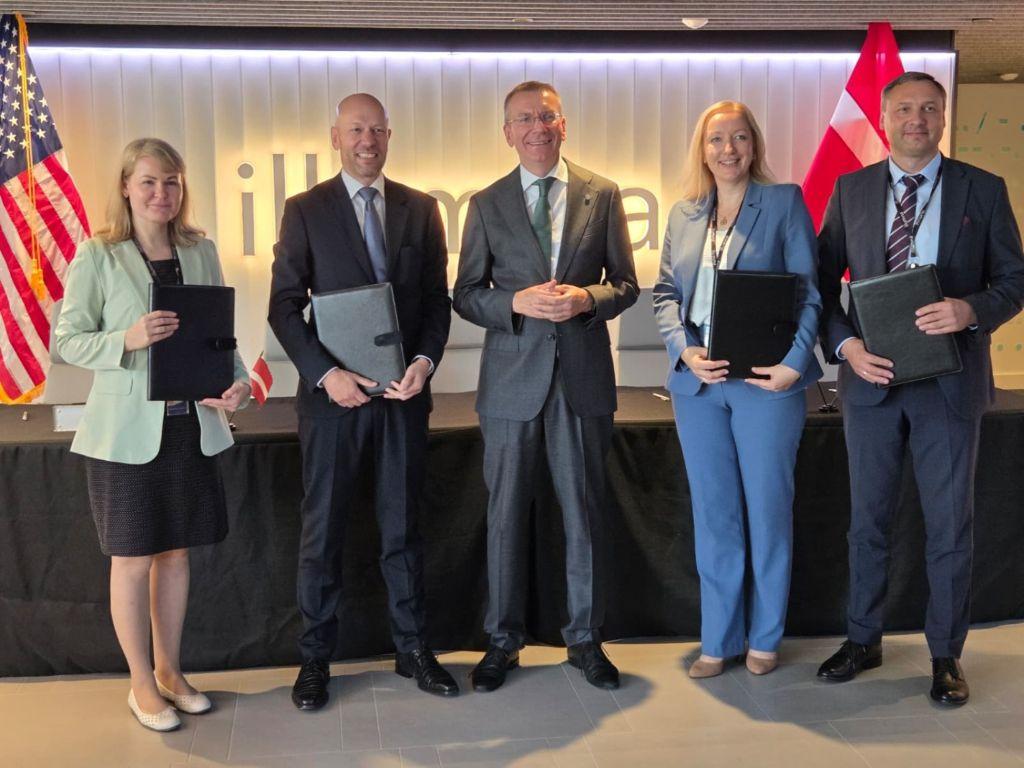
One of the most significant events of the visit was the signing of a memorandum of understanding with Illumina, one of the world’s leading DNA sequencing technology companies.
The memorandum with the company was signed by the National Research and Innovation Institute, Riga East Clinical University Hospital, Pauls Stradiņš Clinical University Hospital, Children’s Clinical University Hospital, RSU and the University of Latvia. The collaboration aims to advance genomics in Latvia, strengthen personalised medicine solutions and promote the use of the latest biomedical technologies in patient treatment.
The delegation’s programme at the company included a tour of the Illumina Solutions Center laboratory, company presentations and the memorandum signing ceremony, which was also attended by President Rinkēvičs.
Prof. Daneberga, emphasises that RSU has already gained substantial experience in genomics research and in translating its findings into medicine.
'RSU has extensive experience in genomics research, particularly in rare diseases and oncology, as well as significant achievements in translating genomic discoveries into clinical practice.
The partnership with Illumina is an important step towards accelerating scientific development, strengthening innovation ecosystems and integrating precision medicine more widely into healthcare for the benefit of patients and society,'
says Daneberga.
How can the funding gap in research commercialisation be bridged?
The importance of a well-designed, sequential funding chain was highlighted repeatedly during the visit. One of the most challenging stages is the early proof-of-concept phase. At this point, the technology’s technical and commercial risks still need to be reduced, but private investors are often not yet ready to become involved.
The university technology transfer offices visited use dedicated internal funding instruments for this stage. These help technologies reach the next level of maturity, at which industry partners or private investors may become interested.
In Latvia, support instruments such as BioPhoT help bridge the gap between a scientific result and a technology that attracts industry interest. At the same time, the US experience demonstrates the need to develop a culture of commercialisation, test ideas in the market early and involve industry representatives in a timely manner.
A stronger culture of innovation at RSU
For the RSU representatives, participating in the President’s delegation was both an opportunity to gain practical insights and a responsibility to represent the university and Latvia’s research community internationally. 'Taking part in the President’s working visit was a great responsibility and an honour, and this format encouraged open discussions with representatives of companies and universities,' says Pelše.
The insights gained are intended to support continued efforts to strengthen the culture of research commercialisation at RSU, build more systematic collaboration with industry and encourage early market validation. This means seeking to understand, from the earliest stages of technology development, who might need the new solution and what opportunities exist for its practical application and commercialisation.
The RSU Innovation Centre already serves as a contact point for researchers and industry partners, providing practical support on collaboration and commercialisation matters. The next step is to further strengthen and promote this approach
so that researchers and external partners know where to turn with ideas, collaboration proposals and questions about taking them forward.
The visit to the United States demonstrated that the journey from scientific discovery to the patient requires well-planned collaboration among researchers, clinicians, entrepreneurs, investors and the public sector. It is precisely this collaboration that enables an idea born in a laboratory to become a technology, a business or a medical solution with far-reaching impact.
Related news
 Members of the Swedish Chamber of Commerce in Latvia visit RSU Medical Education Technology Centre International Cooperation