Pharmaceutical Education and Research Centre
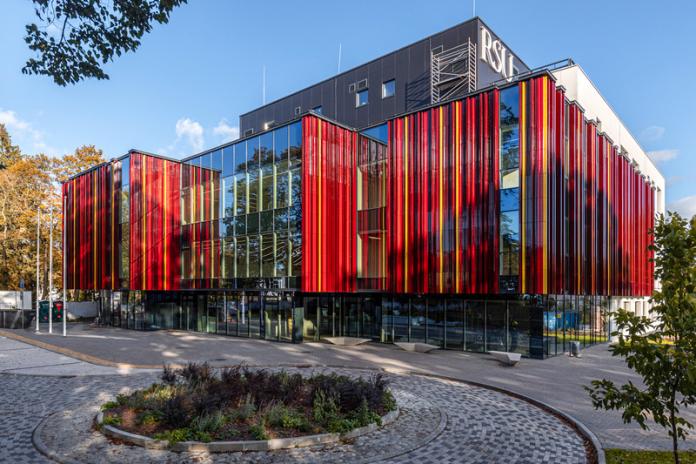
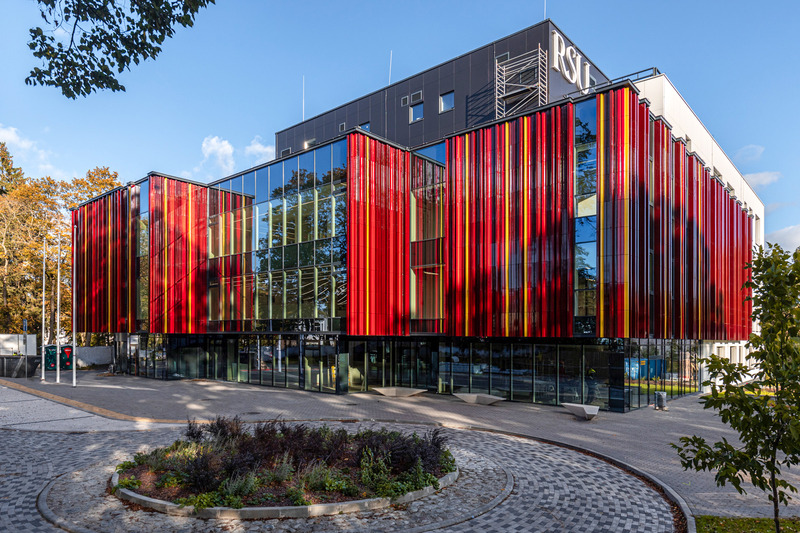
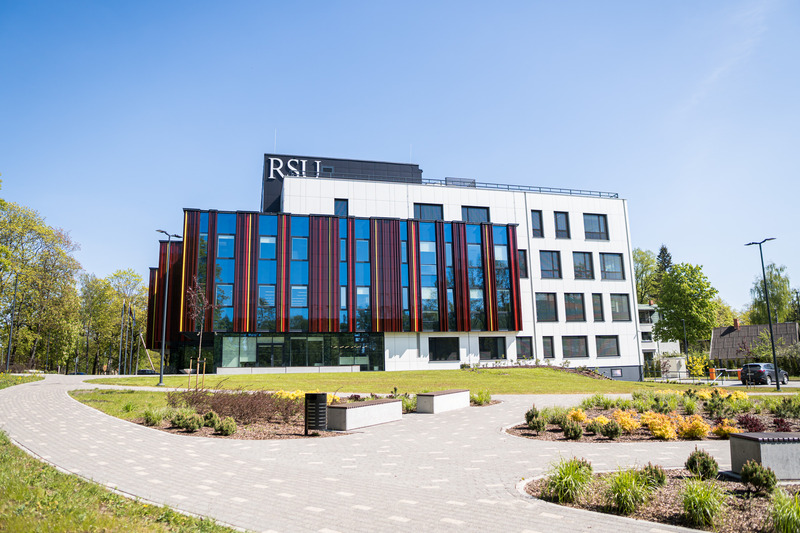
Opened in spring 2023, the Pharmaceutical Education and Research Centre at Rīga Stradiņš University (RSU) is the largest and most technologically advanced facility in the university’s 75-year history.
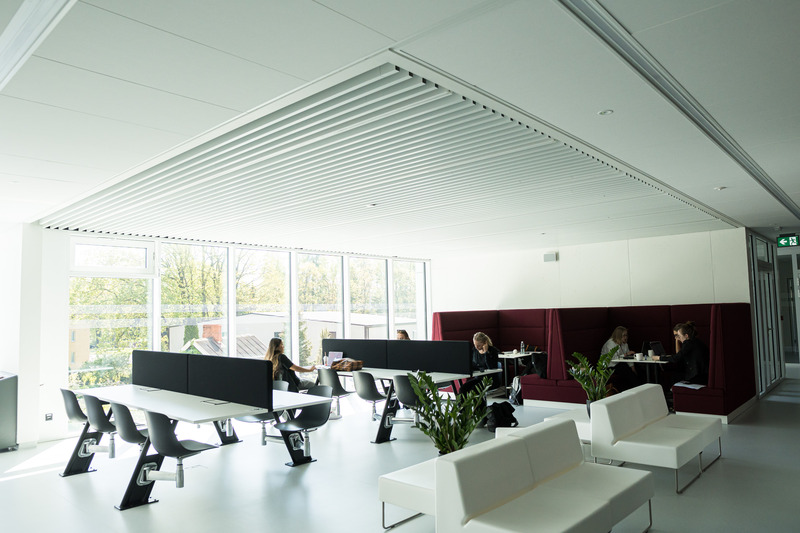
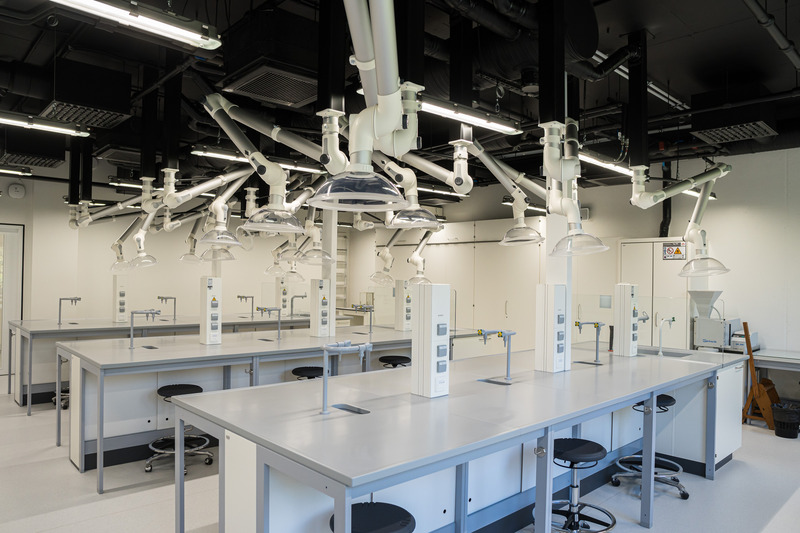
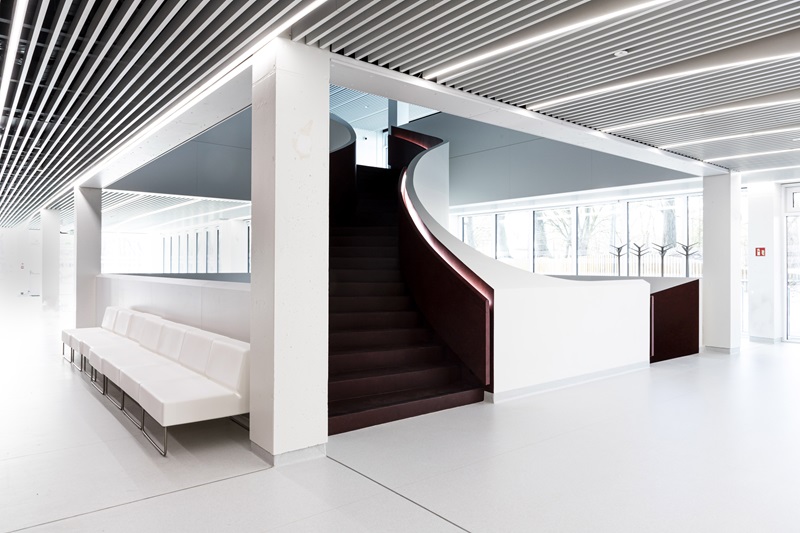
This multifunctional and modern facility was specifically designed to support the study and research processes of the Faculty of Pharmacy. It houses several structural units — the Faculty of Pharmacy, the Department of Pharmacology, the Department of Applied Pharmacy, and the Laboratory of Finished Dosage Forms — as well as several research groups led by tenured professors.
4lecture halls
11teaching rooms
10study labs
7research labs
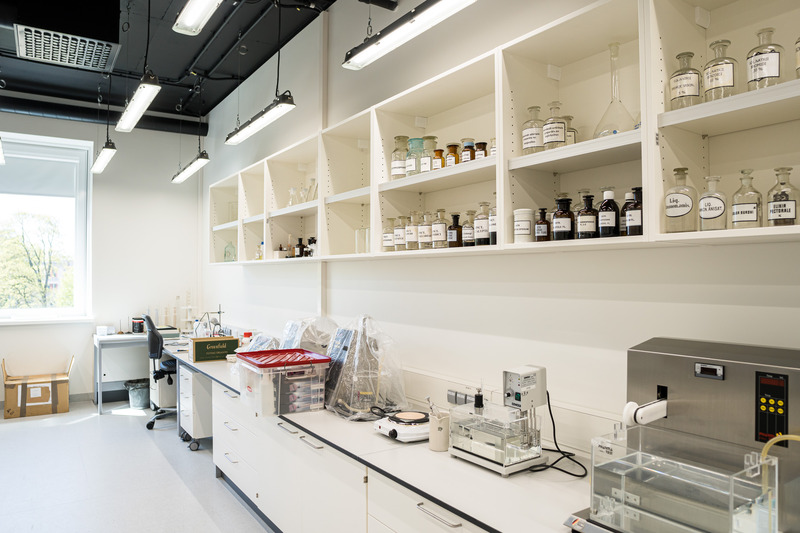
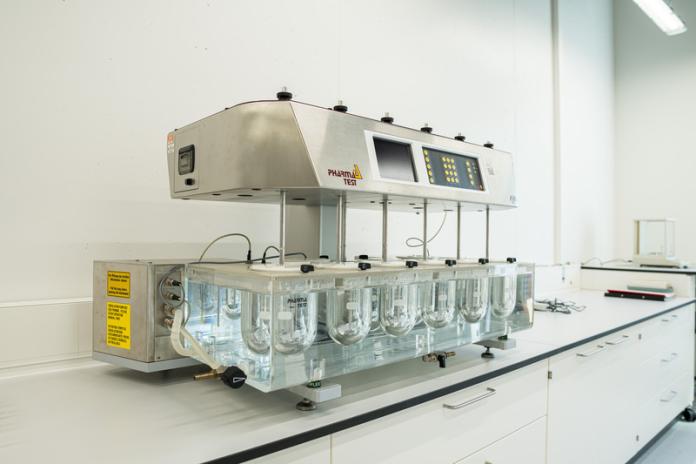
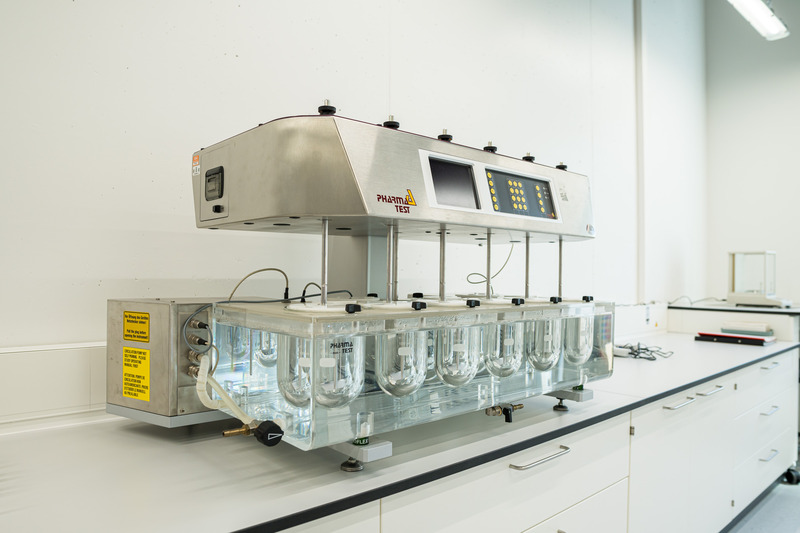
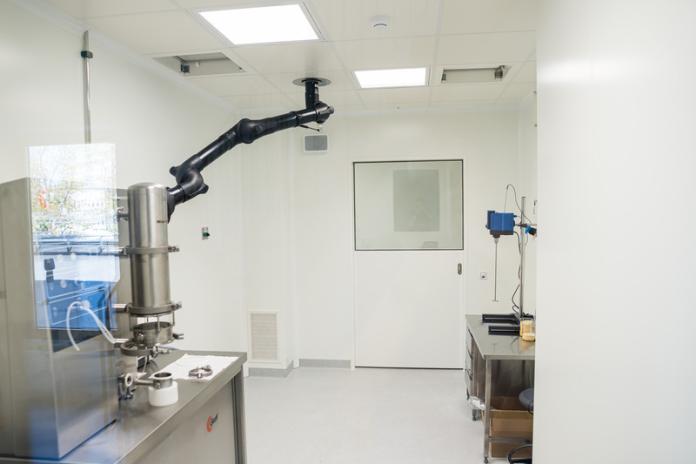
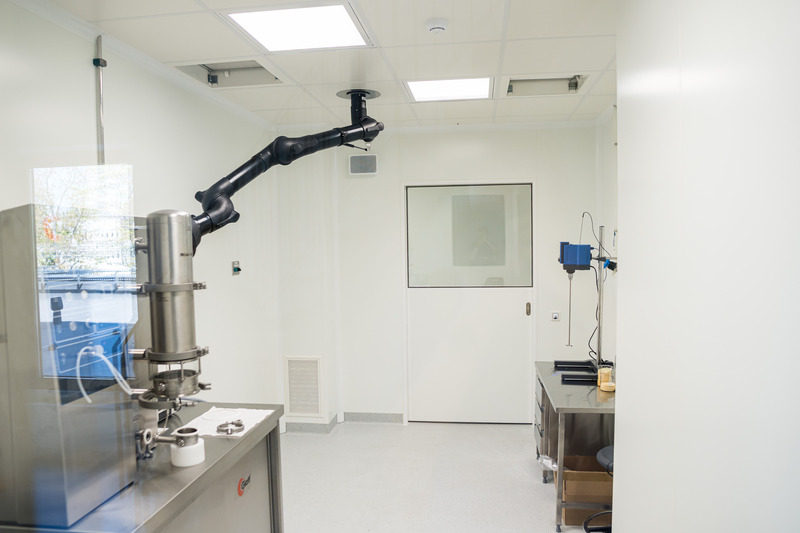
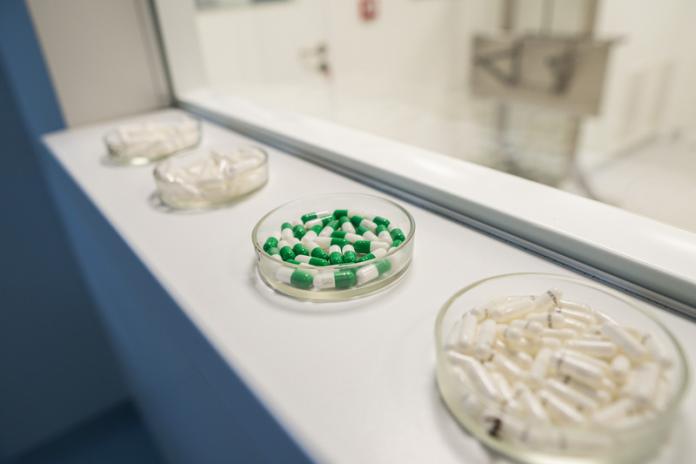
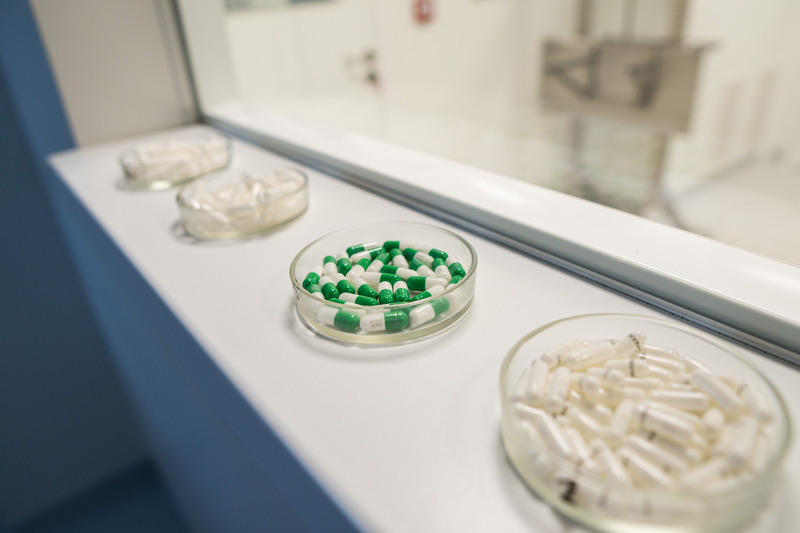
A particularly significant feature is the Laboratory of Finished Dosage Forms, which specialises in the development and testing of solid pharmaceutical dosage forms. It offers extensive research opportunities for scientists, academic staff, and future pharmacists. The laboratory was built in accordance with industrial pharmaceutical standards, including cleanrooms compliant with ISO 8 standards.
The establishment of this laboratory is part of RSU’s strategic development plan to strengthen institutional capacity and expand research infrastructure in Latvia’s smart specialisation areas: biomedicine, medical technologies, biopharmacy and biotechnology.
Energy efficiency and engineering solutions
The building incorporates advanced technical solutions that provide a high level of comfort and energy efficiency, meeting Class A energy performance standards.
Its climate control systems, including heating, cooling and humidity controlled ventilation, are remotely managed and automatically adjust energy use in response to window openings and closures.
The ventilation system features VAV (Variable Air Volume) valves that regulate fresh air supply based on demand, and adiabatic humidification, which improves indoor air quality. A free cooling system uses outdoor air for cooling during colder months, significantly reducing electricity consumption.
Energy efficiency is enhanced by solar panels installed on the roof and automated external blinds on the building’s southern façade. These blinds adjust to the sun’s position and weather conditions, reducing the need for cooling and promoting sustainable energy use.
Heating is primarily provided through underfloor heating, allowing for lower temperature heat carriers. In laboratories, adjustable radiators are used to meet specific requirements.
For pharmaceutical study purposes, the building is equipped with a purified water supply system on the 2nd to 4th floors and a reverse osmosis purification system on the 5th floor.
Accessibility
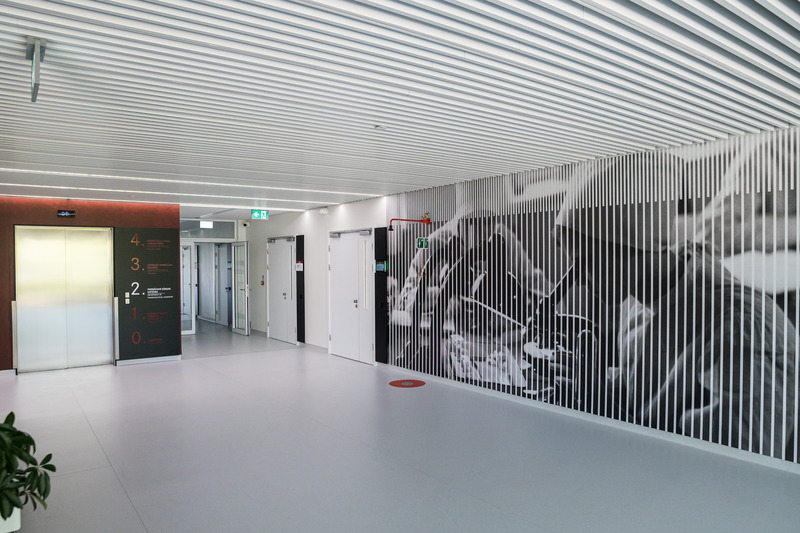
Special attention was given to accessibility during the design phase, ensuring safe and convenient access for individuals with mobility impairments. The main entrance doors are adapted for wheelchair users, and interior spaces are designed without thresholds or level changes. Signage is provided in contrasting and tactile formats, making them easy to perceive and navigate. The building includes fully equipped accessible restrooms, an elevator with tactile control buttons, staircases with marked steps and floor indicators, and clearly marked glass surfaces for improved visibility.
Recognition and co-financing
The Pharmaceutical Education and Research Centre received second place in the Annual Latvian Construction Awards in 2022 in the New Public Building category, highlighting the project’s high quality and significance in public architecture.
The facility was constructed with the support of funding from Specific Aid Objective (SAO) programmes:

project Pharmacy research infrastructure development at Rīga Stradiņš University co-funded as part of the SAO 1.1.1.4 "Development of the R&D infrastructure in fields of smart specialisation and strengthening of institutional capacity of scientific institutions"
project Improvement of the study environment at Rīga Stradiņš University co-funded as part of the SAO 8.1.1 "To increase the number of study programmes of modernised STEM, including medicine and creative industries”