
Mental Health Matters – Making Enterprises in the BSR more Resilient by Tackling Psychosocial Risks in the Workplace
Aim
Description
Mental health of employees is an emerging concern for societies and employers in the Baltic Sea Region. Even before the pandemic and the war in Ukraine, half of EU workers considered stress to be common in their workplace, and stress contributed to around half of all lost working days. Combined with an already prevailing lack of qualified work force, this puts the ability of enterprises (including public organisations) to withstand existing and future crises in jeopardy. In short: to be economically resilient, companies and societies need a mentally resilient work force.
Protecting workers and preserving their work ability is the objective of Occupational Safety and Health (OSH). In the past, however, OSH legislation, standards and education have mainly focused on physical hazards and accident prevention and not paid enough attention to psychosocial risk assessment, health promotion and prevention measures. The Mental Health Matters project wants to change this and will bring together policy makers, employer and employee representatives, practitioners, researchers and educators in the field of OSH. They will assess the adequacy of policies and practices and propose measures to better prepare OSH systems and OSH professionals to deal with current and emerging psychosocial risks. Moreover, the project will develop a “first-aid kit” to support owners and managers of SMEs that do not have access to OSH professionals in assessing psychosocial risks and taking preventive action.
Activities of the project
- Identifying gaps and needs in OSH data and policy
- Exchanging on good practices and education
- Discussing needed actions and preparing recommendations on the topics of thematic focus
- Discussing avenues for implementation
- Developing the generic English version of the first-aid-kit
- Adjusting the first-aid-kit to national contexts & dissemination
- Development of the roadmap
- Roadmap promotion and dissemination
Project results
The MentalHealthMatters project delivered two main outputs that together strengthen the prevention and management of psychosocial risks at work across the Baltic Sea Region.
1. Roadmap for Improving OSH Policy and Education
The project’s core strategic output is the Roadmap for the Improvement of Occupational Safety and Health (OSH) Policy and Education, which provides a structured framework for systemic change. The Roadmap consists of three interlinked components:
- Discussion document on policy options, translating stakeholder consensus into actionable national and transnational policy recommendations and providing long list of needed improvements.
- National reports, offering analyses of gaps and needs in OSH policies, regulations, data availability, and education systems.
- Legal Annex, providing a overview of definitions and legislation related to psychosocial work environments across seven Baltic Sea Region countries.
Together, these documents support policymakers, OSH authorities, social partners, and researchers in strengthening psychosocial risk governance.
2. First-Aid Kit for Mental Health
The project produced a practical, user-oriented solution: the First-Aid Kit for Mental Health. This freely accessible online tool supports employers, managers, HR professionals, and OSH specialists - particularly in SMEs - in identifying and addressing common psychosocial risks at work.
Beyond tangible outputs, the project established National and Transnational Communities of Practice, creating lasting cross-sectoral networks that connect policy, research, and practice. These structures ensure that the project’s outputs continue to inform workplace mental health initiatives, policy development, and capacity building beyond the project’s lifetime.
Project partners
- NDPHS Secretariat (Sweden) as a lead partner,
- Finnish Institute of Occupational Health (FI),
- Tallinn University of Technology (EE),
- Rīga Stradiņš University (LV),
- Nofer Institute of Occupational Medicine (PL),
- Norwegian Labour Inspection Authority (NO).
Project related news
- 1st transnational workshop
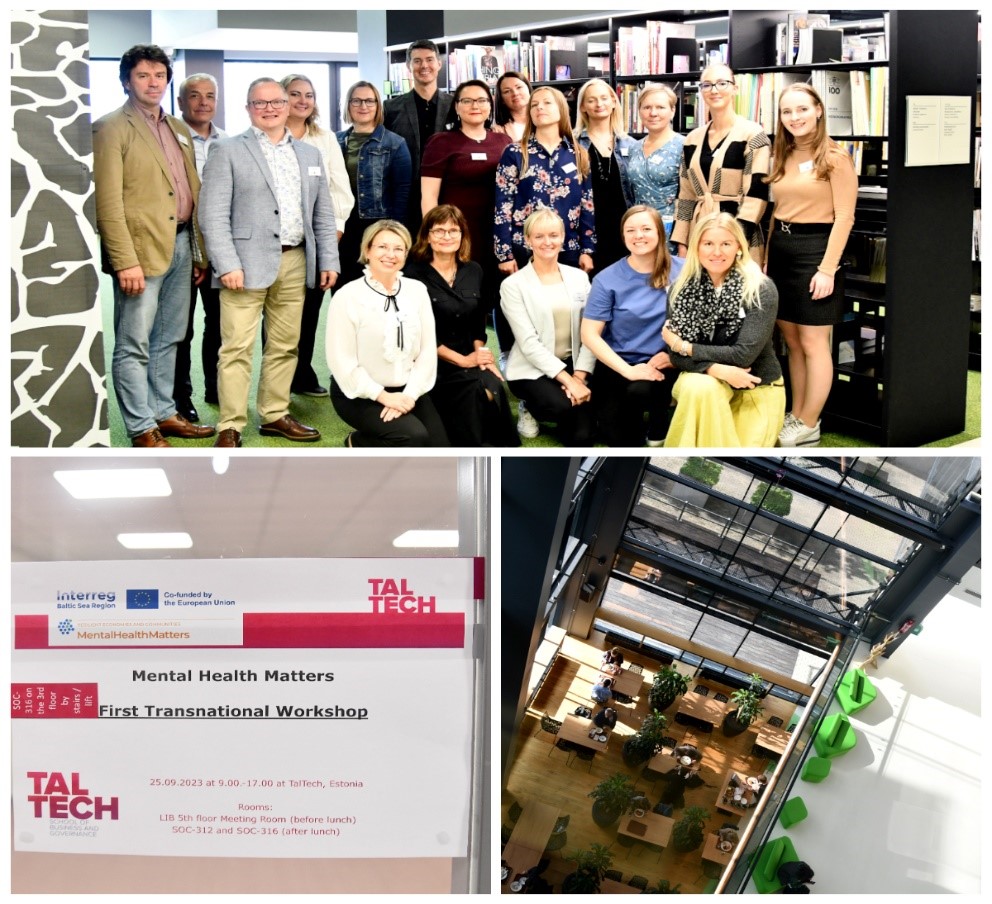
The Project "MentalHealthMatters" started with 1st transnational workshop in TalTech University in Tallin on 25th September, 2023. Experts from Estonia, Latvia, Finland, Poland, Sweden and Norway participated in it.
The purpose of the project is to prepare Occupational Safety and Health (OSH) systems and professionals as well as small and medium sized enterprises to address the workforce’s current and emerging psychosocial risks at work. OSH standards are mainly focusing on physical hazards and accident prevention, and the MentalHealthMatters project will put attention to mental well-being at work which is as crucial as physical health.
During the project a “first-aid kit” will be developed to support owners and managers of SMEs that do not have access to OSH professionals in assessing psychosocial risks and taking preventive action.
Each partner presented the early results and findings from their national CoPs regarding the theme “gaps in data and policy”.
During two parallel sessions, one group focused on exploring the methodology and approach to the development of the first-aid kit. The second group of the parallel sessions discovered and defined gaps and challenges related to psychosocial risks at work from the perspective of three different themes: changes in the world of work, education of OSH professionals, and work environment and culture. The purpose was to explore the gaps and challenges related to these themes, to group them, and to define overarching topics for these themes.
Information posted on 26.09.2023
- 2nd transnational workshop online
2nd transnational workshop of the project "MentalHealthMatters" was held online on December 8th, 2023 where participated experts from Estonia, Latvia, Finland, Poland, Sweden and Norway.
The RSU team presented the insights of the Latvian piloting of the methodology, the first results and the lessons learned. The main points for discussions included the most frequently mentioned problems that arose from the Latvian piloting resonate in the other countries, indicating that the problems are transnational in character and discussions how should be developed the first-aid kit.
The partners were asked to briefly present the latest updates from their NCoPs and to provide reflections on the issues arising from the national level work that could benefit from being addressed transnationally.
The current results point towards a lack of knowledge on psychosocial risk factors in Latvia (there are no standardized scales or assessment tools) and an insufficient emphasis on preventive measures and early intervention strategies in policies.
Information posted on 09.12.2023
- 3rd Transnational meeting in Helsinki
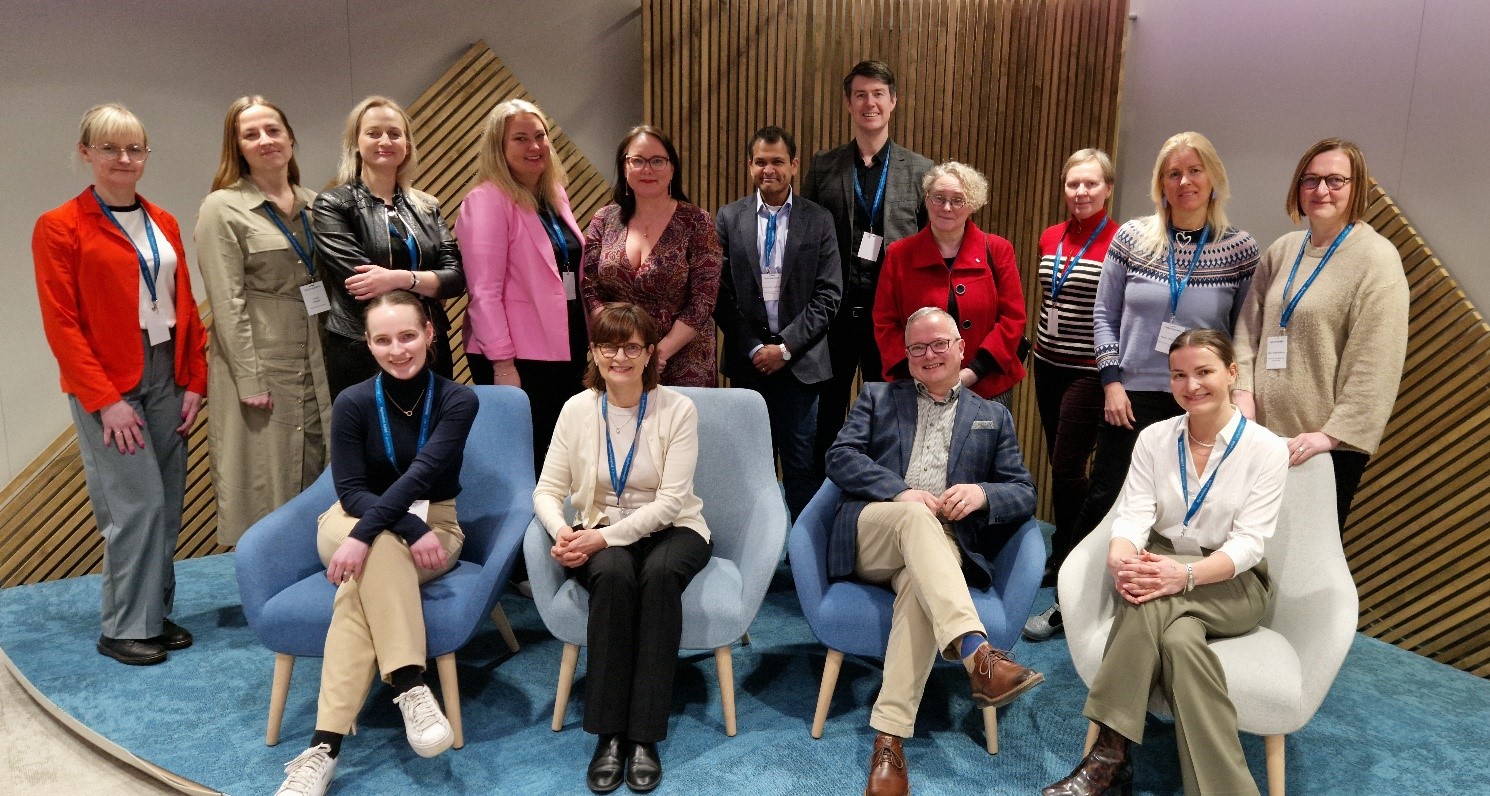
The 3rd transnational meeting of Project “MentalHealthMatters” was held in Helsinki on 19th March, 2024. Experts from Estonia, Latvia, Finland, Poland, Sweden and Norway participated in it.
At the meeting were discussed the possibilities for occupational health and safety education in each project participating country, focusing more on training on psychosocial risk factors in the workplace. A common conclusion was reached that providing high-quality, practice-oriented education and continuous training for occupational safety specialists, labor inspectors, and employers is crucial in developing the necessary skills to manage psychosocial factors effectively.
The second half of the workshop was dedicated to advancing the development of the two project outputs, namely:
- The online First-Aid Kit to support small and medium-sized enterprises (SMEs) in addressing psychosocial risks and taking preventive action
- The Roadmap detailing needed improvements and practical proposals for reform in OSH policy, regulations, education and practice both at the national and international levels.
The session on the First-Aid Kit focused on developing content and interface for the English version of the tool. The participants discussed the most frequently encountered challenges and psychosocial risks that they have nationally identified together with SME representatives, agreeing on the structure and main topics to be covered by the First-Aid Kit.
At the same time, the session dedicated to the Roadmap development discussed how to implement change in workplaces. To do this, an ecosystem for the governance of psychosocial factors was mapped, identifying the current main obstacles in the system and the areas where urgent reform is needed in the participating countries.
For the change to happen, the MentalHealthMatters project partners stressed the need for social innovation, evaluation of the existing policies and promising practices, and close social dialogue both at the political and workplace levels.
The day was concluded with optimism that change is possible coupled with a dash of realism that there are no quick solutions to systematically improve the mental health status of the workforce. In the words of one of the participants.
Information posted on 20.03.2024
- 4th Transnational Workshop Strengthens Focus on Workplace Mental Health
On May 24, 2024, the MentalHealthMatters project held its 4th Transnational Workshop online, bringing together experts and partners from Estonia, Latvia, Finland, Poland, Sweden, and Norway. The workshop was another significant step in the project's mission to improve mental health in workplaces, particularly for small and medium-sized enterprises (SMEs).
Driving Change Through Collaboration
The workshop focused on identifying key improvements in three critical areas:
- Data and Knowledge – Addressing gaps in understanding and assessing psychosocial risks.
- Policies and Regulations – Highlighting needed reforms to support mental health initiatives.
- Education and Training – Building stakeholders' capacity to effectively manage psychosocial risks.
Using the ecosystem framework developed in the 3rd Transnational Workshop in Helsinki, participants analyzed which elements and target groups must be activated to drive meaningful change. This collaborative approach ensures solutions are rooted in real-world needs and practical applications.
Advancing the First Aid Kit
The workshop also featured progress on the First Aid Kit, a tool being developed to support SMEs in addressing psychosocial risks. Partners reflected on the challenges encountered during content preparation, such as selecting diverse resources and ensuring clarity in descriptions. Discussions emphasized the need for a service designer’s opinion to create a user-friendly format, providing the tool’s accessibility and effectiveness.
Looking Ahead
Preparations for the next transnational meeting in Stockholm are underway, with partners focused on maintaining momentum and driving impactful changes in occupational safety and health.
The 4th Transnational Workshop showcased the strength of international collaboration in tackling workplace mental health challenges, reaffirming the commitment to supporting SMEs and fostering healthier, more resilient work environments.
Information posted on 30.09.2024.
- 5th Transnational Workshop Highlights Good Practices in Tackling Psychosocial Risks
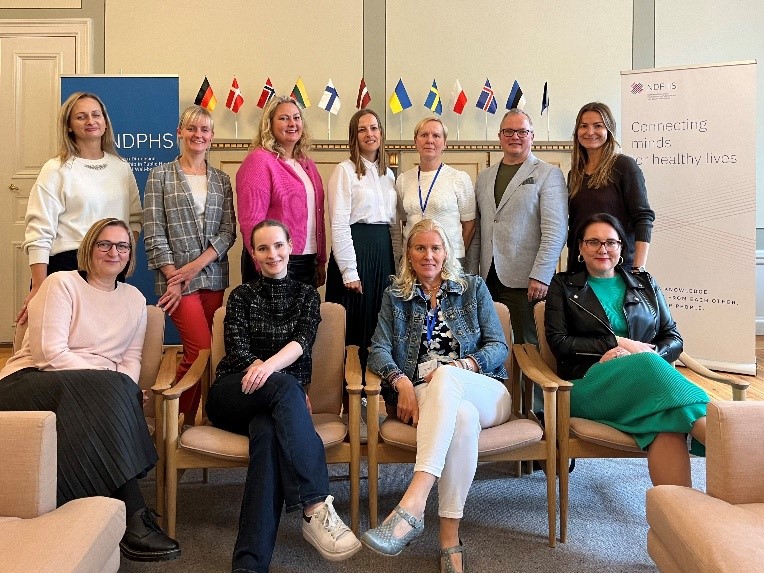
On September 25, 2024, the 5th Transnational Workshop of the "MentalHealthMatters" project convened in Stockholm, with participation from project partners representing Estonia, Latvia, Finland, Poland, Sweden, and Norway. This workshop served as a platform for sharing impactful practices and advancing the project’s core initiatives aimed at improving workplace mental health.
The centrepiece of the workshop was a series of presentations where each partner highlighted a good practice from their country addressing psychosocial risks in workplaces. Poland showcased the widespread adoption of the ISO45003 standard and the strategic management model #dobrzewpracy, developed by Makowskapracuje. Latvia presented its National Preventive Action Plan on Occupational Safety and Health, while Norway detailed its Working Environment Initiative. Finland introduced its Work Ability Support Model for workplaces, and Estonia highlighted two innovative efforts: the Peaasi.ee platform and the Golden Label initiative.
During the following discussions, participants reflected on the contextual factors that contribute to the success of such practices, including political decisions, societal trends, and research advancements, which often create environments conducive to innovation. Promotion and communication were also emphasized, as these activities amplify the visibility and recognition of promising practices, helping them achieve broader societal impact. Participants acknowledged the challenges in measuring the effectiveness of workplace mental health initiatives. Sustained efforts were deemed critical, as meaningful impacts in workforce mental health take time to materialize. However, the short-term nature of many innovation-driven activities remains a significant hurdle to realizing their full potential.
The workshop also advanced the development of the First Aid Kit, a practical tool designed to assist small and medium-sized enterprises in addressing psychosocial risks. Progress was made on the web design, layout, and content structure, and partners agreed on the need for a detailed communication plan and an engaging introduction video. A dedicated working group will spearhead these efforts, with pilot testing of the web platform planned before its official launch.
Looking ahead, preliminary discussions about the project’s closing event began, with Riga emerging as a potential venue. As the project moves toward its conclusion, the 5th Transnational Workshop reaffirmed the collective commitment to fostering healthier and more resilient workplaces through collaboration, innovation, and sustained action.
Information posted on 30.10.2024.
- 6th Transnational Workshop was held Online
On November 29, 2024, the 6th Transnational Workshop of the "MentalHealthMatters" project was held online, bringing together project partners from Estonia, Latvia, Finland, Poland, Sweden, and Norway. The workshop focused on advancing ongoing tasks and refining key project outputs as the initiative approaches its final stages.
The NDPHS Secretariat outlined the upcoming objectives for the National Communities of Practice, emphasizing the need to develop 3-7 well-considered actions by the Trondheim meeting. These actions are to be grounded in realism, urgency, and potential impact, with the goal of laying the foundation for sustainable improvements in workplace mental health.
A significant portion of the workshop was dedicated to the progress of the First-Aid Kit. Riga Stradins University reported that the compilation of database materials is complete, and the final encoding stages are underway. Key updates included the preparation of a 2-3-minute promotional video and scheduling of usability testing. With no further changes planned, partners can now begin translating materials for national versions, with a recommendation to include supplementary resources tailored to local needs, such as national legislation.
Additionally, the NDPHS Secretariat presented the first draft of the introductory transnational chapter, which will serve as a foundational element of the project's broader impact narrative.
Planning for the final conference continues, marking the project’s progression toward its culmination. The workshop underscored the partners' shared commitment to delivering actionable, scalable solutions for improving workplace mental health.
Information posted on 01.12.2024.
- 7th Transnational Workshop of Project was held in Trondheim, Norway
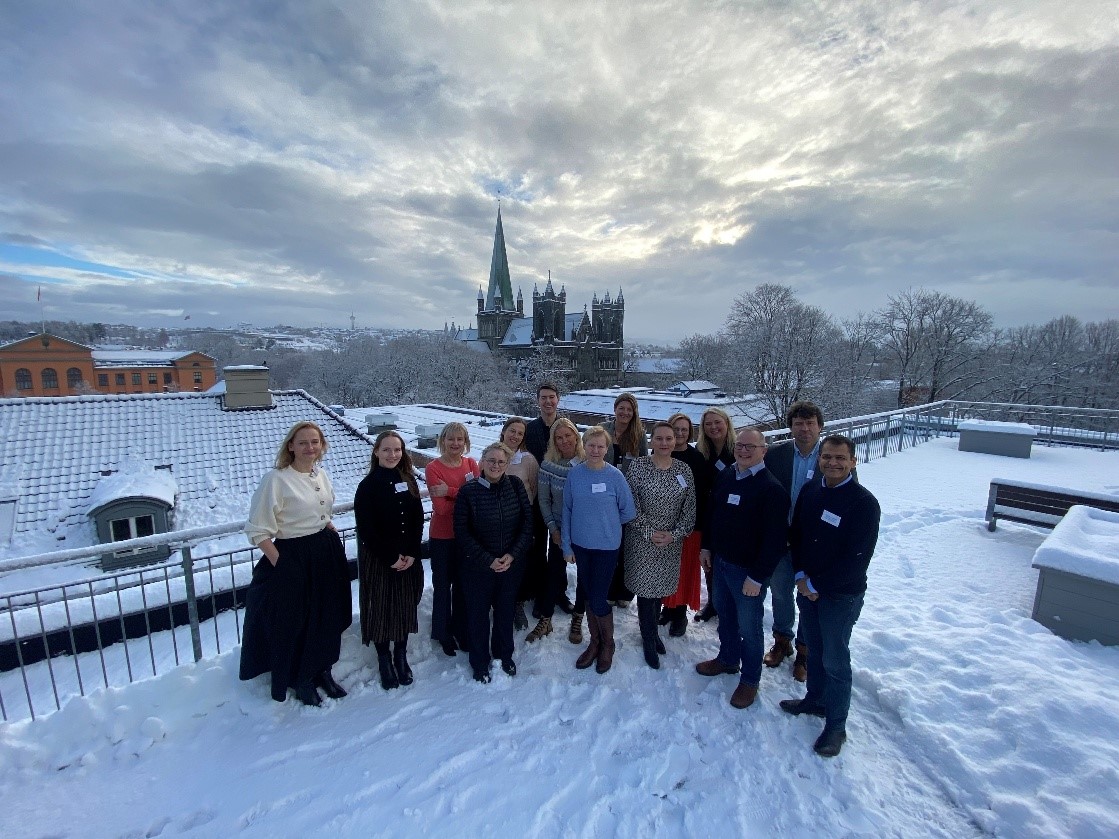
Trondheim, Norway – February 18, 2025 – The "MentalHealthMatters" project marked a significant milestone with its 7th Transnational Workshop, bringing together partners from Estonia, Latvia, Finland, Poland, Sweden, and Norway. Hosted in Trondheim, the workshop served as a platform for partners to present concrete action proposals aimed at tackling national mental health challenges, developed in collaboration with National Communities of Practice.
The Latvian delegation introduced three key initiatives:
- Policy and Legal Improvenemts – Integrating mental health and psychosocial risk factors into future public health and work-life policy frameworks, alongside refining the legal framework to define and regulate psychosocial risk assessment.
- Training Curriculum Improvements – Enhancing official training curricula for Occupational Safety and Health experts, particularly at the higher education level.
- Diagnostics System Advancements – Strengthening the diagnostic system for occupational psychosocial disorders, such as burnout.
In parallel, a dedicated "First-Aid Kit" session explored ongoing developments, focusing on national adaptations, communication strategies, and promotional activities following the toolkit’s launch. The RSU team provided updates on the technical development of the kit, usability testing feedback, and progress on a short promotional video.
The workshop also facilitated discussions on the roadmap concept, national chapters, upcoming national hearings, and the latest transnational roadmap draft, refining key target groups and messaging strategies.
Project lead NDPHS announced that the project's final event will be held in Vilnius on April 3, 2025, in conjunction with the EU Strategy for the Baltic Sea Region (EUSBSR) Policy Area Steering Group meeting.
Information posted on 28.02.2025
- The project culminates in Vilnius, Lithuania
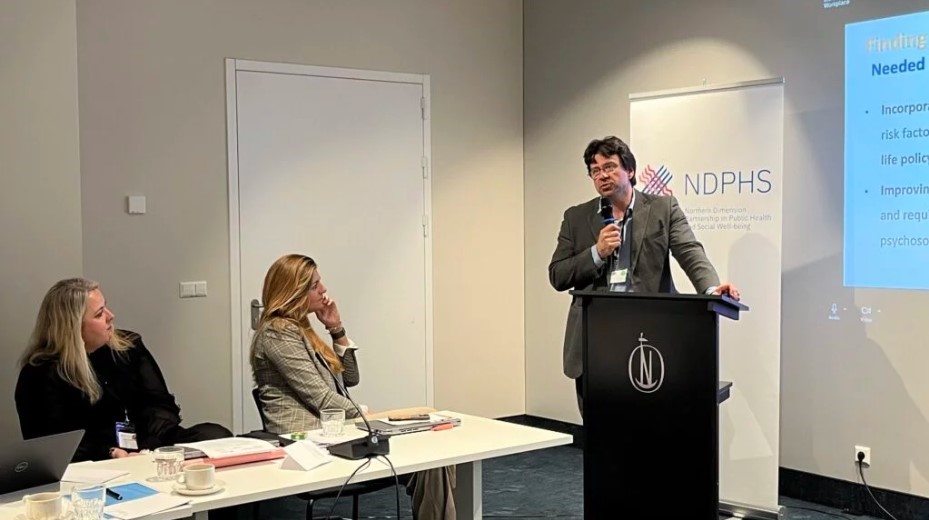
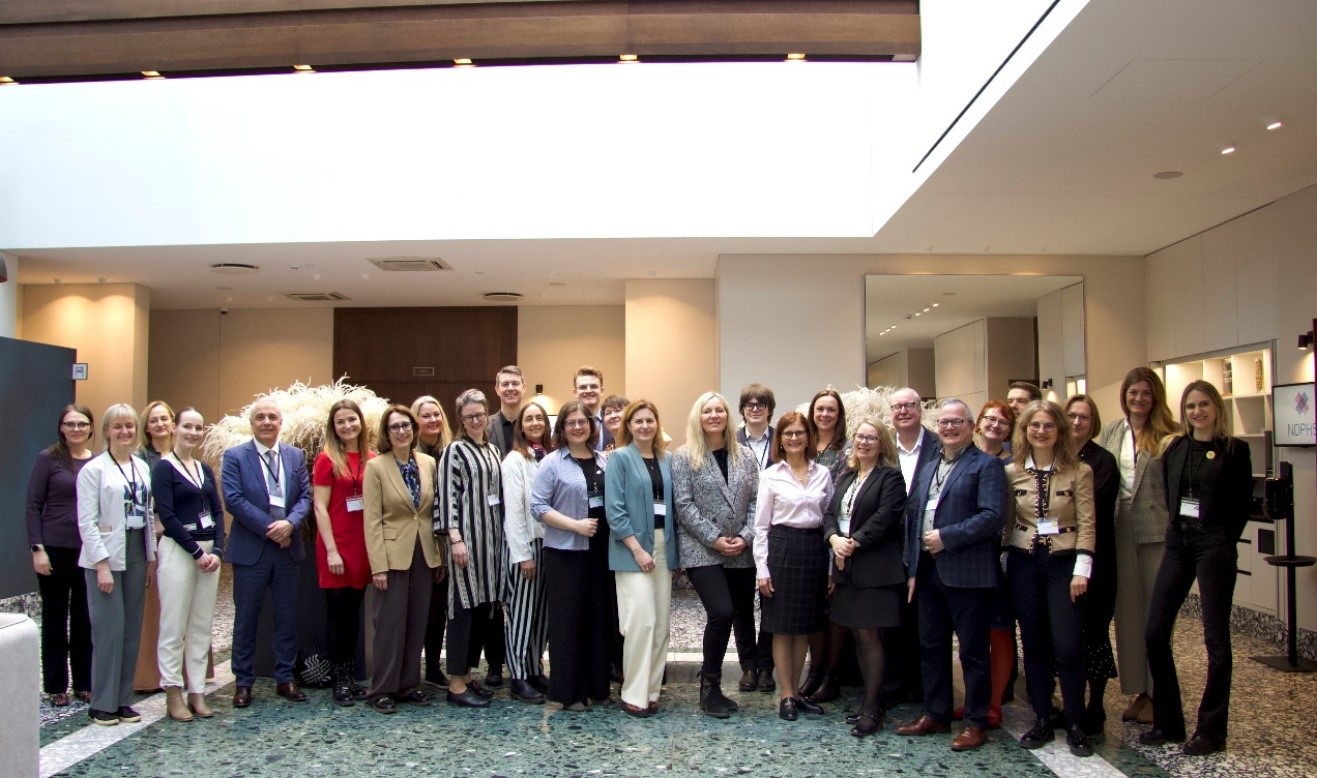
Imagine the ideal workplace of 2035. What does it look like? What steps are needed to achieve it? These are the key questions that have been driving the MentalHealthMatters project, dedicated to paving the way to healthier and more sustainable workplaces. The final project meeting took place on April 3, 2025, in Vilnius, Lithuania.
A key component of the project has been the establishment of National Communities of Practice in each of the participating countries, namely Estonia, Finland, Latvia, Poland and Norway. In Vilnius, the work of these Communities of Practice took centre stage, as the project partners presented the country-specific recommendations and proposals developed by them, focusing on improving the psychosocial work environment. The concrete proposals were delivered to senior officials from the Ministries of Health, the WHO Regional Office for Europe, the International Labour Organisation, and the European Commission, facilitating exchange of knowledge.
The project outcomes reveal diverse yet often similar challenges across the Baltic Sea Region, requiring tailored solutions to each country’s unique circumstances. Highlights from each country include:
- Norway’s efforts to improve the psychosocial work environment for migrant workers, particularly in the cleaning industry.
- Finland’s aim at increasing the competences and skills of Occupational Safety and Health (OSH) professionals through education and training.
- Latvia’s work on raising awareness and readiness among employers in small and medium-sized enterprises, to identify, assess, and prevent psychosocial risks.
- Poland’s increased emphasis on workplace health promotion and the creation of a culture of health to help employers address psychosocial risks.
- Estonia’s investigation into the needs of small businesses, with a central theme being the reduction of stigma around mental health at work.
The meeting also addressed the systematic nature of workplace mental health, highlighting that while employers bear the ultimate responsibility for ensuring a good and safe work environment for their employees, addressing psychosocial risks requires a more systematic approach involving a whole ecosystem of stakeholders and actors, from individual workers to EU institutions.
A major outcome of the MentalHealthMatters project has been the development of the First-Aid Kit for Mental Health: Supporting Workplace Well-being. This online tool is designed as a curated collection of evidence-based resources and tools for workplace leaders and human resources to improve workers well-being. Tailored specifically for small businesses and organisations with limited access to OSH resources, it provides easy-to-implement, low-resource actions. This tool, which will initially be available in English, Estonian, Finnish, Latvian and Norwegian, will be launched soon this Spring.
In conclusion, the MentalHealthMatters project has delivered valuable insights and practical tools for supporting mental well-being in workplaces across the Baltic Sea Region. The outcomes that were presented underscore the importance of addressing psychosocial risks with the same seriousness as physical risks and highlight the necessity of collaborative and cross-sectoral efforts at both national and transnational levels to foster healthier and more sustainable working lives.
Information posted on 07.04.2025
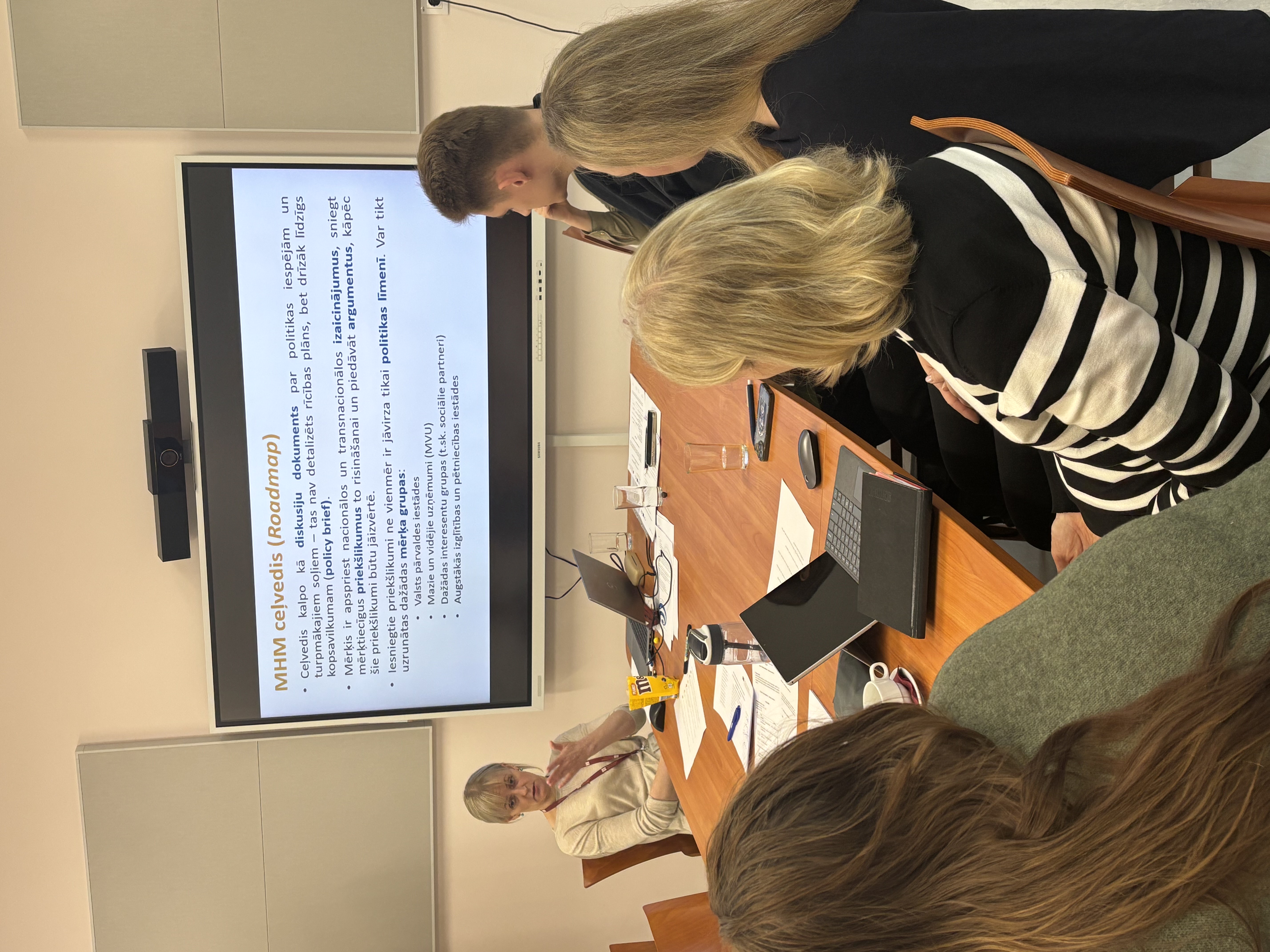
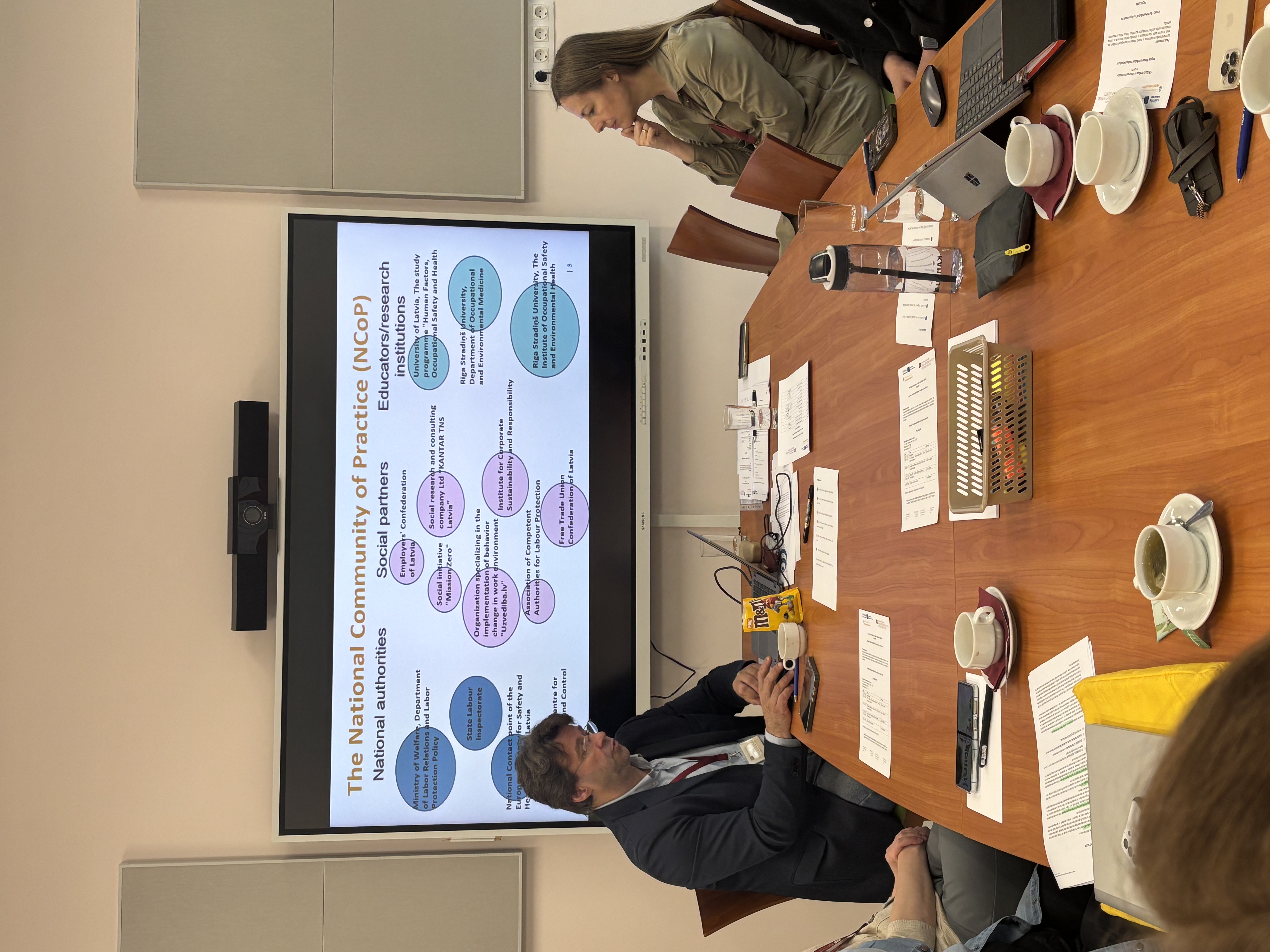
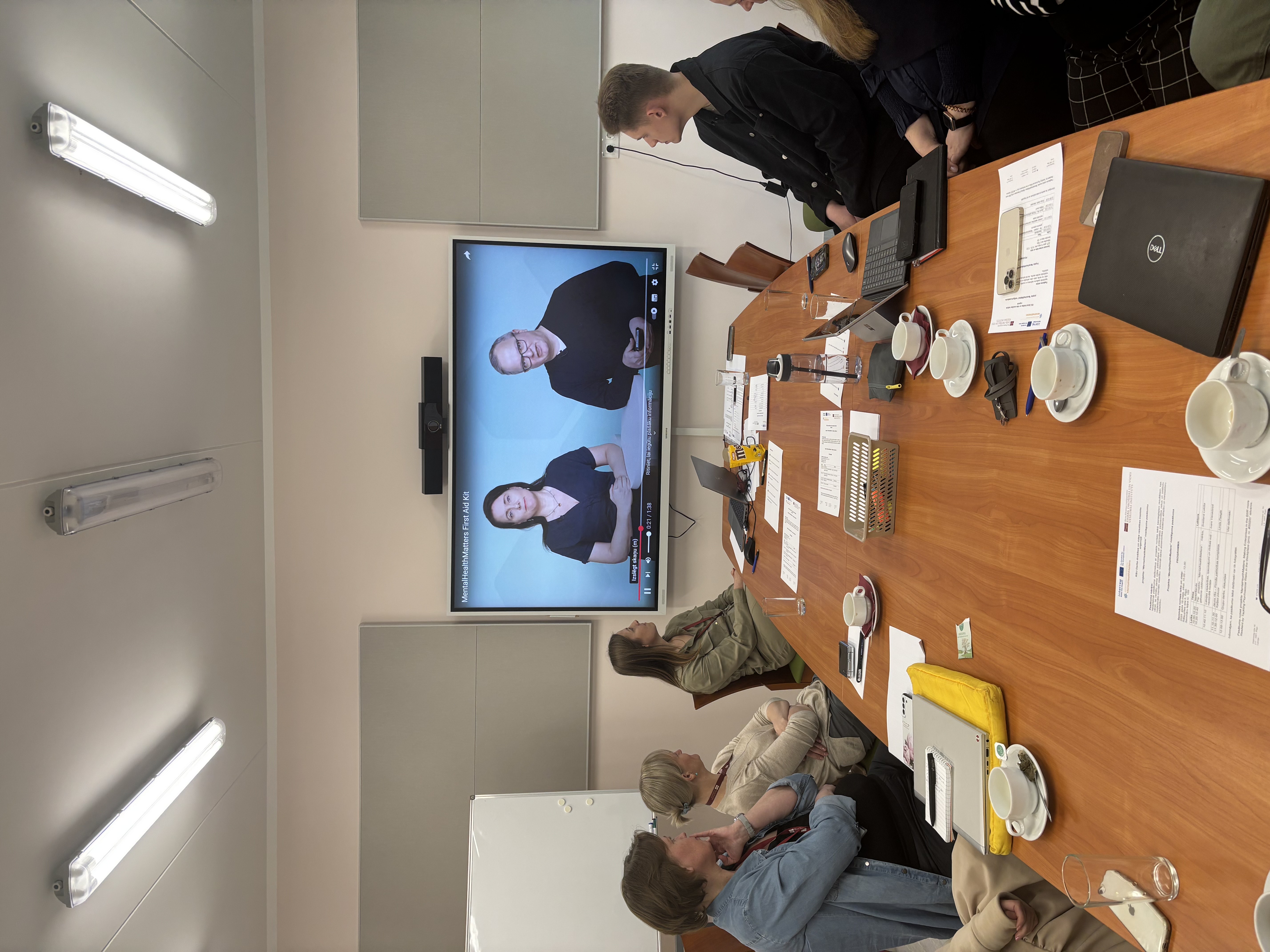
- National Hearings of the Interreg Baltic Sea Region Project “Mental Health Matters” Held in Riga
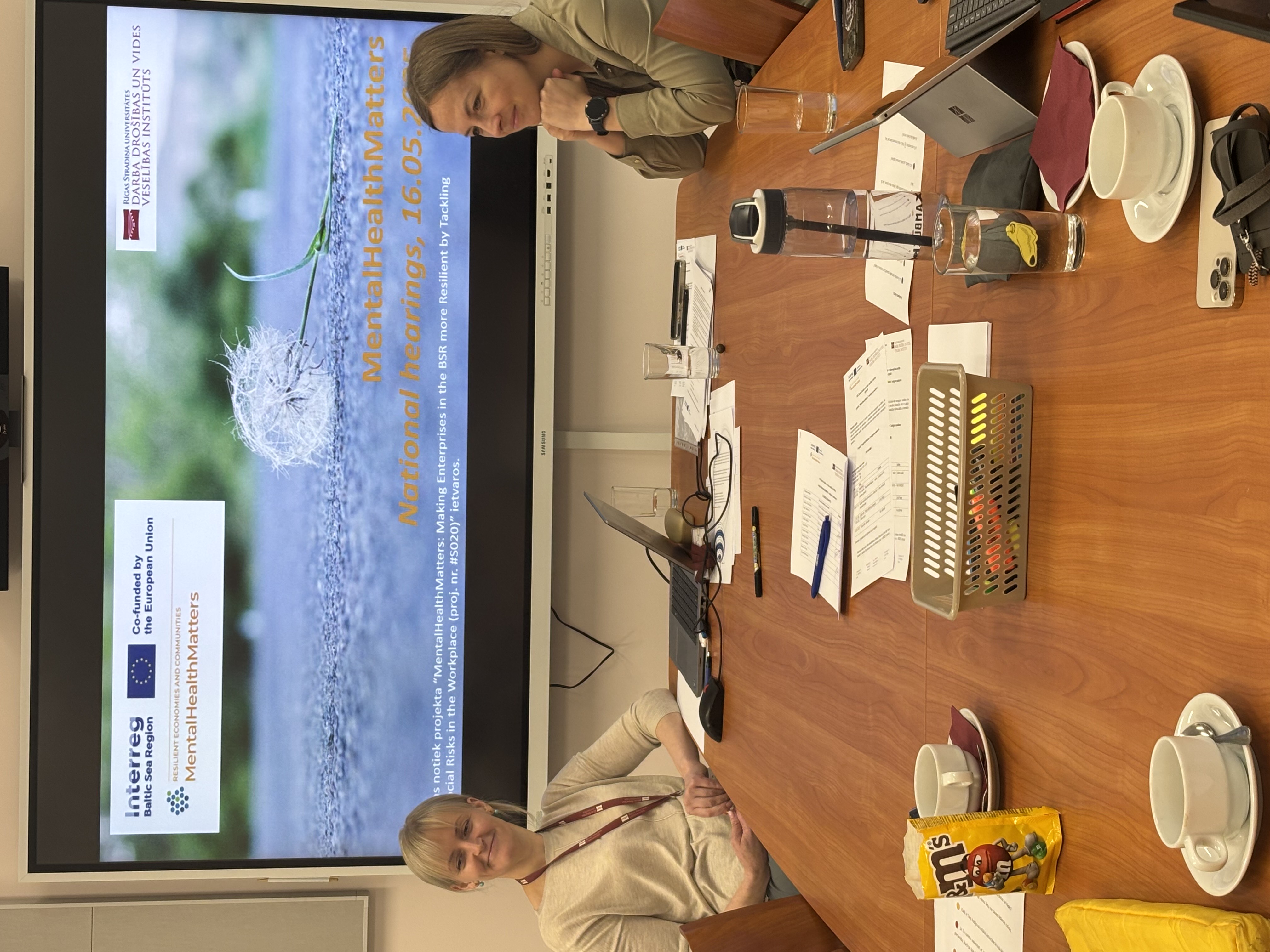
On 16 May 2025, the national hearings of the Interreg Baltic Sea Region project “Mental Health Matters” in Latvia took place at the “Kleisti” Science Centre of Rīga Stradiņš University. During the event, the project team presented the main results and key conclusions.
The event brought together members of the National Community of Practice - subject-matter experts who had made significant contributions at various stages of the project by sharing their professional knowledge and perspectives on psychosocial risks in the work environment — ranging from stigma reduction to the need for changes in legislation.
The event opened with a reminder of the importance of mental health in the workplace. Stress, depression, and anxiety are the second most common work-related health issues in the European Union. Nearly 45% of employees annually report exposure to risk factors at work that threaten their psychological well-being. Psychosocial risks are particularly complex due to their individual nature — unlike physical risks such as noise or chemical exposure, psychosocial factors may affect each person differently, which makes their management more challenging.
During the event, participants were introduced to the project’s key focus areas as well as best practices from partner countries. Identified areas for improvement in highlighting and managing psychosocial risks in Latvia were also presented. In addition, the project team showcased the “First Aid Kit” — a tool developed to address various work-related psychosocial issues by providing structured informational materials, guidelines, and self-assessment tools.
In the concluding part of the event, participants engaged in interactive group activities, assuming different roles — employees, employers, and occupational safety specialists — to analyse practical scenarios and seek the most suitable solutions for strengthening mental well-being in the workplace.
Overall, the event sparked valuable discussions on the relevance of mental health in the Latvian work environment and the need to raise awareness, reduce stigma, and implement effective mechanisms for identifying and assessing psychosocial risks.

Updated on May 19, 2025



