First Baltic Emergency Medicine Congress
26–27 May 2026
Marking the International Emergency Medicine Day, Rīga Stradiņš University will be hosting the First Baltic Emergency Medicine Congress – a significant event in the healthcare sector and the first large-scale international event in the history of emergency medicine in Latvia.
Over the course of two days, the congress will bring together emergency medicine professionals from Latvia, Lithuania, Estonia, Ukraine, France and the United States creating a dynamic platform for experience exchange, professional discussion, and strengthening international cooperation. The two-day programme includes the professional competition Baltic Emergency Medicine SimCup, practical skills workshops, a panel discussion, the annual meeting of the Emergency Medicine Association of the Republic of Latvia (LNMA), the student thesis competition Show Your Research, as well as the Congress with three thematic sections chaired by leading specialists and guest lecturers.
The First Baltic Emergency Medicine Congress is intended as a long-term initiative and will highlight the development of the emergency system, human resource challenges, professional competencies, and innovations in providing acute care, while simultaneously strengthening the industry's prestige. The First Baltic Emergency Medicine Congress is organized by Rīga Stradiņš University.
Programme
| 26 May RSU Medical Education Technology Centre, 26A Anniņmuižas bulvāris, Rīga | |
|---|---|
| 9:00–17:00 | Competition for emergency medicine professionals: Baltic Emergency Medicine SimCup |
| 10:00–17:00 | Professional development workshops for field experts |
| 13:00–16:00 | Student Thesis Competition: Show Your Research |
| 14:00–15:00 | Annual meeting of the Latvian Emergency Medicine Association (LNMA) |
| 15:00–16:30 | Panel discussion 'From Proud Professionals to Future Leaders: Advancing EM Education' |
Emergency Medicine Professionals Competition: Baltic Emergency Medicine SimCup
The Baltic Emergency Medicine SimCup, a competition for emergency medicine professionals, is a simulation-based resuscitation skills contest for certified healthcare professionals. On May 26, 2026, the competition will bring together six professional healthcare teams from Estonia, Latvia, and Lithuania at the RSU Medical Education Technology Centre.
In six dynamic emergency medicine scenarios developed in accordance with the 2025 guidelines of the European Resuscitation Council (ERC), team members will demonstrate their clinical expertise and their ability to make accurate decisions in realistic crisis situations. The aim of the competition is to enhance teamwork among emergency medicine professionals, strengthen professional communication in acute situations, and promote networking among Baltic specialists.
The competition will be held in English and will be coordinated and led by Aleksandrs Oborins, Head of Simulation-Based Education Development at the RSU Medical Education Technology Centre.
Student competition
The Rīga Stradiņš University invites students to participate in the scientific abstract competition held within the framework of the First Baltic Emergency Medicine Congress.
The aim of the competition is to promote student interest in research in emergency medicine, to develop their analytical and critical thinking skills, and to provide an opportunity to share their scientific achievements and research.
Applications are open until 5:00 PM 6 May 2026.
Register for the Congress (27 May)
| 16 Dzirciema iela, Rīga Rīga Stradiņš University Great Hall | |
|---|---|
| 9:00 | Opening Session |
| 9:15–9:45 | Challenges in Emergency Medicine Aleksejs Višņakovs, Chief Specialist in Emergency Medicine, Ministry of Health of the Republic of Latvia, Head of the Emergency Medicine and Patient Admission Clinic, Rīga East University Hospital, Latvia |
| Section I Emergency Care in Hospitals | |
| 10:00–10:30 | Beyond the Baltics: Hospital-Based Emergency Care as the Foundation of Health Systems – Global Lessons and Future Directions Dr. Jānis Tupesis, University of Wisconsin School of Medicine & Public Health (US) |
| 10:30–10:45 | Emergency Medicine in Lithuania Prof. Pranas Šerpytis, MD, PhD Head of the Emergency Medicine Clinic, Faculty of Medicine, Vilnius University, Lithuania |
| 10:45–11:00 | Major Trauma Management at a Tertiary Trauma Centre Dr. Paulius Uksas, Head of the Emergency Department, Vilnius University Hospital, Lithuania |
| 11:00–11:15 | High-Risk Acute Coronary Syndromes: Identifying Vulnerable Patients and Reducing Adverse Outcomes Dr. Renata Juknevičienė, MD, PhD Emergency Physician and Researcher, Faculty of Medicine, Clinic of Emergency Medicine, Vilnius University, Lithuania |
| 11:15–11:30 | Invasive Treatment Methods for Severe Hypothermia (Experience of Pauls Stradiņš Clinical University Hospital) Dr. Jevgēnijs Kravčuks, Chief Physician, Emergency Medicine Centre, Pauls Stradiņš Clinical University Hospital, Latvia |
| 11:30–11:45 | From the Smell of a Flower to the ECMO – Monkshood Incident Dr. Kuido Nõmm, Emergency Medicine Specialist; President, Estonian Society of Emergency Physicians; Physician-Lecturer, Centre of Military and Disaster Medicine, Estonian Defence College, Estonia |
| 11:45–12:00 | Atypical Clinical Presentation of Vertebral Artery Dissection Dr. Olga Saļuka, Emergency Medicine Physician, Emergency Medicine and Patient Admission Clinic, Rīga East University Hospital, Latvia |
| 12:00–12:15 | Isolated Proximal Ureteral Injury Following Low-Impact Blunt Trauma Dr. Marks Tumass, Emergency Medicine Physician, Emergency Medicine and Patient Admission Clinic, Rīga East University Hospital, Latvia |
| 12:15–13:00 | Lunch break |
| Section II Pre-Hospital Emergency Medicine | |
| 13:00–13:30 | Ventilation in cardiac arrest: The unmet need? Prof. Abdo Khoury, Department of Emergency Medicine, Besançon University Hospital, France |
| 13:30–13:45 | Pre-Hospital Non-Transport: Evidence, Safety, and Implications for Emergency Physicians Dr. Aleksandras Briedis, MD, PhD cand. Emergency Physician, Republican Vilnius University Hospital, Emergency Department Vilnius University Hospital Santaros Klinikos, Emergency Department Faculty of Medicine, Clinic of Emergency Medicine, Vilnius University, Lithuania |
| 13:45–14:00 | Possibilities and Future Potential of Drone Use in Pre-Hospital Emergency Medicine Rafaels Ciekurs, Head of the NMPD Team Support Centre “Krasts”; Doctoral Student, Rīga Stradiņš University, Latvia |
| 14:00–14:15 | Artificial Intelligence in Triage: Review of Previous Work and Future Directions Dr. Dovydas Matuliauskas, MD, PhD cand. Faculty of Medicine, Clinic of Emergency Medicine, Vilnius University, Lithuania |
| 14:15–14:30 | The Sky’s the Limit: Aviation-Inspired Strategies for Safer Emergency Medicine Dr. Aleksandra Oborina, Resident in Anaesthesiology and Reanimatology, Rīga East University Hospital, Latvia |
| 14:30–14:45 | Building Employee Competencies as the Cornerstone of Organisational Resilience Antra Laumane, Head of the Competence Development Centre, State Emergency Medical Service of Latvia |
| 14:45–15:00 | Break |
| Section III Civil–Military Emergency Medicine | |
| 15:00–15:30 | Military and Disaster Medicine – Similarities and Differences Normunds Vaivads, Lieutenant colonel, Chief Medical Officer in the Medical Service of the Joint Headquarters of the National Armed Forces |
| 15:30–15:45 | Civil-Military Medicine in Lithuania: Challenges and the Way Forward Dr. Šarūnas Maciulevičius, MD Emergency Physician, Republican Vilnius University Hospital, Emergency Department; Faculty of Medicine, Clinic of Emergency Medicine, Vilnius University, Lithuania |
| 15:45–16:00 | Evolution of Simulation Training in Military and Disaster Medicine Dr. Siim Rinken, Emergency Medicine Specialist, Tartu University Hospital; Estonian Military Academy, Centre of War and Disaster Medicine; Chief of the Lecturers Group, Estonia |
| 16:00–16:15 | Civil–Military Medical Education in Latvia Assoc. Prof. Vladimirs Voicehovskis, MD, PhD Head of the Military Medical Teaching Staff Group, Faculty of Medicine, Rīga Stradiņš University, Latvia |
| 16:15–16:30 | Hospital Preparedness for Emergencies: The Role of SAIRIS in Resource Management and Crisis Response Dita Heiberga, Director of the Centre of Emergency and Disaster Medicine, State Emergency Medical Service of Latvia |
| Closing session | |
| 16:30–16:45 | Healthcare Simulation in Emergency Medicine Aleksandrs Oborins, Head of Simulation-Based Education Development, Medical Education Technology Centre, Rīga Stradiņš University, Latvia |
| 16:45–17:00 | Strategic Development of Emergency Medicine in the Baltic States: Decisions Adopted at the Joint Meeting Sarmīte Villere, President of the Board, Latvian Emergency Medicine Association, Latvia |
Prof. Jānis Tupesis, University of Wisconsin School of Medicine and Public Health, USA
Dr. Jānis Tupesis is an emergency physician and global health leader dedicated to strengthening health systems and advancing emergency care worldwide. His work focuses on building sustainable training programs, promoting equity in healthcare, and developing practical solutions for communities affected by crisis and limited resources.
Throughout his career, Jānis has collaborated with colleagues across the globe to establish and expand emergency medicine training programs that build local capacity and improve patient care in resource-limited settings. At the University of Wisconsin, he has held leadership roles in residency education and accreditation, while working closely with the Global Health Institute to bridge academic training with real-world healthcare needs.
Throughout his career, Dr. Jānis Tupesis has collaborated with international organizations including the World Health Organization (WHO), International Federation for Emergency Medicine (IFEM), African Federation for Emergency Medicine (AFEM) un American College of Emergency Physicians (ACEP) to advocate for equitable, innovative, and technology-enabled approaches to healthcare delivery and medical education. He strongly believes that education and advocacy are powerful drivers of systemic change and essential to preparing the next generation of health leaders.
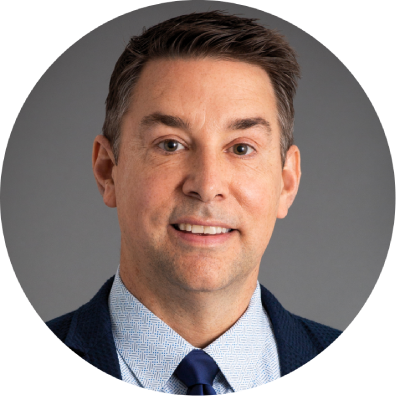
Prof. Abdo Khoury, Department of Emergency Medicine, Besançon University Hospital, France
Prof. Abdo Khoury is a specialist in Emergency and Critical Care Medicine at the University of Franche-Comté Medical & Trauma Center in Besançon, France. His clinical expertise spans emergency medicine, intensive care, disaster medicine, mobile intensive care units, air and mountain rescue operations, and response in perilous environments.
An internationally recognized expert, Prof. Khoury serves as a consultant to the World Health Organization and the European Commission, contributing to emergency preparedness planning and the strengthening of emergency medical systems. He leads research in mechanical ventilation, develops simulation-based training in emergency medicine, and has held senior leadership roles within the European Society for Emergency Medicine. Through his lectures, publications, and global collaborations, he promotes innovation, education, and high-level preparedness in critical and disaster medicine.
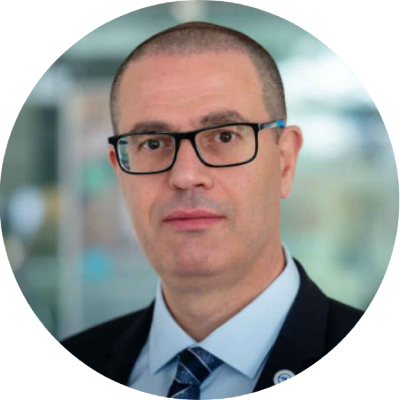
Aleksejs Višņakovs, Chief Specialist in Emergency Medicine, Ministry of Health of the Republic of Latvia; Head of the Emergency Medicine and Patient Admission Clinic, Rīga East University Hospital
Aleksejs Višņakovs is one of the leading emergency medicine experts in Latvia. He serves as the Chief Specialist in Emergency Medicine at the Ministry of Health of the Republic of Latvia and as the Head of the Emergency Medicine and Patient Admission Clinic at Rīga East University Hospital. He is also the the Head of the residency program “Emergency Medicine Physician” at Riga Stradiņš University, where he is actively involved in the training of future emergency medicine specialists.
Alongside his clinical and academic work, Aleksejs Višņakovs serves as the Head of the Specialist Physician Team at the Emergency Medical Service of Latvia, participating in high-complexity emergency responses and strengthening cooperation between pre-hospital and in-hospital emergency care. His professional activities are focused on the development of the emergency medical system, strengthening hospital preparedness, and improving quality in emergency situations.
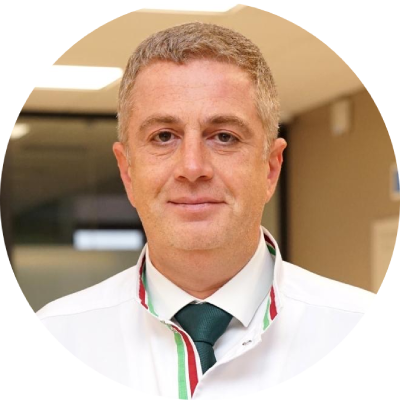
Exhibition Booth Placement for Companies
Within the framework of the congress, companies have the opportunity to participate in an exhibition with their own themed booth. Organizations whose activities are related to emergency medicine or healthcare are invited to apply.
Terms and Conditions
- Booth setup on 27 May at 16 Dzirciema iela
- € 440 (incl. VAT) per day
- 5–10 m² booth
- Application deadline: April 30 by emailing mitc
 rsu[pnkts]lv and providing company details
Contact us
RSU Medical Education Technology Centre
Phone: +37167061573
E-mail: mitcrsu[pnkts]lv