Haralds Plaudis: ‘Curiosity has guided me throughout my professional life’


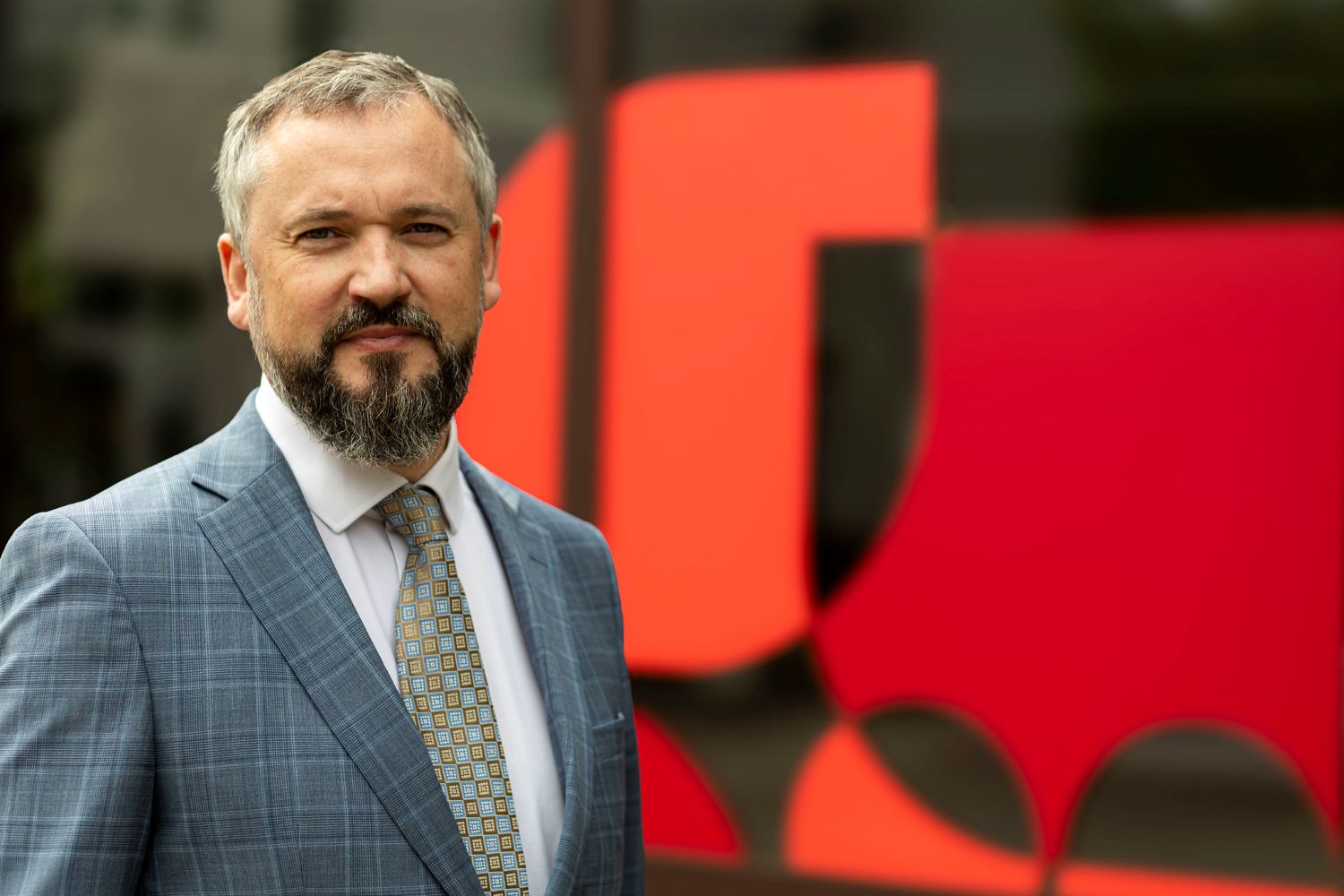
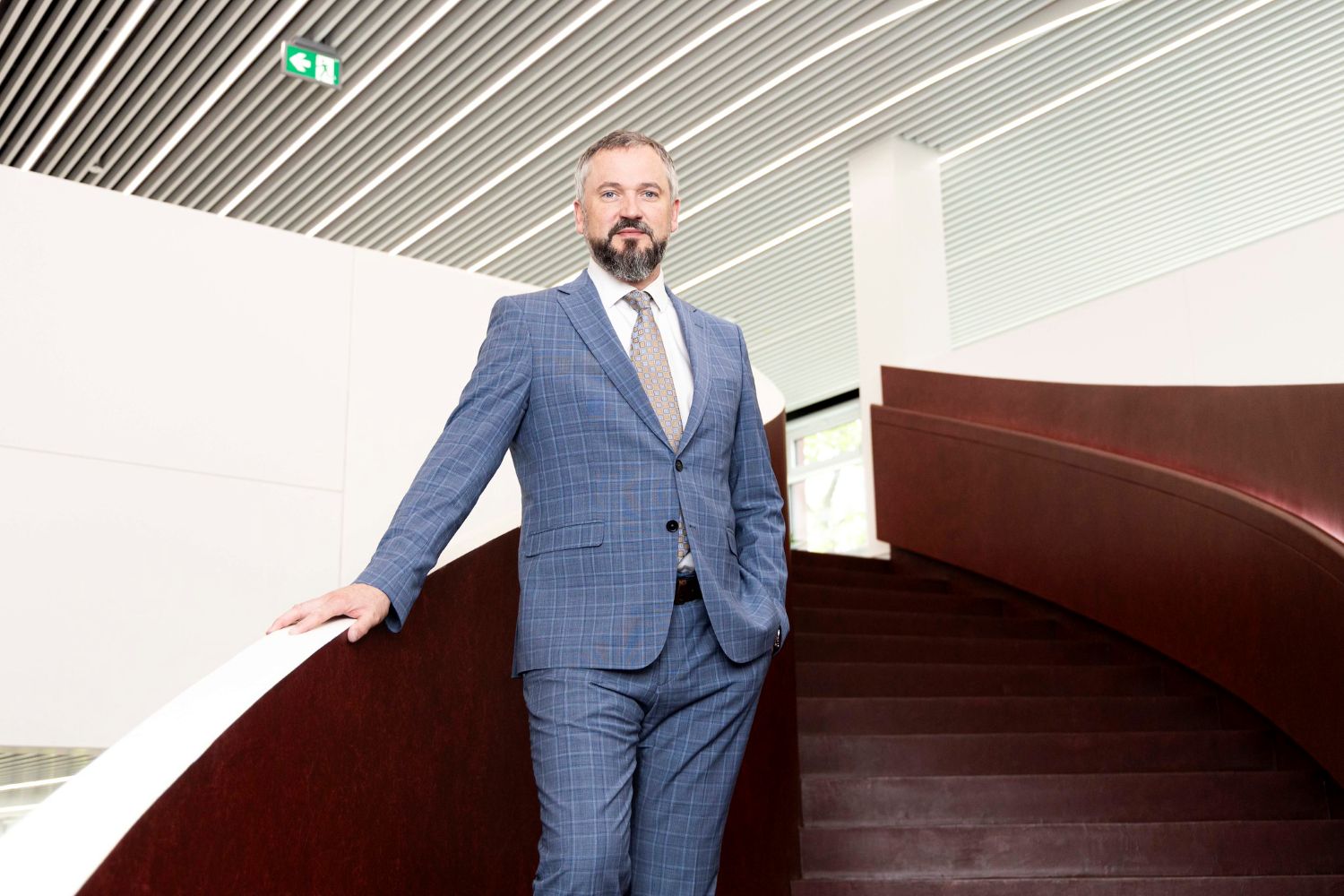
In the beginning of May, Professor Haralds Plaudis took office as Rīga Stradiņš University (RSU) Vice-Rector for Studies. He has been part of the RSU community for several decades as both a graduate of the Medical Academy of Latvia (now RSU) and an employee of nearly 23 years, having started his career at the university as a laboratory assistant. In our conversation, we asked the professor about his first impressions in his new role and learned what helps him recharge and maintain balance amid his demanding work schedule.
Your CV is remarkably impressive and diverse, which naturally raises the question: how does one person manage to accomplish so much? If people had not seen your CV, how would you like them to get to know you? Who are you?
I am a curious person – sometimes even an inquisitive one. I enjoy exploring, discovering new things and working with people.
For the past five years, I have served on the board of Riga East University Hospital, the largest hospital in Latvia, with 1,700 beds and 5,200 employees. This requires certain abilities and skills – both physical and mental – as well as good time management skills. I have always managed to organise and plan my work so that I have time for many things, including surgery. The world has changed and so has surgery – a surgeon no longer has to be responsible for the entire process from start to finish; it can be effectively divided into different segments and stages. In fact, this is the strength of a team, because when people are involved, they learn, they become better, more professional. Over the past five years, while serving on the board, I have continued to practise surgery, and I hope to be able to do so in the future as well.
You mentioned being a curious and inquisitive person. What are your areas of interest?
I always find it strange when people say they are bored because they have nothing to do. It is not as though I am constantly rushing around like a whirlwind, although my family would probably say that I am... In my opinion, if you are interested in things, there is always something to do. There are people to meet, things to explore. The world is a very interesting place.
How did you decide to study medicine? What was the deciding factor?
I do not know, maybe it sounds cliché, but I do not think I have ever had any doubts about it in my life. Sometimes people have to decide whether to take one path or another. I have never had a moment when I thought or hesitated: ‘Well, maybe I should have gone into law, or maybe studied business?’
I have been interested in the medical profession and medicine since primary school, so in secondary school I deliberately chose various specialised subjects – chemistry, math, physics, biology, and languages. I had only one goal: to study at what was then the Medical Academy of Latvia, so Rīga Stradiņš University is my alma mater. Why surgery, specifically? Back then, it was simple: if you were a man, you were expected to go into a surgical specialty – surgery, traumatology, neurosurgery... So, I chose surgery and got hooked on it, because I started volunteering – working and getting involved – as early as my fifth year of medical studies.
Is there anything you regret about what you have or have not achieved so far?
Well, of course there have been failures too, but I feel like I have always learned something from them. We all want to be successful – to do well, to be recognised, and so on. That is certainly very pleasant, but moments of recognition are just fleeting flashes. It is like looking up at the sky in the evening or at night and spotting a shooting star that appears for a moment and then fades away – and that is it. The rest is hard work and also quite a few disappointments.
In fact, we should not be afraid of the possibility of failure, or of failure itself. When it happens, it is not easy; however, it helps us become better professionals. It is part of the process, and we should enjoy it – or at least try to enjoy it.
How are you finding your new position at RSU? What will spark your curiosity here?
Being here at Rīga Stradiņš University is truly a great honour and, at the same time, a great responsibility, because this is my university. Just as Riga East University Hospital is and will always be my hospital, and I will always be grateful to my colleagues who made this path possible for me, I will always be very grateful to the university.
Right now, I am deeply interested in all the processes related to higher education. Since I am here, I am here 100%. I have already met so many people and teams, and I am incredibly inspired. It is fantastic to see people’s eyes light up when they talk about what they do.
I think there are tremendous opportunities here. Very often – and this applies to absolutely everything – when we are immersed in a process or a task, it all seems perfectly normal to us. In my view, it is important to step outside that sense of normality and realise what a remarkable university this is: a wonderful place to study, to teach, and to grow professionally. For example, the international accreditation of the medical programme. It is quite extraordinary that in a small country like Latvia, graduates of RSU can go on to work in virtually any country in the world and be recognised as highly qualified professionals. This is such a source of immense pride and a significant achievement. Because this is not the norm.
We need to step outside the norm and find joy every day. We should take pride in the outstanding things we achieve together and in what we can accomplish. After all, it was not someone else who did it – we did it ourselves, and we should be proud of that.
What are the first things you would like to accomplish at RSU?
Well, of course, I am currently in something of an introductory phase, although, I must say, it feels rather unusual, because I have actually been working at RSU since 2003. That is 23 years. Of course, my path has mainly been clinical. I started with the simplest tasks – back then I was a laboratory assistant in the department, and now I am where I am.
My position requires me to ensure quality, that is, to maintain a very high standard of academic studies. Although research is not directly under my supervision, I believe that studies and research are completely intertwined. It is extremely important that students are engaged from their very first day at the university, so that they feel welcomed and included. When students are involved not only in the academic process, they begin to see other opportunities for growth – as people and as individuals. They become inquisitive and curious individuals who, in turn, are ready to lead others. Well, let that wheel keep turning.
It is also very important to create something new, unprecedented, and unique. Rīga Stradiņš University brings together a fantastic range of expertise – in healthcare, social sciences, and sports – which should work in synergy to create a distinctive educational, research, and scientific offering.
I would also like to emphasise the importance of data and data-driven decision-making. This culture needs to be strengthened and introduced both horizontally and vertically.
Will overseeing the study process, including in the field of social sciences, not be something of a step outside your comfort zone?
Leadership, in general, is a constant zone of discomfort. I can say with full confidence that I certainly do not claim to be an expert in every field of study. What matters is noticing outstanding events, people, and areas of development; inspiring others and inviting them to work together and collaborate so that we can move towards excellence as a team. A leader must create a tailwind to make it easier to move forward.
That is one aspect. The second, in my view, is the absolutely unique opportunity created by having medical studies and the social sciences located within the same university environment. There is nowhere else in Latvia where, for example, we educate future hospital managers. Yet managing a hospital is not the same as managing a company that produces plywood or any other product. It is something entirely different. I believe these are competencies that can only be developed at RSU. This is the immense wealth of expertise that we, as a university, can bring together, integrate, and offer to society.
It would be wonderful if medical students could choose communication courses as electives. We live in an age of communication – if we do not communicate, no one will learn about our achievements. It is important to know how to communicate effectively.
At RSU, we have opportunities to grow and develop ourselves in many different areas.
What is your relationship with sport? Are there any sports you particularly enjoy watching or practising?
For a long time, I was really into running. I have even run a half-marathon, but my work on the hospital board slowed me down a bit. I have suffered a few sports injuries and probably could not run a half-marathon anymore.
There is no doubt that sport, health, and a healthy lifestyle form an excellent combination within RSU study programmes. This is another example of how sports science can interact with healthcare, pharmacy, and RSU’s wider areas of expertise. This synergy has the potential to create real breakthroughs and help develop highly knowledgeable professionals who can train outstanding athletes and drive the sports sector forward.
How do you manage to relax despite your busy schedule?
My hobby in recent years has been maintaining our country property. My family and I bought a property in Krimulda nine years ago. When we first went there, everything was overgrown with bushes, and the house was half-ruined. Over these nine years, we have turned the country property into a gem, so trimming and mowing the lawn are my biggest hobbies. When there are more than two hectares of lawn to mow, it takes about four or five hours. Then, while mowing peacefully, you can think of a lot of things, and I have come up with many good ideas while mowing the lawn or trimming the bushes.
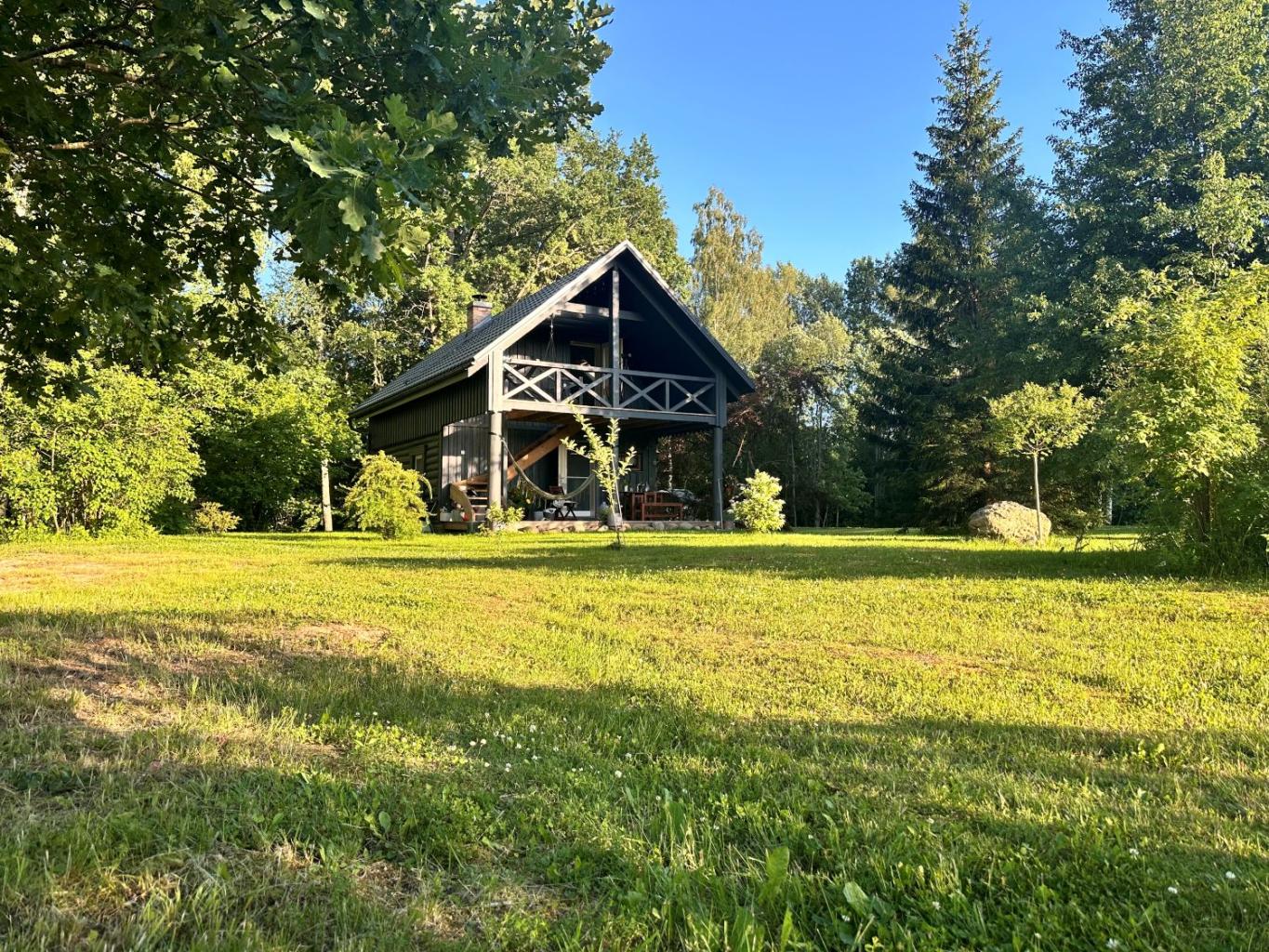
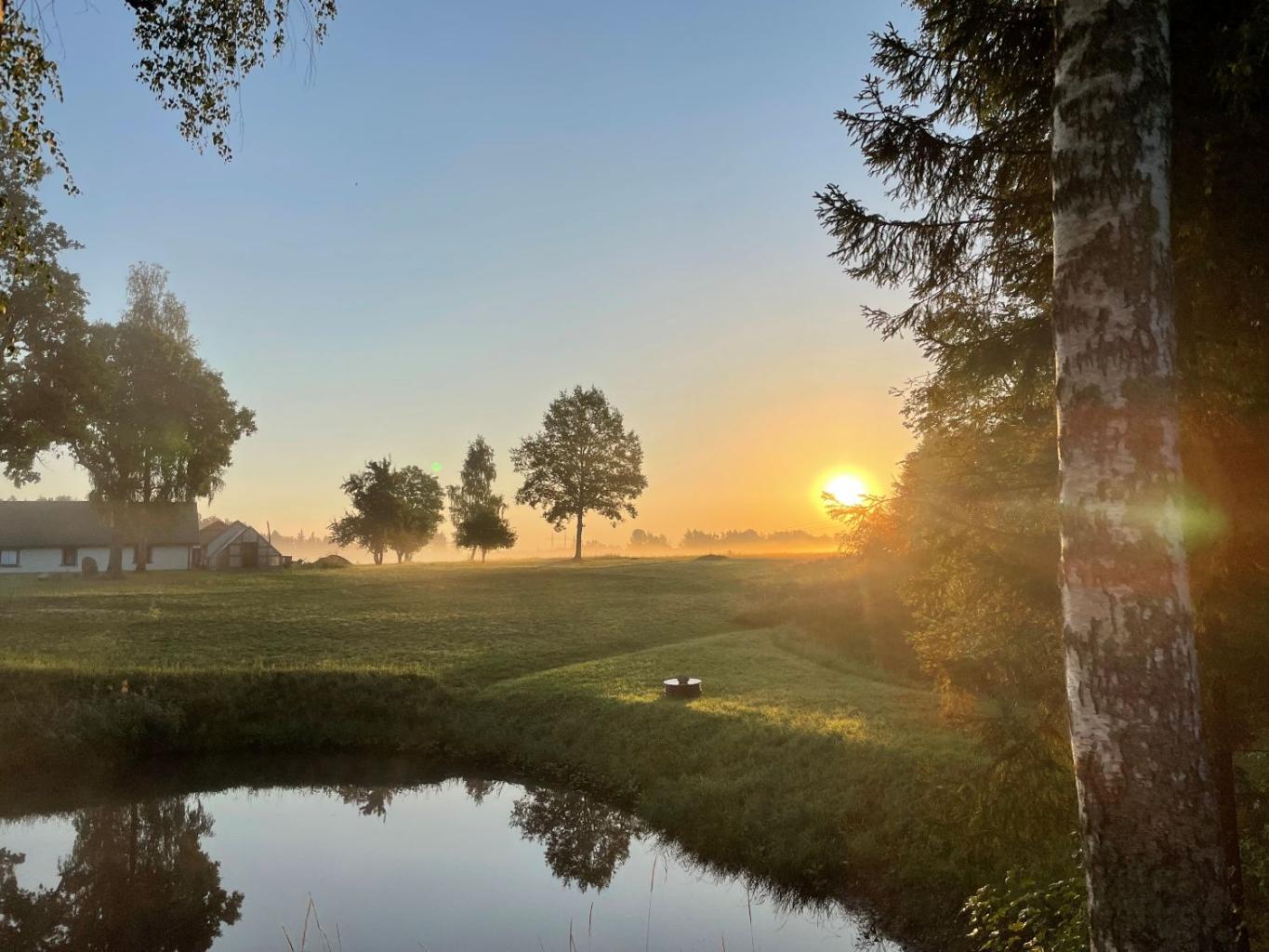
Photo: Courtesy of Haralds Plaudis
Sometimes I get swept up in things, as I like to say. My good friends have gotten me into sailing. I am neither a professional sailor nor a captain, but together we have sailed across both the Mediterranean and the Indian Ocean. And it has been fantastic! It is a completely different way of discovering a foreign country and culture compared to travelling by bus or private car. I could never have imagined what it is like to sail into a harbour on a yacht in the evening at dusk. The view and the feeling are unforgettable – the harbour promenade, the lights, music playing in the background, and the smells coming from the restaurants.
Would you like to introduce your family?
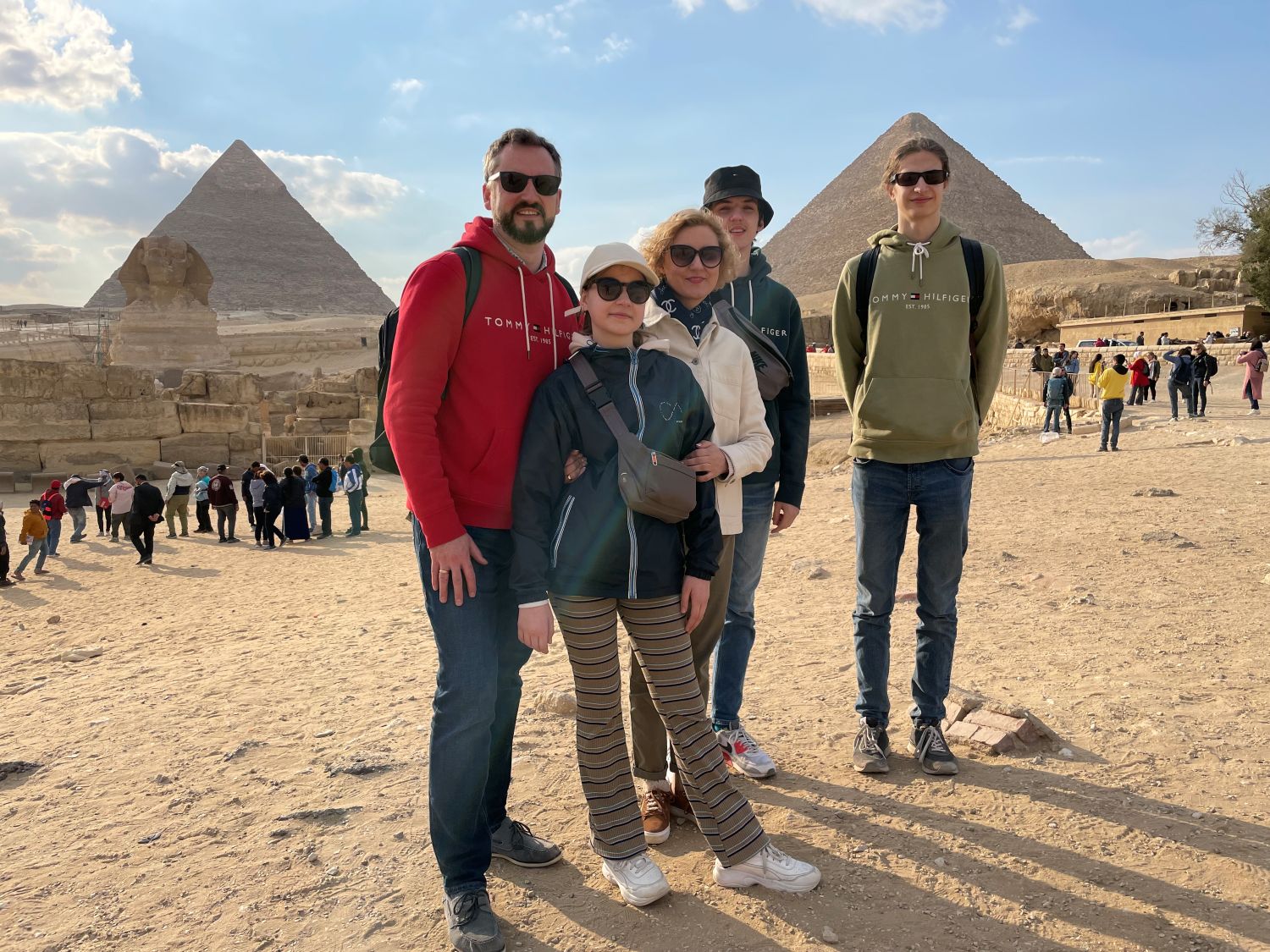
Yes, it is no secret. I am married, and my wife is an artist. She is a glass artist but currently works as an art teacher and paints in her spare time. I have three children. My eldest is studying orchestral conducting at the Jāzeps Vītols Latvian Academy of Music. My youngest son, who is the middle child, has chosen to pursue business and real estate management. He is studying at Riga Technical University. My daughter is still in secondary school, and she is considering a career in medicine. I have not pushed any of my children into anything – it has entirely been their own choice.