Researchers’ Night at RSU gathers nearly 3,000 visitors
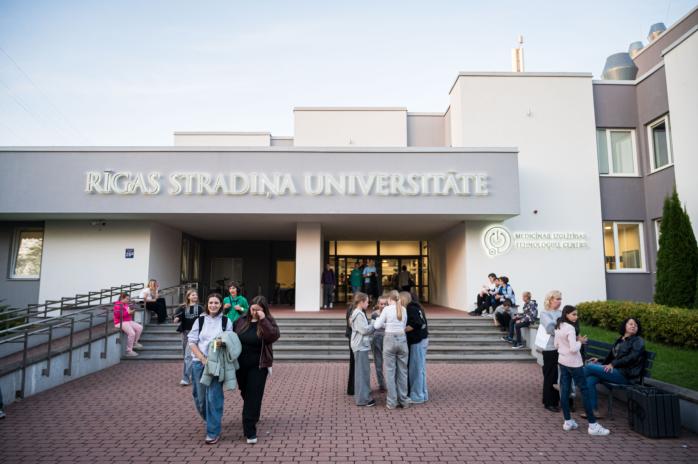
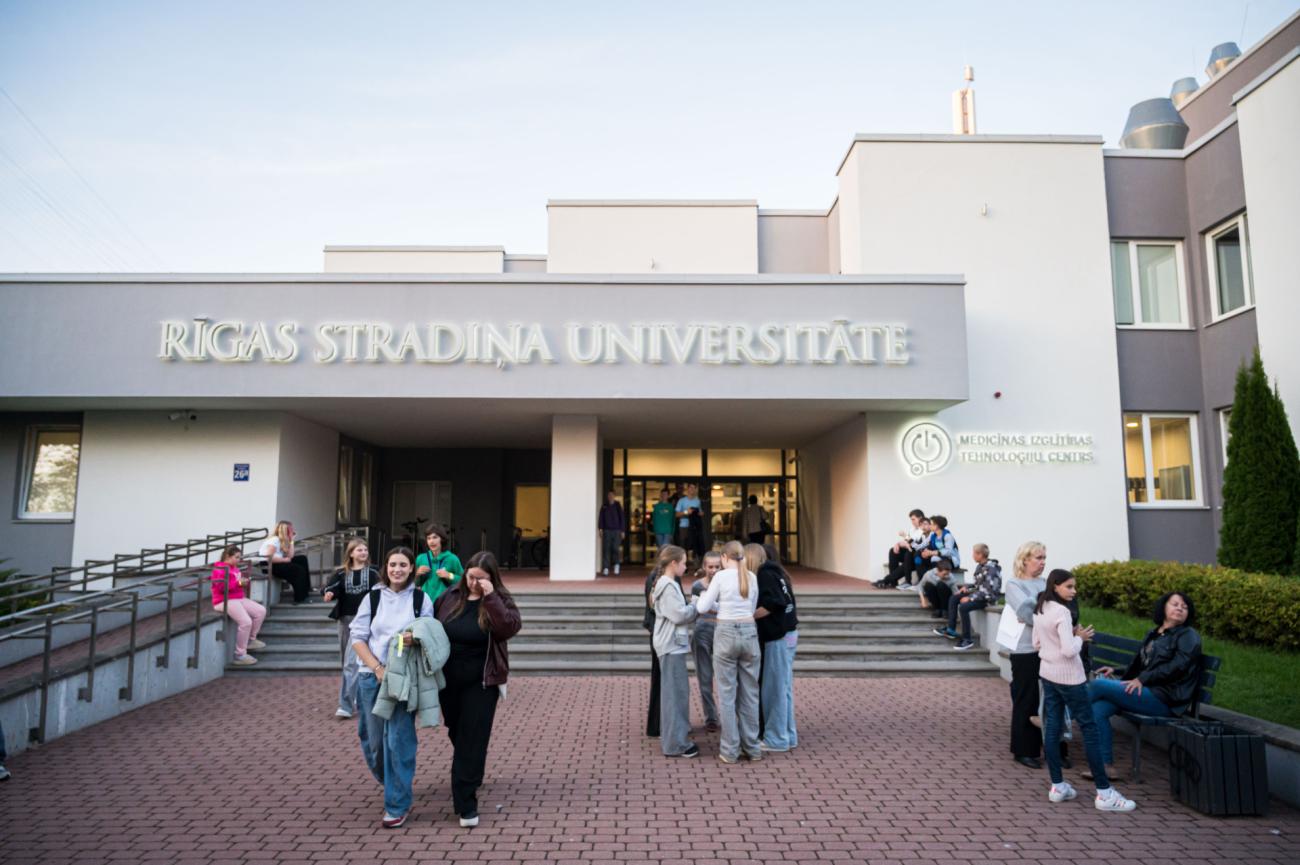
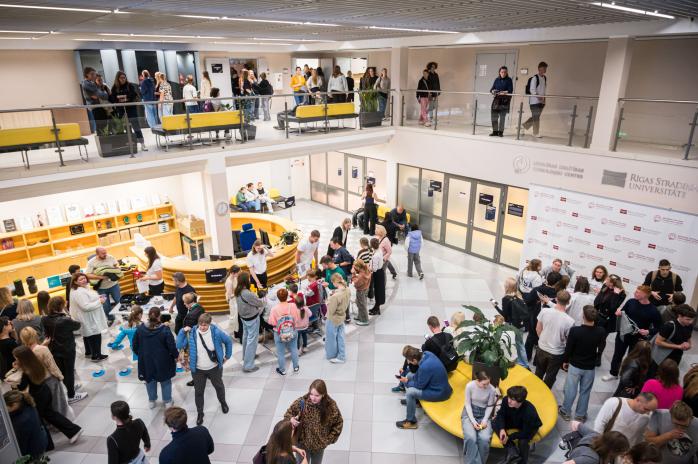
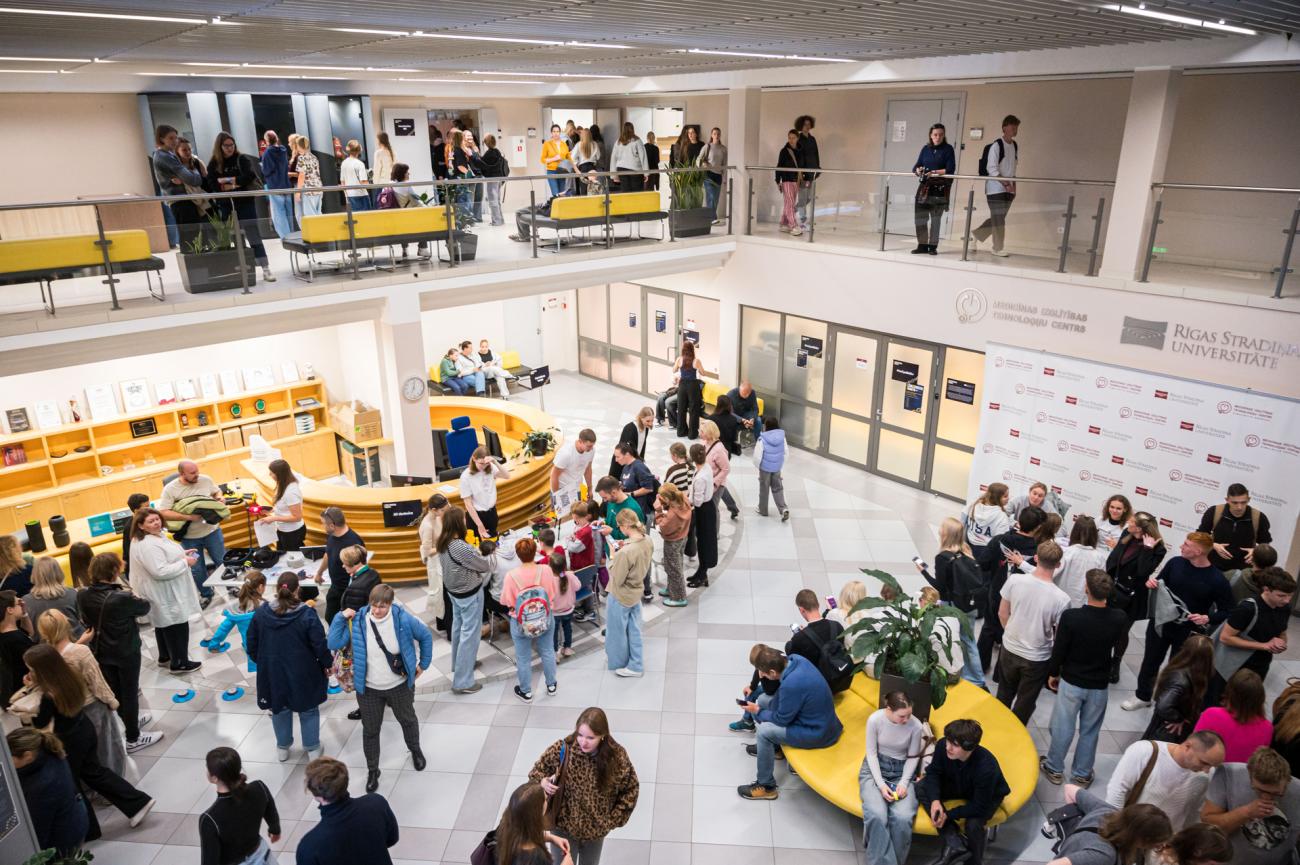
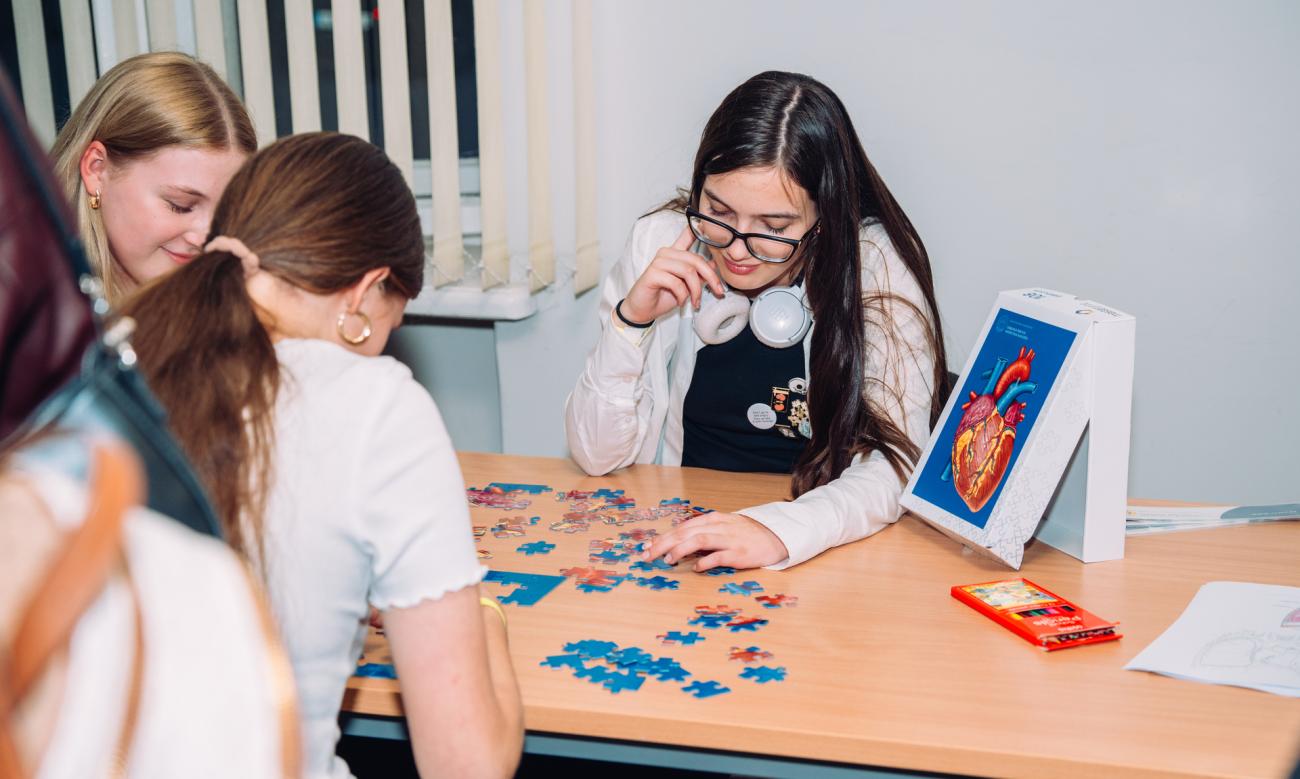
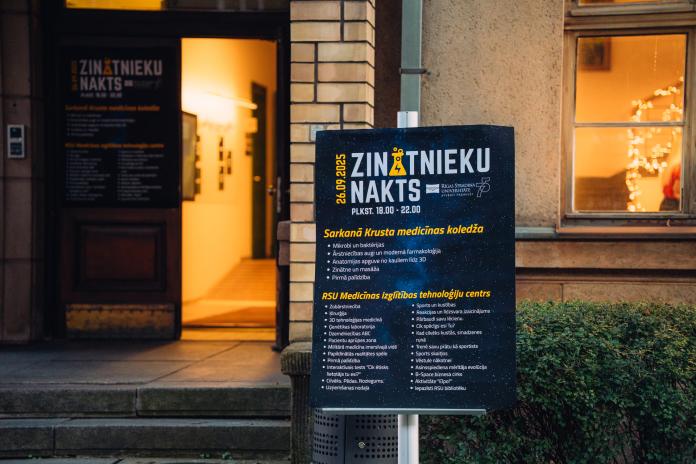
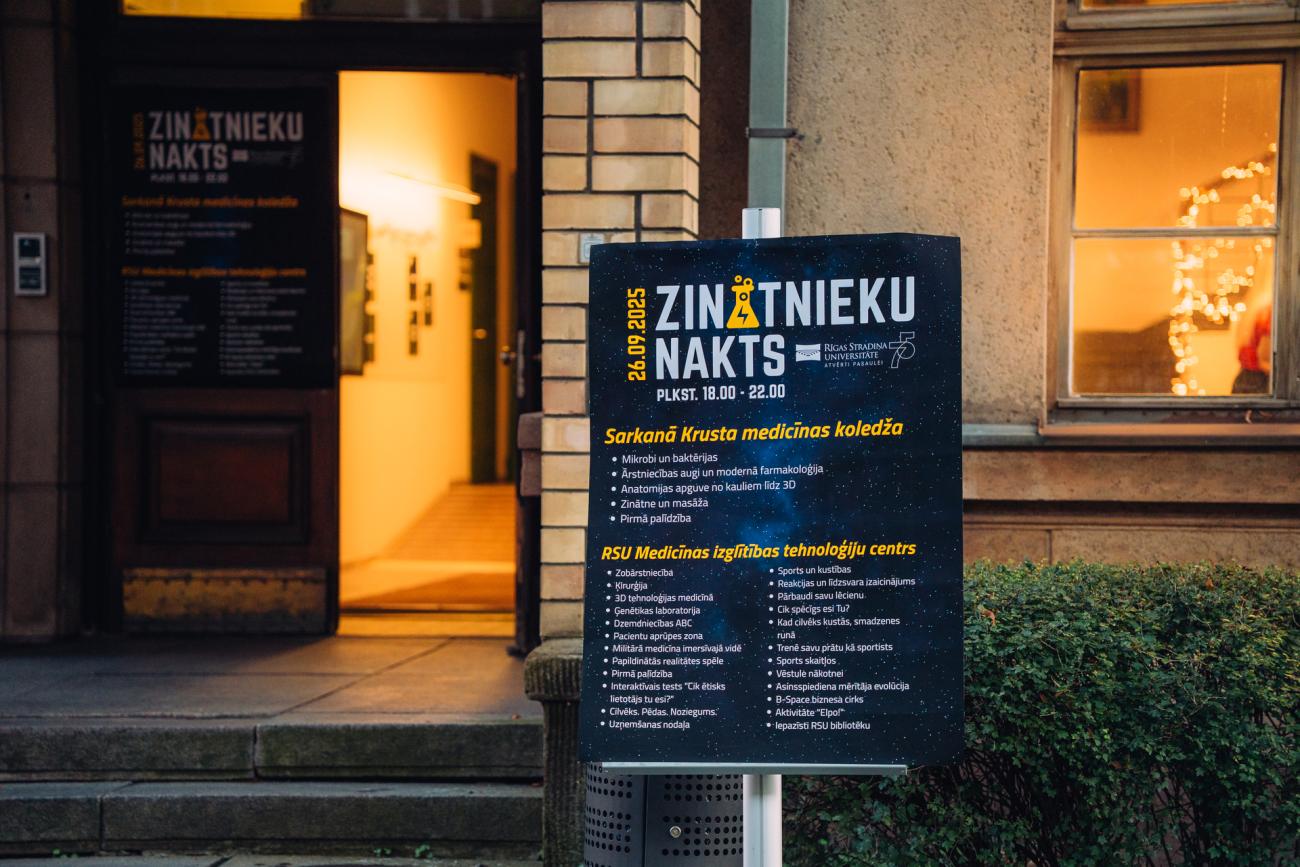
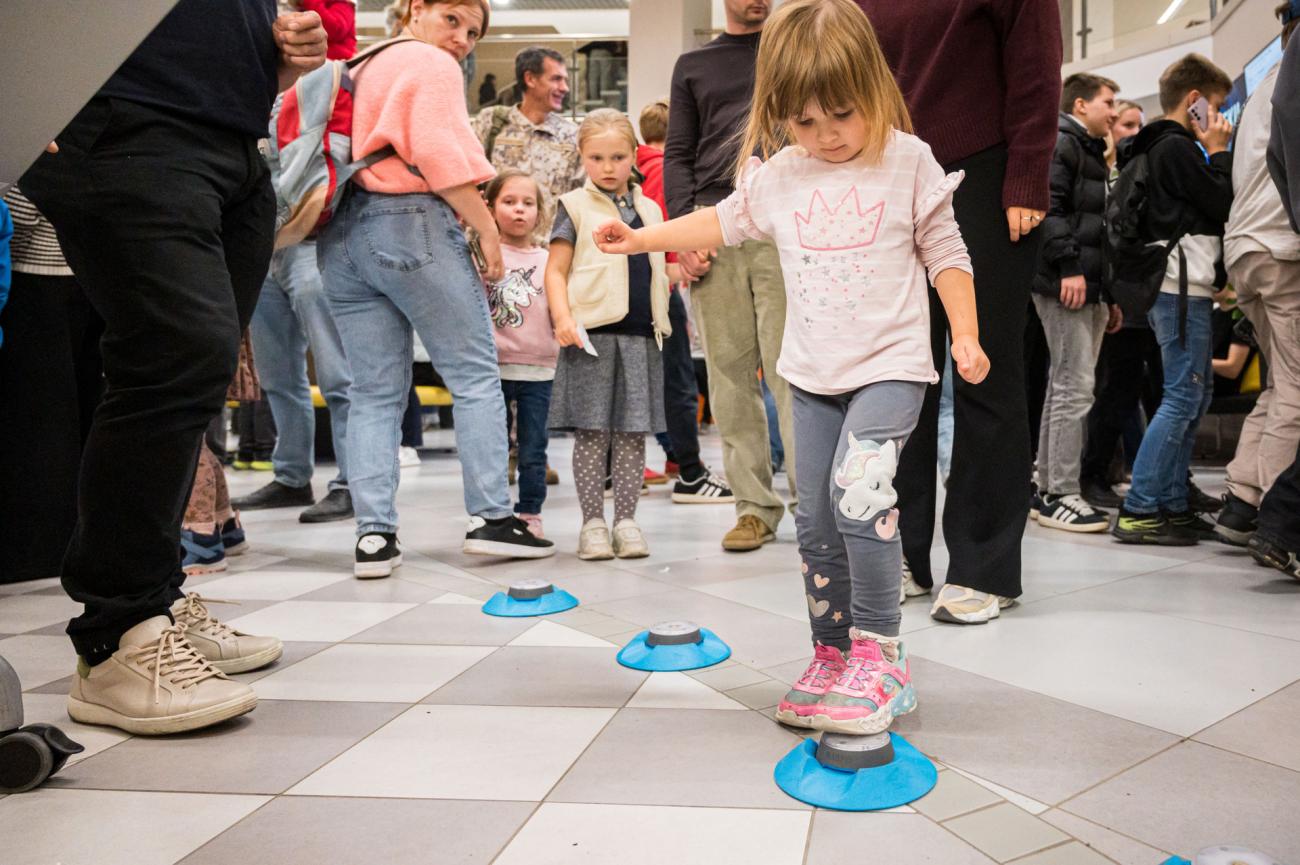


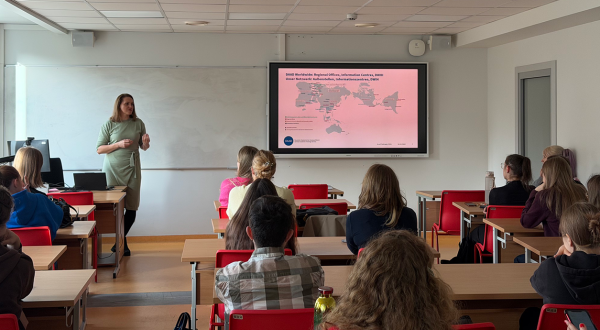
On 26 September, Rīga Stradiņš University (RSU) hosted European Researchers’ Night, which this year brought together almost 3,000 participants across two venues – the RSU Medical Education Technology Centre (METC) and the RSU Red Cross Medical College (RCMC). More than 2,500 people took part in activities at METC, while nearly 300 visitors attended events at RCMC.
The Researchers’ Night programme allowed participants not only to observe but also to actively engage in workshops and simulations, exploring medicine, sports, forensic, and social sciences firsthand.
Most popular activities at METC
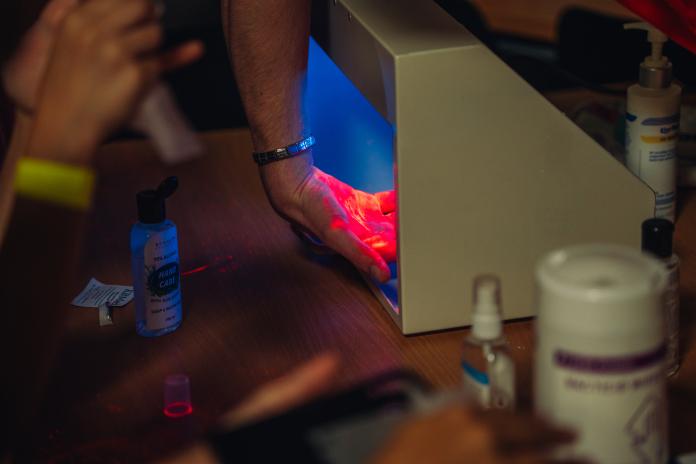
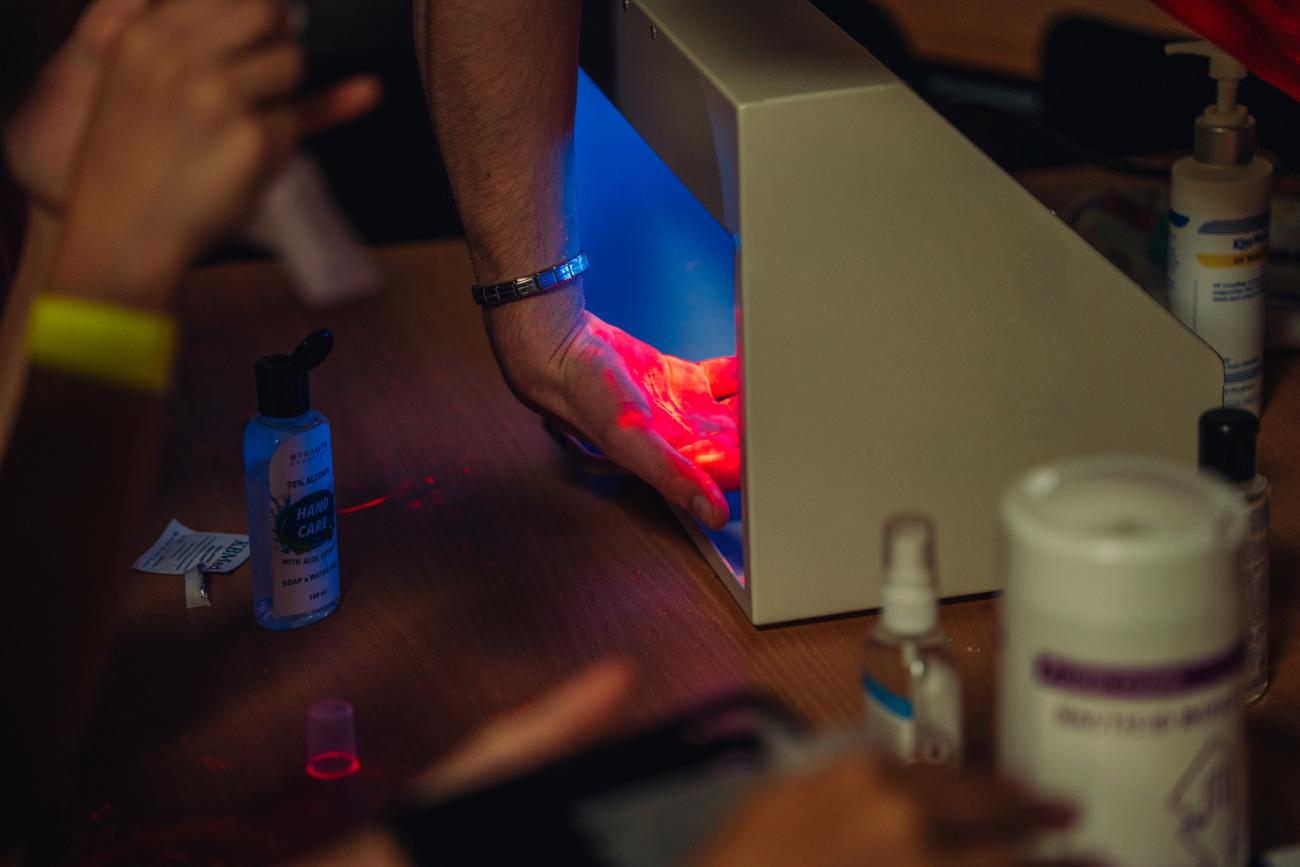
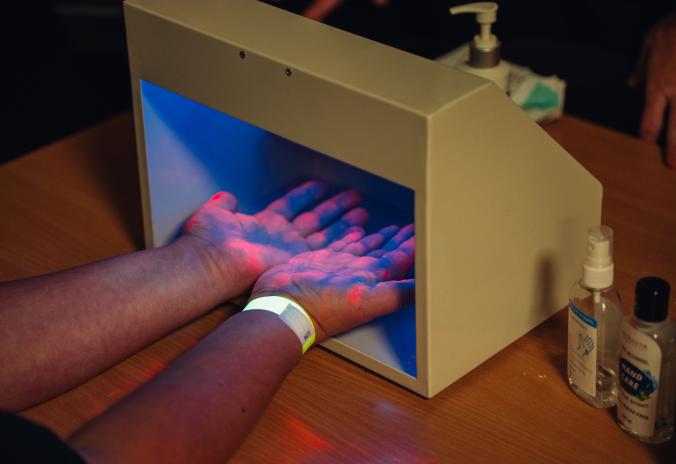
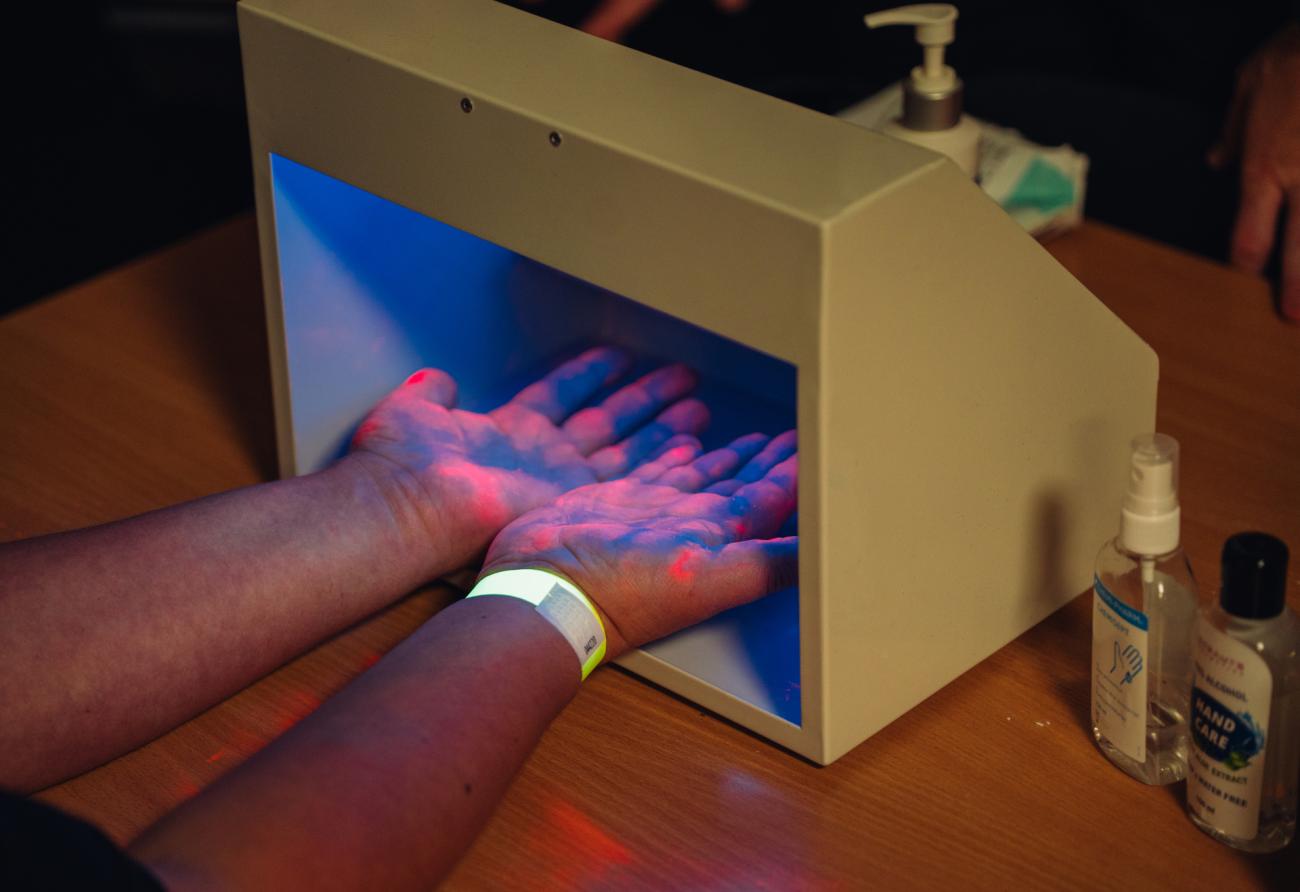
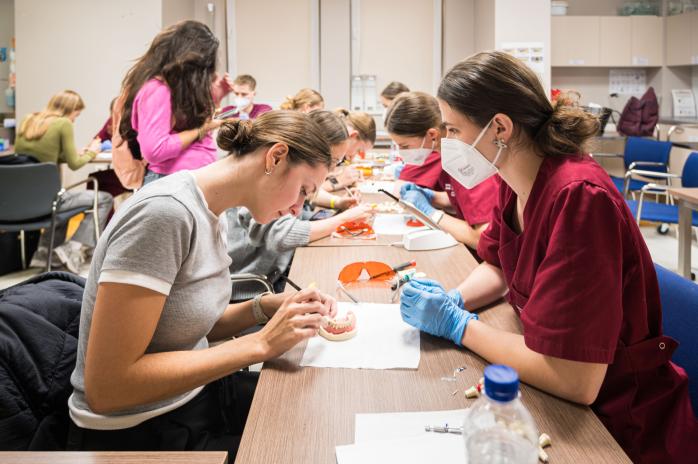
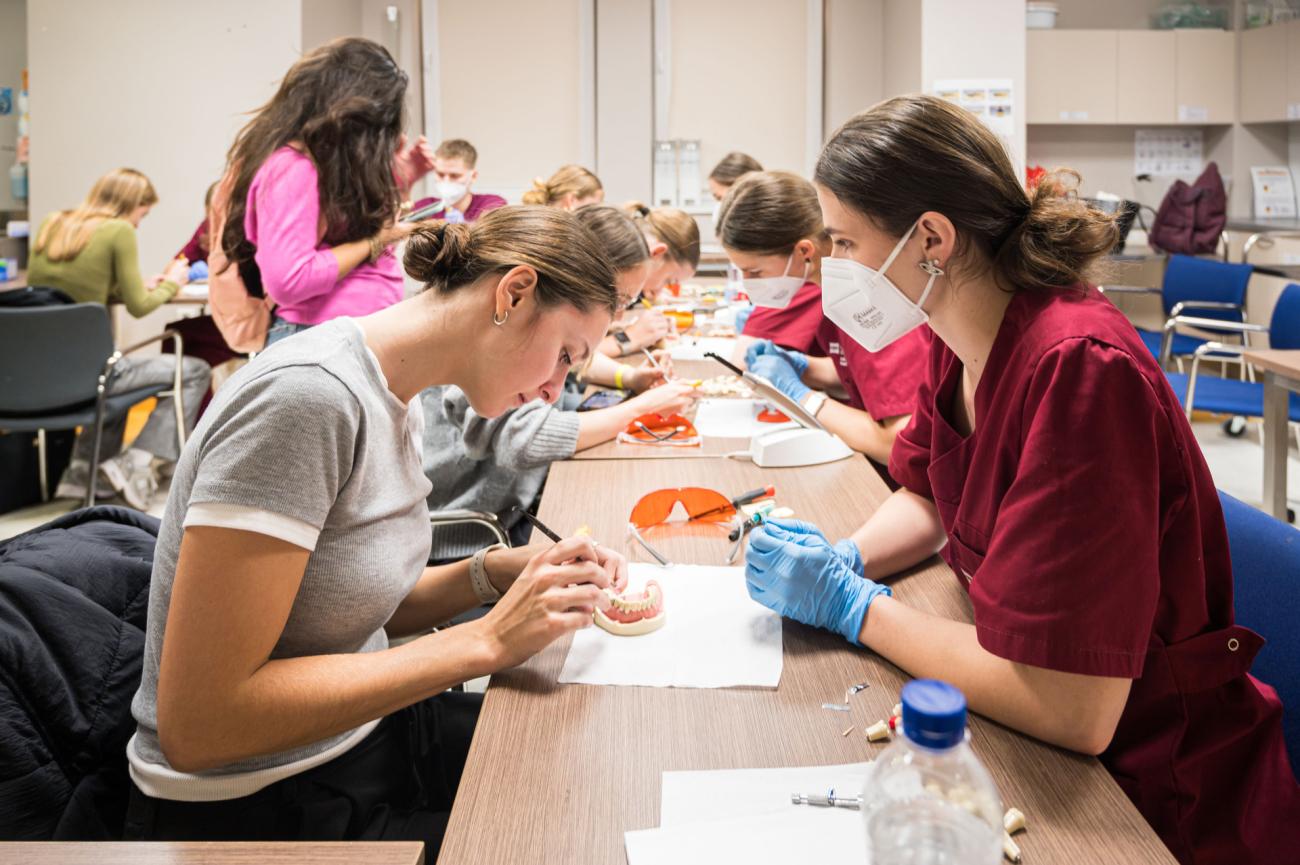
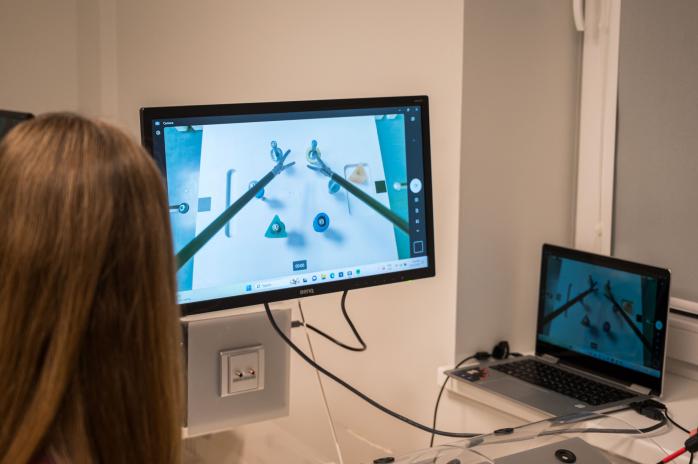
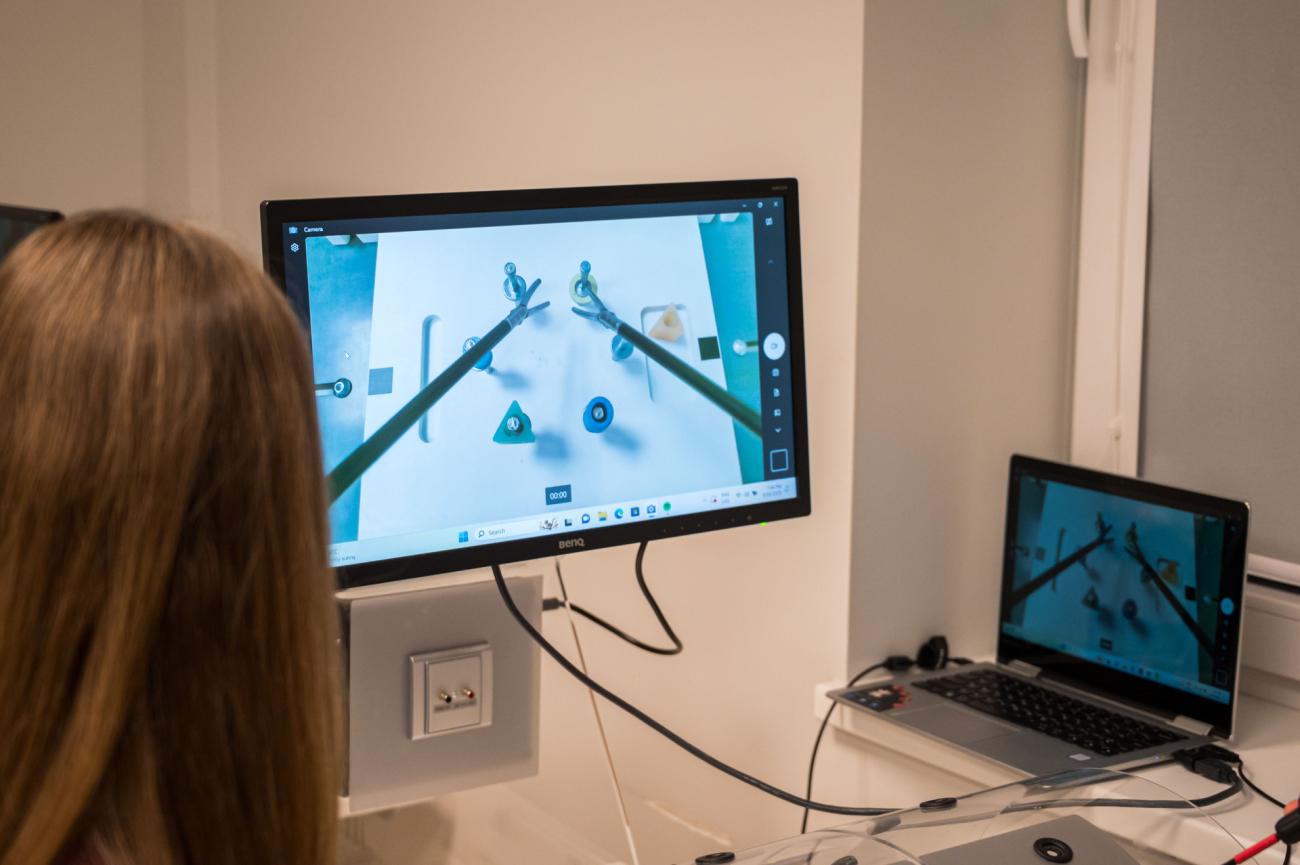
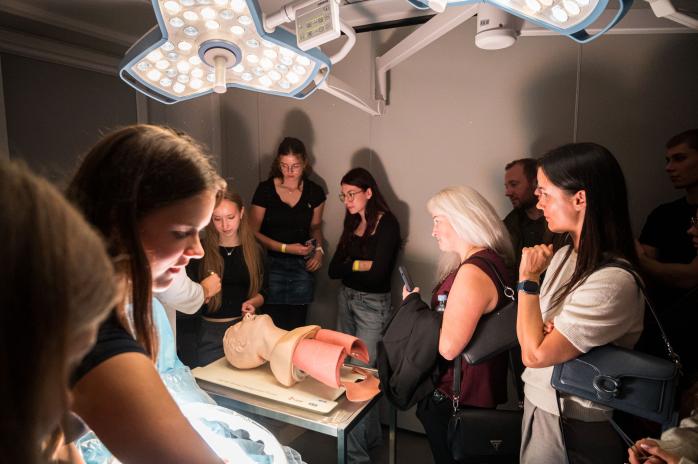
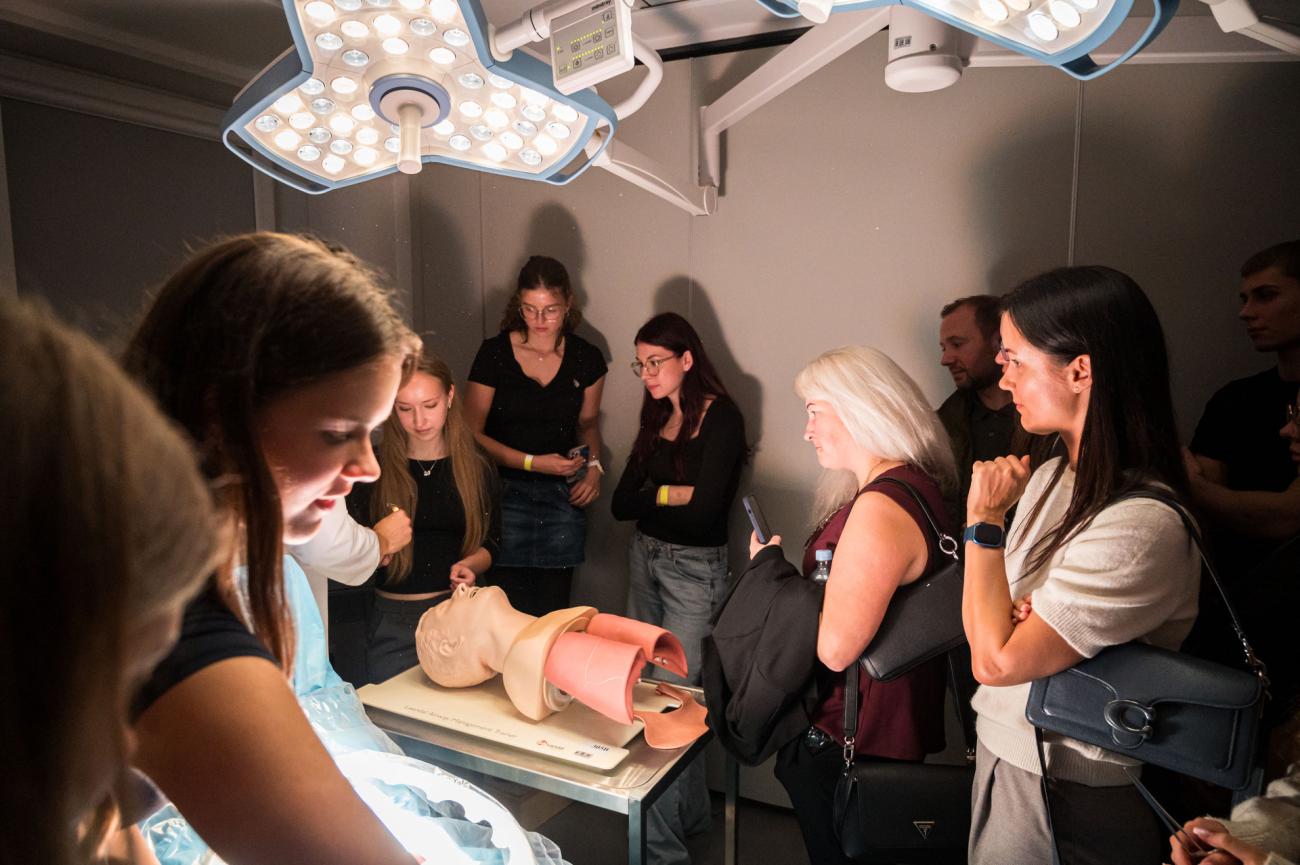
Visitors at METC were especially drawn to the dentistry workshops, where they could try placing their first dental filling, as well as the chance to step into an operating theatre, wash their hands like a surgeon, and test their skills on surgical simulators. The 3D workshop also attracted great interest, as participants created their own models and learned about the role of 3D technologies in medicine.
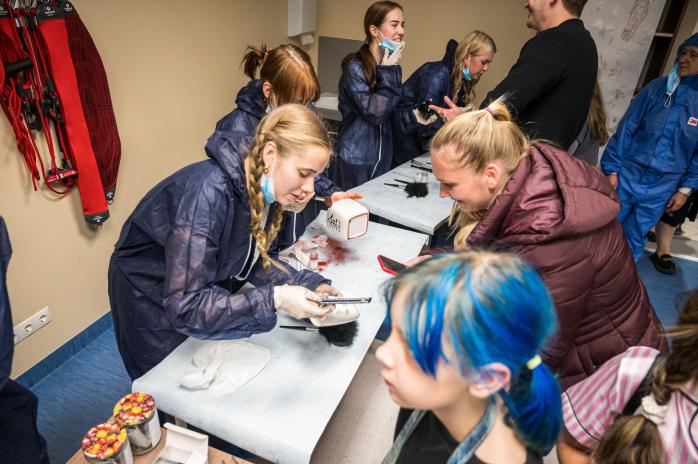
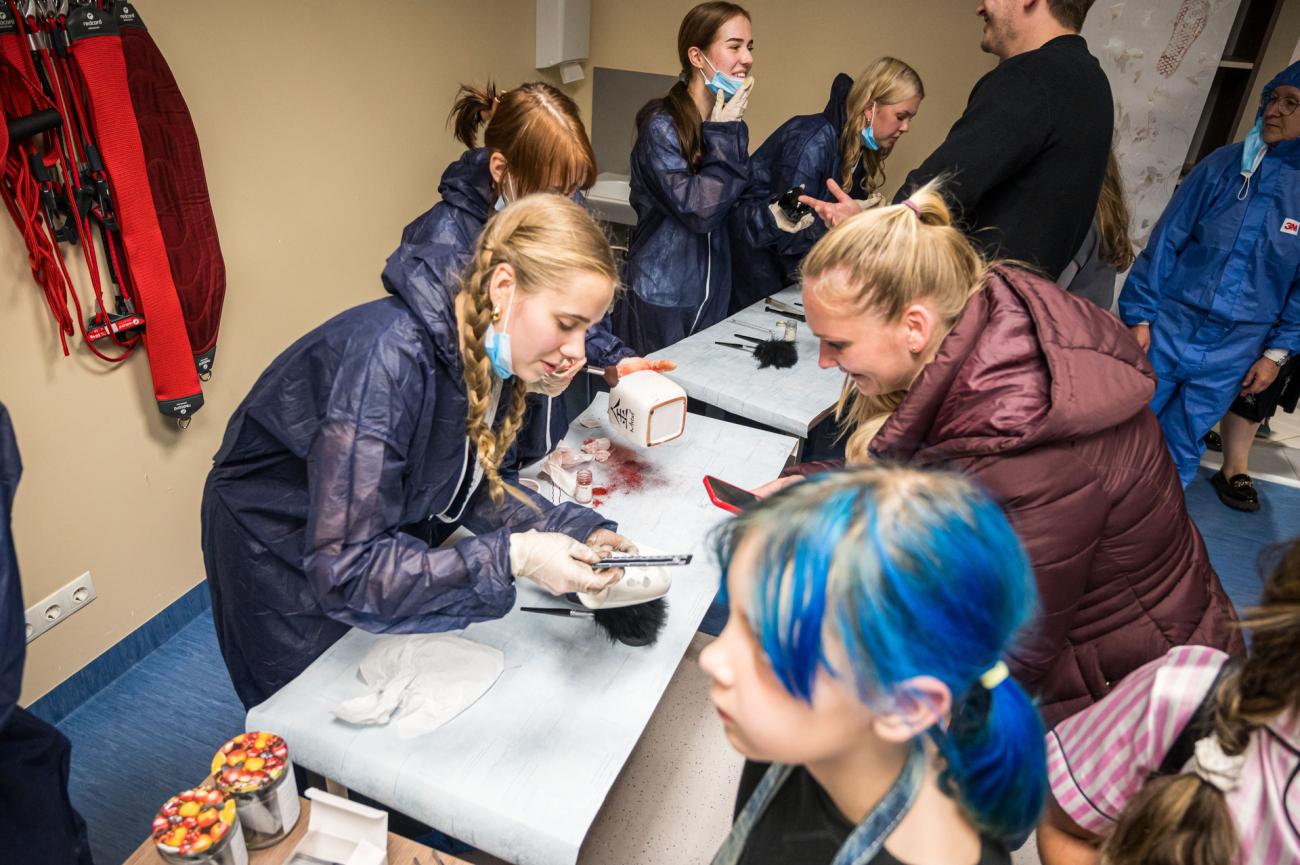
RCMC specialists introduced the participants to the evolution of blood pressure monitors, while RSU’s business incubator B-Space challenged young researchers with an engaging business circus game. Throughout the evening, many visitors solved 'crimes' in the forensic science activity 'Human. Traces. Crime', learned the basics of first aid, and explored the daily work of doctors in emergency rooms, patient care units, and maternity wards.
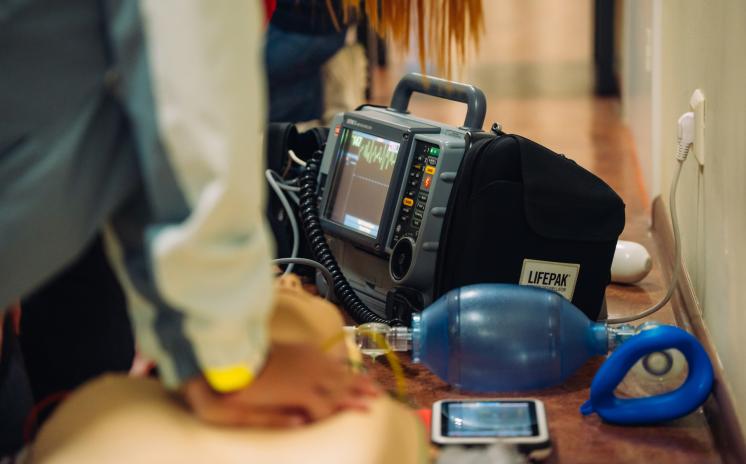
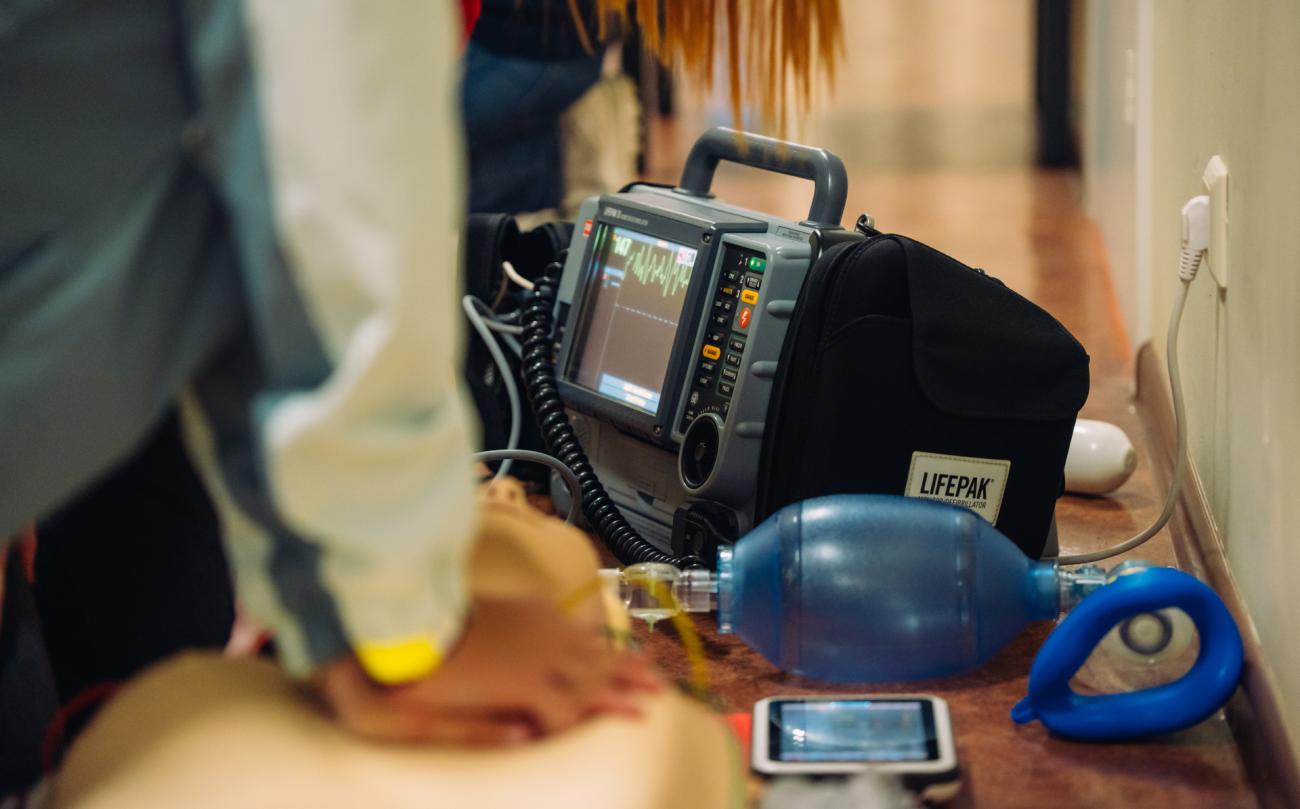
This year’s programme also introduced new activities for those who return to Researchers’ Night every year. These included exploring the science of bruises, learning patient resuscitation techniques, writing a letter to one’s future self, and completing a simulated cycle in a hospital’s emergency department.
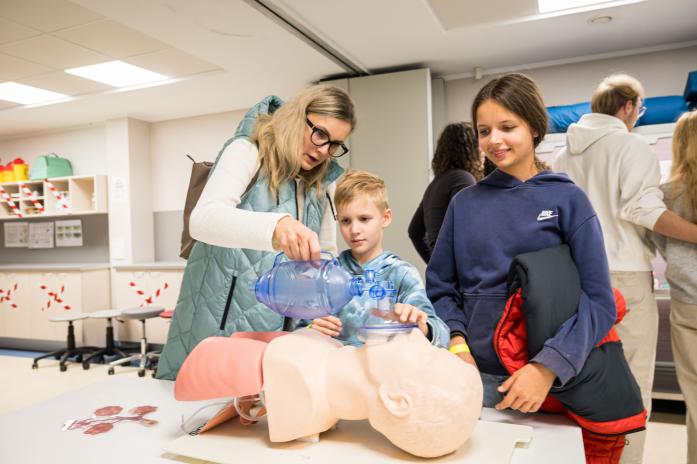
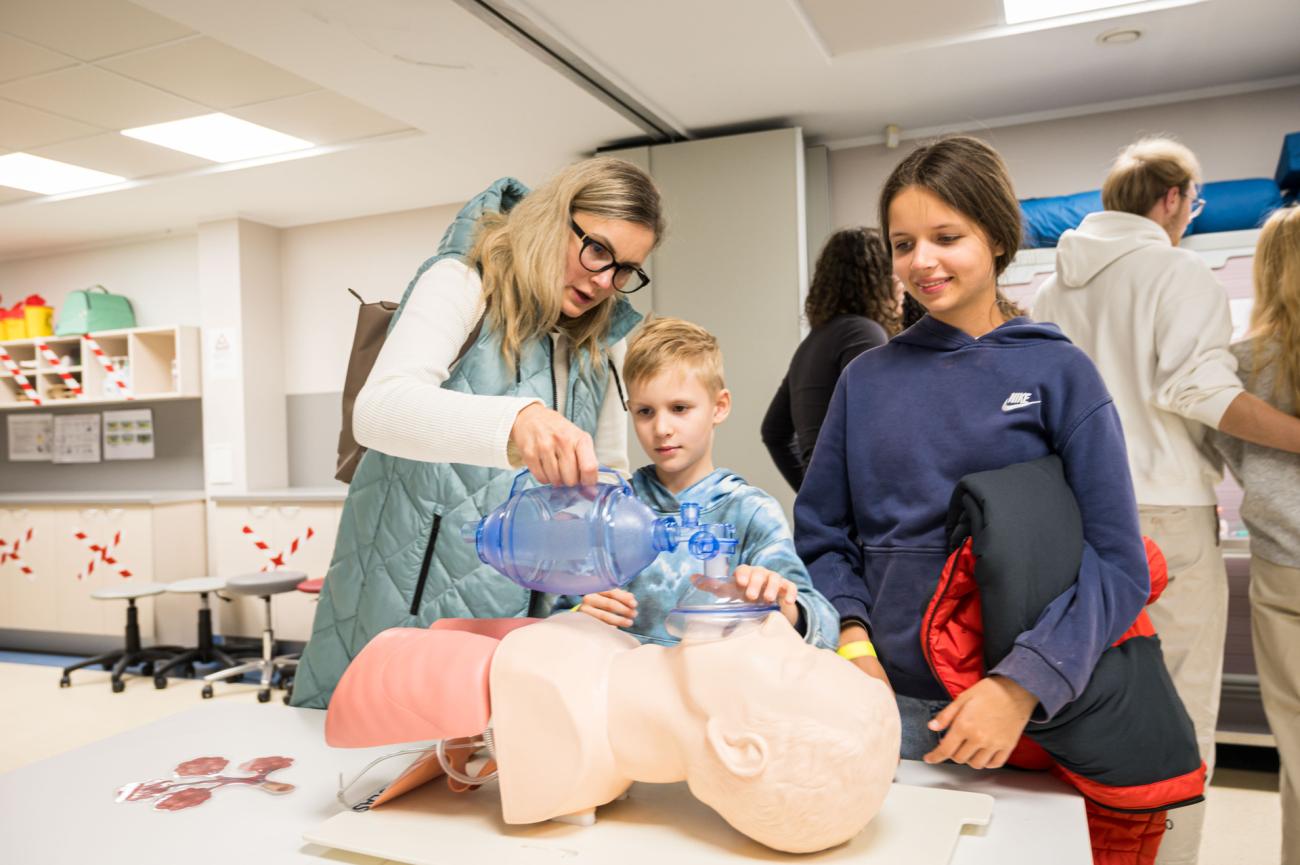
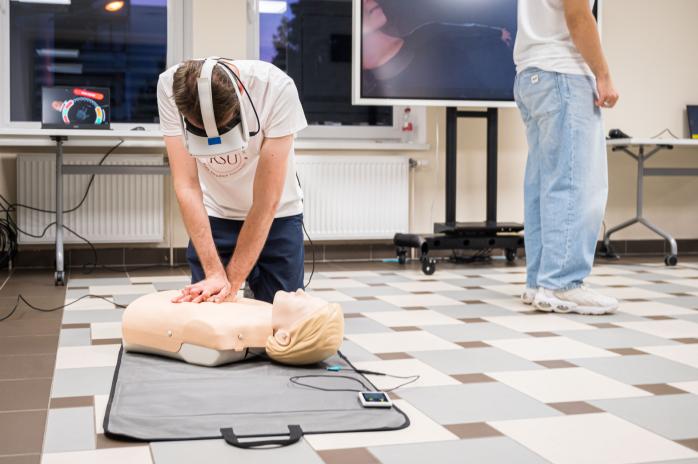
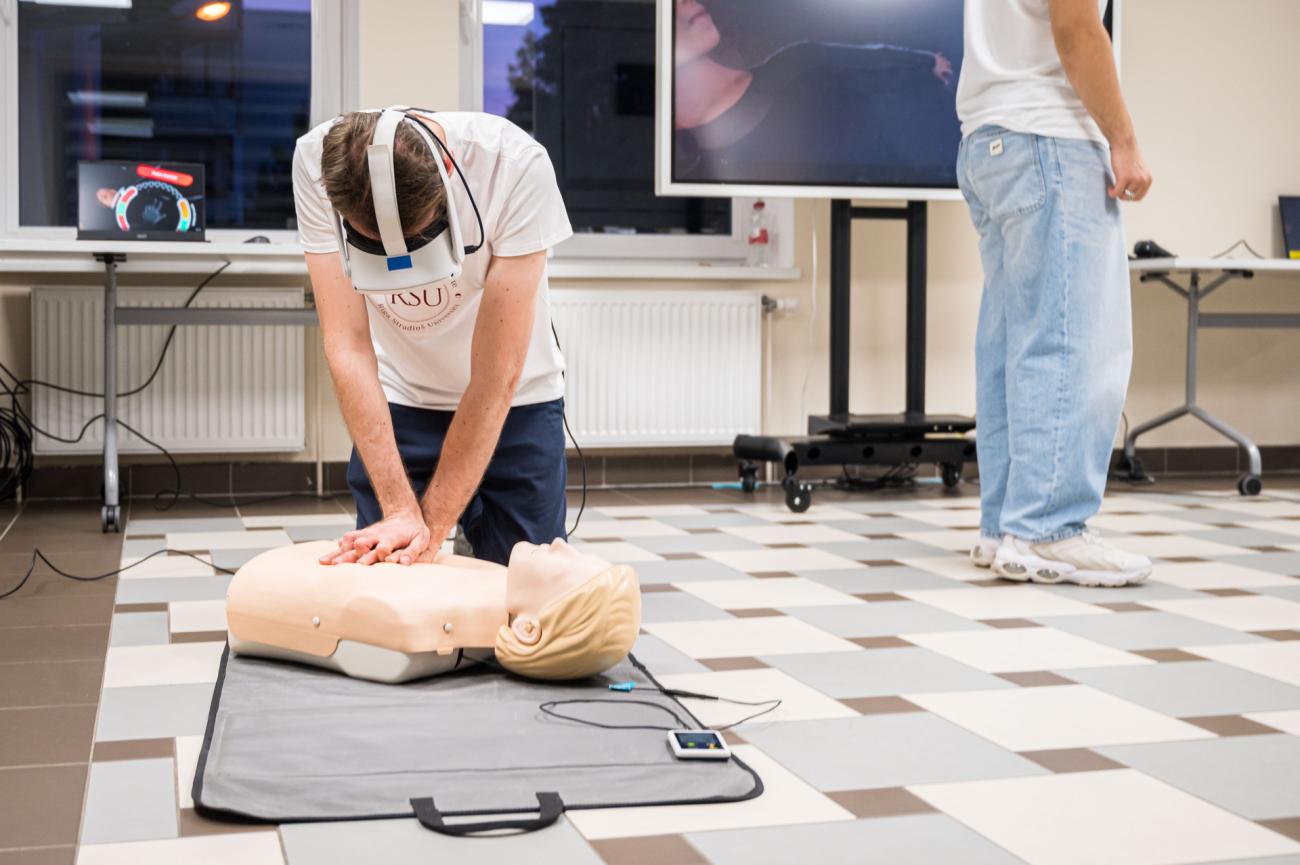
In the virtual reality first aid game, more than 150 participants tested their life-saving skills using a real resuscitation mannequin while being immersed in simulated accident scenarios. Only three participants completed the game flawlessly, passing the AED usage test – all of them high school students planning careers in medicine, proving that one is never too young to learn life-saving skills.
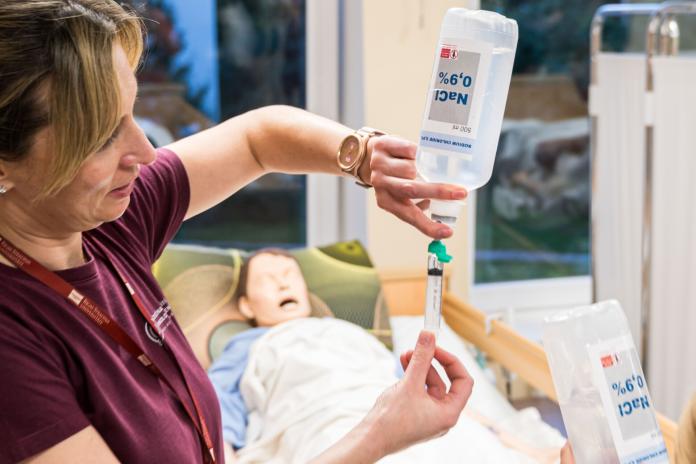
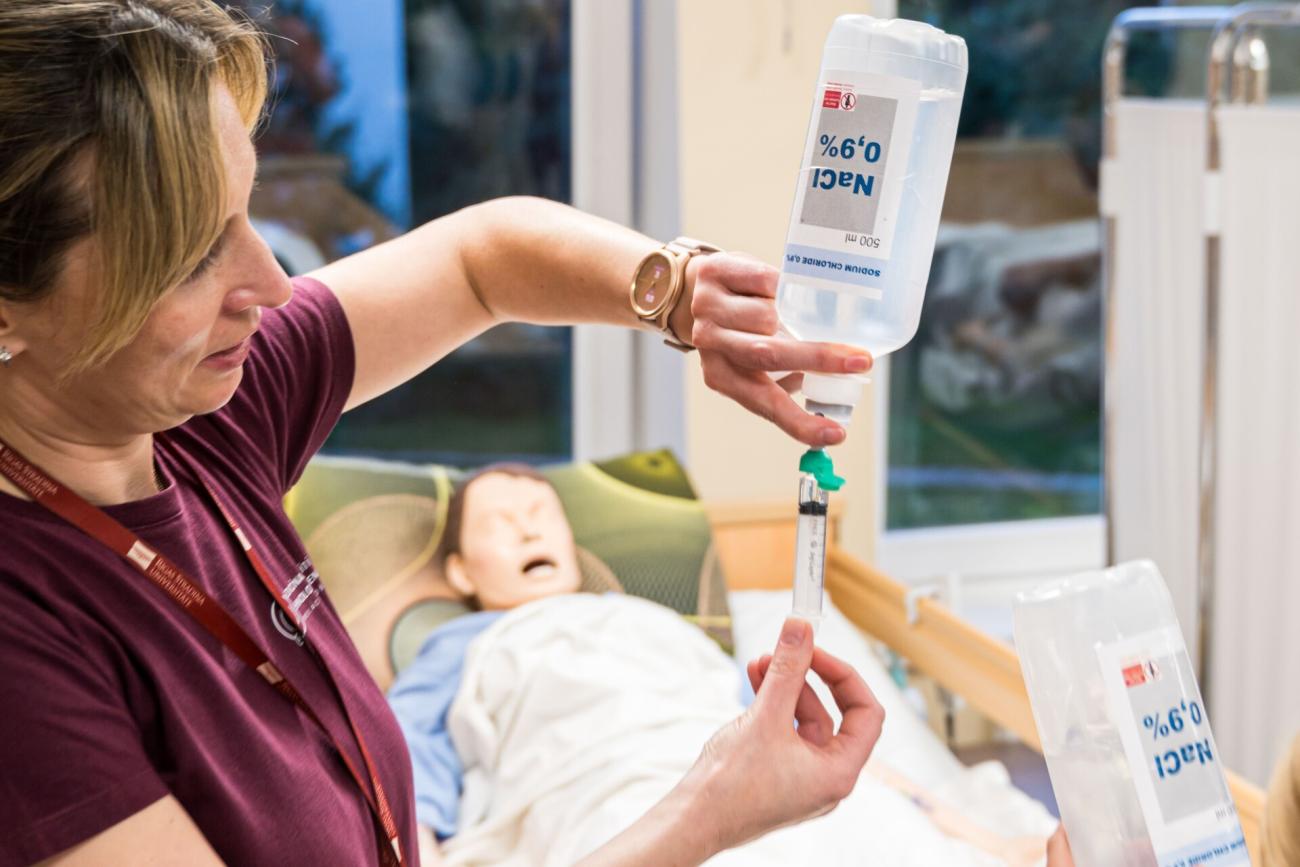
At the military medicine station, visitors were taught step by step how to stop bleeding, dress wounds, and prepare a patient for evacuation. Afterwards, they joined small group trauma scenarios in an immersive simulation room, where realistic sound and light effects recreated a battlefield atmosphere, challenging participants to put their new knowledge into practice.
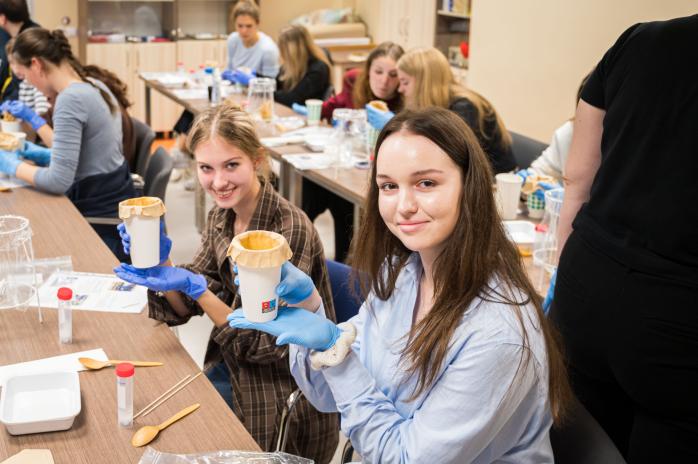
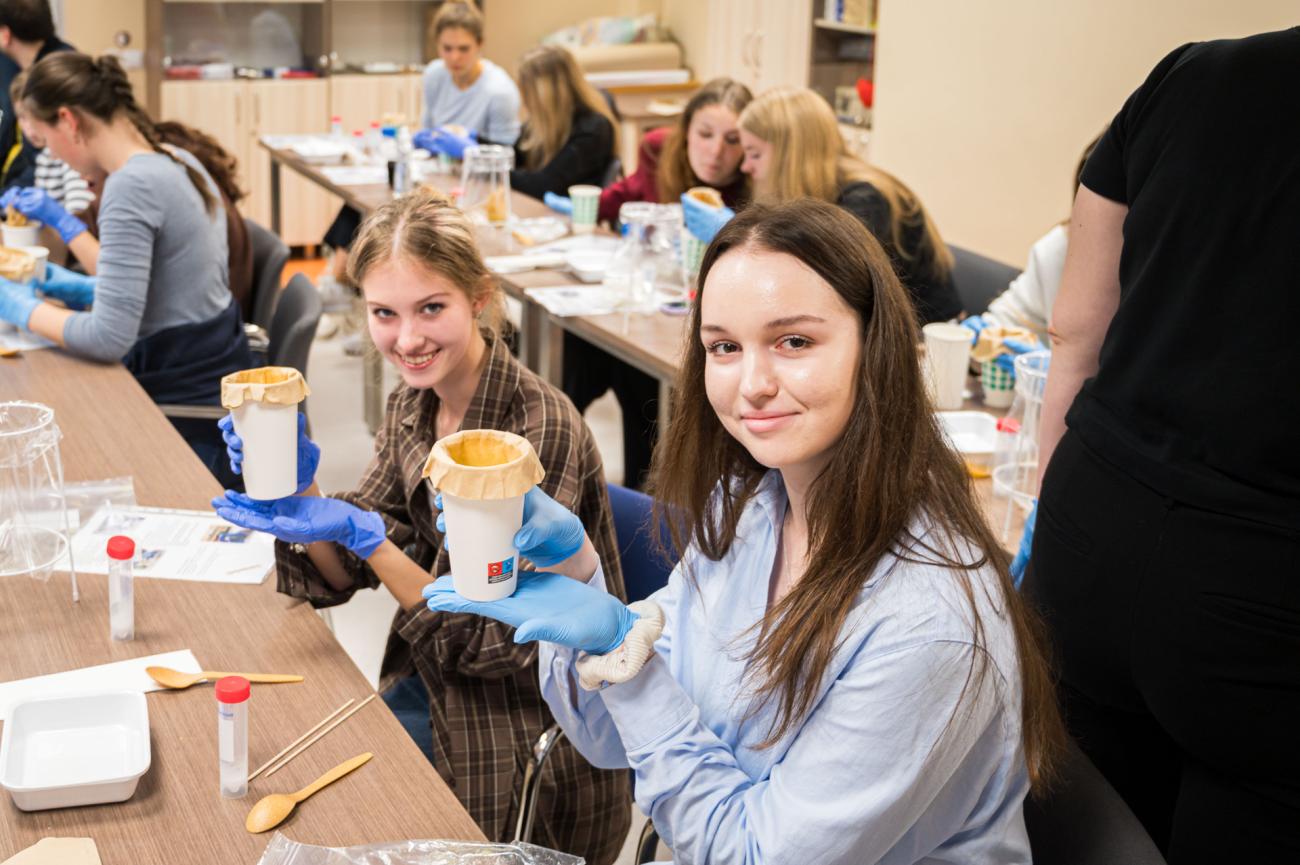
In the genetics laboratory, visitors learned about genes, their role in human life, and the process of DNA extraction. Over the course of the evening, DNA was extracted from 63 kiwi fruits, while 179 participants tested their sensitivity to bitter tastes. Around 200 young researchers created their own DNA cards, and together they built a unique DNA chain with 1589 nucleotides.
Sports science
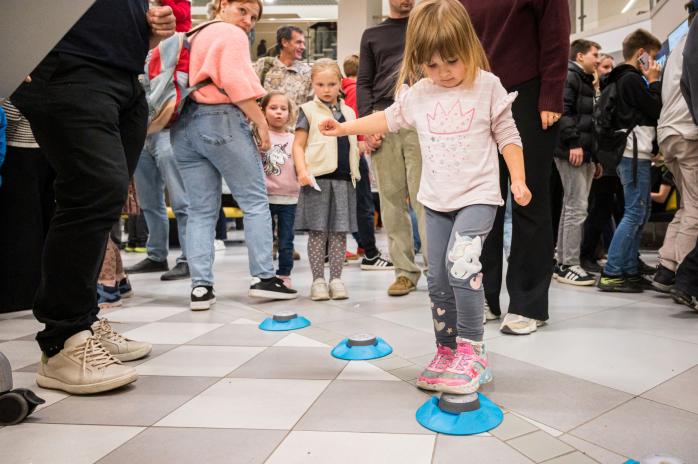
This year, RSU’s Latvian Academy of Sport Education specialists actively joined the METC programme, introducing visitors to the joy of movement and insights from sports science. Guests measured their brainwaves in motion, tested grip strength and jump height, and tried out massage devices, compression boots, and biometric glasses. A total of 147 participants measured their reaction speed, with the average reaction time recorded at 0.332 seconds.
From microbes to anatomy at RCMC
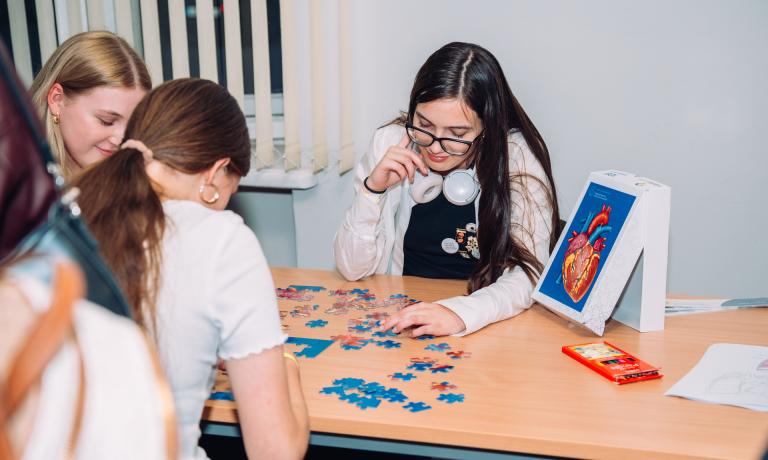
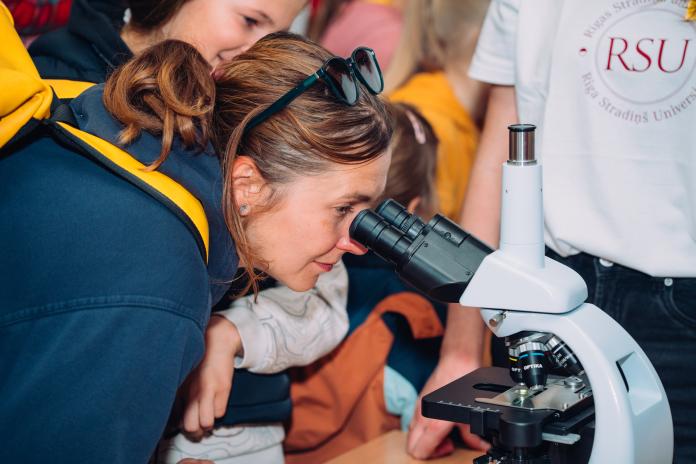
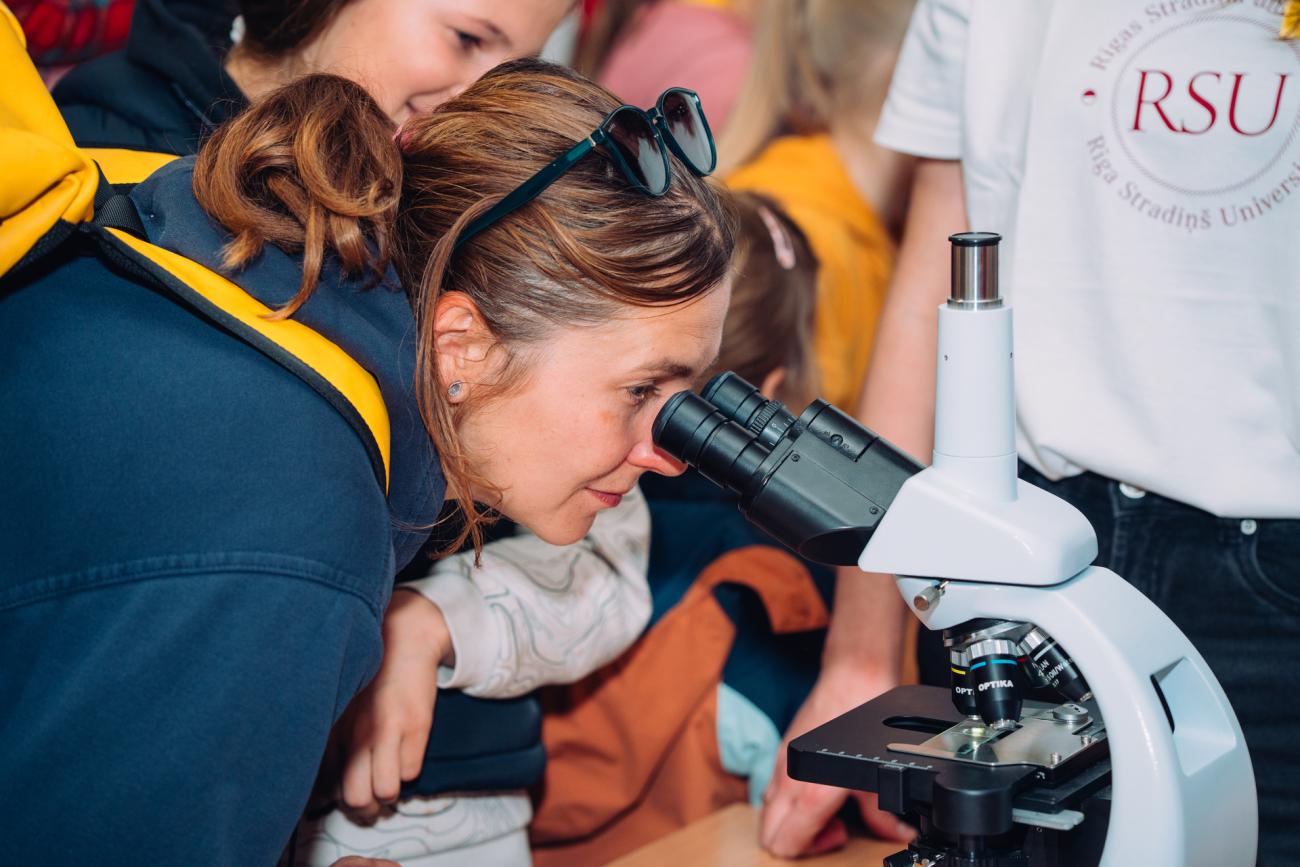
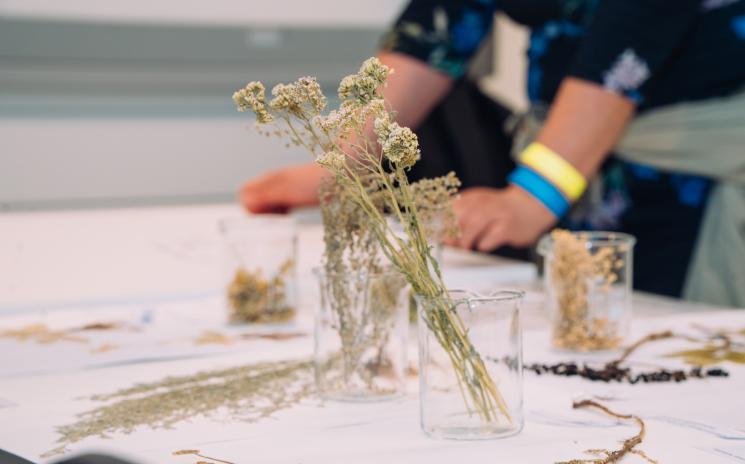
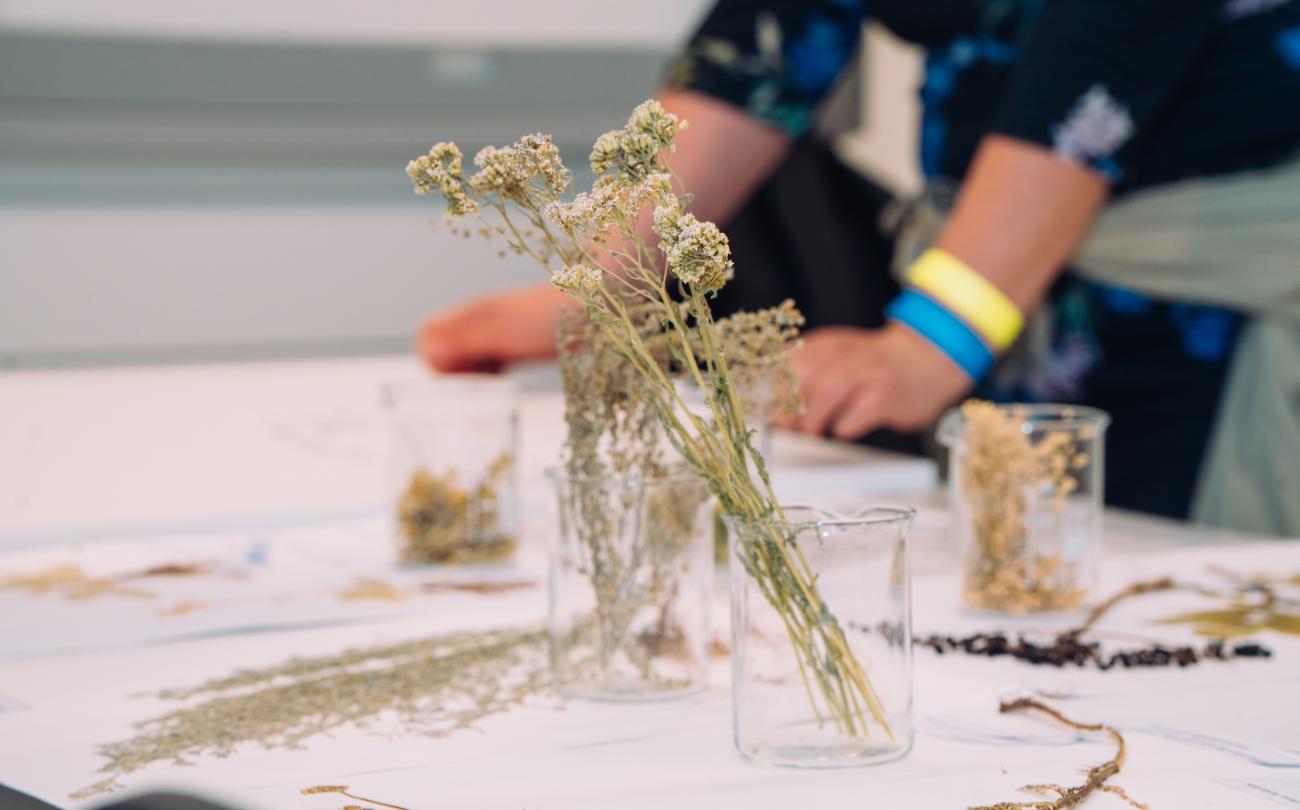
At the RSU Red Cross Medical College, visitors explored human anatomy – not only bones and muscles but also the applications of 3D technologies in medicine. Both children and adults discovered the world of microbes and bacteria, learned about medicinal plants, and took their first steps in pharmacology. First aid workshops proved especially useful for schoolchildren and young people.
Almost 300 guests attended activities at RCMC, participating in workshops and engaging in conversations with students and researchers. 158 participants joined a quiz, while more than 80 explored the science of massage and had their posture assessed. The youngest visitor to Researchers’ Night was just 11 months old.
Science as experience and inspiration
This year’s Researchers’ Night at RSU proved that science can be exciting and accessible to everyone. From dentistry and surgical simulations to military medicine scenarios, from sports science to the microscopic world of bacteria – the workshops gave visitors the chance to see and experience the everyday work of doctors, researchers, and students.
The nearly 3000 visitors demonstrate society’s strong interest in science, confirming that Researchers’ Night has become a key event that both educates and inspires the next generation of professionals.
The organisers of Researchers’ Night express their gratitude to more than 70 volunteers and the wide circle of researchers and assistants who helped make the event engaging and enjoyable for all!