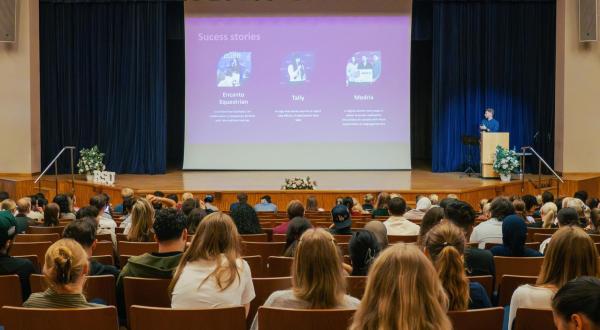
RSU and CRPC hackathon concludes: students offer AI solutions to public administration challenges


Photo: Courtesy of RSU
At the end of March, Rīga Stradiņš University (RSU) concluded a hackathon for its Digital Strategy and Artificial Intelligence Management programme, organised in collaboration with the Consumer Rights Protection Centre (CRPC). During the hackathon, four student teams developed artificial intelligence (AI) solutions that could help modernise consumer protection and make government administrative processes more efficient.
Twenty-three students participated in the hackathon, working for a month with real-world data and challenges defined by CRPC experts. In their final presentations, the teams presented the solutions they had developed, demonstrating how AI can help improve consumer protection and organise the work of institutions more effectively.
‘CRPC is truly grateful to the RSU Digital Strategy and Artificial Intelligence Management master’s study programme for the successful cooperation in implementing the hackathon.
We were pleasantly surprised by the creativity of the students and their ability to develop high-quality, practically applicable solutions, including prototypes, in a short period of time.
The hackathon has inspired us to continue working on implementing these solutions in practice, both to receive and systemise signals from consumers regarding risks, and to help entrepreneurs better understand the complexities of compliance of goods and services. We would like to thank the university and its staff for their contributions and the added value created together,’ said Zaiga Liepiņa, Director of CRPC.

The winning solution – PTAC Sentinel
The hackathon winner was the ‘PTAC Sentinel’ solution developed by one of the teams – an artificial intelligence system that enables the proactive identification of potentially dangerous or non-compliant products even before consumer complaints are received. The solution developed by the students involves monitoring social media trends, AI-based analysis, and risk assessment of potentially dangerous goods, automatic verification of seller and product reliability, as well as an early warning system for CRPC staff. This approach would help shift from reactive complaint handling to proactive market surveillance, identifying risks before they affect a wider range of consumers.
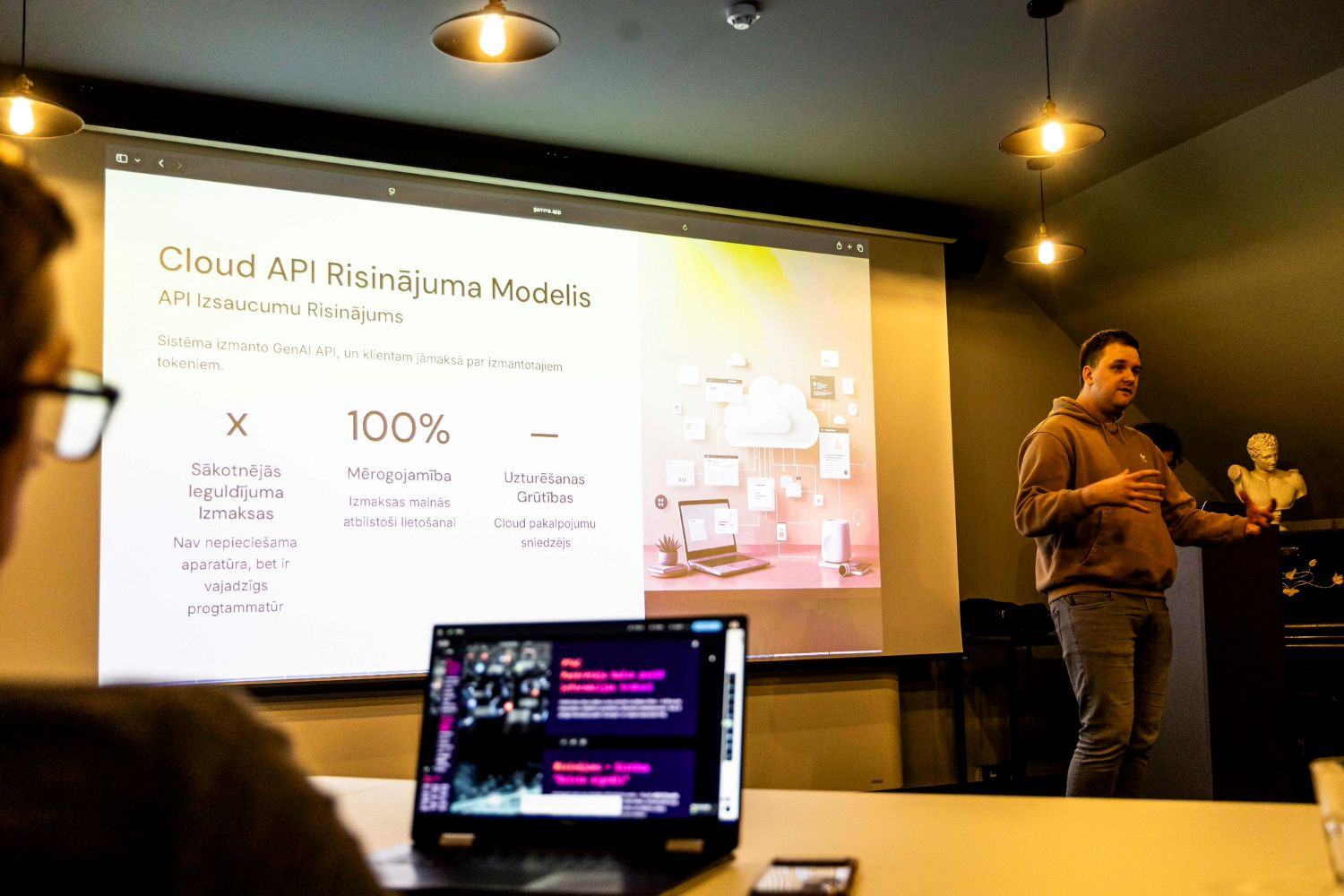
Other solutions presented at the hackaton
In addition to the winning team, other student groups presented various AI solutions for prioritising and analysing consumer complaints, social media strategies for early problem identification, automated tools for identifying market risks, as well as digital solutions for more effective communication with consumers. Prototypes were also developed for systems that use AI to recognise and identify products for conformity assessment.
This initiative demonstrates that students’ ideas can become practical solutions in public administration, while also promoting innovation and the adoption of technologies that are important for society.