RSU hosts 4th National Congress of Rehabilitation Medicine: reflecting on 30 years of the sector and looking ahead to the future
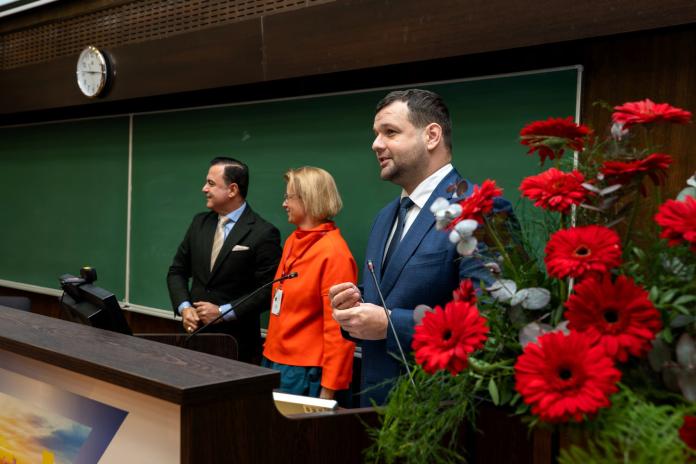
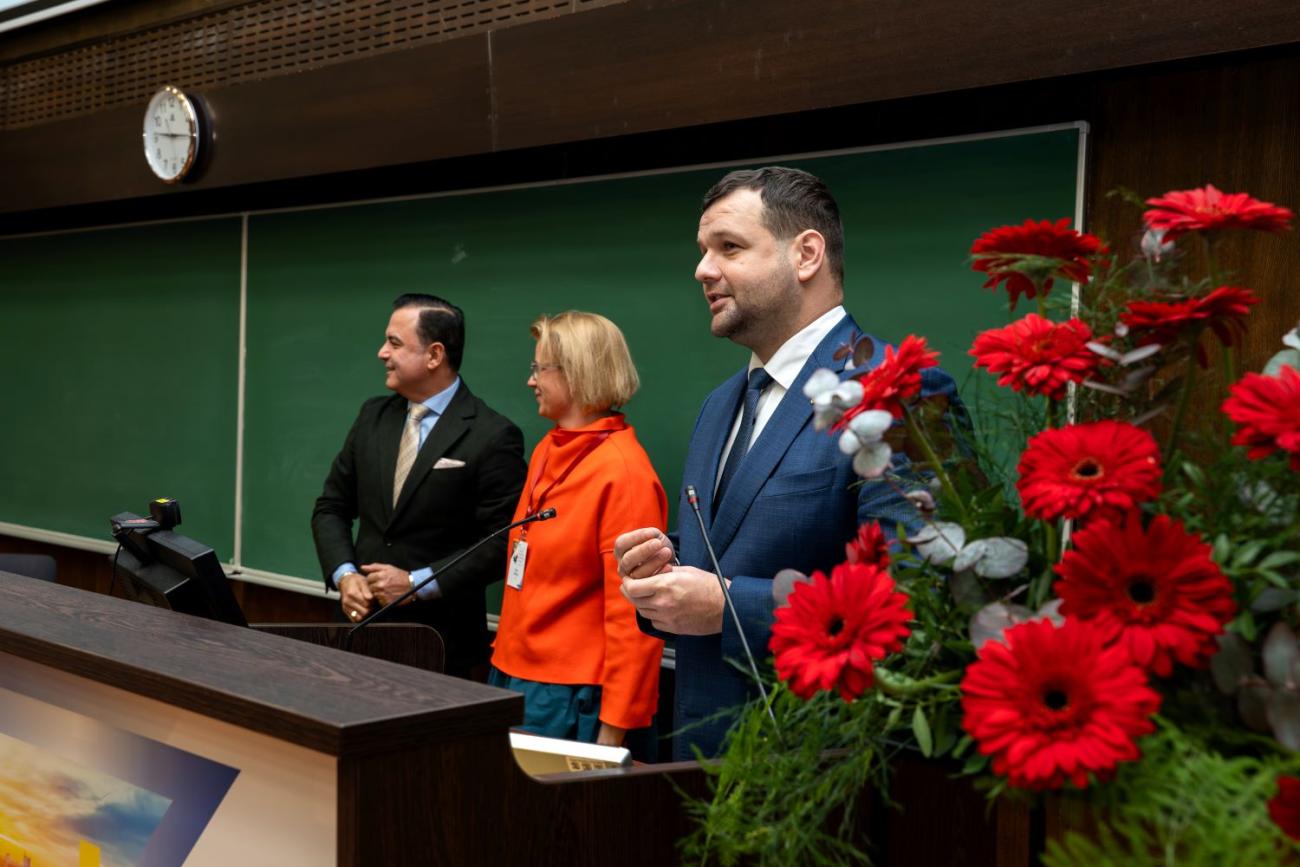
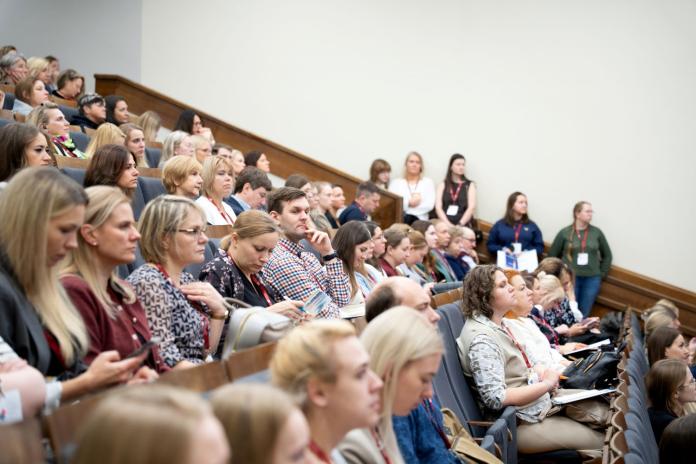
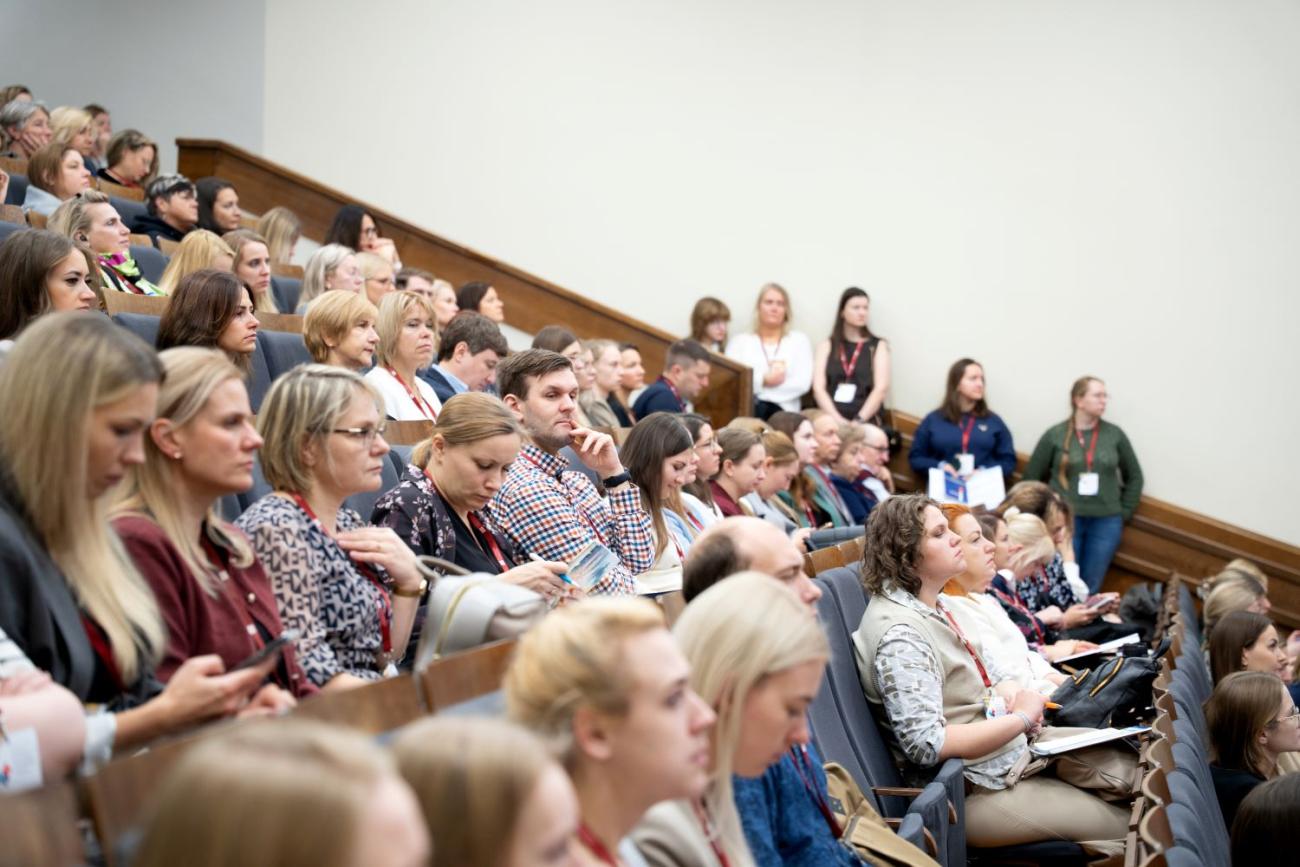
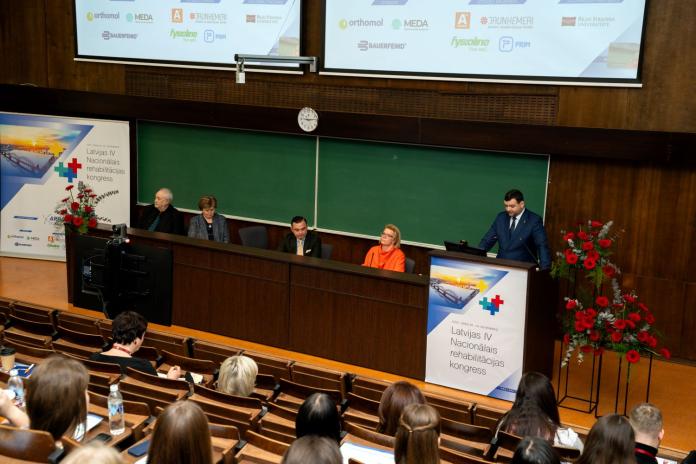
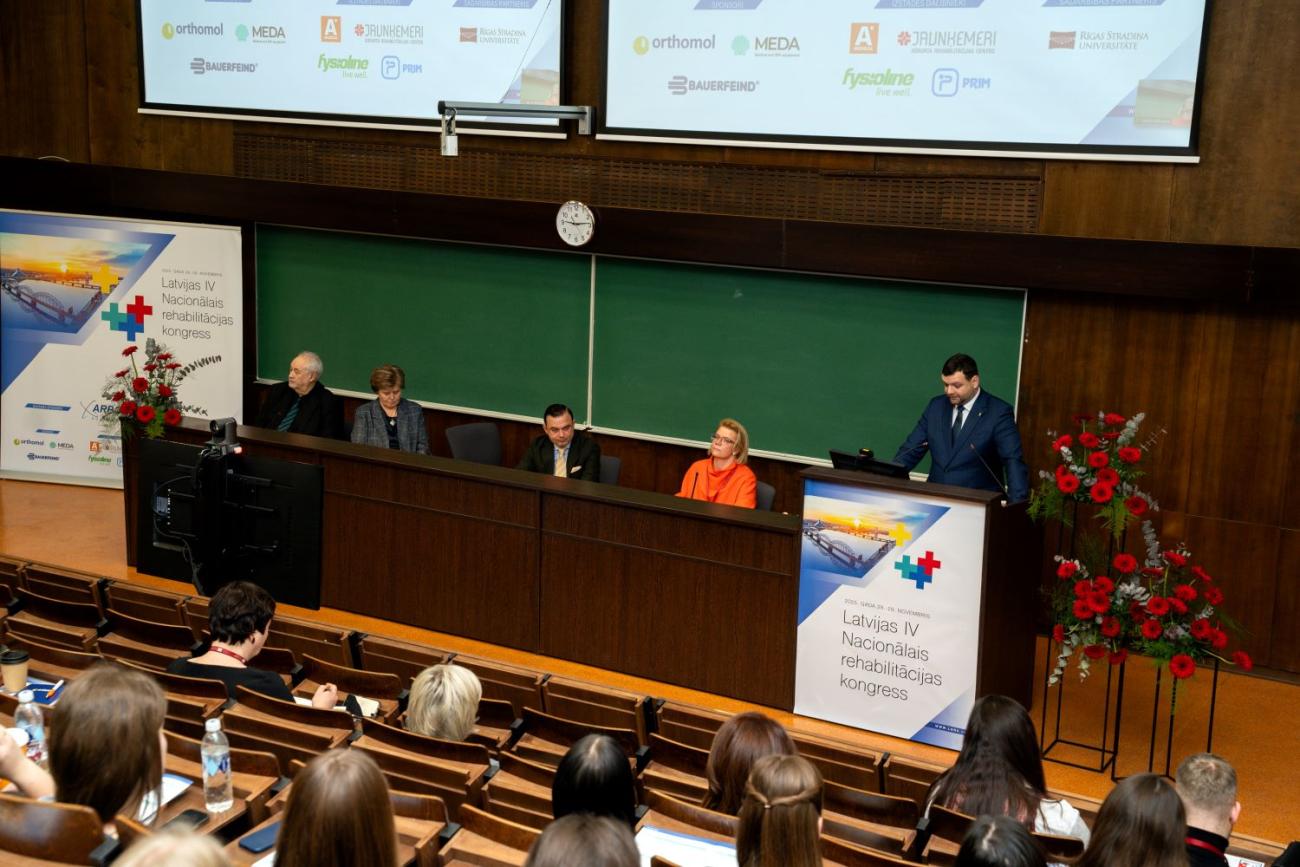
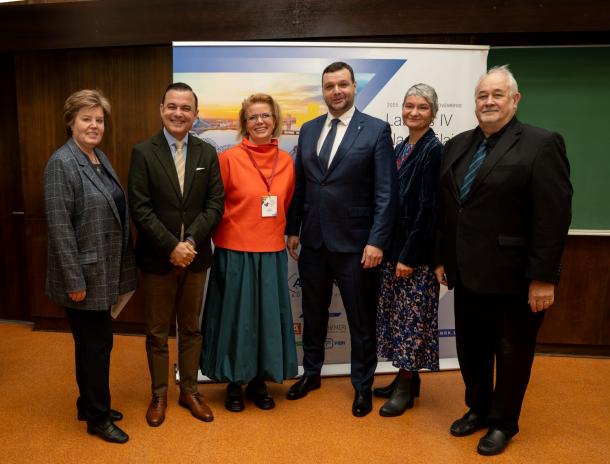
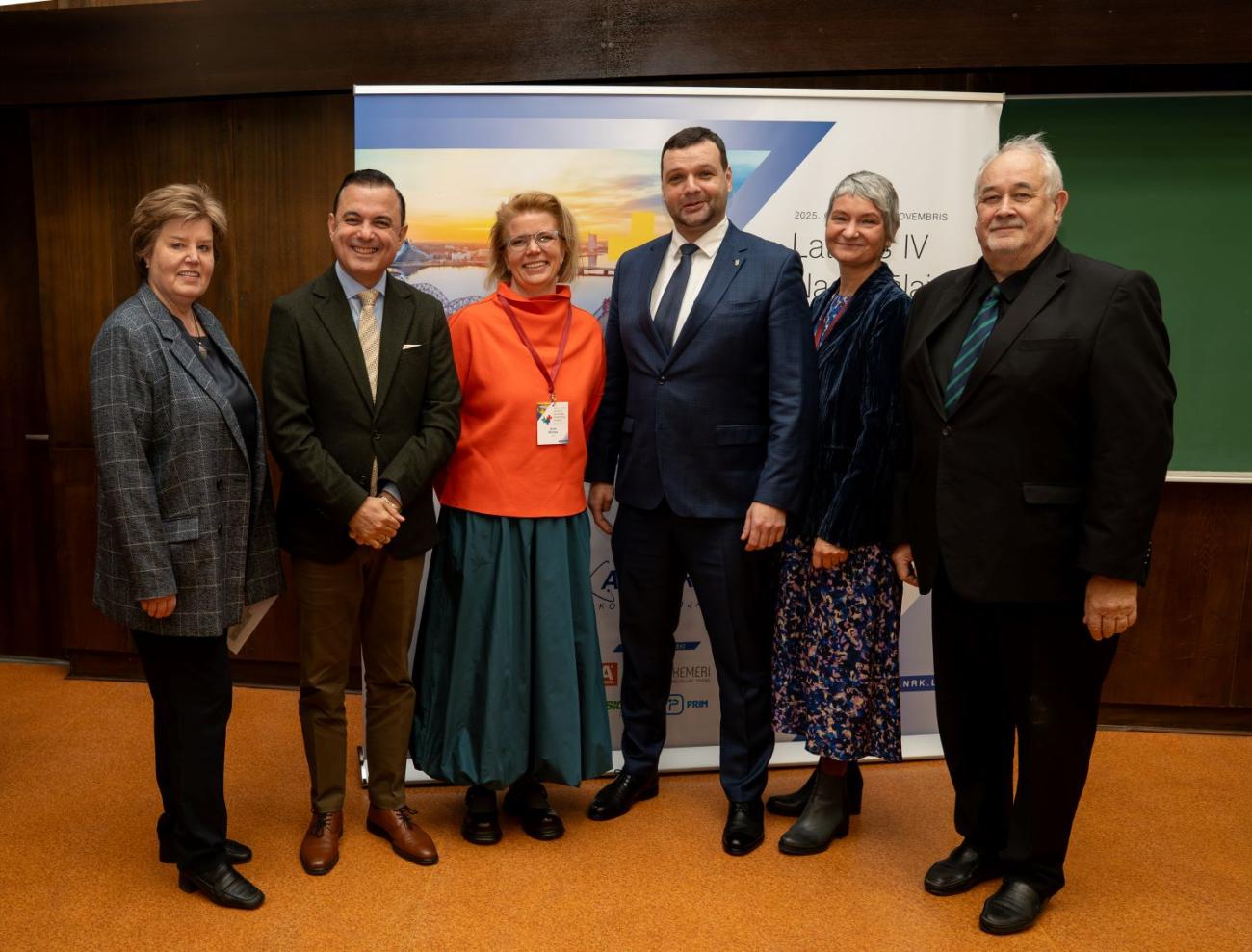
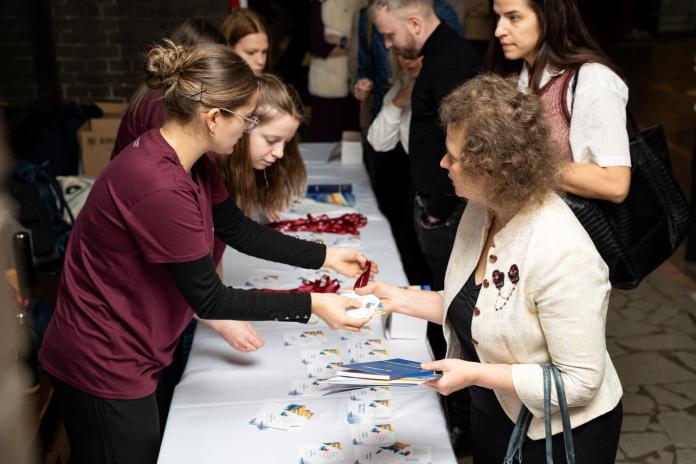
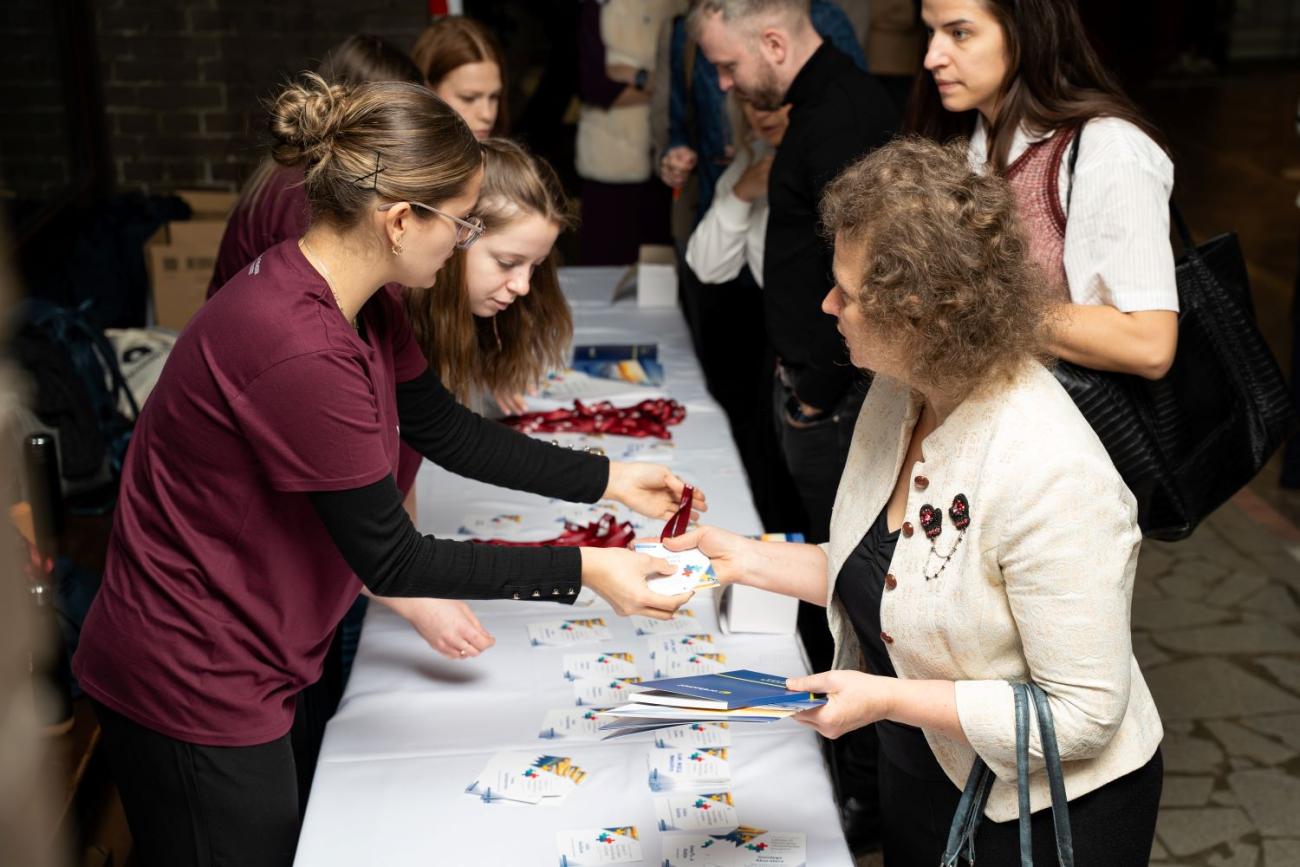
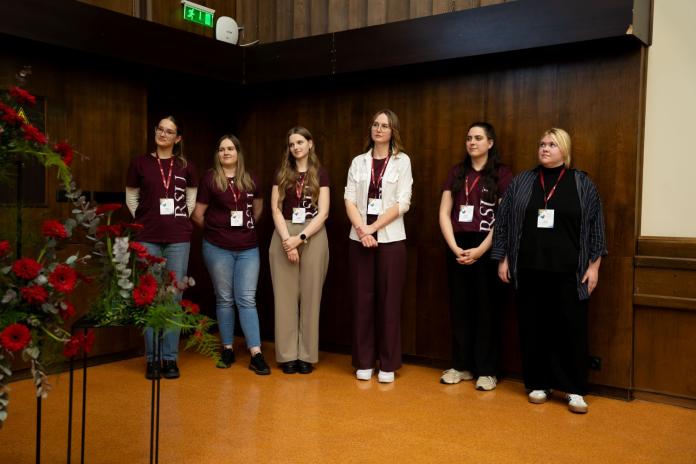
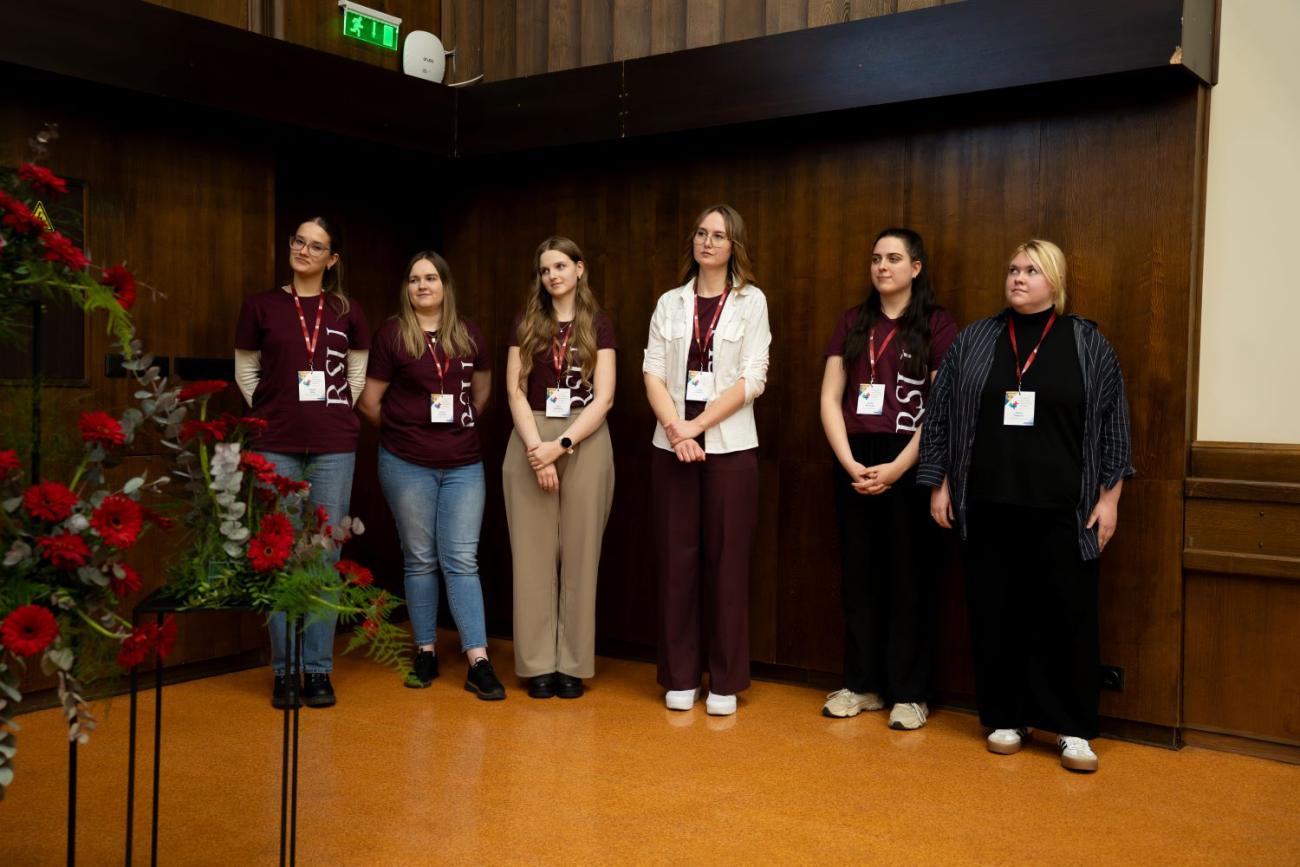
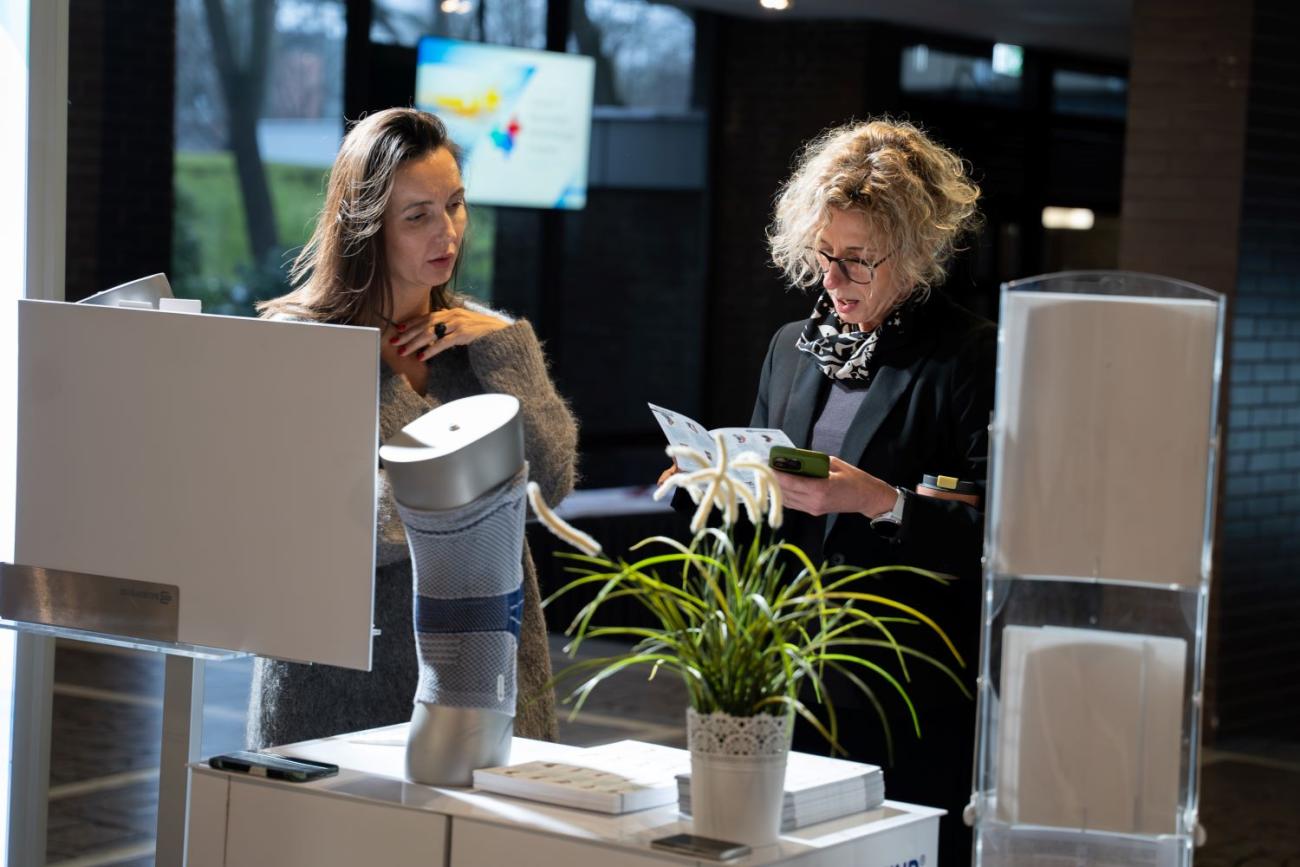
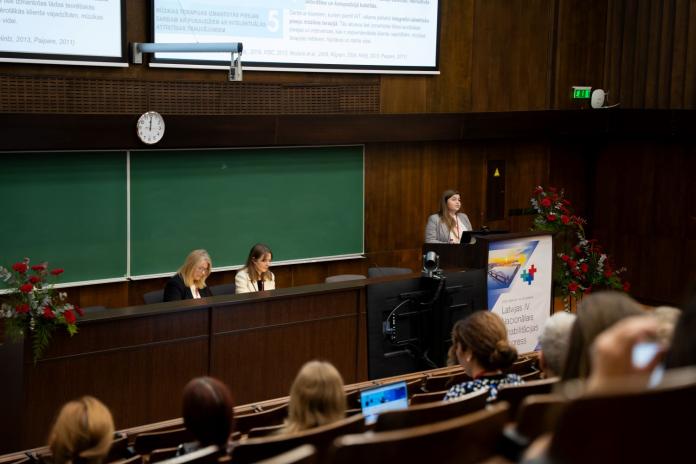
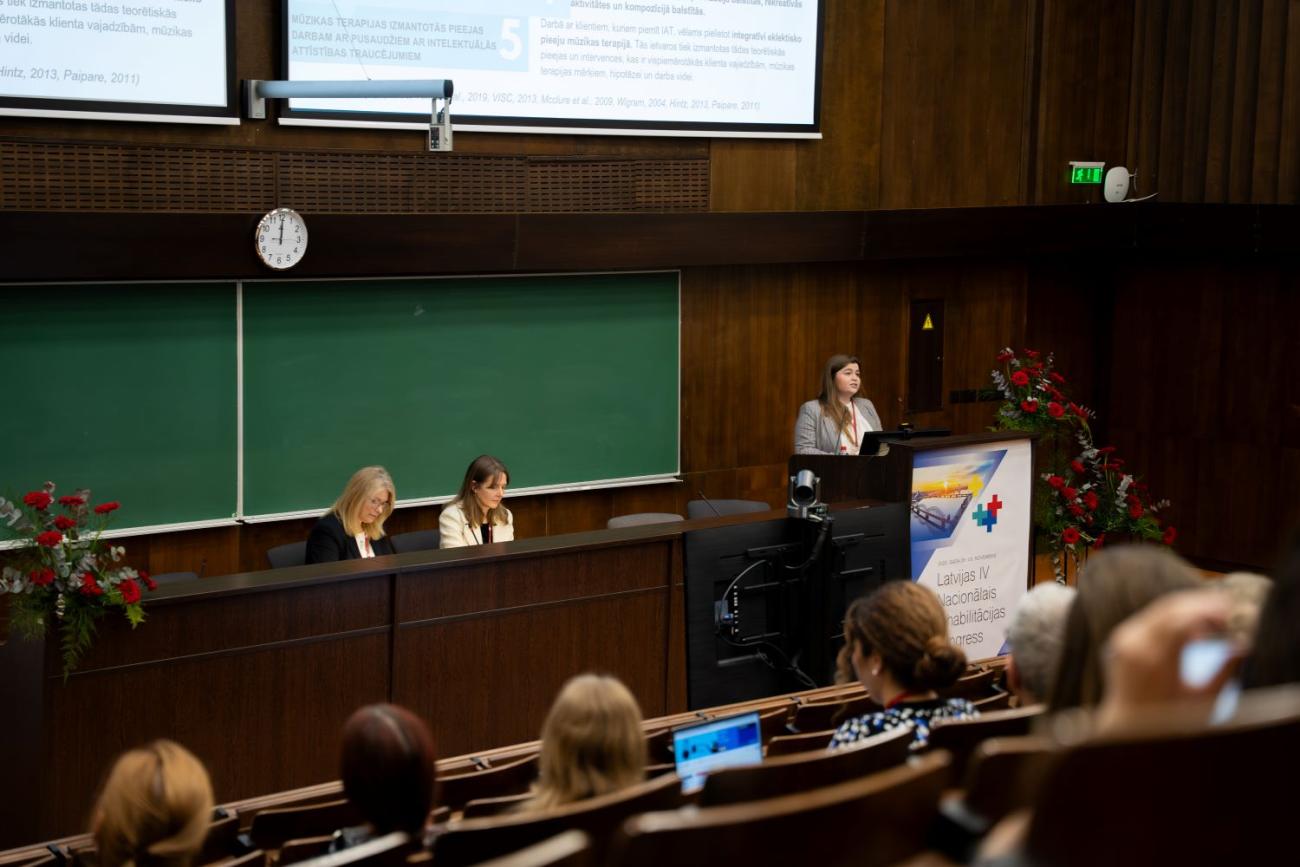
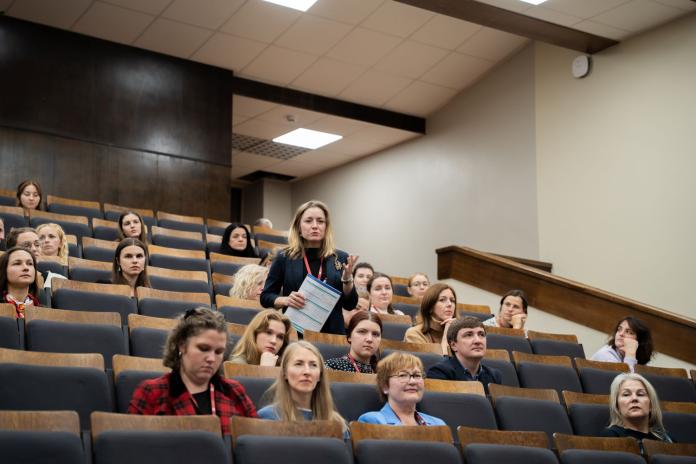
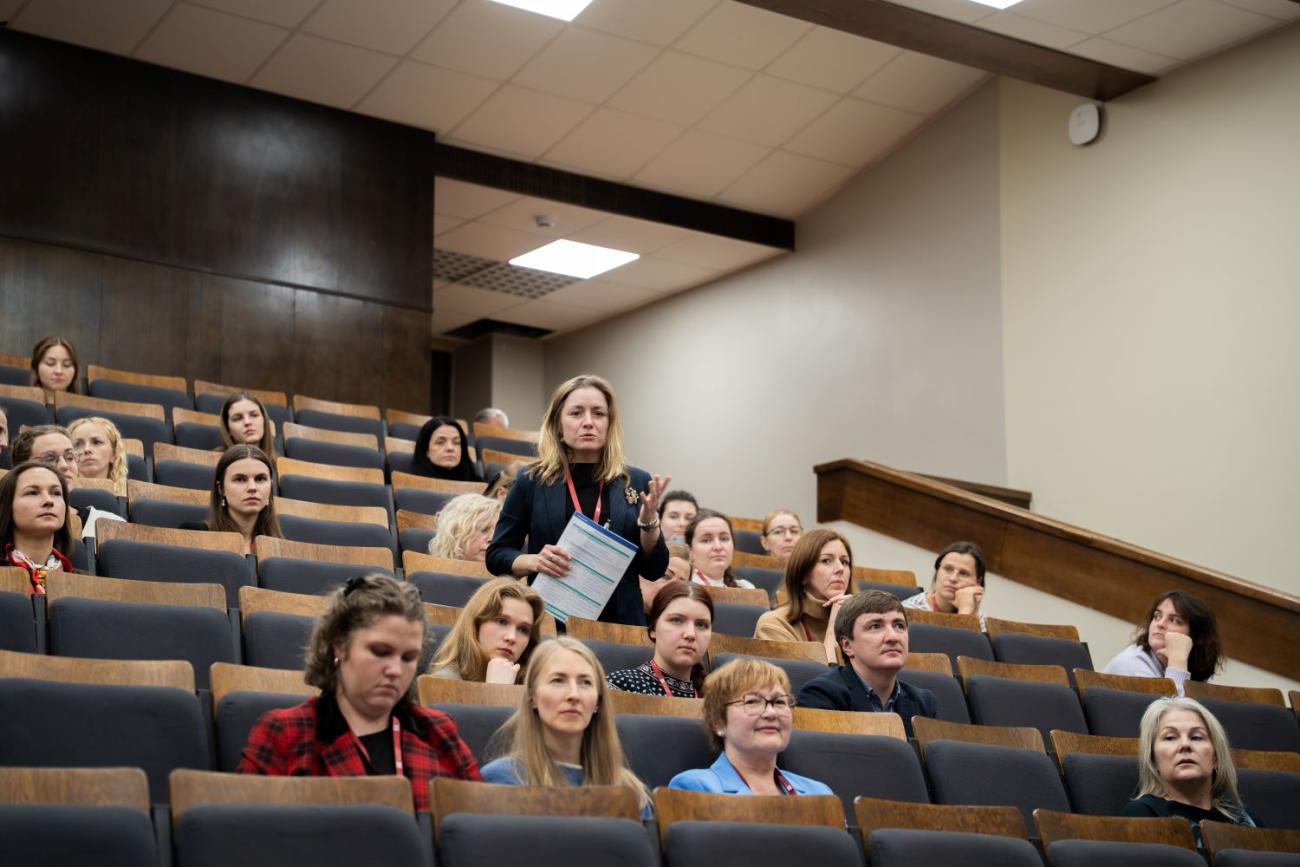
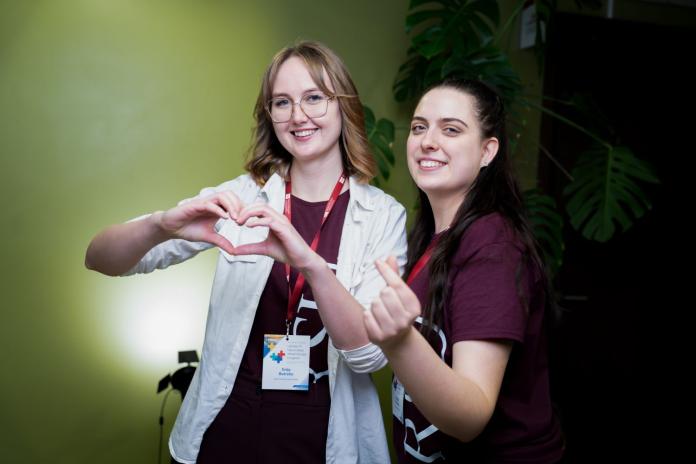
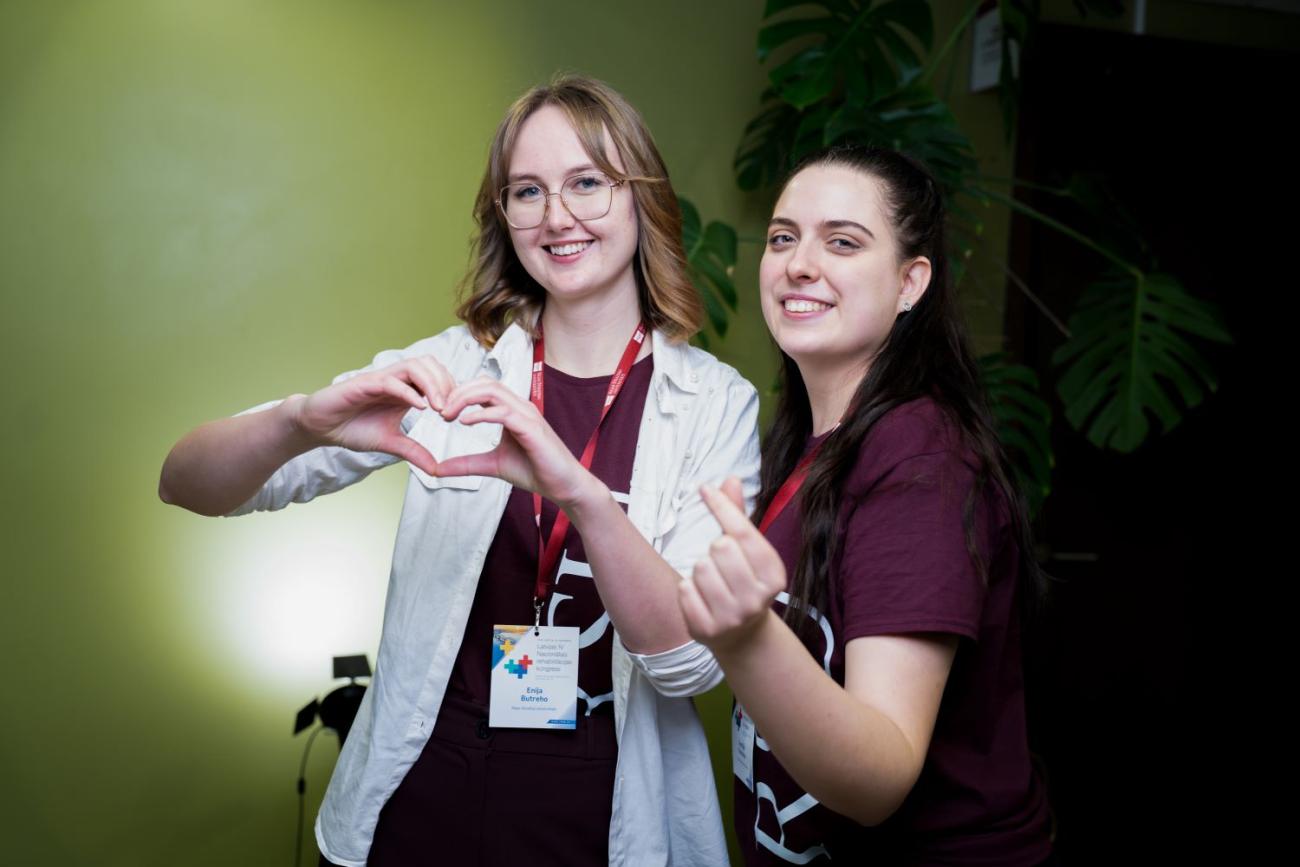
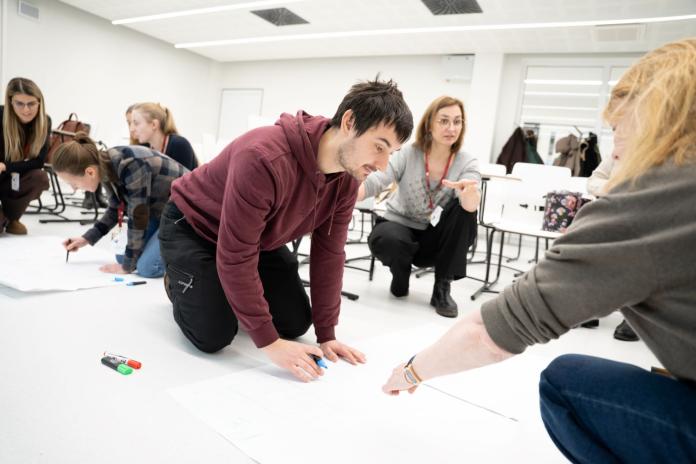
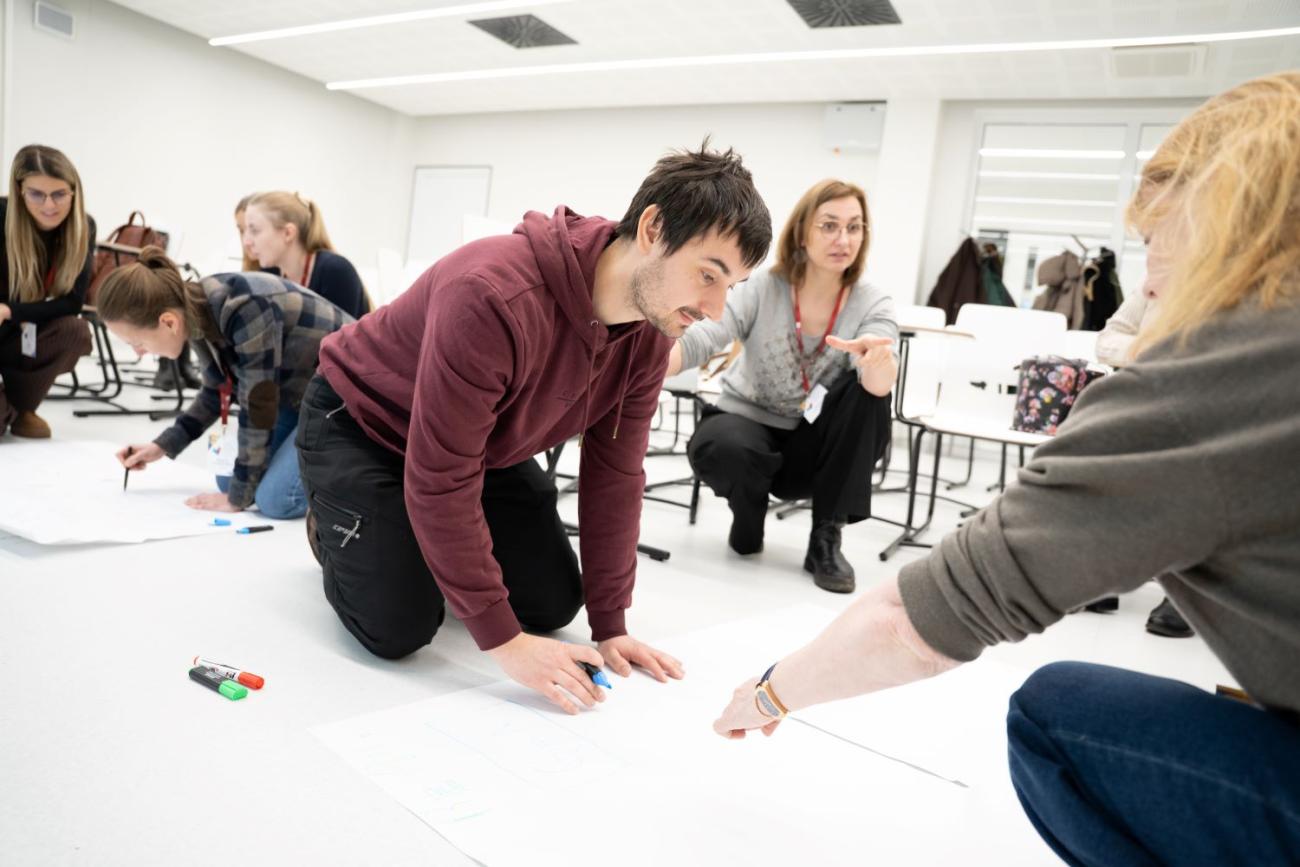
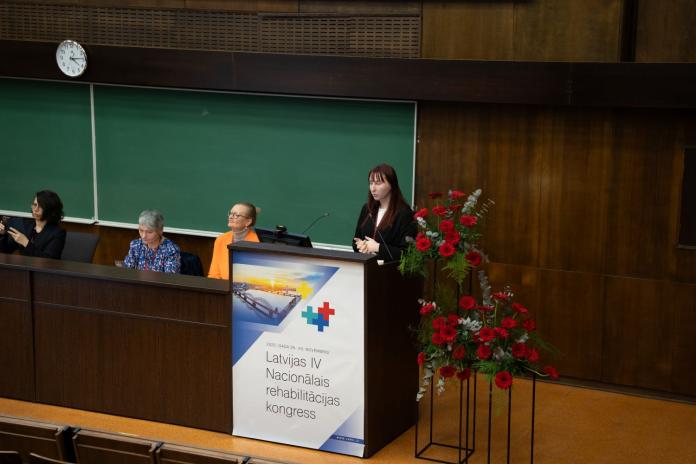
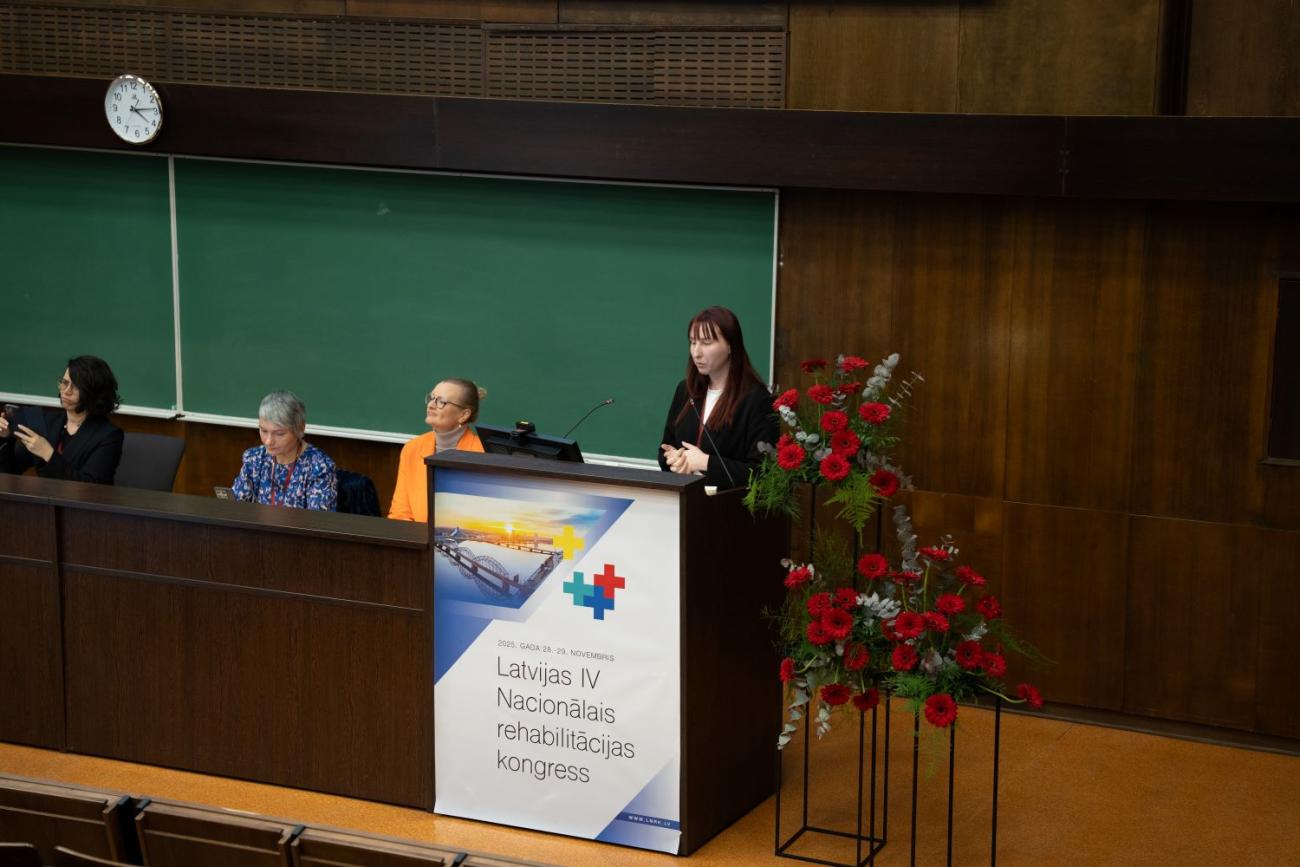
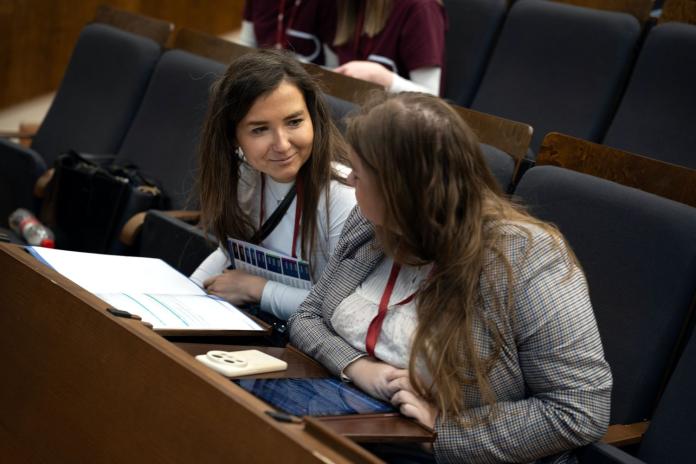
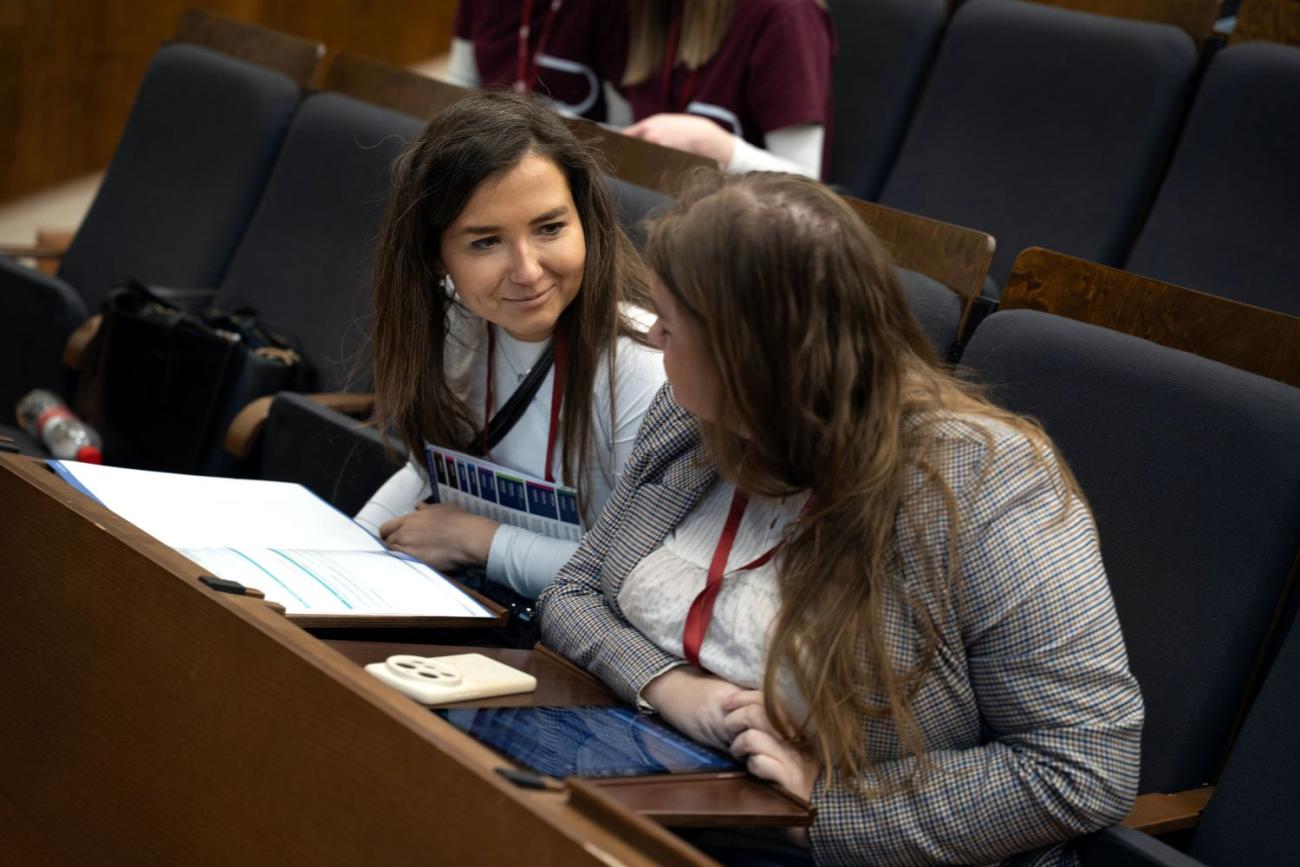
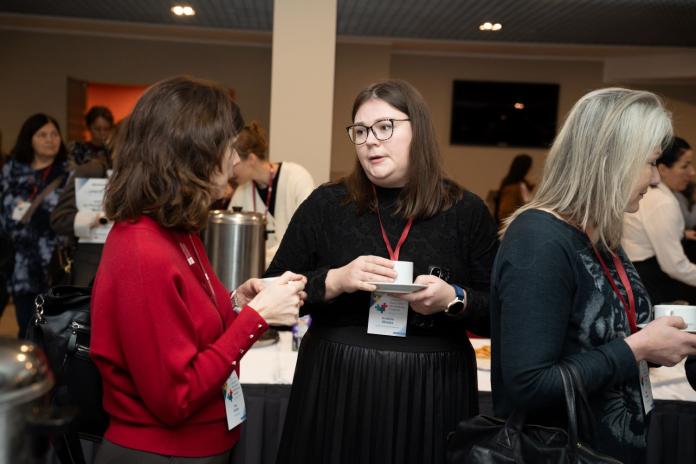
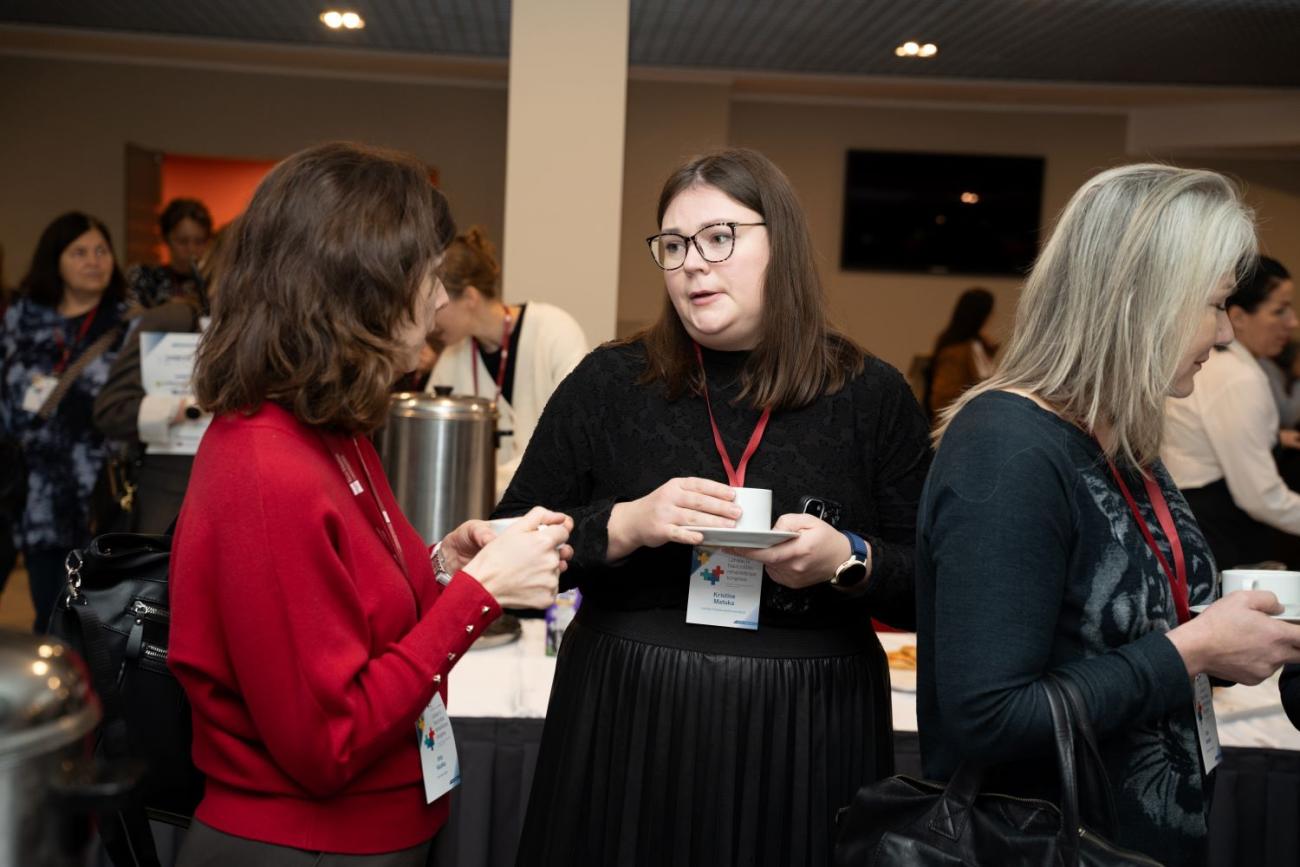
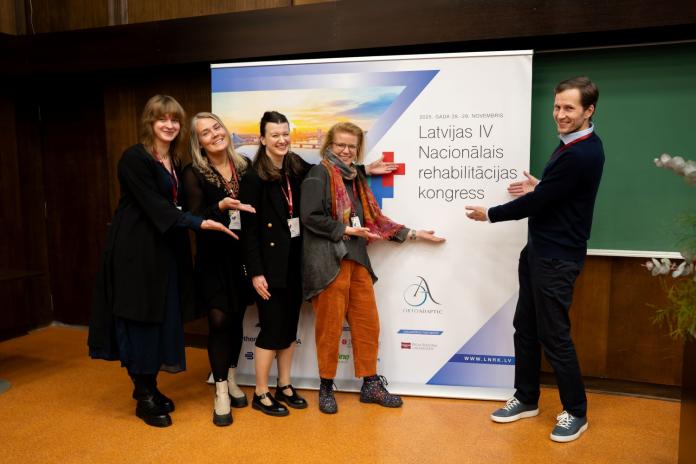
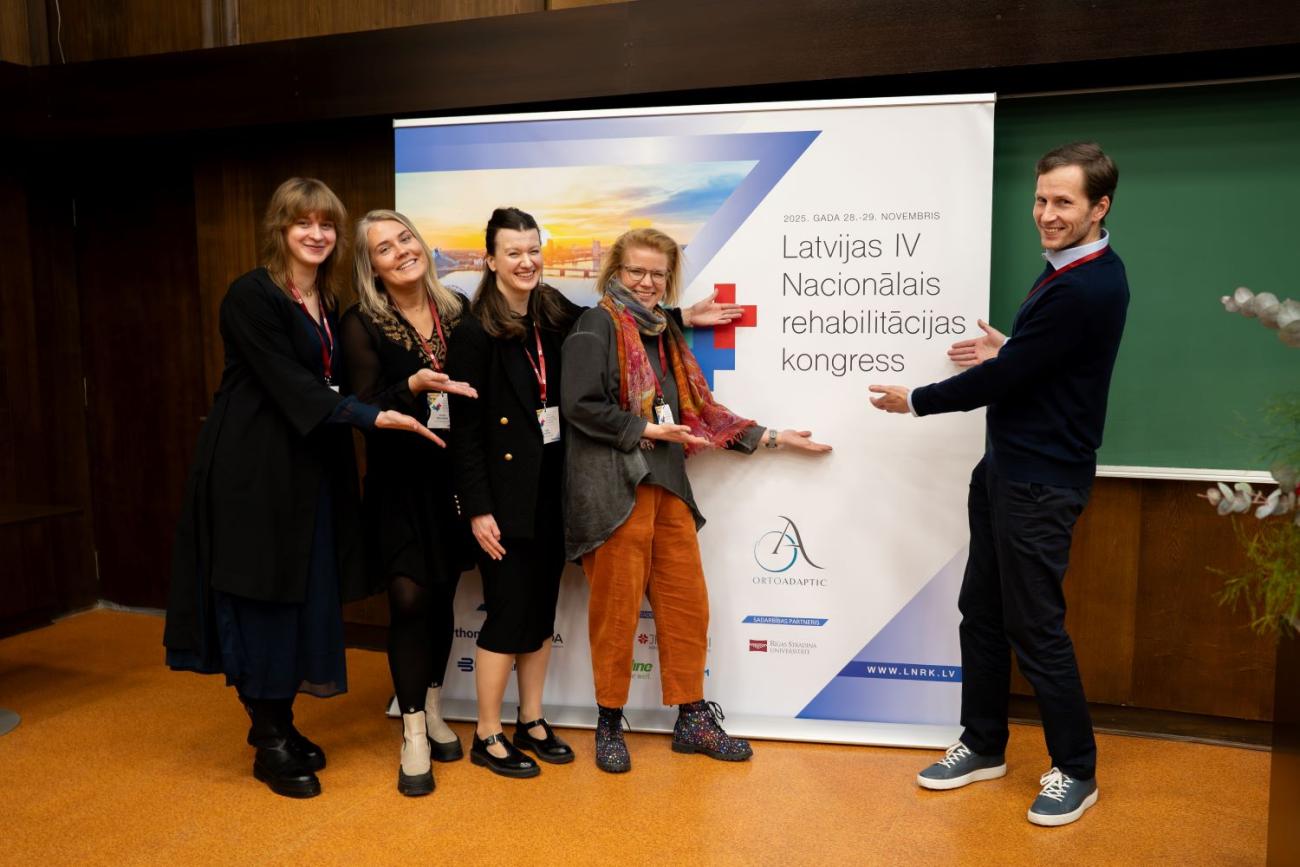
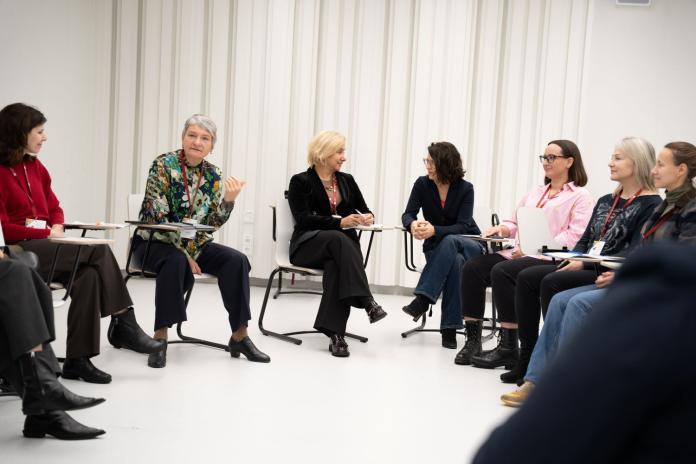
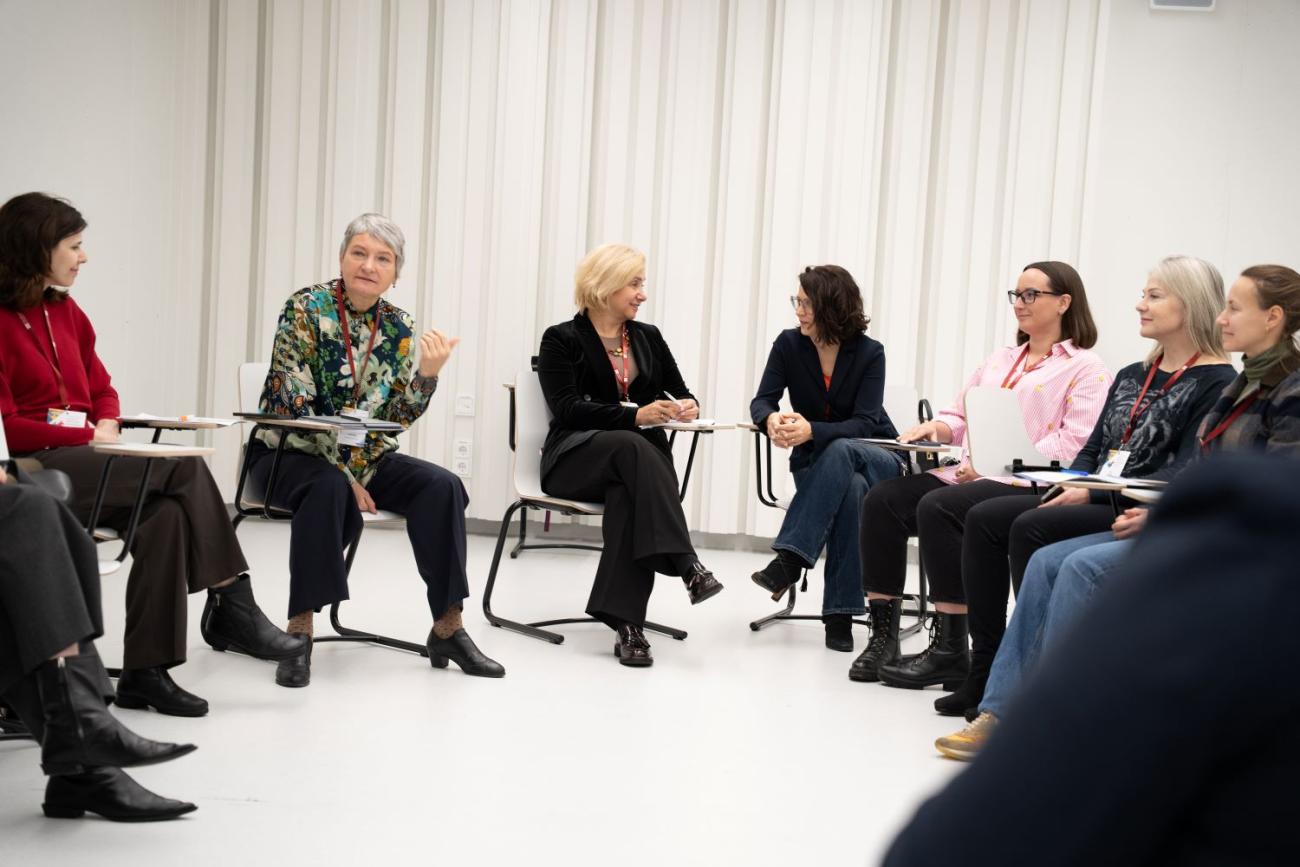
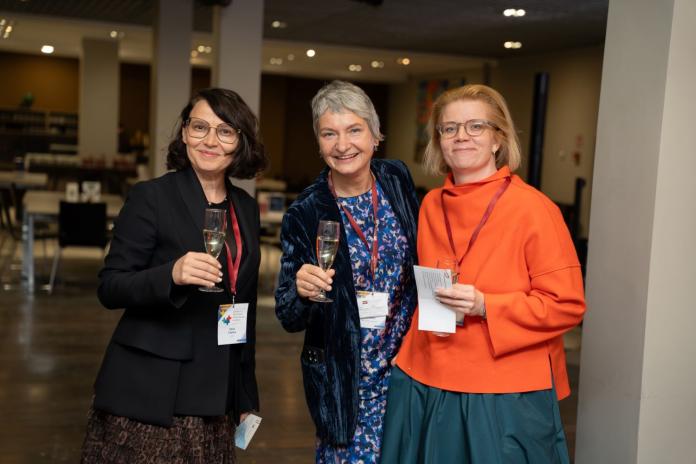
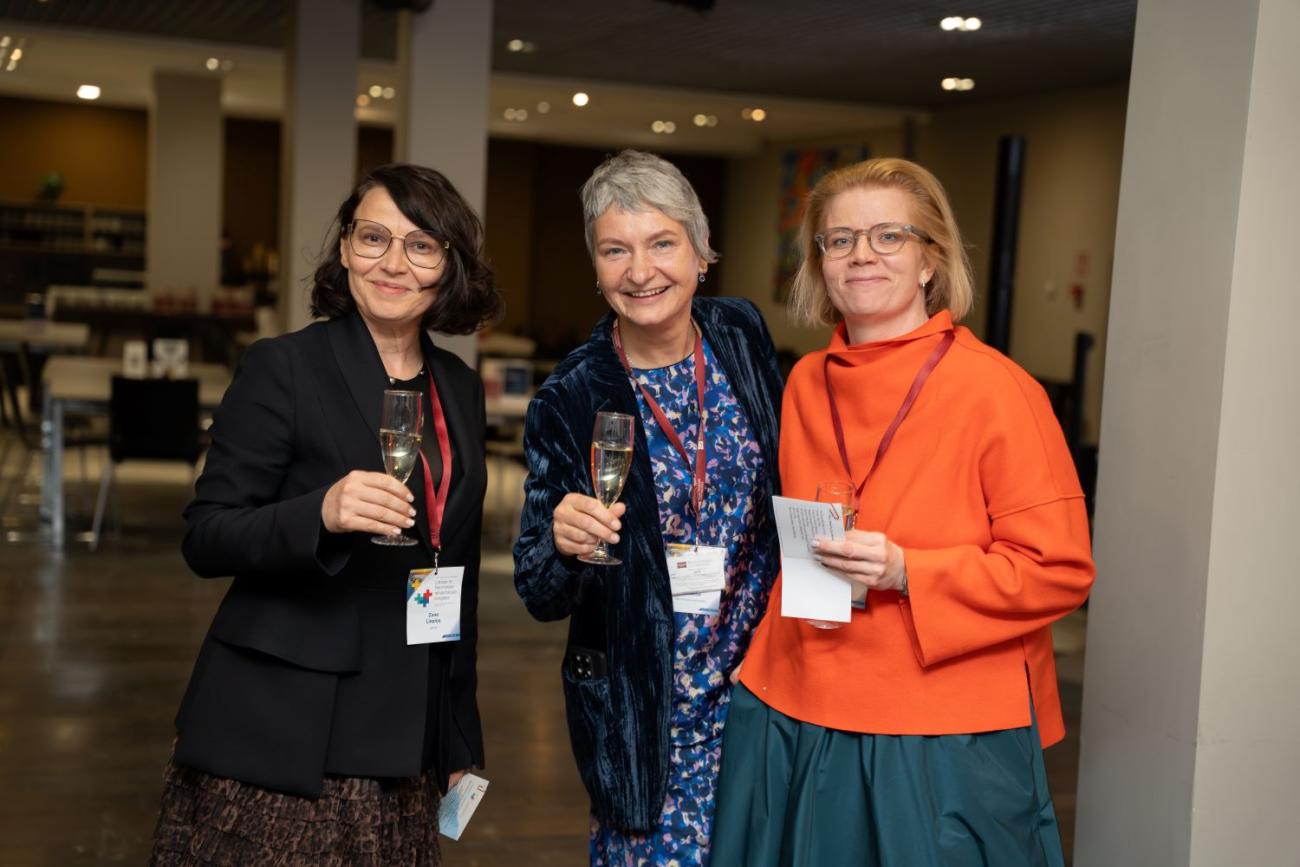
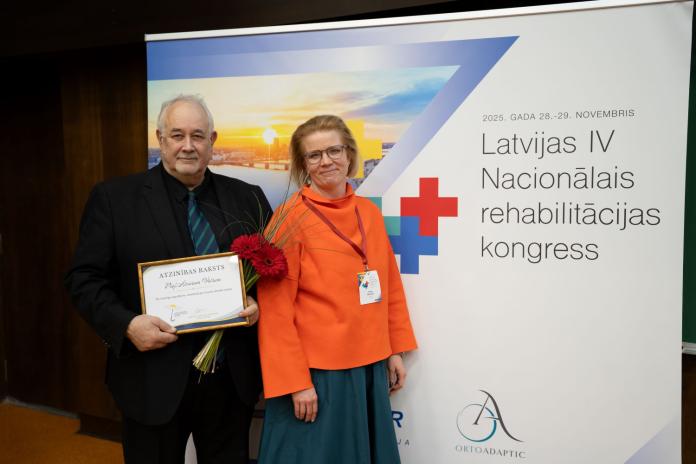
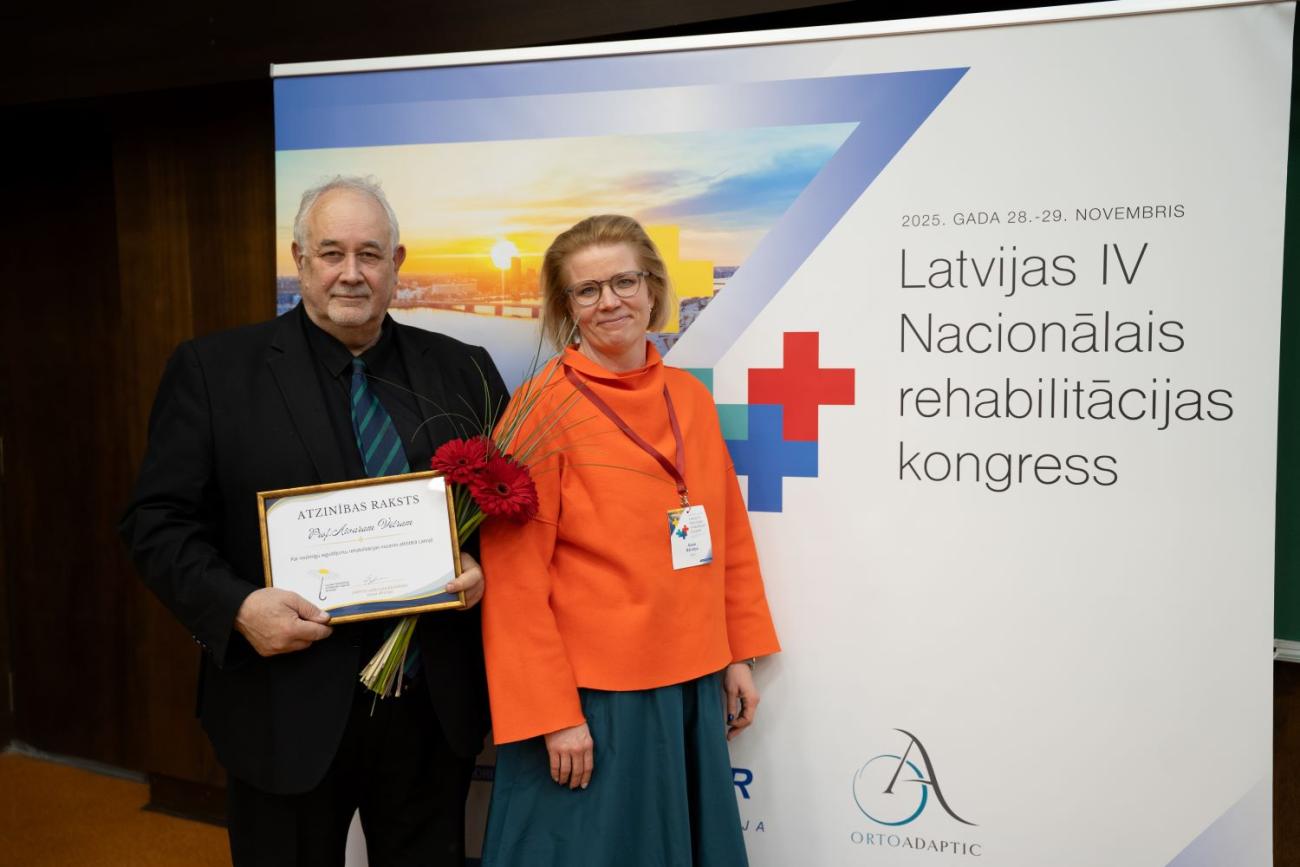


On 28 and 29 November, the 4th Latvian National Congress of Rehabilitation Medicine took place at the Main Building of Rīga Stradiņš University (RSU). This year’s event was particularly significant, marking the 30th anniversary of the establishment of a targeted rehabilitation system in Latvia. Under the motto ‘People. Environment. Participation’, the congress brought together more than 350 participants to reflect on past achievements, address current challenges, and outline a roadmap for the sector’s future.
The congress was opened by Minister of Health Hosam Abu Meri, Minister of Welfare Reinis Uzulnieks, and Dean of the RSU Faculty of Health and Sports Sciences Prof. Inga Millere. In their opening remarks, they emphasised that rehabilitation in Latvia has become one of the pillars of social security, helping people to regain not only their health but also their independence and the ability to participate fully in society.
The RSU Department of Rehabilitation played a major role in organising the congress. Lecturers and students actively contributed to organisational work and the scientific committee, and they enriched the programme with presentations and discussions. This once again highlighted RSU’s substantial contribution to the training of rehabilitation specialists and to research, creating a strong platform for professional growth and exchange of experience.
Over the course of two days, rehabilitation professionals addressed a wide range of topics, reflecting the diversity of modern rehabilitation:
- the organisation of rehabilitation systems and the work of multidisciplinary teams
- military rehabilitation and adapted sports
- digital solutions and innovations in the sector
- patient safety, ethical considerations, and hospital-acquired infections
- the emotional well-being of specialists and the psychosocial aspects of rehabilitation
Congress participants agreed that the future of rehabilitation lies in closer collaboration between the health and social sectors. They emphasised the need for integrated, mutually complementary services rather than fragmented ones.
Key conclusions for the sector
- Collaboration. The division of responsibilities and interaction between doctors, functional specialists, and social workers is of strategic importance.
- Importance of data. Targeted data collection is critical to the effectiveness of patient care.
- Continuity. Rehabilitation is a continuous process in which early intervention and links to different stages of healthcare will play an increasingly important role.
At the end of the congress, participants gained new energy and a sense of professional unity to continue developing a people-centred, safe, and ethical rehabilitation service system in Latvia over the coming 30 years. The next Latvian National Congress of Rehabilitation Medicine will take place in 2027.
Related news
 RSU Innovation Day to Bring Together Students, Researchers and EntrepreneursFor RSU Employees, For Students, Innovation