
RSU Lecturer of the Year Arturs Balodis on research, high standards and trust in students


Photo: Courtesy of Arturs Balodis
Radiologist and lecturer Arturs Balodis describes his professional career as having developed gradually yet purposefully, combining family traditions, academic work, and research. In our conversation, Assistant Professor Balodis reflects that he has been interested in medicine since early childhood, and that this career choice has never felt accidental.
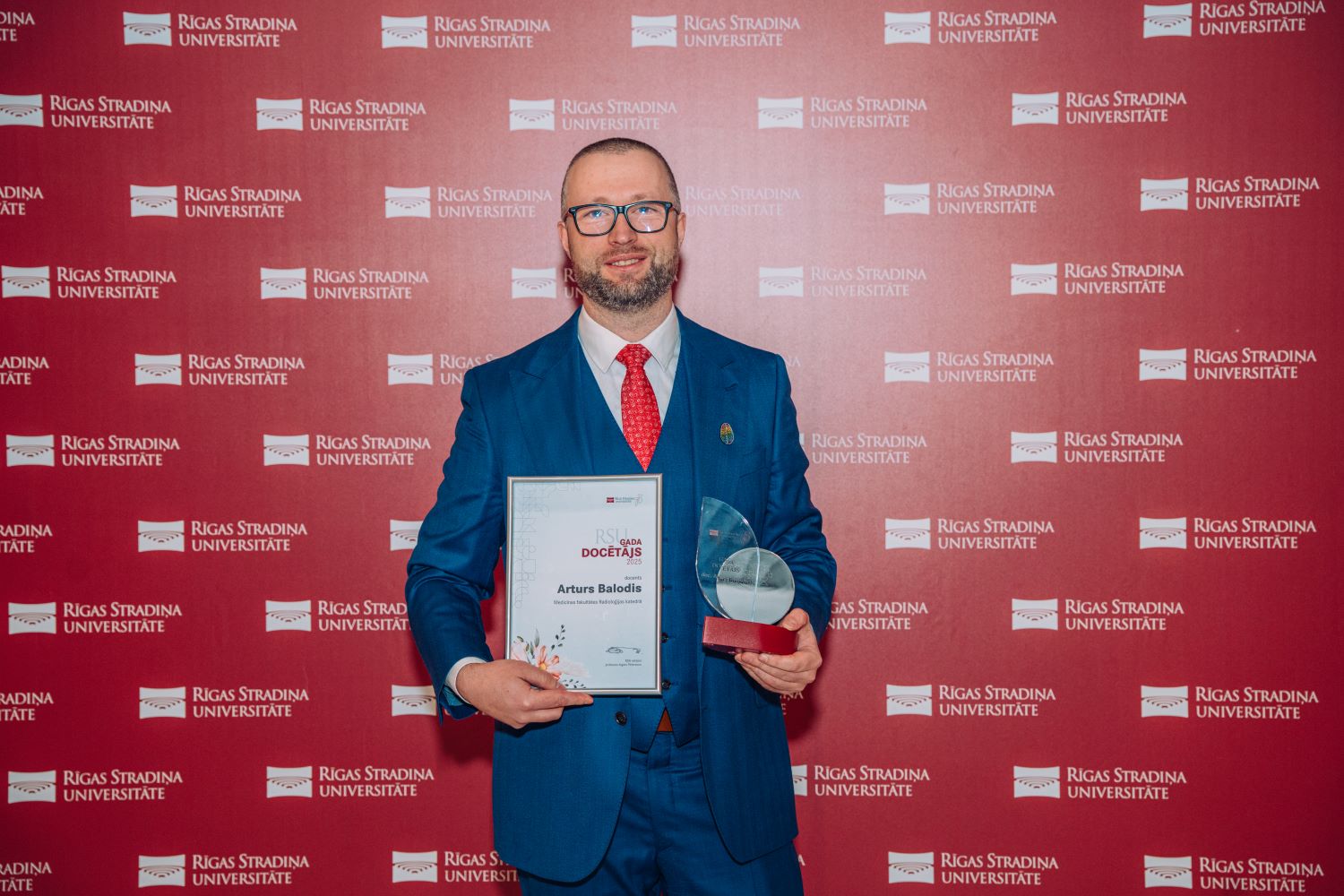 Receiving the award for Lecturer of the Year
You have received the Rīga Stradiņš University (RSU) Annual Award for Lecturer of the Year. Before we get to this significant achievement, I would first like to look back. How did your path in education and research begin?
I attended Dravnieki Primary School in Latgale, which, unfortunately, no longer exists due to a lack of pupils. It was a strong rural school where I first recognised my aptitude for the natural sciences. This later helped me enrol in the natural sciences stream at Preiļi State Gymnasium. The studies there were intensive, the curriculum included programming, and teachers placed a high value on both discipline and initiative.
It was in high school that I first became involved in research, specifically in biology, and learned to work with a microscope.
Was the decision to study medicine a carefully considered choice?
Yes, I had virtually no doubts about choosing medicine. I come from the long-established Baloži family in Latgale, where there have always been doctors.
My family has told me that only a few families in the area survived the plague in the 18th century, and that one of them was ours. Medicine as a profession has always been relevant in our family. We have also several doctors, such as the former RSU professor, cardiologist Antons Skutelis. In my childhood, I remember how he encouraged me to study medicine. Antons often came to visit us, and my brothers and I used to call him “professor”. This left a vivid impression on me as being something special and prestigious, and even then, I dreamed of having this title myself one day. You could say that this childhood dream has come true.
How did you become interested in radiology?
The decisive moment came in my fifth year of studies, when I had an excellent lecturer, Associate Professor Evija Miglāne. She sparked my interest in neurology and its connection with radiology. At the time, the treatment of acute ischaemic stroke was being actively studied worldwide, particularly early diagnostic possibilities and the use of mechanical thrombectomy.
I was truly fascinated by how effective this method was. One patient, who had severe movement impairments and was unable to speak, regained both movement and speech within just a few minutes after a successful thrombectomy.
Prof. Miglāne introduced me to Assoc. Prof. Kārlis Kupčs, a radiologist at Pauls Stradiņš Clinical University Hospital (PSCUH) , and already in my fifth year, I became involved in research on the active treatment of acute ischemic stroke.
I participated in the RSU International Student Conference (ISC) with this study, winning first place. It was at that moment that I realised I had no doubts that I wanted to study radiology.
This line of research later developed into your doctoral thesis. How would you describe this period?
The path to a doctoral thesis is not an easy one. Statistics confirm this, as they show that not all doctoral candidates reach the defence stage. I was fortunate to have excellent supervisors and mentors, including professors Maija Radziņa, Kupčs, and Miglāne. My doctoral thesis focused on the relationship between early imaging diagnostics of cerebral infarction and reperfusion tactics with radiological and clinical outcomes. When I began my research, mechanical thrombectomy for patients with acute ischemic stroke was not included in clinical guidelines as a treatment method due to a lack of supporting evidence. In my study, I identified radiological selection criteria to achieve better clinical outcomes for a larger number of patients. Currently, these and other criteria, as well as this method, are included in the guidelines and are considered a standard treatment.
In parallel with your studies, you began your teaching career at a very early stage. How did that happen?
Already during my studies, I began working at the Medical Education Technology Centre (RSU METC) as a medical simulation specialist, becoming the first staff member with this professional profile at the university.
I taught students and worked with lecturers, helping to design simulation scenarios. I found the ultrasound simulator particularly important, as it is based on real patient examinations. I began teaching ultrasonography during my residency. Later, we developed the Level B elective course in ultrasonography together with my colleagues, which was very popular with students.
You often mention working with students. What is the most important aspect for you?
Working with students helps me maintain my professional acuity and constantly update my knowledge.
Students are very technologically skilled, and often lecturers can learn a lot from them.
I am actively involved in both the Latvian and international student research groups in radiology, helping to prepare clinical cases, research papers, and publications. It is important for me to provide students with a “road map” so they understand how to progress in research step-by-step. I am a demanding lecturer, but I believe that it is precisely this high standard that helps achieve good results.
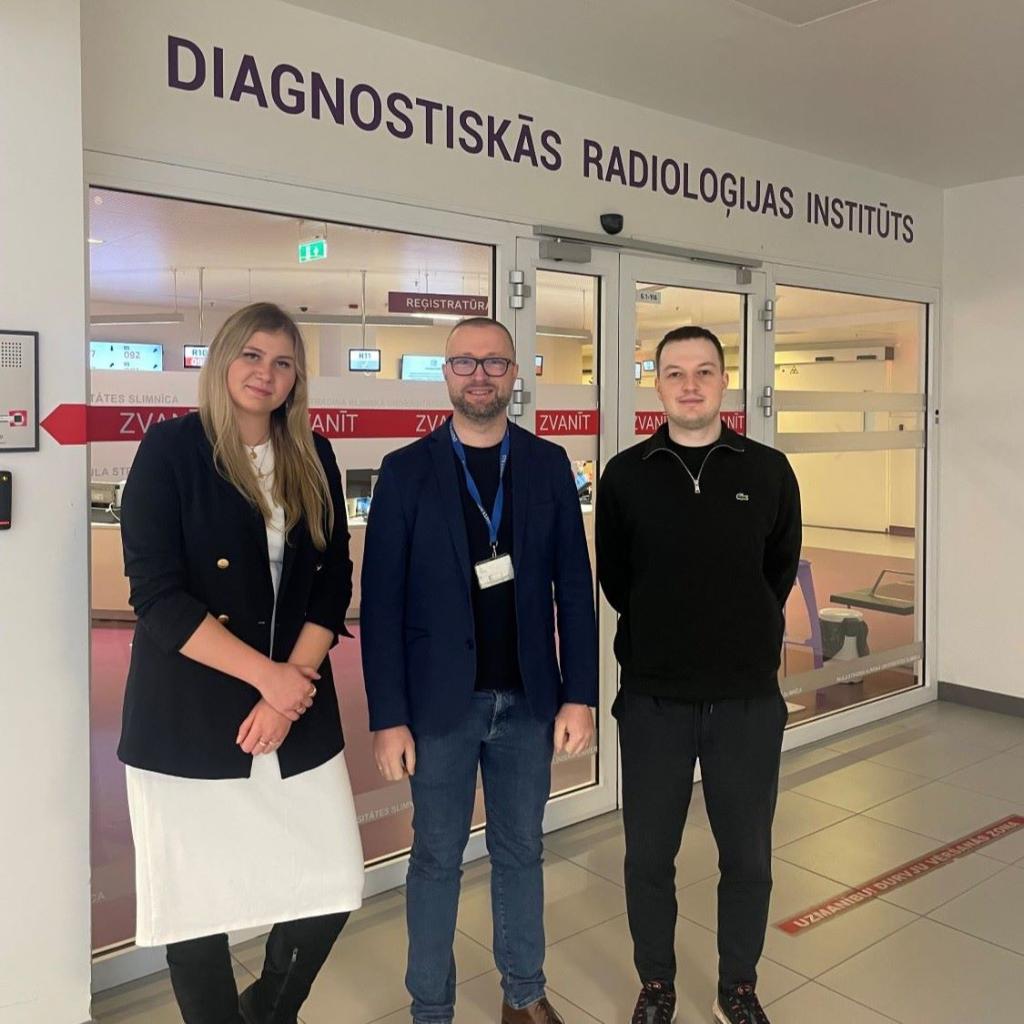 Asst. Prof. Balodis with students
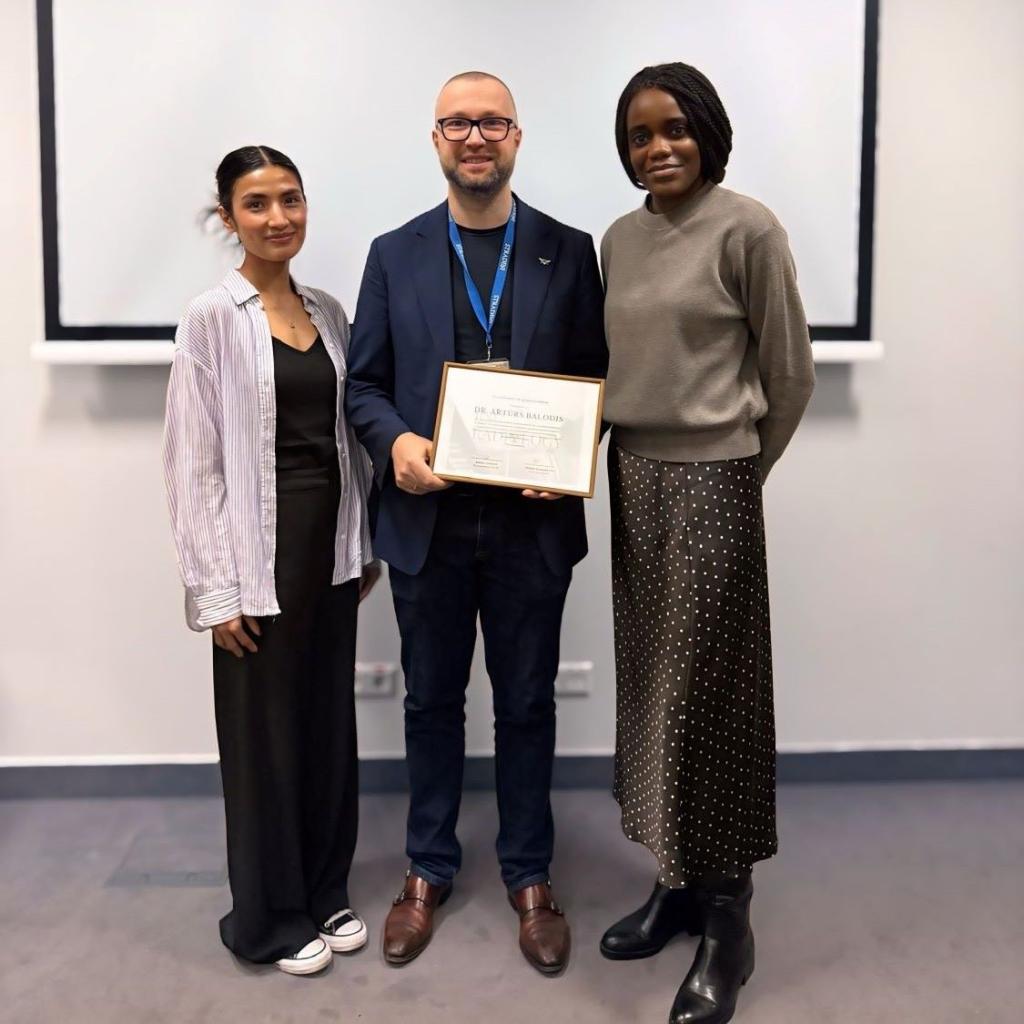 Asst. Prof. Balodis with international students
You are actively involved in international research. What significance does this have for your professional growth?
Yes, one cannot get very far without it. For example, I review several scientific journals in my field. Working as a reviewer gives me the opportunity to stay up-to-date in the fields where the most active research is taking place.
Last year, I was invited to take part in the American Society of Neuroradiology Annual Meeting in Philadelphia, where I received a certificate of recognition as one of the best reviewers for 2024/2025 for the society’s scientific journal, the American Journal of Neuroradiology. This experience also led to a joint scientific publication with Professor Can Özütemiz from the University of Minnesota, USA. Engaging with a large number of scientific articles allows one to learn diverse research methods and generate new ideas for student, resident, and doctoral research projects in Latvia. Over the past year alone, my colleagues and I have produced 35 publications on various topics in neuroradiology, 13 of which have been published in international journals.
What research projects are you currently involved in?
I am involved in several research projects. One of them is focused on predicting the outcome of acute ischemic stroke treatment, using quantitative imaging criteria and artificial intelligence analysis in cases of mechanical thrombectomy. The goal of this study is to improve patient selection and treatment strategy choices, thereby increasing treatment effectiveness and improving long-term functional outcomes.
Another research direction is related to studying radiological biomarkers in meningiomas and their significance in determining tumour biology and aggressiveness even before surgical treatment. Such studies help predicting the course of the disease more accurately and to target the treatment approach.
How do you spend your leisure time?
Traveling has always been a way for me to disconnect from work, and it often goes hand in hand with fishing.
I have fished in the Mediterranean, near the Azores, Madeira, and the Canary Islands, but my top choice is definitely Norway, especially the Lofoten Islands. I even experienced a true adventure there when the boat’s engine broke down while fishing, and we needed assistance to return to shore. I remember moments like these and help me maintain a balance between my intense professional life and leisure.
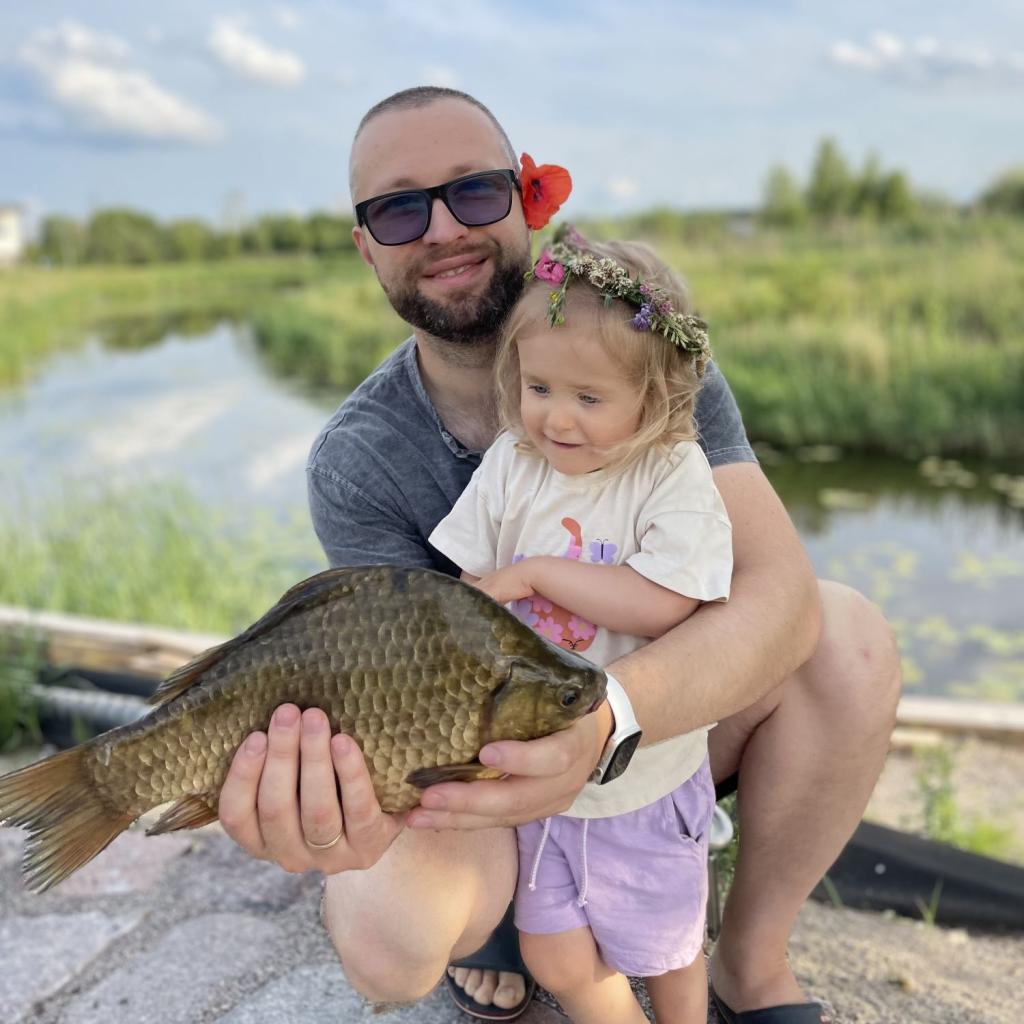 Midsummer night's eve with daughter Arta
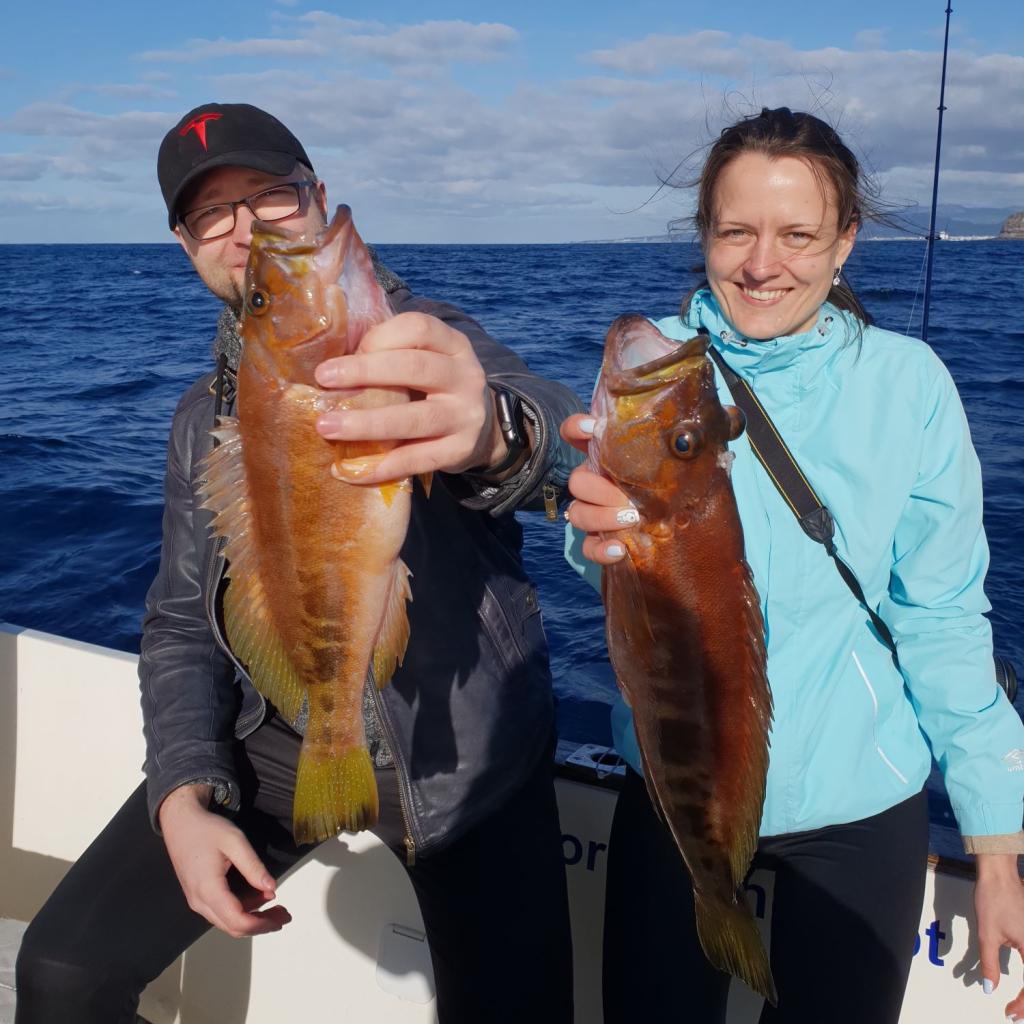 On holiday
What advice would you give to young lecturers who are just beginning their academic careers?
I would advise young lecturers to be genuinely passionate about their subject and to remain active in their field.
It is important to be demanding both of yourself and of your students, as this helps keep your skills sharp and sustains professional motivation.
I would strongly encourage considering doctoral studies and dedicating some time to research on a daily basis. It is regular, consistent effort that leads to sustainable progress, whereas overload and excessively long working hours can have the opposite effect and slow development.
It is also worth making use of opportunities to review scientific articles, obtain international qualifications, and build professional networks. At the same time, finding a hobby is essential for maintaining balance and preventing burnout.
Related news
 RSU researcher Anna Žabicka receives international recognition for her PhD dissertationRecognition, Social anthropology


