‘A strong incentive to keep going’ – RSU researchers on the Science Motivation Programme


Each year, Rīga Stradiņš University (RSU) reviews and improves the criteria for its Science Motivation Programme to align with the University’s strategic goals and the growing importance of research results in international rankings. In the past two years, the programme has undergone major changes, including adjustments to the amount of remuneration and the conditions for receiving it.
5 criteria of the Science Motivation Programme (PDF)
At the end of August, a one-off remuneration was granted to 278 colleagues for their scientific results in 2024, based on the total number of points earned for meeting the programme’s criteria. This included 254 members of academic staff, representing 21% of all RSU academic personnel. Of the 278 recipients, 101 were leading academic staff members, professors, associate professors, or lead researchers. Remuneration was also awarded to 24 members of administrative staff. The number of recipients is twice as high as in the first year of evaluation, when the Science Motivation Programme was introduced.
Compared to 2018, the total amount of remuneration for the 2024 results is more than three times higher, amounting to 641,500 EUR before tax. According to data, almost 32.5% of academic staff members at RSU have been involved in research activities, which is reflected in the results for 2024.
Twelve RSU academic staff members earned 20 or more points in meeting the criteria and received a one-off remuneration ranging from 10,000 to 16,500 EUR. Most of these staff members gained their points through the development of high-quality publications and by securing projects under the Horizon Europe programme.
I would like to thank everyone who has contributed to the preparation and implementation of projects, data processing, project development, and supported colleagues in their research activities. Your example is inspiring and proves that we are capable of producing high-quality publications and attracting significant resources for research projects. Our success would not be possible without a strong team and a productive working culture. The science management team will continue to improve the RSU research environment, enabling all our academics to reach even greater heights.
Agrita Kiopa,
RSU Vice-Rector for Science
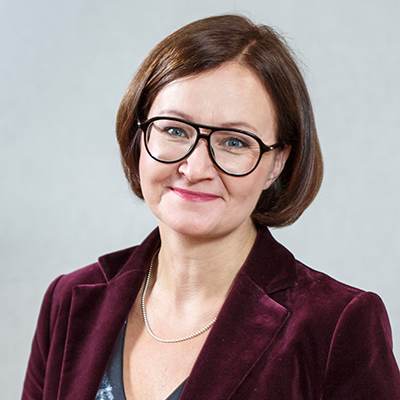
RSU researchers, who received the highest scores in the programme in 2024, shared what inspires their scientific work, how they fulfil the criteria of the Science Motivation Programme, and their recommendations to colleagues on how to achieve even better results.
Over the past 27 years working at RSU, I have observed that research can make a significant contribution to improving healthcare, resulting in better diagnostics and treatment for patients. This is one of my main motivators.
The annual goals of the Institute of Oncology and Molecular Genetics are clearly defined: 20 international publications, two doctoral students defending their theses, and projects worth half a million euros. These are the primary areas of focus for the Institute’s team. It should be noted that 2024 was a special year, as the theme for the Horizon Europe call for proposals was hereditary cancer. Having worked in this field for 25 years, the Institute sought to take full advantage of this opportunity. Following the announcement of the call in June, we established contact with six consortia planning to prepare proposals. The summer was filled with numerous online meetings and the preparation of various documents. Colleagues from both the Institute and the Development and Project Department were actively involved, including during their vacations. As a result, three consortia disbanded, while the remaining three proved to be serious applicants, submitted their proposals, and all three received above-threshold evaluations. Thankfully, one was awarded funding. Of course, it is very encouraging when such efforts are recognised by the employer, and this undoubtedly provides additional motivation to continue the work.
The Science Motivation Programme is largely focused on fostering international collaborations in science. Firstly, it is important to develop within your research group or structural unit something that will interest colleagues worldwide. Once this groundwork is laid, you should strive to leverage it as much as possible by participating in various international research networks that are actively publishing and preparing projects. In the case of the Oncology Institute, close collaboration with the European Reference Network for Genetic Tumour Risk Syndromes (ERN GENTURIS) has been particularly productive. Europe has a total of 24 such reference networks for rare diseases, and many specialties can seek to establish contacts with the reference network relevant to their field. Secondly, one should not hesitate to participate in the same call as part of several consortia. The more consortia you join, the greater the chance that one will secure funding.Assoc. Prof. Arvīds Irmejs,
Director of the Institute of Oncology and Molecular Genetics
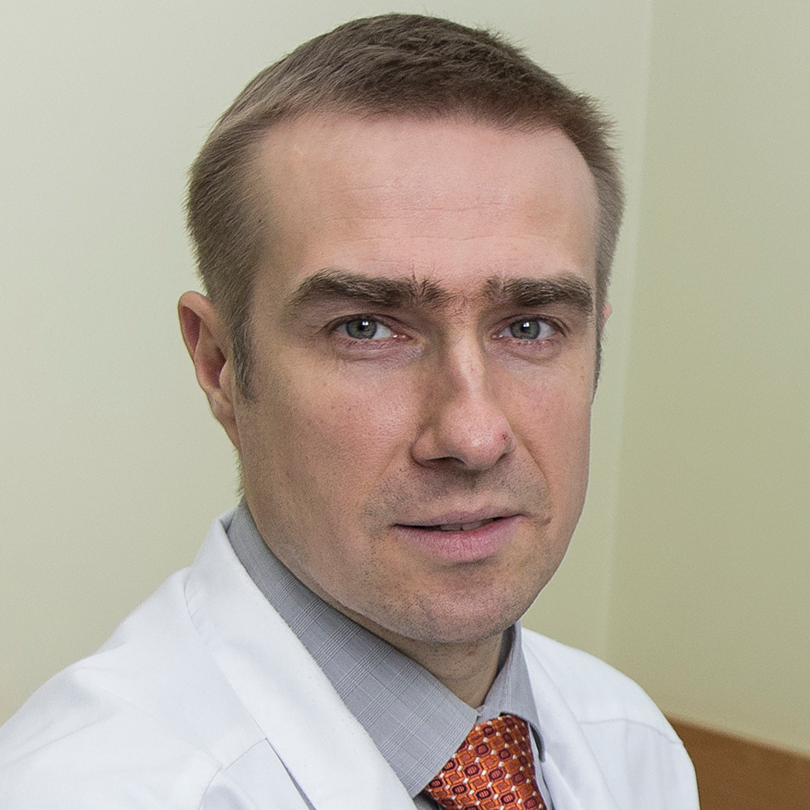
There are still many gaps in mental health research in Latvia. Although researchers at our department have been working to address these gaps for 20 years, there are still many interesting topics and areas to explore.
The criteria of the Science Motivation Programme are clear and well-balanced. Every scientist not only wishes to conduct research that brings personal fulfilment but also aims to share their results with fellow colleagues and society. The programme offers additional recognition of one’s achievements, which serves as a strong incentive to continue the work.
I recommend that my colleagues systematically and promptly plan their research projects, design publication plans at the outset, and actively collaborate with international peers.Prof. Elmārs Rancāns,
Head of the Department of Psychiatry and Narcology
I am motivated by a genuine interest in the field of public health, the desire to improve people’s health, and the wish to leave something of value behind, making life in Latvia a little better. I am also inspired by the interesting and creative collaboration with intelligent colleagues and talented students.
Meeting the criteria of the programme is quite challenging because, like many other RSU colleagues, I hold several positions at the university. The Science Motivation Programme’s criteria must be fulfilled alongside a heavy administrative workload, high-quality teaching, and public duties, for example, my role as Chief Specialist at the Ministry of Health. At the same time, I commend the motivation system for being clear and for helping to focus efforts while setting ambitious personal goals as well as goals for the RSU structural unit one represents.
Devoting full-time work to RSU definitely helps achieve better results. The key to success lies in establishing good relationships and collaborating closely with colleagues across different fields both within RSU and beyond. After all, no published scientific article or project application is the work of a single person, but rather a team effort.Assoc. Prof. Anda Ķīvīte-Urtāne,
Director of the Institute of Public Health
I have been very fortunate to have had great professors, and now I have the opportunity to work with brilliant people to address critical health problems. It may come as a surprise to many, but Europe has the worst oral health in the world. Latvia has the potential to become a model for the rest of Europe. Fortunately, we are living in the best age for research. All the information we need is just a few clicks away. We now have AI models that can help diagnose, treat, or predict diseases. We aim to provide clinicians with the best evidence to enable them to make the best possible decisions for their patients. As a clinician, you can help one person at a time, but as a researcher, you can help millions at once!
As I mentioned, I have been fortunate to collaborate with brilliant people from around the world, and this scientific motivation programme has been a pleasant surprise. I enjoy doing research, tackling complex problems, and figuring out the best way to communicate the results. Being a researcher is a different way of life, and it's sometimes difficult to allow your brain to rest. Even during a concert, your mind is busy with some research problem. Fortunately, my family also shares the passion for knowledge, and their support makes everything easier, whether it's reading or writing late into the night or traveling to conferences. I also appreciate the support of the university and the Institute of Stomatology. Their support has been vital to me.
My advice: first, find a research question that ignites your curiosity. Choose one that keeps you working even when you don't have to. Select something that feels like a game you'd be sad if you were not allowed to play. The best research questions are those that pull you back to your desk or lab all the time.
Also, think carefully about why you're pursuing your research and how it can create the greatest positive impact for the most people. Focus on relevant questions. By relevant, I mean problems that others can convert into actions to help people. Be transparent in your methods so others can examine your work and suggest improvements, and embrace Open Science. Over time, this makes you a better researcher. Also, share your findings through all available channels: social media, blogs, conferences, and publications. Additionally, this would connect you with the best colleagues, people who share your sense of urgency about answering those research questions and with whom you can collaborate.
So, stay resilient, keep learning, and have fun! Always use a good pen and notebook, and turn off all notifications between 8 am and 17. If it's really urgent, they'll contact you anyway.Assoc. Prof. Sergio Uribe,
Lead Researcher, Department of Conservative Dentistry and Oral Health
Related news
 Women in research are assessed on achievements, men on potential: RSU explores inequality in science Research