Learning to research, collaborate, and think critically. Prof. Rudīte Koka on new medicine study course


Photo: Courtesy of RSU
The Rīga Stradiņš University (RSU) Faculty of Medicine is implementing a new, innovative study course aimed at developing students’ research and collaboration skills. Until now, medical students in their sixth year of studies had to prepare a research paper, but often without the necessary preparation and prior knowledge.
The new course offers systematic and methodical learning, where students learn how to design and analyse research step-by-step, work in groups, and critically evaluate both their own and others’ work.
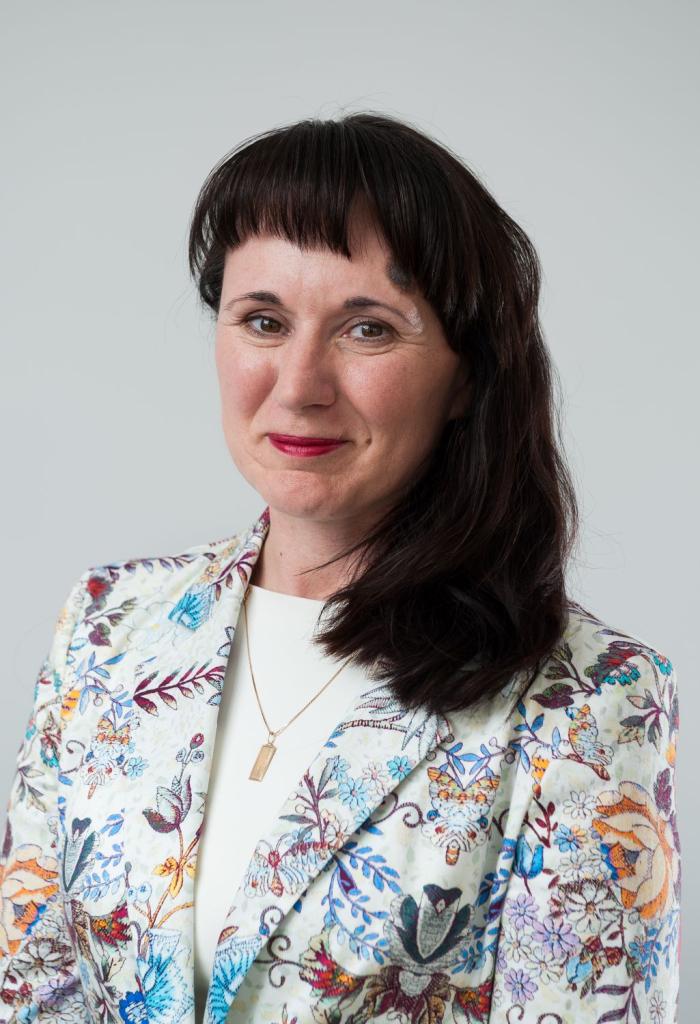
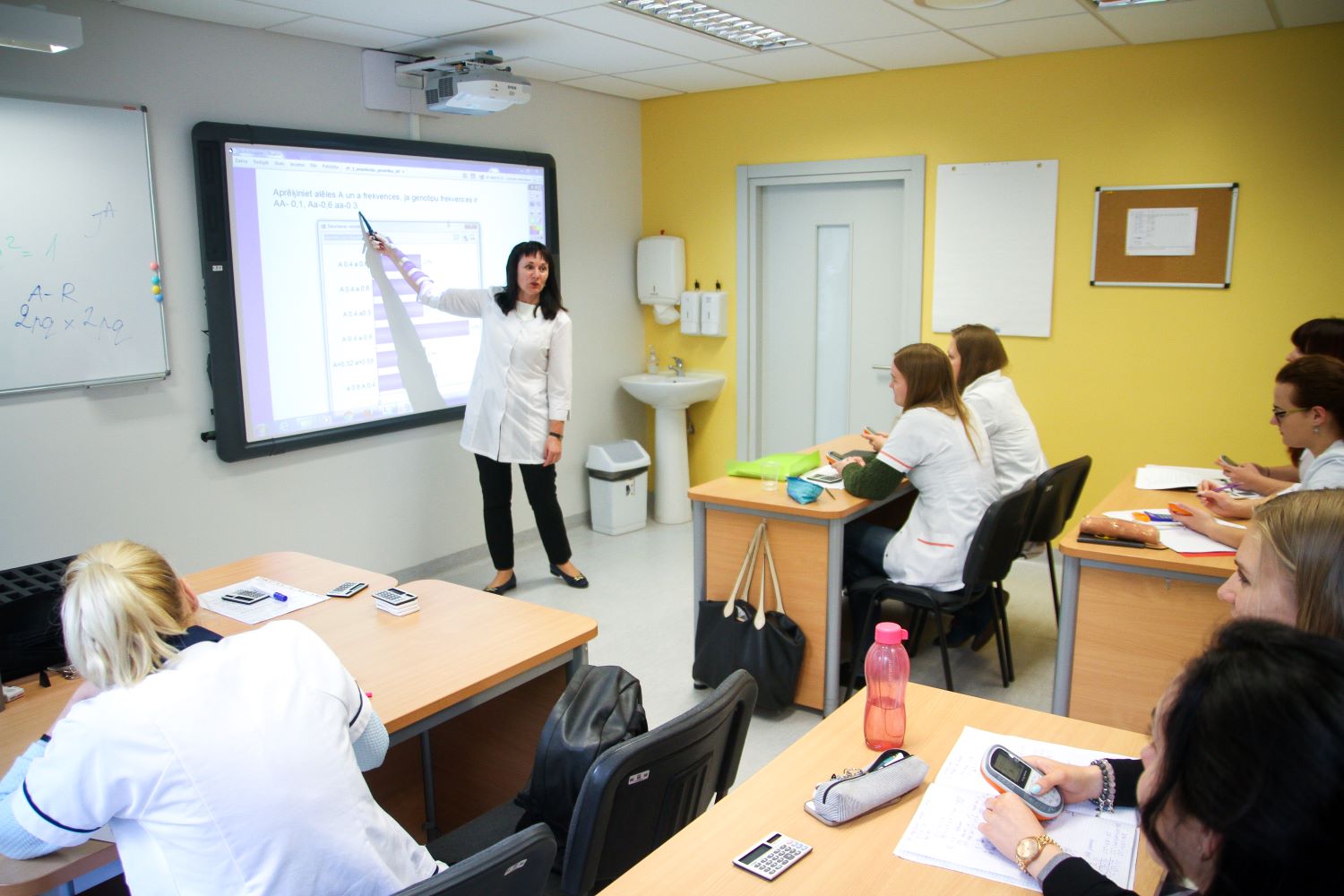
Assoc. Prof. Rudīte Koka (pictured), one of the initiators and implementers of this project, shares insights about the development, structure, experience, and future vision of the course.
How did the idea to develop this new course come about? Why was the change necessary?
Students in their sixth year of studies are required to develop a research paper, but when reviewing the curriculum, we realised that they had not actually learned how to conduct research by that point. We demanded a result, but students had not learned how to work with literature, analyse sources, or collaborate in groups.
We therefore designed a new course for the fifth and sixth semesters that would allow students to prepare for research work. This course combines three essential components: First, teamwork; second, research skills (such as literature and data analysis, formatting, research structure); and third, in-depth study of a topic of choice.
In this way, we offer students the opportunity to learn from each other and to experience research as a dynamic process based on teamwork.
How is this course being implemented in practice?
In the fifth semester, students can choose from a range of research topics offered by five departments: the Department of Biology and Microbiology, the Department of Morphology, the Department of Human Physiology and Biochemistry, the Department of Pathology, and the Department of Physics. The topics are varied, with each group consisting of around five students. For example, the Department of Biology and Microbiology alone offers about twenty topics, engaging more than a hundred students in total — a scale that also increases the workload for the teaching staff.
In the first stage, students develop an introduction to their research study, which is a kind of plan outlining the main directions and key points. Then they begin working on the theoretical part, choosing whether to use data from other studies or to conduct their own experiments and data collection.
In the sixth semester, students analyse the data, format their paper, prepare a presentation, and defend it before a department committee.
The course covers the entire circle of research process from the initial idea to the final defence.
How is assessment culture introduced in this course?
We believe that it is very important to teach students assessment culture. Everyone must perform both self-assessment and peer assessment. Before meeting with their supervisor, students assess what they have accomplished, what has not worked, and what needs to be improved. Peer assessment takes place at the end of the fifth semester and during the sixth semester.
It teaches students to honestly evaluate the contribution of others, to understand that the result of the teamwork is shared, and that every unfulfilled task affects the entire team.
Supervisors lead discussions, encourage students to justify their assessments, ask questions, and speak openly about problems. This gradually builds an honest, responsible attitude, which is very important both in studies and later in professional work.
How would you evaluate the results of the first year?
This course was introduced for the first time during the past study year. Students and lecturers faced many questions and challenges. However, overall, I believe that we are heading in the right direction.
I have participated in many defences and always asked students what they had gained from this course. Their answers – ‘I learned to work in a team,’ ‘I learned to analyse scientific literature and use databases,’ ‘I learned to format references,’ and ‘I learned to present and speak confidently’ – convinced me that the work we have begun must be continued.
I was especially pleased that students emphasised, ‘I learned to listen to others and express my thoughts confidently.’
These acknowledgments confirm that we have improved not only the acquisition of knowledge, but also the students’ attitude and approach to cooperation.
Were any changes made to the course after the first year?
Yes. After the evaluation, we realised that technical improvements were necessary. Initially, students had to use various worksheets and Word documents, yet we understood that this was no longer in line with a modern study environment.
Today's students want fast, digital solutions instead of downloading tables and documents.
So, we redesigned the course to make everything available digitally on our learning platform. This way, we retained the methodological content but made it more convenient and up-to-date.
How was feedback from students and lecturers summarised?
At the end of the course, students provided a very detailed evaluation, consisting of several pages of analysis and recommendations. Lecturers were also surveyed, and in August, we held two-day seminars to analyse all the recommendations and presented changes for the next year.
The students' initiative was particularly valuable. They themselves suggested inviting fifth-year students, who had just started the course, to the seminar.
It turned into a symbolic passing of the torch, involving both last year's graduates and new students.
The senior students shared their experiences, while the younger students learned what they could expect. In my opinion, it was a very good model of collaboration and exchange of experience.
Feedback on the new course
- Alens Silvestrs Aizupietis, 4th study year course leader: ‘My biggest challenge was related to the specifics of teamwork – sub-dividing tasks according to each student's skills and agreeing on deadlines that would fit with everyone's schedules. The team included students from different groups, so their study schedules differed, and due to the intensity of our studies, some needed to be reminded about working on their research. I am very pleased with my peers’ ability to support each other, but I know that teamwork proved to be much more difficult in other groups due to a lack of motivation. This is, however, inevitable. I consider the ability to work in a team to be an irreplaceable skill that must be learned through such challenges.’
- Assoc. Prof. Ingus Skadiņš, Vice-Dean of Faculty of Medicine: ‘The new study course Introduction to Research is fundamental for RSU as a research university. In this course, students develop analytical and critical thinking, as well as problem-solving and research skills. These skills will be useful in the future when writing research or doctoral theses and will serve as a foundation for working with patients in various clinical situations.’