
Growth at a new level: The Cell and Tissue Culture Laboratory expands and implements significant research projects

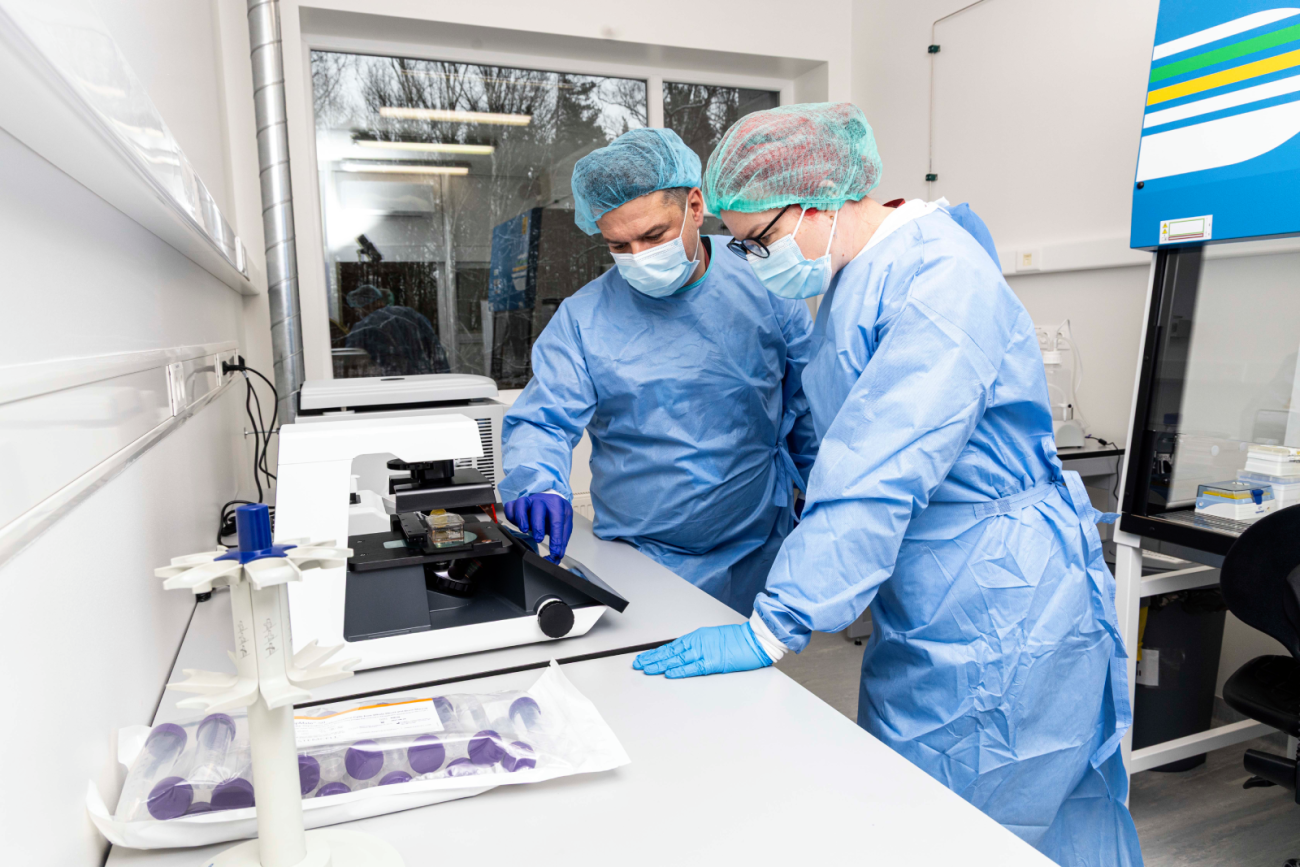


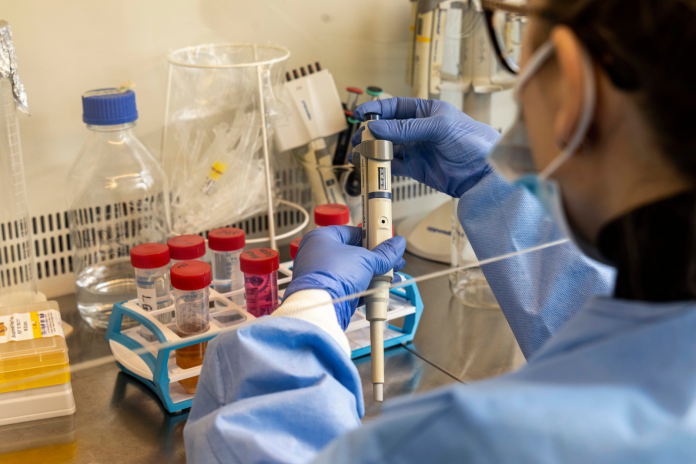


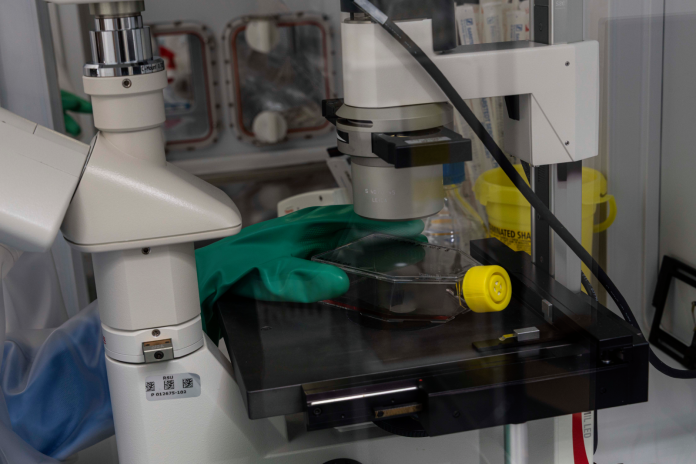


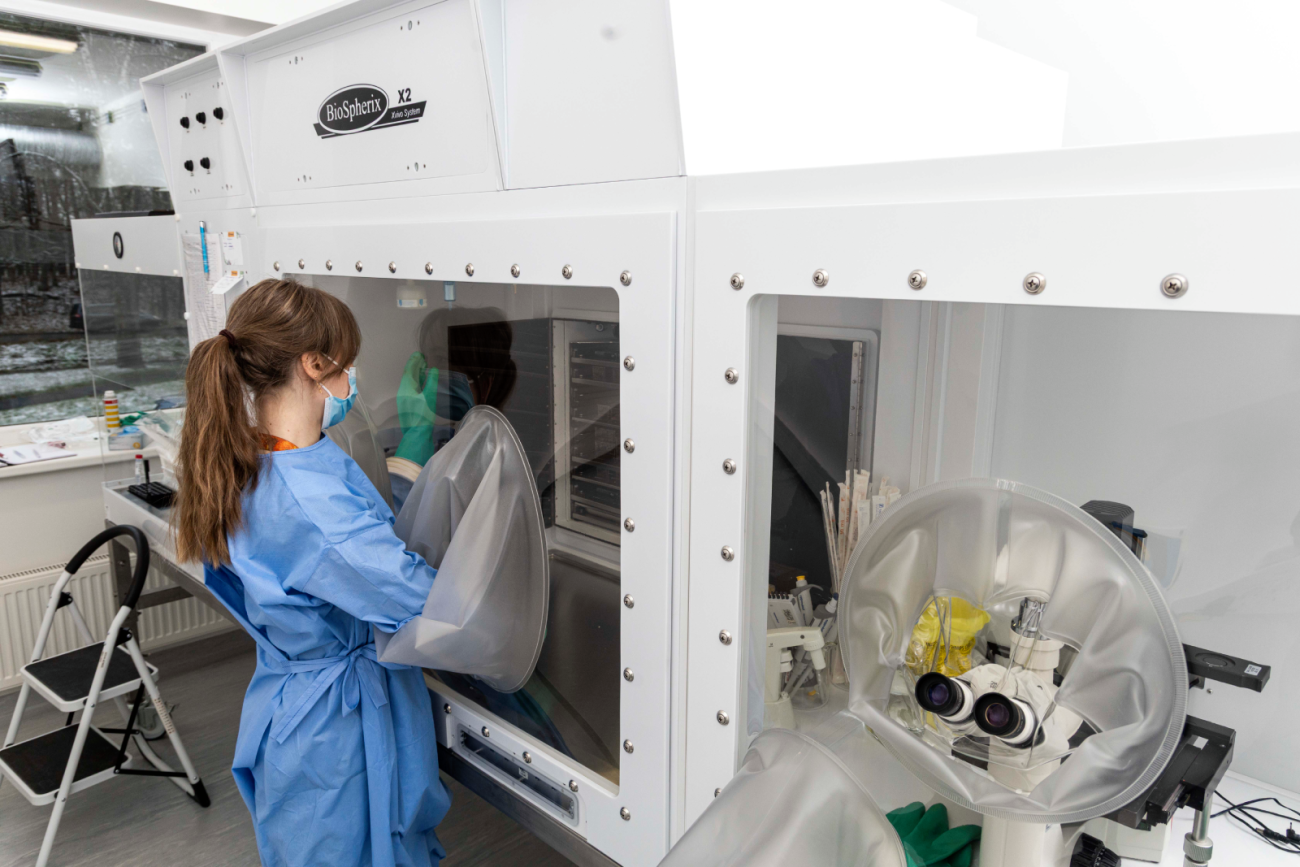


The Cell and Tissue Culture Laboratory of Rīga Stradiņš University (RSU) has experienced rapid development in recent years — in terms of research directions and partnerships, as well as infrastructure and human resources. What once started as a small space within the Institute of Oncology and Molecular Genetics has grown into a modern, well-equipped shared platform at the RSU Institute of Microbiology and Virology (IMV), where multiple studies of national and international scientific importance are currently being conducted.
At the Center of Research — Triple-Negative Breast Cancer and Hypoxia
One of the laboratory’s most significant ongoing projects is a Fundamental and Applied Research Project funded by the Latvian Council of Science, dedicated to the study of triple-negative breast cancer tumors under hypoxia (conditions of reduced oxygen).
Inese Čakstiņa-Dzērve, leading researcher at the Institute of Microbiology and Virology, explains that the study aims to determine why tumor cells are able to survive and adapt in low-oxygen environments. By examining changes in both gene expression and protein levels, the team seeks to identify the mechanisms that enable cancer cells to avoid cell death. Such knowledge could help develop more effective drug combinations. 'In the future, if we can test a patient’s tumor cells to determine which mechanisms they will use to evade death and which drugs will destroy them more effectively, it will help select the most precise and efficient therapy,' I. Čakstiņa-Dzērve explains.
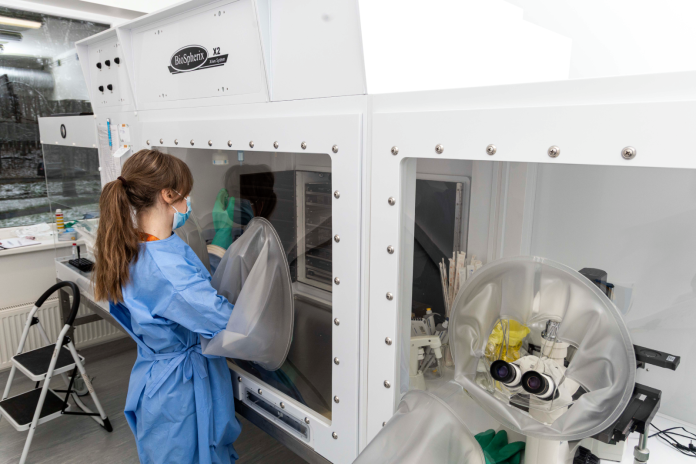
A key instrument in this research is the Xvivo system (BioSpherix, USA) — a unique device that allows manipulation of cells under controlled hypoxic conditions without interrupting the low-oxygen cycle. This ensures physiological conditions more similar to human tissues compared with traditional methods, where cells are periodically removed into a normal-oxygen environment. This technology enables more accurate and biologically reliable results.
The Cell and Tissue Culture Laboratory — a hub for interdisciplinary research
Valdis Pirsko, researcher at the Institute of Microbiology and Virology, notes that the laboratory actively collaborates on several other research projects. Together with researchers from the RSU Sports and Nutrition Research Laboratory, the team investigates how physical exercise may influence the behavior of breast cancer cells. Blood samples from study participants — healthy women and breast cancer survivors — are collected before and after aerobic exercise and are used in cell culture experiments. Researchers observe whether changes in serum myokine levels (biologically active substances released by skeletal muscle cells during contraction, for example during exercise) affect tumor cell growth. This study may help clarify the potential role of physical activity as an adjunct to cancer therapy.
Another major collaboration involves the neuroimmunology group of RSU tenured professor Holger Schmidt. Together with the group of IMV tenured professor Dace Pjanova, researchers analyse lymphocytes from patients with myasthenia, which participate in autoimmune responses against the N-acetylcholine receptor. The aim of this study is to determine the phenotype of autoantigen-specific T lymphocytes in myasthenia. These data may reveal new mechanisms as well as potential biomarkers or therapeutic targets for the management of this neuromuscular disease.
A place for developing ideas and innovation
The move to the IMV has opened wider opportunities for the laboratory’s growth. It is being developed as a shared-use laboratory where researchers from across the university and external partners can access necessary equipment and receive consultations for their studies.
The laboratory currently employs four staff members, and active work is underway to expand the team to ensure high-quality support for new and ongoing projects.
International collaboration — the foundation of the laboratory’s growth
The laboratory’s development is strongly supported by close cooperation with leading research institutions in Europe and the United States. Researchers have acquired modern methodologies at Harvard University, the Dana-Farber Cancer Institute, and the Kiel Institute of Immunology, gaining expertise necessary for complex and technologically demanding research. The laboratory also collaborates with the Sheba Medical Center in Israel, the Institute for Molecular Medicine Finland, and Sweden’s Karolinska Institute, as well as partners in Norway and Spain. Joint project proposals are regularly developed and submitted to various European research programmes.
In December 2025, the laboratory’s researchers will travel to Oslo University Hospital to learn a new method for determining drug sensitivity in blood cancer patients — another step toward personalised medicine in Latvia.
The growth of the Cell and Tissue Culture Laboratory demonstrates that it is possible to develop a modern, internationally competitive research environment in Latvia. By combining new technologies, an interdisciplinary approach, and strong collaboration with international partners, the laboratory is becoming a platform for discoveries that may significantly improve patient treatment options and quality of life in the future.
The establishment of the RSU Molecular and Cell Biology Laboratory infrastructure at the 'Kleisti' Shared Use Centre was carried out within the framework of the project 'RSU internal consolidation and external consolidation with LSPA,' No. 5.2.1.1.i.0/2/24/I/CFLA/005, financed by the European Union Recovery and Resilience Facility and the state budget.
Related news
 RSU hosts CNRS/EHESS Centre for Russian, Caucasian, East European and Central Asian StudiesResearch, International Cooperation


