Book on psycho-oncology: resource for studies, professional practice and patient support


Last October, Rīga Stradiņš University published the book Psycho-Oncology, written by Asst. Prof. Dr. med. Velga Sudraba and lecturer Jana Duhovska. Both authors represent the Department of Health Psychology and Paedagogy, and this publication is the first comprehensive attempt to introduce the field of psycho-oncology in a structured manner in Latvian. Psycho-oncology is an interdisciplinary healthcare discipline that focuses on the psychological, emotional, and social experience of both cancer patients and their families throughout the course of the disease.
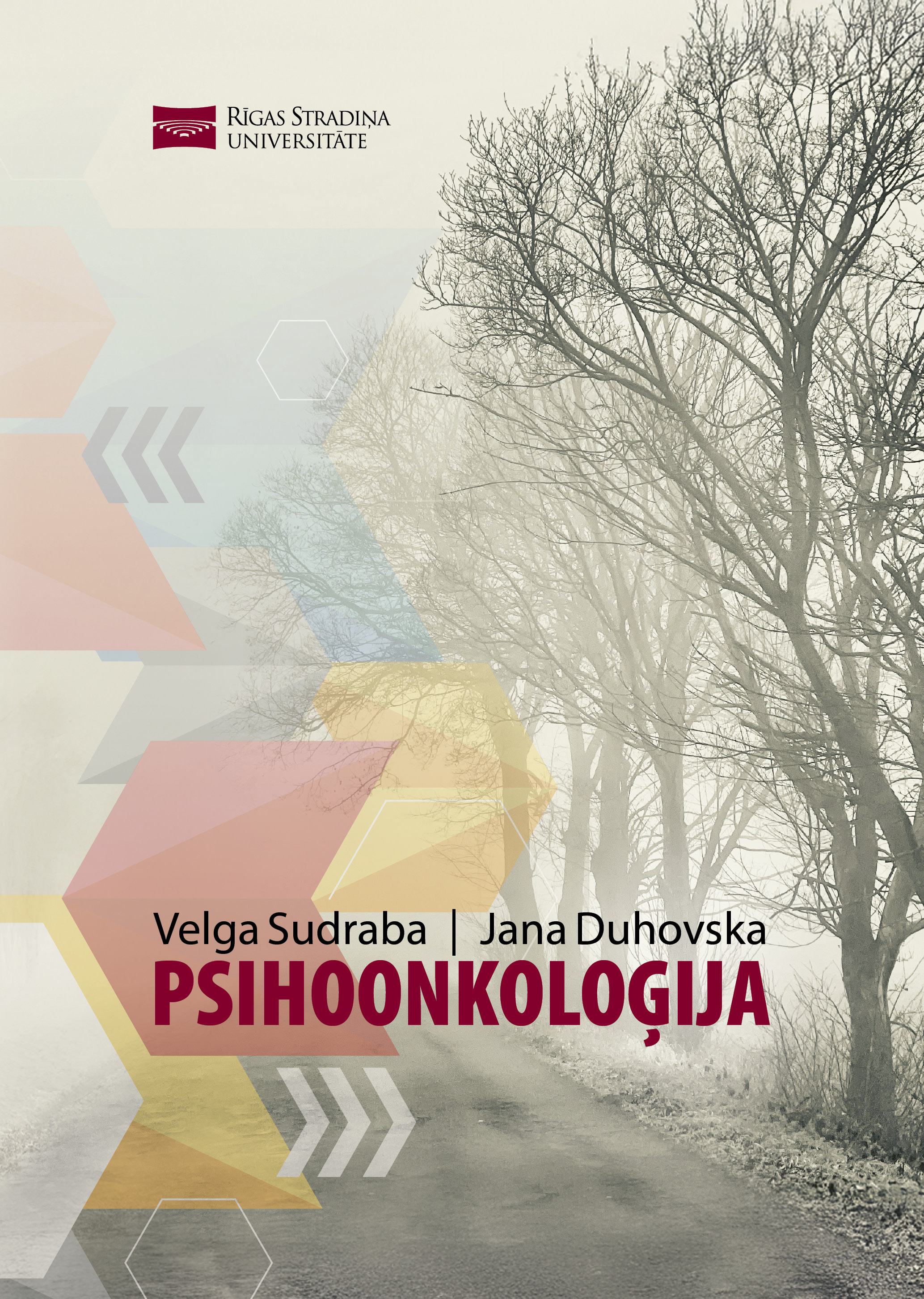
Cover image of the book
Despite significant advances in oncology, a cancer diagnosis is still often associated with stigmatising perceptions of suffering, hopelessness, and loss. These perceptions affect both patient wellbeing and communication with medical professionals. This is where the importance of psycho-oncology comes into play, as it has developed globally since the 1970s in response to a significant need to understand how people experience cancer diagnosis, treatment, remission, or recurrence, and to provide meaningful, timely, and effective support.
The authors, drawing on the latest research and clinical experience, emphasise that emotional support is equally important as medical care. Patients who receive emotional and psychological support, and who have an opportunity to talk about their fears, despair, concerns, and hopes in a safe environment, have a significantly lower risk of developing psychological disorders. Timely psychological support helps patients to better adapt to the course of the disease and the treatment process, thereby reducing the likelihood of developing long-term psychological consequences. Effective and empathetic communication allows patients to better understand their diagnosis, treatment plan, and possible outcomes, thereby reducing uncertainty and anxiety, strengthening trust, compliance, and adherence to medical recommendations, which can also lead to better treatment outcomes.
The book is structured chronologically, following an individual’s experience with cancer at different stages of the disease – from the first suspicions and diagnosis to the later stages and end of life. Each chapter is divided into three complementary parts: the patient’s experience, the experience of loved ones, and helpful interventions. This structure allows readers to understand the impact of cancer on a person’s life, relationships, and identity from the perspectives of different people affected by this diagnosis, as well as to see practical opportunities for alleviating difficulties.
The book’s special value lies in its ability to offer practical recommendations and interventions alongside theoretical insights. These can be useful for medical professionals and psychological support providers, as well as for patients themselves and their families. The publication addresses important topics such as patient autonomy and adherence, effective communication strategies in the work of medical staff, the influence of personality traits on the experience of disease, the challenges of remission, quality of life after treatment, and concepts of meaning, dignity, and a “good death” at the end of life, among other issues related to the cancer experience and psychological wellbeing.
The book is intended for medical and psychology students, healthcare specialists, providers of psychological support, as well as to patients and their families. It not only provides knowledge but also calls for an empathetic, mindful and humane approach to cancer treatment, while simultaneously highlighting the development potential of psycho-oncology in Latvia. The scientific quality and academic importance of the book is also confirmed by its reviewers: Prof. Dr. med. Sandra Lejniece (Rīga Stradiņš University) and Assoc. Prof. Dr. psych. Vineta Silkāne (Vidzeme University of Applied Sciences).