RSU Faculty of Social Sciences brings together early career researchers worldwide: summer school invests in the future of research
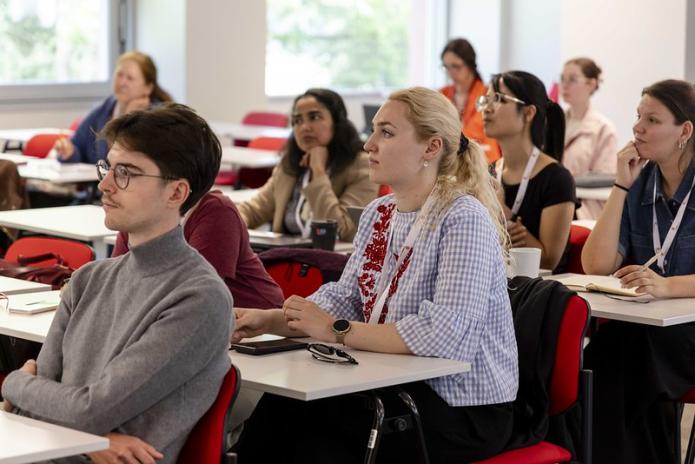
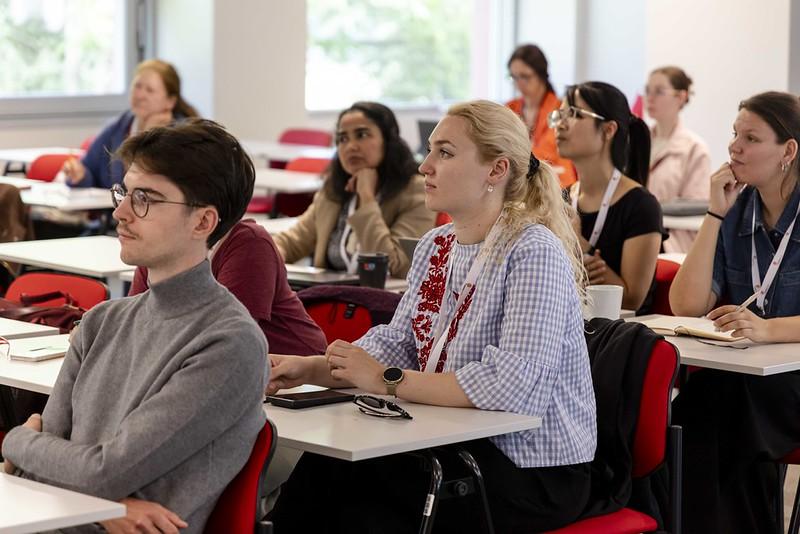
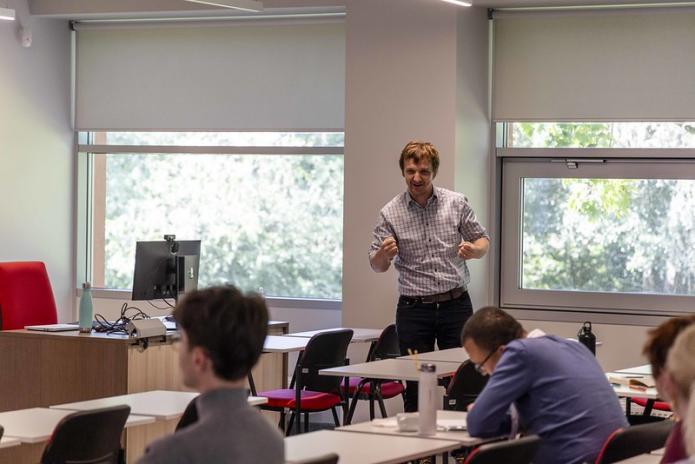
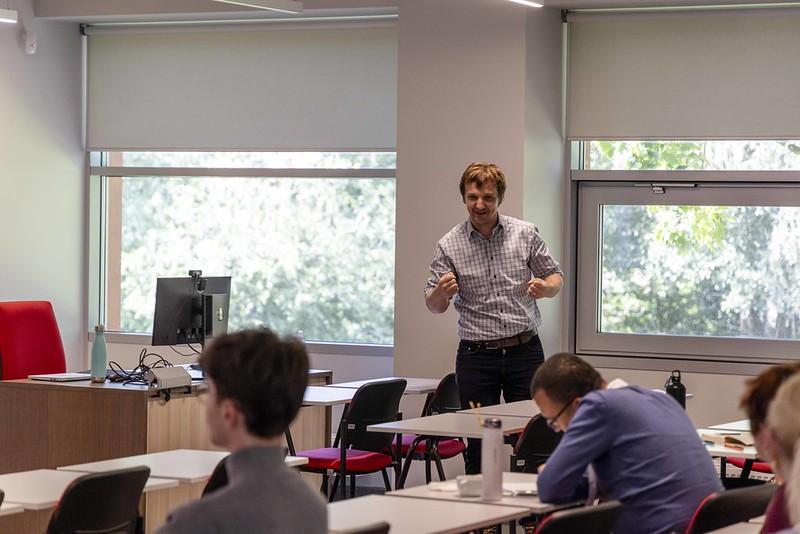
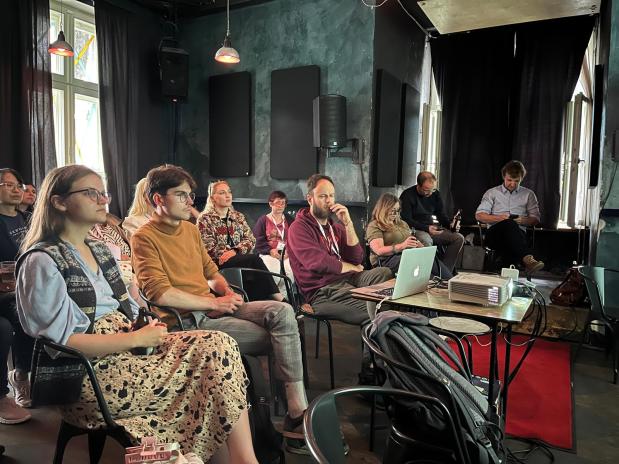
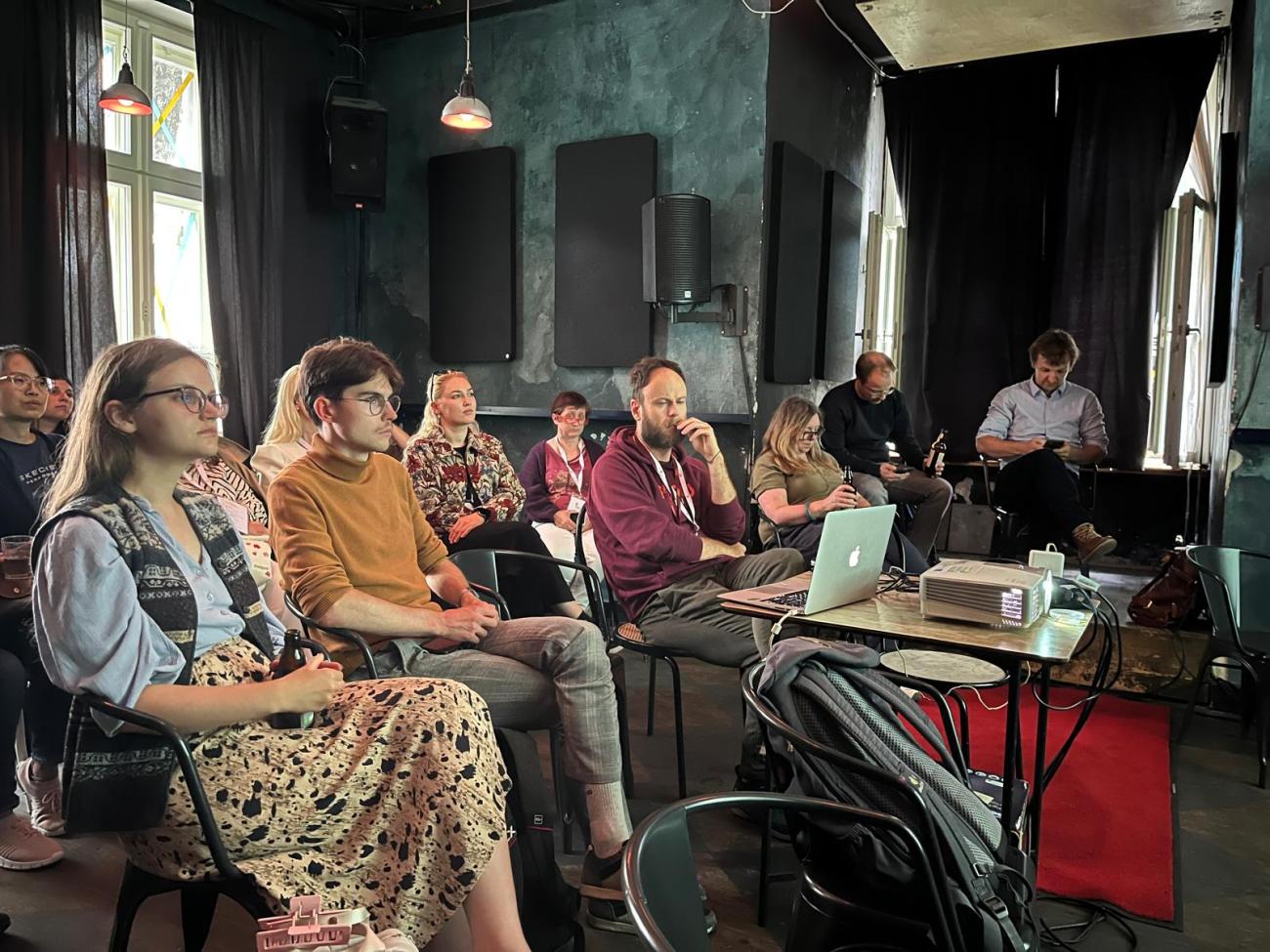
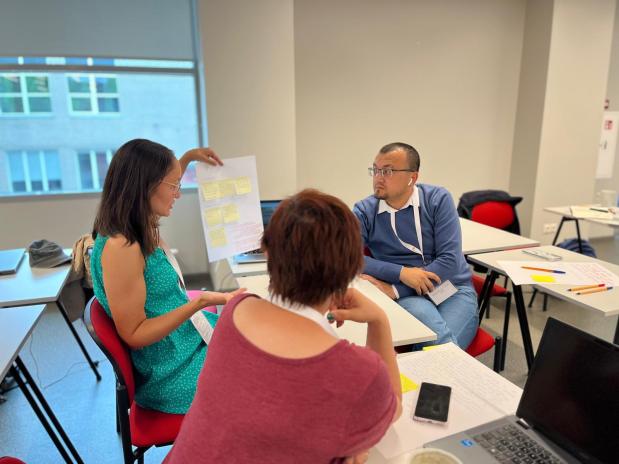
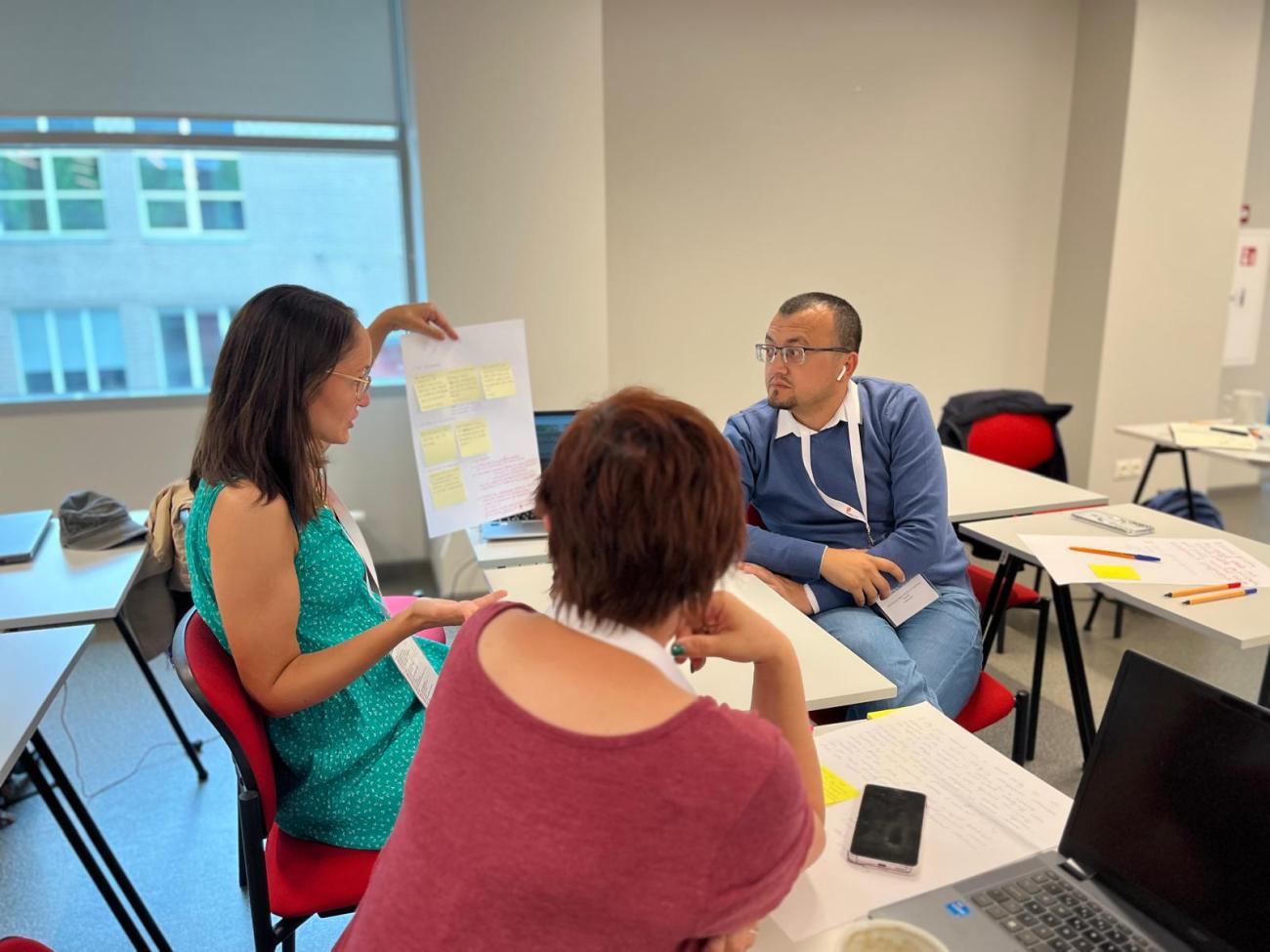
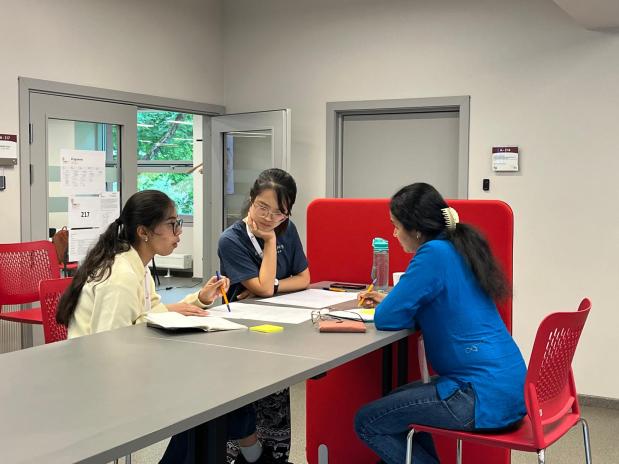
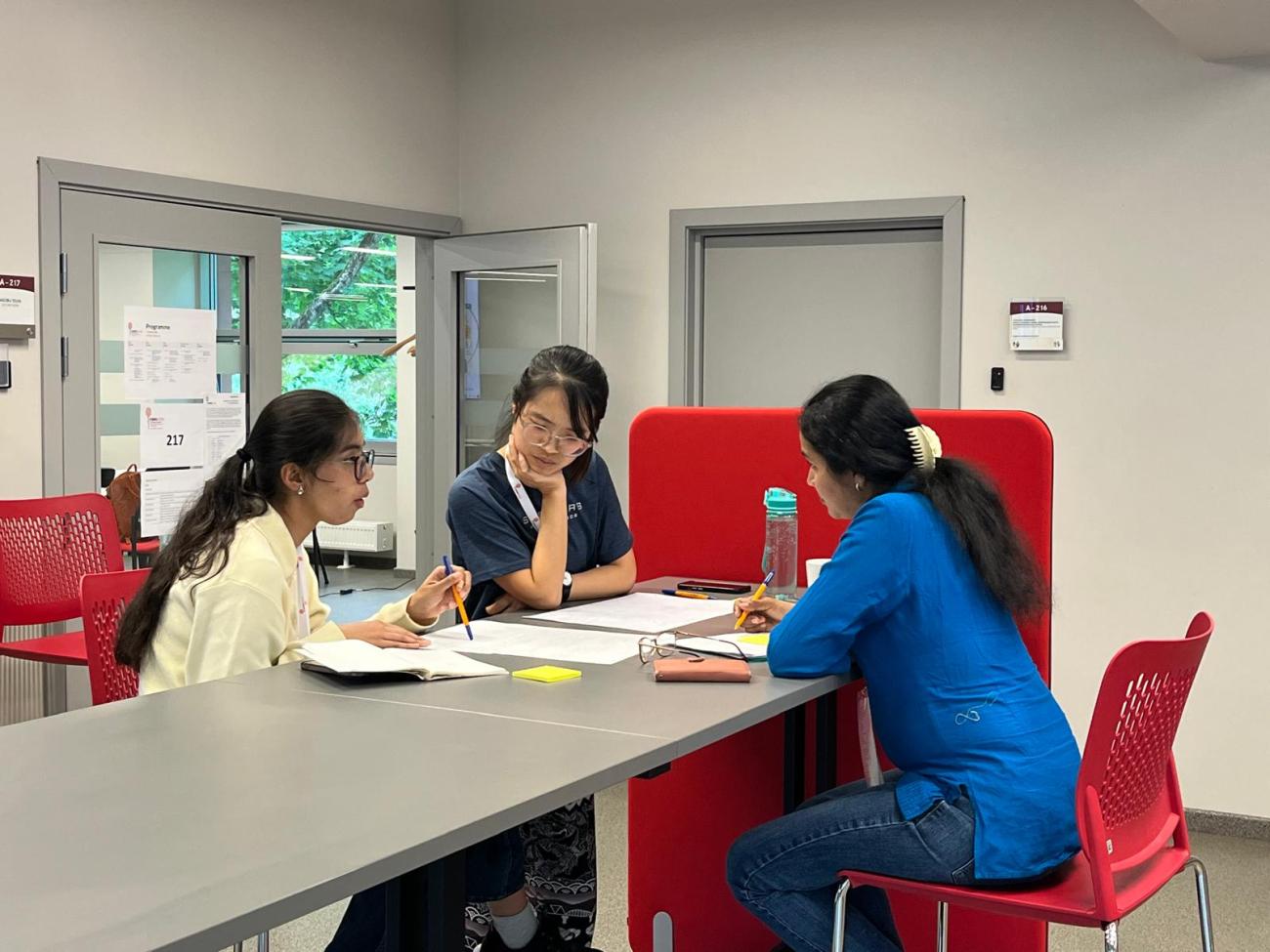
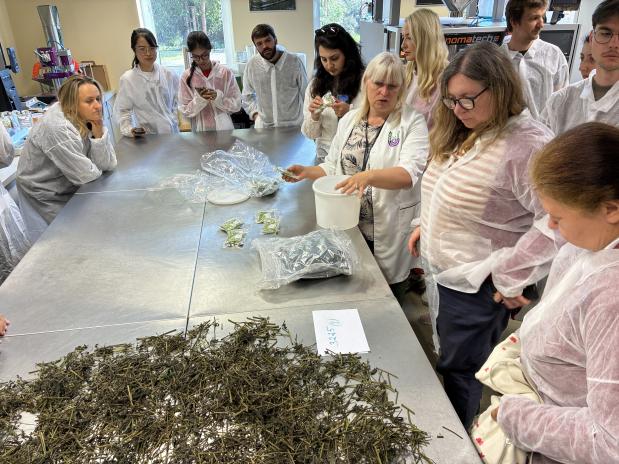
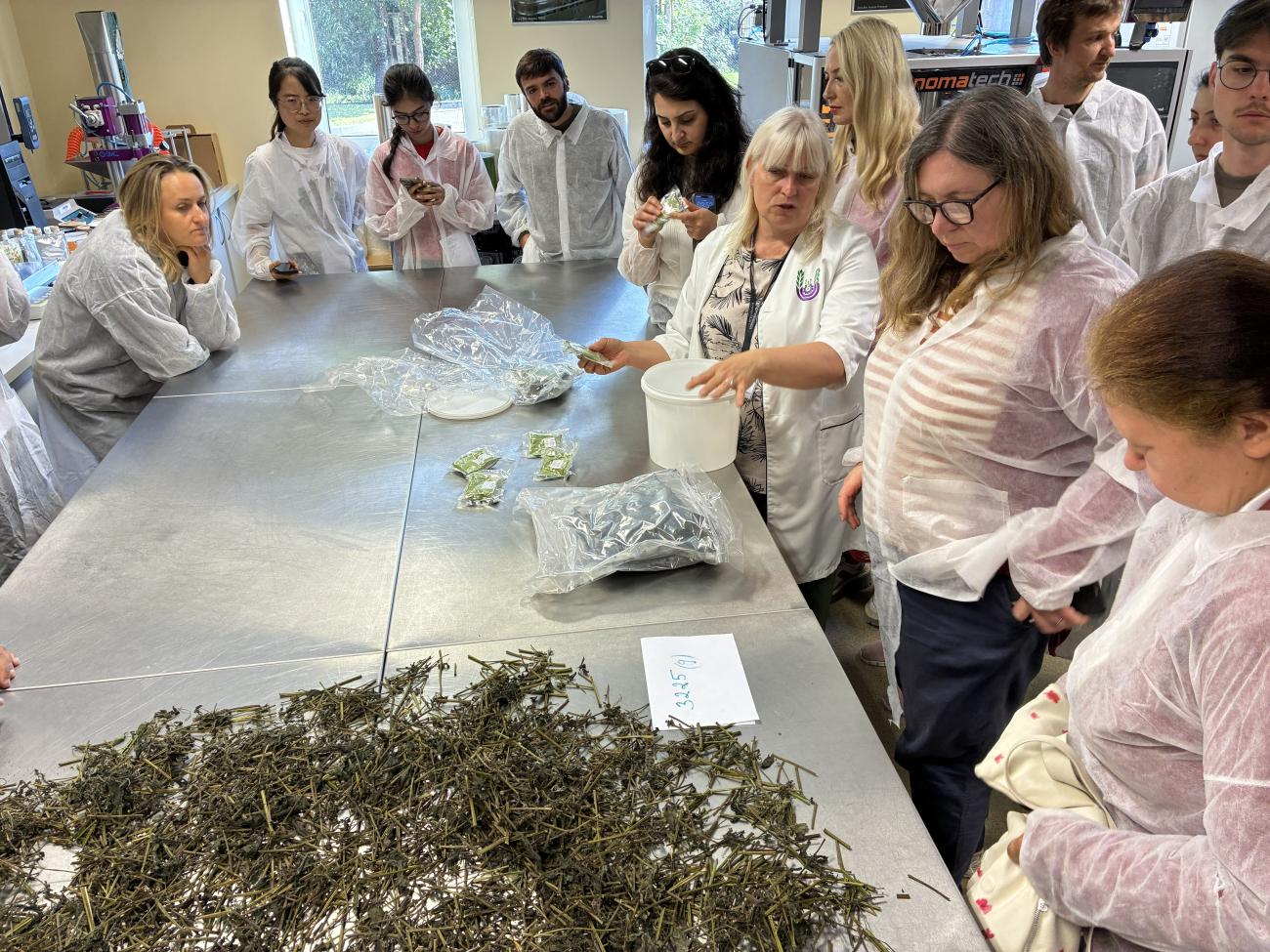


Nedēļas garumā Rīgas Stradiņa universitātē (RSU) norisinājās Eiropas Lauku socioloģijas biedrības (European Society for Rural Sociology – ESRS) doktorantūras vasaras skola, pulcējot 28 doktorantus, jaunos pētniekus un ekspertus no Eiropas, Āzijas un Āfrikas. Dalībnieki no Japānas, Apvienotajiem Arābu Emirātiem, Indijas, Dienvidāfrikas, Vācijas, Apvienotās Karalistes, Latvijas un citām valstīm kopīgi analizēja, kā digitālā transformācija ietekmē lauku teritoriju attīstību un kāda nozīme šajās pārmaiņās ir sociālajām zinātnēm.
Vasaras skola bija iespēja doktorantiem attīstīt iemaņas, kas svarīgas doktorantūrā, un paplašināt akadēmisko kontaktu loku, savukārt RSU Sociālo zinātņu fakultātei šis pasākums ļāva nostiprināt savu pozīciju globālajā zinātniskajā diskusijā par lauku telpas nākotni Eiropā, bet pētniekiem palīdzēja stiprināt sadarbību, pētniecības kvalitāti un Latvijas zinātnes starptautisko atpazīstamību.
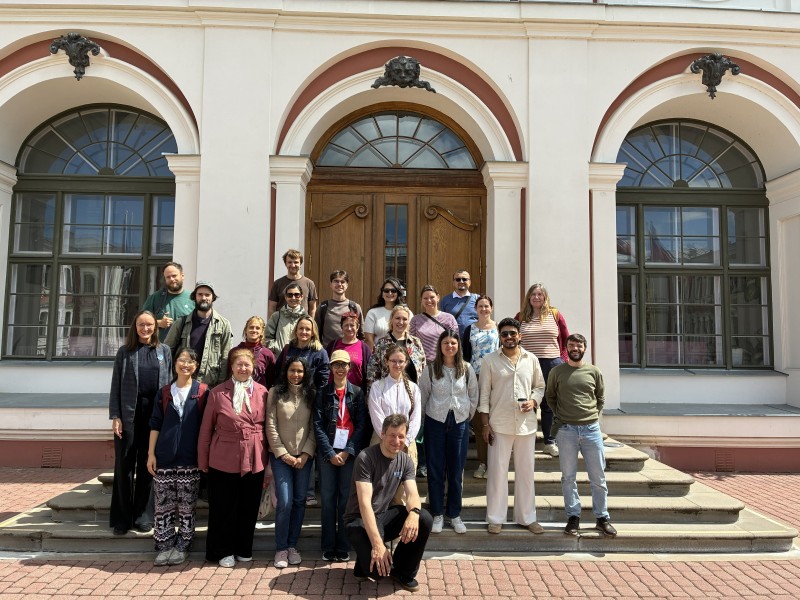
Vieta, kur veidojas nākotnes sadarbības
Šā gada vasaras skolas centrālā tēma – Shaping Change: Rural Futures in a Digital Age – aicināja kritiski izvērtēt digitalizācijas sociālās, metodoloģiskās un pārvaldības dimensijas lauku teritorijās. Programma apvienoja socioloģijas, ģeogrāfijas, politikas, inovāciju un digitālo pētījumu perspektīvas, īpašu uzmanību pievēršot tam, kā tehnoloģijas maina ikdienu, kopienas un lauku attīstības procesus.
RSU tenūrprofesors Miķelis Grīviņš uzsver, ka vasaras skolas ir būtiska mūsdienu zinātnes ekosistēmas daļa.
"Vasaras skolas ir vieta, kur veidojas nākotnes sadarbības. Tās ne tikai palīdz doktorantiem pilnveidot savus pētījumus, bet arī stiprina universitātes starptautisko reputāciju un apliecina tās spēju būt līdzvērtīgai partnerei pasaules zinātnes procesos."
Aptuveni divas trešdaļas dalībnieku bija ārvalstu pārstāvji, taču tikpat būtiska bija arī Latvijas doktorantu un pētnieku iesaistīšanās. Kā uzsver Miķelis Grīviņš, nozīmīgākais ieguvums nebija tikai lekciju saturs, bet kopīgais darbs un savstarpējā mācīšanās.
"Svarīgākais nav tikai noklausīties lekcijas. Dalībnieki palīdz cits citam domāt par savu pētījumu, uzdod jautājumus, veido kontaktus un sāk plānot kopīgus darbus. Šādi veidojas zinātniskā kopiena."
Zinātne attīstās dialogā
Vasaras skolas programma bija veidota tā, lai dalībnieki ne tikai apgūtu jaunākās teorētiskās pieejas, bet arī saņemtu profesionālu atgriezenisko saiti par saviem pētījumiem un attīstītu jaunas sadarbības.
Nedēļas laikā notika starptautisku ekspertu lekcijas, doktorantu pētījumu prezentācijas, praktiskās darbnīcas un tīklošanās aktivitātes. Šāda pieeja ļāva dalībniekiem pilnveidot savas idejas dialogā ar kolēģiem un pieredzējušiem mentoriem, vienlaikus attīstot prasmes, kas nepieciešamas starptautiskajā akadēmiskajā vidē.
Īpašu atsaucību izpelnījās noslēdzošās dienas sesija, kurā ar doktorantiem tikās divi Q1 līmeņa zinātnisko žurnālu redaktori. Tā izvērtās nevis tradicionālā lekcijā, bet atvērtā jautājumu un atbilžu diskusijā, sniedzot unikālu iespēju uzzināt, ko augsta līmeņa starptautiskie zinātniskie žurnāli sagaida no publikācijām un kā veiksmīgāk sagatavot zinātniskos rakstus.
Digitalizācija nav tikai tehnoloģijas
Vasaras skolas diskusiju centrā bija jautājums, kā digitālās tehnoloģijas var palīdzēt risināt lauku teritoriju izaicinājumus. Lai gan digitalizācija bieži tiek uztverta kā risinājums daudzām problēmām, pētnieki uzsvēra, ka ar tehnoloģijām vien nepietiek.
"Jautājums nav tikai par tehnoloģijām vai zināšanām. Mūsdienās arvien svarīgāk kļūst tas, kā mēs mainām savus paradumus un spējam tehnoloģijas izmantot konkrētajā vidē. Zinātnes uzdevums ir palīdzēt saprast un vadīt šīs pārmaiņas."
Tieši šāda kritiska pieeja bija viens no vasaras skolas galvenajiem mērķiem – palīdzēt jaunajiem pētniekiem analizēt ne tikai digitalizācijas iespējas, bet arī tās sociālās sekas un ietekmi uz lauku kopienām.
RSU stiprina savu vietu starptautiskajā zinātnē
ESRS ir viena no nozīmīgākajām starptautiskajām organizācijām lauku socioloģijas un lauku attīstības pētniecībā. Tās vasaras skolas norise RSU apliecina RSU spēju ne tikai uzņemt starptautiska līmeņa akadēmiskos pasākumus, bet arī aktīvi iesaistīties zinātnes attīstības virzienu veidošanā.
Pēc Miķeļa Grīviņa domām, šādas iniciatīvas ir būtisks ieguldījums universitātes attīstībā.
"Mēs neesam tikai tie, kuri iepazīst citu radītās zināšanas. Mēs paši piedalāmies starptautiskajās diskusijās, veicinām sadarbību un palīdzam noteikt jautājumus, par kuriem zinātne domās arī turpmāk."
Starptautiskajā zinātnē arvien lielāka nozīme ir ne tikai publikācijām un projektiem, bet arī spējai pulcēt pētniekus kopīgai ideju apmaiņai. Tieši šādas tikšanās rada uzticēšanos, veido jaunus pētniecības tīklus un bieži kļūst par sākumpunktu nākamajiem kopīgajiem projektiem.
Darbs turpinās arī pēc vasaras skolas
Vasaras skola noslēdzās, taču sadarbība turpināsies. Dalībniekiem būs iespēja attīstīt vasaras skolā aizsāktās idejas un gatavot publikācijas žurnāla Journal of Rural Studies speciālizdevumam Artificial Rural Intelligence? Rethinking Expertise, Technology, and Rural Futures, kas ir viens no nozīmīgākajiem starpdisciplinārajiem izdevumiem lauku pētniecības jomā.
Tieši šeit atklājas šādu pasākumu ilgtermiņa vērtība. Vasaras skola nav tikai nedēļu ilgs akadēmisks notikums – tā ir platforma jaunu sadarbību veidošanai, nākamo publikāciju un pētniecības projektu aizsākšanai, kā arī RSU starptautiskās atpazīstamības stiprināšanai. Spēcīga zinātne rodas ne tikai individuālā darbā, bet arī kopīgās diskusijās, sadarbībā un starptautiskos pētniecības tīklos.
Related news
 RSU Medical Law Conference highlights patient safety and responsibility in healthcare Conferences, workshops, Law