Genetic characterization of high-risk human papillomaviruses in Ukraine and Latvia to inform national policy of cervical cancer prevention
Aim
Description
Project work packages
- Retrospective recruitment of cases of cervical cancer in Kyiv, Ukraine, and retro- and prospective recruitment of CC cases and high-grade cervical lesion (CL) cases in Riga, Latvia, and assembly of the study cohort.
- Genotyping of HR HPVs to create comparative epidemiologic “portrait” of HPV associated CLs and CC in Latvia and Ukraine.
- Whole genomic sequencing (WGS) of HR HPVs prevalent in Latvia and Ukraine to characterize them on molecular level and associate their conservation/variability with cervical pathology, identification of sequence signatures associated with parameters of CLs and CCs with the aim to exploit them as molecular markers for personalized prognosis of cervical disease course and outcome, and strategy of follow up and treatment.
- Dissemination of project results and reaching project impact by informing international research community, Latvian and Ukrainian health authorities and stake holders on HPV status of women with cervical lesions and cancer, demonstrating acute need to implement HPV vaccination in Ukraine and advance and promote HPV vaccination among teenagers and adolescents as well as catch-up vaccination among adults in Latvia.
- Harmonization of research activities of the leading Latvian and Ukrainian medical research institutions, training and career promotion for young researchers, and support of the research cooperation on national and international level.
- Efficient project coordination and management to ensure attaining of project results by both teams.
Within this work program, the tasks of RSU team will be to continue monitoring the dynamic changes in the prevalence of HR HPV genotypes in CC cases (follow up of LZP project 2021/1-0484); determine HR HPV genotypes in CC cases collected by the Ukrainian partner; compare patterns of HR HPV spread; assemble and deposit into GenBank full genomes of HR HPV strains prevalent in Latvia and Ukraine; perform their comparative analysis; organize regular project team meetings, hybrid Workshops, virtual/hybrid conference on chronic viral infections and cancer, prepare abstracts for research conference and draft the manuscripts.
This will dissect the long-term effect(s) of HPV vaccination in Latvia as compared to non-vaccinated Ukrainian population, identifying imprints of immune escape. We will also define molecular signatures of disease severity of diagnostic/prognostic value. Project results will draw attention of the health care authorities of both countries to the necessity to support and promote HPV screening and vaccination, taking stand in anti-HPV/anti-cancer compaign. Project will strengthen research cooperation in the widening Europe.
Ukrainian partner
R. E. Kavetsky Institute of experimental pathology, oncology and radiobiology (IEPOR) of National Academy of Sciences (NAS) of Ukraine
The IEPOR team includes two experience researchers – the project leader Elena Kashuba, Dr Hab, PhD, senior scientist Larysa Kovalevska, PhD, and two PhD students. The team works in the field of cell transformation, including virus-induced transformation. The team members worked with the Epstein-Barr virus (EBV)-induced cell transformation and on influence of human hepatitis virus C (HCV) on the development of liver tumors. The latest studies of the group targeted the role of Metastasis suppressor 1 (MTSS1), and its loss in the advanced tumor stages and metastatic tissues in nasopharyngeal carcinomas. (The team also works on the development of nanoparticles for the directed transport of proteins and oligos.
Major publications of the researchers involved in the project on the subject of the project
- Shcherbina V, Kovalevska L, Pedachenko E, Malysheva T, Kashuba E. Comparative Analysis of the Embryonal Brain Tumors Based on Their Molecular Features. Discov Med. 2023 Oct;35(178):733-749. doi: 10.24976/Discov.Med.202335178.69. PMID: 37811612.
- Govorov I, Attarha S, Kovalevska L, Andersson E, Kashuba E, Mints M. STK4 protein expression pattern follows different trends in endometrioid and serous endometrial adenocarcinoma upon tumor progression. Sci Rep. 2022 Dec 22;12(1):22154. doi: 10.1038/s41598-022-26391-9. PMID: 36550267; PMCID: PMC9780310.
- Govorov I, Attarha S, Kovalevska L, Andersson E, Kashuba E, Mints M Upregulation of PKN1 as a Prognosis Biomarker for Endometrial Cancer. Cancer Control. 2022 Jan-Dec;29:10732748221094797. doi: 10.1177/10732748221094797. PMID: 35533253; PMCID: PMC9092572.
- Kovalevska L, Golenkov O, Kulahina Y, Callender T, Sizov F, Kashuba E. A Comparative Study on the Viability of Normal and Cancerous Cells upon Irradiation with a Steady Beam of THz Rays. Life (Basel). 2022 Mar 5;12(3):376. doi: 10.3390/life12030376. PMID: 35330127; PMCID: PMC8951499.
- Zvejniece L, Kozireva S, Rudevica Z, Leonciks A, Ehlin-Henriksson B, Kashuba E, Kholodnyuk I. Expression of the Chemokine Receptor CCR1 in Burkitt Lymphoma Cell Lines Is Linked to the CD10-Negative Cell Phenotype and Co-Expression of the EBV Latent Genes EBNA2, LMP1, and LMP2. Int J Mol Sci. 2022 Mar 22;23(7):3434. doi: 10.3390/ijms23073434. PMID: 35408790; PMCID: PMC8998437.
Šo pētījumu finansē Latvijas un Ukrainas divpusējās sadarbības programmas zinātnes un tehnoloģiju sadarbības projekts "Genetic characterization of high-risk human papillomaviruses in Ukraine and Latvia to inform national policy of cervical cancer prevention" (Augsta riska cilvēka papilomas vīrusa tipu ģenētiskais raksturojums Ukrainā un Latvijā, lai veidotu informētu valsts politiku dzemdes kakla vēža profilakses jomā), projekts Nr. LV_UA/2026/3
This research is funded by the Latvian—Ukrainian Joint Programme of Scientific and Technological Cooperation Project "Genetic characterization of high-risk human papillomaviruses in Ukraine and Latvia to inform national policy of cervical cancer prevention", Project No LV_UA/2026/3
Activities
- Presentation at MedLife Conference (December 2025)
Project results were selected for an oral presentation at the MedLife Conference held in Naples, Italy, 9–11 December 2025, in the conference track “Cancer Biology & Oncology”. The track covered studies on cancer cell biology, tumour development, and molecular mechanisms of oncogenesis, with emphasis on the diagnosis, treatment, and prevention strategies.
The oral presentation by Maria Isaguliants described high prevalence in cervical pre-cancer and cancer of HPV16 and non-16/18 high-risk HPV genotypes as features shaping the severity of cervical disease in Latvia in 2016–2024.

- Project leader delivered a lecture on HPV infection (December 2025)
In December 2025, a Multidisciplinary Workshop and Special Lectures series dedicated to current research in cancer and viral infections was held at the National Cancer Institute IRCCS Pascale Foundation.
The workshop was opened by Professor Marisa Gariglio, Head of the Laboratory of Molecular Virology at the Department of Translational Medicine, University of Eastern Piedmont, with a lecture on the role of the cellular deacetylase SIRT1 in HPV-driven cancer.
Within the framework of the event, the project leader, Maria Isaguliants, delivered a lecture on human papillomavirus (HPV) infection, presenting research conducted within projects funded by the Latvian Science Council
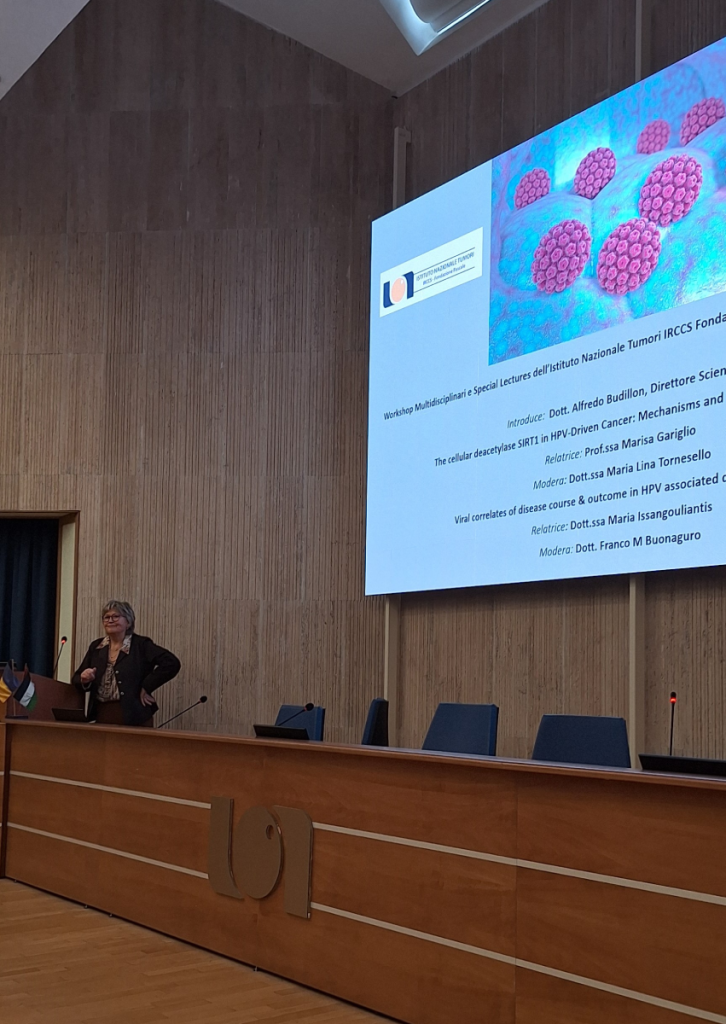
Prof. Marisa Gariglio's lecture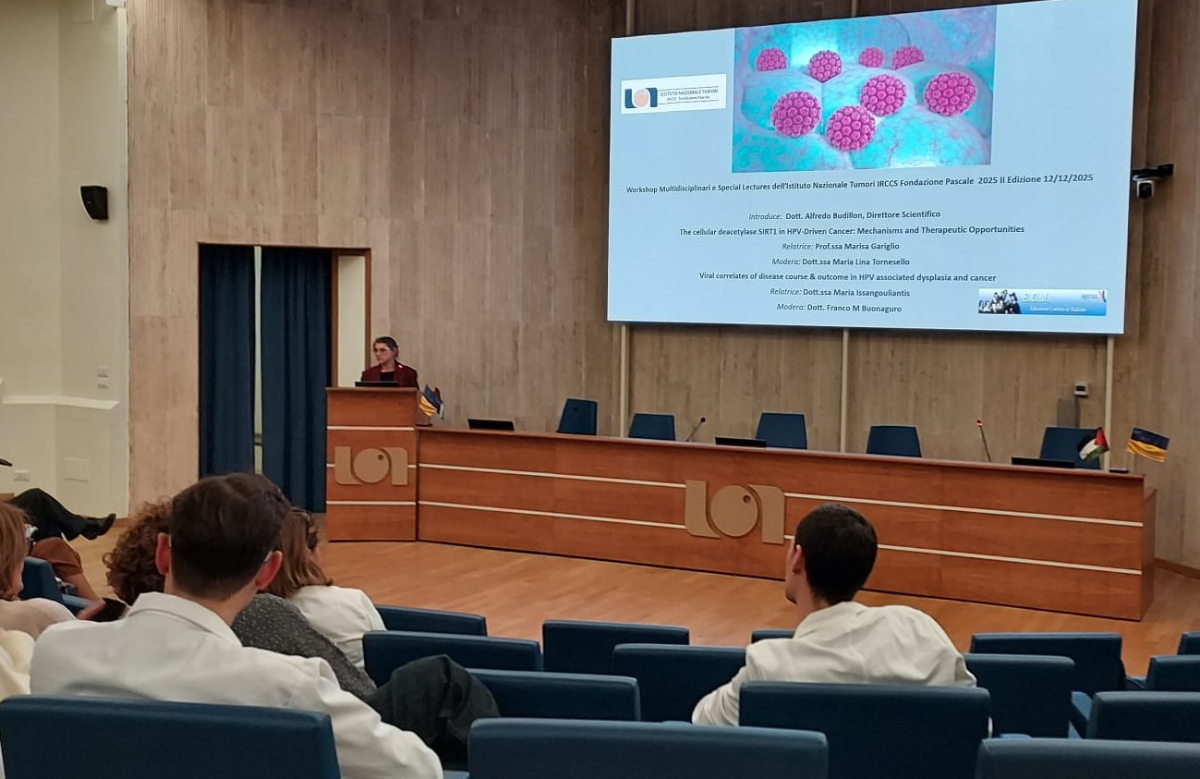
Maria Isaguliants' presentation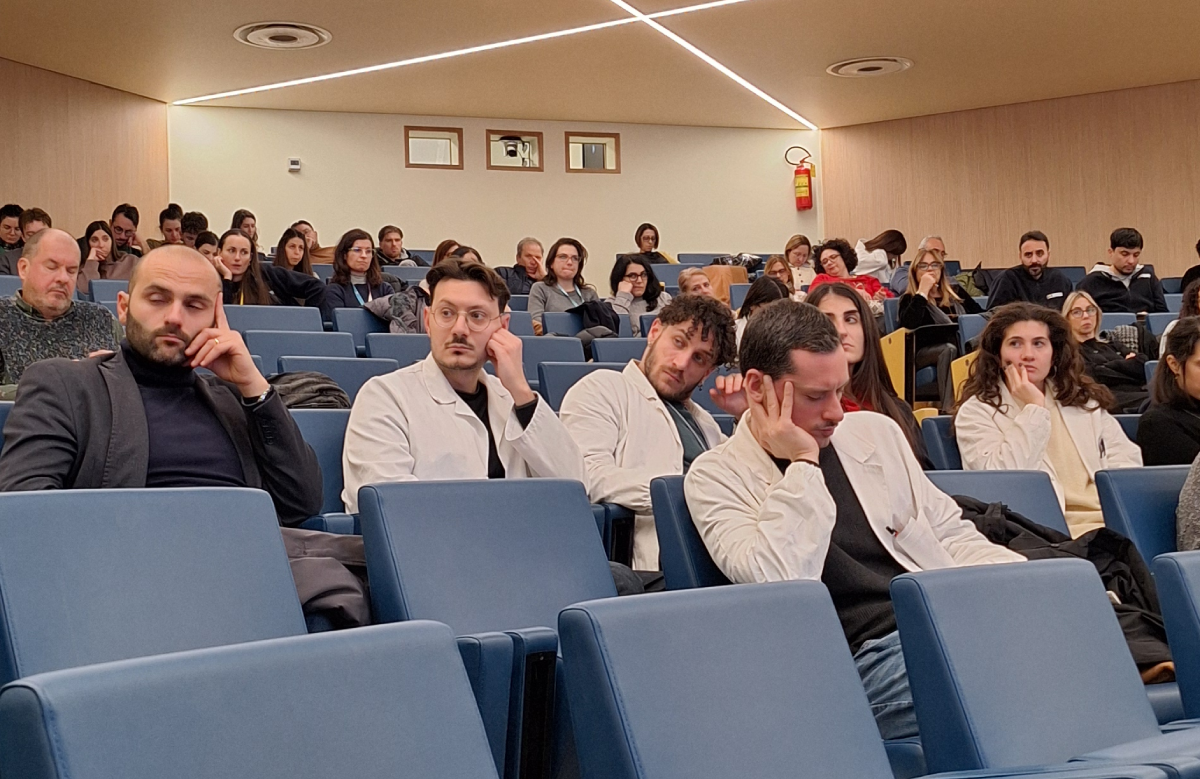
Lecture hall- Research Ethics Committee Approval Received
The Research Ethics Committee of Riga Stradiņš University has approved the ethical application for the Latvian–Ukrainian collaboration project “Genetic Characterization of High-Risk Human Papillomaviruses in Ukraine and Latvia to Inform National Policy of Cervical Cancer Prevention” (No. LV-UA2025-3).
The ethical approval was granted by the Research Ethics Committee decision No. 2-PEK-4/60/2026.
- Training visit to RSU of master student from IEPOR
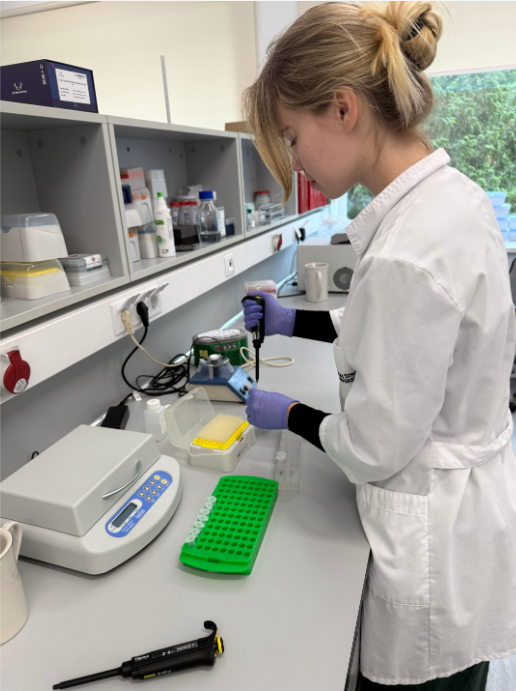
From 8 to 12 June 2026, Riga Stradiņš University (RSU) hosted Sofia Lytvyn, a Master's student from the Kavetsky Institute of Experimental Pathology, Oncology and Radiobiology (IEPOR), Kyiv, Ukraine. The visit was organised within the project "Genetic Characterization of High-Risk Human Papillomaviruses in Ukraine and Latvia" to strengthen collaboration between the partner institutions and provide hands-on training in laboratory methods used in human papillomavirus (hrHPV) research.
During the five-day visit, Sofia participated in practical laboratory training at the Institute of Microbiology and Virology, RSU, where she learned DNA extraction from formalin-fixed paraffin-embedded (FFPE) cervical tissue samples, DNA quality assessment and preparation of samples for hrHPV genotyping and further genomic analyses.
The programme also included participation in the international Cancer Workshop organised by RSU, where Sofia presented her research and discussed current developments in cancer research with international experts and young researchers.
Additional training activities covered digital pathology and quantitative image analysis using QuPath software, a visit to Central laboratory to become familiar with clinical laboratory workflows and HPV diagnostics, and collaborative analysis of research data together with RSU researchers.
The visit concluded with preparation of a joint scientific abstract for submission to the 38th Annual Conference of the International Papillomavirus Society (IPVS 2026). Further collaboration between the research teams from RSU and IEPOR will continue after the visit through joint data analysis and preparation of a conference poster.
Programme of the visit
8 June 2026
Institute of Microbiology and Virology, RSU
Training in DNA extraction from FFPE cervical tissue samples, DNA quality assessment, preparation of samples for hrHPV genotyping and whole genome sequencing.
9 June 2026
Institute of Microbiology and Virology, RSU
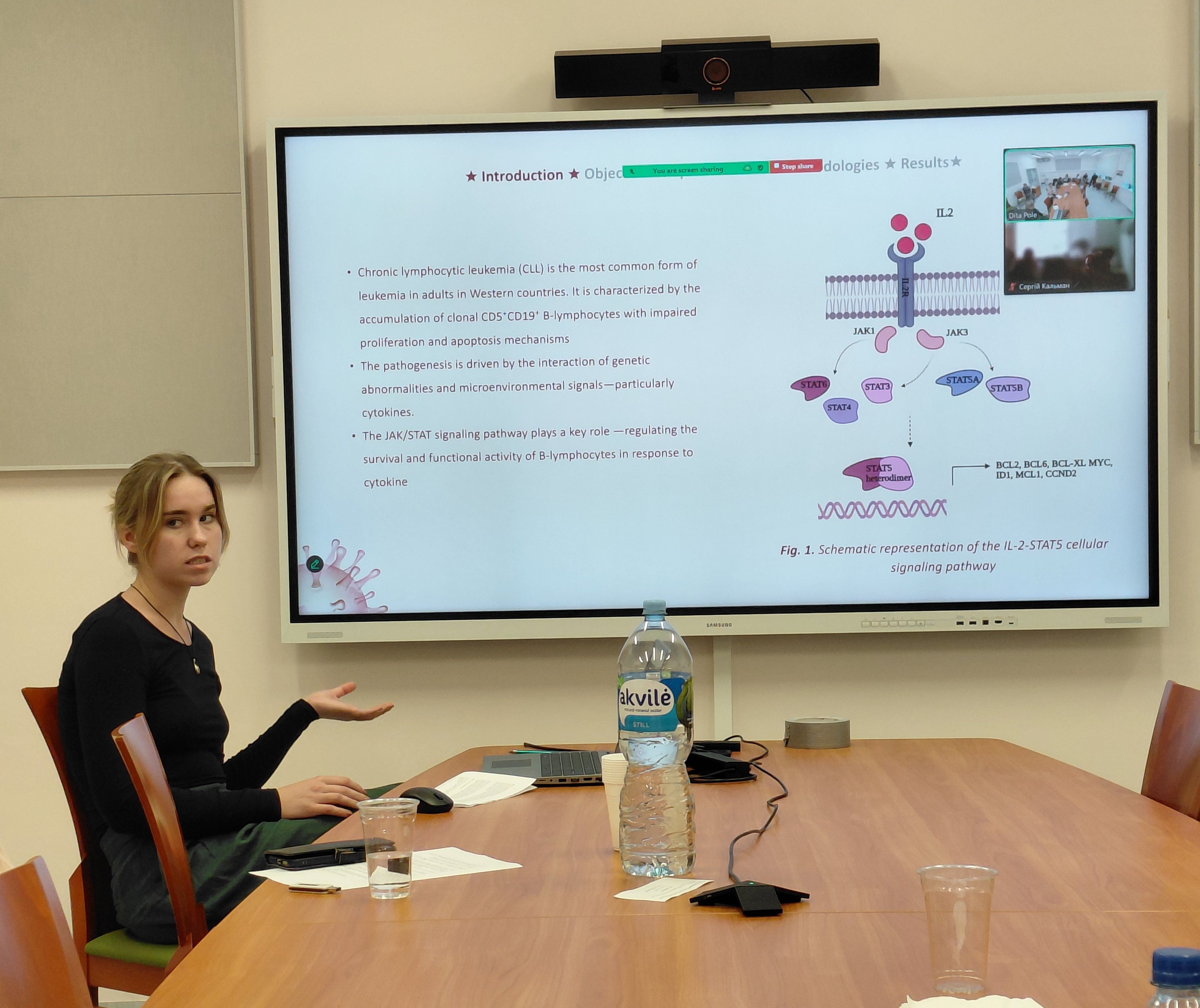
Participation in the RSU Cancer Workshop with a scientific presentation, followed by meetings with research groups working in the field of cancer research.
10 June 2026
Morning – Pauls Stradiņš Clinical University Hospital
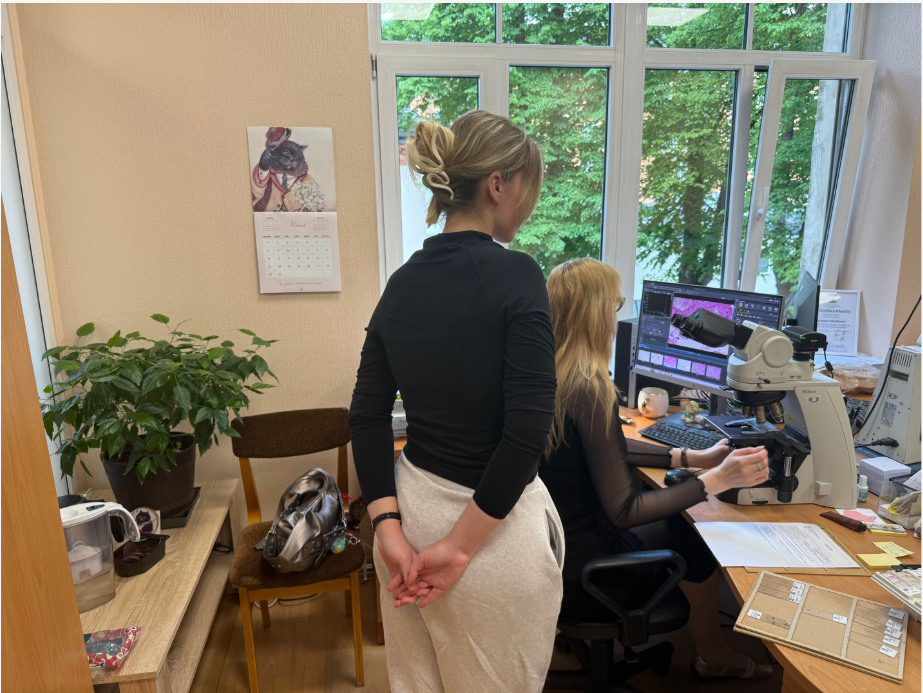
Observation of FFPE block sectioning, slide preparation, H&E and immunohistochemical staining, microscopy and documentation of results.
Afternoon – Institute of Microbiology and Virology, RSU
Training in quantitative image analysis of histological and immunohistochemical slides using QuPath software.
11 June 2026
Morning – Centrālā laboratorija
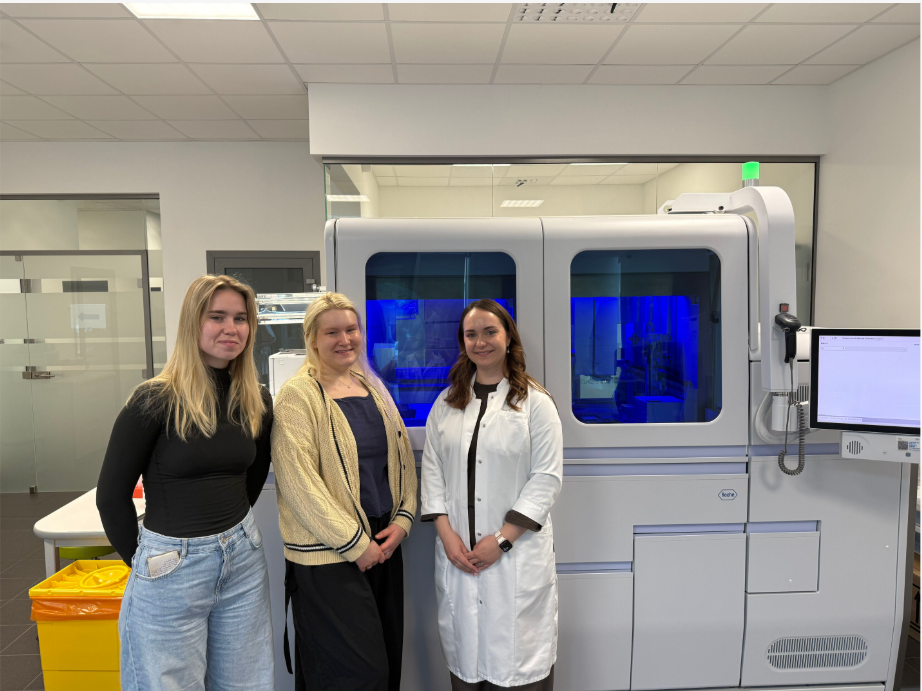
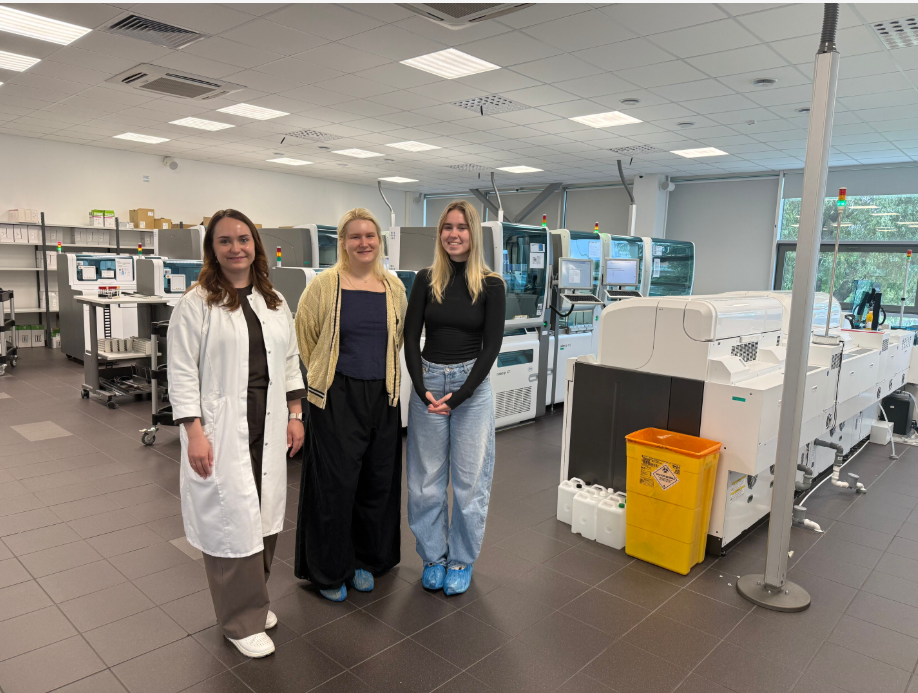
Introduction to clinical laboratory workflow, liquid-based cervical cytology and hrHPV genotyping.
Afternoon – Institute of Microbiology and Virology, RSU
Practical training in image quantification using QuPath software.
12 June 2026
Institute of Microbiology and Virology, RSU
Joint descriptive and statistical analysis of hrHPV data and preparation of a scientific abstract for submission to the 38th Annual Conference of the International Papillomavirus Society (IPVS 2026).
- Scientific publication
As part of the project, the scientific article “Complete Genomes of Human Papillomavirus Type 16 Viruses Isolated from Cases of Cervical Neoplasia and Squamous Cell Carcinomas Followed in Latvia in 2012–2024” was published in the journal Vaccines. The publication was developed as a result of the project in collaboration with the project partners.