Gender equality and intersectionality strengthen the research environment


Diāna Kiščenko, a researcher and lecturer at Rīga Stradiņš University, became interested in gender equality in science during her doctoral studies. While expecting her second child, Diāna encountered discriminatory conditions in her doctoral programme. Now, together with her colleague, social anthropologist Anna Žabicka, she is participating in the Horizon Europe project Fostering INCLUsive biomeDicine gEps in research and higher education institutions (INCLUDE), which aims to promote changes in gender equality in research and higher education. In this interview, Diāna tells us about how it all started and what changes are already taking place.
How did you become interested in studying gender equality issues in research?
It began in 2021, when, as a doctoral student at RSU, I was expecting my second child. At that time, I encountered the fact that the terms of the doctoral studies agreement and the regulatory framework did not allow for an extension of the dissertation submission deadline due to the birth of a child. It was clear that the system was not flexible and could be discriminatory toward early-career researchers who were having children.
Thanks to the support of the RSU management, a solution was found for my situation, but I realised that the problem was structural and broader in nature - other doctoral students and postdoctoral researchers, mostly women, were experiencing similar difficulties. This was one of the reasons that encouraged me to focus on gender equality issues in the scientific environment and to look for ways to make this environment more inclusive.
Currently, in the INCLUDE project, we are working together with my colleague Anna Žabicka, and in the spring of 2026, feminist researcher Jana Kukaine will join us.
What has already been implemented so far, and what are you working on right now?
The project was launched in January 2025 and will last for two years. This is not a research project but one aimed at practical changes in the field of intersectional gender equality. Intersectionality refers to how different human identities - gender, sex, age, ethnicity, socioeconomic status, (dis)ability, sexuality, family status - interact with one another, creating experiences of discrimination and privilege.
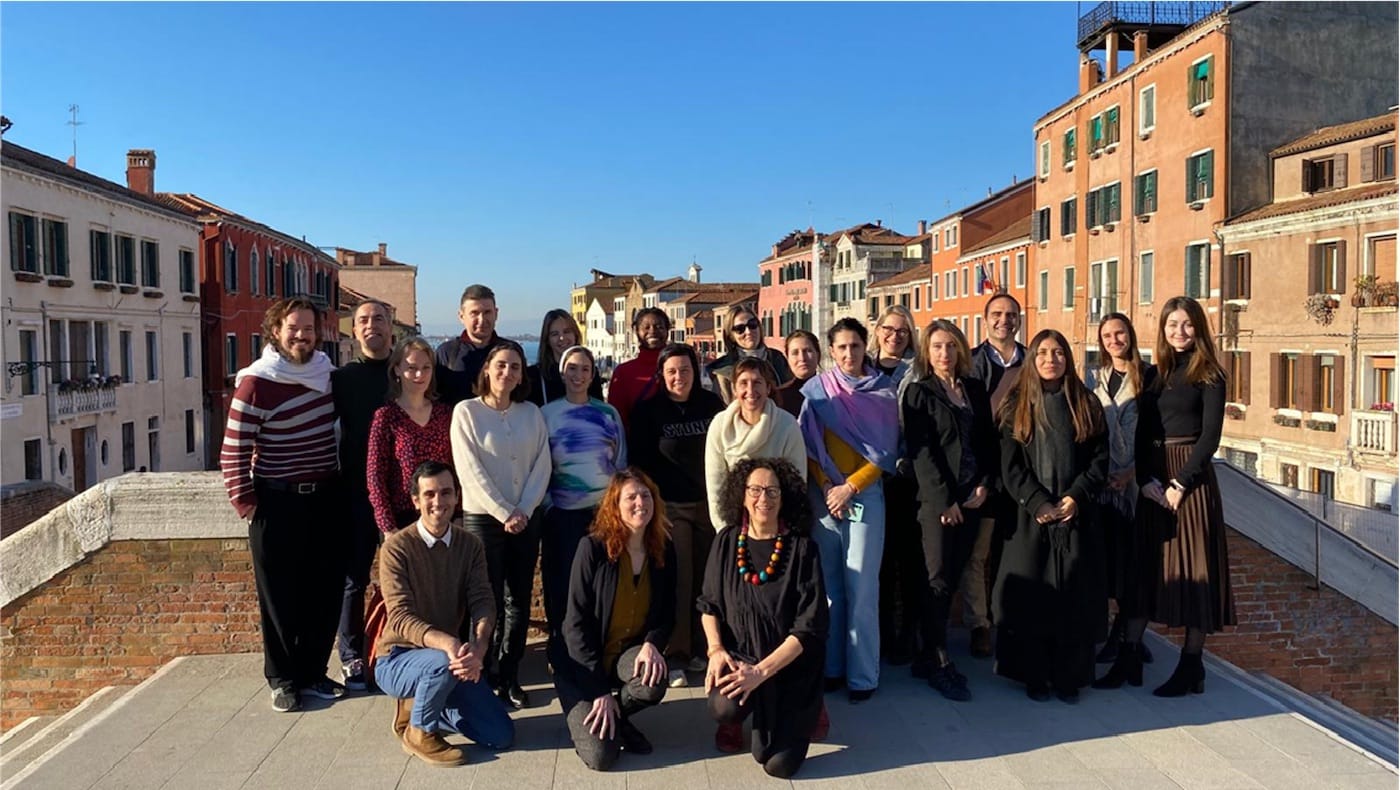
INCLUDE Project Kick-off Meeting in Venice, 14–15 January 2025. Photo credit: INCLUDE consortium
So far, we have managed to accomplish quite a lot. First, we carried out a small study based on qualitative methodology on the situation at our university. We conducted semi-structured interviews with colleagues from the fields of biomedicine, medicine, and dentistry, from the Human Resources Department, the Centre for Educational Growth, and the university’s management.
Concurrently with the interviews, we analysed RSU-approved documents, trying to understand what internal documents existed and what they stipulated in terms of gender equality, diversity, and inclusion. In other words, we “scanned” the field to understand what was written in the documents, what worked or did not work in practice, what were people thinking about these issues, and in which direction we should move forward.
Second, based on the information gathered during the interviews and document analysis, in June 2025, we organised a meeting with RSU colleagues. During the meeting, we presented the conclusions of this small study and invited the participants to take part in a co-creation session aimed at highlighting areas and topics at our university where changes were needed.
What are these activities?
I will mention one of them. If we want structural changes even after the end of the project, it is necessary to introduce sustainable mechanisms that are not a formal project requirement. Therefore, we decided that it would be important to set up a working group at the university, bringing together various colleagues – researchers, lecturers, students, administrative staff - who would advocate for and work daily on gender equality, diversity, and inclusion. This would ensure that these activities are not sporadic, but are constantly followed, bringing new ideas to life.
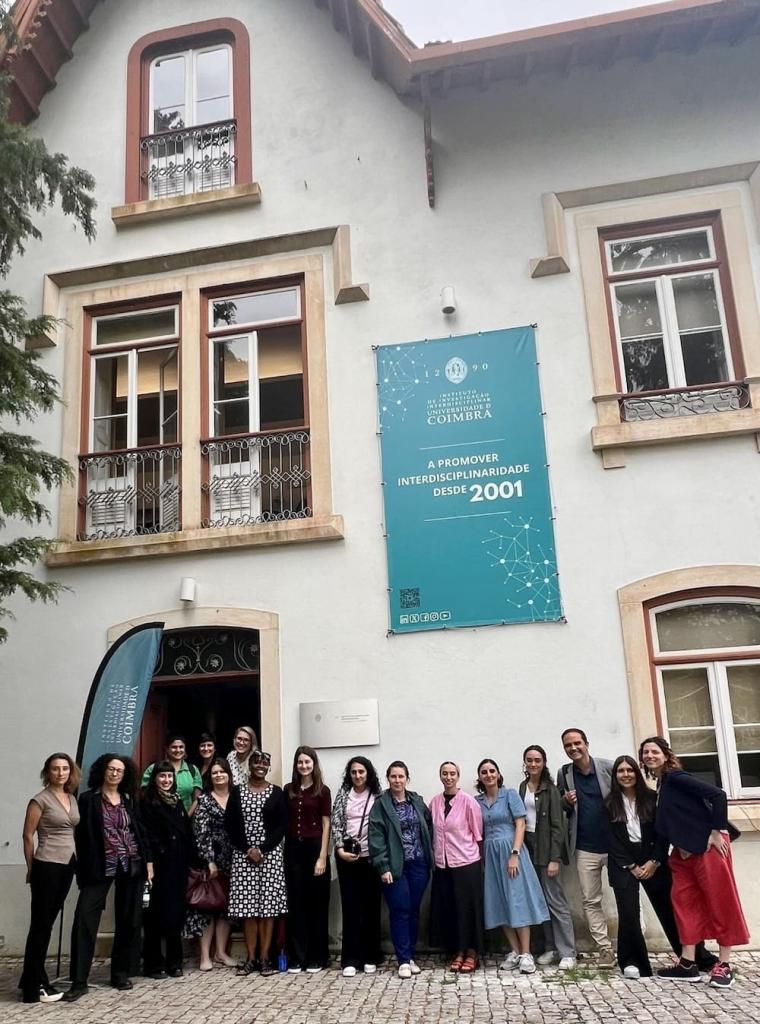
As part of its ongoing mutual learning and institutional transformation activities, the INCLUDE consortium gathered for a two-day study visit at the University of Coimbra’s Interdisciplinary Research Institute in Portugal, 7–8 October 2025. Photo credit: INCLUDE consortium
When assessing gender equality and inclusion at our university, could you share some of the conclusions?
There were many different conclusions. According to statistical data, RSU could even be called a “women’s university,” as one of the study participants put it – in 2024, 73 % of employees were women. It may seem that gender equality has been achieved, but a closer look reveals that men still dominate at the management level. A similar trend can be seen in other research institutions in Latvia - there are many women, but they reach top positions less often.
Formally, the university has developed a gender equality plan, which like in other research institutions in Latvia, was created in response to Horizon Europe requirements. Although these plans were initially a formal necessity, they have nonetheless helped to highlight equality issues and prompted broader changes in thinking and practice.
As an example of good practice, one can mention the crèche Namiņš used by both staff and students, as well as the health insurance offered by the university. These are seemingly self-evident but very important forms of support.
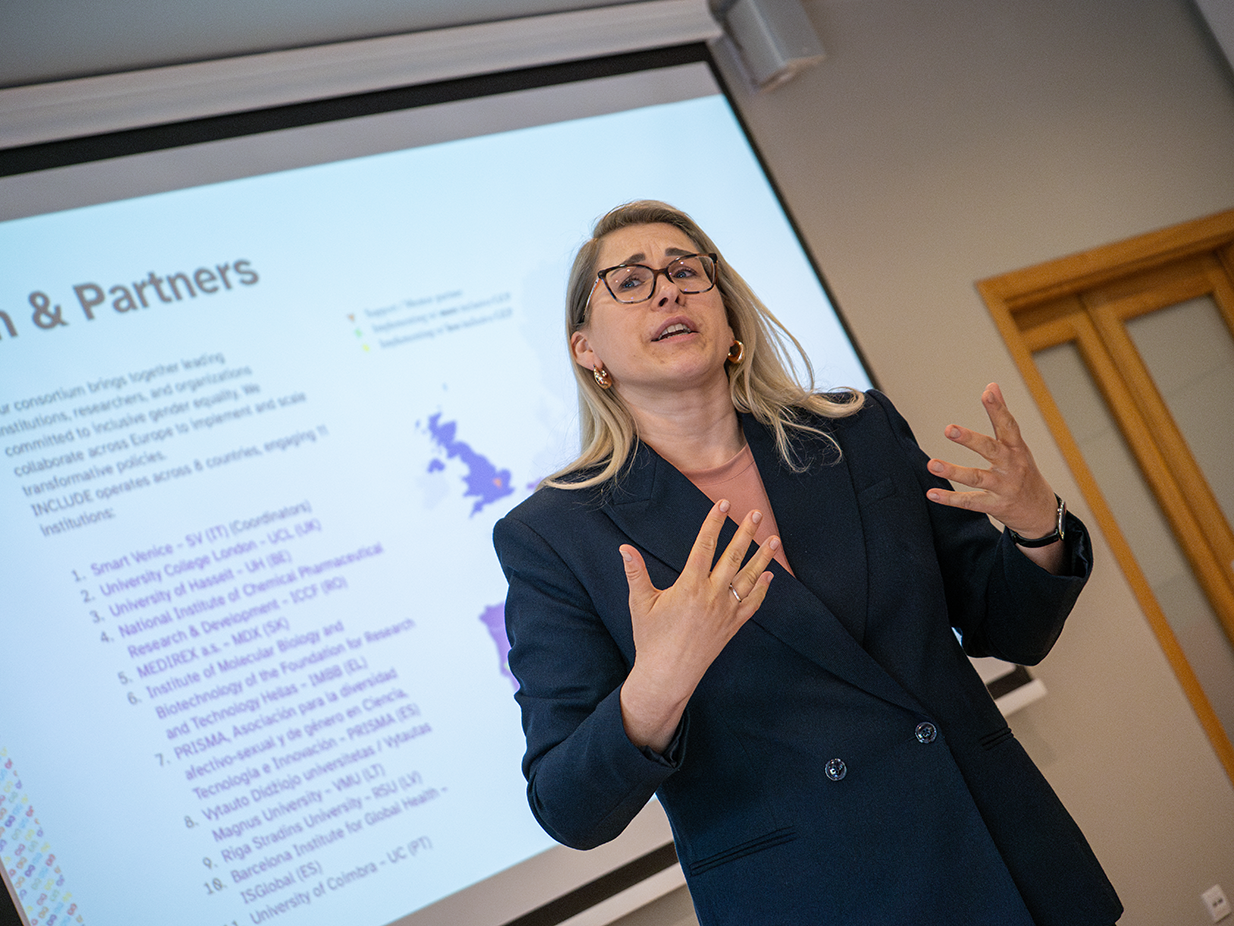
Diāna Kiščenko presents the INCLUDE project at an international workshop at RSU, 8 May 2025. Photo credit: RSU
What are your personal lessons or reflections that you have gained while working on this project?
My colleague Anna Žabicka and I were most surprised by the responsiveness of our colleagues when we organised a co-creation session in June. We invited colleagues from various structural units, representing different positions. It turned out to be a very diverse group, where colleagues had already been thinking about these issues and had incorporated different ideas into their work. It was truly rewarding to see that they were willing to move forward and continue doing things. In this co-creation workshop, we saw that the main driving force of our university is people and the human relationships they maintain built on respect, equality, openness, and the ability to inspire and support one another.
How could the impact of this project be continued or expanded beyond the field of biomedicine?
The primary objective of the project is to promote change in the field of biomedicine in higher education and research institutions in Europe. But if we want institutional and structural change, it needs to be applied to the entire university ecosystem. That is why the activities we have planned will be aimed at the entire university.
What are your expectations regarding the perception of the importance of gender equality in research by society, industries, institutions, and decision-makers?
We would very much like gender equality, diversity, and inclusion in research to be seen not as just another Brussels checkbox - a burden, but as a resource and an opportunity for all of us.
Recommendations for further exploring
European Institute for Gender Equality
She figures 2024. Gender in research and innovation: statistics and indicators
Horizon Europe, gender equality. A strengthened commitment in Horizon Europe
Related news
 Systemic sclerosis in Latvia may be more common than statistics suggest; study also reveals a frequent risk of nerve damageRSU research synapses