Ieva Lībiete, winner of the Pauls Stradiņš Award and RSU Annual Award, at crossroads of medicine, history, and museums


Photos: Courtesy of RSU and Ieva Lībiete
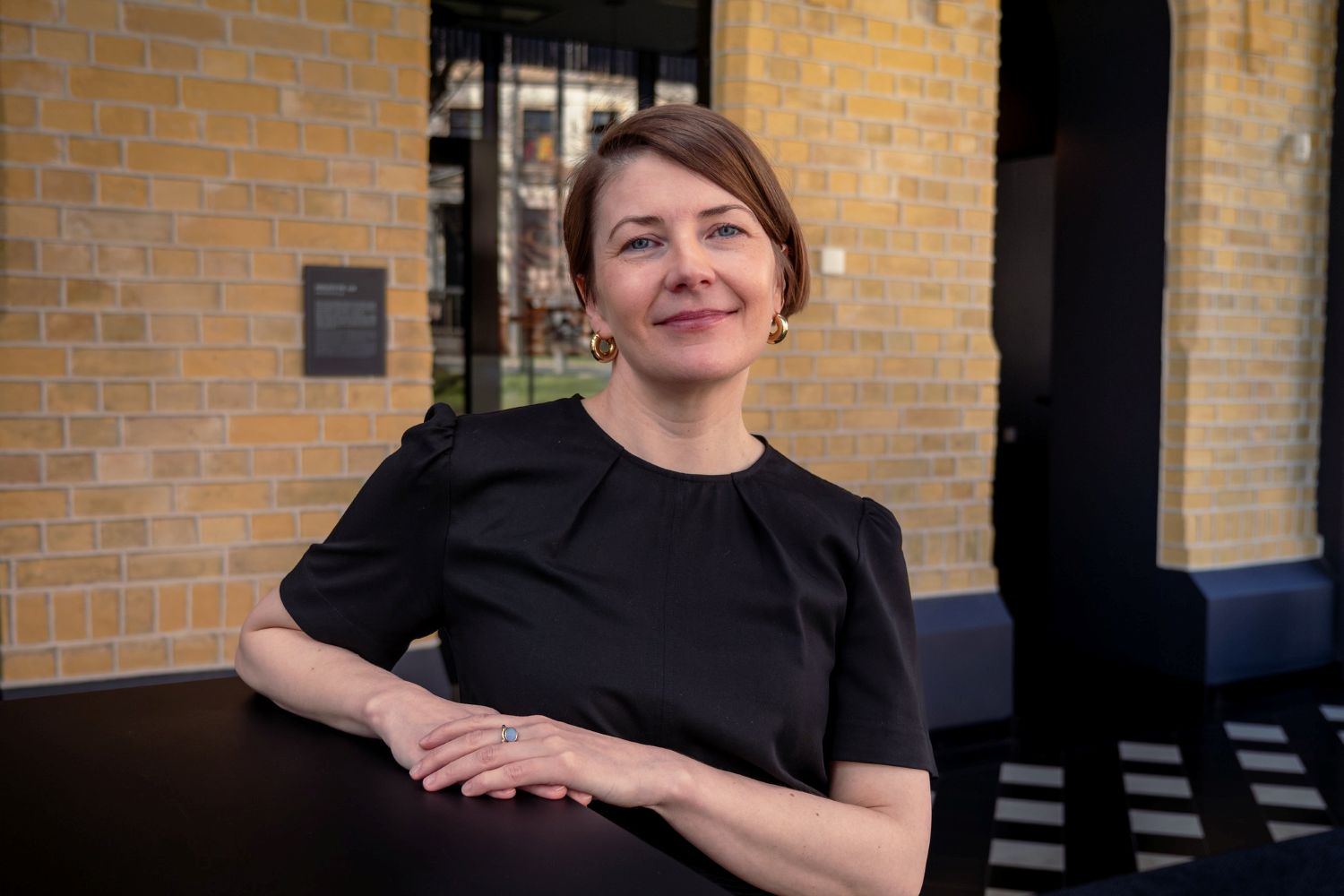
‘Ieva Lībiete is full of energy, vitality, and a desire to always go an extra mile, reach new heights, and inspire others to do the same,’ say her colleagues, describing Asst. Prof. Dr. med. Ieva Lībiete, Head of the Rīga Stradiņš University (RSU) Anatomy Museum. She is an RSU alumna, academic staff, and Doctor of Medicine - a professional whose work naturally brings together medicine, science, and culture. Under the leadership of Ieva Lībiete, the RSU Anatomy Museum has become an internationally recognised and contemporary space where academic knowledge stands alongside creativity and dialogue with the public.
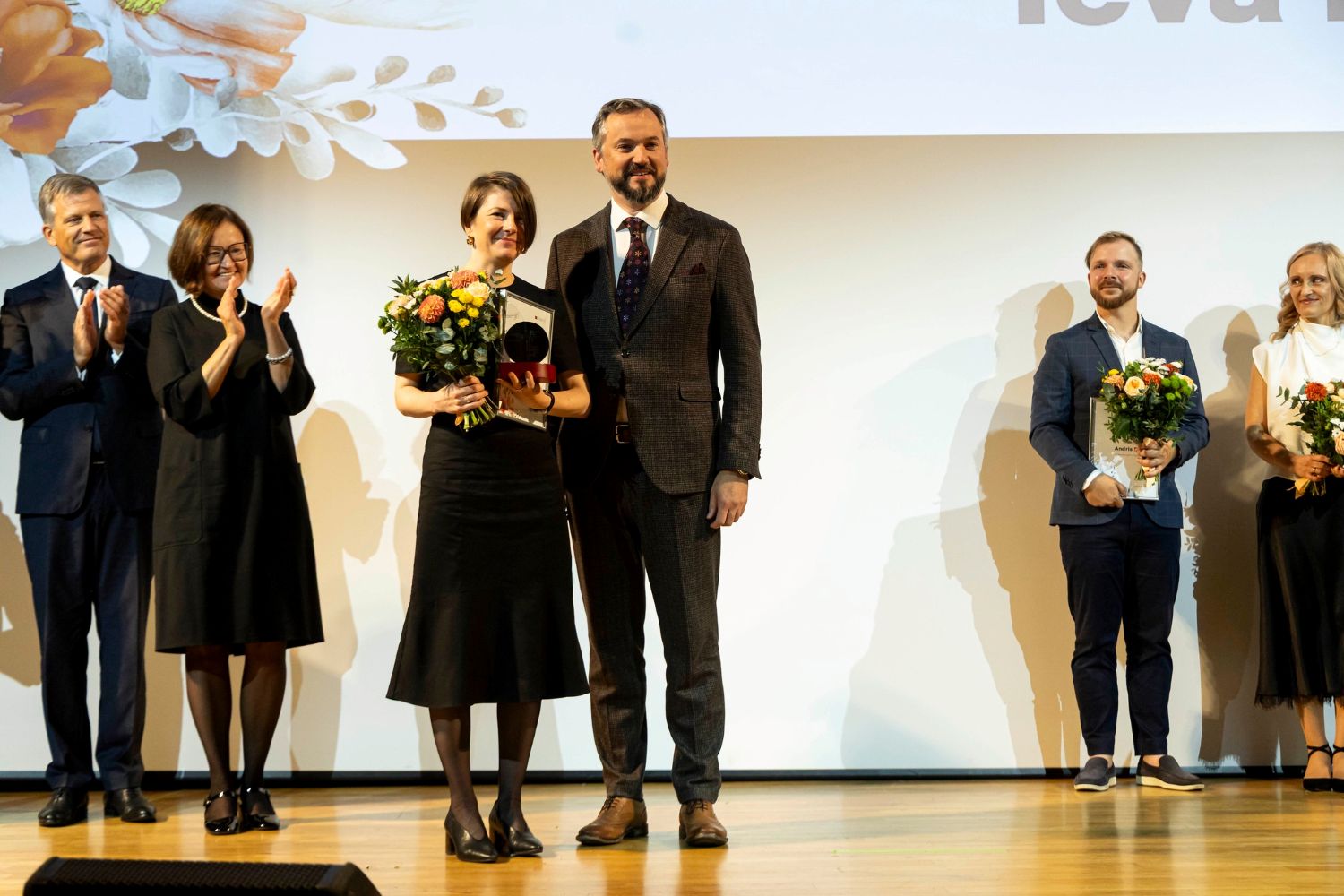
Lībiete will be presented with the Pauls Stradiņš Award in the History of Medicine on 7 May for her contribution to the preservation and contemporary interpretation of the historical heritage of medicine. In 2025, she received the RSU Annual Award in the category Alumnus of the Year. In the interview, Lībiete shares her professional experience from her student years to the establishment of the museum, tells us about the people and ideas that have inspired her, and reveals what has shaped the success of the Anatomy Museum and what the future plans are.
Please tell us about your professional path - how did it lead from studying medicine to becoming the Curator of the RSU Anatomy Museum.
This is a story of my choices, which have often been shaped by all sorts of chances and unexpected opportunities. I began my medical studies in 2001, at what was then the Medical Academy of Latvia. To a great extent, my choice was determined by my family background, as I was born and raised in a family where medical professionals have been already for two generations before me. Consequently, my decision to pursue medical studies was quite natural.
Then, in my fifth year, I happened to find myself in the environment of the Pauls Stradiņš Medicine History Museum. During my studies, I was involved in the organisation then known as the International Federation of Medical Students Association; today, its successor is the Latvian Medical Students’ Association. One of the organisation’s main areas of activity was promoting public health through various initiatives, including delivering educational lectures. Around 2005, together with my fellow student Edgars Naudiņš (now - a radiologist), we began delivering lectures at the Medicine History Museum, and soon after we were both offered permanent positions there. Edgars has joked ever since that he no longer needed to do anything at the museum because he had already accomplished the most important task - bringing me there. The salaries were purely symbolic, but the atmosphere was wonderful, and the most fascinating people worked there, from whom I could learn a great deal. For example, Aija Dirbe, who had been at the museum since the time of Prof. Pauls Stradiņš, introduced me to exhibition work; anthropologist Rita Grāvere became my mentor in research (I still use her saying: “The publication is still in the ink bottle.”); and, of course, Prof. Juris Salaks; book historian Artis Ērglis, and many others. Each of my colleagues contributed something different, and together they created an environment that had a profound influence on me.
This job gave me what I was missing in my medical studies - the opportunity to broaden my perspective, think in an interdisciplinary way. I had the chance to speak publicly, develop educational programmes and exhibitions, and meet professors in a more informal setting whom I would have otherwise encountered only during my study process. All of this was deeply inspiring.
At the time, though, I did not imagine that my career would be connected to the history of medicine and museums. In 2007, I enrolled in an internal medicine residency. However, during my final year of residency, Prof. Juris Salaks offered me a place in doctoral studies – an offer I could not refuse. After that moment on, my career path became clearer. I had decided that it would involve the history of medicine, working with students, and museum work.
In 2016, RSU had already begun work on establishing the Anatomy Museum and invited me to lead the project. It came as a great surprise, but I accepted it without hesitation. An opportunity like this to create an entirely new museum exhibition, comes along exceptionally rare. I had already previously worked on topics related to the history of anatomy, visited many European museums of medical history and anatomy, and had a fairly clear sense of what makes a good contemporary anatomy museum, what kind of the atmosphere, the message, and the communication style it should involve. I genuinely felt that I might be the right person for this job as a development project manager for the Anatomy Museum. So, even though I loved my work at the Medicine History Museum, I accepted this offer with great enthusiasm. And this was how I went from studying medicine to becoming the Anatomy Museum Curator.
For your research in the history of medicine, you received the Félix Prize from the European Academy of Sciences and Arts in 2015 and the Professor Mark Mirsky Prize in 2021. The Pauls Stradiņš Award will soon be added to this list. The award presenters - the Latvian Academy of Sciences and RSU - have recognised your achievements in establishing the RSU Anatomy Museum as an internationally recognised space for culture, science, and public education.
Yes, this award is an immense honour for me and the Anatomy Museum - it is the highest recognition in Latvia for the work of both a physician and a medical historian.
My heartfelt thanks to the colleagues who nominated me, and to the members of the Senate for the Latvian Academy of Sciences and RSU who unanimously supported my candidacy. I have attended nearly all Pauls Stradiņš Award ceremonies since 2006, so I appreciate the exclusive community I will be joining by receiving this award. I am very proud!
In your opinion, what are the key factors behind the success of the RSU Anatomy Museum?
It all starts with the collection.
Anatomy collections have always fascinated people, and I believe they will do so in the future. They possess a special power - they spark both curiosity and emotion.
And it does not matter where a person comes from or what language they speak - the language of anatomy museums is universal.
However, the success of the new museum was determined by several factors. First, the ability of the RSU management to see “the useful in the useless” and to support this project in the long term. Without the university’s constant support for our work, such a museum simply would not exist.
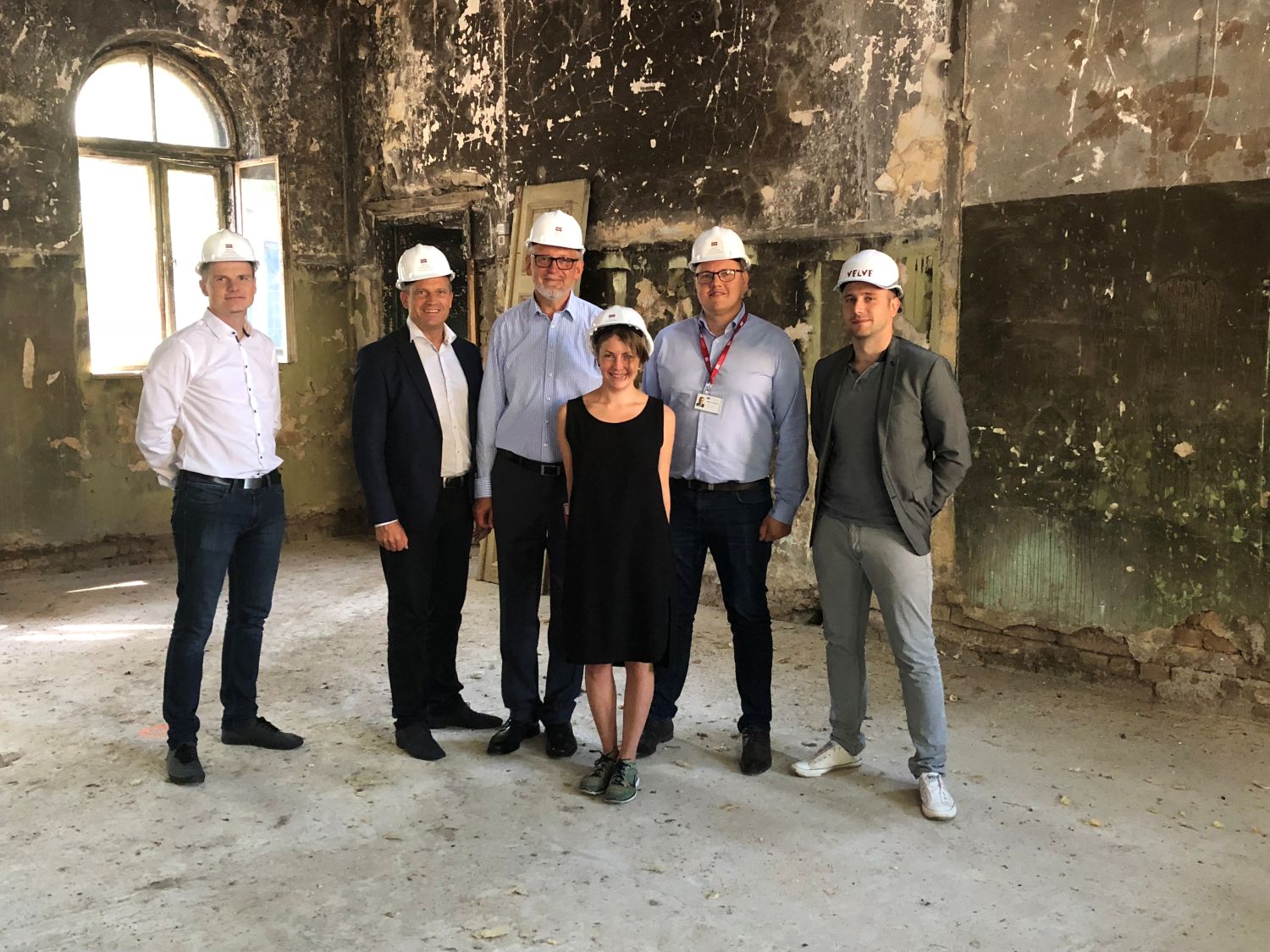
The other cornerstone of the museum’s success, in my opinion, is its international character, its global outlook. This was initially brought to life in the museum through the world-oriented personality and the spirit of adventure of Prof. Juris Salaks, Director of the Institute of the History of Medicine and my Doktorvater.
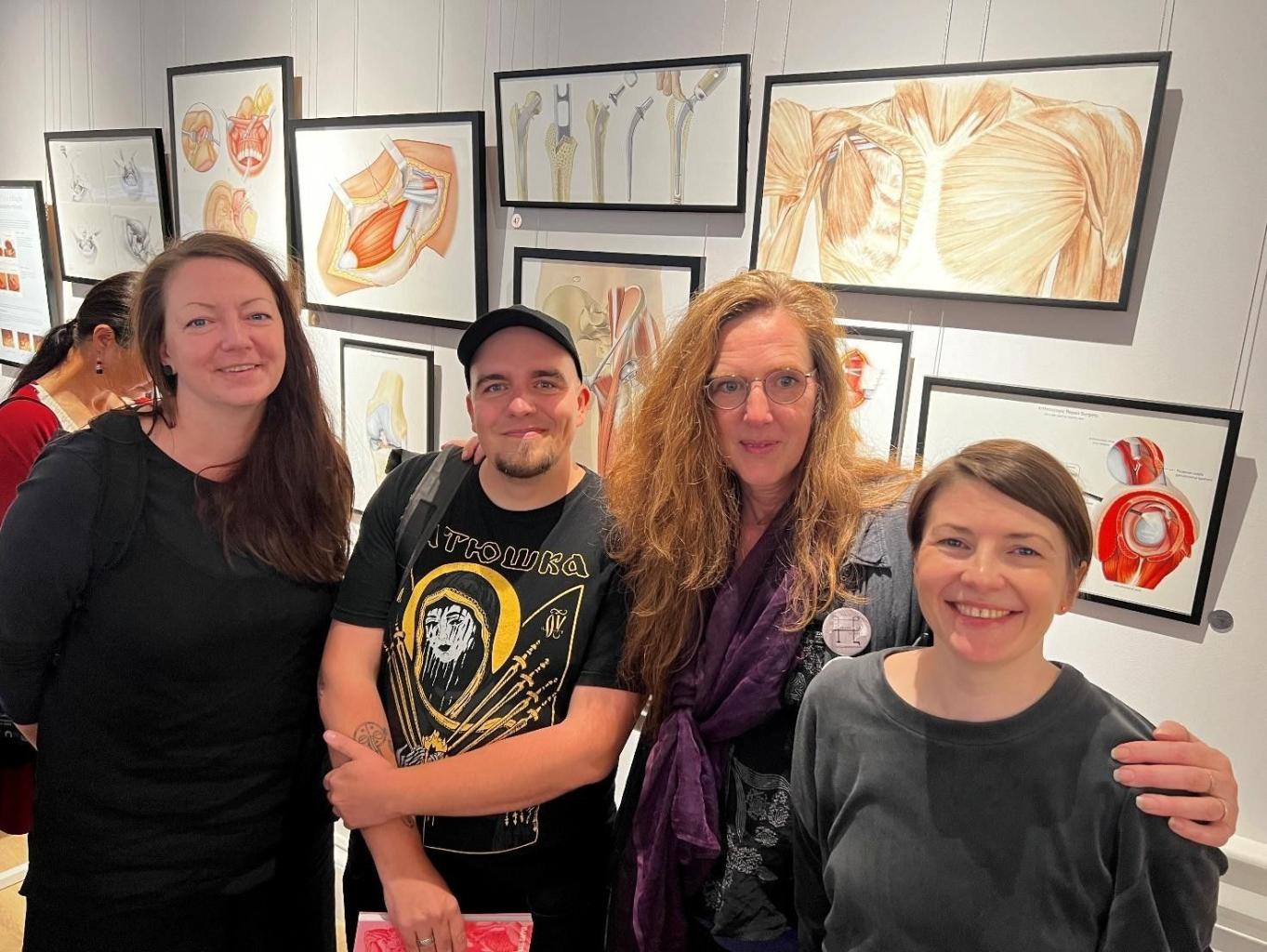
The reconstruction of the museum had not yet begun when we were already developing joint project plans with Pascale Pollier, Director of AEIMS (Association Européenne des Illustrateurs Medicaux et Scientifiques), who later introduced us to other artists and curators of anatomy museums. Pascale Pollier is “our Vesalius” – she showed that anatomy museums can be a place not only for science, but also for art.
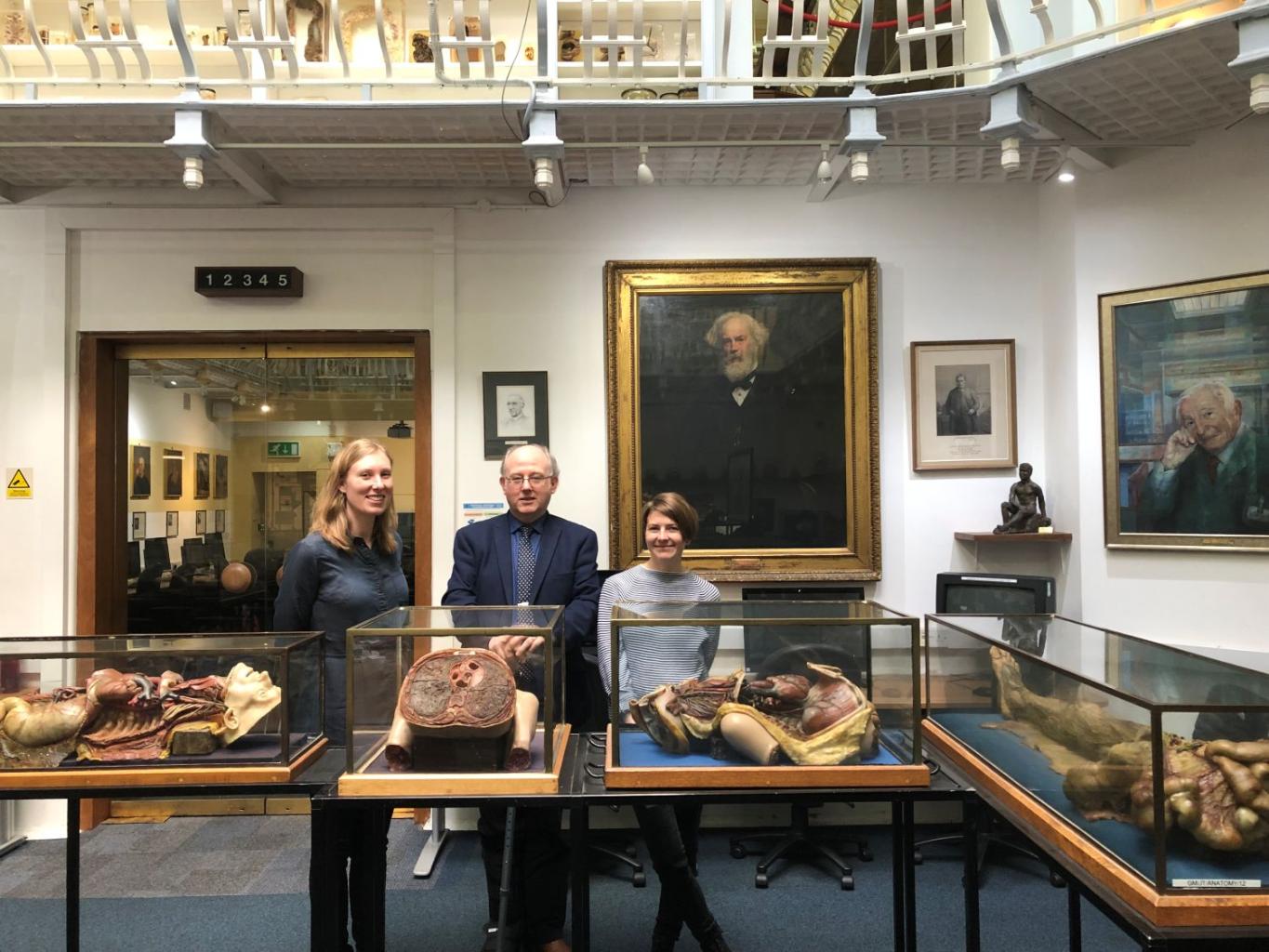
Among museum curators, Bill Edwards – the Curator of the Gordon Pathology Museum in London – played a significant role. With his British humour and kindness, he provided inspiration and strength at the very beginnings of the museum’s development. From him, I learned several important lessons: not to be afraid to demand quality, to combine the historical with the contemporary, to be open to artists, but to avoid sensationalism. He also made several “predictions” that initially seemed unbelievable, but later indeed came true. For example, he said: if people see that the museum is good, they will want to donate their anatomical collections to your museum.
And indeed – people have entrusted their collections to our museum. One such example is the collection of valuable anatomical specimens donated to the museum by the anatomy historian Oskars Baldomero that allows our visitors look back into the history of anatomy dating back centuries.
I can state with full confidence that contacts with museum curators and medical artists around the world make our museum truly unique compared to other equally valuable university collections that remain known only at a local scale.
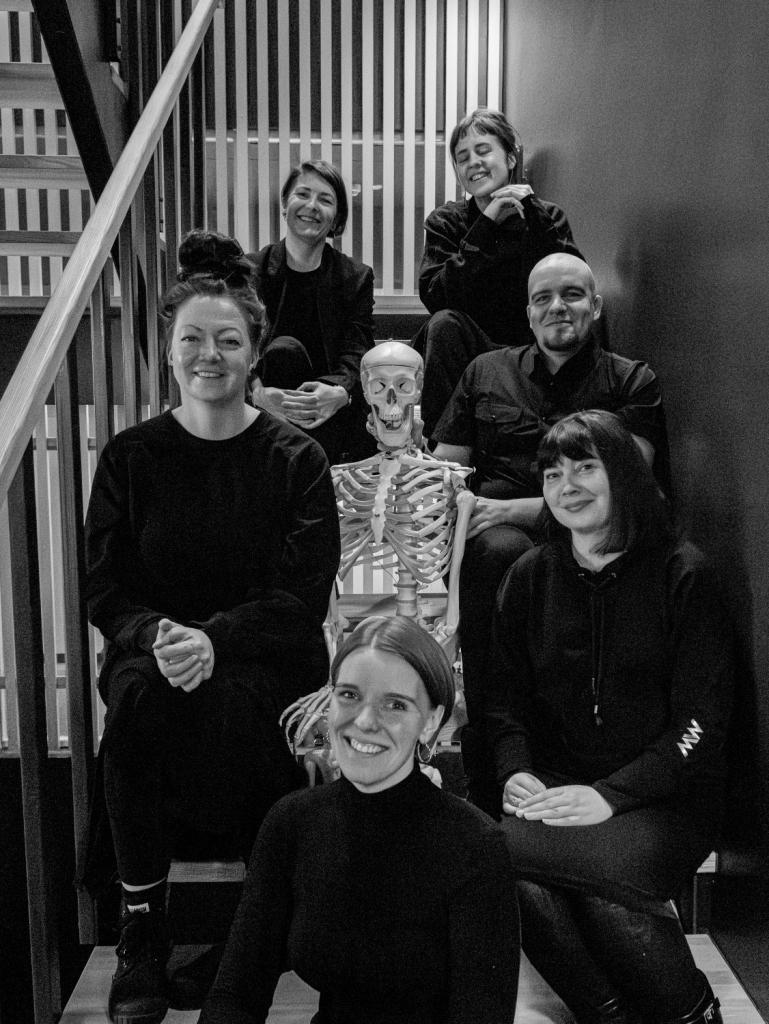
And finally, the third, but no less important cornerstone is the people who created the museum’s new exhibition and continue bringing it to life every day. The museum would not look the way it does without the vision and professionalism of Jānis Mitrēvics, artist and Creative Director of Dd Studio. The museum’s narrative, in turn, was developed in collaboration with social anthropologist Ilze Sirmā, whose consistently critical eye made the story clearer and more precise. However,
it is the current museum team that has transformed this beautiful but initially static space into a living museum with an open, welcoming atmosphere and a diverse public programme.
Our strength lies in interdisciplinarity: our team includes medical professionals, historians, musicians, and artists - people who not only perform their work professionally but also embody the spirit of the museum and consider this place as their own. No one is here by chance.
What do you consider to be the most significant achievements of the RSU Anatomy Museum?
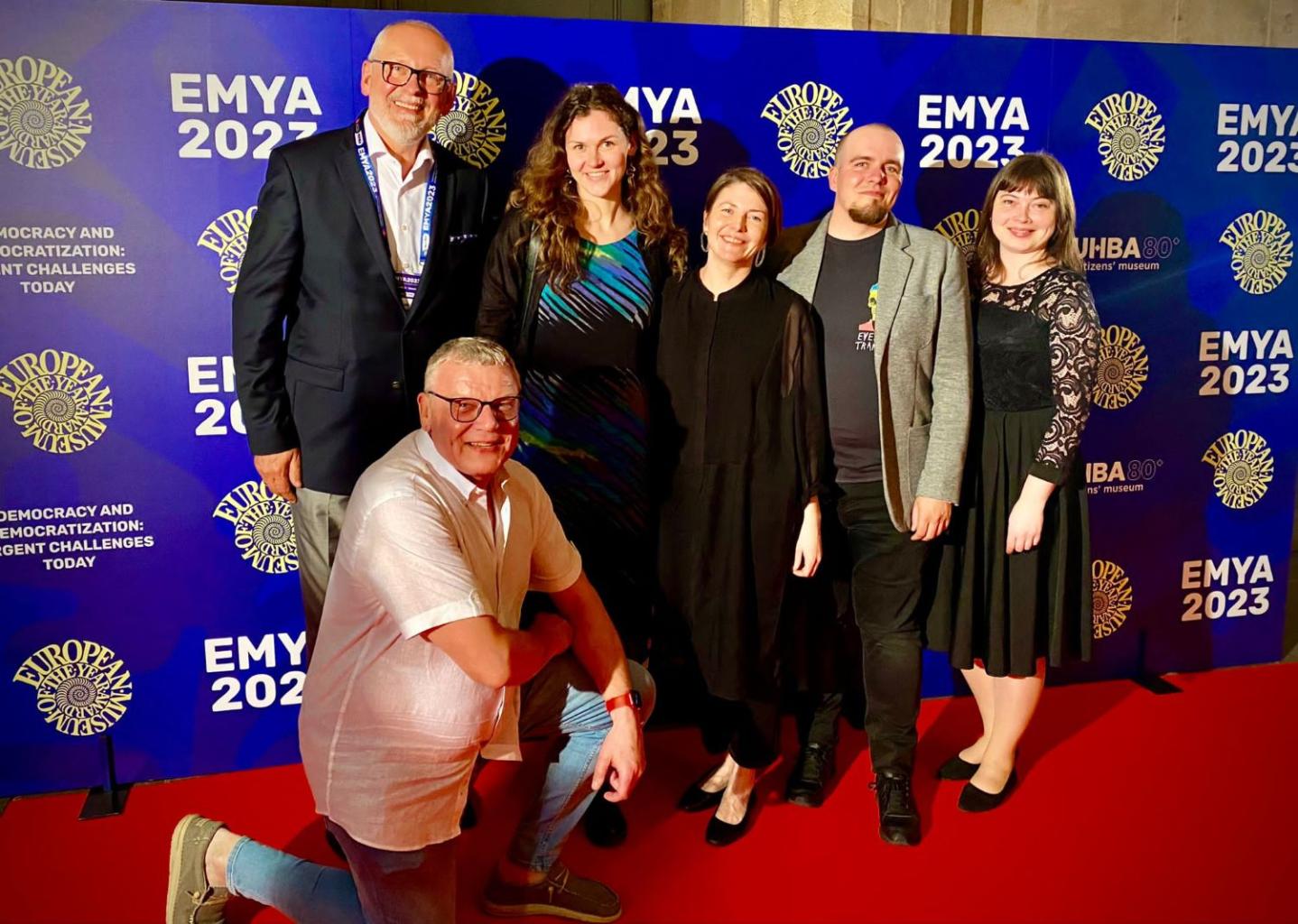
The museum’s first major achievement was the creation of a new exhibition, which also earned international recognition - in 2022, we were nominated for the European Museum of the Year Award (EMYA), the oldest and most prestigious award in the European museum sector.
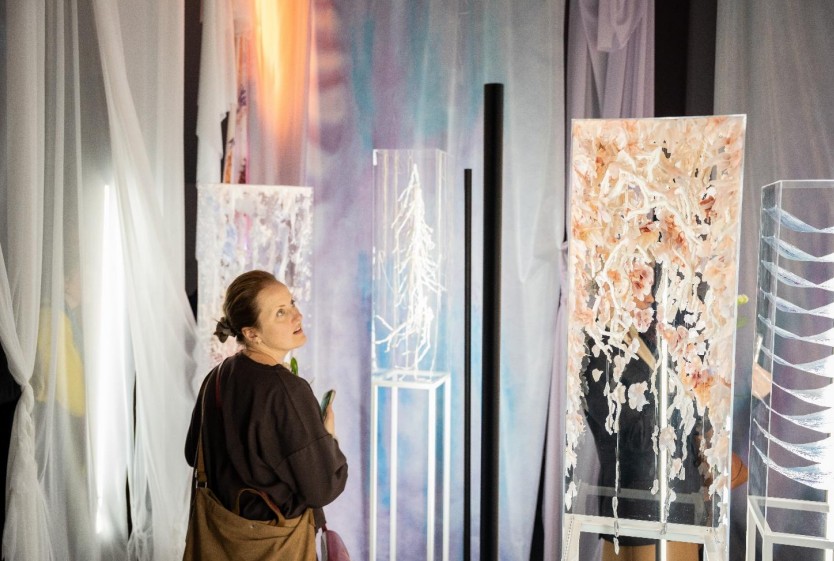
Another thing to be highlighted is that over time we have managed to establish the museum as a place where anatomy and art can meet. Over the past five years, we have carried out several interdisciplinary projects with artists, musicians, and writers. These events have been noticed and recognised - we have received two Latvian Public Media Kilograms kultūras nominations and one nomination for the Grand Music Award.
Currently, our greatest joy and satisfaction comes from our latest initiative - the student ambassador programme. Last year, we announced student guide positions at the Anatomy Museum. The response was surprising - more than 60 applicants signed up. We conducted training, followed by a test, and now we have 17 new guides at the museum: students of medicine, dentistry, and nursing, who are guiding tours for school groups.
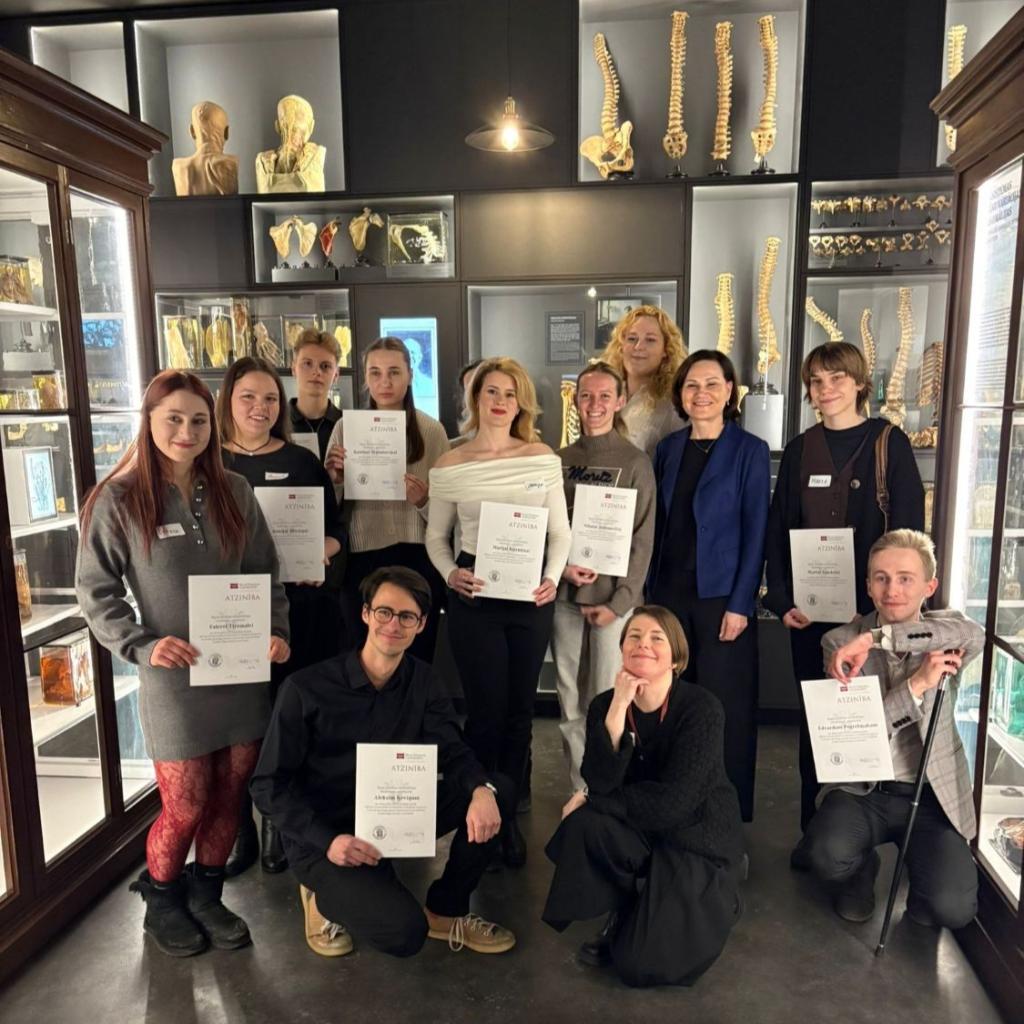
Everyone benefits, because we can now host more guided tours at the museum than before, and the school pupils really enjoy the student-led tours, we often hear questions and even applause, which is still a rare but very welcome activity in Latvia. For the students themselves, it is an opportunity to practice their public speaking and teaching skills. At the museum, we sometimes even do not remember what it was like to work only on our own, without assistance of students.
You are an RSU alumna, and last year you received the RSU Annual Award in the Alumnus of the Year category. Why did you join the RSU Alumni Association, and what kind of projects are carried out there?
I have been a member of the Alumni Association for a very long period, since the time of the very popular Intelligence Academy. I cannot say I am always a very active member, but I try to support the association.
The Alumni Association does important work, offering joint activities and finding things of interest to RSU alumni who are often so different from one another - we come from various disciplines and countries; besides, we have studied at different times.
That is not easy at all! I think it would be great if members of the Alumni Association would take the initiative more often and bring their ideas to life through our association.
I have one dear idea I would definitely like to carry out one day - the RSU Alumni Medicine History Travel Club.
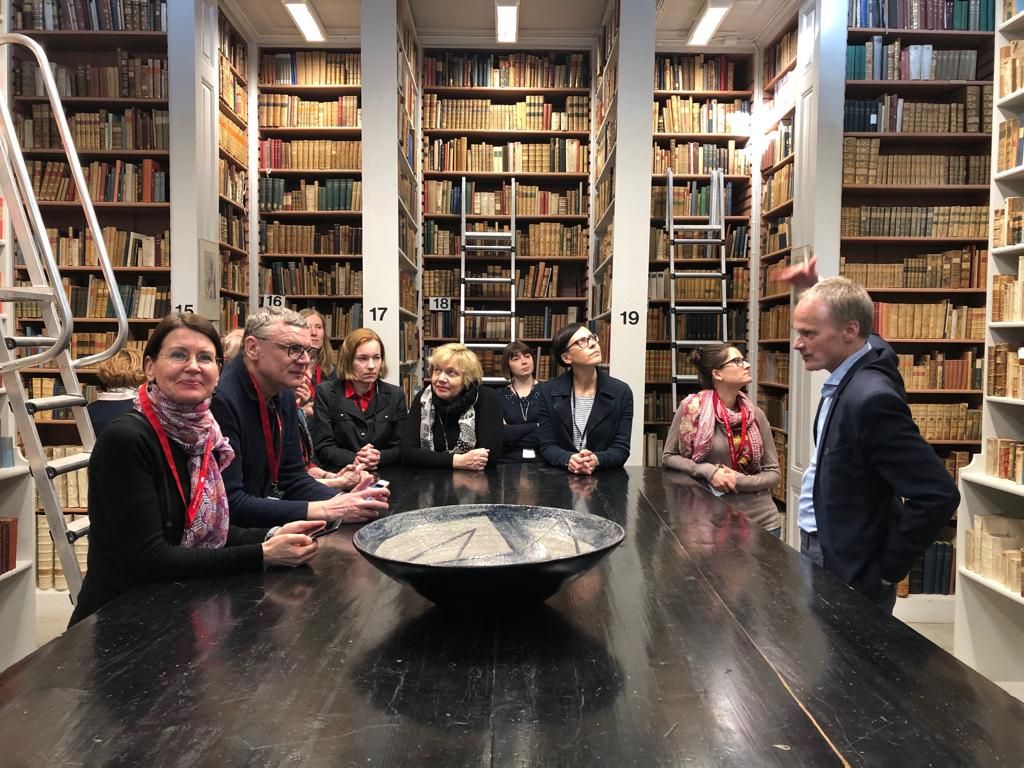
In a small group, we could explore and discover monuments of the history of medicine - the oldest hospitals, the first universities, anatomical theatres, museums of anatomy and medicine, medical libraries and archives, monastery and botanical gardens. I already have several itineraries in mind across various European countries. This idea came to me several years ago when at the Institute of the History of Medicine, we quite spontaneously, inspired by Prof. Salaks, organised the RSU conference session of the medical history section … in Uppsala! A group of about a dozen of us got together, each bought a plane ticket, and off we went - it was such a wonderful adventure! Our colleagues welcomed us so warmly everywhere we went, provided rooms for presentations, and showed us museums, archives, and libraries. I would definitely like to repeat something similar with the Alumni Association as well.
What is happening at the Anatomy Museum now, and what are the major plans for 2026?
We are gradually preparing for our traditional summer events – Museum Night and Market Day. At the same time, in June, the Anatomy Museum will host the XXXII Baltic Conference on the History and Philosophy of Science, a traditional conference originally established by Prof. Pauls Stradiņš. It takes place every two years in one of the Baltic countries, and this year it is returning to us in Riga.
On 4 September, we will celebrate the 25th anniversary of the RSU Museum at the Anatomy Museum. In honour to this occasion, our colleagues who are responsible for the university’s history collection are preparing an exhibition Vietas, lietas un sajūtas (Places, Things, and Feelings), which will explore the university’s history and our shared memory.
I find it especially important that the university museum is able to connect generations through invisible threads. For example, a student’s first stethoscope always holds the same significance, regardless of the era. The anxiety on students’ faces before exams has not changed either. It is in these small similarities that a shared identity is formed. We hope it will be a wonderful, albeit small, exhibition where every graduate, student, or staff member of RSU, the Medical Academy of Latvia, or the Rīga Medical Institute (now - RSU) can recognise a part of themselves, their memories, and their experiences preserved in our history collection.
How do you see the future of the Anatomy Museum and your journey alongside it?
The Anatomy Museum is a gem – a small, unique museum appreciated by its visitors. It encourages reflection on fundamental questions: about being in sickness and in health, and about the strength and fragility of life.
The museum preserves the history of medical education in Latvia, but I would also like it to look towards our shared future. That would be the natural next step - to expand the museum’s capacity not only to preserve and explain the past, but also actively engage in the conversation about what lies ahead.
Looking ahead over next ten years, I envision the RSU Anatomy Museum with a new, modern, individually built exhibition space - a science gallery. It would be a place where an interdisciplinary museum team works together with the RSU science institutes, researchers, doctoral students, and artists to create popular exhibitions on the most current and significant scientific issues. Of course, this is a vision, but we cannot live without a vision!